
Nobody tells you how much mental space potty training takes up. You spend weeks wondering if your toddler is ready, researching the right method, buying a tiny toilet, and then holding your breath every time your child does something suspicious near the couch. For first-time moms especially, the whole thing can feel way bigger than it probably needs to be.
The good news is that most of the stress around this milestone comes from pressure — either from yourself, from other moms, or from that one comment a pediatrician made at the 18-month checkup. Most kids do figure it out eventually, and how long it takes has a lot more to do with them than with you.
That said, there are real things you can do to make the process smoother, shorter, and a lot less chaotic. What follows are 10 practical tips that first-time moms have found genuinely helpful — not filler advice, but the kind that actually saves time and frustration.
- 1. Wait for Real Readiness Signs (Not a Specific Age)
- 2. Don't Start During a Big Life Change
- 3. Set Up Your Space Before You Start
- 4. Use a Simple, Consistent Schedule
- 5. Keep the Language Positive and Low-Key
- 6. Let Your Child Have Some Control
- 7. Don't Panic Over Regressions
- 8. Handle Nighttime Separately
- 9. Be Consistent Across Caregivers
- 10. Trust the Process (and Your Kid)
- What Stays With Them Long After the Diapers Are Gone
- Frequently Asked Questions
1. Wait for Real Readiness Signs (Not a Specific Age)
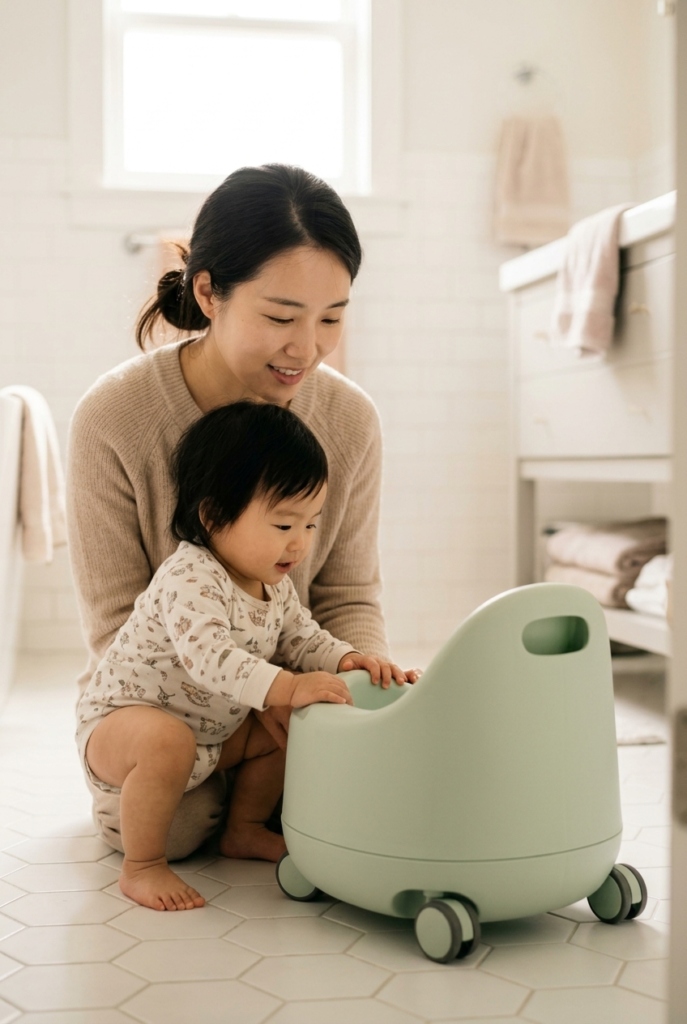
One of the biggest sources of unnecessary stress is starting too early. The American Academy of Pediatrics doesn’t recommend training by a certain age — it recommends watching for readiness cues. These include staying dry for at least two hours at a stretch, showing discomfort with a dirty diaper, showing interest in the bathroom, and being able to follow simple directions.
Most kids hit this window somewhere between 18 and 30 months, but some aren’t ready until they’re closer to three. Trying before your child is developmentally there almost always takes longer and creates more conflict than simply waiting a few more weeks.
2. Don’t Start During a Big Life Change

Timing matters as much as readiness. If your family just moved, a new baby is arriving soon, or your toddler recently started daycare, this is not the right window. Stress from major transitions takes up a lot of a child’s bandwidth, and potty training adds more.
Pick a stretch of time when your child’s routine is stable and you can be home consistently for at least three to four days. That predictability gives the whole process a much better shot at actually working.
3. Set Up Your Space Before You Start
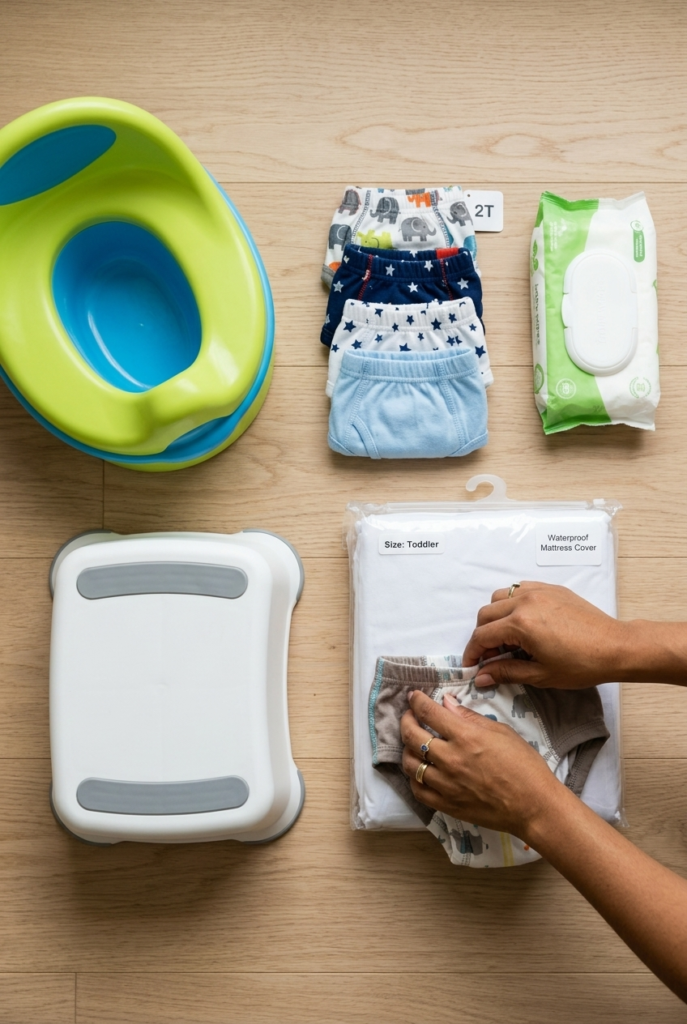
One of the most practical things you can do ahead of time is get the physical setup ready. This means placing a small potty chair in the room where your child spends the most time — not just in the bathroom. If your home has multiple floors, having access on each level makes a real difference.
Beyond the potty itself, put a stool under the sink, stock up on training underwear (at least 10 pairs), have extra pants and wipes nearby, and use a waterproof mattress cover from day one. Being prepared for accidents before they happen removes a layer of stress when they inevitably do.
4. Use a Simple, Consistent Schedule
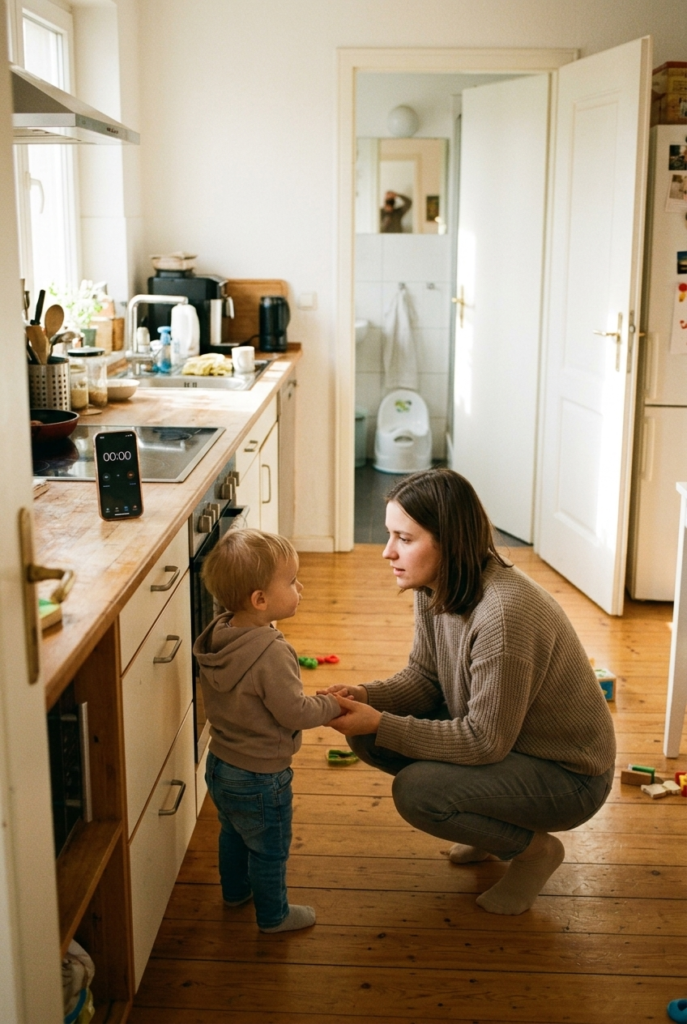
Rather than waiting for your child to tell you they need to go — which may not happen reliably at first — put them on a timed schedule. Taking them to the potty every 90 minutes to two hours, after meals, right after naps, and before bed creates enough opportunities for success to build momentum.
At the start, most toddlers won’t initiate on their own. A timer takes the guesswork out of it and removes the “battle of wills” energy from the process. You’re not asking them if they have to go — you’re simply saying, “It’s potty time.”
5. Keep the Language Positive and Low-Key
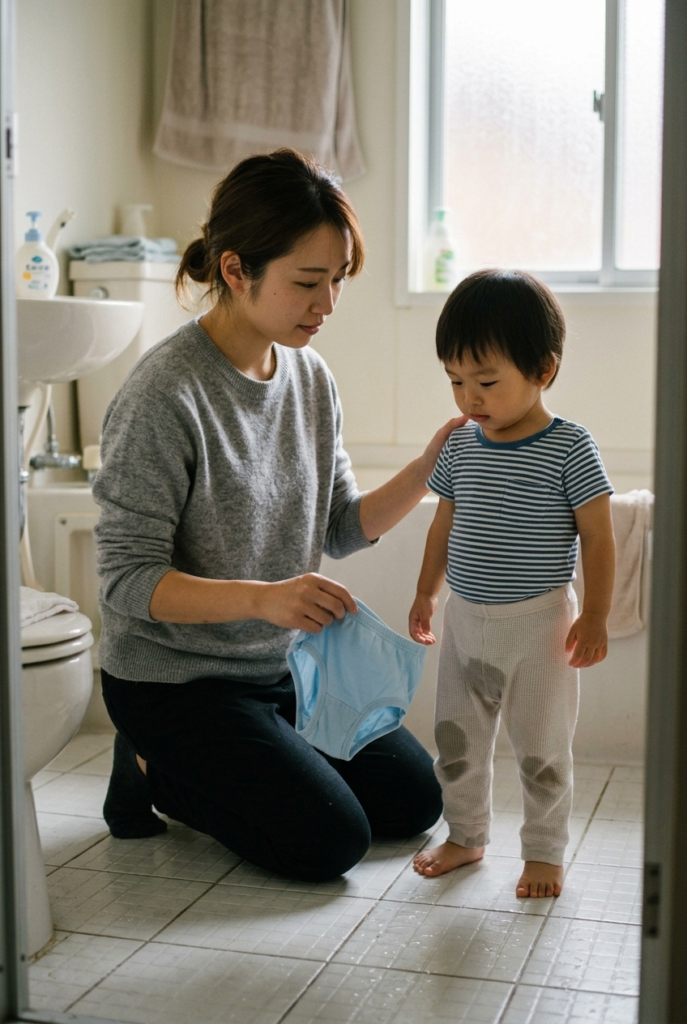
How you talk about accidents matters more than most moms expect. Kids pick up on frustration quickly, and repeated disappointment can create anxiety around the whole topic. A calm, matter-of-fact response — “Oops, let’s get cleaned up, you can try again soon” — works far better than any show of disappointment.
On the flip side, going overboard with celebration for every success can also backfire if a child starts to feel performance pressure. Something in the middle — warm, specific praise like “you told me you had to go and made it there, that’s great” — tends to work better over time.
6. Let Your Child Have Some Control
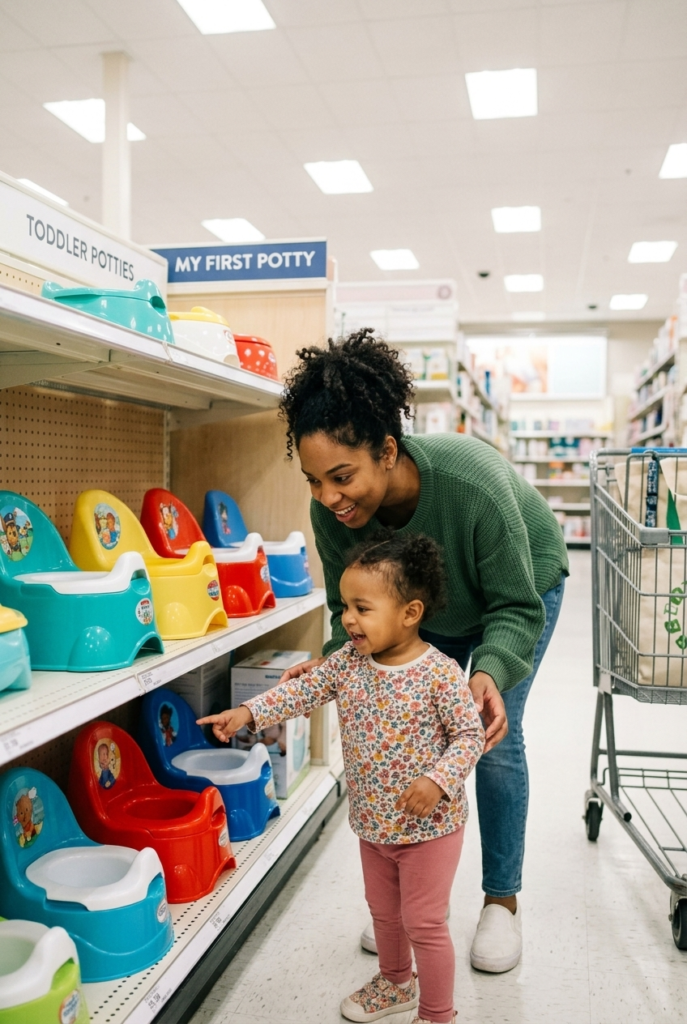
Potty training goes more smoothly when the child feels like they have some ownership over it. Simple choices help a lot here: letting them pick out their training underwear, choose which potty chair they want, or decide whether they want a book or a song during potty time.
Toddlers are at a stage where independence is everything to them. When they feel like they have some say in the process, they’re less likely to dig in and resist. The goal is for using the toilet to feel like their idea, not something being done to them.
7. Don’t Panic Over Regressions

Almost every child who is potty trained will have a period of regression at some point. They’ll go weeks or months doing well and then suddenly start having accidents again. This is completely normal, and it almost never means you have to start over.
The most common triggers are stress-related: a new sibling, a change in daycare or schedule, moving to a new home, or even just something that felt overwhelming to them that you might not be fully aware of. According to pediatric experts, the right move is to stay consistent, avoid going back to diapers, and look for the underlying stressor you can help address.
If accidents persist for more than a couple of weeks or come along with other physical symptoms, check in with your child’s pediatrician to rule out a medical cause like a urinary tract infection or constipation.
8. Handle Nighttime Separately

Daytime dryness and nighttime dryness are two completely different skills, controlled by different biological processes. A child can be fully trained during the day and still need a pull-up at night for months or even years — this is developmentally normal and not a sign that something went wrong.To make nighttime training easier when the time is right, cut back on liquids about two hours before bed, do a potty trip right before sleep, and use a nightlight so the path to the bathroom is easy to navigate. If your child shares a room with a sibling, consider a small potty in their room to reduce barriers. Most sleep experts recommend keeping nighttime as low-stimulation as possible — a quick, boring bathroom trip, then back to bed.
9. Be Consistent Across Caregivers

One of the most common ways potty training gets derailed is when the rules are different at daycare than at home, or grandma uses a different approach on the weekends. Kids this age need consistency to solidify a new habit, and mixed signals slow everything down.
Before you start, talk to anyone who cares for your child — their daycare teacher, your partner, family members who babysit — about your approach. Share your schedule, your language, and your plan for handling accidents. You don’t have to be rigid about every detail, but the core approach should stay the same across settings.
10. Trust the Process (and Your Kid)
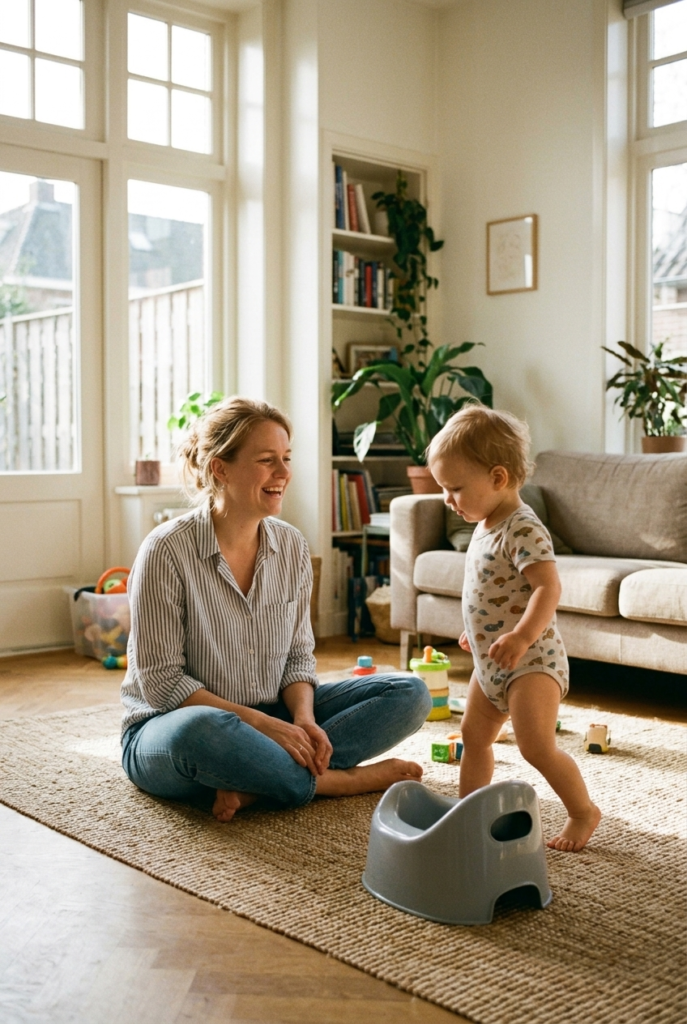
This one sounds vague, but it carries real weight. No child who is developmentally healthy goes to kindergarten in diapers. Every child figures this out, in their own time, at their own pace.
The more relaxed you can be about the process, the better it typically goes. Kids are sensitive to parental anxiety — when they sense you’re stressed about whether they’re going to make it to the potty, it can create the very resistance you’re trying to avoid. Letting go of the idea that this needs to go a certain way or happen by a certain date often makes the whole thing move faster, not slower.
What Stays With Them Long After the Diapers Are Gone
Potty training is one of those milestones that feels enormous while you’re in it and looks small in hindsight. The tips above won’t make the process perfect — there will still be accidents, frustrating afternoons, and moments where you wonder if it’s ever going to click. That’s just what this stage looks like for most families.
What matters most is that your child feels supported and calm through it, not pressured or ashamed. A mom who stays steady through the setbacks is doing exactly the right thing, even when it doesn’t feel like it. You know your child better than any book or blog does, and that instinct counts for a lot.
Frequently Asked Questions
Q: When should I start potty training? A: Most children are ready somewhere between 18 and 30 months, but age alone isn’t the right indicator. Look for readiness signs like staying dry for two or more hours, showing interest in the bathroom, and being able to follow basic instructions.
Q: How long does potty training usually take? A: It varies widely. Some children make the transition in a few days; others take several weeks or longer. A child who isn’t fully ready when training starts will almost always take longer than one who is.
Q: What should I do when my child has an accident? A: Stay calm and matter-of-fact. Clean it up without drawing too much attention to it, offer a neutral comment like “accidents happen, let’s try again next time,” and move on. Showing frustration tends to increase anxiety and slow progress.
Q: Is it normal for a potty-trained child to suddenly start having accidents again? A: Yes, this is very common. Regressions are often linked to stress, big life changes, or new environments. Most resolve on their own with patience and consistency. If accidents persist or are accompanied by pain or other physical symptoms, check with a pediatrician.
Q: Should I use rewards to encourage potty use? A: Some families find sticker charts or small treats helpful, especially early on. Others prefer verbal praise alone. Either approach can work — the key is staying consistent with whatever you choose and avoiding punishment for accidents.
Q: Do I need a small potty chair or can I use the regular toilet? A: Both work. A standalone potty chair can be helpful early on because it’s less intimidating and can be placed anywhere in the house. A toilet insert with a step stool is another good option. Some children actually prefer the real toilet because it feels more grown-up.
Q: How do I handle potty training at night? A: Nighttime dryness typically comes later than daytime dryness and is a separate skill. A pull-up at night is completely appropriate while your child is still learning. Limit fluids a couple hours before bed, do a potty trip right before sleep, and use a nightlight to make middle-of-the-night trips easier.
Q: My child refuses to poop on the potty. What can I do? A: Poop resistance is extremely common and separate from general potty training. Staying calm, not making it a power struggle, and giving your child privacy and time on the toilet often helps. If your child is holding stool to the point of discomfort, talk to your pediatrician, as constipation can make the problem worse.
Q: What if my child is ready but resists the whole idea? A: Resistance often eases when children feel like they have some control — letting them pick their underwear, their potty chair, or a small reward can shift the dynamic. If resistance is strong, stepping back for a few weeks and trying again is often more effective than pushing through it.