
Nobody handed you a manual when you got engaged. You got a ring, a lot of congratulations, a flurry of opinions about centerpieces, and maybe a few teary toasts about love. What you probably didn’t get was a brutally honest conversation about what marriage actually looks like once the flowers die and the thank-you notes are sent.
Most pre-wedding advice gravitates toward the warm and fuzzy. Love hard. Communicate. Never go to bed angry. All fine on paper. But those platitudes leave out the parts that actually shake women — the quiet disappointments, the exhaustion nobody warned you about, the strange grief of realizing your expectations and reality are living in different zip codes.
The ten truths below come from therapists, researchers, and women who’ve lived it long enough to be honest about it. They’re not here to scare you. They’re here to prepare you — because the women who walk into marriage with clear eyes tend to build stronger ones.
- 1. Love Is the Starting Point, Not the Finish Line
- 2. You Will Not Change Him
- 3. The Mental Load Is Real, and It Falls Mostly on You
- 4. Your Relationship With His Family Is a Long Game
- 5. Money Disagreements Can End Otherwise Good Marriages
- 6. Intimacy Will Shift — And That Doesn't Mean Something Is Broken
- 7. You Still Need to Be Your Own Person
- 8. Conflict Is Inevitable — How You Handle It Is Everything
- 9. Seasons of Disconnection Are Normal — And Temporary
- 10. Your Marriage Is Yours — Stop Comparing It to Everyone Else's
- What No One Says at the Wedding but Every Woman Eventually Learns
- Frequently Asked Questions
1. Love Is the Starting Point, Not the Finish Line

Love is real, and it matters. But believing it will carry you through everything is one of the most common and costly mistakes women make before getting married.
The marriages that last aren’t necessarily the ones with the most intense love — they’re the ones where two people consistently choose to show up, compromise, and do the daily work even when the feeling isn’t there. Researchers consistently find that commitment, communication, and emotional regulation predict long-term relationship satisfaction far better than romantic love alone.
Think of love as the reason you start. Everything else is how you stay.
2. You Will Not Change Him

This one stings, but it’s one of the most important things a woman can absorb before she walks down the aisle.
The version of your partner you marry is — with some room for personal growth — the version you’ll have. People don’t fundamentally transform because of a wedding. What tends to happen instead is that the pressure of marriage amplifies whoever someone already is. The laid-back guy becomes more checked out. The critical one becomes more critical. The generous one stays generous.
Married women on BuzzFeed put it plainly: don’t get married thinking you can change someone. Red flags exist for a reason. If something about his character genuinely troubles you now, take that seriously before the ceremony — not after.
3. The Mental Load Is Real, and It Falls Mostly on You
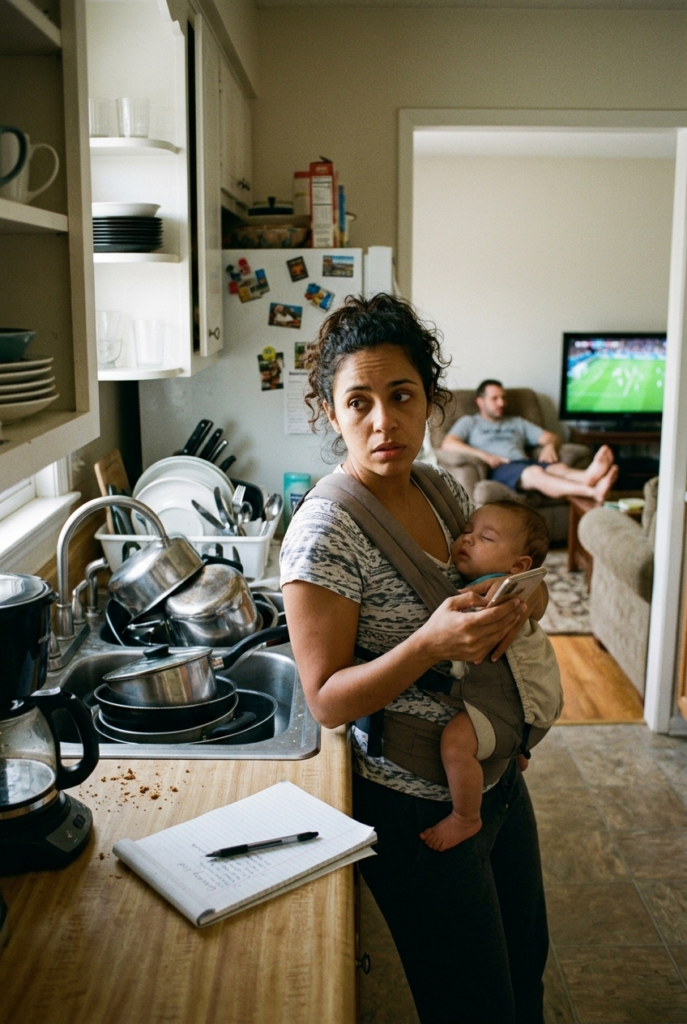
Studies show that women in dual-income households still handle a disproportionate share of domestic work and childcare. That’s not the whole story, though. The deeper issue is the mental load — the invisible management of the household that lives entirely in a woman’s head. The remembering, the scheduling, the anticipating, the worrying.
Nobody tells you that this part is exhausting in a way that’s hard to explain to someone who doesn’t carry it. And nobody tells you that if you don’t have an honest conversation about it before you’re knee-deep in it, resentment has a way of building quietly.
Start the conversation early. Be specific. “Can you take over managing the bills?” works better than “I feel like I do everything.”
4. Your Relationship With His Family Is a Long Game
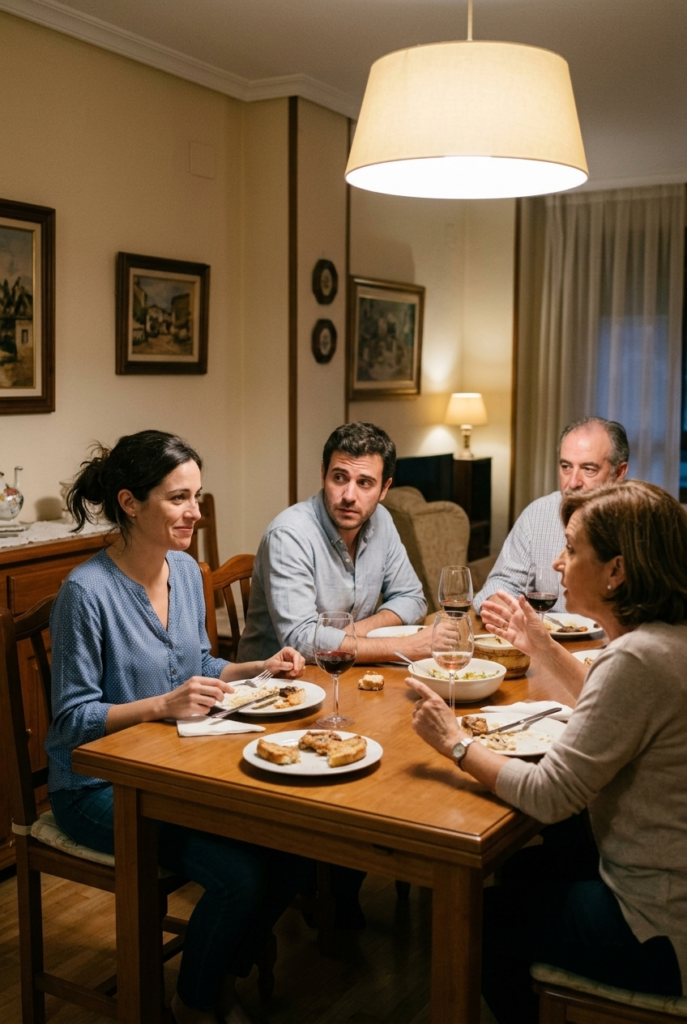
How your partner handles his relationship with his parents — especially under stress — is a preview of what you can expect during your marriage.
People tend to revert to their family dynamics when things get hard. The guy who struggles to set limits with his mother before the wedding will likely struggle with that same issue at year seven. Psychologists point out that patterns learned in a family of origin run deep, and they don’t disappear because someone got married.
This doesn’t mean his family will ruin your marriage. It means knowing how he handles those dynamics — and talking about expectations for your life as a couple — is work that needs to happen before the honeymoon.
5. Money Disagreements Can End Otherwise Good Marriages

Financial stress is one of the top predictors of divorce. Not because of how much money a couple has, but because of how differently they think about it.
Spending habits, savings goals, debt, and financial transparency need to be discussed openly and honestly before marriage — not assumed. Two women can love the same man and have completely different answers to “what’s too much to spend without telling your partner?” That gap, left unaddressed, turns into fights that aren’t really about money at all.
Know his financial history. Share yours. Agree on a system before it becomes a conflict.
6. Intimacy Will Shift — And That Doesn’t Mean Something Is Broken

Most women aren’t prepared for how much physical intimacy changes over time in a marriage. Life, exhaustion, kids, stress, hormonal shifts — all of it affects desire, and that’s completely normal.
What catches couples off guard is when neither person is talking about it. Silence around intimacy creates distance faster than almost anything else. The women who handle this well are the ones who stay honest about what they’re experiencing and stay curious about what their partner is experiencing too.
Scheduling time for physical closeness sounds unromantic but tends to work. What doesn’t work is assuming things will sort themselves out.
7. You Still Need to Be Your Own Person

One of the less glamorous truths about marriage is that your individual identity doesn’t get to disappear into “we.” Losing yourself in a relationship — your friendships, your interests, your personal goals — doesn’t make you a better wife. It makes you a resentful one.
Women who maintain their own social lives, their own passions, and their own sense of self tend to bring more to their marriages, not less. And partners who support that individuality tend to build healthier, more lasting relationships.
It’s not selfish to stay whole. It’s actually one of the most loving things you can do for your marriage.
8. Conflict Is Inevitable — How You Handle It Is Everything

Every couple fights. The ones who stay together aren’t the ones who fight less — they’re the ones who fight better.
That means no stonewalling. No contempt. No bringing up everything from the last five years when you’re arguing about whose turn it is to call the plumber. Research from relationship psychologist Dr. John Gottman shows that contempt — eye-rolling, mockery, dismissiveness — is the single biggest predictor of relationship breakdown. Not anger. Not disagreement. Contempt.
Before you marry someone, pay attention to how conflict looks between you two when you’re both tired or stressed. That’s the version of conflict you’re signing up for long-term.
9. Seasons of Disconnection Are Normal — And Temporary

There will be stretches in your marriage where you feel more like roommates than partners. Seasons where the spark feels dim and the day-to-day feels flat. This doesn’t mean your marriage is failing. It means you’re in a long-term relationship with a real human being, not a highlight reel.
Most married women will tell you this happened to them more than once, and that they came out the other side. What helps is not panicking, not catastrophizing, and being willing to talk about it. What doesn’t help is letting it sit in silence for months until it calcifies into something harder to fix.
Seasons don’t last. But neglect does.
10. Your Marriage Is Yours — Stop Comparing It to Everyone Else’s

Social media has made this one particularly brutal. Between curated anniversary posts and filtered couple photos, it’s easy to measure your marriage against an illusion and find it lacking.
Every couple has their own rhythm. Their own language. Their own definition of what works. What someone else’s marriage looks like on the outside tells you almost nothing about what it feels like on the inside.
The only benchmark that matters is whether the two of you feel respected, connected, and committed. Stop looking sideways and start paying attention to what’s in front of you.
What No One Says at the Wedding but Every Woman Eventually Learns
The women who build lasting marriages aren’t the ones who were the most in love on their wedding day. They’re the ones who kept choosing each other when it wasn’t easy — when life got expensive or exhausting or just plain ordinary.
None of the truths above are meant to make marriage sound like a burden. They’re meant to make it sound like what it actually is: a real, living thing that takes work, honesty, and a willingness to keep growing. The women who go in knowing that tend to do far better than the ones who expected it to always feel like the first dance.
Go in with your eyes open. That’s the best advice there is.
Frequently Asked Questions
Q: Is it normal to have doubts before getting married? A: Yes, pre-wedding anxiety and doubt are very common and don’t necessarily mean something is wrong. What matters is the difference between normal nerves and genuine red flags about your partner’s character or values. Talking to a therapist before the wedding can help you sort out which is which.
Q: How do we talk about money before marriage without it becoming a fight? A: Approach it as a practical planning conversation, not a judgment of each other’s habits. Pick a calm moment, not a stressful one. Share your financial histories, your debts, your savings goals, and your spending styles. Agree on a system — separate accounts, joint accounts, or both — before you need one.
Q: What if we disagree about chores and household responsibilities? A: Get specific before you move in together. Vague agreements like “we’ll figure it out” tend to default to whoever cares more doing more. Decide in advance who handles what, and revisit it as life changes.
Q: Can a marriage survive after the honeymoon phase ends? A: Absolutely — and most long-term couples will tell you it actually gets better once the initial intensity settles. The key is continuing to invest in your connection through small, consistent acts of attention, not waiting for big romantic gestures to carry the whole relationship.
Q: How do I handle conflict with my in-laws after marriage? A: The most effective approach is to let your partner handle issues with his own family first. Present a united front, and agree on your boundaries as a couple before bringing them to his family. Avoid ultimatums when possible, and focus on building your own relationship with them over time.
Q: Is it selfish to want to keep my own friendships and hobbies after marriage? A: Not at all. Maintaining your individual identity — your friendships, interests, and personal goals — actually strengthens a marriage. Women who stay whole tend to be more fulfilled partners. A healthy marriage has two full people in it, not two people who’ve abandoned everything outside the relationship.
Q: What does healthy conflict look like in a marriage? A: Healthy conflict stays focused on the current issue, uses “I” statements instead of accusations, and doesn’t involve contempt, mockery, or bringing up old grievances. Both partners feel heard even when they disagree, and the goal is resolution — not winning.
Q: When should we consider couples therapy? A: You don’t have to wait for a crisis. Many couples use therapy as a preventive tool, especially in the first few years of marriage when most patterns get established. If you’re feeling chronically disconnected, fighting about the same things repeatedly, or struggling with intimacy, those are all good reasons to go sooner rather than later.