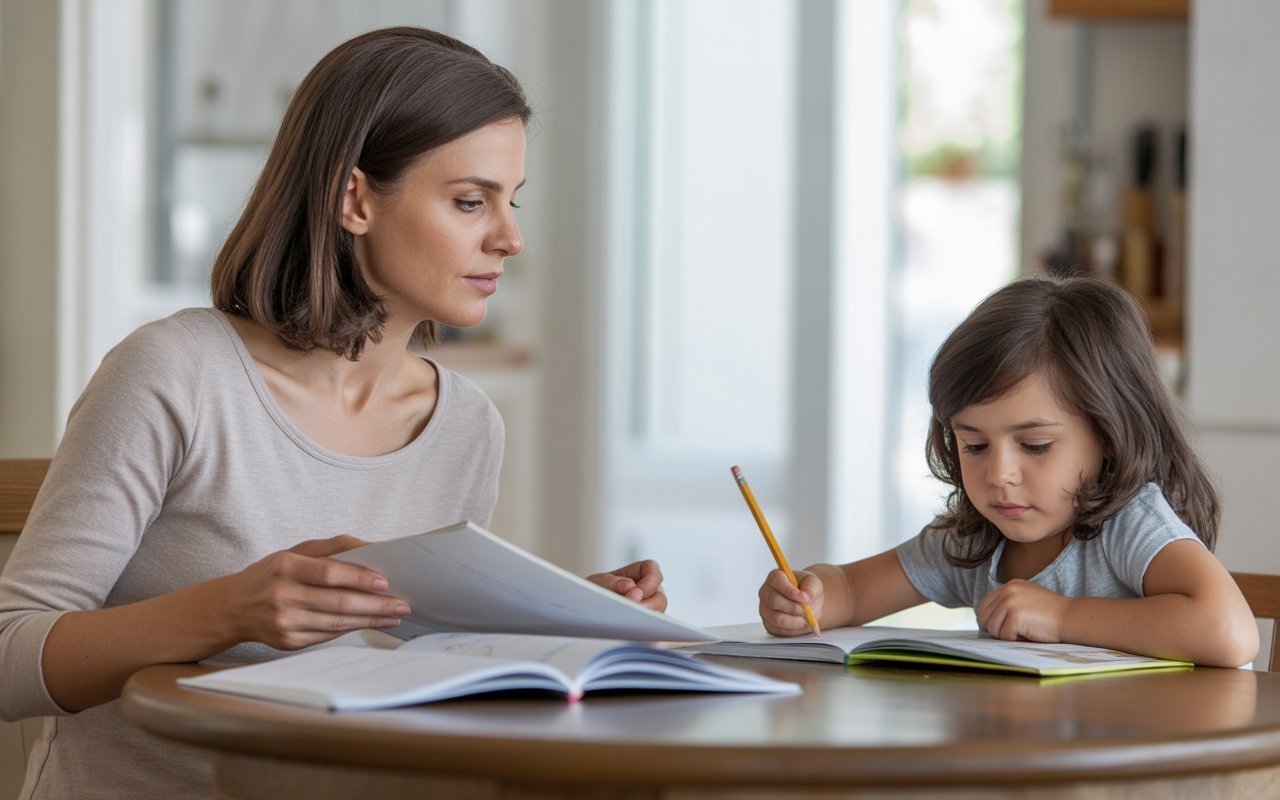
Every year, thousands of moms across the country reach a moment where they look at their child — frustrated, burnt out, anxious, or simply unchallenged — and start seriously wondering if there’s a better option. Public school works well for a lot of kids. But it doesn’t work for all of them. And when it stops working, the thought of taking over their education yourself starts sounding less like a radical idea and more like a logical one.
Homeschooling has grown significantly in recent years, especially following the pandemic, when many families got their first real taste of what home-based learning could look like. Some went back to the classroom and never thought twice about it. Others never looked back. According to U.S. Census Bureau data, homeschooling rates nearly doubled between spring 2020 and fall 2020, and many of those families have continued. That’s not a coincidence — it reflects a genuine shift in how a growing number of parents think about education.
That said, making the switch from public school to homeschooling is a real lifestyle change, not just a schedule adjustment. There are legal requirements to understand, decisions to make about curriculum, and expectations to reset — both yours and your child’s. The ten things below cover what you actually need to know before you pull your kids out of public school, so you go in prepared rather than overwhelmed.
- 1. It's Legal in All 50 States — But the Rules Vary Widely
- 2. You'll Need to Formally Withdraw Your Child From School
- 3. Expect a Deschooling Period
- 4. You Do Not Need a Teaching Degree
- 5. Curriculum Is a Decision, Not a Given
- 6. Your Child's Learning Style Matters More Than Any Curriculum
- 7. Homeschooling Takes Less Time Than You Think
- 8. Socialization Is a Real Concern, and a Solvable One
- 9. The First Year Is the Hardest — and Also When You Learn the Most
- 10. You Can Start Any Time of Year
- Making the Switch With Eyes Wide Open
- Frequently Asked Questions
1. It’s Legal in All 50 States — But the Rules Vary Widely

The first thing to get straight: homeschooling is completely legal everywhere in the United States. That’s not up for debate. What does vary significantly is what each state requires you to do once you start. Some states ask for almost nothing. Texas and Alaska, for example, have minimal oversight and don’t require parents to notify anyone. Other states, particularly in New England, have more involved requirements — things like annual notice filings, standardized testing, portfolio reviews, and even subject-area mandates.
Before you do anything else, look up your specific state’s laws. The Home School Legal Defense Association (HSLDA) maintains a regularly updated map at hslda.org that breaks down requirements state by state. This is your starting point. Don’t rely on what your neighbor did or what someone told you in a Facebook group — laws differ from state to state and sometimes even how they’re applied locally differs from how they read on paper.
2. You’ll Need to Formally Withdraw Your Child From School
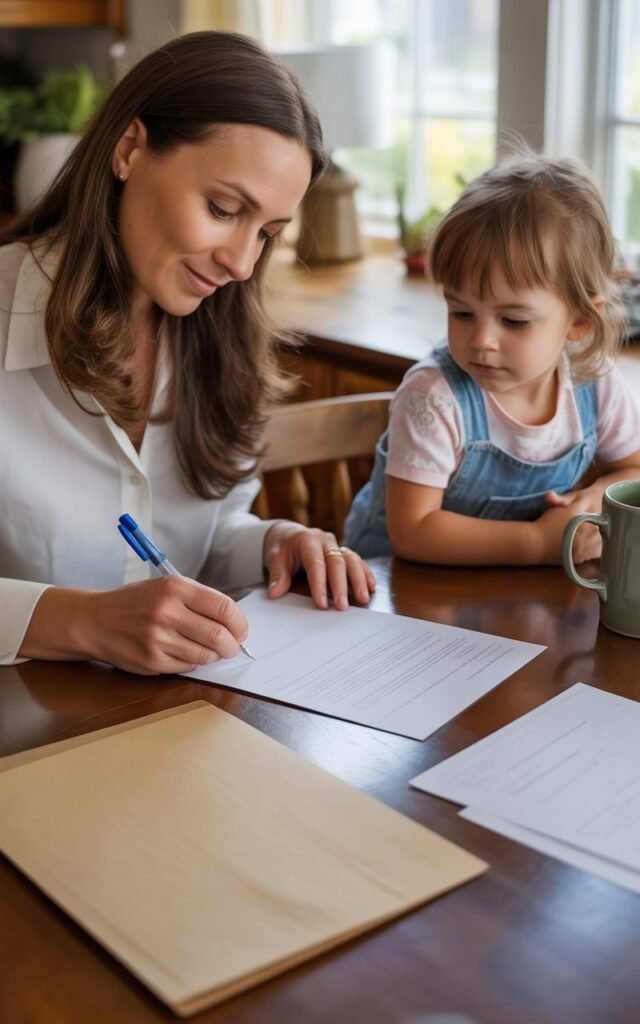
This step catches a surprising number of new homeschoolers off guard. You can’t simply stop sending your child to school without taking any action — that will likely trigger truancy concerns. You need to officially withdraw your child from their public school, usually in writing. In most cases, a simple letter to the school or district is enough. Some states require additional documentation, like a declaration of intent to homeschool filed with your local superintendent.
Once you’ve researched your state’s requirements, handle the withdrawal paperwork before your child’s first day of homeschooling begins. Request a copy of your child’s academic records too — these come in handy if you ever re-enroll them in public school or apply to college down the road.
3. Expect a Deschooling Period

This is one of the most underestimated parts of the transition. When children come out of a traditional school environment — especially if they were struggling there — they often need time to decompress before real learning can happen again. Homeschoolers call this “deschooling,” and it’s exactly what it sounds like: a period of stepping back from structured academics so your child can reset.
The general guideline many experienced homeschoolers follow is one month of deschooling for every year your child spent in traditional school. So a child who spent five years in public school might need about five months before they’re genuinely ready to learn in a new way. This doesn’t mean five months of doing nothing — it means letting them read for pleasure, follow their interests, play outside, and rediscover what curiosity feels like without grades and deadlines attached to everything.
It feels counterintuitive, especially when you’re anxious to get started. But pushing into a rigid curriculum too fast often backfires. Give both of you room to breathe first.
4. You Do Not Need a Teaching Degree
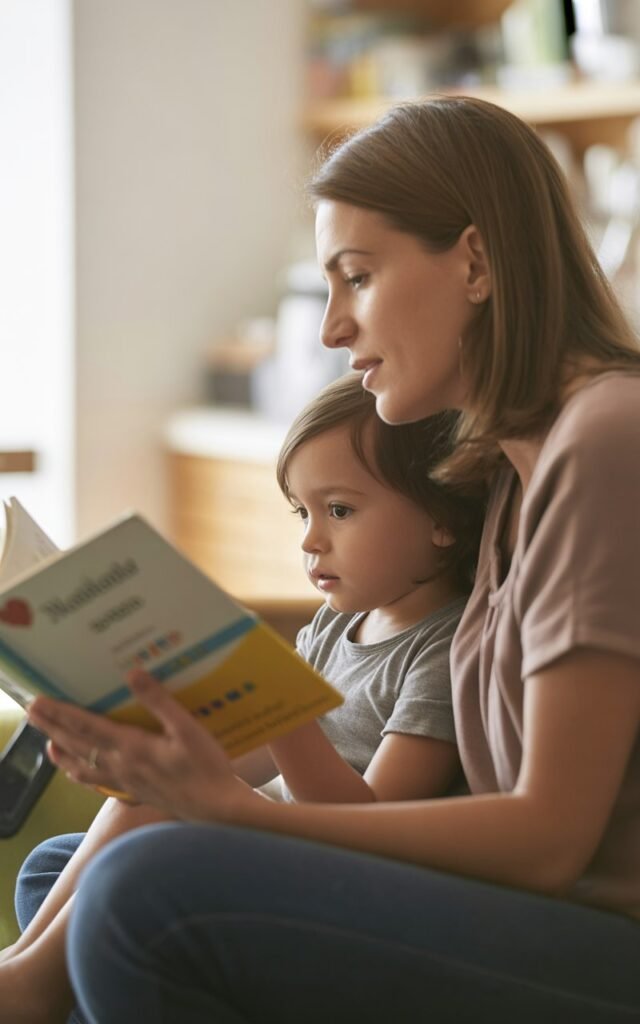
This is the fear that stops a lot of moms before they even start. Most states do not require any formal teaching credentials whatsoever. What they do require, at minimum, is a high school diploma or GED — and in some states, not even that is specified. You are not expected to have the same qualifications as a classroom teacher. You are expected to be your child’s parent, which you already are.
Think about it this way: you taught your child to talk. To walk. To read their first words. You’ve been their primary educator since birth. Moving that role into formal subjects is a continuation of something you’ve already been doing, not an entirely new job. And for the subjects where you feel less confident — higher-level math, advanced science — there are co-ops, online courses, tutors, and curriculum programs designed specifically to fill those gaps. You don’t have to do all of it alone.
5. Curriculum Is a Decision, Not a Given

One of the biggest differences between public school and homeschooling is that you choose the curriculum. There is no assigned textbook, no mandated reading list, no pacing guide handed to you by a district. That freedom is genuinely exciting — and also a little paralyzing at first.
There are several broad approaches to homeschooling, and knowing a little about each one helps you figure out which direction fits your family.
- Classical — Built around grammar, logic, and rhetoric. It moves through developmental stages and emphasizes critical thinking and foundational knowledge.
- Charlotte Mason — Nature-based, literature-heavy, and focused on short lessons. Heavy on living books and narration rather than textbooks and worksheets.
- Unschooling — Child-led learning with no formal curriculum. Learning happens through real life, interests, and experience.
- Eclectic — A mix of whatever works. Most families land here eventually, pulling from multiple methods depending on the subject and the child.
Don’t invest heavily in any curriculum right away. Many companies offer sample weeks or used copies at a fraction of the cost. Try before you buy — what looks great on paper may not suit how your child actually learns.
6. Your Child’s Learning Style Matters More Than Any Curriculum

In a classroom of 25 kids, the teacher teaches to the middle. At home, you teach to your one child — or your two or three. That means you actually have the ability to notice how your child best absorbs information and adjust accordingly. Some kids need to move around. Some need to read everything quietly to themselves before they can discuss it. Some learn best through hands-on projects. Some genuinely thrive with workbooks and structure.
Pay attention during those first months. Watch what clicks and what causes your child to shut down. The curriculum is a tool, not the boss. If something isn’t working after a reasonable amount of time, change it. That flexibility is one of the strongest advantages of teaching your child at home.
7. Homeschooling Takes Less Time Than You Think
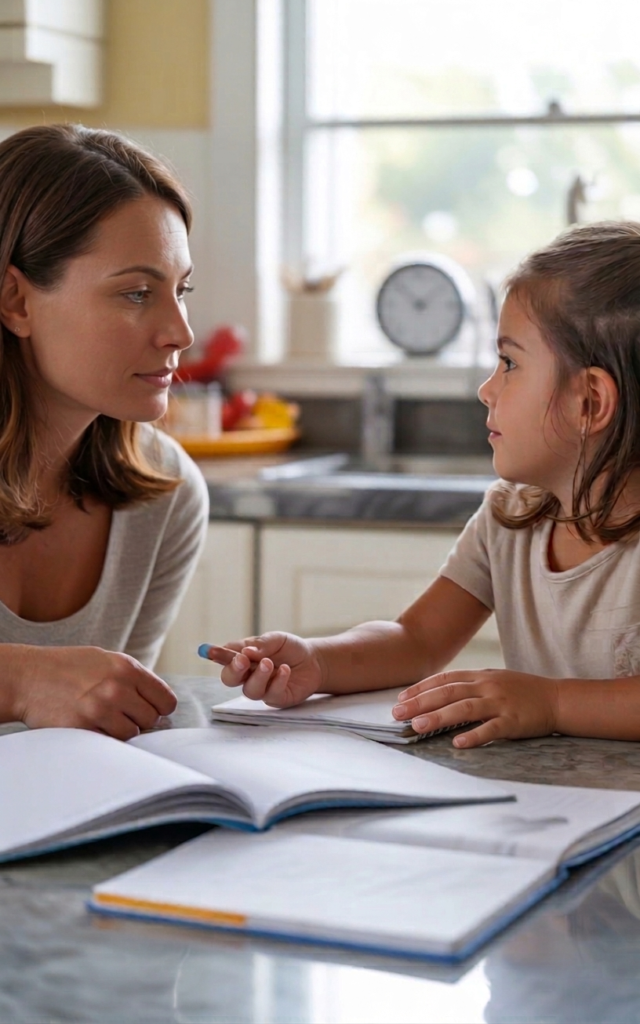
One of the most common surprises for new homeschooling moms is how quickly academic work actually gets done. A traditional school day runs six to seven hours, but a significant portion of that is transition time, waiting for others to finish, managing 25 children, lunch, recess, and so on. One-on-one instruction is just more efficient.
Most homeschool families finish their core academics in two to four hours per day, especially in the elementary years. That leaves a lot of time for read-alouds, projects, outdoor time, music, sports, and whatever else matters to your family. If you finish all your planned work by noon and you’re wondering whether you did enough — you probably did.
8. Socialization Is a Real Concern, and a Solvable One

You will be asked about this constantly. From your mother-in-law. From the pediatrician. From people at the grocery store. It’s worth having a clear, thoughtful answer ready — not because you owe it to anyone, but because it helps you stay confident in your choice.
The concern that homeschooled children are isolated and socially underdeveloped is largely a myth, but it’s not completely without basis. If a child stays home all day every day with no outside contact, yes — that’s a problem. The solution isn’t public school. It’s intentional community. Homeschool co-ops, sports teams, music programs, church youth groups, 4-H, scouting, community theater — there are more options than most people realize, and homeschooled children are often involved in more of them than their traditionally schooled peers because their schedules allow for it. Make socialization a deliberate priority from the beginning, and it stops being a concern.
9. The First Year Is the Hardest — and Also When You Learn the Most
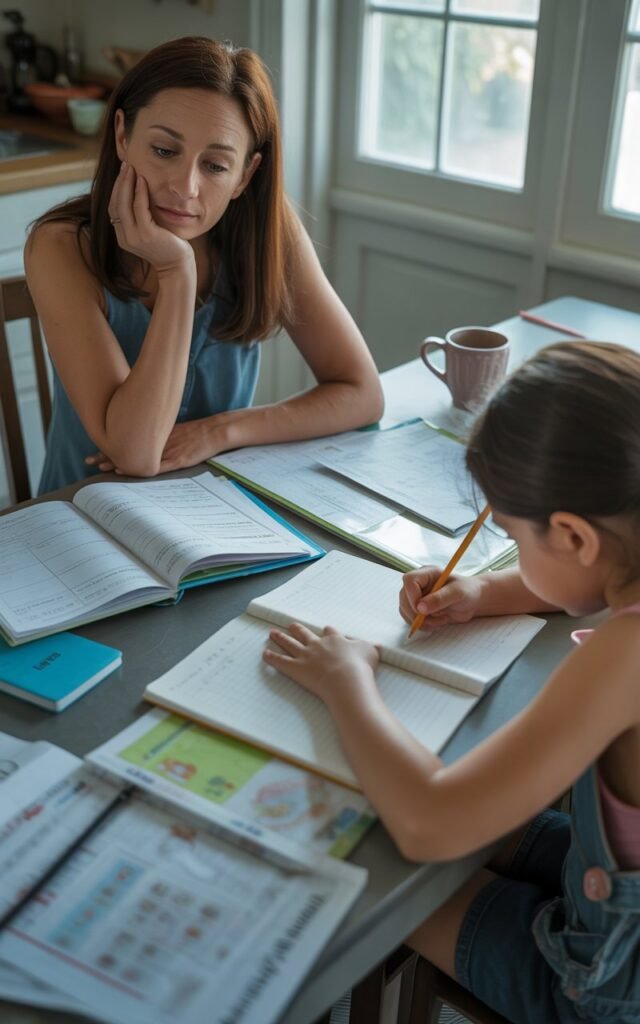
Many families who try homeschooling for one year and quit do so before things start clicking. The first year is a learning curve for everyone involved. You’re figuring out your rhythm, your child is adjusting to a completely different structure, and neither of you is going to get it right immediately. That’s normal. Expected, even.
Mistakes in that first year aren’t failures — they’re data. You learn that your daughter needs music on in the background to focus. You learn that your son does better with math first thing in the morning and falls apart if you start with history. You learn what kind of parent-teacher you are, and your child learns what kind of student they are when someone is actually paying attention to them. The second and third years are dramatically easier. Give yourself that first year to figure it out without judging the whole thing by how it goes in month two.
10. You Can Start Any Time of Year
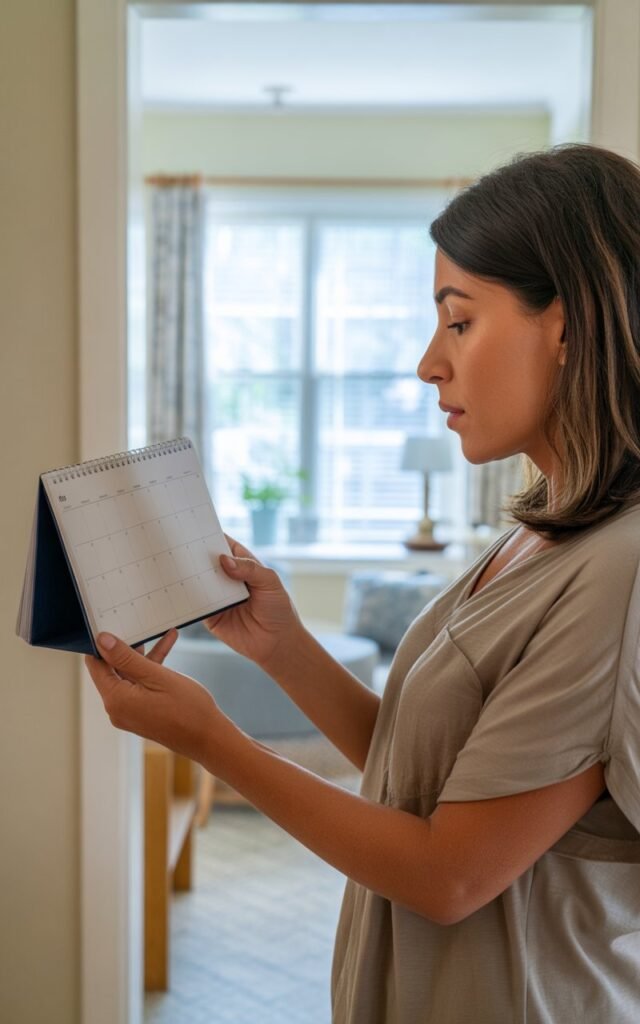
A lot of moms wait — sometimes for months — because they feel like they need to start at the beginning of a school year. That hesitation is understandable, but unnecessary. You can legally make the switch in October. In February. In the middle of April. Whenever the time is right for your family is the right time.
If your child is miserable in their current school environment right now, there’s no good reason to keep them there until June just to have a clean calendar break. The logistics — withdrawal paperwork, curriculum selection, setting up your space — can be handled in a week or two. Start when it makes sense to start.
Making the Switch With Eyes Wide Open
Pulling your kids from public school to homeschool is not a small decision, and nobody should pretend otherwise. It changes your daily life, your identity as a parent, and often your family’s financial picture too (since one parent typically becomes the primary educator). But for the families that make it work, and there are millions of them, it becomes one of the most meaningful things they’ve ever done. The chance to know your child as a learner, to watch them move through material at their own pace, and to build real relationships with them during the years that matter most — that’s not something a classroom can replicate.
Go in prepared. Research your state’s laws, give yourself and your child time to transition, hold the curriculum loosely, and stay connected to other homeschooling moms who can tell you what the second year actually feels like. You don’t need to have everything figured out before you begin. You just need to know enough to take the first step well.
Frequently Asked Questions
Q: Do I need a teaching degree or any special credentials to homeschool my child?
A: No. The vast majority of states do not require any formal teaching credentials. Most only require that the parent have a high school diploma or GED, and some states specify nothing at all. You are not expected to be a certified teacher — you are expected to take responsibility for your child’s education, which is something parents are legally entitled to do.
Q: Can I pull my child from public school in the middle of the school year?
A: Yes. You can legally make the switch at any point during the year. There’s no requirement to wait until the end of a semester or school year. Once you’ve handled the formal withdrawal process and met your state’s notification requirements, you can begin homeschooling right away.
Q: What is deschooling, and does my child really need it?
A: Deschooling is a transition period where children step back from structured academics after leaving traditional school. It allows them to decompress and rediscover natural curiosity before starting a new learning approach. Many experienced homeschoolers recommend allowing roughly one month of deschooling for every year a child spent in traditional school. It’s not required, but skipping it often leads to frustration on both ends.
Q: How do I know which homeschool curriculum is right for my child?
A: The honest answer is that you probably won’t know until you try. Start by researching the main approaches — classical, Charlotte Mason, eclectic, and unschooling — and see which philosophy resonates with how your child already learns. Then try samples or purchase used materials before spending a lot of money. Most families adjust their approach after the first year once they understand their child’s learning style better.
Q: What about socialization? Will my child miss out on friendships?
A: Not if you’re intentional about it. Homeschooled children have access to co-ops, sports leagues, music programs, community theater, youth groups, and plenty of other activities where they interact with peers of different ages. The key is to actively build those connections rather than expecting them to happen on their own. Many homeschooled children end up more socially engaged than their traditionally schooled peers because their flexible schedules allow for it.
Q: How much does homeschooling cost?
A: It varies widely depending on the approach you take. Some families spend very little — using library books, free online resources, and nature-based learning. Others invest in full packaged curricula, co-op memberships, and outside classes. A realistic mid-range budget for curriculum and materials runs anywhere from a few hundred to a couple thousand dollars per year per child. Many curriculum companies offer payment plans, and buying used materials can cut costs significantly.
Q: How many hours a day does homeschooling actually take?
A: Far fewer than most people expect. In the elementary years, most families finish their core academics in two to four hours. One-on-one instruction is significantly more efficient than a classroom setting where a teacher has to manage many children at once. Older students naturally take more time, but the school day still tends to be shorter than what they’d experience in a traditional setting.
Q: What happens if I want to re-enroll my child in public school later?
A: You can re-enroll your child in public school at any point. Schools typically place returning students based on their age, grade level, and sometimes an informal academic assessment. This is exactly why keeping records of your child’s work and progress matters — even in states that don’t require it. Having documentation of what your child covered makes the transition back much smoother.
Q: Do I have to cover every subject every day?
A: No. Most states that specify required subjects don’t dictate how often or in what format they’re taught. You have flexibility in how you structure your days and weeks. Many homeschooling families rotate subjects, do project-based learning that covers multiple areas at once, or focus heavily on one subject for a period before moving to another. The goal is learning, not replicating a school schedule at home.
Q: What if I’m not confident in a subject like higher-level math or science?
A: You don’t have to teach every subject yourself. That’s one of the freedoms of homeschooling. Online classes, local co-ops, community college dual enrollment for older teens, subject-specific tutors, and curriculum programs with built-in instruction are all options. Many homeschooling moms split subjects based on their strengths and outsource the rest. You don’t have to be an expert in everything — you just have to know where to find the right resources.