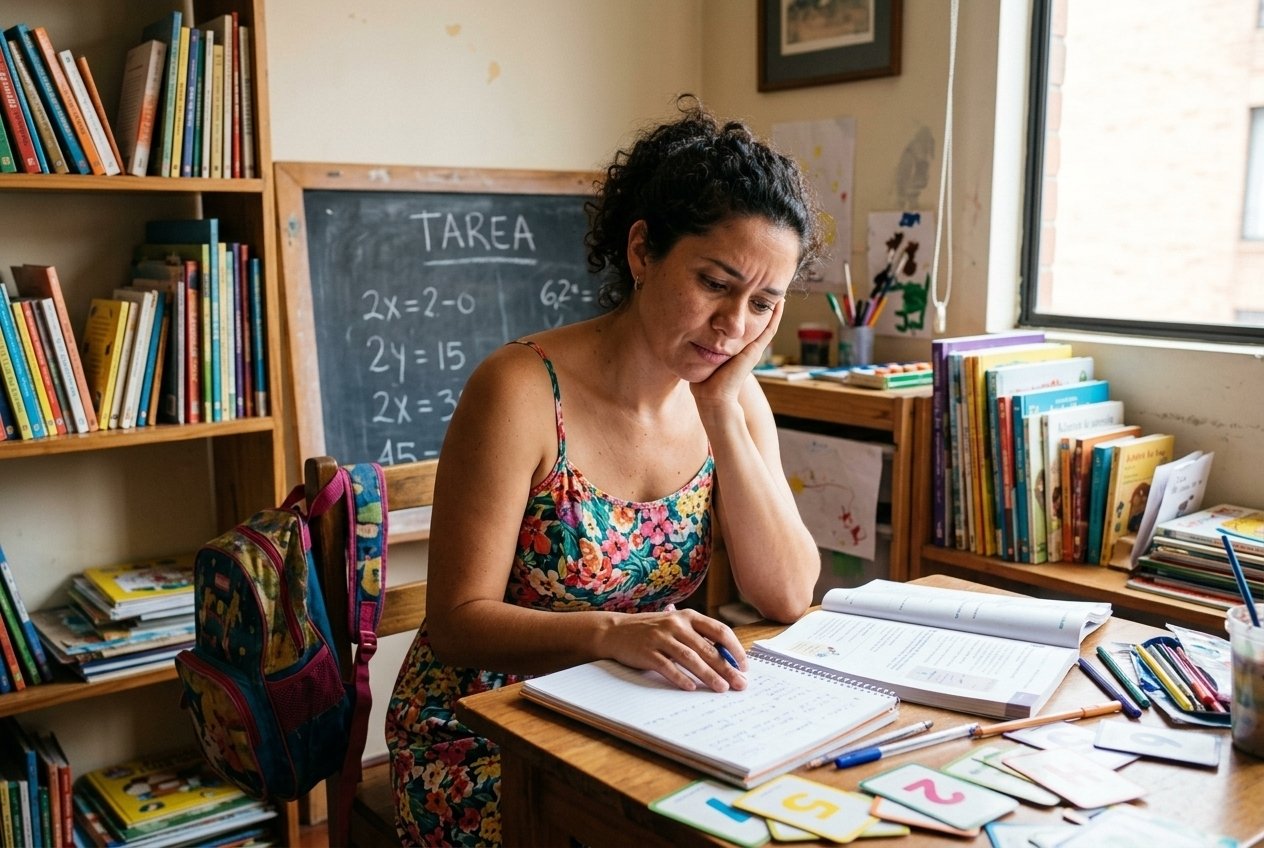
Homeschooling your kids for the first time is one of those decisions that feels both exciting and slightly terrifying at the same time. You’ve done the research, watched the YouTube videos, maybe even joined a Facebook group or two. And yet, once you actually start, reality hits fast — and it looks nothing like what you imagined.
Most moms who pull their kids out of traditional school are motivated by the best intentions. They want more control over what their children learn, more flexibility in their day, and a closer bond with their kids. All of that is completely achievable. But the path from “I want to homeschool” to “we’ve got a system that actually works” is paved with a few predictable pitfalls.
The good news? Every single mistake on this list is avoidable — or at least recoverable. Veteran homeschool moms have been there before you, and the patterns are clear. Here are eight things beginners tend to get wrong, and what to do instead.
- 1. Trying to Recreate a Traditional Classroom at Home
- 2. Buying Every Curriculum Before You Know Your Child's Learning Style
- 3. Over-Scheduling in the Name of Socialization
- 4. Expecting School to Last Six or Seven Hours
- 5. Ignoring Your Child's Input Entirely
- 6. Neglecting Your Own Needs Until You Burn Out
- 7. Refusing to Adjust When Something Isn't Working
- 8. Treating Every Bad Day as a Sign You're Failing
- The Real Learning Curve Is Yours, Not Theirs
- Frequently Asked Questions
1. Trying to Recreate a Traditional Classroom at Home
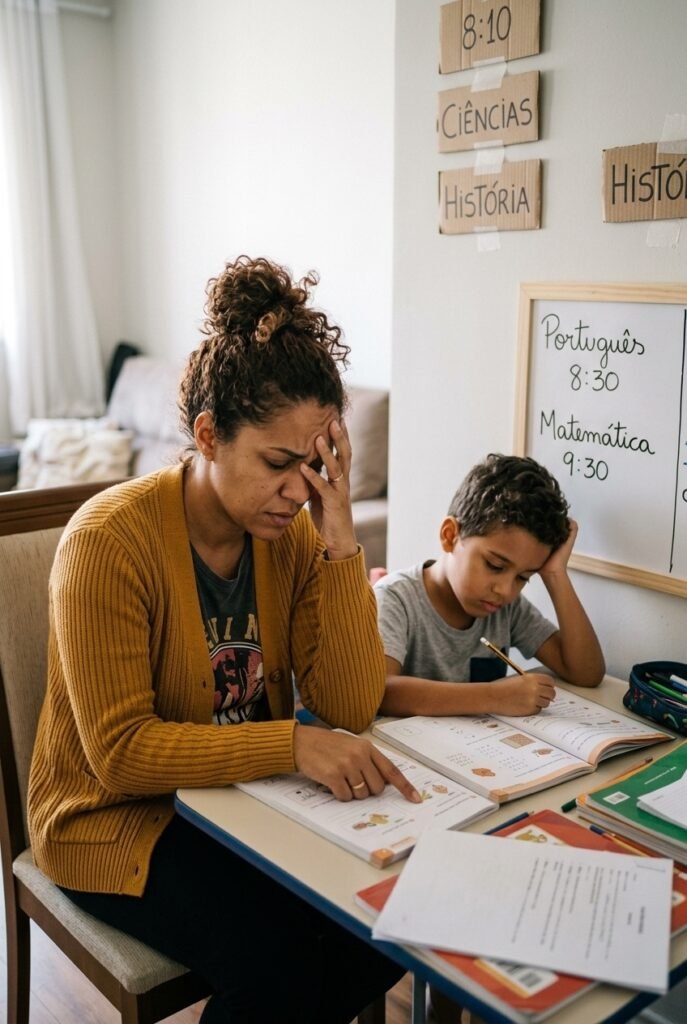
This is probably the most common mistake of all. You set up a little desk, get a whiteboard, schedule bells between subjects, and wonder why your kids are miserable and you’re exhausted by 10 a.m.
The classroom model was designed for teachers managing 25 children at once. At home, you have one — or maybe three or four. That changes everything. A concept that takes a classroom teacher 45 minutes to get through can be covered in 10 minutes one-on-one. You don’t need rows of desks or rigid subject blocks.
Kids can learn just as much — often more — sitting at the kitchen table, lying on the couch with a book, or doing math at the park. Releasing the grip on the school-day structure is not slacking. It’s actually one of the biggest advantages you have.
2. Buying Every Curriculum Before You Know Your Child’s Learning Style
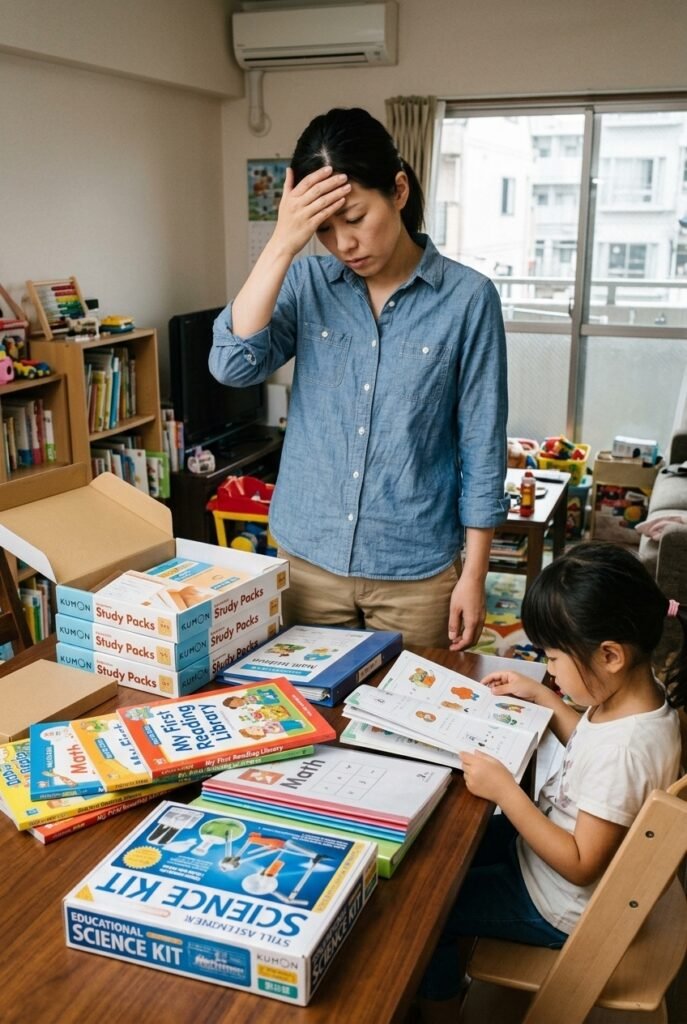
Walk into any homeschool convention and you will spend a small fortune before noon. The catalogs are beautiful, the promises are compelling, and it’s tempting to think that the “right” curriculum will make everything click.
The reality is that no curriculum works for every child. Some kids thrive with structured, textbook-based programs. Others do better with hands-on projects, living books, or unit studies. Until you’ve spent a few weeks actually teaching your child, you don’t yet know which camp they fall into.
A smarter approach: start simple. Use free or low-cost resources for the first few weeks. Borrow from a homeschool co-op library if one is available near you. Try before you buy. Many experienced moms recommend choosing one core curriculum for math and language arts, getting comfortable with that, and adding in everything else slowly.
3. Over-Scheduling in the Name of Socialization
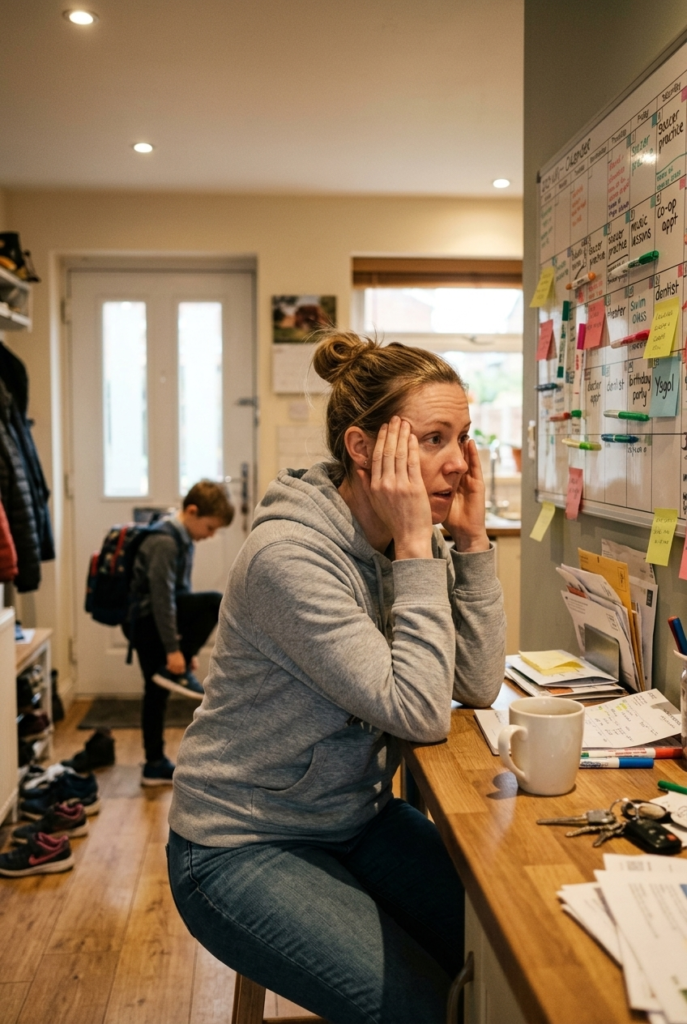
The socialization question is the one every new homeschool mom dreads. And in response to it, many moms swing hard in the opposite direction — signing their kids up for every co-op, sport, music lesson, theater class, and community activity within a 20-mile radius.
Over-scheduling doesn’t solve the socialization concern. It creates a different problem. Both you and your kids end up exhausted, your school days get cut short constantly, and the whole reason you chose this path — flexibility and connection — gets buried under a packed calendar.
Healthy socialization happens through consistent, meaningful relationships, not a packed schedule. Two or three regular activities per week, a homeschool co-op, or a neighborhood sports team is more than enough. The goal is depth, not volume.
4. Expecting School to Last Six or Seven Hours
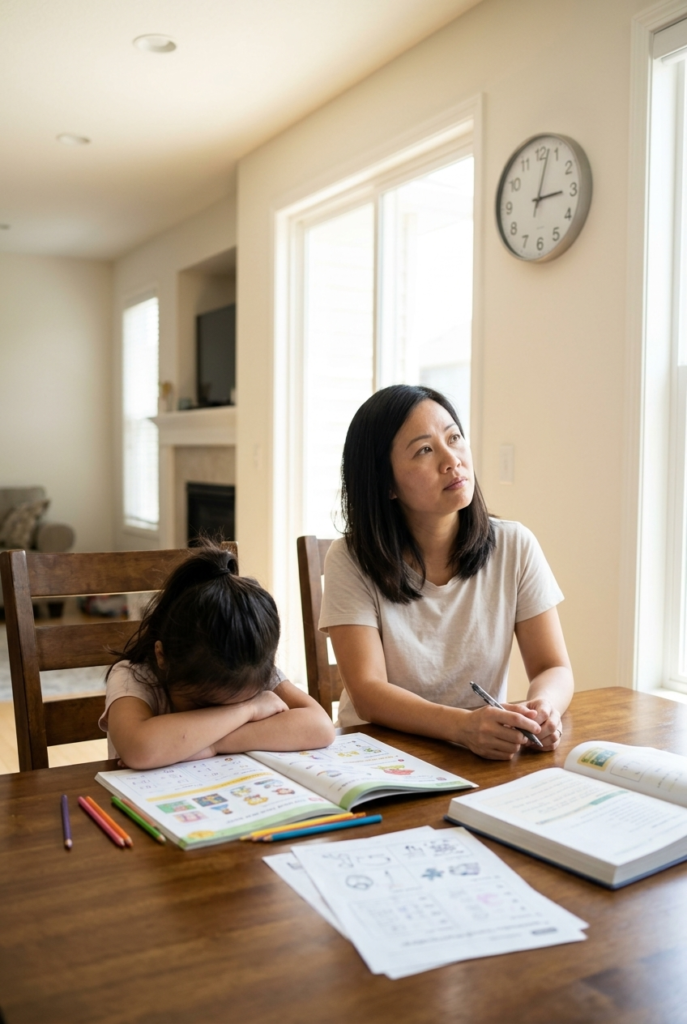
Many first-time homeschool moms panic when they finish everything on the daily plan by noon. Surely they missed something. Surely the kids aren’t learning enough. So they add more, stretch things out, and drag a two-hour school day into five because it doesn’t feel like “real school” otherwise.
Here’s the truth: without the transitions, the attendance, the hallway walks, and the management of 25 kids, homeschool moves fast. For elementary-age children, two to three solid hours of focused learning is genuinely enough. Middle schoolers might work for three to four hours. High schoolers, four to five.
Stretching lessons to fill a school-day clock doesn’t increase learning. It increases frustration. When the work is done and done well, the rest of the day can be free time, reading, creative play, or independent projects — all of which are valuable in their own right.
5. Ignoring Your Child’s Input Entirely

Homeschooling gives you the freedom to personalize your child’s education in a way no traditional school ever could. That includes letting your child have some say in how and what they learn.
This doesn’t mean handing over the keys completely. A seven-year-old doesn’t get to decide whether she learns to read. But she might get to choose which books you use, whether she does her writing in a notebook or on a whiteboard, or which science topic you cover next month.
Children who feel some ownership over their learning tend to be more engaged and far less resistant. When a child feels like things are just being done to them all day, that’s when the meltdowns and the pushback start. Small choices go a long way.
6. Neglecting Your Own Needs Until You Burn Out

Mom burnout in homeschooling is real, and it’s one of the top reasons families quit in the first year. You are simultaneously the teacher, the planner, the activities director, the house manager, and probably still a spouse, a friend, and a person with her own needs.
Many moms pour everything into their homeschool in the early months and run completely empty by February. They become short-tempered, resentful of the schedule, and start to wonder if they made a terrible mistake.
The solution isn’t to push harder. It’s to build rest into the system from the start. That means protecting time that’s just yours — even if it’s 30 minutes after the kids are in bed. It means letting the house be imperfect. It means asking for help. A burned-out teacher can’t teach anyone well.
7. Refusing to Adjust When Something Isn’t Working
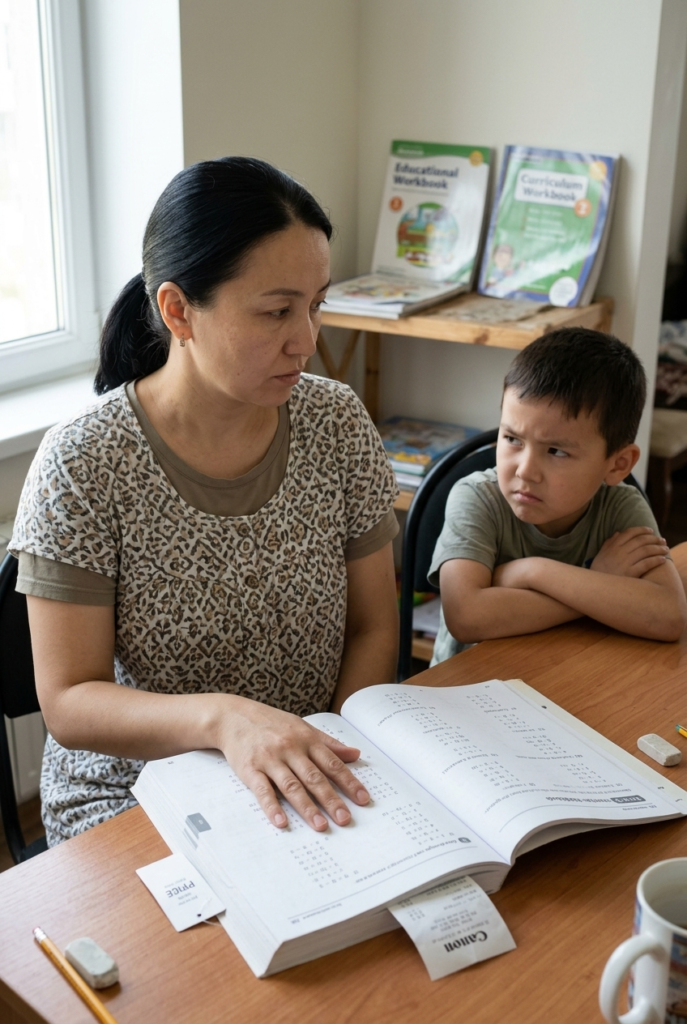
There’s a kind of stubbornness that comes from spending $200 on a curriculum. You feel like you have to make it work, even when it’s clearly not clicking. The same goes for schedules, teaching methods, and daily routines.
One of homeschooling’s greatest strengths is adaptability. If a curriculum is causing tears every single day, it’s not a discipline problem — it’s a fit problem. Switching approaches mid-year is not failure. It’s responsiveness, and it’s one of the most important skills a homeschool mom can build.
Experienced homeschoolers will tell you: give anything a fair try (usually four to six weeks), and if it’s still not working after that, move on without guilt. Your child’s progress matters more than your sunk cost.
8. Treating Every Bad Day as a Sign You’re Failing

Every homeschool family has bad days. Days where no one wants to focus, the lesson falls apart, and you find yourself sitting on the bathroom floor wondering what you were thinking. This is completely normal.
New moms often interpret these days as evidence that they’re not cut out for this — that their kids would be better off in a real school. But veteran moms will tell you: bad days happen in traditional schools too. Your child has off days. You have off days. The difference is that at home, you feel personally responsible for all of it.
A bad day is just a bad day. When it happens, close the books early, go outside, watch a nature documentary, or do absolutely nothing educational and call it a win. Consistency over time matters far more than any single difficult afternoon.
The Real Learning Curve Is Yours, Not Theirs
The first year of homeschooling is really about you figuring out your own rhythm as much as it is about your child’s education. Most of the mistakes above aren’t about academics at all — they’re about expectations, systems, and the pressure moms put on themselves to do everything right immediately.
Give yourself the same grace you’d give your child when they’re learning something new. You will get the schedule wrong before you get it right. You’ll buy the curriculum that doesn’t fit. You’ll have a rough February. All of that is part of the process, and none of it means you made the wrong choice.
The moms who thrive long-term aren’t the ones who started perfectly. They’re the ones who stayed flexible, stayed honest about what wasn’t working, and kept showing up.
Frequently Asked Questions
Q: How many hours a day should a beginner homeschooler actually spend on school? A: For elementary-aged children, two to three focused hours is typically enough. Middle schoolers generally need three to four hours, and high schoolers around four to five. Homeschooling is more efficient than a traditional school day because there’s no wasted transition time or classroom management built in.
Q: What should I buy for curriculum when I’m just starting out? A: Start simple and spend as little as possible until you understand your child’s learning style. Choose one solid math program and one language arts program, use library books for everything else, and give yourself several weeks before investing in anything expensive.
Q: Is socialization really a problem for homeschooled kids? A: Not if you’re intentional about it. Regular participation in a co-op, a sports team, a community class, or even consistent playdates with neighbors is more than enough. The goal is consistent relationships, not a packed social calendar.
Q: What do I do when my child refuses to do schoolwork? A: First, check whether the material is too hard, too easy, or just poorly suited to how your child learns. Resistance is often a fit problem, not a discipline problem. Also consider whether your child has had any input in how the day is structured — small choices can reduce pushback significantly.
Q: How do I know if I’m doing enough academically? A: Track progress rather than hours. If your child is moving forward in reading, writing, and math — even slowly — you’re doing enough. Many states also have portfolio requirements or assessment options that can give you an objective benchmark.
Q: What if I feel like I’m burning out in the first few months? A: Pull back before it gets worse. Cut the school day shorter for a week, drop one activity from the schedule, and protect some time each day that belongs only to you. Burnout is a pacing problem, not a sign that homeschooling isn’t working.
Q: Is it okay to switch curricula mid-year? A: Yes. Give a program a fair trial of four to six weeks, and if it’s still causing daily frustration after that, let it go. Staying with something that isn’t working costs far more time than switching does.
Q: Do I need a teaching degree to homeschool well? A: No. Most states in the US do not require any formal teaching credentials. What helps far more than a degree is knowing your child well, staying curious, and being willing to adjust when something isn’t working. Parents have been teaching their children long before formal teacher certification existed.