
Planning a wedding from scratch can feel like standing at the base of a mountain with no trail in sight. You just got engaged, you’re still floating on cloud nine, and suddenly everyone around you wants to know the date, the venue, the colors, and whether you’ve booked a photographer yet. It can go from magical to overwhelming pretty fast.
The good news is that most weddings — no matter the size or budget — follow the same basic path. Once you understand the order of things, the whole process becomes much more manageable. There’s a reason experienced planners say the same advice over and over: sequence matters.
What follows is a practical, step-by-step breakdown of the 12 most important planning moves, organized the way they actually need to happen. Whether you’re planning 18 months out or working with a tight timeline, these steps give you a clear starting point and keep you from spinning your wheels.
- 1. Take a Breath Before You Do Anything Else
- 2. Set Your Budget — and Be Honest About It
- 3. Draft a Rough Guest List
- 4. Pick Your Date (With Backup Options)
- 5. Book the Venue First
- 6. Hire a Wedding Planner or Coordinator (If It's in Your Budget)
- 7. Book Your Key Vendors Early
- 8. Choose Your Wedding Party
- 9. Start Shopping for Your Dress
- 10. Create a Wedding Website
- 11. Send Invitations (and Save-the-Dates) on Time
- 12. Build Your Day-Of Timeline
- The Smartest Thing You Can Do Is Plan in Order
- Frequently Asked Questions
1. Take a Breath Before You Do Anything Else

Before you open a single wedding planning app or start pinning venues on Pinterest, give yourself at least a week or two to simply be engaged. This might sound like strange advice, but women who skip this step often report feeling burned out long before the big day arrives.
Celebrate with your partner. Call your family. Let it sink in. You’ll approach every decision that follows with a clearer head.
2. Set Your Budget — and Be Honest About It

This is the step that shapes everything else, and it’s worth taking seriously. Sit down with your partner and anyone who might be contributing financially — parents, in-laws — and come up with a realistic total number.
From there, figure out your priorities. If incredible food matters most to you, plan to spend more on catering and less on floral arrangements. If photos are non-negotiable, budget accordingly. A clear financial picture up front prevents a lot of stress down the road and helps you make decisions faster once you start talking to vendors.
3. Draft a Rough Guest List
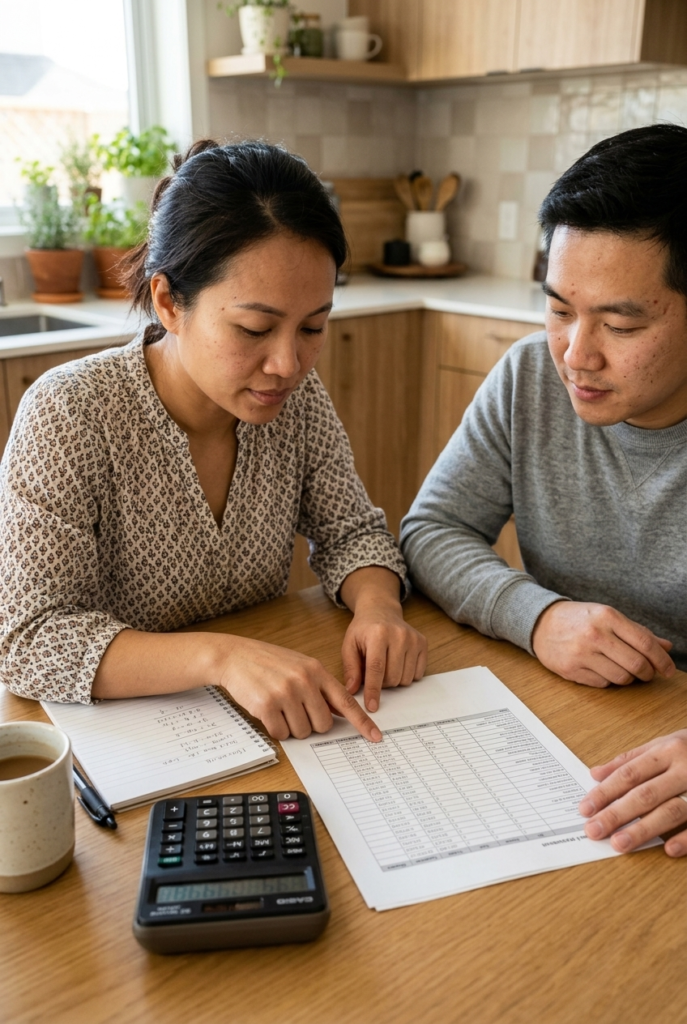
You don’t need a final headcount right away, but you do need a rough one before you book a venue. Whether you’re looking at an intimate 50-person dinner or a 200-guest celebration, the number changes everything — the size of the space you’ll need, the catering cost, the invitation budget, and more.
Ask your partner to do the same, and have both sets of parents weigh in early if they’re helping pay. Getting ahead of potential disagreements about the guest list saves real headaches later.
4. Pick Your Date (With Backup Options)

Choose a few possible dates rather than fixating on a single one. Popular venues — especially those that book Friday through Sunday — can be reserved a year or more in advance. Having two or three options gives you flexibility when you start reaching out.
Think about the season, the weather in your area, and whether any major holidays might affect travel for out-of-town guests. Off-peak dates like Fridays or late fall weekends often come with lower venue fees and better vendor availability.
5. Book the Venue First
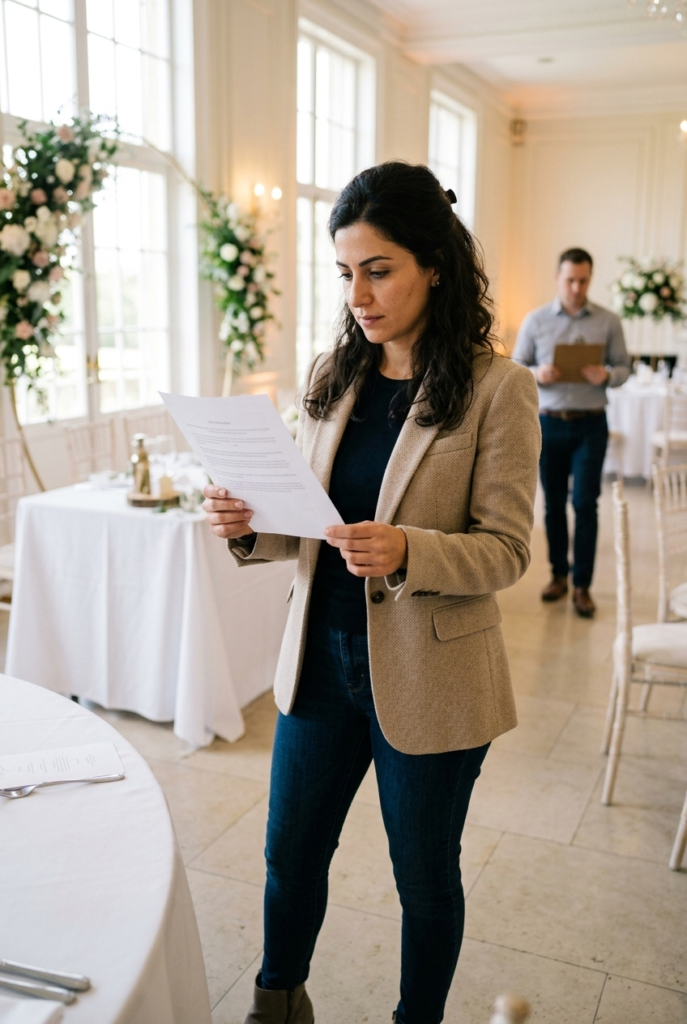
The venue is the anchor of the entire wedding. It determines your date (or confirms it), sets the tone for your style, influences your dress silhouette, and affects almost every vendor decision that follows.
Start your search 12 to 14 months before your target wedding date if possible. Tour venues in person whenever you can — photos don’t always capture the feel of a space. Ask about what’s included in the rental fee, whether they have preferred vendor lists, and what their policies are for outside catering and alcohol.
Once you sign a contract and put down a deposit, everything else starts to fall into place.
6. Hire a Wedding Planner or Coordinator (If It’s in Your Budget)
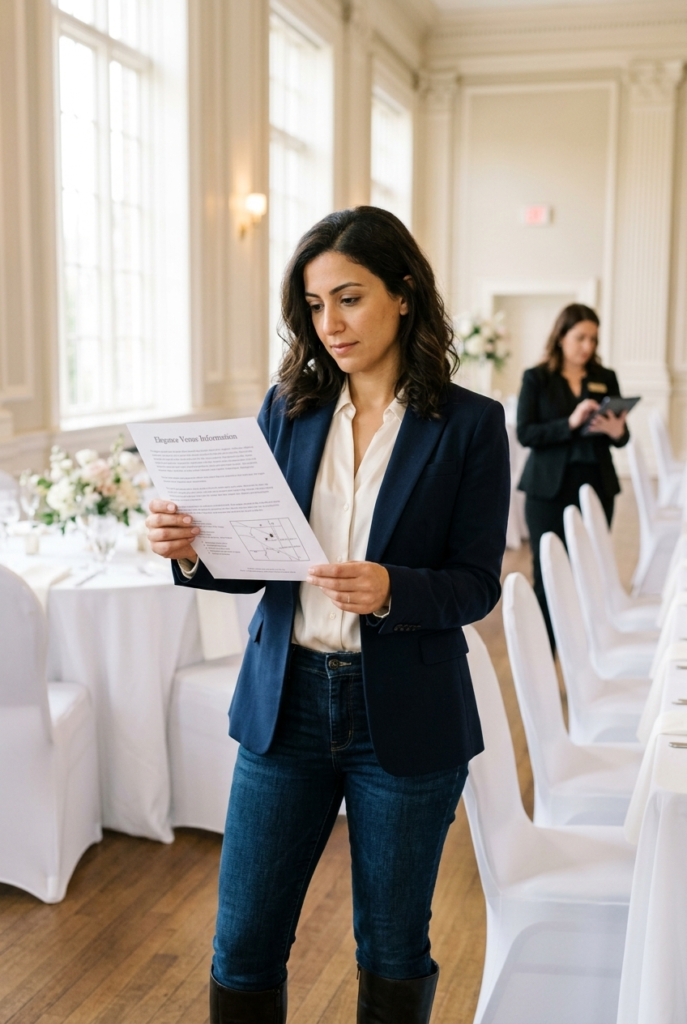
A full-service planner handles the entire process from vendor sourcing to day-of logistics. A day-of coordinator, which costs significantly less, steps in during the final weeks to manage timelines and vendor communication so you’re not playing traffic cop on your wedding day.
Even if you plan to do most of the work yourself, having a professional in your corner for the final stretch is worth every penny. They catch things you won’t think to check, and they handle problems quietly so you never have to know about them.
7. Book Your Key Vendors Early

Photographer. Videographer. Caterer. Florist. Band or DJ. These professionals fill their calendars fast, especially for peak wedding season weekends. Most couples book their photographer and videographer within the first few months of getting engaged for this exact reason.
When evaluating vendors:
- Read recent reviews, not just the ones featured on their website
- Ask to see full galleries or full event footage, not just highlight reels
- Compare what’s actually included in each package before looking at the price
- Ask for references from past clients who had a similar wedding style
Don’t forget to get everything in writing. A signed contract with clear cancellation and refund terms protects both sides.
8. Choose Your Wedding Party

Ask your closest friends and family members to stand beside you — and do it relatively early, since their dress purchases, travel plans, and schedule commitments will need to happen on a timeline.
Be thoughtful about the size of your party. A large bridal party adds coordination complexity (more fittings, more bouquets, more communication). There’s no right number. What matters is surrounding yourself with people who will show up and support you throughout the planning process, not just on the day itself.
9. Start Shopping for Your Dress
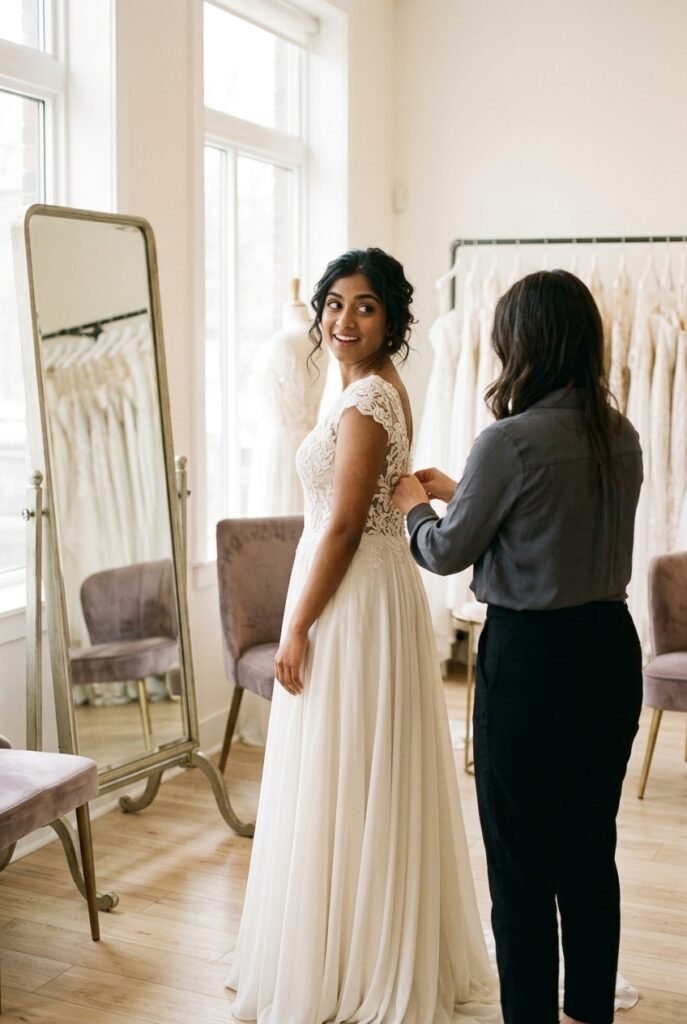
Most brides are surprised to learn how far in advance they need to order a wedding gown. If you’re buying off the rack at a bridal boutique, you have more flexibility. But if you’re ordering a specific style — which most women do — you’re looking at a 4 to 6 month production time, plus additional weeks for alterations.
The general rule: start shopping at least 9 to 12 months before your wedding date. If you’re working with a custom designer, add even more time. Try on styles you wouldn’t normally choose — a lot of women end up with something completely different from what they originally had in mind.
10. Create a Wedding Website

A wedding website is one of the most practical tools in your planning arsenal. It gives guests a central place to find your registry, RSVP, get hotel recommendations, learn about the dress code, and ask logistical questions without having to call or text you directly.
Set it up a few months before you send invitations. Most platforms — The Knot, Zola, and Minted among them — are free and straightforward to use. Keep the information updated as plans evolve.
11. Send Invitations (and Save-the-Dates) on Time

Save-the-dates go out 6 to 8 months before the wedding, earlier if many guests are traveling from out of town or if you’re planning a destination wedding.
Formal invitations typically go out 6 to 8 weeks before the date. Include clear RSVP instructions and a firm deadline. Following up with guests who don’t respond by the deadline is completely normal and expected — build that task into your timeline so it doesn’t catch you off guard.
12. Build Your Day-Of Timeline

This is your final major planning task, and it’s more detailed than most first-time brides expect. Your day-of timeline accounts for every hour — when hair and makeup begins, when the photographer arrives, when the ceremony starts, cocktail hour, the first dance, dinner service, cake cutting, and final send-off.
Work with your planner, venue coordinator, or photographer to build this out a few weeks before the wedding. Share a final version with all vendors at least a week out so everyone is on the same page. A well-structured day-of schedule is what keeps everything running smoothly even when small things go sideways — and something always does.
The Smartest Thing You Can Do Is Plan in Order
Wedding planning feels impossible when you try to tackle everything at once. It feels surprisingly manageable when you work through it step by step. The women who stay the calmest throughout this process aren’t the ones with the biggest budgets or the most organized personalities — they’re the ones who know what to do next.
Start with the budget. Lock in the venue. Book your vendors early. Everything else builds from there. Give yourself permission to take it one decision at a time, and the whole process becomes a lot less heavy than it looks from the beginning.
Frequently Asked Questions
Q: What should I do first after getting engaged? A: Before anything else, take a few days to celebrate and let the moment sink in. After that, the first practical steps are setting a budget, drafting a rough guest list, and picking potential dates. Those three things will guide almost every decision that follows.
Q: How far in advance should I book a wedding venue? A: Aim to book your venue 12 to 14 months before your target date. Popular venues — particularly those that book weekends year-round — can fill up very quickly, so reaching out early gives you the most options.
Q: Do I really need a wedding planner? A: Not necessarily, but having at least a day-of coordinator is worth it for most women. A full planner is a bigger investment but can save significant time and stress over a 12 to 18 month planning window. If budget is tight, consider hiring someone just for the final few weeks.
Q: When should I start shopping for a wedding dress? A: Start at least 9 to 12 months before your wedding date. Most gowns require 4 to 6 months to produce, and you’ll need additional time for fittings and alterations. If you’re working with a custom designer, build in even more time.
Q: How do I keep the guest list from getting out of control? A: Set a firm headcount limit early based on your budget and venue capacity, and stick to it. It helps to have your partner and both families agree on the number before anyone starts adding names. Once the list grows past your capacity, it becomes very hard to cut back.
Q: How early should save-the-dates be sent? A: Send them 6 to 8 months before the wedding. If many guests are traveling from out of state — or if it’s a destination wedding — bump that up to 10 to 12 months so people can plan their travel.
Q: What vendors should I book first? A: Photographer, videographer, and caterer are typically the highest demand and should be booked as early as possible — often within the first few months of engagement. Florists, DJs or bands, and hair and makeup artists can usually be secured a bit later, but earlier is always better for in-demand professionals.
Q: Do I need a wedding website? A: It’s not required, but it makes communication significantly easier. A wedding website gives guests one place to find all the logistical details — venue, hotel blocks, registry, dress code, RSVP — without you having to answer the same questions repeatedly.
Q: What goes into a day-of timeline? A: A day-of timeline maps out every scheduled event, from when the bridal party starts hair and makeup through the final send-off. It includes vendor arrival times, ceremony start, cocktail hour, dinner, speeches, and dancing. Your planner or photographer can help you build one that works realistically for your specific venue and vendor schedule.