
Nobody prepares you for the gap between what you imagined and what actually happens. You fall in love with a man who has kids, and somewhere between the first family dinner and the wedding, you picture something warm and close-knit. Maybe not perfect, but real. A family that works. What most women don’t talk about — at least not out loud — is how different the reality turns out to be, and how unprepared they felt for it.
The thing is, stepmotherhood is one of the most emotionally complex roles a woman can take on. You’re expected to love children who didn’t choose you, co-exist with a woman you didn’t choose either, and somehow hold yourself together when none of it goes the way you planned. And you’re supposed to do all of this quietly, gracefully, without complaining.
That’s not sustainable. What actually helps are the honest, sometimes uncomfortable things that experienced stepmoms wish someone had told them early on. Below are twelve of those truths — not to scare you, but because knowing them ahead of time makes a real difference.
- 1. You Are Not Their Mom, and That's Not a Failure
- 2. The Kids Will Test You — Sometimes Relentlessly
- 3. Building a Bond Takes Years, Not Months
- 4. His Ex Is Part of Your Life Now — Whether You Like It or Not
- 5. Your Husband Will Disappoint You Sometimes
- 6. Discipline Is a Minefield You Shouldn't Walk Alone
- 7. You Will Make Mistakes — A Lot of Them
- 8. Your Feelings Are Valid, Even When They're Ugly
- 9. You Cannot Fix What You Didn't Break
- 10. Gratitude Is Not Guaranteed
- 11. Therapy Isn't a Sign That Something Is Wrong — It's a Sign You're Smart
- 12. This Role Can Be Deeply Rewarding — But Only If You're Honest With Yourself
- The Truth Nobody Warns You About Is Also the One That Helps the Most
- Frequently Asked Questions
1. You Are Not Their Mom, and That’s Not a Failure
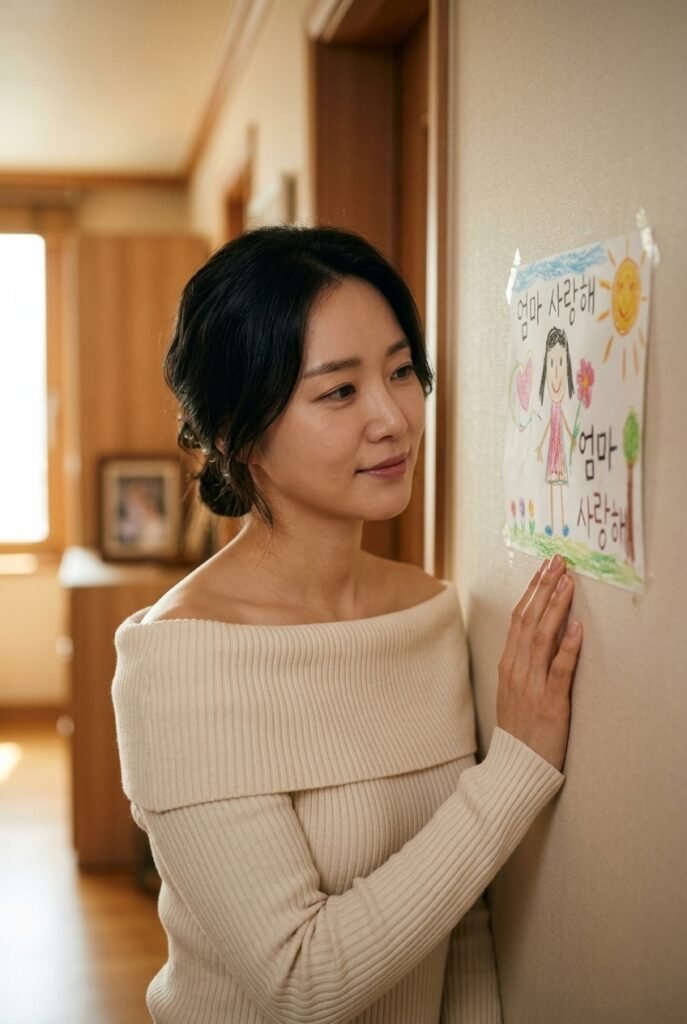
This one sounds obvious until you’re living it. You may love those kids deeply. You may show up for them every single day. And still, they may treat you like a stranger — or worse, an intruder. That’s not because you’ve done something wrong. It’s because you’re not their mom, and they know it.
The role of stepmom is its own thing entirely. Trying to fill a mother’s shoes — or competing with their biological mother — will wear you down fast. The women who find the most peace in this role are the ones who stop trying to be a second mom and start showing up as a trusted, stable adult who genuinely cares about the kids. That’s enough. It’s actually a lot.
2. The Kids Will Test You — Sometimes Relentlessly
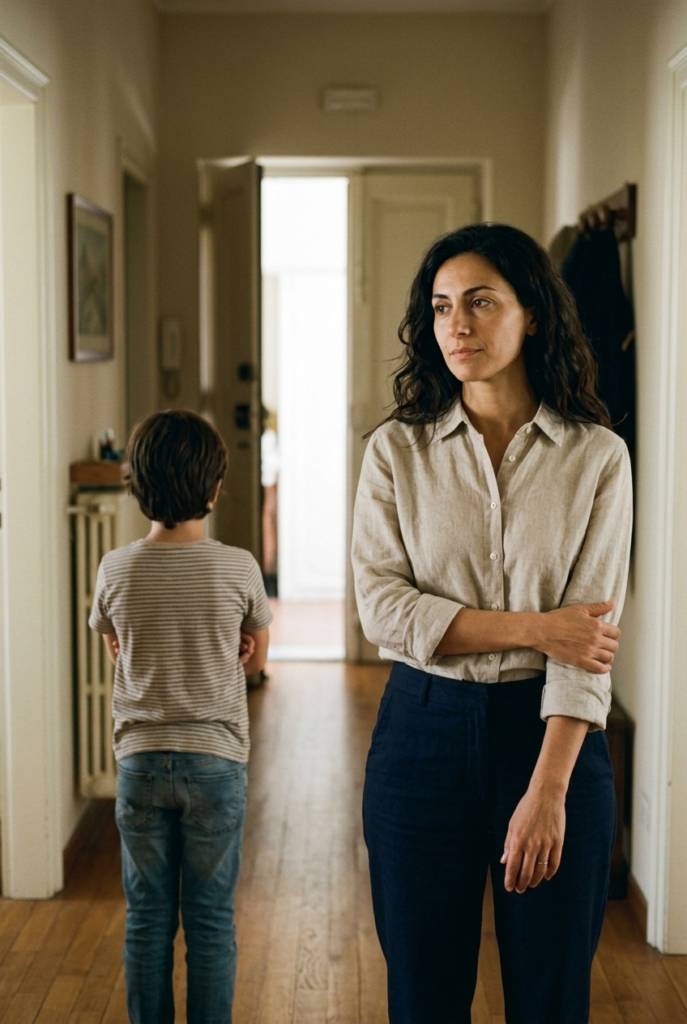
Stepchildren aren’t necessarily mean. But they are often scared, confused, and protective of their parent. That combination can come out as defiance, cold shoulders, or outright rejection of everything you do.
Don’t take it personally — even though it feels completely personal. A child pulling away from you, talking back, or acting like you don’t exist is often their way of staying loyal to their biological mother. Researchers call it a loyalty bind: the child feels that warming up to you is a kind of betrayal to their mom. They’re not choosing to be difficult. They’re trying to protect someone they love.
Stay steady. Don’t chase their affection and don’t pull back because they’re cold. Consistency over time matters far more than any single interaction.
3. Building a Bond Takes Years, Not Months
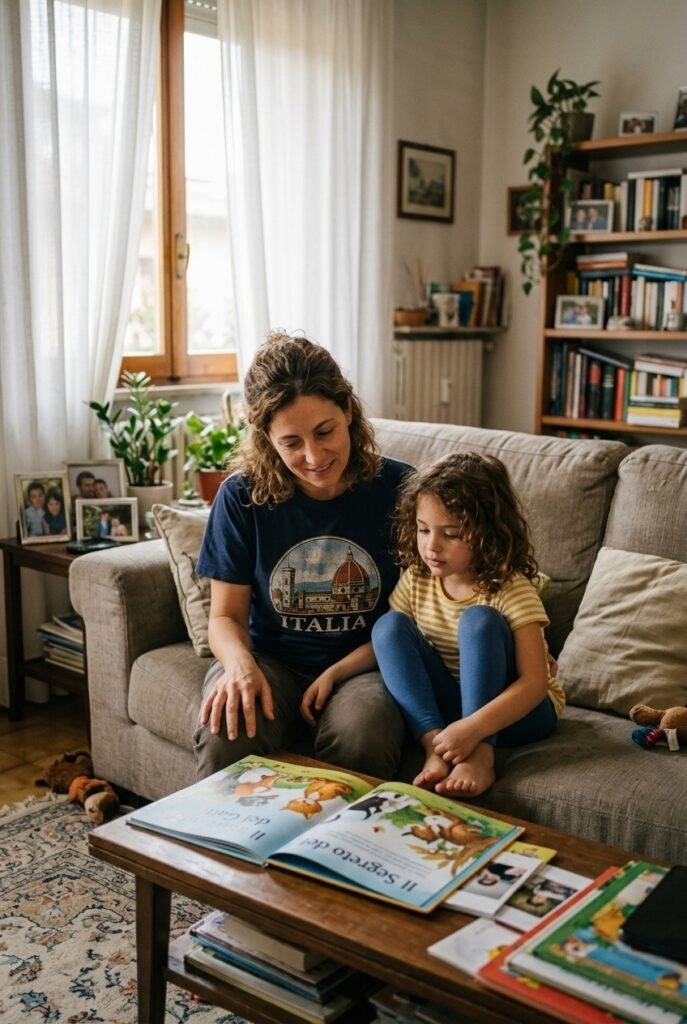
There’s a common belief that love and connection should develop naturally and quickly once you’re living under the same roof. For most blended families, that’s not how it goes.
Research on stepfamilies consistently shows that it takes an average of four to seven years for a blended family to truly stabilize. That’s not a reason to panic. It’s just the reality of how trust is built between people who didn’t choose each other. Give yourself and the kids that time. Measuring your progress against a two-year timeline will only make you feel like you’re failing when you’re actually right on track.
4. His Ex Is Part of Your Life Now — Whether You Like It or Not
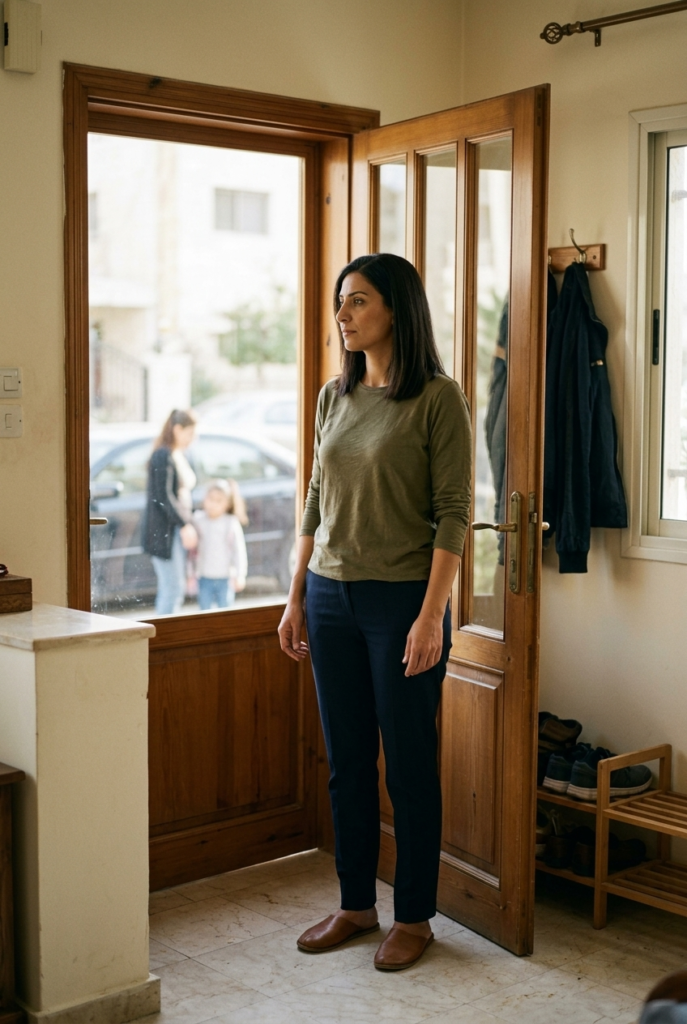
One of the biggest shocks for new stepmoms is realizing the ex-wife doesn’t disappear. She’s there at every pickup, every holiday negotiation, every school event. Her name comes up constantly. Her decisions affect your household directly.
You don’t have to like her. You don’t have to be friends with her. But you do have to find a way to co-exist without letting her occupy every corner of your mental space. The women who manage this best are the ones who establish firm mental and emotional limits — not around the kids, but around how much power they give her in their own head. She doesn’t have to rent space there.
5. Your Husband Will Disappoint You Sometimes
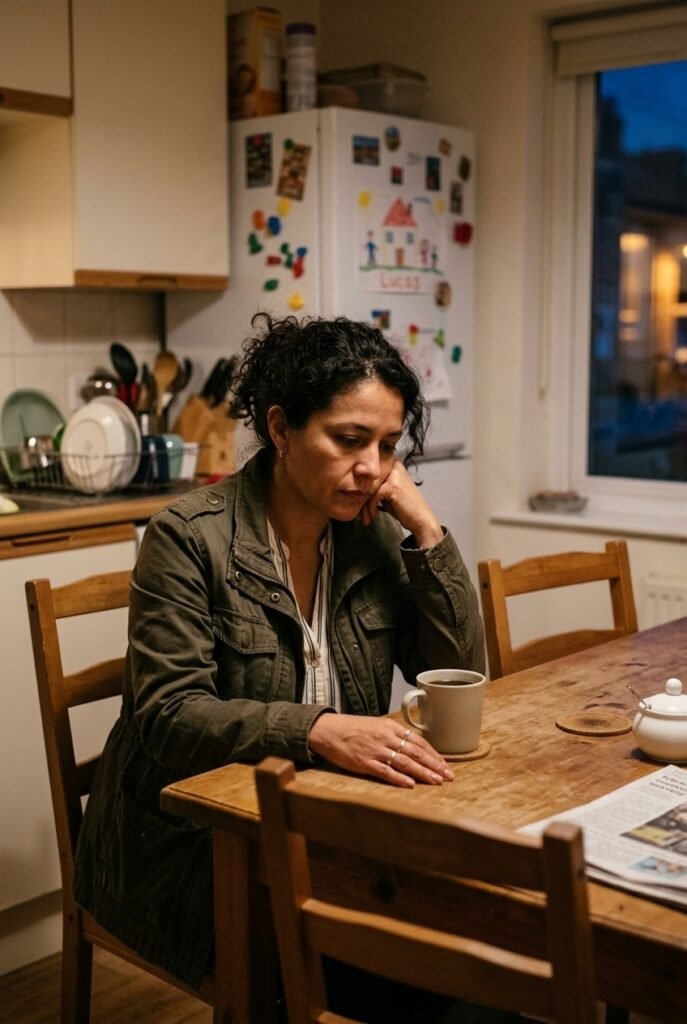
This one stings. The man you love will, at times, choose his kids over you in ways that feel unfair. He’ll take their side in arguments. He’ll make parenting decisions without consulting you. He may, without realizing it, minimize your role or your feelings to keep peace with his children or their mother.
This doesn’t mean he doesn’t love you. It means he’s also navigating something hard. The real problem usually isn’t that he loves his kids — it’s when there’s no united front, no real partnership between the two of you when it comes to running the household. That’s the conversation worth having early, and often.
6. Discipline Is a Minefield You Shouldn’t Walk Alone
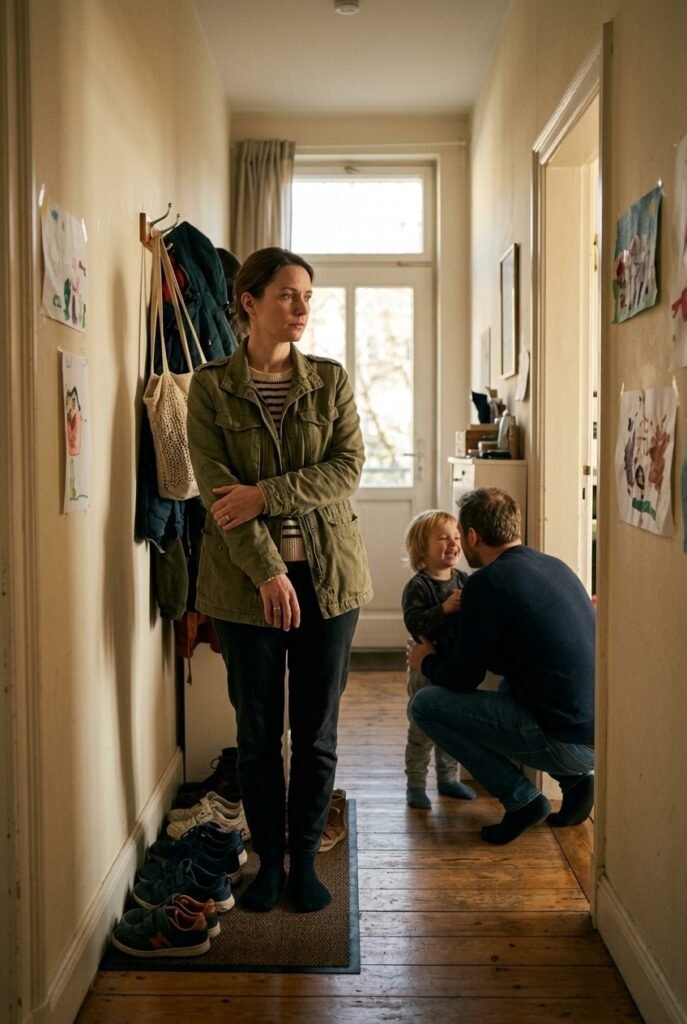
Most family therapists agree on this: in the early years of a blended family, the biological parent should be the primary disciplinarian with their own children. Stepping in too early or too hard with discipline almost always backfires. The kids resent it, the father feels caught in the middle, and you end up looking like the villain.
This doesn’t mean you have no authority. It means you and your husband need a clear, agreed-upon plan before you’re in the middle of a conflict. What are the house rules? Who enforces them and how? Work that out between the two of you first, then present a consistent front. Without that, you’re setting yourself up to be the bad guy every single time.
7. You Will Make Mistakes — A Lot of Them

There is no perfect stepmom. There is no script that works for every family, every child, every co-parenting situation. You will say the wrong thing, handle something badly, lose your patience when you swore you wouldn’t, and lie awake wondering if you’ve permanently damaged your relationship with a seven-year-old.
Forgive yourself. Stepmotherhood has one of the steepest learning curves of any role in a woman’s life, and most of the learning happens through getting things wrong. What matters is whether you reflect, adjust, and keep showing up. Nobody — including the kids’ own mother — gets it right every time.
8. Your Feelings Are Valid, Even When They’re Ugly
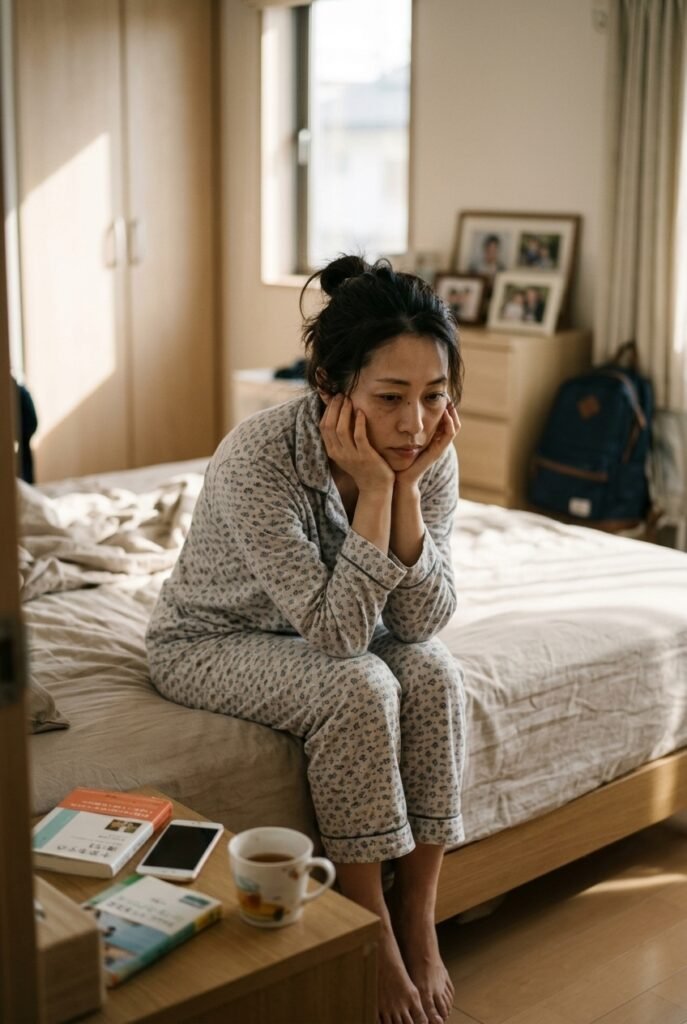
There will be moments when you resent the kids, resent the ex, resent the situation you’re in. You might feel jealous of the attention your husband gives his children. You might feel angry that you’re doing so much and no one seems to notice. You might feel like an outsider in your own home.
Those feelings are real and they’re normal. The mistake is either pretending they don’t exist or letting them run unchecked. Find a therapist, a stepmom support group, or at minimum one close, trusted friend who you can actually be honest with. Keeping it all inside is a recipe for resentment that slowly poisons everything.
9. You Cannot Fix What You Didn’t Break
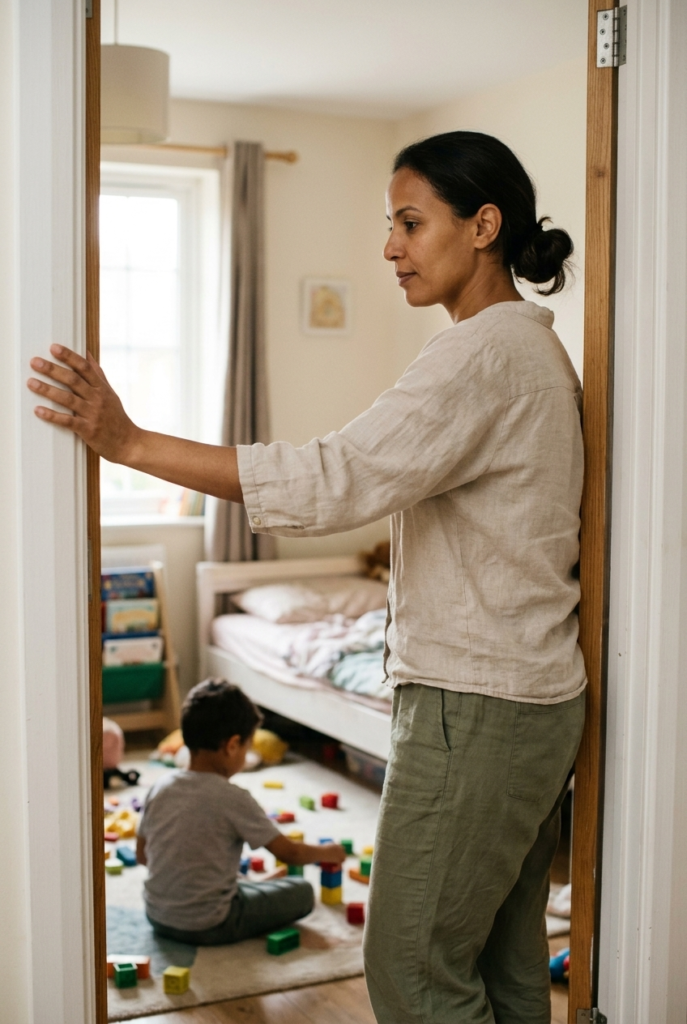
The kids carry wounds from their parents’ divorce that have nothing to do with you. Their behavior, their grief, their confusion — you didn’t cause any of it. And no matter how much you pour into them, you cannot heal what wasn’t yours to heal in the first place.
That’s not a reason to stop caring. It’s a reason to stop taking on guilt that doesn’t belong to you. Your job isn’t to fix a broken family. Your job is to be a steady, kind, honest presence in the family that exists now. That’s meaningful work. But it has real limits, and understanding those limits protects your own wellbeing.
10. Gratitude Is Not Guaranteed
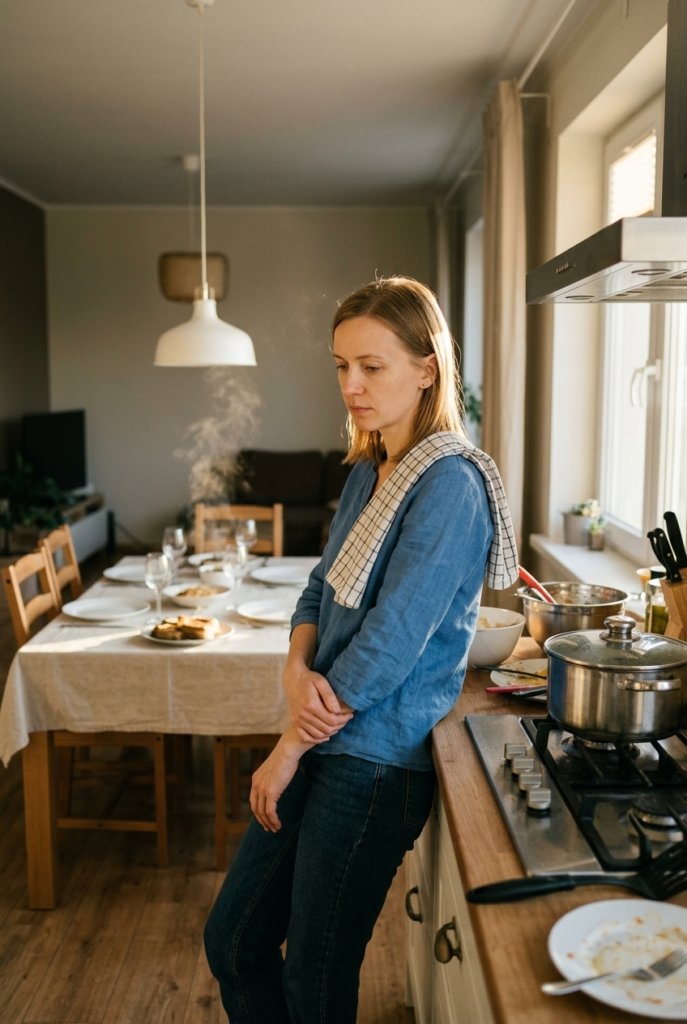
You cook the meals, drive to the practices, stay up worrying, rearrange your schedule, and show up for events that nobody told you to be at. And sometimes — a lot of the time, especially early on — nobody says thank you.
That’s one of the quieter hardships of this role. The effort is invisible to the people you’re making it for. Over time, especially as kids get older, that often changes. But in the beginning, you have to find your own sense of purpose in what you’re doing. If you’re only doing it to earn their love or appreciation, you will run out of steam. Do it because you’ve chosen to build something real, and that takes time to show up in the results.
11. Therapy Isn’t a Sign That Something Is Wrong — It’s a Sign You’re Smart

If there’s one thing experienced stepmoms almost universally wish they’d done earlier, it’s getting a therapist. Not because they were falling apart, but because they needed a neutral, private space to process the complicated feelings that come with this role.
A good therapist — ideally one who has worked with blended families — can help you sort out what’s yours to carry and what isn’t, how to communicate more effectively with your husband, and how to set limits without burning things down. Couples therapy can also be genuinely useful before problems become serious. Treating it as a resource rather than a last resort changes everything.
12. This Role Can Be Deeply Rewarding — But Only If You’re Honest With Yourself
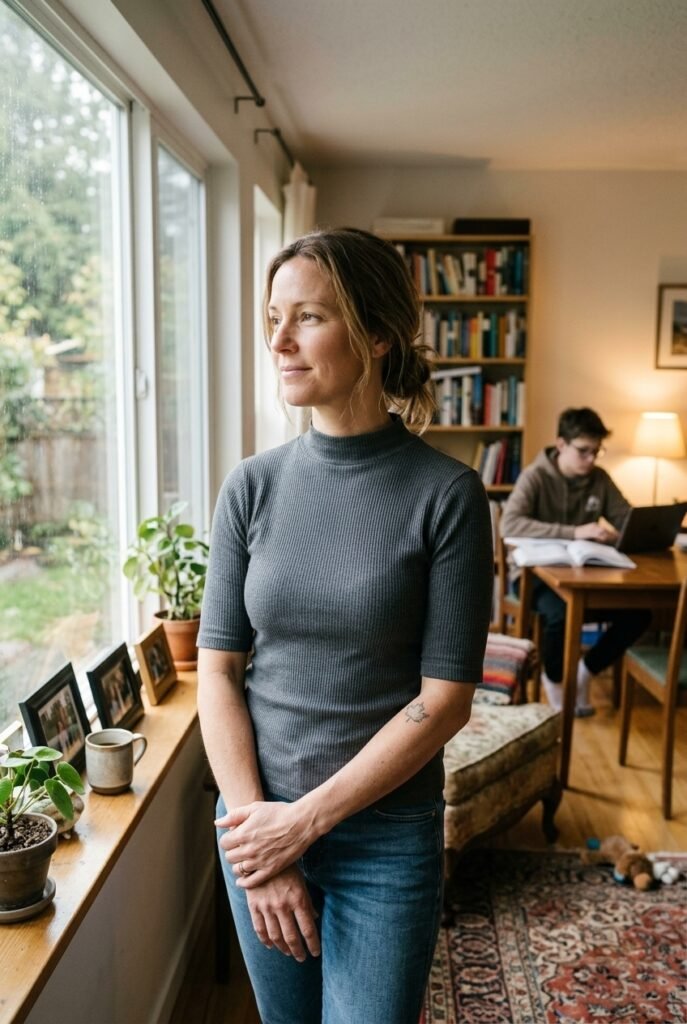
Here’s the thing nobody puts on the inspirational posts about blended families: this can be one of the most meaningful things you ever do. Watching a child you didn’t give birth to grow into someone wonderful, knowing you were part of that — that’s real. But it requires a level of emotional honesty that most people aren’t prepared for going in.
Be honest about what you can give. Be honest about what you need. Be honest with your husband when something isn’t working. Women who thrive in this role aren’t the ones who silently martyred themselves. They’re the ones who asked hard questions, set real expectations, and gave themselves permission to be human while still showing up.
The Truth Nobody Warns You About Is Also the One That Helps the Most
Knowing these things early doesn’t make stepmotherhood easy — nothing does that. But it does keep you from drowning in confusion, guilt, or the wrong kind of hope. When you stop waiting for the blended family fairy tale and start working with the family you actually have, something shifts. The small wins feel more real. The hard days feel more manageable.
You are not failing because it’s hard. Hard is just what this is. And the fact that you’re looking for honest information instead of shortcuts says more about the kind of stepmom you’re going to be than anything else.
Frequently Asked Questions
Q: How long does it take to bond with stepchildren? A: There’s no fixed timeline, but family studies consistently show that blended families typically take four to seven years to stabilize and develop genuine closeness. Expecting strong bonds within the first year usually leads to frustration on everyone’s side.
Q: Is it normal to feel like an outsider in your own home as a stepmom? A: Completely normal, especially in the early years. Stepfamilies have a fundamentally different structure than biological families, and the established parent-child bond often leaves a new stepmom feeling on the outside. That feeling tends to ease as relationships develop over time.
Q: Why do stepchildren reject a stepmom who is genuinely trying? A: Often it’s a loyalty bind — the child feels that liking or accepting a stepmom is disloyal to their biological mother. It’s rarely about the stepmom personally. Children frequently need implicit or explicit permission from their own parent to feel comfortable warming up to someone new.
Q: Should a stepmom discipline her stepchildren? A: Most family therapists recommend that biological parents take the lead on discipline, particularly in the early stages of a blended family. A stepmom can absolutely enforce household rules, but doing so without a clear, agreed-upon system in place with her husband tends to backfire and damage the relationship with the kids.
Q: How do you handle a difficult co-parenting situation with the bio mom? A: The most effective approach is keeping interactions business-like and child-focused. You don’t need a warm relationship with the biological mother — you need a functional one. Protecting your mental space from being consumed by frustration over her choices is just as important as maintaining a civil dynamic on the surface.
Q: When should a stepmom consider therapy? A: Ideally before things get hard, not after. A therapist who has experience with blended families can help a stepmom process feelings that are difficult to share elsewhere, establish what’s reasonable to expect, and communicate more effectively with her partner. It’s a resource, not a last resort.
Q: What’s the biggest mistake new stepmoms make? A: Trying to be the kids’ mother — or competing with their biological mom. Women who find peace in this role usually do so by accepting that they have a different kind of relationship with the kids, and that “different” doesn’t mean lesser.
Q: How do you protect your marriage while also navigating stepfamily dynamics? A: By treating the marriage as its own relationship that requires tending, separate from the parenting challenges. Regular honest conversations with your husband, clear shared expectations around discipline and household decisions, and couple’s therapy when needed all help keep the marriage strong even when the family dynamics are rough.
Q: Is it okay to not love your stepchildren? A: Yes. Genuine love for stepchildren — especially in the beginning — is not guaranteed and shouldn’t be forced or faked. What matters far more is consistent, respectful care and patience. Love, if it comes, tends to grow slowly through ordinary moments over time, not through pressure.