What Every Parent Should Know About Baby Sleep Requirements

14 min read

Baby Sleeping

Sleep stands as one of the most crucial elements in your baby’s healthy development, yet it often becomes the biggest source of stress for new parents. Those first months bring countless questions about whether your little one is getting enough rest, sleeping too much, or following normal patterns. Understanding baby sleep requirements helps you navigate this essential aspect of parenting with greater confidence and less worry.

Every baby arrives with their own unique sleep personality, making it impossible to apply one-size-fits-all rules. While some newborns seem to snooze peacefully for hours, others wake frequently throughout the night. Both patterns fall within the normal range, though this knowledge rarely comforts exhausted parents at 3 AM. The science behind infant sleep reveals fascinating insights about brain development, growth hormones, and the gradual maturation of sleep cycles that transform restless newborns into (eventually) soundly sleeping children.

Parents deserve clear, practical information about what to expect at each stage of their baby’s sleep journey. The following sections will guide you through age-appropriate sleep needs, environmental factors that promote better rest, establishing routines that work for your family, troubleshooting common challenges, and maintaining safety standards. Armed with this knowledge, you’ll feel more prepared to support your baby’s sleep development while preserving your own sanity.

Understanding Your Baby’s Sleep Needs by Age

Baby Sleeping

The amount of sleep your baby needs changes dramatically during the first year and beyond. These evolving requirements reflect rapid brain development and physical growth happening at different stages. Recognizing these patterns helps you adjust expectations and respond appropriately to your child’s changing needs.

Newborn sleep patterns (0-3 months)

Newborns typically sleep 14-17 hours per day, though this sleep comes in short bursts rather than long stretches. Their sleep cycles last only 50-60 minutes compared to adult cycles of 90-120 minutes. During these early weeks, babies don’t distinguish between day and night, leading to the around-the-clock feeding and sleeping pattern that exhausts new parents.

Most newborns can only stay awake for 45-60 minutes at a time before needing another nap. Watch for subtle tired signs like staring into space, turning away from stimulation, or making jerky movements. These cues appear before obvious signals like crying or eye rubbing.

Infant sleep evolution (3-6 months)

Between three and six months, babies begin consolidating their sleep into longer stretches. Total daily sleep typically ranges from 12-16 hours, with many babies capable of sleeping 6-8 hour stretches at night. Daytime sleep usually organizes into 3-4 predictable naps.

This period marks the beginning of circadian rhythm development. Exposure to natural light during awake times and darkness during sleep helps establish this biological clock. Many parents notice their babies becoming more alert and interactive during daytime hours while sleeping more soundly at night.

Wake windows extend to 1.5-2.5 hours between naps during this stage. Following these natural awake periods prevents overtiredness, which paradoxically makes falling asleep harder for babies.

Older baby sleep requirements (6-12 months)

Babies in this age range need approximately 12-15 hours of sleep per day. Most transition from three naps to two, typically maintaining a morning and afternoon nap while dropping the late afternoon sleep. Night sleep often extends to 10-12 hours, though some babies still wake once or twice for feeding.

The 8-10 month period brings significant developmental leaps that can temporarily disrupt sleep patterns. Babies learning to crawl, pull up, or walk often practice these skills in their cribs instead of sleeping. This phase passes as they master new abilities.

Toddler sleep transitions (12+ months)

Toddlers gradually decrease their total sleep needs to 11-14 hours per day. The transition from two naps to one usually occurs between 12-18 months, though some children maintain two naps until closer to two years old. Signs your toddler is ready for one nap include:

  • Consistently fighting the morning nap: Taking longer than 30 minutes to fall asleep
  • Short morning naps: Sleeping less than 45 minutes despite previously napping longer
  • Bedtime resistance: Staying awake much later than usual
  • Early morning wakings: Waking before 6 AM ready to start the day
  • Mood stability: Remaining happy and engaged despite missing a nap

Signs your baby needs more sleep

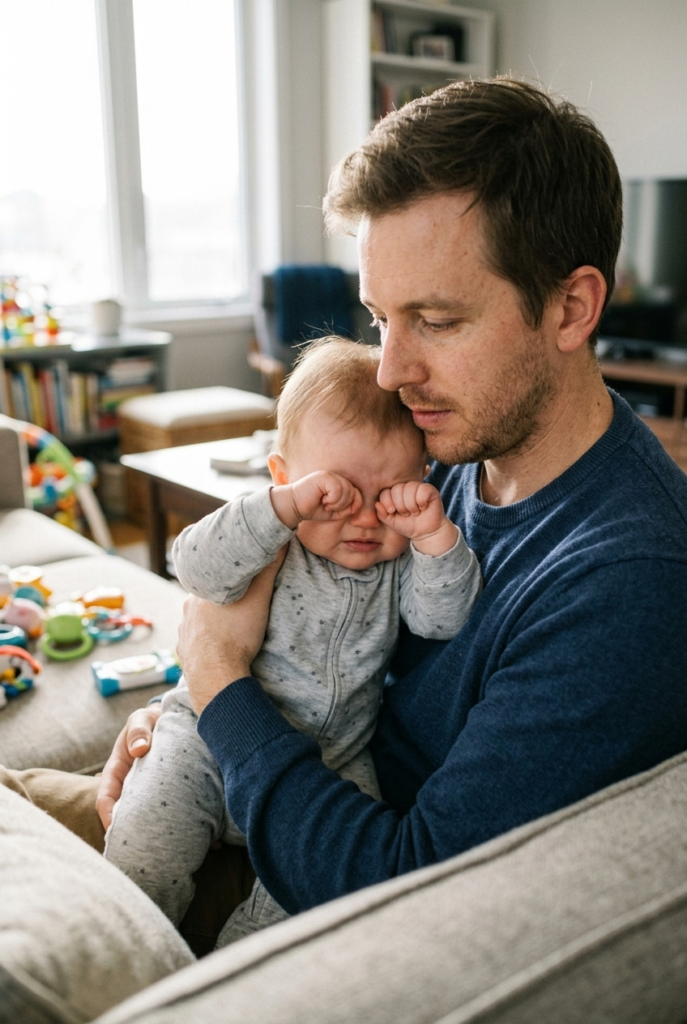
Recognizing when your baby isn’t getting adequate rest helps you adjust schedules before exhaustion becomes overwhelming. Overtired babies often display hyperactive behavior rather than seeming sleepy. They may become increasingly fussy, difficult to soothe, and resistant to sleep despite desperately needing rest.

Physical signs include red-rimmed eyes, dark circles, frequent yawning, and increased clumsiness in mobile babies. Behavioral indicators include shortened attention spans, increased crying, difficulty with transitions, and meltdowns over minor frustrations. Babies getting insufficient sleep may also experience more frequent night wakings, creating a cycle of poor rest.

Creating the Perfect Sleep Environment

Baby Sleeping on Bed

The space where your baby sleeps plays a significant role in sleep quality and duration. Small adjustments to the nursery environment can make remarkable differences in how easily your baby falls asleep and stays asleep. Creating optimal conditions doesn’t require expensive equipment or complete room makeovers.

Room temperature and humidity levels

Babies sleep best in slightly cool environments, with ideal temperatures ranging from 68-72°F (20-22°C). This range prevents overheating while keeping babies comfortable. A room thermometer helps monitor conditions, especially during seasonal changes when heating or cooling systems work harder.

Proper humidity levels between 40-60% prevent dry air from irritating delicate nasal passages and skin. Dry air can lead to congestion, making breathing more difficult during sleep. Simple humidifiers maintain comfortable moisture levels, particularly important during winter when indoor heating creates desert-like conditions.

Lighting considerations for better sleep

Darkness triggers melatonin production, the hormone responsible for sleepiness. Even small amounts of light can interfere with this natural process. Blackout curtains or shades block external light from street lamps, early sunrise, or passing cars that might disturb sleep.

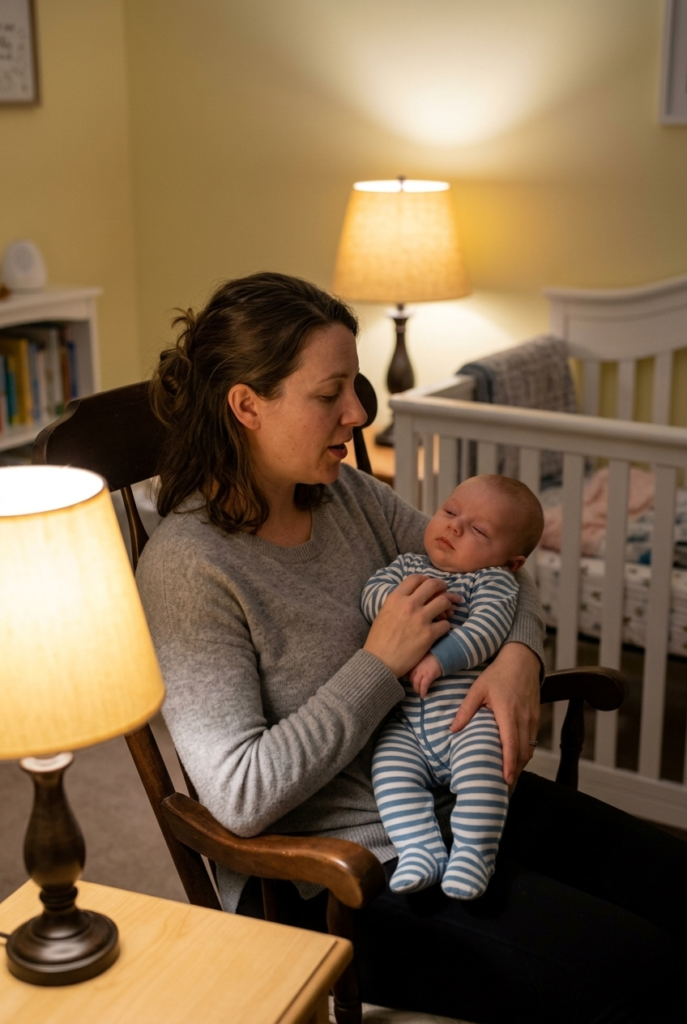
For middle-of-the-night care, use dim amber or red lights rather than bright white ones. These warmer tones minimally impact melatonin production while providing enough visibility for diaper changes or feeding. Many parents find salt lamps or specialized nursery lights perfect for this purpose.

During daytime naps, you don’t need complete darkness. Slightly dimmed conditions help babies differentiate between day and night sleep, supporting circadian rhythm development. This distinction becomes particularly important as babies grow older and consolidate nighttime sleep.

Sound and white noise benefits

Consistent background noise masks sudden sounds that might startle babies awake. White noise machines, fans, or apps provide steady sound that mimics the whooshing noises babies heard in the womb. This familiar sound often calms fussy babies and helps them sleep longer.

Volume matters when using white noise. Sound levels should measure around 50-60 decibels, roughly equivalent to a shower running or moderate rainfall. Position machines at least 6 feet from the crib to prevent hearing damage while maintaining effectiveness.

Some babies prefer specific sounds over traditional white noise. Options include ocean waves, heartbeats, rainfall, or simple shushing sounds. Experiment to discover what works best for your particular baby, as preferences vary considerably.

Safe sleep surface requirements

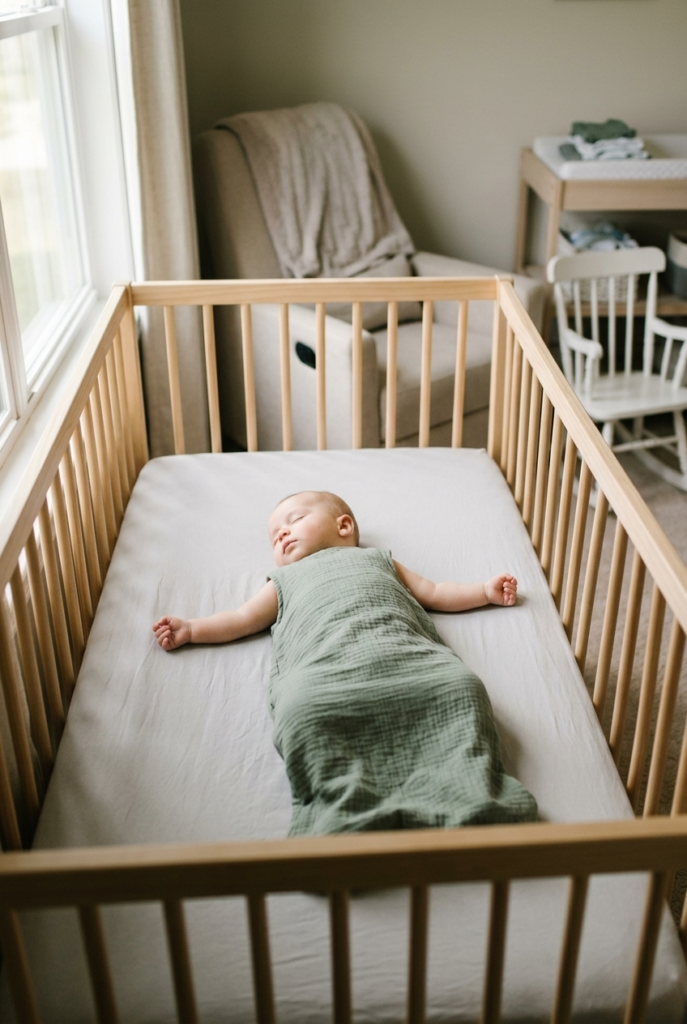
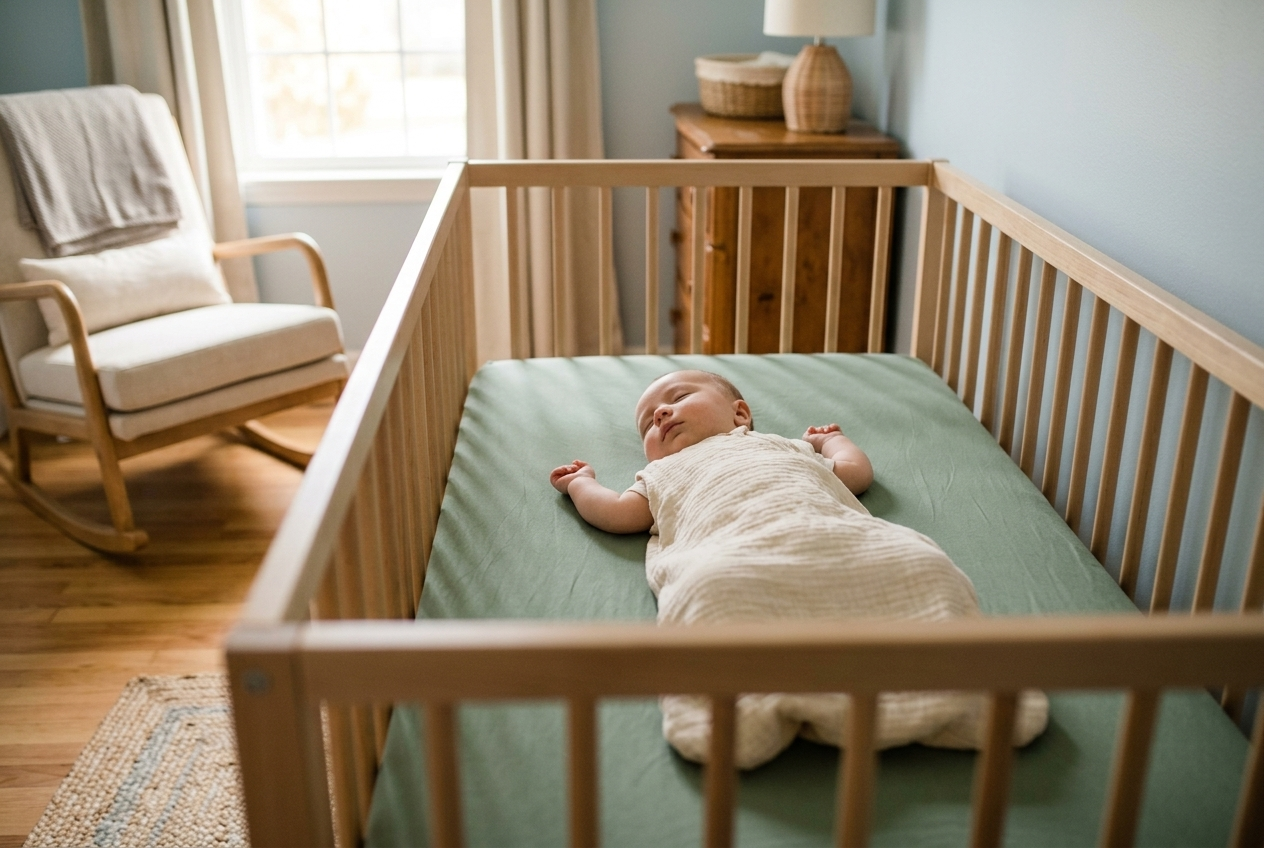
A firm mattress provides the safest sleep surface for babies. Soft surfaces increase suffocation risks and can interfere with natural movement during sleep. Your baby’s mattress should not indent when they lie on it, maintaining its shape and support throughout the night.

The sleep surface should remain bare except for a tightly fitted sheet. Avoid blankets, pillows, bumper pads, and stuffed animals in the crib. These items pose suffocation and strangulation hazards, particularly for babies who cannot yet roll or move away from dangerous positions.

Ensure the mattress fits snugly in the crib with no gaps exceeding two finger widths between mattress edges and crib sides. These gaps can trap limbs or create dangerous spaces where babies might become wedged.

Essential sleep accessories and what to avoid

Swaddles help newborns feel secure by preventing the startle reflex that often wakes them. Choose swaddles appropriate for your baby’s age and development stage, transitioning away from arm swaddling once they show signs of rolling. Sleep sacks provide safe alternatives to loose blankets for older babies.

A reliable baby monitor offers peace of mind without hovering constantly. Modern monitors include video capabilities, room temperature displays, and movement sensors. However, these devices supplement but never replace safe sleep practices and regular checks.

Avoid products claiming to prevent SIDS or guarantee better sleep without scientific backing. Sleep positioners, wedges, and specialized mattresses often create more risks than benefits. Stick with simple, safety-approved items that follow current pediatric recommendations for infant sleep.

Establishing Healthy Sleep Routines

Predictable routines signal to babies that sleep time approaches, making the transition from wakefulness to rest smoother. These patterns don’t need rigid precision but should follow a general sequence that your baby learns to recognize. Consistency matters more than perfection when building sleep routines.

Building consistent bedtime rituals

Start bedtime routines 30-45 minutes before intended sleep time. This window allows babies to wind down gradually rather than abruptly transitioning from play to sleep. A typical routine might include a warm bath, gentle massage with lotion, quiet singing or reading, and final feeding before bed.

Keep activities calm and soothing during this routine. Avoid stimulating play, bright lights, or screen time that might increase alertness. The same sequence performed nightly becomes a powerful sleep cue, helping babies understand and anticipate bedtime.

Daytime naps and their importance

Quality daytime sleep directly impacts nighttime rest. Contrary to popular belief, keeping babies awake longer during the day doesn’t guarantee better night sleep. Overtired babies actually sleep worse, waking more frequently and having difficulty settling back down.

Structure nap times around your baby’s natural wake windows rather than forcing strict clock times. A 4-month-old who wakes at 7 AM might nap around 9 AM after being awake for two hours, regardless of what the clock says. This biological timing approach respects your baby’s individual needs.

Nap environments don’t require the same complete darkness as nighttime sleep, but consistency helps. Using the same sleep space for naps and nighttime whenever possible reinforces sleep associations. Some babies nap better in slightly different conditions than night sleep, so observe what works for yours.

Creating a shortened version of the bedtime routine before naps helps signal sleep time. This might include dimming lights, a quick diaper change, and a brief song or white noise activation. These mini-routines need only take 5-10 minutes but significantly improve nap success.

Feeding schedules and sleep connections

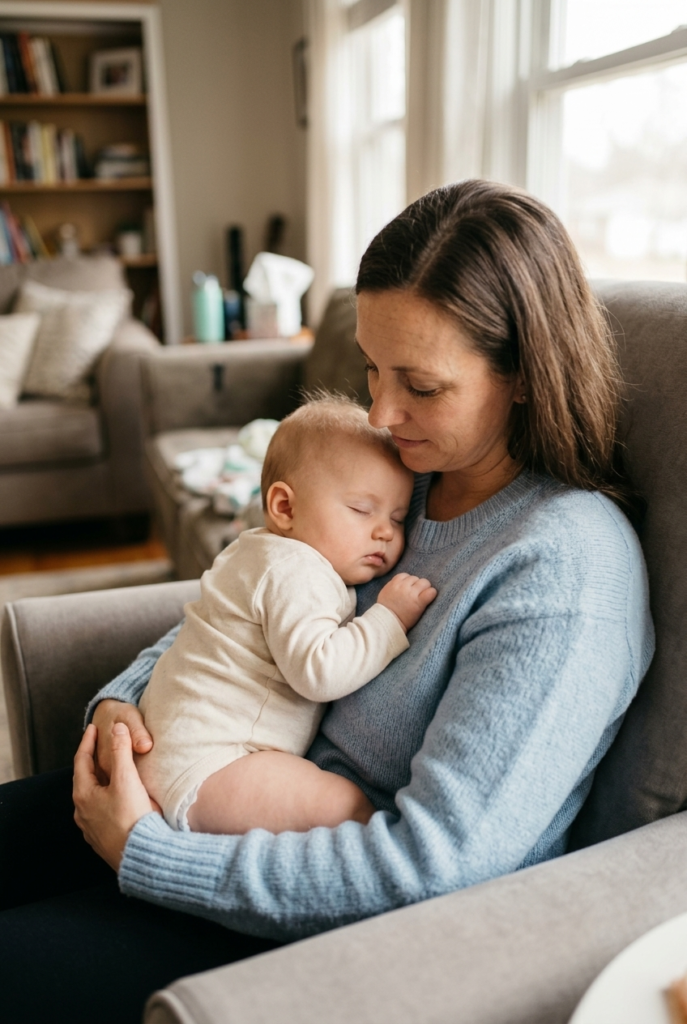
The relationship between feeding and sleep evolves as babies grow. Newborns often fall asleep while nursing or bottle-feeding, which is completely normal and doesn’t create bad habits. As babies mature, gradually separating feeding from sleep helps them develop independent sleep skills.

Moving the last feeding earlier in the bedtime routine prevents a feed-to-sleep association. Instead of nursing immediately before placing your baby in the crib, try feeding after bath time but before stories or songs. This small shift makes a significant difference in sleep independence.

Night feeding needs vary considerably between babies. Some 6-month-olds still require 1-2 night feeds, while others sleep through without eating. Trust your baby’s cues and your pediatrician’s guidance rather than comparing to other babies or rigid timelines.

Recognizing sleep cues and timing

Early sleep cues often appear subtle and easy to miss. These first signs indicate the ideal window for initiating sleep routines:

  • Decreased activity: Slowing down from active play or becoming less animated
  • Glazed expression: Staring into space or seeming less engaged with surroundings
  • Quieter vocalizations: Less babbling or cooing than when fully alert
  • Reddening eyebrows: Slight color change around the eye area
  • Pulling ears: Gentle tugging without signs of pain

Late sleep cues indicate overtiredness setting in. These include obvious yawning, eye rubbing, increased fussiness, and arching the back. Once these signs appear, settling for sleep becomes more challenging. Learning your baby’s early cues helps catch the optimal sleep window.

Adjusting routines for growth spurts

Growth spurts temporarily disrupt established sleep patterns. During these periods, babies may wake more frequently, seem hungrier, and resist usual routines. These phases typically last 2-7 days before sleep patterns stabilize again.

Common growth spurt timing occurs around 2-3 weeks, 6 weeks, 3 months, and 6 months, though individual babies vary. During these times, flexibility matters more than maintaining strict schedules. Offer additional feeds if needed and provide extra comfort without worrying about creating permanent habits.

Sleep regressions often coincide with developmental leaps. Your baby’s brain is working overtime to master new skills, which can interfere with sleep. Maintaining consistent routines while acknowledging temporary disruptions helps everyone weather these challenging phases. Trust that sleep will improve once the developmental burst passes.

Common Sleep Challenges and Solutions

Every baby faces sleep difficulties at some point. Understanding common challenges and their solutions helps parents respond calmly and effectively rather than panicking when sleep problems arise. Most sleep issues are temporary phases related to development, not permanent problems.

Night wakings and self-soothing

Frequent night wakings frustrate exhausted parents, but they’re entirely normal for babies. All humans wake briefly between sleep cycles; adults simply return to sleep without full consciousness. Babies must learn this skill gradually.

Teaching self-soothing doesn’t mean ignoring crying babies. Instead, it involves giving them opportunities to settle independently before intervening. Start with brief pauses before responding to nighttime sounds. Often, babies make noise during sleep transitions without fully waking.

When your baby does need attention, keep interactions minimal and boring. Use dim lighting, speak softly, and avoid stimulating play. This approach reinforces that nighttime is for sleeping, not social time.

Sleep regressions at different stages

The four-month sleep regression catches many parents off guard. Previously good sleepers suddenly wake frequently, fight naps, and seem unable to settle. This regression actually signals positive brain development as babies transition from newborn to adult-like sleep cycles.

During regressions, maintain routines even when they seem ineffective. Your baby’s brain is reorganizing sleep patterns, and familiar routines provide stability during this transition. Consistency helps them navigate changes more smoothly.

Additional regressions commonly occur around 8-10 months and 18 months, often coinciding with major developmental milestones. Each regression follows a similar pattern: temporary sleep disruption followed by emergence of new skills or abilities. Understanding this connection helps parents weather difficult phases with patience.

Remember that “regression” is actually a misnomer – these phases represent progression in your baby’s development. The sleep disruption indicates important brain growth and development happening behind the scenes.

Transitioning from multiple naps to fewer

Nap transitions challenge both babies and parents. Signs indicating readiness for fewer naps were covered earlier, but the actual transition process requires patience and flexibility. Most babies don’t switch immediately from two naps to one; instead, they alternate between both patterns for several weeks.

During transition periods, offer quiet rest time even if your baby doesn’t sleep. This maintains routine structure while allowing flexibility. Some days they’ll need that second nap, while others they’ll play quietly instead.

Adjusting bedtime during nap transitions prevents overtiredness. When dropping a nap, temporarily move bedtime 30-60 minutes earlier to compensate for lost daytime sleep. Gradually shift back to the regular bedtime as your baby adjusts to the new schedule.

Dealing with early morning wake-ups

Early rising frustrates parents longing for just another hour of sleep. Wakings before 6 AM often indicate bedtime timing issues rather than morning person tendencies. Overtired babies paradoxically wake earlier, creating a cycle of insufficient sleep.

Light exposure significantly impacts morning wake times. Even small amounts of early morning light signal wake time to sensitive babies. Ensure windows have complete blackout coverage, checking for light leaks around edges that might penetrate as sunrise approaches.

Some early risers simply need less total sleep than average. If your baby wakes happy, alert, and ready for the day at 5:30 AM despite your best efforts, they might naturally be an early bird. In these cases, tag-team with partners for morning duty or adjust your own bedtime earlier.

Treating early morning wakings like night wakings sometimes extends sleep. Keep the room dark, use white noise, and avoid stimulating interactions. Some babies will return to sleep for another cycle if given the opportunity.

When to seek professional help

Certain sleep difficulties warrant professional consultation. Persistent sleep problems lasting longer than 2-3 weeks despite consistent efforts may indicate underlying issues. Signs to discuss with your pediatrician include:

  • Snoring or breathing difficulties: Loud snoring, gasping, or pauses in breathing during sleep
  • Extreme resistance to sleep: Taking hours to fall asleep despite appropriate routines and tiredness
  • Frequent night terrors: Different from nightmares, these involve screaming and thrashing without full awakening
  • Daytime exhaustion: Excessive sleepiness despite seemingly adequate night sleep
  • Growth concerns: Poor weight gain potentially related to feeding and sleep difficulties

Medical conditions like reflux, allergies, or sleep apnea can significantly impact sleep quality. Addressing these underlying issues often resolves sleep problems more effectively than behavioral interventions alone. Your pediatrician can evaluate whether medical factors contribute to sleep difficulties.

Safety Guidelines for Baby Sleep

Creating a safe sleep environment protects your baby while they rest. Current guidelines based on extensive research significantly reduce risks associated with infant sleep. Following these recommendations provides peace of mind while your baby develops healthy sleep patterns.

Safe sleep positions and SIDS prevention

Back sleeping reduces SIDS risk by up to 50%. Place your baby on their back for every sleep, including naps and nighttime. This position keeps airways clear and allows babies to breathe most easily. Once babies can roll independently both ways, they can sleep in positions they choose.

Side sleeping isn’t recommended as babies can easily roll onto their stomachs from this position. Products marketed to maintain side sleeping positions pose additional risks and should be avoided. Trust your baby’s natural protective reflexes when placed on their back.

Some parents worry about choking when babies sleep on their backs. Actually, babies’ anatomy protects them better in this position. The back sleeping position allows fluids to drain away from the airway more effectively than stomach sleeping.

Crib safety standards and requirements

Modern cribs must meet strict safety standards, but older models may pose risks. Check that slats measure no more than 2 3/8 inches apart to prevent head entrapment. Corner posts should extend less than 1/16 inch above end panels unless they’re over 16 inches high for a canopy.

Inspect hardware regularly for loose screws or broken parts. Cribs with drop-side rails are no longer considered safe due to entrapment and suffocation risks. If using a handed-down crib, verify it meets current safety standards before use.

Proper assembly following manufacturer instructions is crucial. Never modify cribs or use makeshift repairs. When your baby can pull to standing, adjust the mattress to its lowest position and remove any items they could use to climb out.

Room sharing versus bed sharing

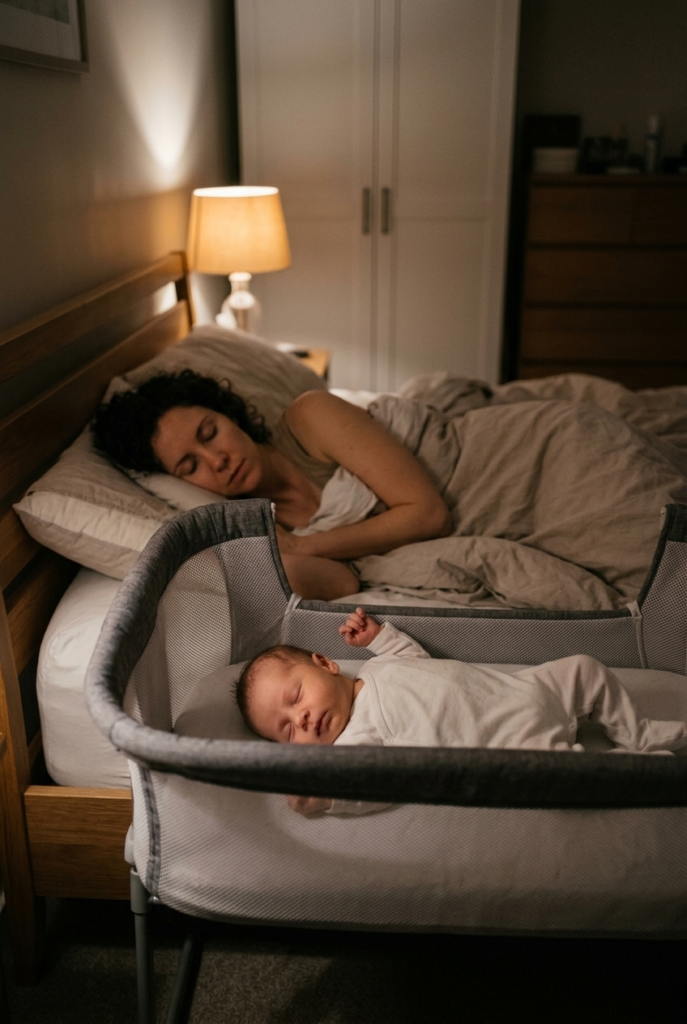
Room sharing without bed sharing offers the safest arrangement for young babies. Keeping your baby’s sleep space in your room for at least the first six months reduces SIDS risk while avoiding bed-sharing hazards. This arrangement also simplifies nighttime feeding and comforting.

Bed sharing increases risks of suffocation, entrapment, and overheating. Adult beds aren’t designed for infant safety, with soft surfaces, gaps, and loose bedding creating hazards. Even careful parents can accidentally roll onto babies during deep sleep phases.

If you bring your baby into bed for feeding or comforting, return them to their separate sleep space before you fall asleep. Consider a bedside bassinet that attaches to your bed for close proximity without sharing sleep surfaces.

Monitoring devices and their proper use

Baby monitors provide reassurance but shouldn’t replace safe sleep practices. Video monitors allow visual checks without entering the room and potentially disturbing sleep. Choose models with clear night vision and secure connections to protect privacy.

Movement monitors detecting breathing patterns offer additional peace of mind for anxious parents. However, these devices aren’t medical equipment and don’t prevent SIDS. They may create false alarms that increase anxiety or false security that leads to relaxed safety practices.

Smart monitors tracking sleep patterns, room conditions, and movement can provide helpful data about your baby’s sleep. Use this information to identify patterns and optimize sleep conditions rather than obsessing over every measurement. Technology supports but doesn’t replace attentive parenting and safe sleep practices.

Travel and sleep safety considerations

Maintaining safe sleep practices during travel requires advance planning. Portable cribs or play yards meeting safety standards provide familiar sleep spaces away from home. Inspect hotel cribs carefully, as they may not meet current safety standards or could have damaged parts.

Car seats aren’t safe for extended sleep outside vehicles. The inclined position can cause breathing difficulties in young babies. Transfer sleeping babies to flat surfaces as soon as you reach your destination, even if it means waking them temporarily.

When visiting family or friends, resist pressure to use outdated sleep practices. Explain current safety guidelines and bring your own travel crib if necessary. Your baby’s safety takes priority over potentially hurt feelings about rejected hand-me-down items or old-fashioned advice.

Create familiar sleep conditions in new environments using white noise machines, familiar sleep sacks, and consistent routines. These elements help babies sleep better while maintaining safety standards regardless of location.

Rest Assured: Your Baby’s Sleep Journey

Understanding baby sleep requirements gives you tools to support your child’s rest while maintaining realistic expectations. Every baby develops their own sleep personality, and what works wonderfully for one might not suit another. The key lies in observing your individual baby’s needs while following safety guidelines and establishing consistent routines. Trust your instincts while remaining flexible as sleep needs evolve with each developmental stage.

Quality sleep supports every aspect of your baby’s growth, from brain development to immune function. By creating safe sleep environments, responding appropriately to changing needs, and maintaining patience during challenging phases, you’re setting the foundation for healthy sleep habits that last a lifetime. Remember that temporary sleep disruptions often signal positive developmental progress, and with time, consistency, and the right approach, both you and your baby will eventually enjoy restful nights.

Frequently Asked Questions

Q: When will my baby sleep through the night?
A: Most babies develop the ability to sleep 6-8 hour stretches between 3-6 months, though some take longer. “Sleeping through the night” means different things to different families – some consider it a 6-hour stretch while others expect 10-12 hours.

Q: Should I wake my baby for feedings?
A: Newborns typically need waking every 2-3 hours until they regain birth weight. After that, most healthy babies can sleep longer stretches without feeding, especially at night. Consult your pediatrician about your specific baby’s needs.

Q: Is sleep training necessary?
A: Sleep training isn’t required for all babies. Some naturally develop independent sleep skills while others benefit from gentle guidance. If sleep issues significantly impact your family’s wellbeing, various methods can help babies learn to self-soothe.

Q: Why does my baby sleep well for naps but not at night?
A: Different factors affect nap versus nighttime sleep. Overtiredness, hunger, developmental leaps, or environmental differences between day and night sleep spaces can cause this pattern. Ensuring appropriate wake windows and consistent routines often helps.

Q: Can swaddling become a sleep crutch?
A: Swaddling is a helpful tool for newborns but should be discontinued once babies show signs of rolling. Transitioning gradually using one-arm-out methods or sleep sacks helps babies adjust without major sleep disruption.

Q: Should I use blackout curtains for all sleep?
A: Complete darkness works best for nighttime sleep and can help with naps. However, some natural light during daytime naps helps babies distinguish between day and night sleep, supporting circadian rhythm development.

Q: When should I move my baby to their own room?
A: The AAP recommends room sharing for at least 6 months, ideally up to one year. After this period, the decision depends on your family’s preferences and your baby’s sleep patterns. Many families find babies sleep better in their own rooms after 6 months.

Q: Is it normal for sleep to get worse before it gets better?
A: Yes, sleep often temporarily worsens during developmental leaps, growth spurts, or when learning new skills. These regressions typically last 2-6 weeks before sleep improves, often with new abilities or better quality sleep than before.