Planning a spring wedding opens up endless possibilities for creating something truly special, and mixing modern with vintage decor has become one of the most sought-after approaches for couples who want their celebration to feel both timeless and fresh. This combination allows you to honor tradition while incorporating contemporary elements that reflect your personal style. The beauty of blending these two aesthetics lies in how they complement each other – vintage pieces bring warmth and character, while modern touches add clean lines and current sophistication.
Spring provides the perfect backdrop for this fusion because the season itself represents renewal and growth paired with classic beauty. Natural elements like blooming flowers, soft pastels, and abundant greenery work seamlessly with both vintage charm and modern minimalism. You can incorporate weathered wood from barn doors alongside sleek acrylic signage, or pair your grandmother’s crystal with geometric gold chargers for a look that feels intentional rather than mismatched.
The key to successfully mixing these styles isn’t about following strict rules but rather understanding how different elements can work together to tell your unique story. In the following sections, you’ll discover practical strategies for selecting pieces, creating harmony between contrasting styles, and designing spaces that feel cohesive despite drawing from different eras. Whether you’re working with family heirlooms or starting from scratch, these insights will help you craft a spring wedding that feels both nostalgic and refreshingly current. Let’s continue reading to unlock the possibilities of this beautiful design approach.
What Makes Modern and Vintage Decor Work Together?
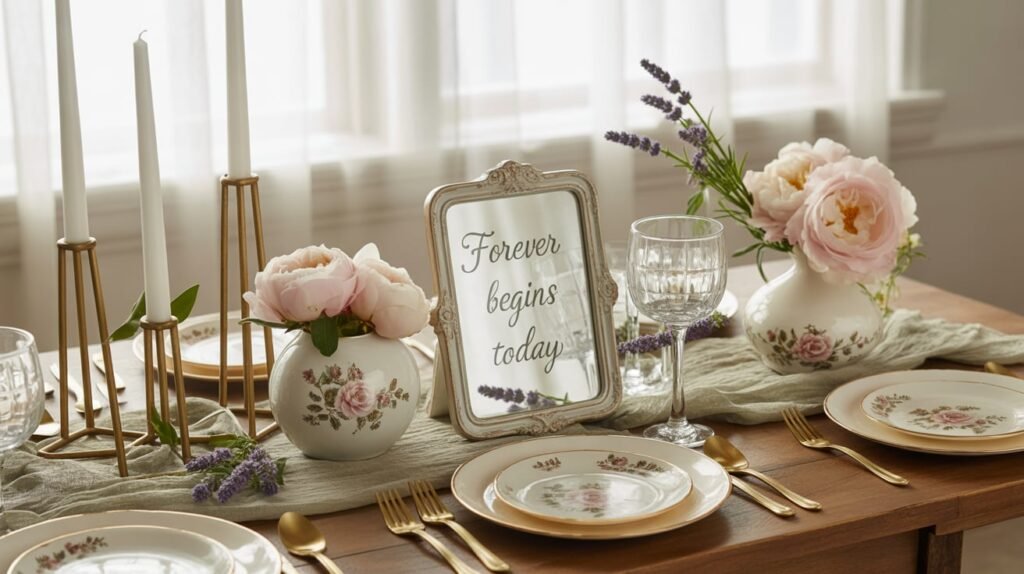
The magic of combining modern and vintage decor happens when you understand that these seemingly opposite styles share more common ground than you might initially think. Both aesthetics value quality craftsmanship, attention to detail, and creating memorable visual impact – they just express these values differently. This shared foundation gives you plenty of room to play with combinations that might surprise and delight your guests.
The balance of old and new elements
Creating equilibrium between contemporary and antique pieces requires thoughtful consideration of visual weight. If you place a heavily ornate Victorian mirror next to sleek metal chairs, the mirror might dominate the space completely. Instead, you might balance that same mirror with several modern elements – perhaps minimalist table numbers, contemporary flatware, and clean-lined vases. The goal is ensuring neither style overwhelms the other but rather that they engage in a visual conversation throughout your venue.
Think about proportion when selecting your mix. A good starting point is the 60-40 rule, where one style takes slight precedence while the other provides contrast. You might lean 60% vintage with lace table runners, antique books, and brass candlesticks, then add 40% modern through acrylic menu cards, geometric terrariums, and contemporary fonts on your signage. This ratio prevents your decor from looking like two different weddings happening in the same space.
Finding common ground in color palettes
Color serves as the universal language that helps different design eras speak to each other. Spring offers a natural palette that works beautifully with both styles – soft blush, sage green, cream, and dusty blue translate across any decade. When you establish a consistent color story, even the most disparate pieces begin to feel like they belong together.
Consider how metallic accents can bridge the gap between periods. Rose gold feels both vintage and trendy, while brass works in antique settings yet remains popular in contemporary design. Mixed metals actually strengthen the eclectic feel you’re creating. Don’t feel confined to matching every metallic element perfectly – a combination of copper vintage vessels with modern chrome votives adds depth and interest to your tablescape.
How texture bridges different eras
Texture creates connections that transcend time periods. The softness of vintage lace plays beautifully against the smooth surface of modern glass. Rough, weathered wood from reclaimed barn boards provides contrast to polished marble or concrete elements. These textural conversations keep the eye moving and create visual interest that neither style could achieve alone.
Fabric choices offer countless opportunities to merge eras. Vintage velvet ribbons wrapped around modern lucite boxes, or contemporary printed napkins placed on antique china plates, demonstrate how textiles can serve as bridges. Natural fibers like linen and cotton work particularly well because they feel timeless – neither distinctly old nor obviously new.
Creating visual harmony through proportion
Scale and spacing matter tremendously when mixing design styles. Vintage pieces often feature intricate details meant to be viewed up close, while modern design frequently emphasizes negative space and breathing room. You’ll need to give ornate vintage elements enough space to be appreciated without crowding them against stark modern pieces.
Group similar items together rather than scattering them randomly. Three vintage milk glass vases clustered on a modern acrylic riser creates a purposeful vignette. A collection of antique frames arranged gallery-style on a clean white wall feels intentional. These groupings prevent your decor from looking haphazard while allowing each style to maintain its identity.
Consider sight lines throughout your venue. Place larger statement pieces – whether a modern installation or vintage furniture – where they can anchor spaces without competing for attention. A grand vintage chandelier might define your dance floor while modern uplighting washes the walls. Each element has its moment without fighting for dominance.
The role of focal points in mixed themes
Every successful design needs focal points that draw the eye and create memorable moments. When mixing styles, these focal points become even more crucial as they establish the visual hierarchy that helps everything else fall into place. Your ceremony backdrop might feature a modern geometric arch adorned with cascading vintage-inspired florals, creating a stunning merger of both aesthetics.
Photo opportunities benefit from dramatic focal points that showcase your theme. A vintage settee positioned against a modern flower wall, or contemporary neon signage mounted on reclaimed wood, gives guests Instagram-worthy moments while reinforcing your design story. These statement pieces should feel deliberate rather than random, telling the story of how past and present come together in your celebration.
How Do You Choose Your Core Vintage Elements?
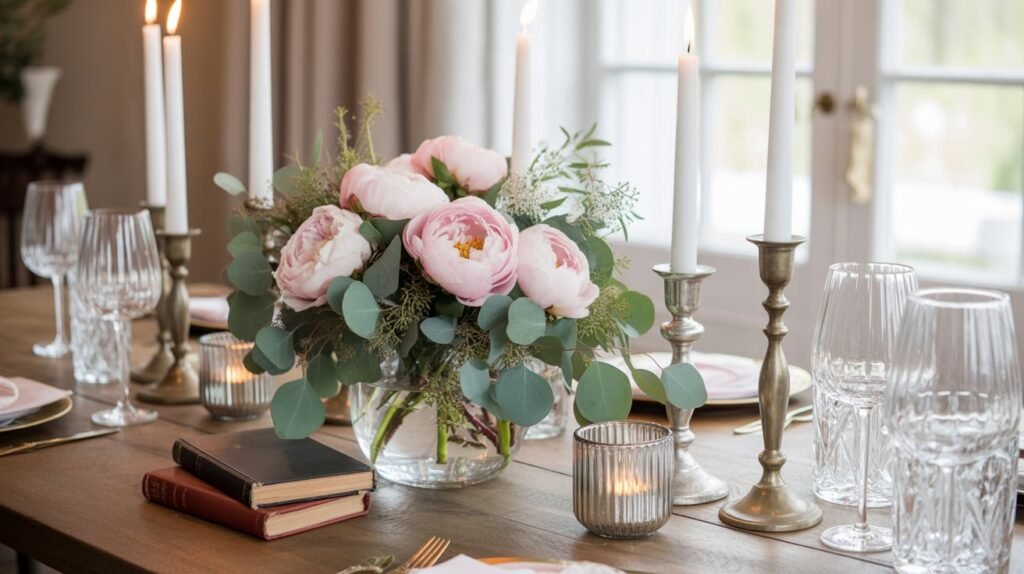
Selecting the right vintage pieces forms the backbone of your mixed-theme wedding decor. These elements bring soul and history to your celebration, but choosing them requires strategy beyond simply picking pretty antiques. The vintage items you select should enhance rather than compete with your modern touches, creating layers of visual interest that feel collected over time rather than forced together.
Identifying authentic vintage pieces worth featuring
Not every old item deserves a place at your wedding. Focus on pieces with strong visual impact or personal significance. A set of mismatched vintage champagne coupes tells a better story than generic pressed glass that just happens to be old. Look for items with patina that adds character – tarnished silver, weathered leather, or aged brass develop a richness that can’t be replicated.
Quality matters more than quantity when selecting vintage elements. One stunning piece, like an ornate gilded mirror or a collection of mercury glass votives, makes a stronger statement than dozens of mediocre antiques scattered throughout your venue. Each vintage element should earn its place by contributing something special to the overall design.
Pay attention to condition versus character. While some wear adds authenticity, damaged or dirty items detract from your celebration’s elegance. Vintage books with intact spines and readable titles work beautifully as centerpiece bases. Chipped china might have sentimental value but could look shabby rather than chic on your reception tables. The difference lies in whether the aging enhances or diminishes the piece’s beauty.
Which vintage styles complement modern aesthetics
Some vintage periods naturally pair better with contemporary design than others. Mid-century pieces from the 1950s and 60s share clean lines with today’s minimalist trends, making them perfect bridges between old and new. Art Deco elements from the 1920s offer geometric patterns that echo current design preferences while maintaining historical charm.
Victorian and Edwardian pieces require more careful integration due to their ornate nature. However, when used sparingly as statement pieces against modern backdrops, they create stunning contrast. A single elaborate vintage cake stand on a simple modern dessert table becomes a conversation piece rather than overwhelming the display.
Spring weddings particularly benefit from romantic vintage styles – French country, English garden, or American farmhouse aesthetics. These softer vintage looks blend naturally with fresh flowers and outdoor settings while leaving room for contemporary updates:
- French Provincial: Weathered whites and soft blues pair with modern acrylic
- English Garden: Vintage teacups alongside geometric terrariums
- American Farmhouse: Mason jars mixed with sleek metal lanterns
- Art Nouveau: Flowing organic lines complement modern botanical prints
Sourcing quality vintage decor pieces
Finding authentic vintage pieces requires patience and multiple sourcing strategies. Estate sales often yield complete sets of china, glassware, or serving pieces at reasonable prices. Antique malls let you see items in person, ensuring quality and scale work for your needs. Online marketplaces expand your options but require careful attention to descriptions and measurements.
Consider rental companies specializing in vintage items. They offer curated collections, delivery, and setup – invaluable services for larger pieces like furniture or extensive place settings. Many vintage rental companies now style their inventory to work with modern events, understanding how to blend eras effectively.
Family contributions add meaningful layers to your vintage collection. Your grandmother’s tablecloth or your partner’s family silver brings personal history to your celebration. These heirloom pieces often become the starting point for your entire design scheme, with modern elements chosen specifically to highlight their significance.
When to use reproductions versus originals
Reproductions make sense when you need multiples or when original vintage pieces prove too fragile or expensive. Modern reproductions of vintage patterns on napkins or table runners give you the aesthetic without the worry of damaging irreplaceable items. New glassware in vintage styles ensures you have enough matching pieces for all your guests.
Original vintage pieces shine brightest when used as singular statement elements or in small groupings where their uniqueness adds value. An authentic vintage typewriter for your guest book station, original botanical prints for decoration, or genuine antique vases for your head table create authenticity that reproductions can’t match.
Setting the vintage foundation for your theme
Your vintage elements should tell a cohesive story rather than representing random decades. Choose a primary vintage era or style, then select pieces that support this narrative. If you love 1940s glamour, focus on crystal, mirrors, and metallic accents from that period rather than mixing in rustic farmhouse elements that confuse the vision.
The placement of vintage pieces matters as much as their selection. Use them to define specific areas – vintage furniture creates a lounge area, antique frames designate the gift table, vintage books mark reserved ceremony seating. This strategic placement helps vintage elements feel purposeful rather than scattered, strengthening their impact within your modern framework.
Think about how vintage pieces will photograph. Items with interesting shapes, textures, or details add depth to images. Vintage brass picture frames, old skeleton keys, or antique doorknobs become beautiful detail shots while serving practical purposes within your decor. Your photographer will appreciate these photogenic elements that add storytelling layers to your wedding album.
Which Modern Touches Complete the Spring Wedding Look?
Modern elements bring freshness and sophistication that prevent your vintage pieces from feeling stuck in the past. These contemporary touches should feel deliberate and thoughtful, chosen specifically to enhance rather than overshadow your carefully selected antiques. The right modern additions create unexpected moments of delight while maintaining the romantic spring atmosphere you’re cultivating.
Contemporary elements that enhance vintage charm
Acrylic and lucite pieces have become wedding staples precisely because they work so well with any style. Their transparency allows vintage elements to shine while adding modern structure. Clear ghost chairs let ornate vintage table settings take center stage. Acrylic signage with modern calligraphy provides information without visual weight, allowing your vintage backdrops to remain the focus.
Geometric shapes introduce contemporary energy without overwhelming delicate vintage pieces. Hexagonal tiles as escort card displays, triangular ceremony arches, or diamond-shaped terrariums add modern interest while respecting the softer lines of antique elements. These angular forms create contrast that makes both styles more noticeable and appreciated.
Modern printing techniques allow you to incorporate current design trends while nodding to vintage aesthetics. Letterpress invitations with contemporary layouts, or digitally printed menus featuring modern fonts on vintage-inspired paper, demonstrate how technology can enhance traditional elements. Foil stamping, laser cutting, and digital calligraphy bring precision that complements the handcrafted nature of vintage pieces.
Fresh florals as modern accents
While flowers themselves are timeless, their arrangement and presentation can lean distinctly modern or vintage. Contemporary floral design often features asymmetrical compositions, negative space, and unexpected color combinations. A cascading arrangement of just greenery and white blooms in a vintage urn creates visual tension that enhances both elements.
Modern flower choices can update vintage vessels instantly. Tropical leaves in antique pitchers, air plants in vintage teacups, or single variety arrangements in ornate vases bring contemporary simplicity to traditional containers:
- Structural Succulents: Their architectural form contrasts vintage romance
- Monochromatic Palettes: Single color stories feel current and sophisticated
- Dried Elements: Pampas grass or bunny tails add modern texture
- Unexpected Varieties: Protea or anthurium in vintage vessels create surprise
The way you display flowers matters too. Hanging installations, flower walls, or suspended wreaths represent modern approaches that didn’t exist in vintage eras. These contemporary display methods provide dramatic backdrops for vintage furniture groupings or antique cake tables, creating photo opportunities that feel both current and timeless.
Current color trends that work with vintage
Today’s color trends often draw inspiration from the past while adding contemporary twists. Millennial pink evolved from vintage blush but carries a cooler undertone that feels distinctly modern. Sage green appears in both vintage botanical prints and current minimalist palettes. Understanding these color connections helps you choose hues that bridge both aesthetics.
Bold, saturated colors used sparingly can modernize any vintage palette. A pop of coral in your bouquet, emerald green napkins, or cobalt blue ribbon on your invitations adds contemporary energy. These vivid moments prevent your color scheme from feeling washed out or overly nostalgic while respecting the softer vintage backdrop.
Ombré effects, color blocking, and gradient transitions represent distinctly modern approaches to color that work beautifully with vintage pieces. Napkins in graduating shades of peach placed on antique china, or escort cards transitioning from blush to burgundy displayed in vintage frames, show how contemporary color techniques can highlight traditional elements.
Lighting choices that unite both styles
Lighting technology has advanced tremendously, offering options that didn’t exist in vintage eras. LED Edison bulbs provide the warm glow of vintage filaments with modern efficiency. Programmable uplighting can shift colors throughout your reception, creating different moods while washing vintage architectural details in flattering light.
String lights feel both vintage and modern depending on their application. Café lights strung geometrically create contemporary patterns, while the same lights draped organically feel more traditional. Mixing lighting styles – vintage chandeliers with modern pin spots, antique candelabras alongside LED votives – creates layers of illumination that enhance both design elements.
Projection mapping and gobo lighting offer distinctly modern ways to incorporate pattern and movement. Projecting vintage lace patterns onto walls or dancing leaf shadows across the ceiling brings vintage motifs to life through contemporary technology. These effects create atmosphere without adding physical decor that might compete with your carefully curated vintage pieces.
Technology integration without disrupting aesthetics
Modern couples expect certain technological conveniences that didn’t exist in vintage times. Charging stations, photo booth areas, and social media displays need integration without destroying your vintage ambiance. Beautiful solutions exist – charging stations hidden in vintage suitcases, iPad photo booths framed by antique mirrors, or hashtag signs designed with vintage typography on modern materials.
Sound systems present particular challenges in mixed-design weddings. Visible speakers and equipment can disrupt carefully planned aesthetics. Working with your venue or rental company to hide modern audio equipment behind vintage screens, draping, or furniture maintains the visual story while ensuring excellent sound quality for speeches and dancing.
Digital elements like animated monograms, video messages, or virtual guest participation require screens that feel intentionally placed rather than afterthoughts. Vintage frames transformed into digital displays, or projections onto vintage surfaces like old doors or antique mirrors, demonstrate how technology can enhance rather than compete with your design theme.
How Can You Create Cohesive Tablescapes?
Your reception tables offer the most intimate view of your design vision, where guests spend hours examining every detail. Successfully mixing modern and vintage elements here requires careful attention to layering, balance, and the story each place setting tells. These tablescapes become the clearest expression of how two different design philosophies can create something more beautiful together than either could achieve alone.
Mixing vintage china with modern centerpieces
The combination of antique china and contemporary centerpieces creates fascinating visual dialogue at each table. Delicate vintage plates with gold rim details or hand-painted flowers provide ornate beauty that grounds the table setting. Placing these heirloom pieces beneath sleek geometric vases or minimalist floral arrangements creates contrast that highlights the unique qualities of each element.
Consider how patterns interact across the table. If your vintage china features busy florals, opt for solid modern chargers or simple contemporary centerpieces. Conversely, plain vintage ironstone plates allow for more adventurous modern elements – perhaps angular terrariums or bold graphic table runners. The key lies in ensuring one element doesn’t visually overwhelm the other.
Mixing sets rather than matching creates an collected-over-time feeling that supports your merged theme. Different vintage patterns unified by a common color or metallic detail feel intentional when paired with consistent modern elements. Perhaps each place setting features unique vintage china, but all share identical modern glassware and contemporary napkin rings.
Layering linens from different eras
Table linens provide the canvas for your mixed design story. A vintage lace overlay on a modern colored tablecloth creates depth and visual interest. Or reverse the approach – crisp modern white linens topped with vintage embroidered runners down the center. These layers literally and figuratively connect different time periods on your tables.
Texture plays a crucial role in linen selection. Vintage damask napkins folded simply and placed on modern chargers let the fabric’s pattern shine. Contemporary linen napkins in unexpected colors paired with vintage napkin rings create updated tradition. Mixing textures – smooth modern satins with nubby vintage linens – adds tactile interest that guests notice and appreciate.
The way you style linens can lean modern or vintage regardless of their origin. Vintage napkins arranged in contemporary geometric folds feel current. Modern napkins tied with vintage ribbon or lace feel nostalgic. These styling choices help blur the lines between old and new, creating cohesion despite mixed sources.
Balancing ornate and minimalist elements
When ornate vintage pieces meet minimalist modern design, finding equilibrium prevents visual chaos. If your vintage silverware features elaborate patterns, balance it with simple modern plates. Heavily decorated vintage goblets pair well with streamlined contemporary flatware:
- Ornate Vintage Chargers: Use simple modern dinnerware on top
- Elaborate Centerpieces: Keep place settings clean and minimal
- Detailed Vintage Glasses: Choose plain modern napkins and rings
- Decorative Vintage Frames: Display simple modern table numbers
Space becomes crucial when mixing elaborate and simple elements. Ornate pieces need breathing room to be appreciated. Don’t crowd an intricate vintage candelabra with too many other decorative elements. Let it stand as the table’s focal point, supported by simpler modern pieces that don’t compete for attention.
Remember that negative space – what you leave out – matters as much as what you include. Modern design principles emphasize breathing room, while vintage styles often favor abundance. Finding middle ground means editing carefully, choosing which elements deserve prominence and which should recede into supporting roles.
Place settings that tell a story
Each place setting becomes a small artwork representing your larger design narrative. Start with a foundation that establishes your theme – perhaps a vintage doily or modern geometric placemat. Build layers that alternate between vintage and contemporary, creating visual rhythm as the eye moves from bottom to top.
Personal touches at each setting strengthen the story. Vintage keys as escort cards tied with modern metallic thread, or contemporary acrylic frames holding vintage botanical prints as favors, give guests tangible reminders of your merged aesthetic. These details show thoughtfulness while reinforcing your design concept.
Menu cards offer perfect opportunities to blend styles. Modern typography printed on vintage-inspired paper, or vintage-style illustrations with contemporary color palettes, demonstrate how different eras can enhance each other. Consider split designs where one side features vintage elements while the other showcases modern style, literally showing both sides of your theme.
Creating flow across multiple tables
Consistency across all reception tables doesn’t mean identical reproduction. Instead, establish common elements that appear at every table while allowing variation in execution. Perhaps all tables feature vintage books but with different titles and colors. Or each has modern geometric vessels but containing different vintage-inspired flower varieties.
Create visual pathways that guide the eye from table to table. Repeating colors, alternating vintage and modern centerpiece styles, or gradating from more vintage-heavy to more modern-heavy designs as guests move through the space keeps the room feeling cohesive while maintaining interest. This approach prevents monotony while ensuring no table feels disconnected from the overall design.
Your head table or sweetheart table should epitomize the perfect balance of your mixed theme. This focal point table receives the most attention and photographs, making it the ideal place to showcase how beautifully modern and vintage elements work together. Include your most special pieces here – perhaps family heirloom silver alongside contemporary crystal, or modern ghost chairs at a vintage farm table.
Your Perfect Spring Wedding Awaits
The journey of blending modern and vintage decor for your spring wedding ultimately comes down to trusting your instincts and choosing pieces that speak to you personally. When you select elements because they genuinely resonate with your story rather than following rigid rules, the authenticity shines through and creates an atmosphere that feels both sophisticated and heartfelt. Your guests will remember not just how beautiful everything looked, but how the thoughtful combination of old and new made them feel – connected to both tradition and contemporary celebration.
As you move forward with planning, remember that perfection lies not in exact matching but in creating harmony between contrasting elements. The slight tension between sleek modern lines and ornate vintage details generates visual interest that keeps spaces dynamic and engaging. Your willingness to mix these styles shows confidence and creativity, resulting in a wedding that stands apart from cookie-cutter celebrations and truly reflects who you are as a couple entering this new chapter together.
Frequently Asked Questions
Q: What’s the ideal ratio of modern to vintage decor elements?
A: Most designers recommend starting with a 60-40 split, where one style slightly dominates while the other provides accent. This prevents your decor from looking equally divided or confused, though you can adjust based on your preferences and specific pieces.
Q: How much should I budget for mixing vintage and modern decor?
A: Budget typically runs similar to single-style weddings, but you’ll allocate funds differently. Vintage rentals or purchases might cost less than modern rentals, while custom modern printing or acrylic pieces might increase costs. Focus spending on statement pieces that anchor your design.
Q: Can I mix multiple vintage eras with modern elements?
A: Yes, but limit yourself to two vintage periods maximum to maintain cohesion. Choose eras with natural connections – Art Deco and mid-century modern both feature geometric elements that pair well with contemporary design.
Q: What if my venue already has a strong vintage or modern aesthetic?
A: Work with the existing style rather than against it. If your venue leans heavily vintage, focus on adding modern touches through flowers, lighting, and table settings. For modern venues, bring warmth through vintage furniture, textiles, and decorative accessories.
Q: Should my wedding dress match the modern-vintage theme?
A: Your attire can reflect the mixed theme but doesn’t have to. Consider vintage jewelry with a modern dress, or contemporary shoes with a vintage gown. Small styling choices like hair accessories or bouquet wrapping can subtly reference your decor fusion.
Q: How do I ensure my photographer captures both styles effectively?
A: Share your vision during planning meetings and create a shot list highlighting key vintage-modern pairings. Request a mix of photography styles – some romantic vintage-inspired processing alongside clean, bright modern edits.
Q: What flowers work best for a modern-vintage spring wedding?
A: Garden roses, peonies, and ranunculus offer vintage romance with modern versatility. Sweet peas, tulips, and flowering branches bring spring freshness that transcends specific eras. Mix traditional varieties with contemporary arrangements for best results.
Q: Can I DIY any elements when mixing these styles?
A: Absolutely. Modern elements like geometric centerpiece bases or acrylic signage work well as DIY projects. Vintage elements might include collecting and styling antique bottles, creating displays with old books, or repurposing family heirlooms.