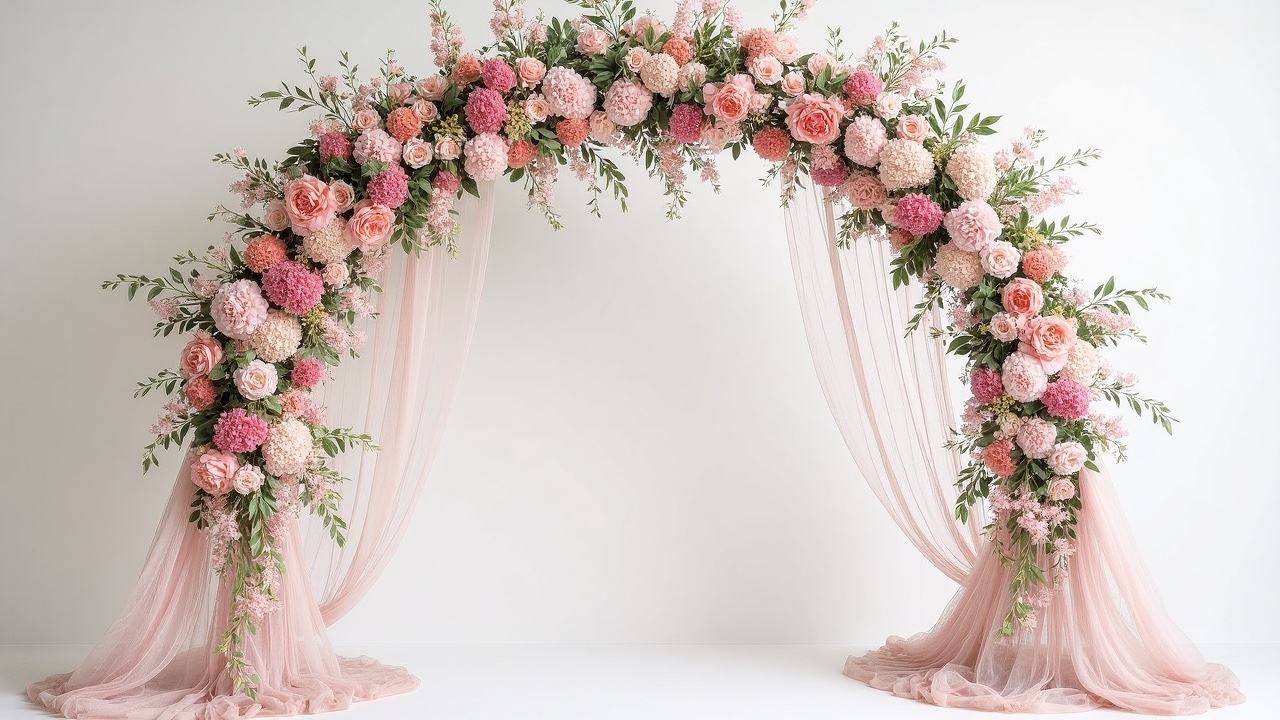
Your wedding arch becomes the perfect backdrop for one of life’s most significant moments. Picture this sacred space where you’ll exchange vows, surrounded by carefully chosen blooms that reflect your love story. The right floral design transforms a simple structure into something truly breathtaking.
The modern approach to wedding arch florals has shifted beyond traditional arrangements. Today’s couples seek designs that create visual drama while maintaining sophisticated beauty. From asymmetrical compositions to seasonal blooms, these installations become living sculptures that frame your commitment ceremony.
Whether you’re planning an intimate garden gathering or a grand celebration, selecting the perfect flowers sets the tone for your entire day. Let’s explore the most captivating arch designs that will leave your guests speechless and create lasting memories of your special moment.
- Why Floral Wedding Arches Create Unforgettable Moments
- What Makes Asymmetrical Designs So Captivating
- How to Choose Flowers Based on Your Wedding Season
- Which Structural Styles Work Best for Different Venues
- Creating Budget-Friendly Arch Designs That Look Expensive
- Final Thoughts: Making Your Dream Arch a Reality
- Frequently Asked Questions
Why Floral Wedding Arches Create Unforgettable Moments
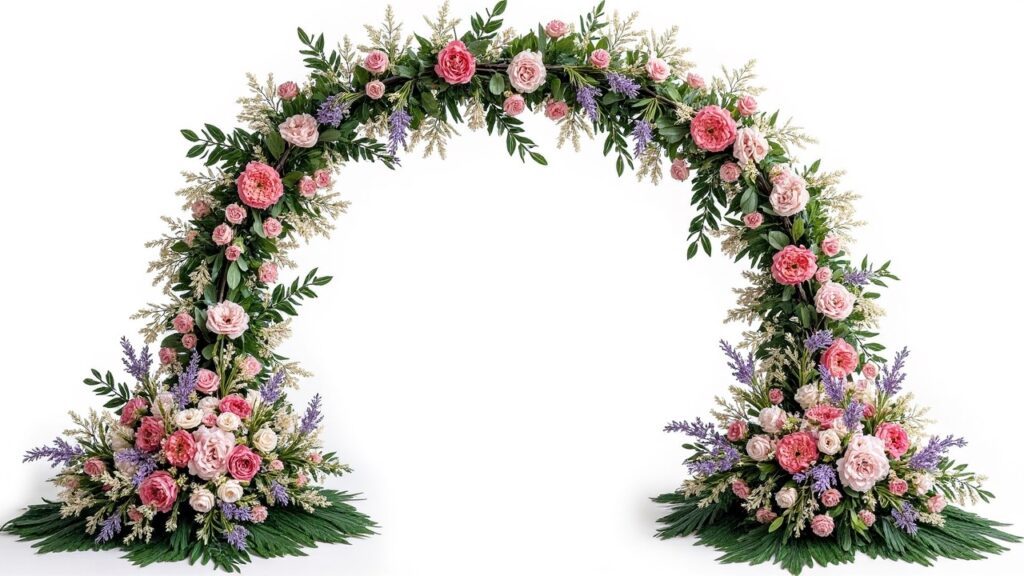
Floral arches serve as more than decorative elements at your ceremony. These stunning installations create a defined sacred space where two lives become one. The right combination of blooms and greenery transforms any venue into a romantic setting that reflects your personal style.
The Psychology Behind Wedding Arch Impact
Visual impact plays a crucial role in creating memorable moments. Your guests’ eyes naturally gravitate toward the arch during your ceremony, making it the focal point of countless photographs. This backdrop becomes part of your wedding story, appearing in images you’ll treasure for decades.
The height and structure of a floral arch also provides natural framing for your ceremony. Professional photographers appreciate how these installations create depth and dimension in wedding photos. The flowers add texture and color that makes every image more vibrant and engaging.
Creating Sacred Space Through Design
Floral arches establish a sense of intimacy even in large venues. The defined space helps guests focus on the ceremony itself rather than external distractions. This psychological boundary creates a more meaningful experience for everyone present.
Your choice of flowers also communicates subtle messages about your relationship. Soft pastels suggest romance and gentleness, while bold colors indicate passion and confidence. These visual cues help tell your love story without words.
Investment Value and Multi-Purpose Use
Wedding arches offer excellent value since they serve multiple purposes throughout your celebration. Many couples repurpose their ceremony arch as a reception backdrop for speeches or dancing. This dual function maximizes your floral budget while maintaining design continuity.
Consider the photographic value as well. Your arch appears in ceremony photos, couple portraits, and reception images. This significant visual investment pays dividends across your entire wedding album, making it one of the most cost-effective décor choices you can make.
What Makes Asymmetrical Designs So Captivating
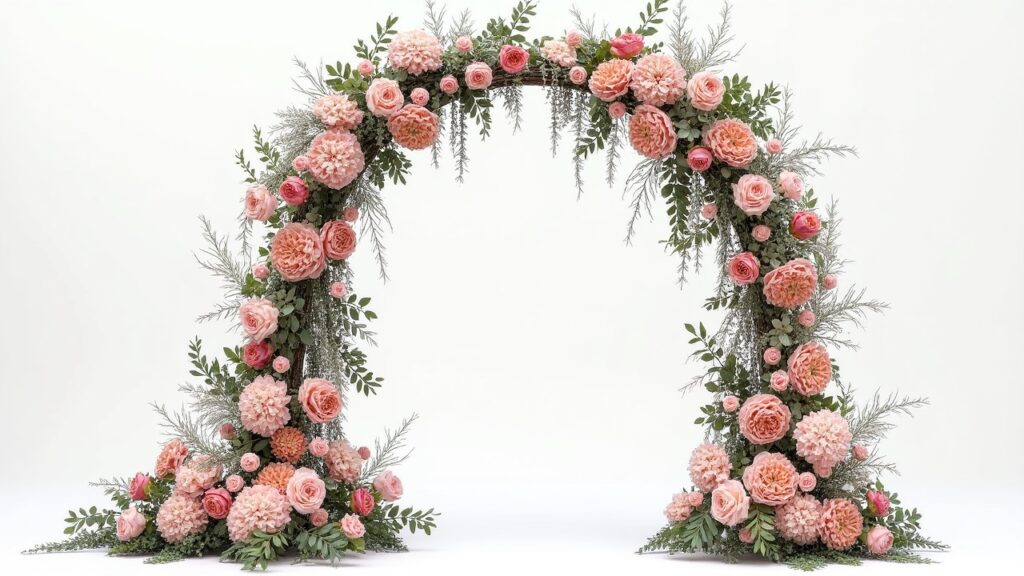
Asymmetrical arch designs have been trending for a few years and will continue to in 2025, offering couples a modern twist on traditional ceremony backdrops. These designs break conventional symmetry rules, creating visual interest through intentional imbalance and organic flow.
Understanding Visual Weight Distribution
Asymmetrical arrangements rely on careful distribution of visual elements rather than mirror-image placement. One side might feature cascading blooms while the other showcases structured greenery. This technique creates movement that draws the eye naturally across the entire installation.
The key lies in balancing different types of visual weight. Large statement flowers on one side can be balanced with dense foliage clusters on the other. Color intensity also plays a role – bright blooms can counterbalance larger masses of neutral elements.
Creating Movement and Flow
The most successful asymmetrical designs incorporate natural movement that mimics how flowers grow in nature. Trailing elements like ivy or jasmine create flowing lines that guide the eye through the composition. This organic approach feels more authentic than rigid geometric arrangements.
Couples are also looking for a design with a lot of movement to create that ethereal look and feel for their wedding. Asymmetrical compositions achieve this by varying heights, textures, and densities throughout the structure. The result appears effortlessly beautiful while requiring expert planning and execution.
Modern Minimalism Meets Natural Beauty
Contemporary couples appreciate the sophisticated restraint of asymmetrical designs. These arrangements often use fewer flowers than traditional full-coverage arches, allowing each bloom to make a stronger statement. The negative space becomes as important as the decorated areas.
This approach works particularly well for couples who prefer understated elegance. The design feels current without being trendy, creating a timeless backdrop that won’t appear dated in future photographs. The style also complements minimalist wedding aesthetics perfectly.
Here are the key benefits of asymmetrical arch designs:
Visual Drama: Creates instant focal points that command attention without overwhelming the space.
Photogenic Appeal: Provides varied angles and compositions that photographers love capturing.
Budget Efficiency: Uses fewer flowers while achieving maximum impact through strategic placement.
Versatile Styling: Works with any flower type, from delicate roses to bold tropical blooms.
Natural Authenticity: Mimics organic growth patterns for a more realistic garden feel.
Working with Professional Florists
Achieving the perfect asymmetrical balance requires professional expertise. Experienced florists understand how different flowers behave and which combinations create the desired visual effect. They can guide you toward choices that will photograph beautifully and maintain their appearance throughout your ceremony.
Discuss your vision thoroughly with your florist, including any specific flowers that hold personal meaning. They can incorporate these elements while maintaining the overall design integrity. Professional florists also understand structural requirements for larger asymmetrical installations.
How to Choose Flowers Based on Your Wedding Season
Seasonal flower selection affects both the appearance and budget of your wedding arch. Each season offers distinct advantages in terms of bloom availability, color palettes, and natural coordination with your venue’s surroundings.
Spring Celebrations and Fresh Beginnings
Spring: Tulips, Daffodils, Cherry Blossoms are top choices. Delphinium and Hydrangeas are also great choices, since these spring blooms are lush and full they easily fill a ceremony arch design. These flowers embody renewal and new beginnings, making them symbolically perfect for weddings.
The soft color palette of spring flowers complements the emerging greenery of the season. Pastels like blush pink, soft yellow, and lavender create romantic compositions that feel fresh and optimistic. These colors photograph beautifully in natural spring light.
Spring flowers also tend to have delicate textures that create ethereal effects. Flowering branches like cherry blossoms or dogwood add height and drama while maintaining the season’s gentle aesthetic. The combination of tree branches and traditional blooms creates interesting textural contrasts.
Summer Abundance and Bold Colors
Summer: Sunflowers, Roses, Lilies are typically your most popular flower choices. During the summer season, we recommend going heavy on greenery within your ceremony arch, especially if your wedding ceremony is outdoors. The heat requires careful flower selection to maintain appearance throughout the day.
Summer weddings allow for the boldest color choices of any season. Deep reds, vibrant oranges, and rich purples create dramatic statements that complement the intense summer light. These saturated colors also stand out beautifully against lush green backgrounds.
Consider heat tolerance when selecting summer blooms. Roses and lilies generally hold up well in warm weather, while more delicate flowers may wilt quickly. Your florist can recommend heat-resistant varieties that maintain their beauty throughout outdoor ceremonies.
Autumn Richness and Warm Tones
Fall: Dahlias, Marigolds, Chrysanthemums are always top of mind and great fall choices because of their vibrant colors and warm, rich hues. These flowers naturally complement the changing foliage and golden light characteristic of autumn weddings.
Fall weddings offer some of the richest color palettes possible. Deep burgundy, burnt orange, and golden yellow create luxurious compositions that feel cozy and inviting. These colors also coordinate beautifully with popular fall wedding fashion choices.
The textural variety available in fall flowers adds visual interest to arch designs. Dahlias provide full, round shapes while chrysanthemums offer spiky textures. Combining these with seasonal elements like wheat, berries, or colored leaves creates compositions that celebrate the harvest season.
Winter Elegance and Dramatic Contrasts
Winter weddings call for flowers that can withstand cooler temperatures while providing visual warmth. White and cream blooms create elegant monochromatic schemes, while deep reds and greens offer traditional holiday appeal.
The stark beauty of winter provides an excellent backdrop for dramatic floral statements. Bold contrasts between white flowers and dark greenery create striking compositions that photograph beautifully against snow or winter landscapes.
Consider incorporating seasonal elements like pinecones, berries, or evergreen branches for authentic winter appeal. These natural additions extend your floral budget while adding textural interest that complements traditional wedding flowers.
Which Structural Styles Work Best for Different Venues
The relationship between your arch design and venue characteristics determines the overall visual impact of your ceremony space. Different architectural styles, outdoor settings, and lighting conditions require specific approaches to create the most flattering and appropriate floral installations.
Indoor Venues and Ceiling Considerations
High-ceilinged venues like ballrooms or historic buildings can accommodate dramatic arches with significant height and presence. These spaces benefit from installations that draw the eye upward, creating vertical interest that balances the room’s proportions.
Lower ceilings require more horizontal emphasis in arch design. Wide, sprawling arrangements work better than tall structures that might feel cramped or overwhelming. Consider designs that extend outward rather than upward for these intimate spaces.
Lighting plays a crucial role in indoor venues. Natural light from windows affects how flower colors appear throughout the day. Artificial lighting can either enhance or wash out certain color combinations, so discuss lighting conditions with your florist during planning.
Outdoor Garden Settings
Garden venues offer natural beauty that should complement rather than compete with your arch design. The existing landscape provides context that influences appropriate scale and style choices. Formal gardens suit structured arrangements, while wild or cottage gardens work better with organic, flowing designs.
Wind considerations become important for outdoor ceremonies. Lightweight elements like delicate petals or trailing ribbons may not hold up well in breezy conditions. Your florist can recommend sturdier alternatives that maintain visual appeal while withstanding weather challenges.
The natural backdrop of garden settings affects color choices significantly. Bright flowers stand out against green foliage, while pastels might get lost among existing blooms. Consider seasonal changes in the garden’s appearance when planning your color palette.
Beach and Waterfront Locations
Coastal venues present unique challenges that require careful material selection. Salt air and wind can damage delicate flowers quickly, making hardy varieties essential for lasting beauty. Tropical flowers often work well in these settings due to their natural resilience.
The horizontal expanse of water creates a different visual dynamic than enclosed spaces. Arches need sufficient presence to compete with the vastness of the ocean or lake backdrop. Bold colors and larger scale designs typically work better than delicate arrangements.
Consider the practical aspects of beach ceremonies when planning arch placement. Sand provides unstable footing for heavy structures, requiring special anchoring systems. Your florist should have experience with coastal installations to address these technical challenges effectively.
Historic and Architectural Venues
Buildings with strong architectural character require arch designs that complement rather than clash with existing style elements. Gothic churches might benefit from dramatic, vertical arrangements, while Art Deco venues could work better with geometric, structured designs.
The formality level of historic venues often dictates appropriate floral choices. Grand ballrooms call for sophisticated, refined arrangements, while rustic barns can accommodate more casual, organic designs. Understanding your venue’s character helps guide style decisions.
Color coordination with existing architectural elements creates cohesive visual experiences. Stone buildings might inspire earth-tone palettes, while white colonial structures could work with any color scheme. Consider how your arch will appear within the venue’s existing visual framework.
Creating Budget-Friendly Arch Designs That Look Expensive
Smart planning and strategic design choices allow you to achieve stunning arch installations without exceeding your budget. The key lies in understanding which elements provide maximum visual impact and focusing your spending on those areas while finding creative alternatives for expensive components.
Maximizing Impact with Greenery
Greenery provides the foundation for luxurious-looking arches at a fraction of the cost of premium flowers. Lush foliage creates volume and texture that makes any installation appear more substantial and expensive. Strategic use of different green tones and leaf shapes adds sophisticated variety without increasing costs significantly.
Consider using locally available greenery to reduce transportation costs. Eucalyptus, ivy, and ferns grow in many regions and provide excellent base materials for arch construction. These hardy plants also maintain their appearance longer than delicate flowers, extending the value of your investment.
Mix expensive statement flowers with abundant greenery for the best of both worlds. A few premium blooms strategically placed among masses of greenery create focal points that draw attention while the greenery provides fullness and structure. This approach achieves a high-end look without the high-end price tag.
Smart Flower Selection Strategies
Choose flowers that provide maximum visual impact per stem. Large blooms like hydrangeas, peonies, or dahlias create substantial presence with fewer individual flowers needed. These statement pieces work particularly well as focal points in asymmetrical designs.
Seasonal flowers cost significantly less than out-of-season imports while often looking fresher and more vibrant. Work with your florist to identify what will be naturally available during your wedding month, then build your design around these cost-effective choices.
Consider flower alternatives that provide similar visual effects at lower costs. Baby’s breath creates the same ethereal effect as expensive delicate blooms but costs much less. Spray roses provide rose aesthetics at lower prices than premium garden roses.
DIY Elements and Professional Guidance
Some arch components can be DIY projects that reduce professional labor costs while maintaining overall quality. Simple garland construction or basic greenery attachment might be appropriate for crafty couples, while leaving complex arrangements to professionals.
Rent or buy arch structures rather than having them custom-built. Many vendors offer arch frames that you can decorate according to your vision. This approach eliminates construction costs while still allowing for customized floral design.
Work with your florist to identify which elements require professional installation versus those you could handle independently. Professional guidance ensures structural integrity and visual success while allowing you to contribute personal labor where appropriate.
Here’s how to stretch your floral budget effectively:
Prioritize Key Areas: Focus spending on the most visible arch sections where guests will look first.
Use Filler Flowers: Incorporate inexpensive blooms that add volume without dominating the design.
Repurpose Elements: Plan ceremony florals that can move to reception spaces for dual use.
Consider Alternatives: Explore silk flowers for sections that won’t be closely viewed or touched.
Seasonal Timing: Schedule your wedding during peak bloom times for your preferred flowers.
Professional vs. DIY Considerations
Determine honestly which aspects of arch creation match your skills and available time. Floral design requires specific techniques for achieving professional-looking results, particularly for larger installations. Complex arrangements often benefit from professional expertise.
Consider hiring professionals for structural elements and complex arrangements while handling simpler decorative touches yourself. This hybrid approach can reduce costs while ensuring safety and visual success. Professional florists also have access to wholesale prices and specialized materials.
Factor in the time investment required for DIY elements when making budget decisions. Your time has value, and spending wedding preparation time on challenging floral projects might not be the most efficient use of your energy and attention.
Final Thoughts: Making Your Dream Arch a Reality
Your wedding arch represents more than beautiful decoration – it frames the moment when your new life together begins. The right floral design captures your personality while creating a backdrop that enhances every photograph and memory from your special day.
Planning the perfect arch requires balancing personal vision with practical considerations. Your chosen flowers should reflect your style preferences while working within your budget and venue requirements. Professional guidance helps navigate these considerations while achieving the stunning results you envision. Remember that the most beautiful arches feel authentic to the couple they’re created for, whether that means bold tropical blooms or delicate garden roses.
Frequently Asked Questions
Q: How far in advance should I book my floral arch design?
A: Book your florist 6-8 months before your wedding date, especially for popular wedding seasons. This timing allows for detailed planning and ensures availability of your preferred flowers.
Q: Can I use silk flowers for my wedding arch?
A: Yes, high-quality silk flowers work beautifully for wedding arches and offer several advantages including consistent appearance, weather resistance, and the ability to keep arrangements as keepsakes.
Q: How long do fresh flowers last on a wedding arch?
A: Fresh flowers typically maintain their best appearance for 8-12 hours, making them perfect for ceremony and reception use. Proper hydration and cool temperatures extend their lifespan.
Q: What’s the average cost of a floral wedding arch?
A: Floral arch costs range from $200-2000+ depending on size, flower choices, and complexity. Discuss your budget with your florist to explore options within your price range.
Q: Do I need a special structure for my arch, or can flowers stand alone?
A: Most floral arches require a structural framework for support and shape. Your florist can recommend appropriate frames based on your design vision and venue requirements.
Q: Can my ceremony arch be moved to the reception space?
A: Many arches can be relocated for dual use, maximizing your floral investment. Discuss this possibility with your florist during planning to ensure the design accommodates movement.
Q: What happens to my arch flowers after the wedding?
A: Options include donating arrangements to local hospitals or nursing homes, gifting pieces to family members, composting fresh flowers, or preserving special blooms as keepsakes.
Q: How do I choose between symmetrical and asymmetrical arch designs?
A: Consider your personal style preferences and venue characteristics. Symmetrical designs suit formal settings, while asymmetrical arrangements work well for modern or outdoor celebrations.
Q: What size arch works best for different guest counts?
A: Arch size should relate to your ceremony space rather than guest count. Small intimate venues need proportionally smaller arches, while large spaces can accommodate dramatic installations regardless of attendance numbers.