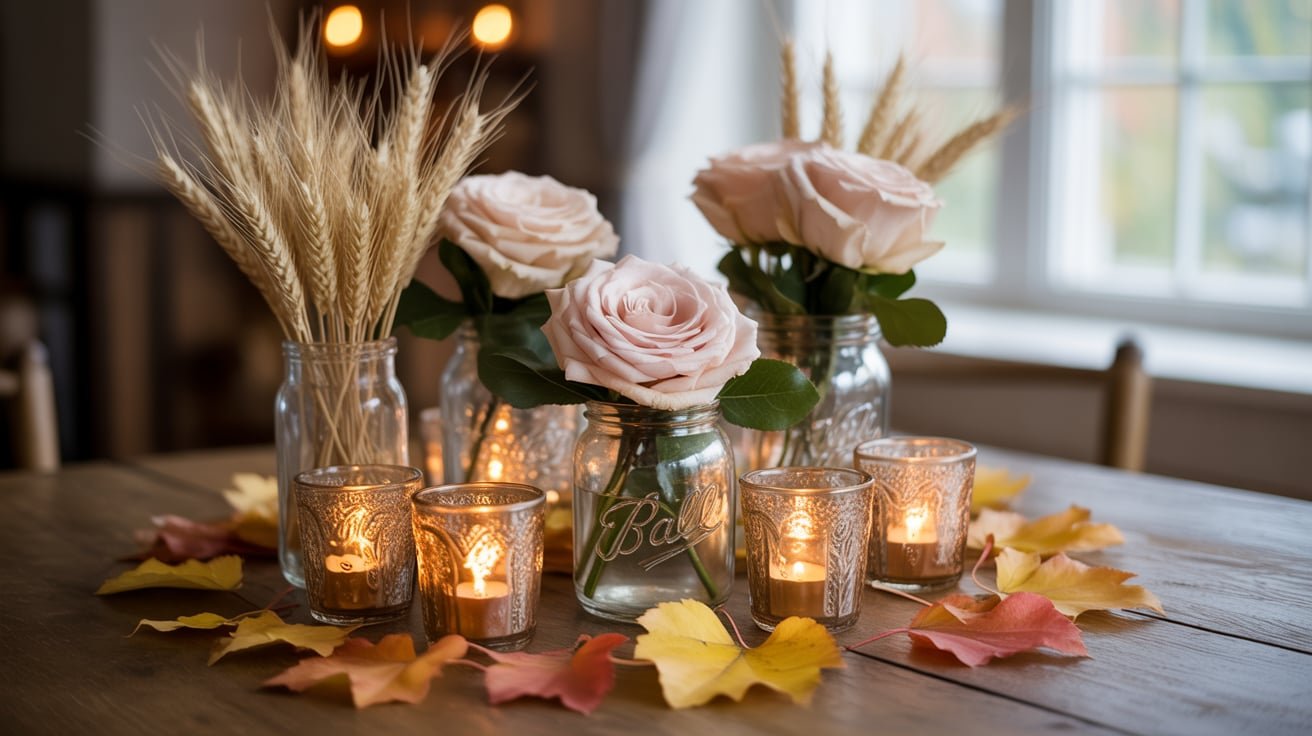
Planning a fall wedding brings its own special set of opportunities that many brides overlook. The natural beauty of autumn provides a built-in color scheme and atmosphere that requires far less artificial decoration than other seasons. Professional wedding planners often push expensive rentals and elaborate setups, but the truth is that fall weddings offer some of the best chances to create stunning decor without emptying your bank account.
The wedding industry has trained couples to believe that beautiful celebrations require professional expertise and premium pricing. Yet countless brides have discovered that with the right knowledge and approach, they can achieve magazine-worthy results for a fraction of typical costs. The key lies in understanding which corners you can cut without sacrificing quality and knowing where to source materials that planners mark up significantly.
Throughout the following sections, we’ll reveal specific techniques and strategies that wedding professionals rarely share with clients. From creating centerpieces that rival thousand-dollar arrangements to transforming basic venues into enchanted spaces, these insider secrets will help you design a fall wedding that looks professionally styled while staying within your budget. Ready to discover what the wedding industry doesn’t want you to know?
- What Makes Fall the Perfect Season for Budget-Friendly Wedding Decor?
- How to Create Professional-Looking Centerpieces Without Breaking the Bank
- Which DIY Backdrops Actually Photograph Better Than Rentals?
- How Do You Transform Basic Venues with Strategic Decor Placement?
- What Last-Minute Decor Solutions Save Both Time and Money?
- Your Fall Wedding, Your Way
- Frequently Asked Questions
What Makes Fall the Perfect Season for Budget-Friendly Wedding Decor?
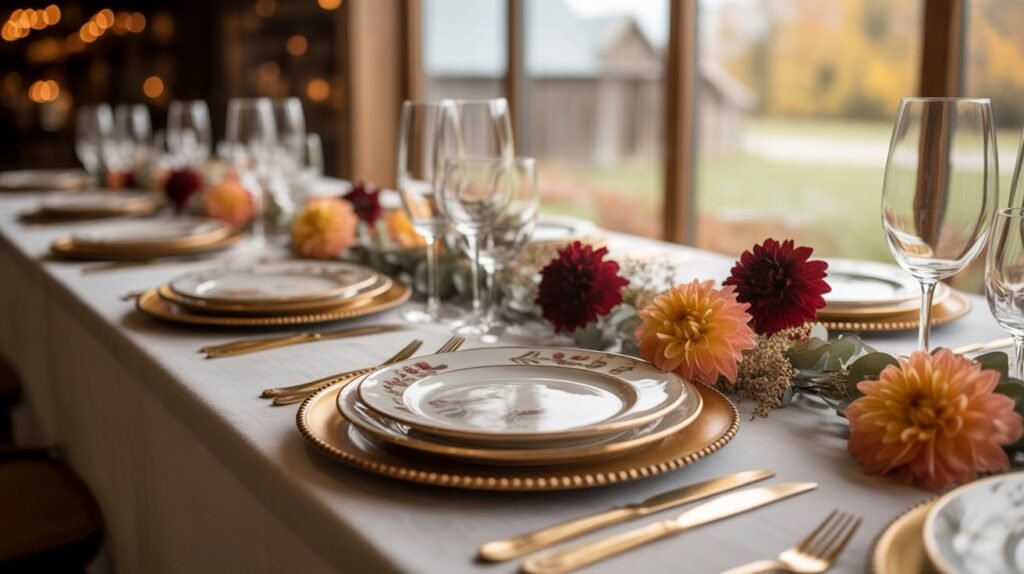
Fall weddings possess natural advantages that savvy brides can leverage for substantial savings. The season itself provides so much visual interest that you need far less artificial decoration than spring or summer weddings typically require. Trees display their finest colors, creating a backdrop no florist could replicate at any price.
Natural materials that cost nothing
Your greatest decor assets during autumn months literally fall from trees. Colorful leaves, acorns, pinecones, and branches become free styling elements when gathered from parks, forests, or even your own backyard. These natural materials add authentic seasonal charm that expensive silk alternatives can never match. Many public parks allow gathering of fallen materials with proper permission, giving you access to unlimited decor supplies.
Local farms often give away or sell cheaply items like corn stalks, hay bales, and dried wheat bundles after harvest season ends. These rustic elements create instant ambiance when placed strategically around your venue. A single hay bale costs less than one premium rental chair cover yet makes a bigger visual impact when used as ceremony seating or cocktail hour perches.
Seasonal flowers at their lowest prices
Autumn blooms like chrysanthemums, dahlias, and sunflowers reach peak availability during fall months, driving prices to yearly lows. Garden roses that cost premium prices in June become affordable in October. Local flower markets overflow with options that wedding florists typically mark up 300-400 percent.
Wholesale flower markets open to the public offer even better deals during autumn harvest times. Buying directly eliminates middleman costs while giving you access to varieties that typical florists might not stock. Many wholesale suppliers will even provide basic arrangement guidance if you explain your wedding vision.
Weather advantages for outdoor setups
The mild temperatures of early fall eliminate many weather-related rental needs. You won’t require industrial fans for guest comfort or elaborate tent sidewalls for wind protection. Natural lighting during golden hour lasts longer in autumn, reducing the need for extensive artificial lighting installations that planners often insist upon.
Color palettes that hide imperfections
Rich autumn hues naturally camouflage venue flaws that would stand out against lighter spring pastels. Deep burgundies, burnt oranges, and golden yellows create visual depth that draws attention away from less-than-perfect walls or floors. This forgiving palette means you can skip expensive pipe and drape installations that planners recommend for covering unsightly venue features.
The moody atmosphere of fall celebrations also allows for lower lighting levels, which naturally softens any rough edges in your decor execution. Candlelight becomes not just romantic but practical, hiding amateur flower arranging or mismatched table settings that would be obvious in bright summer sunshine.
How to Create Professional-Looking Centerpieces Without Breaking the Bank
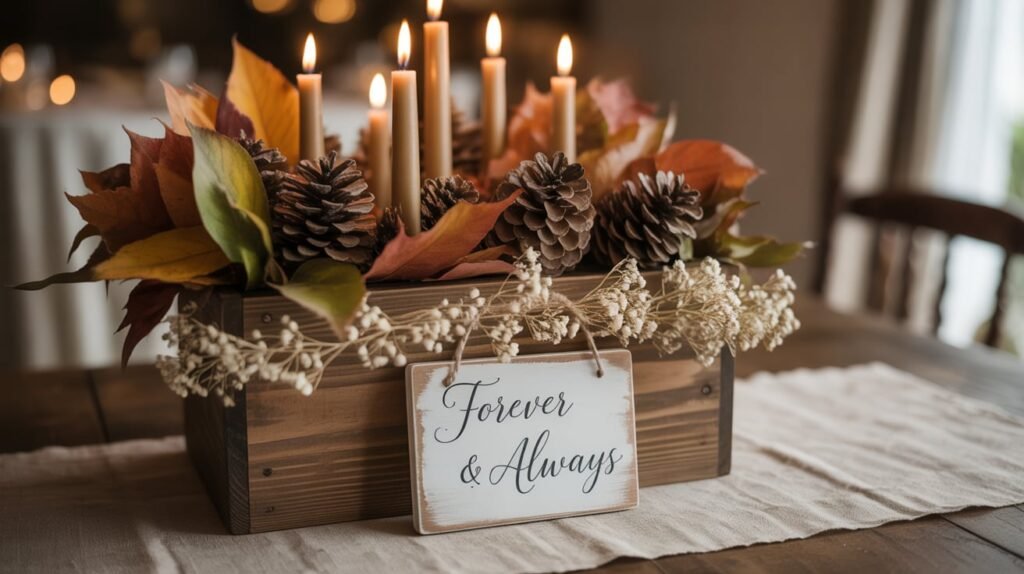
Creating centerpieces that rival expensive florist designs requires strategy more than money. The wedding industry wants you to believe that only professionals can achieve cohesive, elegant table designs, but simple techniques combined with smart shopping can produce equally stunning results.
Grocery store flowers that look expensive
Trader Joe’s, Whole Foods, and even standard supermarkets stock flowers that appear far more expensive than their price tags suggest. The trick lies in selecting blooms at their peak and knowing which varieties photograph beautifully. Roses, ranunculus, and lisianthus from grocery stores look identical to premium florist versions in photos.
Timing your purchase makes all the difference in flower quality and longevity. Shop early in the week when stores receive fresh shipments, and buy flowers two days before your wedding for optimal blooming. Store them properly in cool water with a splash of vodka – yes, vodka – to extend their life and keep them photo-ready through your reception.
Mason jar alternatives nobody talks about
While mason jars became cliché years ago, similar vintage containers offer the same rustic charm with more sophistication. Thrift stores overflow with mismatched glass vases, old bottles, and antique containers that cost pennies compared to rental options. The slight variations in height and style actually create more visual interest than uniform rental vases.
Consider these overlooked container options that professional planners never suggest:
- Tin cans: Wrapped in burlap or lace, they become elegant vessels
- Wine bottles: Spray-painted in metallics, they rival expensive mercury glass
- Terra cotta pots: Whitewashed or left natural for organic appeal
- Glass food jars: Various sizes create dynamic height variations
- Vintage teacups: Perfect for individual place setting flowers
Height variations using household items
Professional centerpieces rely on expensive risers and stands to create visual layers, but everyday items achieve the same effect. Stack vintage books to elevate certain arrangements, or flip over unused flower pots as pedestals. Wooden crates from craft stores cost a fraction of acrylic risers while adding rustic texture.
Mirror tiles from home improvement stores multiply the impact of your centerpieces by reflecting candlelight and creating depth. Place them under arrangements to double their visual weight without doubling your flower budget. This simple addition makes sparse arrangements appear fuller and more luxurious.
Candle tricks for romantic lighting
Battery-operated LED candles have evolved far beyond their tacky origins. Modern versions flicker realistically and eliminate venue fire restrictions that often require expensive permits for real flames. Buy them in bulk online for a third of rental prices, then keep them for future home use.
Group candles of varying heights rather than spacing them evenly across tables. This clustering technique creates intimate pools of light that photographers love while using fewer candles overall. Surround candle groupings with scattered fall leaves or coffee beans for added texture without additional cost.
Mix and match strategies for cohesive looks
The secret to professional-looking tablescapes lies in repetition of elements rather than identical arrangements. Choose three recurring components – perhaps burgundy dahlias, gold-painted branches, and white candles – then vary their proportions across tables. This approach creates cohesion while allowing you to work with whatever materials you can source affordably.
Some tables might feature tall branches with minimal flowers, while others showcase lush, low arrangements with single candles. Guests perceive the overall effect as planned and polished, never realizing each centerpiece contains different quantities of materials based on what you could obtain within budget.
Which DIY Backdrops Actually Photograph Better Than Rentals?
Wedding photographers consistently confirm that certain homemade backdrops create more flattering, unique images than standard rental options. The uniformity of professional rentals often produces generic-looking photos that could belong to any wedding, while thoughtfully crafted DIY alternatives add personality and authenticity to your images.
The photography industry has shifted toward natural, organic-looking backgrounds that complement rather than dominate wedding portraits. This trend works in favor of creative brides willing to construct their own ceremony and photo backdrops using unexpected materials and techniques borrowed from other industries.
Fabric draping secrets from theater productions
Theater professionals create stunning visual effects with basic fabric and strategic lighting – techniques easily adapted for wedding backdrops. Inexpensive muslin or bedsheets from discount stores transform into elegant draping when properly hung and lit. The key lies in creating volume through gathering and layering rather than using expensive specialty fabrics.
Purchase fabric in neutral tones then add color through lighting gels – thin colored sheets placed over lights that photographers often bring anyway. This technique allows one backdrop to appear different in various photos simply by changing the lighting color. White fabric becomes blush pink, champagne, or lavender without buying multiple backdrop sets.
Natural arch construction with branches
Foraged branches and greenery create organic arches that photograph beautifully while costing virtually nothing. Unlike rigid metal rental arches, natural materials move slightly in the breeze, adding life and movement to ceremony photos. Secure branches using zip ties and fishing line – invisible in photos but strong enough for outdoor conditions.
Start with a basic frame constructed from PVC pipe or bamboo poles, both available cheaply at hardware stores. Cover the structural elements completely with greenery and branches, weaving them together until no artificial materials show. This method creates the illusion of a living arch that grew naturally in your venue location.
Hardware stores sell everything needed for backdrop construction at a fraction of rental costs. Simple copper pipes assembled with basic fittings create industrial-chic frames that require no welding or special tools. These structures disassemble easily for transport and storage, unlike bulky rental pieces that require professional delivery.
Lighting placement for Instagram-worthy shots
Strategic lighting transforms simple backdrops into photogenic masterpieces. Position lights at angles rather than straight on – this creates depth and shadow that make flat surfaces appear dimensional. Warm white string lights woven through any backdrop add sparkle that cameras love without overwhelming the main subjects.
Photographers appreciate backdrops that work with natural light rather than against it. Position DIY installations where they’ll catch golden hour sun or soft window light. This placement eliminates the need for extensive professional lighting setups that many planners insist upon. Your photographer can work with available light, keeping their equipment minimal and unobtrusive.
Portable structures you can build yourself
Copper pipe frames mentioned earlier serve multiple purposes throughout your wedding day. The same structure holding ceremony backdrop fabric can move to the reception for a photo booth background. This versatility means one DIY project replaces several rental items.
Free-standing wooden frames built from 2×4 lumber cost less than $50 in materials yet create substantial backdrops rivaling $500+ rental options. Paint them white for a classic look, or leave the wood natural for rustic appeal. Add hooks, nails, or wire across the frame for hanging elements like flowers, photos, or fabric panels that you can change between ceremony and reception.
How Do You Transform Basic Venues with Strategic Decor Placement?
Understanding how guests experience spaces allows you to concentrate your decorating efforts where they matter most. Wedding planners often insist on decorating every square inch, but strategic placement of key elements creates bigger impact than scattered decoration throughout an entire venue.
Corner focal points that draw attention
Corners naturally frame themselves, making them ideal locations for dramatic decor installations. A single corner arrangement of tall branches, draping fabric, and clustered candles creates more visual impact than dozens of small decorations spread across walls. Guests’ eyes naturally travel to corners when entering rooms, making these prime real estate for your most impressive pieces.
Transform forgotten corners into conversation pieces using oversized elements that would overwhelm other spaces. Stack vintage suitcases into a display for cards and gifts, or create a memory corner with family wedding photos hung from branches. These installations require minimal materials yet completely change how guests perceive your venue.
Ceiling treatments that change everything
Most venues neglect their ceilings, leaving them bare and institutional-looking. Simple interventions overhead dramatically alter the entire atmosphere without touching walls or floors. Paper lanterns in autumn colors cost little when bought in bulk online yet create a canopy effect that makes spaces feel intimate and designed.
Tulle or lightweight fabric stretched across ceiling beams or suspended from fishing line creates cloudlike effects that soften harsh venue lighting. This technique works particularly well in venues with exposed pipes or ductwork that would otherwise require expensive professional draping. The fabric filters light beautifully while hiding unsightly ceiling elements.
Floor decor that guests actually notice
Traditional wedding planning ignores floors beyond basic aisle runners, missing opportunities for impactful decoration. Scattered fall leaves along pathways cost nothing yet create enchanted forest effects. Group potted mums or pumpkins at entrance points and transition areas where guests naturally pause and look down.
Create defined spaces within larger venues using area rugs from discount home stores or even painter’s canvas drop cloths. These floor treatments zone reception areas without expensive furniture rentals, helping guests understand where to gather for different activities. A dance floor becomes special simply by surrounding it with hay bales topped with blankets – no expensive floor decals needed.
Entry impact with minimal investment
First impressions set expectations for your entire celebration. Concentrate significant decorating effort at venue entrances where every guest will pause and notice details. A stunning entry display photographed by all your guests provides more value than subtle touches throughout the venue that many won’t even see.
Large-scale elements work best for entries – think oversized wreaths made from gathered corn husks, dramatic branch arrangements flanking doorways, or cascading fabric panels that guests walk through. These statement pieces require roughly the same investment as numerous smaller decorations but deliver far greater impact.
Strategic lighting for atmosphere
Lighting transforms venues more effectively than any other single element. Uplighting along walls – achieved with inexpensive LED spotlights from Amazon – makes basic venues appear architectural and sophisticated. Focus lights on your best decorative elements while leaving less attractive areas in shadow.
String lights deserve special attention for their versatility and impact. Hung at varying heights rather than uniform straight lines, they create a dimensional ceiling of light that makes any space feel magical. Battery-operated versions eliminate cord concerns and work in venues without convenient outlets. Buy them after Christmas when prices drop dramatically, storing them until your fall wedding.
What Last-Minute Decor Solutions Save Both Time and Money?
Reality rarely matches wedding planning perfection, and last-minute challenges arise no matter how thoroughly you prepare. Professional planners charge premium prices partly because they know how to handle these situations smoothly. Learning their crisis management tricks saves money while reducing wedding week stress.
Every experienced wedding professional keeps certain supplies on hand for emergencies. Building your own emergency kit costs less than one hour of planner fees yet provides solutions for common wedding day problems. This preparation transforms potential disasters into minor adjustments that guests never notice.
Quick fixes for common venue problems
Double-sided tape, fishing line, and zip ties solve ninety percent of decoration disasters. Drooping fabric springs back to life with strategically placed tape. Falling garlands stay put with clear fishing line that photographs as invisible. Zip ties secure everything from centerpieces to ceremony arches without showing in pictures.
Venue walls often look worse in person than in online photos. Large sheets of kraft paper or white poster board from office supply stores cover damaged sections quickly. Hang them using damage-free adhesive strips, then add a few decorative elements to disguise their purpose. This solution costs under $20 yet eliminates the need for expensive pipe and drape rentals.
Bulk buying strategies from unexpected sources
Restaurant supply stores sell flowers, candles, and vases at wholesale prices without minimum orders. These businesses cater to event professionals but rarely check credentials. Shopping here three days before your wedding provides fresh flowers and supplies at fraction of retail costs.
Dollar stores stock surprising quantities of glass vases, LED candles, and seasonal decorations during fall months. Buy their entire inventory of specific items – twenty matching vases for $20 beats paying rental fees that could reach $100. These stores also carry ribbon, artificial flowers, and craft supplies that fill gaps in your decorating plan.
Repurposing ceremony decor for reception
Design ceremony elements with dual purposes from the beginning. Aisle markers on shepherd’s hooks move easily to line the reception entrance. Ceremony arch flowers detach to become sweetheart table decoration. Programs displayed in frames during the ceremony transform into table numbers or bar signs at the reception.
The brief cocktail hour between ceremony and reception provides perfect cover for this transition. Assign specific friends the task of moving predetermined items while guests enjoy drinks and appetizers. This coordination requires only a quick rehearsal and clear labels on items indicating their second location.
Emergency backup plans that look intentional
Weather threatens outdoor fall weddings despite generally favorable conditions. Prepare indoor contingencies that feel deliberate rather than desperate. Clear umbrellas bought in bulk become charming props if rain arrives. Pashminas or blankets in wedding colors transform from emergency supplies into thoughtful guest amenities.
Keep extra flowers in buckets of water hidden but accessible. Centerpieces occasionally arrive damaged, or enthusiastic dancers knock over arrangements. Quick replacements prevent bare tables while maintaining your design vision. Buy slightly more flowers than needed – the cost of extra blooms beats the stress of scrambling for solutions.
Day-before prep that reduces stress
Complete everything possible before your wedding day arrives. Arrange centerpieces in their vessels, storing them in a cool location. Pre-tie ribbons on favors, programs, and anything else requiring assembly. This preparation means wedding day setup involves merely placing finished items rather than crafting them under pressure.
Set up a staging area at your venue the night before if possible. Organize decorations by location – ceremony items together, cocktail hour supplies in another section, reception materials grouped by table. Clear labels and detailed placement charts eliminate confusion when multiple people help with setup. This organization level typically requires a professional coordinator, but you can achieve it yourself with advance planning.
Your Fall Wedding, Your Way
The wedding industry thrives on convincing couples that professional expertise is essential for beautiful celebrations. Yet thousands of brides have proven that creativity, strategic planning, and insider knowledge produce equally stunning results without premium price tags. Fall weddings especially offer natural advantages that reduce dependence on expensive rentals and professional services.
These techniques and strategies represent just a fraction of what’s possible when you approach wedding planning with confidence and creativity. Every dollar saved on unnecessary markups or rental fees becomes money available for what truly matters – starting your marriage on solid financial ground. Your guests will remember the joy and love at your celebration, not whether your centerpieces came from a professional florist or your own hands.
Frequently Asked Questions
Q: How far in advance should I start collecting natural fall decor elements like pinecones and branches?
A: Begin gathering materials 2-3 months before your wedding. Spray natural items with clear acrylic sealant to preserve their appearance and prevent insect issues.
Q: What’s the biggest mistake brides make when attempting DIY fall wedding decor?
A: Underestimating setup time. DIY decorations require 3-4 times longer to arrange than expected. Schedule extra hands for wedding morning setup or complete everything possible the night before.
Q: Can grocery store flowers really last through an entire wedding day?
A: Yes, when properly conditioned. Cut stems at an angle, remove lower leaves, and keep them in cool water with flower food for 24-48 hours before arranging.
Q: Which fall wedding colors photograph best without professional lighting?
A: Deep jewel tones like burgundy, emerald, and navy photograph beautifully in natural light. These colors also hide imperfections better than pastels or bright colors.
Q: How do I prevent real candles from being a fire hazard at my venue?
A: Place real candles in hurricane glass or votive holders filled partially with water. The water extinguishes flames if knocked over while maintaining romantic lighting effects.
Q: What’s the most cost-effective way to add height to centerpieces?
A: Branches and tall grasses cost nearly nothing yet create dramatic vertical elements. Spray paint them gold or copper for metallic elegance without florist pricing.
Q: Should I reveal to guests that decorations are DIY?
A: Only if asked directly. Most guests won’t know the difference between professional and DIY decor when executed well. Confidence in your choices matters more than their origin.
Q: How many backup centerpieces should I prepare?
A: Create 10-15% extra beyond your table count. These backup arrangements also work for unexpected spaces like bathroom counters or gift tables.