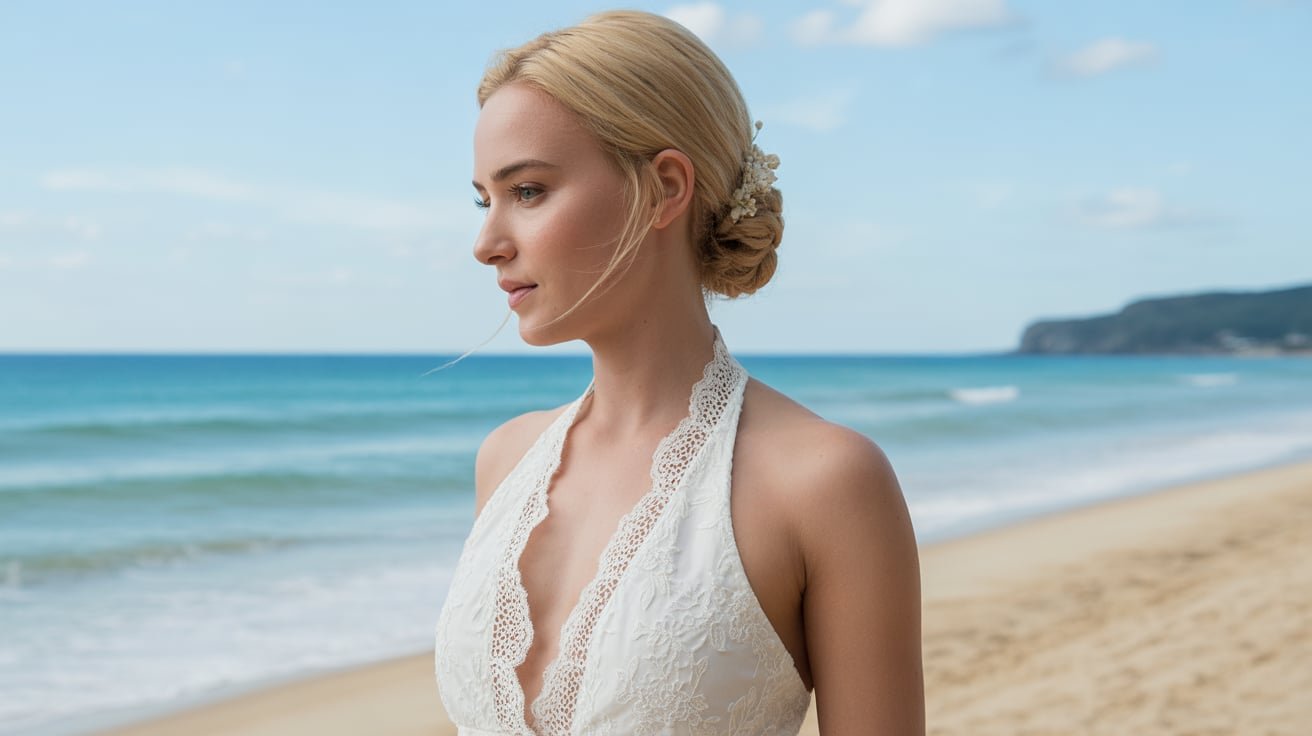
Beach weddings present a particular fashion puzzle that countless wedding guests find themselves trying to solve each year. The setting demands outfits that can handle sand, sea breezes, and potentially warm temperatures while still looking polished enough for a special celebration. This balance between practical considerations and wedding-appropriate style often leaves guests standing in front of their closets, wondering what exactly fits the bill.
The good news is that beach wedding attire has evolved significantly, offering far more options than the simple sundresses of decades past. Today’s choices range from sophisticated jumpsuits to lightweight suits, flowing maxi dresses to chic separates, each offering its own solution to the comfort-versus-style equation. The key lies in understanding which fabrics, silhouettes, and styling choices work best in an outdoor, potentially breezy environment while maintaining the celebratory spirit weddings deserve.
We’ll share here eight versatile attire choices that strike that perfect balance between comfortable and chic, along with practical guidance on fabrics, footwear, and styling details that make all the difference. From understanding dress codes to selecting the right accessories, you’ll discover options that let you celebrate in style without sacrificing comfort on the sand.
Understanding Beach Wedding Dress Codes
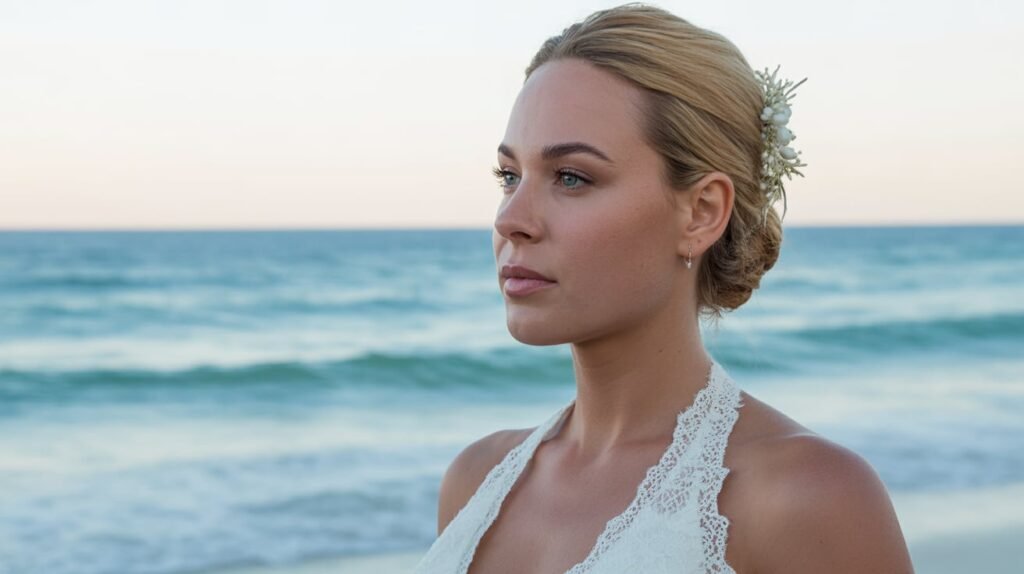
Beach weddings often come with their own vocabulary, leaving guests puzzled about what “beach formal” or “tropical cocktail” actually means. These dress codes typically signal a more relaxed approach than traditional wedding attire while still maintaining an appropriate level of formality. The location itself provides important clues about expectations, with oceanfront ceremonies generally allowing for more casual choices than resort ballroom receptions.
Decoding Invitation Terminology
Beach formal usually translates to cocktail-length dresses or elegant pantsuits in breathable fabrics. Think of it as standard wedding attire adapted for outdoor conditions. Beach cocktail suggests slightly shorter hemlines and lighter materials are welcome, while still maintaining a dressy appearance. Casual beach wedding invitations give you the most flexibility, though you’ll still want to avoid anything too revealing or overly relaxed like shorts or tank tops.
The phrase “beach chic” has become increasingly popular on invitations, signaling that hosts want guests to feel comfortable while looking put-together. This typically means flowing fabrics, bright colors or tropical prints are welcome, and traditional formal wear requirements are relaxed. Resort casual, another common term, indicates that nice sundresses, linen pants with dressy tops, or smart jumpsuits all work well.
Time of Day Considerations
Morning and afternoon beach weddings naturally call for lighter colors and less formal silhouettes. A knee-length dress in a cheerful print or pastel shade fits perfectly for daytime celebrations. As the sun sets, you can transition to richer colors and slightly dressier details like metallic accents or more structured fabrics.
Evening beach weddings often maintain higher formality levels despite the sandy setting. Longer hemlines become more appropriate, though full-length gowns should still be chosen with beach conditions in mind. Fabrics that won’t drag heavily through sand or collect moisture from ocean air work best.
Venue Specifics
The exact location within a beach setting matters significantly. A ceremony directly on the sand requires different considerations than one on a pier, deck, or lawn area. Direct beach locations mean avoiding stiletto heels entirely and choosing hemlines that won’t trail through sand. Platform or lawn ceremonies allow for more traditional footwear choices and longer dress styles.
Private beach clubs or resort properties often have their own dress standards that supersede typical beach wedding flexibility. Some venues maintain specific requirements about covered shoulders for ceremonies or prohibit certain casual items like denim regardless of the outdoor setting. When in doubt, reaching out to other guests or the wedding party for clarification prevents wardrobe stress on the day itself.
Weather and Season Factors
Coastal weather can shift quickly, making layers a smart addition to any beach wedding outfit. A light pashmina, elegant cardigan, or sophisticated blazer provides coverage if ocean breezes pick up or temperatures drop after sunset. These pieces should complement rather than compete with your main outfit.
Consider the specific season and typical weather patterns of your destination:
Spring Beach Weddings: Temperatures may still be cool, especially in the evening, making midi-length options with sleeves or jacket pairings ideal.
Summer Beach Weddings: Maximum breathability becomes essential, with natural fibers and minimal layers taking priority.
Fall Beach Weddings: Richer colors work beautifully, and slightly heavier fabrics like ponte knits or jersey blends provide comfort in variable temperatures.
Winter Beach Weddings: Depending on location, you might need closed-toe shoes and warmer fabric choices while maintaining an appropriate style.
Humidity levels at beach locations affect both comfort and appearance. Fabrics that resist wrinkling and hairstyles that work with rather than against natural texture prove invaluable. Materials like jersey, crepe, and certain synthetic blends maintain their shape better than crisp cotton or silk in humid conditions.
Flowing Dresses and Midi Options
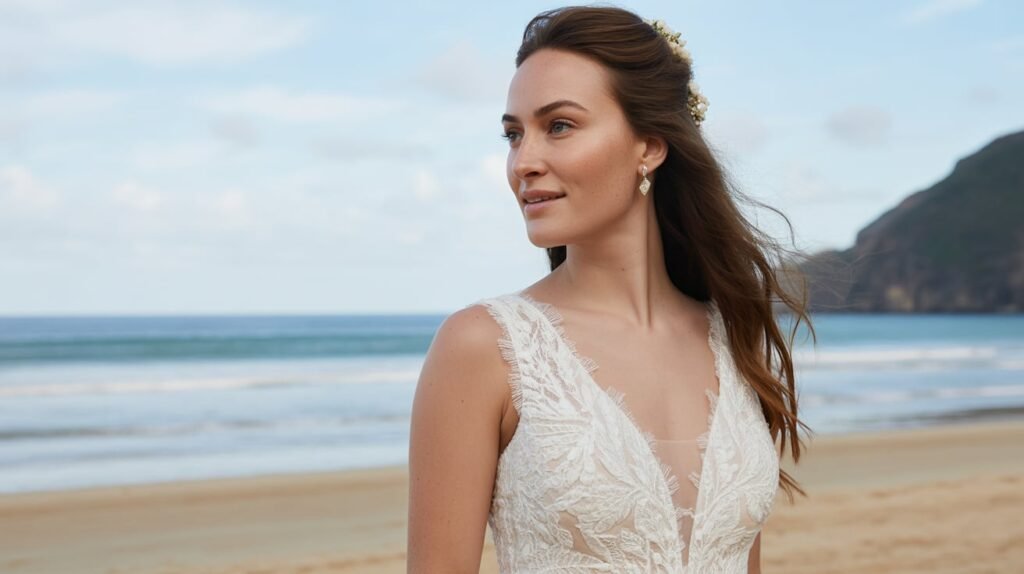
The classic flowing dress remains a beach wedding favorite for excellent reasons. These styles work harmoniously with ocean breezes rather than fighting against them, creating graceful movement while keeping you comfortable throughout the celebration. The range of options within this category means every body type and personal style can find something flattering.
Fabric Choices for Beach Settings
Chiffon stands out as an ideal beach wedding fabric, offering ethereal movement without excessive weight. This material breathes well in warm weather and dries quickly if splashed by unexpected waves during beach photos. Layered chiffon creates beautiful dimension without adding bulk, making it perfect for romantic, flowing silhouettes.
Lightweight crepe provides more structure than chiffon while remaining beach-appropriate. This fabric resists wrinkles better than many alternatives, maintaining a polished appearance even after hours of celebration. Crepe works particularly well for wrap dresses and styles with defined waistlines that won’t lose their shape in humid conditions.
Silhouette Considerations
A-line and fit-and-flare styles offer universally flattering shapes that suit beach settings beautifully. These silhouettes provide definition at the waist while allowing freedom of movement below, preventing fabric from clinging uncomfortably in humidity. The gentle flare also helps dresses move naturally with ocean breezes rather than flying up unexpectedly.
Wrap dresses deserve special mention for beach weddings, offering adjustable fit and easy movement. The overlapping fabric panels create visual interest while providing coverage that stays secure even in breezy conditions. Many wrap styles also transition seamlessly from ceremony to reception, maintaining their shape through dancing and celebration.
Empire waistlines work wonderfully for beach settings, sitting just below the bust and flowing freely to the hem. This style keeps fabric away from the body through the midsection, maximizing comfort in warm weather. The high waistline also creates an elongating effect that photographs beautifully against ocean backdrops.
Color Palettes That Work
While traditional wedding guest etiquette still applies, beach settings often welcome brighter, more vibrant colors than formal indoor weddings. Coral, turquoise, and sunny yellow complement seaside surroundings without competing with the natural beauty. These cheerful shades photograph beautifully in natural light and resist showing minor stains from sand or salt water.
Tropical prints and botanical patterns feel naturally at home at beach celebrations. Large-scale florals, palm fronds, or abstract ocean-inspired prints add personality while maintaining sophistication. When selecting printed options, consider the scale of the pattern in relation to your frame and the formality level indicated by the invitation.
Accessorizing Flowing Styles
The right accessories transform a simple flowing dress into a complete beach wedding look. Statement earrings provide focal interest near your face, especially important when ocean breezes might disturb elaborate hairstyles. Choose styles that won’t tangle in wind-blown hair or become uncomfortable in heat.
Delicate layered necklaces or a single bold pendant complement the necklines common in flowing beach dresses. Avoid heavy statement necklaces that might feel oppressive in warm weather or clash with the easy movement of your dress. Beach weddings call for accessories that feel organic to the setting rather than forced or overly formal.
Movement and Practicality
Testing how your dress moves before the wedding day prevents unexpected wardrobe challenges. Walk, sit, and move your arms to ensure the style stays secure and comfortable. Dresses with strategic weights in the hem, like small beads or carefully placed seams, resist flying up in gusty conditions better than completely unweighted styles.
Consider the activities typical at beach weddings when selecting your flowing dress. Beach games, walking on sand, and outdoor dancing all require clothing that moves with you. Styles with adjustable elements like drawstring waists or tie shoulders let you customize fit throughout the event as needed.
Sophisticated Jumpsuits and Rompers
Jumpsuits have transformed from fashion risk to wedding guest staple, particularly for beach celebrations where their practical benefits shine. These one-piece wonders eliminate concerns about wind-blown skirts while delivering serious style impact. Modern versions range from casual-elegant to decidedly formal, proving pants can be every bit as special as dresses.
Modern Alternatives to Dresses
The contemporary jumpsuit offers solutions to many beach wedding challenges. No worrying about hemlines dragging through sand or skirts flying up during seaside photo sessions. This practical advantage comes without sacrificing sophistication, as today’s designs incorporate elegant details like dramatic sleeves, interesting necklines, and beautiful draping.
Wide-leg jumpsuits create an especially striking silhouette for beach weddings. The flowing pants legs move beautifully in ocean breezes, creating visual interest similar to a dress while maintaining full coverage. These styles also tend to be more forgiving in fit, skimming rather than clinging to the body in humid conditions.
Culotte-style jumpsuits bridge the gap between pants and skirts, offering a feminine silhouette with practical benefits. The cropped, wide legs stay clear of sand while creating a breezy, elegant look. This length works particularly well for more casual beach weddings or daytime ceremonies.
Choosing the Right Length
Full-length jumpsuits work best on firmer surfaces like decks or manicured lawns rather than directly on sand. If you choose this length for a beach ceremony, look for styles with slightly shorter hems that won’t drag. Some designers now create beach-specific formal wear with hemlines adjusted for outdoor wear.
Cropped jumpsuits hitting at the ankle or mid-calf provide the perfect compromise for beach settings. This length stays clear of sand while maintaining a dressed-up appearance. The exposed ankle also provides an opportunity to showcase special shoes or anklets that might be hidden by a full-length option.
Fabric and Fit Considerations
Jersey jumpsuits offer exceptional comfort for warm weather weddings. This stretchy, breathable fabric moves naturally with your body while resisting wrinkles. Jersey also packs well for destination weddings, bouncing back from suitcase compression with minimal effort.
Linen-blend jumpsuits capture the relaxed elegance perfect for beach settings. While pure linen wrinkles easily, blends incorporating synthetic fibers maintain better structure throughout the event. These materials offer superior breathability while looking appropriately special for a wedding.
The fit through the bodice matters significantly in jumpsuits since alterations are more complex than with dresses. Look for styles with adjustable elements like wrap tops, tie waists, or elasticized sections that accommodate natural size fluctuations and remain comfortable throughout a long event.
Styling Jumpsuits for Formality
Elevating a jumpsuit to wedding-appropriate status often depends on styling choices. A blazer or sophisticated kimono-style jacket instantly adds formality while providing coverage for more conservative ceremonies. Choose toppers in complementary rather than matching colors to create visual interest.
Metallic accessories and dressy shoes transform even simple jumpsuits into special occasion outfits:
Belt Options: A metallic or embellished belt defines the waist and adds glamour
Jewelry Choices: Statement pieces at the neckline or bold earrings create focal points
Shoe Selections: Strappy sandals or embellished flats maintain the dressy feel
Clutch Styles: Evening bags in special materials like beading or metallics complete the look
Comfort Advantages
Rompers offer similar benefits to jumpsuits with even greater ease of movement. The shorter length eliminates any concern about hem management while still looking polished and intentional. Modern versions designed for special occasions feature elegant fabrics and sophisticated details far removed from casual vacation wear.
The single-piece construction means no coordination worries and no risk of separating tops and bottoms. This proves especially valuable during enthusiastic dancing or beach activities that might be part of the celebration. You can participate fully without constant outfit adjustments.
Temperature regulation becomes easier in jumpsuits compared to fitted dresses. The separation between legs allows air circulation, while looser fits through the torso prevent overheating. Many styles also layer beautifully with light coverups if temperatures drop after sunset.
Lightweight Suits and Separates
Coordinated separates and lightweight suits offer incredible versatility for beach wedding guests who prefer a more tailored look. These options allow you to mix textures, colors, and styles while maintaining a cohesive appearance. The ability to customize your level of formality by switching single pieces makes this approach particularly smart for destination weddings with multiple events.
Linen and Cotton Blends
Pure linen, despite its tendency to wrinkle, remains a beach wedding favorite for good reason. The fabric breathes exceptionally well and actually improves in appearance with the slightly rumpled texture that develops through wear. The key lies in selecting quality linen that wrinkles attractively rather than looking unkempt.
Cotton-linen blends offer a practical middle ground, maintaining breathability while resisting excessive wrinkling. These fabrics often incorporate a small percentage of elastane for stretch and recovery, helping garments maintain their shape in humid conditions. The blend creates a more structured appearance than pure linen while staying cooler than pure cotton.
Seersucker, though less common, provides an excellent beach wedding option. The puckered texture naturally stays away from skin, promoting air flow and comfort. This fabric’s inherent texture also camouflages any wrinkles that develop, maintaining a crisp appearance throughout the event.
Coordinating Pieces Creatively
The beauty of separates lies in creating combinations that feel intentional rather than thrown together. A silk camisole paired with flowing palazzo pants strikes an elegant note, while a structured crop top with a high-waisted skirt feels modern and fresh. The key is ensuring pieces share some unifying element, whether color family, texture, or design details.
Unexpected pairings often work beautifully for beach settings. A dressy tank with a sophisticated midi skirt, or elegant culottes with an embellished blouse create interest while maintaining appropriateness. These combinations often photograph more interestingly than traditional matched sets.
Color Combinations for Beach Settings
Monochromatic looks in soft, beach-appropriate shades create elongating effects while feeling cohesive. Different textures within the same color family add depth without introducing competing elements. A cream silk blouse with ivory linen pants, for instance, looks intentional and elegant.
For those preferring more color variation, staying within a specific palette ensures harmony. Ocean-inspired blues, sandy neutrals, or sunset shades naturally complement beach surroundings. Mixing two or three related shades creates visual interest while maintaining sophistication.
Tailoring for Beach Conditions
The fit of separates becomes crucial in outdoor settings where wind and movement are factors. Slightly relaxed tailoring works better than skin-tight fits that might become uncomfortable in heat and humidity. This doesn’t mean shapeless – rather, pieces should skim the body with enough ease for comfort.
Hemlines and sleeve lengths need special consideration. Cropped pants prevent dragging through sand while three-quarter sleeves offer coverage without trapping heat. These proportions also tend to be universally flattering, creating clean lines that photograph well.
High-waisted bottoms paired with shorter tops maintain coverage even when reaching up or dancing. This combination also creates a flattering silhouette for most body types while staying practical for beach conditions. The defined waistline prevents the outfit from looking too casual despite its comfortable fit.
Mix and Match Possibilities
Building a capsule wardrobe for a beach wedding weekend becomes simple with well-chosen separates. A single pair of elegant pants might work with different tops for welcome dinner, ceremony, and reception. This approach proves especially valuable for destination weddings where luggage space is limited.
Consider these mixing strategies for maximum versatility:
Base Pieces: Choose neutral bottoms that coordinate with multiple tops
Statement Tops: Invest in one or two special blouses that elevate simple bottoms
Layering Options: Include a lightweight blazer or kimono that works with multiple outfits
Accessories: Use jewelry and shoes to shift the formality level of the same pieces
The ability to adjust your outfit between events adds practical value. Remove a blazer for dancing, add a dressy top for the reception, or change shoes between ceremony and party. This flexibility helps you stay comfortable while maintaining appropriate style throughout the celebration.
Footwear Solutions for Sandy Venues
Footwear often becomes the most challenging aspect of beach wedding attire, requiring complete rethinking of traditional formal shoe choices. The combination of sand, potential moisture, and extended standing or walking demands practical solutions that still complement your carefully chosen outfit. Fortunately, designers have recognized this need, creating elegant options specifically suited to beach conditions.
Heel Alternatives
Block heels and wedges provide the height many prefer while offering stability on uneven surfaces. The broader base distributes weight more evenly, preventing sinking into sand or grass. These styles also reduce fatigue during long events where substantial standing or walking is involved.
Wedge espadrilles bring natural, beach-appropriate texture while delivering comfortable elevation. The rope or jute-wrapped soles feel organic to seaside settings, while the consistent platform provides better balance than traditional heels. Many versions now feature ankle straps or ribbons that add romantic detail while ensuring security.
Platform sandals offer another excellent compromise, providing height through the sole rather than heel angle. This design reduces strain on the balls of your feet while maintaining a dressy appearance. Look for versions with slight wedge shapes rather than completely flat platforms for easier walking on uneven ground.
Dressy Flat Options
Embellished sandals prove that flat shoes can be every bit as special as heels. Crystals, beading, metallic finishes, or interesting strap designs create visual interest at foot level. These details become especially important in photos where feet might be visible beneath flowing hemlines.
Pointed-toe flats in luxe materials like satin or metallic leather maintain a sophisticated silhouette without height. The elongated toe shape creates a dressier appearance than round-toe styles, while the flat sole ensures comfortable navigation of beach terrain.
D’Orsay flats, with their distinctive side cutouts, offer an elegant alternative that feels special enough for weddings. The exposed arch creates a feminine line while the enclosed toe provides more coverage than sandals. These work particularly well with cropped pants or midi-length dresses.
Wedges and Platforms
Ankle-strap wedges provide crucial security when walking on sand or uneven surfaces. The strap prevents shoes from slipping off during beach activities or enthusiastic dancing. Choose styles where straps are adjustable to accommodate any swelling that might occur in warm weather.
Cork wedges offer natural insulation from hot sand while providing stable support. The material’s slight give makes these more comfortable for extended wear than rigid soles. Cork also resists moisture better than leather soles, important for beach environments.
Barefoot Jewelry Trends
Foot jewelry has gained popularity as a way to add decorative detail while going shoeless. These pieces range from simple chain anklets to elaborate designs incorporating crystals or pearls that drape across the foot. They work particularly well for ceremonies directly on sand where any shoes prove impractical.
Temporary metallic tattoos offer another decorative option for bare feet. These designs wash off easily but provide pretty detail for the wedding day. Applied to ankles and feet, they create the illusion of jewelry without any actual pieces that might be lost in sand.
Some couples now provide flip-flops or sandals for guests, making barefoot or minimal footwear more acceptable. If you know this will be offered, you might choose to wear nicer shoes for photos and the ceremony, then switch to provided options for comfort.
Practical Considerations
Bringing backup footwear ensures you’re prepared for various surfaces and situations throughout the event. A pair of flat sandals tucked in your bag provides relief if your primary shoes become uncomfortable. This strategy also allows you to choose more adventurous footwear knowing you have alternatives.
Consider the entire path you’ll travel during the wedding, not just the ceremony location. You might need to walk from parking areas, across lawns, or through buildings before reaching the beach. Shoes that work for all these surfaces, or bringing changes, prevents arrival stress.
Test your chosen footwear on similar surfaces before the wedding if possible. Walking on sand requires different muscles than hard surfaces, and what feels comfortable in a store might prove challenging on the beach. This trial run helps identify any potential issues while there’s still time to find alternatives.
Protect your footwear investment by treating shoes appropriately before wearing them to a beach wedding. Waterproofing sprays help guard against salt water and stains, while sole protectors prevent damage from rough surfaces. These precautions help special occasion shoes survive outdoor conditions.
Finding Your Perfect Beach Wedding Look
Selecting beach wedding attire ultimately comes down to understanding your personal style preferences while respecting the celebration’s setting and requirements. The options we’ve explored offer solutions for every comfort level and fashion sensibility, from romantic flowing dresses to modern jumpsuits to sophisticated separates. The key lies in choosing pieces that make you feel confident and comfortable, allowing you to fully enjoy the celebration without constant outfit adjustments or weather-related stress.
The most successful beach wedding outfits share certain qualities regardless of their specific style. They move naturally with your body and the environment, incorporate breathable fabrics suitable for warm weather, and include practical considerations like appropriate footwear and wind-resistant designs. These thoughtful choices ensure you’ll look polished in photos while feeling comfortable enough to dance, walk on sand, and participate fully in the festivities. Whether you prefer the elegance of a flowing midi dress, the modern sophistication of a jumpsuit, or the versatility of coordinated separates, the perfect beach wedding outfit is one that makes you feel like the best version of yourself while honoring the couple’s special day.
Frequently Asked Questions
Q: What colors should I avoid wearing to a beach wedding?
A: White, ivory, and cream remain off-limits as these colors are reserved for the bride. Also avoid extremely bright neon shades that might distract in photos, and pure black which can feel heavy in beach settings, though black with colorful prints or accessories works fine.
Q: Can I wear a short dress to a beach wedding?
A: Yes, knee-length and midi-length dresses are perfectly appropriate for most beach weddings. Just ensure the length is modest enough for the formality level indicated on the invitation and won’t be too revealing when ocean breezes pick up.
Q: What should I do with my hair for a beach wedding?
A: Choose styles that work with natural texture rather than fighting humidity and wind. Updos, braids, or pulled-back styles with romantic tendrils often work better than completely loose hair. Consider using anti-humidity products and bringing bobby pins for touch-ups.
Q: Are maxi dresses appropriate for beach weddings?
A: Maxi dresses work beautifully for beach weddings, especially in flowing fabrics that move gracefully in ocean breezes. Choose styles with slightly shorter hems if walking directly on sand, or those you can easily hold up when needed.
Q: What kind of bag should I bring to a beach wedding?
A: A small clutch or crossbody bag in a special material like beading, metallics, or elegant fabric works best. Avoid large bags that might look too casual, but ensure your chosen style can hold essentials like sunscreen, tissues, and lipstick for touch-ups.
Q: Should I bring a wrap or jacket to a beach wedding?
A: Yes, bringing a light layer is always smart for beach weddings. Ocean breezes can be cool, especially after sunset. Choose a pashmina, light cardigan, or elegant blazer that complements your outfit without overwhelming it.
Q: Can men wear shorts to a beach wedding?
A: Unless specifically stated on the invitation, men should avoid shorts even for beach weddings. Lightweight linen or cotton pants in khaki, light gray, or other neutral colors paired with a dress shirt typically work better.
Q: What time should I arrive at a beach wedding?
A: Arrive at least 15-20 minutes early to account for potentially longer walks to the ceremony site and finding appropriate seating on sand or uneven ground. This also gives you time to adjust your outfit after traveling to the venue.