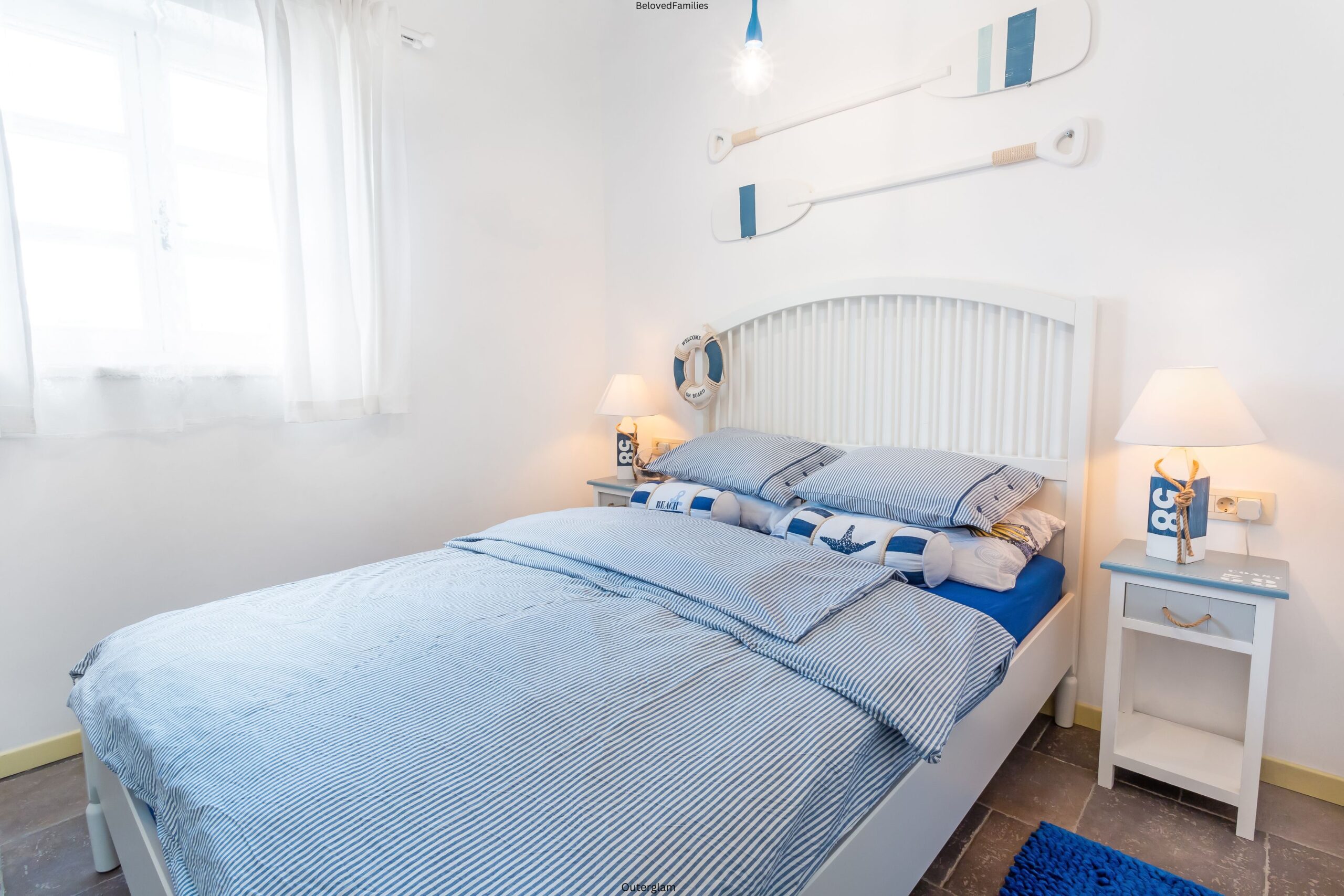
Creating a bedroom that captures the peaceful essence of seaside living transforms your personal space into a daily retreat. The gentle colors, natural textures, and thoughtful details found in coastal design bring that vacation feeling home, making every morning feel like waking up by the ocean. Whether you live miles from the shore or steps from the sand, beach-inspired decor offers a timeless approach to bedroom design that promotes relaxation and tranquility.
Beach-themed bedrooms go beyond simple nautical motifs or seashell collections. Modern coastal style focuses on creating an atmosphere through carefully chosen colors, materials, and lighting that work together to evoke memories of favorite beach vacations. The beauty of this design approach lies in its versatility – from subtle hints of seaside influence to full coastal transformations, you can adapt these ideas to match your personal style and existing decor.
The following sections will guide you through practical ways to bring authentic beach vibes into your bedroom. From selecting the perfect color palette to choosing natural materials and creating the right lighting atmosphere, you’ll discover how small changes can make a significant impact. Let’s transform your bedroom into a serene coastal sanctuary that captures those cherished seaside memories.
How to Choose the Right Coastal Color Palette
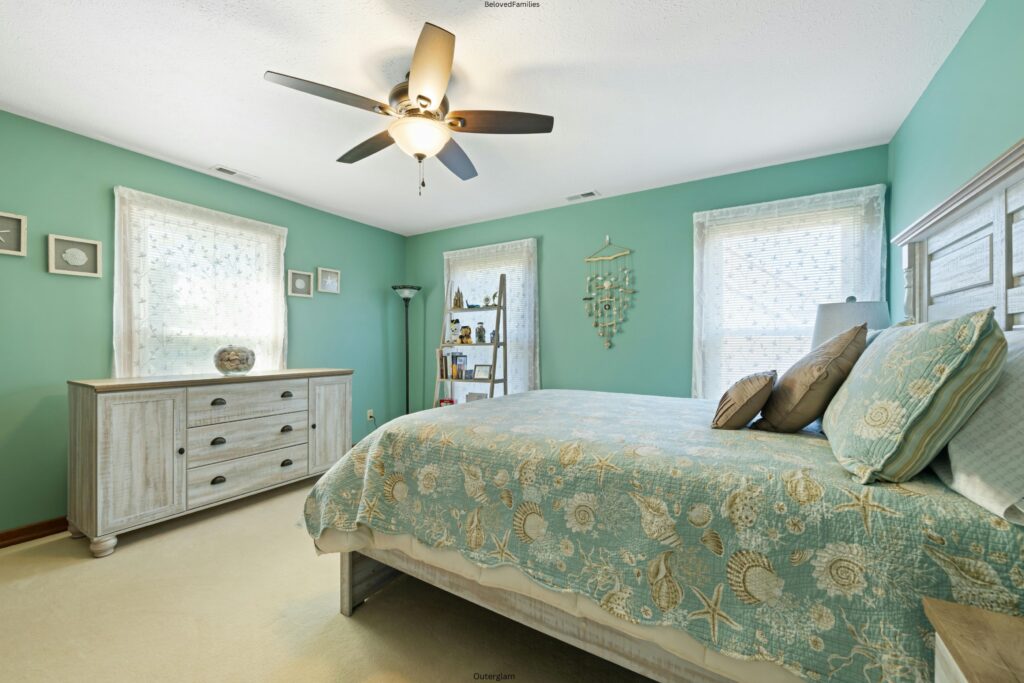
The foundation of any beach-inspired bedroom starts with color choices that instantly transport you to the shore. While ocean blues might seem like the obvious choice, successful coastal palettes incorporate varied shades that reflect different aspects of the beach environment – from morning mists to sunset skies.
Soft Blues and Seafoam Greens
These classic coastal colors work beautifully as base tones for walls or larger furniture pieces. Consider painting an accent wall in a muted seafoam shade, or choose bedding in soft aqua tones that mirror calm ocean waters. The key lies in selecting subdued versions rather than bright, tropical blues. Think of the color of sea glass washed smooth by waves, or the pale blue-green of shallow tide pools on a cloudy day.
Paint colors in this range pair wonderfully with white trim and natural wood furniture. You might layer different blue tones through throw pillows, starting with deeper navy accents and building up to lighter sky blues. This creates visual depth without overwhelming the space.
Sandy Neutrals and Warm Whites
Beach sand comes in countless shades, from pure white to golden beige to soft gray. These neutral tones form the perfect backdrop for your coastal bedroom, allowing other elements to shine while maintaining that beachy feel.
Warm whites work particularly well on walls, creating brightness without the starkness of pure white. Look for paint colors with names like “oyster,” “ivory,” or “cream” – these contain subtle undertones that add warmth. For bedding, consider natural linen in oatmeal or sand colors. These neutrals ground the space and prevent it from feeling too themed or kitschy.
Coral and Sunset Accents
While blues and neutrals form your base, coral and peachy tones add unexpected warmth that references spectacular beach sunsets. These colors work best as accents rather than dominant shades.
A coral throw pillow, peach-toned artwork, or dusty rose curtains can add just enough color to keep the space from feeling cold. These warmer tones also help create a cozy atmosphere for evening relaxation. Consider incorporating them through easily changeable elements so you can adjust the color balance seasonally.
Mixing Colors for Depth and Interest
The most sophisticated beach-inspired bedrooms layer multiple coastal colors rather than sticking to a single shade. Start with your largest elements in neutral tones – walls, major furniture, and flooring. Add your primary coastal color through bedding and window treatments. Then layer in secondary colors through accessories and artwork.
Remember that nature rarely presents colors in isolation. A real beach scene includes countless subtle variations, from the multiple blues of water and sky to the varied browns and grays of driftwood and stones. Your bedroom palette should reflect this natural complexity.
What Natural Materials Bring Seaside Vibes Indoors
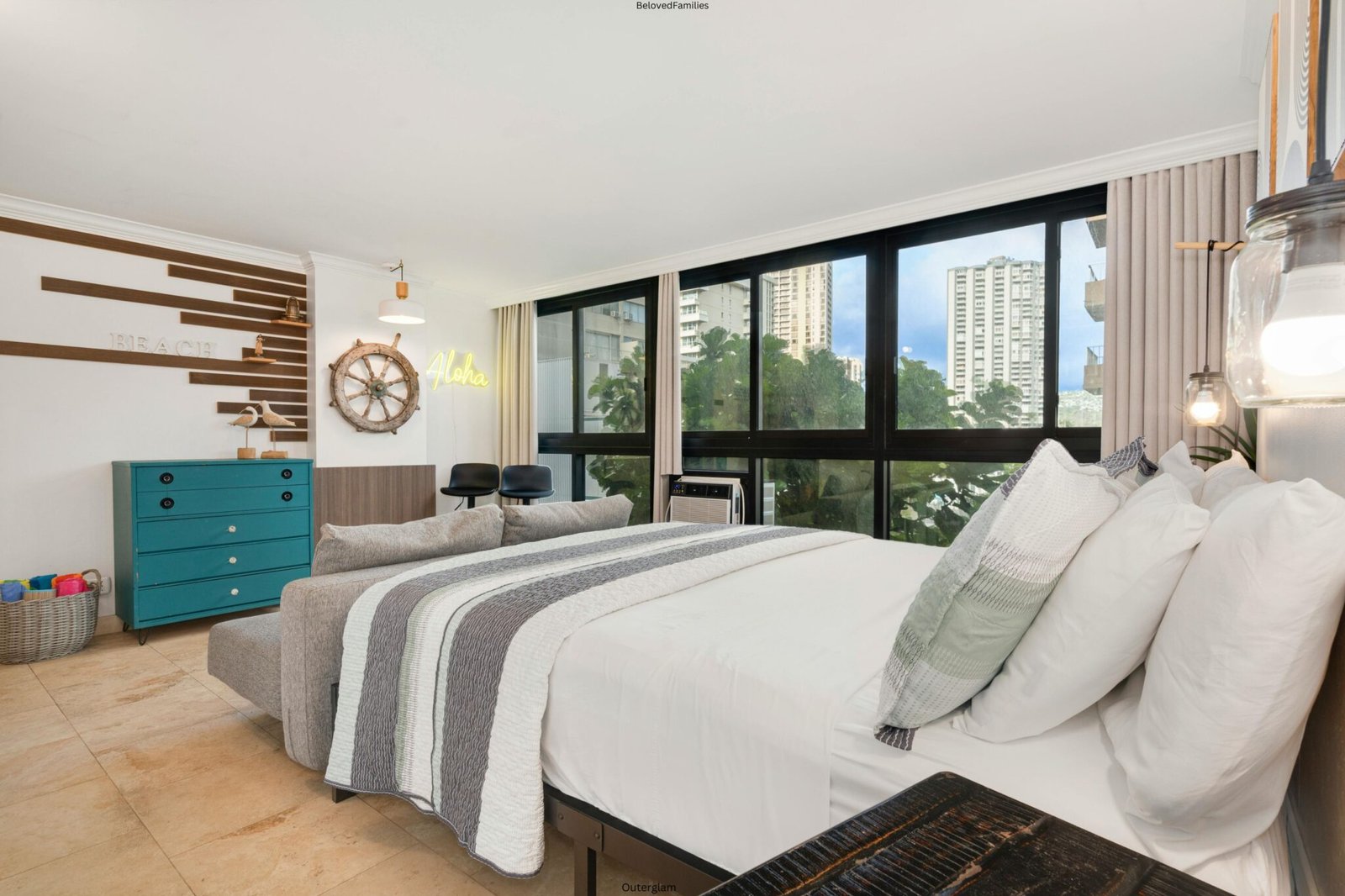
Materials play a crucial role in creating authentic coastal atmosphere. The right textures and finishes transform a bedroom from simply blue and white to genuinely beach-inspired. Natural, weathered, and organic materials connect your indoor space to the outdoor coastal environment.
Weathered Wood and Driftwood Accents
Nothing captures beach essence quite like weathered wood with its sun-bleached finish and smooth, worn texture. A reclaimed wood headboard instantly becomes a focal point, while driftwood picture frames or mirror surrounds add smaller touches of coastal character.
If you’re handy, consider creating your own weathered finish on existing furniture using whitewash or gray staining techniques. A plain pine dresser transforms into a beach cottage piece with the right treatment. For renters or those seeking temporary changes, removable wallpaper with weathered wood patterns offers similar visual impact without permanent alterations. Driftwood pieces collected from beach trips (where permitted) make meaningful decorative accents when displayed on shelves or nightstands.
Rattan and Wicker Furniture Pieces
These woven materials bring organic texture and casual elegance to beach-themed bedrooms. A rattan headboard creates stunning visual interest while maintaining the light, airy feeling essential to coastal design. Wicker storage baskets serve dual purposes – providing practical organization while adding textural variety.
Consider replacing a traditional nightstand with a small wicker trunk or rattan side table. These pieces feel less formal and more vacation-like than heavy wood furniture. Even small additions like a woven pendant light shade or rattan-framed mirror contribute to the overall coastal aesthetic without requiring major furniture investments.
Linen and Cotton Textiles
Natural fibers enhance the relaxed, breezy feeling of a beach-inspired bedroom. Pure linen bedding, though initially an investment, provides unmatched comfort and improves with age, developing a wonderfully soft, lived-in texture.
Layer different weights and weaves of natural fabrics for visual interest. Start with crisp cotton sheets, add a linen duvet cover, then finish with a loosely woven cotton throw. The slight wrinkles and casual draping of these materials actually enhance the beachy aesthetic – perfection isn’t the goal here.
Seagrass and Jute Rugs
Natural fiber rugs ground your coastal bedroom while adding substantial texture underfoot. Seagrass rugs offer durability and a subtle sheen that catches light beautifully. Jute provides a softer option with its neutral color and plush texture.
These materials work particularly well layered over harder flooring like wood or tile. If your bedroom has wall-to-wall carpeting, a smaller jute rug beside the bed still adds that natural beach house element. Choose bound edges for a more finished look, or embrace the casual feeling of fringed borders.
For maximum impact, select a rug large enough to extend beyond your bed on three sides. This creates a defined space and makes the room feel more pulled-together while showcasing the beautiful natural texture.
Shell and Coral Decorative Elements
While you want to avoid overdoing shell decorations, thoughtfully placed pieces add authentic coastal touches. A single large conch shell on a bookshelf, a bowl of collected sea glass on your dresser, or a piece of coral displayed under a glass cloche become conversation pieces rather than clichés.
The key to incorporating these elements successfully lies in restraint and quality over quantity:
Display Methods: Show special pieces individually rather than clustering many small shells together
Natural Finishes: Choose shells and coral in their natural state rather than painted or glittered versions
Meaningful Pieces: Feature items collected during actual beach trips for personal connection
Unexpected Placements: Try hanging a large sand dollar on the wall instead of predictable shelf displays
Which Lighting Creates That Perfect Beach Glow
Lighting transforms a beach-themed bedroom from a space with coastal colors and materials into one that truly captures the unique quality of seaside light. The goal involves recreating that soft, diffused glow found at the beach, where sunlight reflects off sand and water to create an almost ethereal atmosphere.
Sheer Curtains for Filtered Sunlight
The right window treatments make all the difference in achieving that signature beach house brightness. Sheer white or cream curtains filter harsh sunlight into a gentle glow reminiscent of early morning beach walks. Unlike heavy drapes that block light completely, sheers maintain privacy while allowing natural light to flood your space throughout the day. Choose materials like voile or lightweight linen that move gracefully with any breeze from open windows.
For bedrooms requiring more light control, layer sheers with bamboo blinds or white wooden shutters. This combination lets you adjust lighting levels while maintaining the airy coastal aesthetic. The filtered light creates beautiful shadows and highlights that change throughout the day, much like the shifting light at the shore.
Rope and Nautical Pendant Lights
Overhead lighting with nautical influences adds both function and style to your beach-inspired bedroom. Rope-wrapped pendant lights or fixtures with manila rope details reference maritime elements without looking overly themed. These pieces work especially well as bedside lighting alternatives to traditional table lamps, freeing up nightstand space while adding vertical interest.
Look for fixtures combining rope with other natural materials like weathered metal or reclaimed wood. A pendant light with a woven rope shade casts interesting shadow patterns on walls and ceilings, creating visual texture even when the light is on. Position these fixtures at the right height – typically 20-24 inches above your nightstand surface – for optimal reading light without glare.
Lantern-Style Bedside Lamps
Table lamps inspired by nautical lanterns bring charm and practicality to coastal bedrooms. Modern interpretations feature clean lines and updated finishes while maintaining that classic maritime shape. Choose versions in weathered brass, brushed nickel, or distressed white finishes that complement your color palette. Glass hurricanes or mesh details add authenticity without looking costume-like.
Pair these lamps with natural linen shades in white or cream for soft, diffused light. The combination of hard and soft materials – metal bases with fabric shades – reflects the contrast found in beach environments where smooth sand meets rough rocks and gentle waves meet sturdy piers.
String Lights for Evening Ambiance
When the sun sets over the ocean, beaches take on a magical quality that string lights help recreate indoors. Warm white LED strings draped along a headboard or around a window frame provide gentle illumination perfect for evening relaxation.
Choose lights with interesting bulb shapes or coverings – perhaps tiny lanterns, shells, or frosted globes – that add decorative appeal during daylight hours too. Battery-operated versions eliminate cord concerns and allow creative placement anywhere in your room. Timer functions let you fall asleep to their gentle glow without worrying about turning them off.
String lights work particularly well combined with other lighting sources. Use them as accent lighting while relying on lamps for task lighting and overhead fixtures for general illumination. This layered approach mimics the varied light sources found in beach environments, from bright sun to gentle moonlight reflected on water.
How to Layer Textures for Coastal Comfort
A successful beach-inspired bedroom engages multiple senses through varied textures that recall different beach elements. The interplay between smooth and rough, soft and firm surfaces creates the dynamic feeling of a real coastal environment where silk-soft sand meets rough barnacles and smooth stones.
Mixing Smooth and Rough Surfaces
Start by identifying the existing textures in your room, then deliberately add contrasting elements. If your walls are smooth drywall, introduce rough textures through grasscloth wallpaper on an accent wall or textured artwork. Smooth metal hardware on furniture pairs beautifully with rough-hewn wood surfaces.
Consider how different textures feel against your skin – this tactile element greatly impacts bedroom comfort. A smooth cotton percale sheet set contrasts nicely with a nubby linen duvet cover. Add a chunky knit throw for cooler evenings, its thick texture providing both visual weight and cozy warmth. These layers let you adjust comfort levels while maintaining visual interest throughout changing seasons.
Balance remains key when mixing textures. Too many rough surfaces feel harsh and unwelcoming, while exclusively smooth textures can seem cold and impersonal. Aim for a ratio of about 60% smooth to 40% rough surfaces, adjusting based on your personal preferences and existing furniture.
Combining Different Fabric Weights
Successful fabric layering involves more than just adding multiple pieces – it requires thoughtful consideration of weight and drape. Start with your lightest fabrics closest to the body, like fine cotton sheets, then build up to heavier materials.
Your bedding provides the perfect canvas for this technique. Layer a lightweight cotton blanket over sheets, add a medium-weight linen duvet, then top with a heavy cotton quilt or woven throw. Each layer serves a purpose while contributing to the overall design. This approach also proves practical, allowing easy temperature adjustment without completely remaking the bed.
Window treatments offer another opportunity for fabric layering. Combine gauzy sheers with heavier linen panels, or pair lightweight cotton curtains with a structured valance. The contrast between flowing and structured fabrics adds sophistication while maintaining functionality.
Adding Dimensional Wall Treatments
Flat painted walls can leave a coastal bedroom feeling incomplete. Dimensional treatments add the visual interest found in weathered beach structures and natural formations. Shiplap or beadboard wainscoting immediately evokes beach cottage charm while adding architectural interest.
If permanent changes aren’t possible, removable wallpaper with raised textures or dimensional patterns provides similar effects:
Grasscloth Options: Natural fiber wallpapers add subtle texture and organic variation
Faux Techniques: Removable panels mimicking wood planks or stone require no construction
Fabric Panels: Stretched canvas or fabric adds soft dimension and improves room acoustics
Wall Sculptures: Three-dimensional art pieces like carved wood fish or metal waves create focal points
Creating Visual Interest with Varied Materials
The most engaging coastal bedrooms combine numerous materials thoughtfully rather than relying on one or two elements. Your nightstand might feature a wooden base, a glass top, and metal hardware – three textures in one piece. A mirror could have a rope-wrapped frame surrounding smooth glass with shell accents at the corners.
This variety prevents monotony while maintaining cohesion through your chosen color palette. Natural materials in similar tones work together despite their different textures. A jute rug, linen curtains, and rattan furniture share an organic quality that unifies them visually even as they provide textural variety.
Pay attention to how light interacts with different textures throughout the day. Smooth surfaces reflect light while rough textures absorb it. Shiny elements like glass or polished metal create bright spots that draw the eye, while matte finishes provide visual rest. This interplay of light and texture brings your beach-inspired bedroom to life.
What Wall Art and Decor Complete the Beach Look
The finishing touches transform a bedroom with coastal colors and textures into a space that genuinely captures seaside memories. Wall art and decorative elements provide personality while reinforcing the beach theme without overwhelming the serene atmosphere you’ve carefully created.
Ocean Photography and Seascapes
Large-scale ocean photography makes a powerful statement without cluttering surfaces. A single oversized photograph above the bed – perhaps showing rolling waves or a serene beach at sunset – becomes an instant focal point. Black and white beach photography feels sophisticated and timeless, working well with any color scheme while maintaining coastal connections.
When selecting ocean artwork, consider the mood you want to create. Calm, horizontal seascapes promote relaxation, while dramatic storm scenes add energy. Abstract interpretations of water and waves offer a modern take that feels less literal. Whatever style you choose, ensure the scale fits your space – artwork that’s too small gets lost, while oversized pieces can overwhelm.
Vintage Coastal Maps and Charts
Nautical charts and vintage maps add historical depth and visual interest to beach-themed bedrooms. Original navigation charts of local coastlines create personal connections, especially if they depict familiar beaches or harbors. Reproduction maps work equally well and often cost less than originals.
Frame these pieces simply to let the intricate details shine. A collection of smaller maps arranged salon-style on one wall creates an impressive display. Alternatively, one large vintage map can serve as an unexpected headboard alternative. The aged paper tones and detailed markings of these pieces add sophistication while maintaining the coastal theme.
Consider mixing maps with other vintage coastal elements like old photographs of lighthouses or historical beach scenes. This combination tells a story about maritime heritage rather than just decorating with beach imagery.
Beach-Themed Gallery Walls
A thoughtfully curated gallery wall showcases your personal connection to the coast while adding significant visual impact. Mix different types of artwork and objects for the most interesting displays. Combine photographs from beach vacations with pressed seaweed or kelp specimens, add a few vintage postcards, and include small dimensional pieces like a mounted piece of coral or framed sea glass collection.
Vary frame styles and sizes while maintaining some unifying element – perhaps all white frames, all natural wood, or all with white mats. This creates cohesion without being too matchy. Include unexpected elements like typography prints with ocean-related quotes or technical drawings of seashells to add variety.
The arrangement matters as much as the content. Start with your largest piece off-center, then build around it with smaller items. Leave some breathing room between pieces – overcrowding diminishes impact and creates visual chaos rather than the peaceful feeling you want.
Mirrors That Reflect Natural Light
Strategically placed mirrors amplify natural light while making your bedroom feel larger and more open – much like the expansive feeling of being at the beach. A large mirror opposite a window doubles the natural light in your room while creating the illusion of another window.
Choose frames that reinforce your coastal theme. Driftwood frames feel organic and beachy, while rope-wrapped options add nautical charm. Porthole-style mirrors reference ship design without being too literal. Even simple weathered wood or white-painted frames work well in beach-inspired spaces.
Position mirrors to reflect your best views or favorite decorative elements. A mirror angled to reflect your ocean photography doubles its impact. Smaller mirrors grouped together create an interesting wall display while maintaining functionality.
Displaying Collected Beach Treasures
Personal beach finds become meaningful decor when displayed thoughtfully. Rather than scattering shells randomly across surfaces, create intentional displays that highlight special pieces. A shadow box containing treasures from a memorable beach vacation becomes art with personal significance.
Glass bowls or hurricane lanterns filled with sea glass create beautiful displays that catch light. Layer sand in clear vessels with shells for simple yet effective arrangements. Display special finds like intact sand dollars or unusual shells individually on small stands or under glass cloches to give them importance.
Rotate displays seasonally to keep your room feeling fresh. Summer might feature bright shells and coral, while winter could showcase more subdued pieces like smooth stones and weathered wood. This approach prevents your collection from becoming stagnant background decoration, keeping each piece special and noticed.
Your Coastal Bedroom Sanctuary Awaits
Creating a beach-inspired bedroom goes far beyond simply painting walls blue or displaying a few seashells. Through thoughtful selection of colors that mirror coastal environments, natural materials that bring outdoor textures inside, and lighting that captures that special seaside glow, you build a space that genuinely evokes peaceful beach memories. The careful layering of textures and strategic placement of artwork and personal treasures completes the transformation from ordinary bedroom to coastal retreat.
The beauty of beach-inspired design lies in its flexibility and personal nature. Whether you prefer the weathered, casual style of a beach cottage or the refined elegance of a coastal resort, these ideas adapt to your vision. Start with one element – perhaps new bedding in ocean-inspired colors or a piece of driftwood art – and gradually build your seaside sanctuary. Each addition brings you closer to that perfect balance of comfort and style that makes beach-inspired bedrooms so appealing, creating a space where every night feels like a peaceful evening by the shore.
Frequently Asked Questions
Q: What colors should I avoid in a beach-inspired bedroom?
A: Avoid bright, tropical colors like hot pink, electric blue, or lime green. These shades feel more resort-like than coastal. Also skip dark colors like black or deep purple that can make the space feel heavy rather than light and airy.
Q: Can I create a beach-themed bedroom without using any blue?
A: Absolutely. Focus on sandy neutrals, warm whites, and natural wood tones. Add texture through materials like rattan, jute, and linen. Use coral, sage green, or soft gray as accent colors instead of blue.
Q: How do I make my beach bedroom feel sophisticated rather than kitschy?
A: Choose quality over quantity with decorative items. Use natural materials and neutral colors as your base, adding coastal elements sparingly. Avoid cartoon sea creatures or overly literal nautical items like anchors and ship wheels.
Q: What flooring works best in a coastal bedroom?
A: Light-colored hardwood, whitewashed wood, or natural bamboo flooring perfectly complement beach decor. If changing flooring isn’t possible, add large natural fiber rugs in jute or seagrass to achieve a similar effect.
Q: Should all my bedroom furniture match in a beach-themed room?
A: Mixed furniture actually works better for authentic coastal style. Combine painted pieces with natural wood, or mix different wood tones. This collected-over-time look feels more genuine than perfectly matched sets.
Q: How can I add beach vibes to a dark bedroom with little natural light?
A: Use light colors on walls and bedding to maximize existing light. Add multiple light sources including table lamps, string lights, and mirrors to reflect available light. Choose sheer window treatments and keep window areas uncluttered.
Q: What’s the biggest mistake people make with beach-inspired bedrooms?
A: Over-theming the space with too many obvious beach items. A successful coastal bedroom suggests the beach through color, texture, and light rather than filling every surface with shells and nautical decorations.
Q: How do I maintain a beach theme year-round without it feeling out of place in winter?
A: Focus on natural materials and neutral coastal colors that work in any season. During colder months, add cozy elements like chunky knit throws in cream or soft gray, and switch lighter linens for warmer flannel in coastal colors.