School mornings have a way of running away from you. One minute you’re pouring coffee, the next someone can’t find their left shoe and the bus is four minutes out. Breakfast is usually the first thing to get cut, replaced by a granola bar grabbed at the door or skipped entirely. The problem is, kids who skip breakfast tend to struggle more with focus and energy by mid-morning, and the research on that is pretty consistent.
Here’s the thing — a nourishing breakfast doesn’t have to mean a slow one. The options that work best on real school mornings are the ones you can prep the night before, throw together in five minutes, or pull straight from the freezer. And they don’t have to be complicated to actually be good for your kids.
Below are ten breakfast ideas that check both boxes — fast enough for the morning rush and nutritious enough to keep kids fueled until lunch. Some are make-ahead, some are barely recipes at all, and a few might surprise you with how much kids actually eat them.
1 Overnight Oats
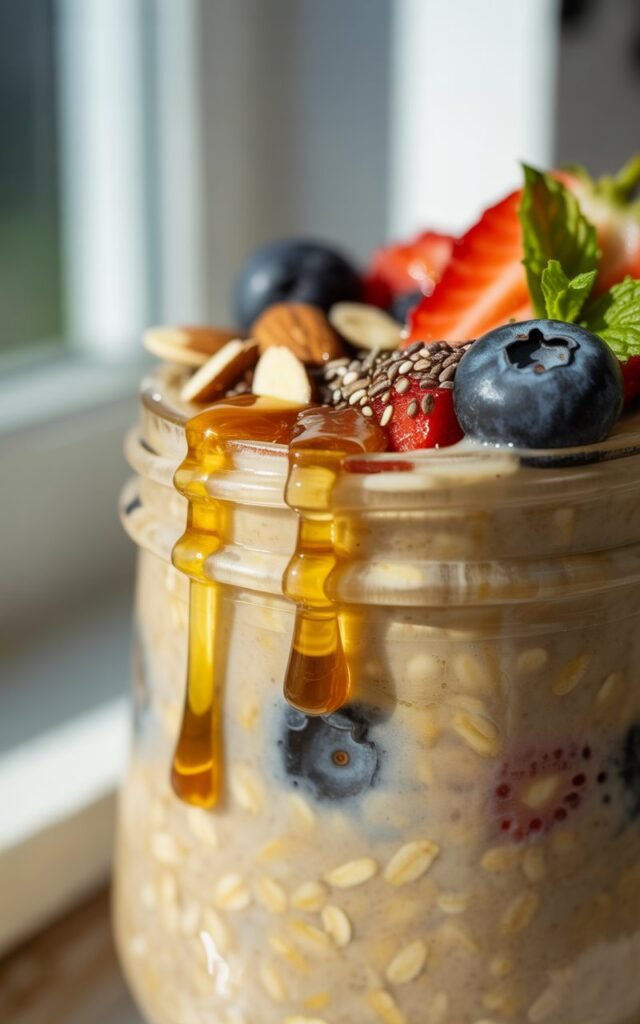
This is one of the best things you can do for your school-morning routine. Mix rolled oats with milk (or a milk alternative), a spoonful of nut butter, and a handful of berries the night before. Cover it and leave it in the fridge. By morning, breakfast is done — no cooking, no mess, no decisions.
Registered dietitian Melanie Murphy Richter notes that oats made with seeds, nut butter, and berries offer sustained energy, satiety, and digestive support — a combination that genuinely holds kids over until lunch. You can mix up the flavors by rotating between banana and honey, apple cinnamon, or mixed berry, so it doesn’t feel repetitive by Tuesday.
Prep tip: Make four or five jars on Sunday. They keep well in the fridge for up to five days.
2 Egg Muffins

Think of these as a mini frittata baked in a muffin tin. Whisk eggs with whatever vegetables you have — spinach, bell peppers, mushrooms — add a little cheese, season lightly, and bake at 350°F for about 18 minutes. That’s it.
They keep in the fridge for four to five days and reheat in the microwave in under a minute. High in protein, portable, and genuinely filling — they work for kids who want something savory in the morning and for parents who want a grab-and-go option that doesn’t involve a drive-through.
3 Peanut Butter Banana Roll-Up
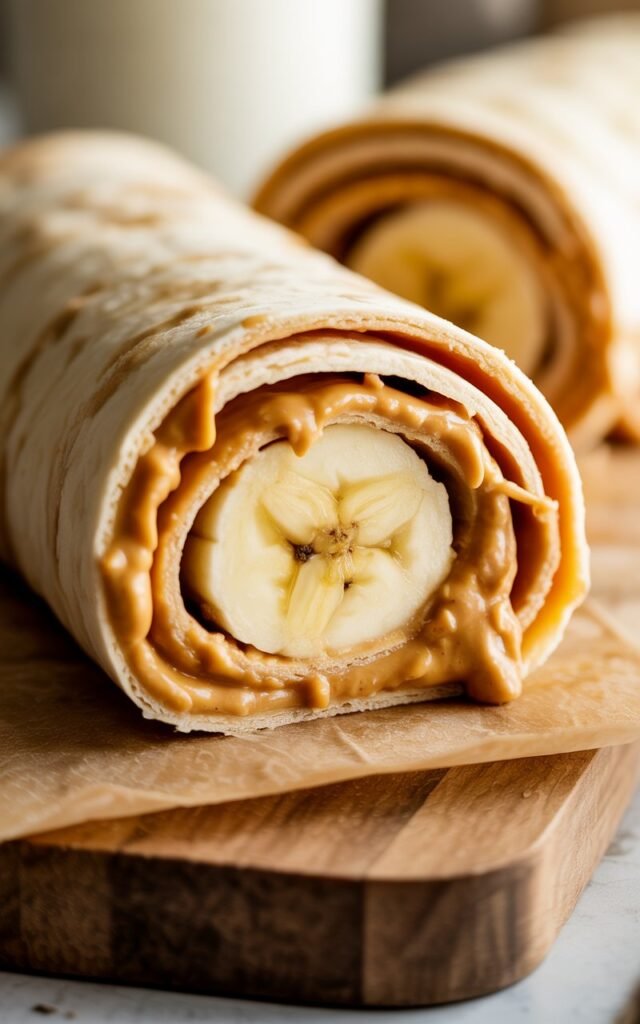
Spread a layer of peanut butter across a whole wheat tortilla, lay a banana at one end, and roll it up. That’s the whole recipe. It covers protein, healthy fat, and complex carbs in about ninety seconds of effort, which on a school morning counts for a lot.
Kids tend to like the format — it’s portable, easy to eat in the car if needed, and doesn’t require utensils. If there’s a nut allergy in the picture, sunflower seed butter works just as well.
4 Smoothie Packs
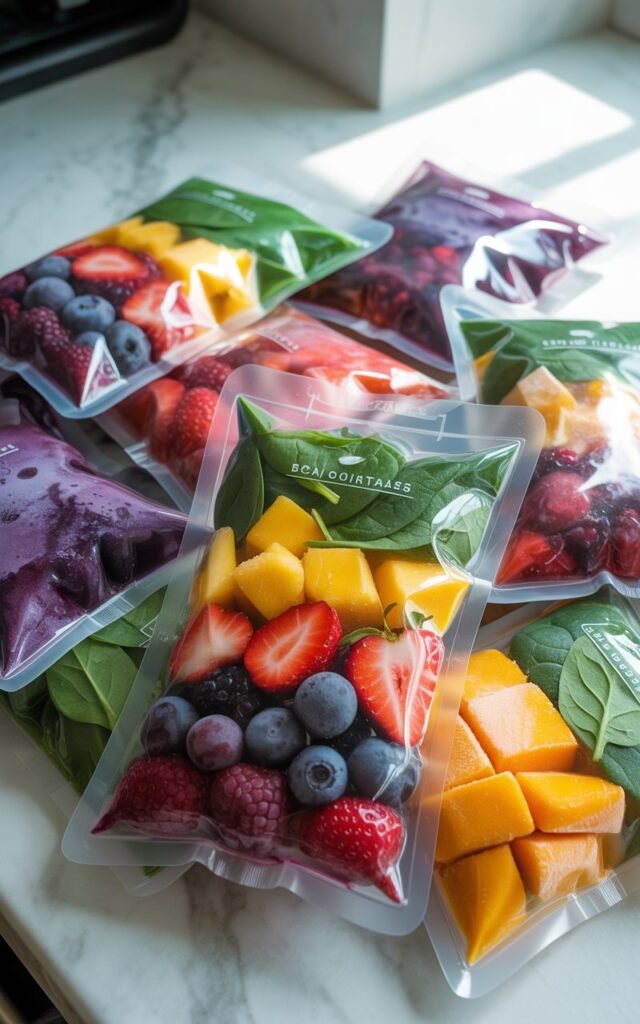
Smoothies are fast, but the prep can slow you down. The fix is smoothie packs — individual freezer bags loaded with pre-measured fruit, a handful of spinach, and a slice of banana. In the morning, you dump one bag into the blender, add milk and yogurt, and blend. Done in about two minutes.
The spinach is worth mentioning: most kids have no idea it’s in there once the berries are blended in. You get the iron and folate, they get a purple smoothie that tastes like blueberries. Everybody wins.
Weekend prep: Set aside twenty minutes to build a week’s worth of packs. Store them flat in the freezer to save space.
5 Avocado Toast with an Egg
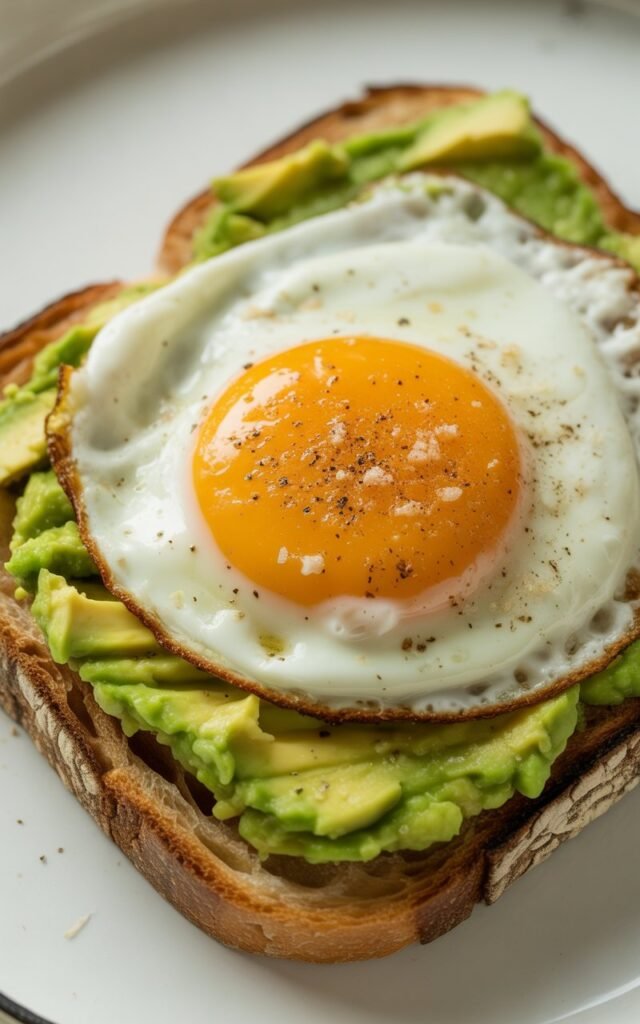
Two slices of whole grain toast, half an avocado mashed and spread across them, and a fried or scrambled egg on top. Sprinkle hemp seeds or everything bagel seasoning if you have it nearby. This is a genuinely satisfying breakfast that comes together in about eight minutes.
Avocado brings healthy fat that helps kids absorb fat-soluble vitamins, and the egg adds protein to keep energy levels steady. It’s a combination that holds up better through the morning than sugary cereals or pastries, which tend to cause an energy crash before snack time.
6 Yogurt Parfait
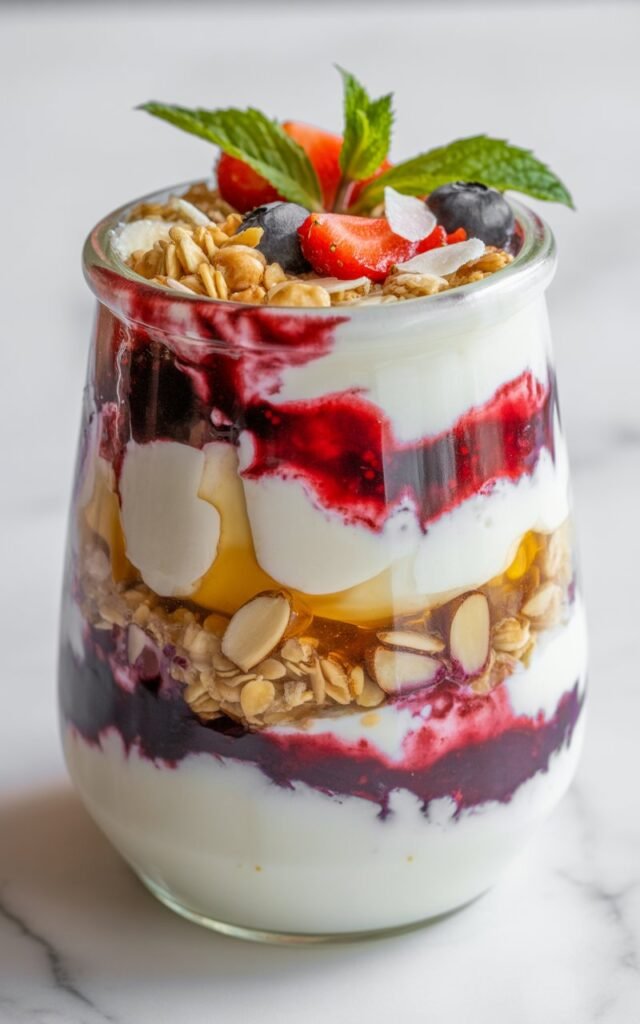
Layer Greek yogurt with granola and fresh or frozen fruit in a jar or bowl. This can be put together the night before (skip the granola until morning so it doesn’t get soggy) or thrown together in about three minutes at breakfast time.
Greek yogurt has significantly more protein than regular yogurt, which matters for keeping kids full. When choosing granola, check the label — you want something with fewer than eight to ten grams of added sugar per serving. A lot of popular brands run higher than that.
7 Whole Wheat Frozen Waffles with Nut Butter
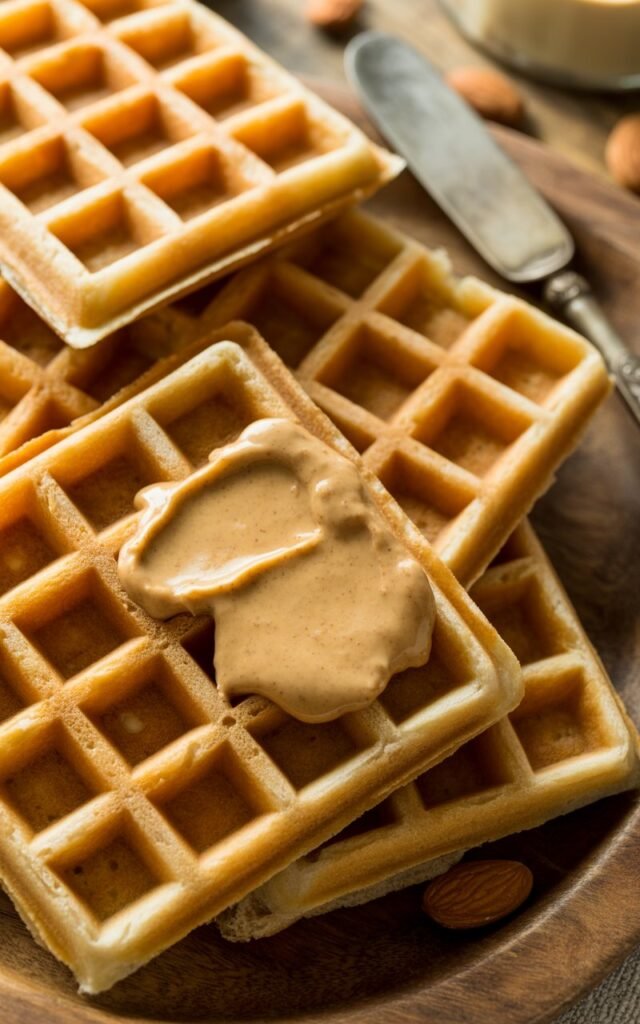
This one sounds too simple to mention, but it belongs on the list because it actually works. Toast a couple of whole grain frozen waffles, spread nut butter across them, and top with banana slices or strawberries. From freezer to table in four minutes.
The nut butter is what makes this more than just a starch — it adds protein and fat that change how the body processes the carbs, resulting in steadier energy rather than a quick spike. It’s the kind of easy breakfast that doesn’t feel like a compromise.
8 Homemade Granola Bars
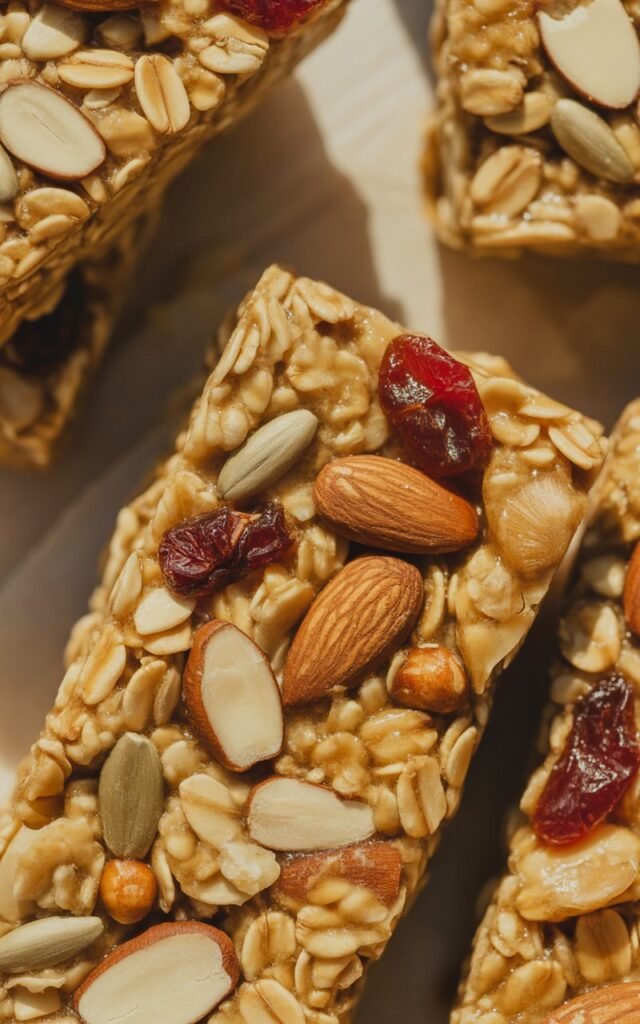
These take about thirty minutes to make on the weekend, but the payoff lasts the whole week. Combine rolled oats, honey, peanut butter, seeds, and dried fruit. Press into a lined pan, freeze until set, then cut into bars and store in the fridge.
Children’s Hospital of Orange County (CHOC) registered dietitians recommend these as a smart alternative to store-bought toaster pastries, which can contain over half the recommended daily value for added sugar in a single serving. Homemade bars let you control what goes in.
Variation: Add mini chocolate chips, shredded coconut, or cinnamon to keep the flavor rotating week to week.
9 Scrambled Eggs with Whole Grain Toast
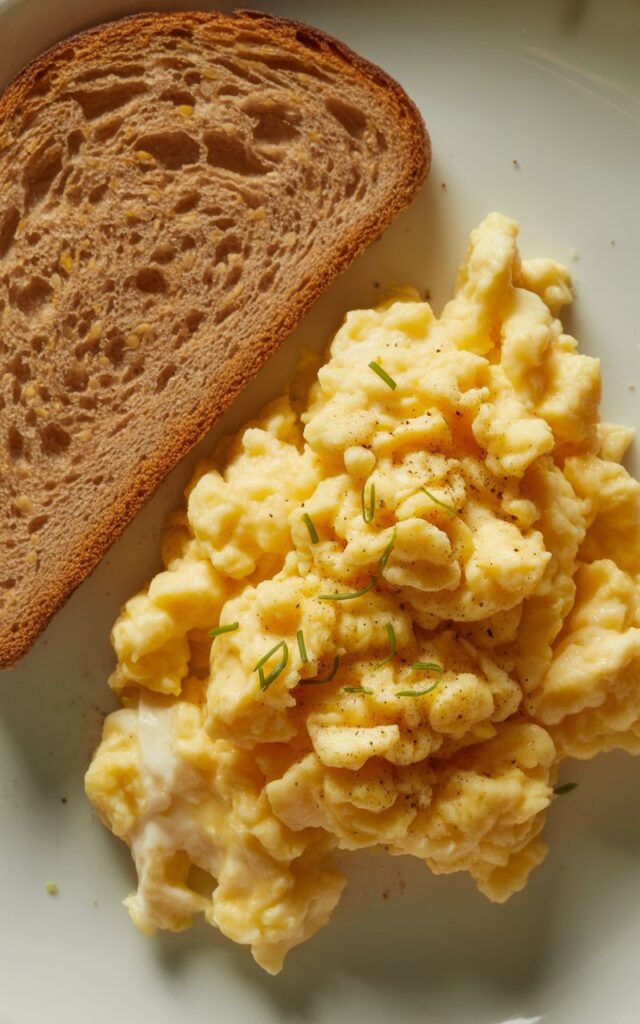
Scrambled eggs are one of the fastest cooked breakfasts there is — two to three minutes over medium heat with a little butter. Add a slice of whole grain toast and you have a breakfast that covers protein, fat, and complex carbs without any advance prep required.
Eggs are a reliable source of choline, which supports brain development, and protein that keeps hunger in check. For mornings when you have a little more time, add vegetables directly into the eggs — whatever’s in the fridge works. Leftover roasted vegetables from the night before are particularly good.
10 Chia Pudding
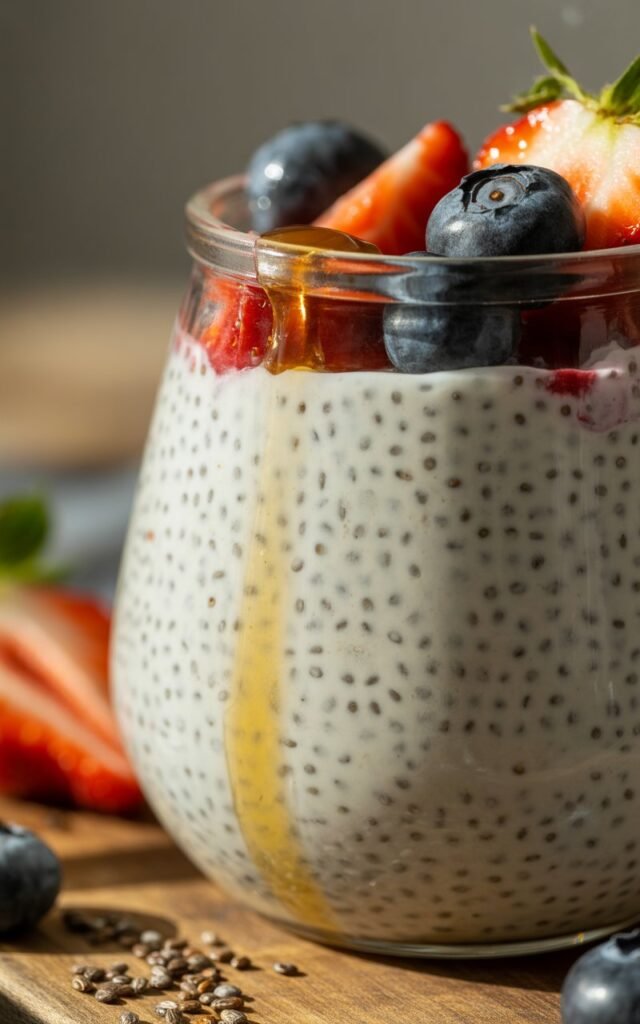
Mix two tablespoons of chia seeds with half a cup of milk and a small drizzle of honey or vanilla extract. Stir it, cover it, and let it sit overnight in the fridge. By morning it becomes thick and pudding-like, and you top it with whatever fruit you have on hand.
Chia seeds are high in omega-3 fatty acids, fiber, and iron — three things that tend to be underrepresented in a typical kid’s diet. The texture is different from most breakfast foods, which some kids love immediately and others need a few tries to warm up to. Pairing it with mango or strawberries usually helps.
Making It Work All Week
The most useful thing you can do for school mornings isn’t finding better recipes — it’s spending a little time on the weekend setting things up. Make a batch of overnight oats, pre-load smoothie bags, bake egg muffins, and cut granola bars. With those four things in the fridge and freezer, every morning of the week has a fallback that takes less than five minutes to serve.
Johns Hopkins Medicine recommends aiming for three food groups at breakfast — some combination of protein, fruit or vegetable, and a whole grain — which most of these options hit naturally. It’s less about being perfect and more about having something ready that kids will actually eat before they run out the door.
Frequently Asked Questions
Q: How much time do I realistically need to make a healthy breakfast on a school morning?
A: Most of these options take five minutes or less if you prep them the night before or over the weekend. Overnight oats, smoothie packs, egg muffins, and granola bars can all be made in advance, leaving very little to do in the morning beyond reheating or pouring.
Q: What should a balanced breakfast for kids actually include?
A: Aim to cover at least three food groups — protein (eggs, yogurt, nut butter), a fruit or vegetable, and a whole grain (oats, whole wheat bread or tortilla). This combination provides sustained energy and keeps kids fuller longer than a carbohydrate-only breakfast.
Q: Are granola bars from the store okay for school mornings?
A: Some are, but check the label for added sugar — you want fewer than eight to ten grams per serving. Many popular brands exceed that. Homemade bars are a better option when you have time to make a batch on the weekend.
Q: My kids won’t eat anything green — can I still sneak vegetables into breakfast?
A: Yes, and smoothies are the easiest way to do it. A handful of spinach blended with frozen berries and banana is completely invisible to the taste, and the color goes purple rather than green. Egg muffins with finely chopped vegetables also work well — most kids can’t detect spinach or zucchini when it’s baked into eggs.