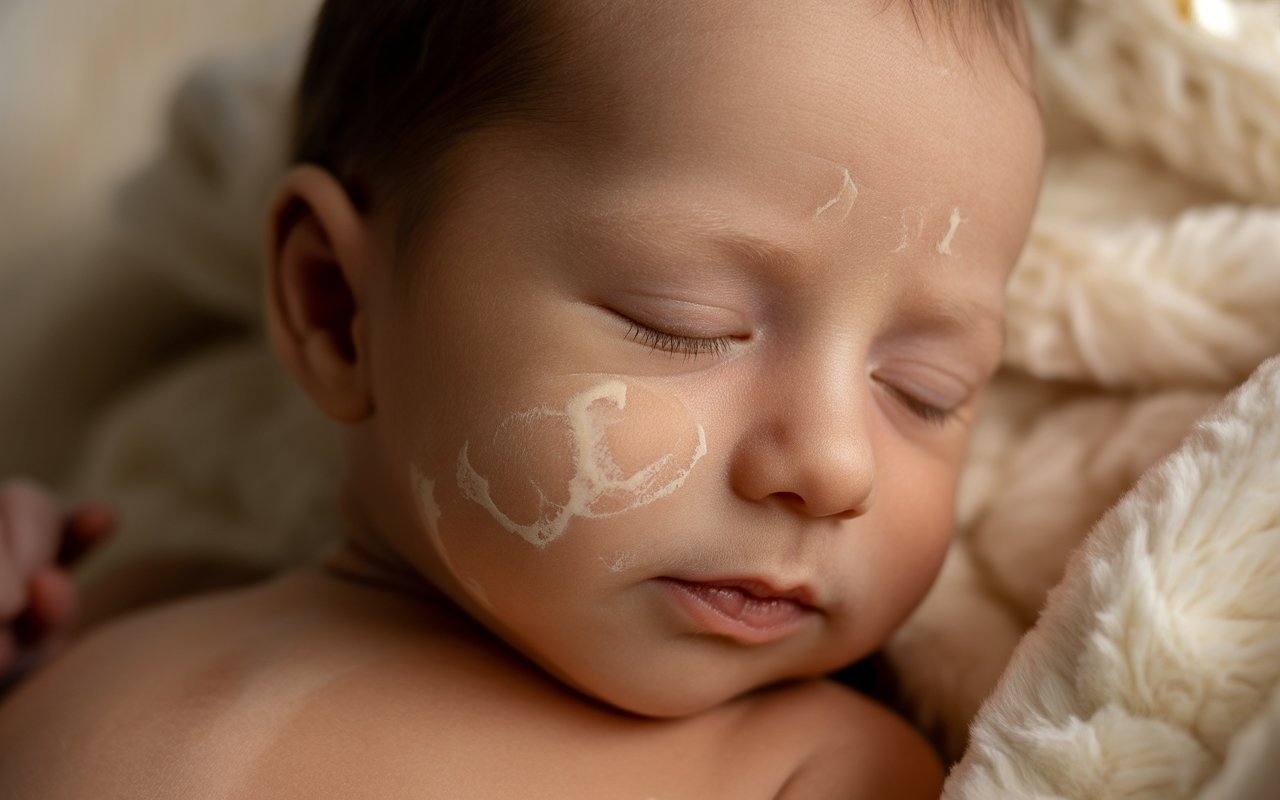
Discovering your newborn’s skin peeling can feel alarming, especially for first-time parents. Those tiny flakes falling from your baby’s perfect skin might trigger immediate worry about dryness, discomfort, or underlying health issues. The truth is, this seemingly concerning phenomenon happens to nearly every newborn and represents a completely normal part of their adjustment to life outside the womb.
Your baby spent approximately nine months floating in amniotic fluid, protected by a thick, waxy coating called vernix caseosa. After birth, their delicate skin suddenly encounters air, clothing, temperature changes, and various other environmental factors for the first time. This dramatic shift from a liquid environment to the dry outside world naturally causes the outermost layer of skin to shed, much like how your own skin might peel after spending too long in the bath.
In the following sections, we’ll walk through everything you need to know about this common occurrence. You’ll learn why peeling happens, which areas of your baby’s body are most affected, when you should contact your pediatrician, and practical ways to keep your little one comfortable during this transition. Let’s put your mind at ease and help you understand exactly what’s happening with your newborn’s changing skin.
Understanding Normal Newborn Skin Changes
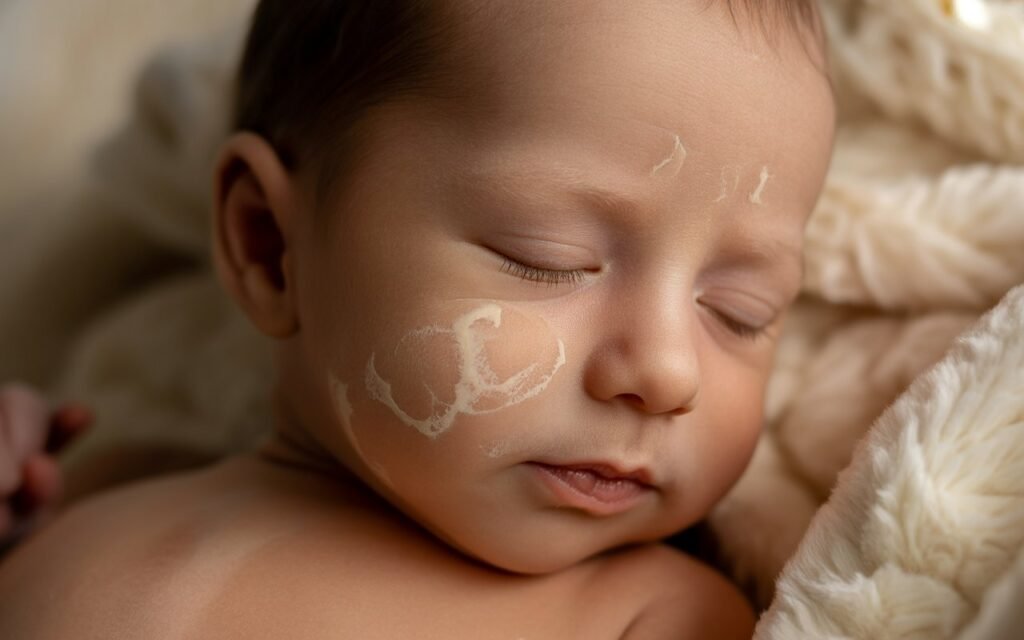
The journey from your womb to the outside world represents one of the most dramatic transitions your baby will ever experience. Inside the uterus, your little one’s skin stayed constantly moist, surrounded by warm amniotic fluid and protected by vernix – that creamy white substance you might have noticed at birth. Once born, this protective environment disappears, and your baby’s skin must quickly adapt to an entirely different world filled with dry air, fabrics, and temperature variations.
The transition from womb to world
During pregnancy, your baby’s skin develops in a unique aquatic environment. The amniotic fluid maintains perfect moisture levels while vernix caseosa provides waterproofing and protection. This thick, cheese-like coating isn’t just random – it serves crucial purposes including maintaining skin hydration, providing antimicrobial protection, and helping with temperature regulation. Some babies arrive covered in vernix, while others have very little, depending on their gestational age and individual factors.
After delivery, hospital staff typically leave some vernix on your baby’s skin rather than washing it off immediately. This natural moisturizer continues protecting the skin during those first critical hours and days. As the vernix gradually absorbs or rubs off, the skin underneath begins its adjustment process to the dry air environment.
Timeline of typical skin peeling
Most parents notice the first signs of peeling within 24 to 48 hours after birth, though some babies don’t start peeling until they’re a week old. The process typically follows a predictable pattern:
Days 1-3: Skin may appear slightly dry or tight, particularly on the hands and feet. You might notice a subtle change in texture before any visible peeling begins.
Days 3-7: Peeling becomes more noticeable, often starting at the ankles and wrists. The skin might look similar to a mild sunburn that’s beginning to shed.
Weeks 1-2: Peak peeling occurs during this period. Large sections of thin, papery skin might come off, especially during diaper changes or after bathing.
Weeks 2-4: Peeling gradually decreases and eventually stops completely. By the end of the first month, most babies have shed their entire outer layer of newborn skin.
The duration and intensity vary significantly between babies. Premature infants often experience less peeling since they had less time exposed to amniotic fluid, while post-term babies (born after 42 weeks) frequently show more extensive peeling from prolonged fluid exposure.
Areas most commonly affected
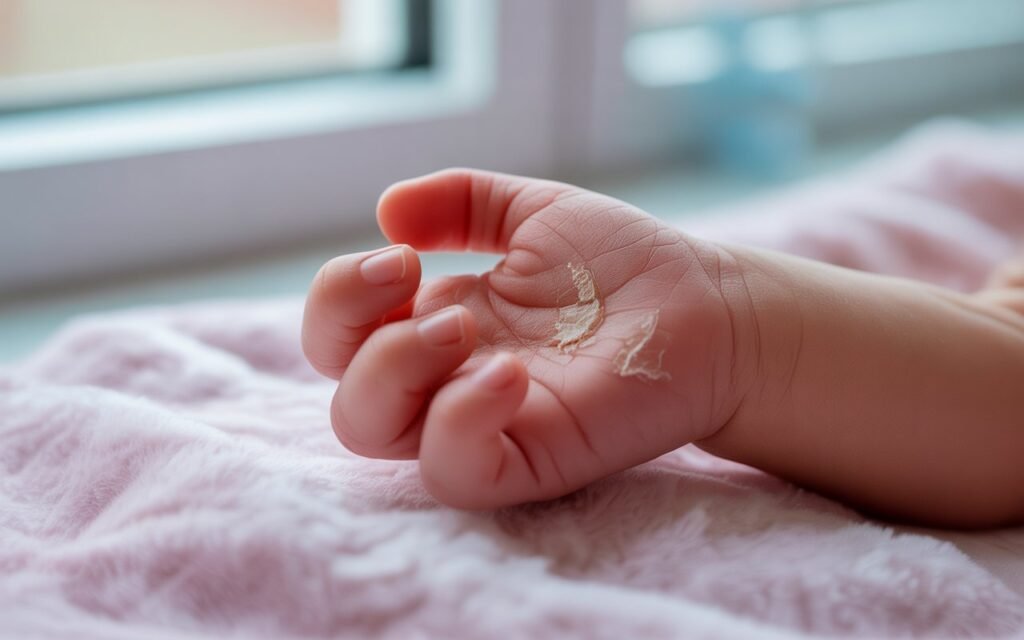
While peeling can occur anywhere on your newborn’s body, certain areas seem particularly prone to this natural shedding process. The hands and feet typically show the most dramatic peeling, with entire sections of skin sometimes coming off like tiny gloves or socks. These extremities had the most direct contact with amniotic fluid and often appear more wrinkled at birth.
The ankles and wrists frequently develop deep creases where skin accumulates and peels in layers. You might also notice peeling around the belly, particularly near the umbilical cord stump, where the skin stretches and adjusts to breathing movements. The scalp sometimes sheds too, though this often gets mistaken for cradle cap, which is actually a different condition involving oil gland secretions.
When peeling usually stops
For most healthy newborns, skin peeling resolves completely within two to three weeks after birth. By the one-month mark, virtually all babies have finished this initial shedding phase and developed their new, adapted skin layer. However, various factors can influence this timeline.
Babies born at full term (between 39 and 41 weeks) typically follow the standard peeling schedule. Those born earlier might experience minimal peeling or none at all, while post-term babies often continue peeling for up to four weeks. Environmental factors like humidity levels in your home, bathing frequency, and product use can also affect how long the process continues.
What Causes Newborn Skin to Peel?
Your newborn’s peeling skin results from a fascinating combination of biological factors and environmental changes. Understanding these causes helps explain why this process is not only normal but actually beneficial for your baby’s development.
Vernix caseosa and its role
Vernix caseosa, that creamy coating mentioned earlier, plays a starring role in the peeling process. This remarkable substance contains proteins, lipids, and antimicrobial compounds that protected your baby throughout pregnancy. Think of it as nature’s ultimate moisturizer and protective barrier rolled into one.
The amount of vernix present at birth varies considerably. Premature babies often have thick vernix coverage, while those born at term have moderate amounts, and post-term infants might have almost none left. As this protective layer gradually disappears after birth, either through absorption or gentle removal during bathing, the underlying skin loses its primary moisture barrier. Without vernix’s protection, the outermost skin layer begins to dry out and eventually sheds.
Interestingly, many hospitals now recommend leaving vernix on the skin rather than washing it off immediately after birth. Research shows that allowing this natural substance to absorb on its own provides continued benefits including temperature regulation, infection protection, and moisture retention. Parents who choose delayed bathing often notice their babies experience gentler, more gradual peeling compared to those bathed immediately after delivery.
Exposure to amniotic fluid
Throughout pregnancy, your baby floated in amniotic fluid – essentially marinating in this liquid environment for months. By the third trimester, babies actually breathe and swallow amniotic fluid, which helps develop their lungs and digestive system. However, this constant exposure also affects the skin in unique ways.
Amniotic fluid has a slightly different composition than regular water, containing proteins, carbohydrates, lipids, and electrolytes. Extended exposure causes the skin to become super-saturated with moisture, similar to how your fingers wrinkle after a long bath. The longer the exposure, the more pronounced the effect becomes. This explains why post-term babies, who spend extra time in amniotic fluid, often experience more dramatic peeling than those born earlier.
Post-term babies and increased peeling
Babies born after 42 weeks of pregnancy frequently arrive with skin that looks distinctly different from their full-term counterparts. Instead of the smooth, vernix-covered skin of earlier births, post-term newborns often have dry, cracked, or already peeling skin at delivery. Their hands and feet might appear particularly wrinkled, almost like they’ve been soaking in water for too long – which, in essence, they have.
The extended time in utero means these babies have used up most or all of their vernix protection. Without this barrier, their skin experiences prolonged direct contact with amniotic fluid. Additionally, the placenta’s efficiency decreases after 42 weeks, potentially affecting the nutrients and hydration reaching the baby. These factors combine to create skin that’s already begun its shedding process before birth even occurs.
Parents of post-term babies shouldn’t worry about this increased peeling – it’s still completely normal and doesn’t indicate any health problems. The new skin underneath develops just as healthy as any other baby’s. However, these infants might benefit from extra gentle care and moisture support during their first few weeks.
Environmental factors after birth
Once your baby enters the world, numerous environmental elements influence how quickly and extensively their skin peels. Consider the dramatic change: from a constant 98.6°F liquid environment to fluctuating room temperatures with varying humidity levels. This adjustment alone would challenge anyone’s skin, let alone a newborn’s delicate covering. Here are the key environmental factors affecting your baby’s skin:
Temperature fluctuations: Hospitals typically keep delivery rooms cool, and your home’s temperature varies throughout the day. These changes affect skin moisture levels.
Humidity levels: Dry air, especially during winter months or in air-conditioned spaces, accelerates moisture loss from the skin.
Fabric contact: Clothing, blankets, and diapers create friction that can speed up the peeling process in covered areas.
Bathing practices: Water temperature, bath duration, and frequency all impact how quickly the outer skin layer sheds.
The type of heating or cooling system in your home makes a difference too. Forced-air heating systems create particularly dry environments that can intensify peeling. Meanwhile, homes with radiator heat or those using humidifiers maintain better moisture levels, potentially reducing the severity of skin shedding. Even seemingly minor factors like how often you change your baby’s clothes or the detergent you use can influence the peeling process.
When Should You Be Concerned About Peeling?
Most newborn skin peeling requires nothing more than patience and gentle care. However, distinguishing between normal shedding and signs of potential problems helps you know when to seek medical advice.
Signs of normal peeling
Normal newborn peeling has specific characteristics that differentiate it from problematic skin conditions. The skin typically sheds in thin, translucent layers that resemble tissue paper or the way skin peels after mild sunburn. These flakes come off easily without force, often sticking to clothing or coming away during gentle cleaning.
The skin underneath peeling areas should appear pink and healthy, not red, inflamed, or irritated. Your baby shouldn’t show signs of discomfort when you touch the peeling areas – no crying, flinching, or pulling away. Normal peeling also occurs without any accompanying symptoms like fever, unusual fussiness, or changes in eating patterns.
Watch for symmetrical patterns too. If both hands peel similarly, or both feet show comparable shedding, this suggests normal development rather than a localized problem. The peeling should also progress predictably, starting mild, potentially increasing around week one or two, then gradually improving without intervention.
Red flags that require medical attention
While rare, certain signs indicate your newborn’s peeling might stem from something beyond normal adjustment. Contact your pediatrician if you notice skin that appears bright red, swollen, or warm to touch beneath peeling areas. These symptoms could suggest infection or inflammatory conditions requiring treatment.
Bleeding or oozing from peeling skin always warrants immediate medical attention. Normal shedding should never cause open wounds or discharge. Similarly, if peeling skin develops a foul odor or yellow-green discharge, infection might be present. Blisters accompanying peeling skin also indicate potential problems, as normal newborn shedding doesn’t create fluid-filled bumps.
Pay attention to your baby’s overall behavior too. If they seem unusually irritable when their skin is touched, refuse to eat, or develop a fever alongside peeling, something more serious might be occurring. Peeling that worsens progressively instead of improving after the first two weeks also deserves professional evaluation.
Associated symptoms to watch for
Beyond the skin itself, certain accompanying symptoms suggest the need for medical consultation. A rash that spreads beyond peeling areas, especially if it’s raised, bumpy, or contains pus-filled spots, requires assessment. Extreme dryness that causes deep cracks or fissures in the skin goes beyond normal peeling and might need prescription treatment.
Monitor your baby’s overall health markers during the peeling period:
Feeding changes: Difficulty latching, reduced appetite, or frequent spit-up combined with skin changes
Sleep disturbances: Unusual restlessness or inability to settle that coincides with peeling
Temperature irregularities: Difficulty maintaining body temperature along with skin shedding
Breathing issues: Any respiratory changes occurring alongside skin symptoms
Excessive crying: Inconsolable distress that seems connected to skin discomfort
If peeling occurs alongside any developmental concerns or your baby isn’t meeting expected milestones, discuss both issues with your pediatrician. While they’re likely unrelated, comprehensive evaluation ensures nothing gets overlooked.
Conditions that may cause excessive peeling
Several medical conditions can cause skin peeling that mimics or exceeds normal newborn shedding. Ichthyosis, a group of genetic skin disorders, causes excessive scaling and dryness from birth. Unlike normal peeling, ichthyosis creates thick, plate-like scales that don’t resolve within a few weeks.
Eczema occasionally appears in newborns, though it’s more common after two months of age. This condition causes dry, itchy patches that might peel but also include redness and inflammation. Seborrheic dermatitis, while typically affecting the scalp as cradle cap, can spread to other body areas and cause peeling with yellowish, greasy scales.
Certain infections might trigger peeling too. Staphylococcal scalded skin syndrome, though rare, causes widespread peeling and requires immediate treatment. Fungal infections can create localized peeling with distinct borders and sometimes a ring-like appearance. Your pediatrician can quickly differentiate these conditions from normal newborn peeling through visual examination and, if necessary, simple tests.
How to Care for Your Baby’s Peeling Skin
Caring for your newborn’s peeling skin requires a gentle, minimalist approach. Less is definitely more when supporting your baby through this natural process.
Bathing recommendations and frequency
Contrary to what many parents assume, daily baths aren’t necessary for newborns and might actually worsen peeling. Until your baby’s umbilical cord stump falls off, stick to sponge baths two to three times per week. Once tub bathing begins, maintain this reduced frequency unless your pediatrician recommends otherwise.
Keep baths brief – five to ten minutes maximum. Longer exposure to water strips natural oils from your baby’s already dry skin. Use lukewarm water that feels comfortable to your elbow or wrist. Hot water increases dryness and can make peeling more pronounced. Room temperature should stay comfortably warm to prevent your baby from getting chilled, which causes them to cry and tense up, potentially irritating sensitive peeling areas.
When you do bathe your newborn, use plain water whenever possible. If soap becomes necessary for particularly soiled areas, choose fragrance-free, hypoallergenic cleansers specifically formulated for newborns. Apply soap only to areas that actually need cleaning – the diaper region, neck folds where milk might accumulate, and hands. The rest of your baby’s body rarely needs soap at this age.
Pat your baby completely dry after bathing using a soft towel. Avoid rubbing, which can pull off skin that isn’t ready to shed yet. Pay special attention to creases and folds where moisture might linger. Any dampness left behind can actually increase irritation in peeling areas.
Moisturizing dos and don’ts
Moisturizing can help ease your baby’s transition, but choosing the right products and application methods matters significantly. After bathing, while the skin remains slightly damp, apply a thin layer of fragrance-free, hypoallergenic moisturizer. This timing helps lock in moisture from the bath.
Select products specifically designed for newborns or those labeled for sensitive skin. Petroleum-based ointments work well for very dry areas, while lighter lotions suit general use. Natural options like coconut oil or sunflower seed oil can be effective, but always test a small area first to ensure no reaction occurs. Avoid products containing alcohol, fragrances, or dyes, which can irritate delicate peeling skin.
Apply moisturizer with gentle strokes following the direction of hair growth. Don’t massage vigorously or try to work the product in deeply – a light coating suffices. Focus on areas showing the most dryness or peeling, but remember that some degree of dryness is normal and doesn’t require heavy intervention.
Products to avoid
Many common skincare products that work wonderfully for adults can harm your newborn’s sensitive skin. Adult lotions often contain anti-aging ingredients, acids, or fragrances entirely inappropriate for babies. Even some products marketed for babies contain unnecessary additives that might worsen peeling or cause reactions.
Stay away from these common irritants:
- Scented products: Even “baby powder” scent can irritate
- Antibacterial soaps: Too harsh and unnecessary for newborns
- Bubble baths: Contain detergents that strip natural oils
- Essential oils: Too concentrated for newborn skin
- Talcum powder: Can cause breathing problems if inhaled
Baby wipes deserve special consideration. While convenient, many contain alcohol or fragrances that dry skin further. During the heavy peeling phase, use plain water and soft cloths for cleaning when possible. If wipes become necessary, choose fragrance-free, alcohol-free options and use them sparingly.
Never apply adult medications or treatments to peeling skin unless specifically directed by your pediatrician. Hydrocortisone creams, antifungal treatments, or other over-the-counter remedies might seem helpful but can be absorbed more readily through newborn skin, potentially causing complications.
Creating the right environment
Your home’s environment significantly impacts how comfortable your baby feels during the peeling phase. Maintaining appropriate humidity levels helps prevent excessive dryness that could worsen shedding. Aim for humidity between 40-60% in your baby’s room. During winter months or in dry climates, a cool-mist humidifier can make a substantial difference.
Keep room temperature consistent and comfortable, typically between 68-72°F. Overheating causes sweating, which can irritate peeling skin, while cold temperatures might dry the skin further. Dress your baby in soft, breathable fabrics like cotton that won’t stick to or pull at peeling areas. Avoid wool, synthetic materials, or anything with rough seams or decorations near peeling skin.
Consider your laundry practices too. Use fragrance-free, hypoallergenic detergent for all items touching your baby’s skin. Skip fabric softeners and dryer sheets, which leave residues that might irritate sensitive skin. Some parents find that double-rinsing baby clothes helps remove any lingering detergent that could cause problems.
Common Mistakes Parents Make With Newborn Skin
Even well-intentioned parents sometimes make choices that inadvertently worsen their baby’s peeling or cause unnecessary discomfort. Understanding these common missteps helps you avoid them.
Over-bathing and harsh products
The desire to keep your newborn perfectly clean often leads parents to bathe too frequently. Daily baths, or even twice-daily washing, strips away natural oils faster than your baby’s skin can replace them. This creates a cycle where skin becomes increasingly dry, peels more dramatically, and takes longer to adjust to life outside the womb.
Some parents assume that because their baby’s skin is peeling, it must be dirty and needs extra cleaning. This misconception leads to using stronger soaps or scrubbing more vigorously – both actions that worsen the problem. Your newborn’s peeling skin isn’t dirty; it’s simply shedding its outermost layer as part of normal development. Aggressive cleaning disrupts this natural process and can cause irritation or even minor injury to delicate skin underneath.
Water temperature presents another common error. Parents sometimes use water that feels comfortable to adult hands but is actually too warm for baby skin. Adult hands have thicker, less sensitive skin that tolerates higher temperatures. Always test bath water with your elbow or wrist, where skin sensitivity more closely matches your baby’s. The water should feel neutral – neither warm nor cool.
Product selection trips up many parents too. That expensive baby wash with the lovely lavender scent might smell wonderful, but fragrance is one of the most common skin irritants for newborns. Similarly, antibacterial soaps seem protective but are unnecessarily harsh. Your baby doesn’t need bacteria-killing products unless specifically recommended by a healthcare provider for a diagnosed condition.
Picking or rubbing off peeling skin
The temptation to help peeling skin along by gently pulling or rubbing it off feels almost irresistible. Those dangling flakes might seem ready to fall off with just a tiny tug. However, removing skin before it’s ready can cause several problems. You might accidentally pull off skin that’s still attached, creating small wounds that could become infected or irritated.
Forcing skin removal also disrupts the natural timing of your baby’s adjustment process. The body knows when each layer is ready to shed. Interfering with this schedule might prolong the overall peeling period or cause uneven shedding patterns. Some parents use washcloths to rub away peeling skin during baths, thinking they’re being helpful. This friction can damage the delicate new skin forming underneath.
Instead of picking or rubbing, let peeling skin fall off naturally. If large pieces bother you visually, you can carefully trim already-detached portions with clean baby nail scissors, cutting only the loose parts without pulling. Most pieces will come off on their own during diaper changes, clothing changes, or gentle patting after baths.
Using adult skincare products
Your favorite moisturizer might work wonders for your own dry skin, but adult products contain ingredients inappropriate for newborns. Anti-aging compounds like retinoids, alpha-hydroxy acids, and peptides are far too strong for baby skin. These ingredients, designed to accelerate cell turnover in adult skin, can cause burns, excessive peeling, or systemic absorption in newborns.
Even seemingly benign adult products pose risks. That unscented lotion you use might still contain preservatives, stabilizers, or penetration enhancers unsuitable for babies. Adult sunscreens often include chemical UV filters that shouldn’t be used on newborns. Acne treatments, anti-itch creams, and most medicated ointments from your medicine cabinet are off-limits unless specifically prescribed for your baby.
Parents sometimes assume that natural or organic adult products are safe for babies. However, concentration matters significantly. Tea tree oil, for instance, might be diluted appropriately in your shampoo but could cause serious reactions if applied to newborn skin. Essential oils, plant extracts, and other natural ingredients need proper dilution and safety testing for infant use. When in doubt, stick to products specifically formulated and tested for newborns.
Neglecting humidity levels
Many parents focus entirely on what goes on their baby’s skin while ignoring the surrounding environment. Indoor air, especially during winter heating season or in air-conditioned spaces, can be remarkably dry. This dry air continuously pulls moisture from your baby’s skin, accelerating peeling and potentially causing discomfort.
You might not notice low humidity yourself, especially if you’ve lived in the same environment for years. Adults adapt to their surroundings, and thicker adult skin better tolerates dry conditions. Your newborn’s thin, adjusting skin can’t cope as easily. Signs of too-dry air include increased static electricity, dry nasal passages in family members, or wood furniture developing cracks.
Running a humidifier seems like an obvious solution, but many parents make mistakes here too:
Wrong type: Warm-mist humidifiers pose burn risks and can overheat nurseries
Poor maintenance: Dirty humidifiers harbor mold and bacteria
Incorrect placement: Too close to the crib creates overly damp conditions
No monitoring: Without a hygrometer, you can’t know if levels are appropriate
The goal isn’t to create tropical conditions – excess humidity causes its own problems including mold growth and respiratory issues. Monitor levels with an inexpensive hygrometer and adjust accordingly. Clean humidifiers regularly following manufacturer instructions, using distilled water to prevent mineral buildup.
Final Thoughts on Your Baby’s Natural Process
Watching your newborn’s skin peel away in sheets might initially cause concern, but this process marks an important milestone in their development. Your baby is successfully adapting to their new environment, shedding the skin that served them well in the womb and growing a new layer suited for life in the outside world. This transformation happens only once in their lifetime, during these precious first weeks when everything about their little body is adjusting and changing.
Trust your instincts while remaining informed about what’s normal and what might need attention. Most babies complete this process without any intervention beyond gentle care and patience. Keep their skin clean but not over-washed, moisturized but not smothered in products, and protected from environmental extremes. Before you know it, the peeling will stop, leaving behind soft, healthy skin that’s perfectly adapted to cuddle against yours. If concerns arise, your pediatrician is always there to provide reassurance or treatment if needed. For now, focus on enjoying these fleeting newborn days – peeling skin and all.
Frequently Asked Questions
Q: Is it normal for my newborn’s skin to peel even if they were born early?
A: Premature babies typically experience less peeling than full-term infants because they spent less time in amniotic fluid. Some premature newborns might not peel at all, while others show minimal shedding. This variation is completely normal and doesn’t indicate any problems.
Q: Can I use coconut oil on my baby’s peeling skin?
A: Yes, virgin coconut oil can be safe for most newborns, but always test a small area first. Apply a tiny amount to a small patch of skin and wait 24 hours to check for reactions. If no redness or irritation appears, you can use it sparingly on dry areas.
Q: Should I save the vernix instead of washing it off at the hospital?
A: Many hospitals now recommend leaving vernix on the skin to absorb naturally. This practice provides continued protection and moisture during your baby’s first days. You can request that hospital staff delay the first bath or skip it entirely if you prefer.
Q: How do I know if my baby’s peeling is actually eczema?
A: Normal newborn peeling produces thin, transparent skin flakes without inflammation underneath. Eczema causes red, inflamed, itchy patches that may weep or crust over. If your baby seems uncomfortable or the affected areas appear angry and red, consult your pediatrician.
Q: Why does my baby’s skin peel more after a bath?
A: Water temporarily softens the outer layer of dead skin, making peeling more visible. The skin isn’t actually peeling more; you’re just seeing loose skin that was already ready to shed. This is normal and doesn’t mean you should stop bathing your baby.
Q: Can formula or breastmilk help with peeling skin if applied topically?
A: While some parents swear by breastmilk baths, there’s limited scientific evidence supporting topical use for peeling skin. Focus instead on proven gentle skincare practices. If you want to try breastmilk, ensure the peeling skin has no open areas that could become infected.
Q: Will my baby’s skin color change after the peeling stops?
A: Many newborns’ skin tone changes during the first year, but this isn’t directly related to peeling. The shedding process reveals your baby’s true skin tone, which may continue to develop and change gradually over several months regardless of peeling.
Q: Is peeling skin itchy for my baby?
A: Normal newborn peeling typically doesn’t cause itching or discomfort. If your baby seems bothered by their skin, scratches frequently, or appears uncomfortable, this might indicate a condition beyond normal peeling that warrants medical evaluation.