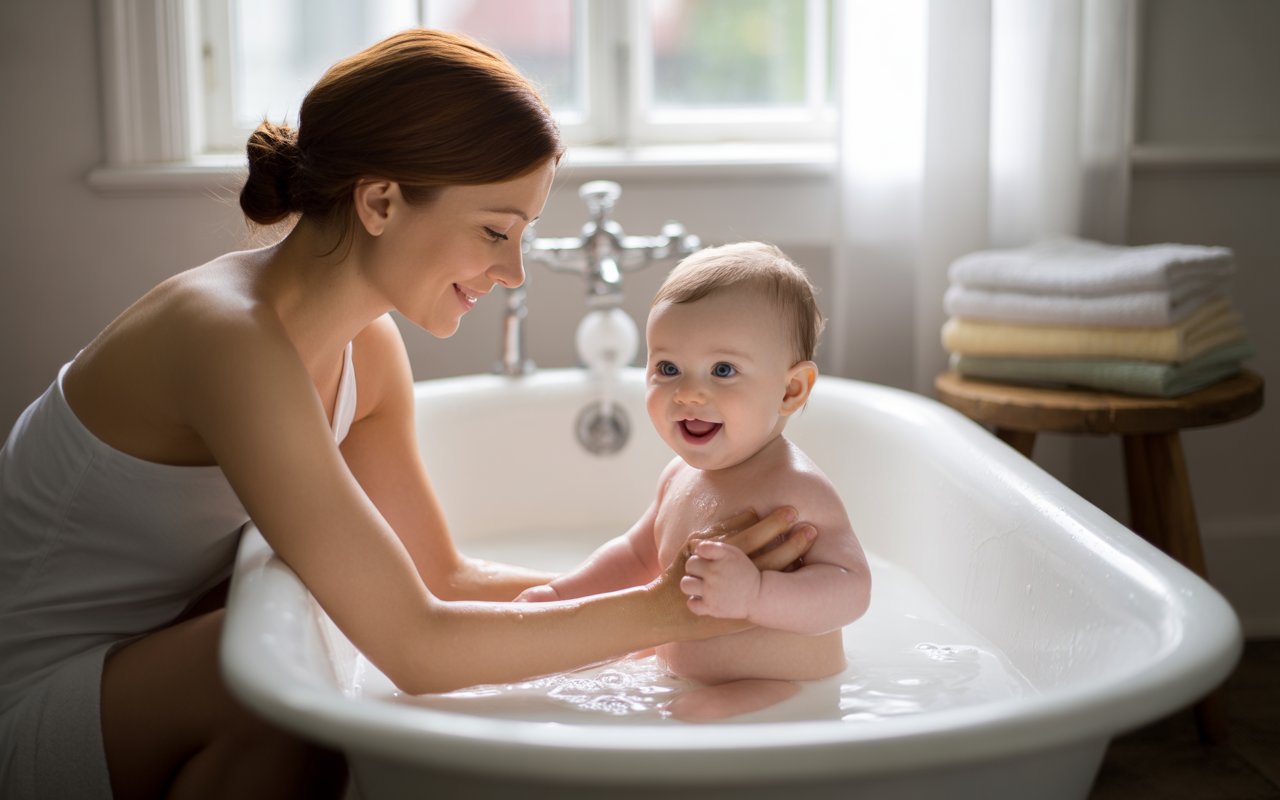
Starting a nighttime bath routine with your baby marks a significant milestone in establishing healthy sleep patterns and creating special bonding moments. Many new parents wonder about the perfect timing and frequency for introducing this calming ritual into their baby’s schedule. The transition from those first tentative sponge baths to confident nighttime soaking sessions happens gradually, with each family finding their own rhythm.
Nighttime baths offer more than just cleanliness – they signal to babies that bedtime approaches, helping their developing minds understand daily routines. The warm water relaxes tiny muscles after a day of growth and discovery, while the gentle splashing and parent interaction create positive associations with both bathing and sleeping. Research shows that babies who enjoy regular evening baths often develop stronger sleep patterns and experience less bedtime resistance as they grow.
Throughout the following sections, we’ll examine the optimal age to begin nighttime baths, how frequently your baby needs them, and the unique aspects that distinguish evening bathing from daytime sessions. You’ll discover practical strategies for establishing routines that work for your family, along with the numerous benefits this practice brings to both babies and parents. Continue reading to learn everything about creating the perfect nighttime bath experience for your little one.
- When Should You Start Nighttime Baths for Your Baby?
- How Often Should Babies Have Nighttime Baths?
- What Makes Nighttime Baths Different from Daytime?
- How to Establish a Successful Nighttime Bath Routine?
- What Are the Benefits and Considerations of Nighttime Bathing?
- Establishing a Nighttime Bath Routine
- Frequently Asked Questions
When Should You Start Nighttime Baths for Your Baby?
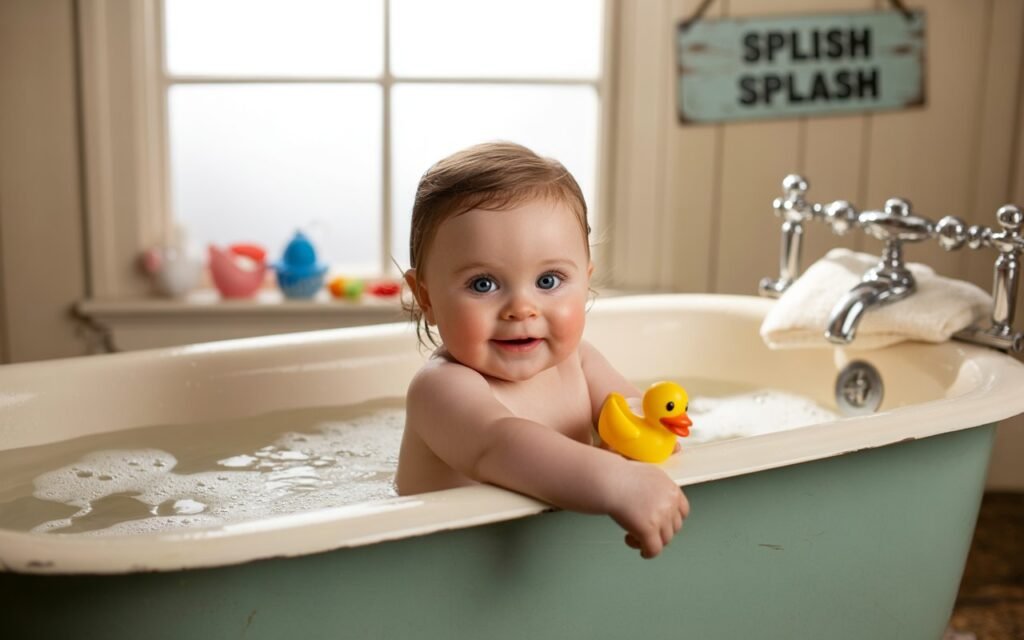
The journey toward regular nighttime baths begins differently for every baby, with several factors influencing the ideal starting point. Most pediatricians suggest waiting until the umbilical cord stump falls off completely and heals, typically occurring between one and three weeks after birth. During these early weeks, gentle sponge baths suffice for keeping your newborn clean while protecting the healing belly button area from excess moisture.
The Right Age to Begin
Once that umbilical cord stump disappears and the area looks healthy, you can introduce your baby to their first real bath experience. This milestone usually arrives around two to four weeks of age, though some babies might be ready slightly earlier or later. The key lies in observing your baby’s comfort level and ensuring their body can maintain proper temperature during bath time.
Starting nighttime baths doesn’t mean immediate full submersion. Many parents begin with shallow water baths, gradually increasing water levels as their baby grows more comfortable. By six to eight weeks, most babies enjoy the sensation of warm water surrounding their bodies, making this an ideal time to establish consistent evening bathing routines.
Signs Your Baby Is Ready
Your baby will display several indicators suggesting readiness for regular nighttime baths. Watch for steady head control development, even if still minimal – this shows improving muscle strength that helps during bathing. Notice whether your baby remains alert during early evening hours rather than becoming immediately fussy. Babies who stay wakeful between 6 PM and 8 PM often benefit from evening bath routines.
Physical cues matter too. If your baby’s skin appears healthy without excessive dryness or irritation, they can likely handle regular bathing. Babies who enjoy diaper changes and don’t mind being undressed typically adapt well to bath time. Additionally, if your little one seems interested in water during face washing or hand cleaning, they’re probably ready for fuller bathing experiences.
Medical Considerations
Certain medical conditions might affect when and how you introduce nighttime baths. Premature babies often need extra time before regular bathing begins, as their skin remains more delicate and their temperature regulation systems need additional development time. Consult your pediatrician about the appropriate timeline if your baby arrived early.
Skin conditions like eczema or severe dryness require modified bathing approaches. Rather than avoiding baths altogether, you might need shorter sessions with lukewarm water and specialized gentle cleansers. Some babies with reflux benefit from waiting at least 30 minutes after feeding before bathing to prevent discomfort or spitting up.
Safety Guidelines for Newborns
Safety remains paramount when introducing nighttime baths. Room temperature plays a crucial role – maintain the bathroom at approximately 75-80°F to prevent your baby from getting cold. Test water temperature with your elbow or a thermometer, aiming for around 100°F, which feels comfortably warm but not hot.
Never leave your baby unattended, even for seconds. Gather all supplies beforehand: towels, washcloths, clean clothes, and diapers should sit within arm’s reach. Use infant tubs designed for newborns, which provide better support and use less water than adult bathtubs. Keep one hand on your baby always, supporting their head and neck throughout the bath.
Consider these additional safety measures:
- Non-slip surfaces: Place rubber mats in and around the bathing area
- Water depth: Keep it shallow – just 2-3 inches for newborns
- Bath duration: Limit to 5-10 minutes initially
- Gentle products: Choose fragrance-free, hypoallergenic cleansers
- Soft materials: Use only soft washcloths and towels designed for babies
The transition period from sponge baths to tub baths requires patience. Some babies protest initially, finding the experience overwhelming. Start with shorter sessions, gradually extending bath time as comfort increases. Playing soft music or talking soothingly throughout helps many babies relax into this new routine.
Remember that every baby develops at their own pace. While guidelines suggest general timeframes, your baby’s individual needs and responses should guide your decisions about starting nighttime baths.
How Often Should Babies Have Nighttime Baths?
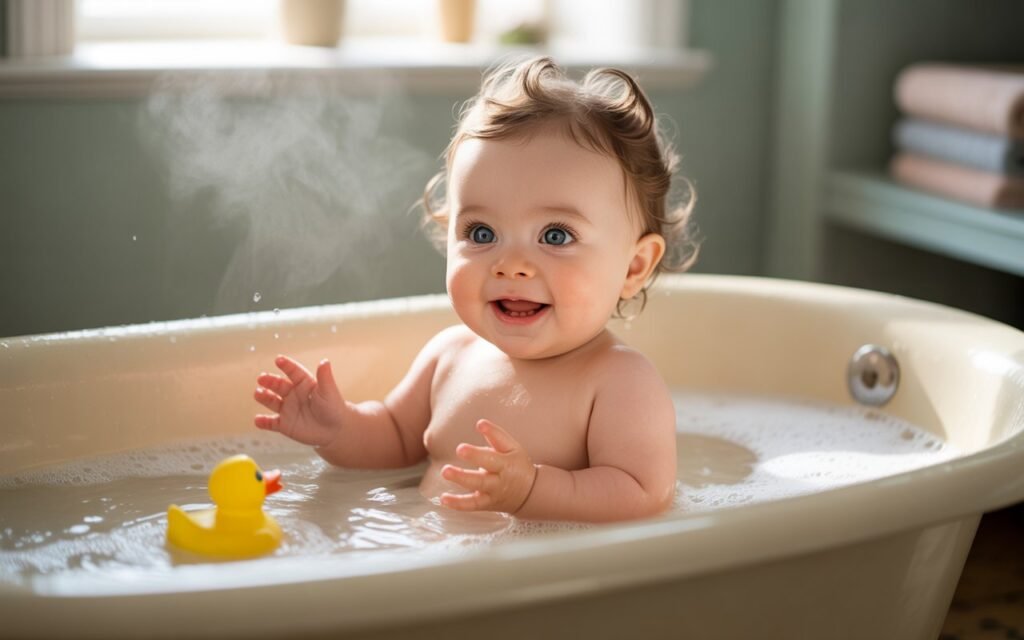
Determining the right bathing frequency for your baby involves balancing cleanliness needs with skin health considerations. Unlike adults who might shower daily, babies don’t require such frequent washing, especially during their first months of life. Their limited mobility means they don’t accumulate dirt and sweat the way older children do, making less frequent bathing perfectly acceptable and often preferable for maintaining healthy skin.
Frequency Recommendations by Age
Newborns up to three months old typically need baths just two to three times per week. Their delicate skin produces natural oils that protect against irritation and infection, and excessive washing strips away these beneficial substances. Focus bathing efforts on areas that actually get dirty: the diaper region, neck folds where milk might collect, and hands that increasingly find their way to the mouth.
Between three and six months, as babies become more active and start exploring solid foods, you might increase bathing to every other day or even daily if needed. This age brings new messes – from diaper blowouts to food experiments – that sometimes necessitate extra cleaning sessions. Still, unless your baby genuinely needs cleaning, three to four baths weekly usually suffice.
Once babies reach six months and beyond, daily nighttime baths often become practical and enjoyable. At this stage, many families find that consistent evening bathing helps establish predictable bedtime routines. Crawling babies encounter more dirt, and those eating finger foods create impressive messes that warrant regular cleaning.
Skin Type Considerations
Your baby’s skin type significantly influences optimal bathing frequency. Babies with naturally dry or sensitive skin benefit from less frequent bathing, perhaps twice weekly with spot cleaning between full baths. Watch for signs of dryness: flaking, rough patches, or redness after bathing suggest you might be washing too often or using water that’s too hot.
Conversely, babies with oilier skin or those prone to cradle cap might need more frequent washing to manage these conditions. Some babies develop heat rash or milk residue in skin folds that requires daily attention. Pay attention to how your baby’s skin responds to different bathing schedules and adjust accordingly.
Climate plays a role too. Babies living in humid environments might need more frequent baths to manage sweat and prevent rashes, while those in dry climates often require less washing to maintain skin moisture. Winter months typically call for reduced bathing frequency, while summer might necessitate additional quick rinses after particularly sweaty days.
Seasonal Adjustments
Summer brings unique bathing considerations. Hot weather increases sweating, even in young babies who don’t yet have fully developed sweat glands. Quick evening rinses help cool overheated babies and remove sunscreen residue. During these months, you might add brief morning rinses while maintaining regular nighttime bath routines.
Winter presents opposite challenges. Indoor heating systems dry the air, making baby skin more vulnerable to moisture loss. Reduce bath frequency during cold months, perhaps dropping to twice weekly full baths with daily spot cleaning. When you do bathe during winter, keep sessions brief and apply moisturizer immediately after patting dry.
Spring and fall offer moderate conditions where you can maintain consistent routines without seasonal modifications. These transitional seasons provide good opportunities to observe your baby’s baseline skin needs without extreme weather influences.
Special Circumstances
Certain situations call for adjusted bathing schedules regardless of your regular routine. Diaper rash flare-ups might benefit from daily baths using just warm water, allowing the affected area to soak and heal. Skip soap on irritated areas, and ensure complete drying before applying prescribed treatments.
During illness, bathing decisions depend on your baby’s symptoms and comfort. Fever might make a lukewarm bath soothing, while congestion could worsen with bathroom humidity. Some sick babies find baths comforting; others become more distressed. Follow your baby’s cues and your pediatrician’s guidance during these times.
Travel and schedule disruptions don’t require maintaining strict bathing routines. Missing a regular bath night won’t harm your baby. In fact, flexibility helps babies adapt to changing circumstances without distress. Pack travel-sized versions of familiar bath products to maintain some consistency when away from home.
Consider implementing this flexible schedule based on your observations:
- Daily areas: Face, hands, and diaper area need daily cleaning regardless of full bath frequency
- Spot cleaning: Address messes immediately rather than waiting for scheduled bath time
- Quick rinses: Sometimes a rapid rinse suffices instead of a full bath
- Dry brushing: Gentle brushing with a soft brush can remove dead skin between baths
- Moisturizing routine: Apply lotion whether or not you’ve bathed that day
The perfect bathing frequency varies among babies and might change as your child grows. What works at three months might need adjustment by six months. Stay flexible and responsive to your baby’s changing needs rather than adhering rigidly to schedules that no longer serve your family.
What Makes Nighttime Baths Different from Daytime?
Nighttime baths serve a fundamentally different purpose than their daytime counterparts, functioning as a bridge between active waking hours and peaceful sleep. While morning or afternoon baths focus primarily on cleanliness and play, evening baths become part of a larger wind-down process that signals the approaching end of the day.
Temperature and Timing Factors
The science behind nighttime bathing relates directly to body temperature regulation and its effect on sleep readiness. When babies soak in warm water, their body temperature rises slightly. After leaving the bath, this temperature drops, mimicking the natural cooling that occurs before sleep. This physiological response triggers drowsiness, making the transition to bedtime smoother.
Timing becomes crucial for maximizing this effect. Schedule baths approximately 30 to 60 minutes before your intended bedtime. This window allows enough time for the temperature drop to occur while your baby remains calm and drowsy. Starting too early might result in a second wind of energy, while bathing too late could mean dealing with an overtired, cranky baby.
Water temperature for nighttime baths should lean slightly warmer than daytime sessions – around 100-101°F versus 98-99°F. This subtle difference enhances the relaxation response without making your baby uncomfortably hot. Always test with your elbow or thermometer, as water that feels pleasant to adult hands might be too warm for sensitive baby skin.
Creating a Calming Environment
The bathroom atmosphere during evening baths should differ noticeably from daytime bathing environments. Dim the lights or use soft nightlights instead of bright overhead fixtures. This reduced lighting helps trigger melatonin production, the hormone responsible for sleep regulation. Some parents find that battery-operated LED candles provide perfect ambient lighting without safety concerns.
Sound plays an important role in setting the evening mood. Rather than energetic singing or animated toy sounds common during morning baths, opt for gentle humming, soft lullabies, or white noise. Many babies respond well to the sound of running water itself, finding the consistent rhythm soothing. Keep voices low and movements deliberate rather than playful.
Remove stimulating bath toys that might encourage active play. Instead, offer simple items like rubber ducks or cups for gentle pouring. The goal isn’t entertainment but rather quiet engagement that maintains calmness. Some babies do best with no toys at all during nighttime baths, focusing instead on the sensory experience of warm water.
Post-Bath Routines
What happens immediately after nighttime baths matters as much as the bathing itself. Have a warm towel ready – some parents warm them in the dryer for extra comfort. Wrap your baby immediately upon leaving the water, maintaining that cozy, secure feeling. Pat dry gently rather than rubbing vigorously, which might stimulate rather than soothe.
The post-bath massage has become a cherished part of many families’ routines. Using gentle, unscented lotion, spend five to ten minutes massaging your baby’s limbs, back, and tummy. This skin-to-skin contact releases oxytocin in both parent and baby, strengthening bonds while promoting relaxation. Research indicates that babies who receive regular massages often sleep longer and cry less.
Dressing for sleep should happen in the nursery rather than the bathroom, maintaining the quiet transition. Choose comfortable sleepwear appropriate for room temperature, avoiding anything too warm that might disrupt sleep. Many parents find sleep sacks helpful for maintaining consistent temperature throughout the night.
Sleep Association Benefits
Regular nighttime baths help babies develop positive sleep associations that last well into childhood. The predictable sequence – bath, massage, dressing, feeding, bed – becomes a powerful sleep cue. Babies begin anticipating sleep as soon as bath time starts, making the entire bedtime process smoother.
This conditioning effect strengthens over time. After several weeks of consistent nighttime bathing, many parents report their babies showing signs of drowsiness just from hearing bath water running. These learned associations prove particularly valuable during sleep regressions, travel, or other disruptions to normal routines.
The multisensory nature of bathing creates especially strong associations. The combination of warm water, gentle touch, familiar scents, and quiet sounds forms a complex sleep cue that’s difficult to ignore. This explains why many toddlers and young children continue requesting baths as part of their bedtime routine long after they’ve outgrown other baby sleep aids.
Daytime baths lack these carefully orchestrated elements. Morning baths often prepare babies for active days, using cooler water and brighter environments to promote alertness. Afternoon baths might address specific messes or provide entertainment during fussy periods. Neither carries the sleep-promoting intentions of nighttime bathing.
The distinction between nighttime and daytime baths extends beyond practical differences to psychological impacts. Evening baths offer dedicated parent-child time free from daily distractions. Phones stay outside the bathroom, siblings might already be in bed, and the focus narrows to just parent and baby. This undivided attention strengthens attachment bonds while providing babies with emotional security before sleep.
How to Establish a Successful Nighttime Bath Routine?
Building a consistent and enjoyable nighttime bath routine requires thoughtful planning and gradual implementation. Success comes from understanding your baby’s unique preferences while maintaining enough structure to create predictability. The process of establishing this routine might take several weeks, but the investment pays dividends in easier bedtimes and better sleep quality.
Essential Supplies and Setup
Organization transforms potentially stressful bath times into smooth, enjoyable experiences. Create a dedicated bath station where everything needed sits within easy reach. This prevents dangerous situations where you might need to leave your baby unattended to grab forgotten items. Stock your station with multiple towels, washcloths, and several changes of clothes in case of unexpected messes.
Your bathing vessel choice matters significantly. Infant tubs work well for babies up to six months, providing secure support and using minimal water. Kitchen sinks offer another option, placing babies at comfortable heights for parents’ backs. Once babies can sit independently, usually around six months, regular bathtubs become suitable with proper supervision and non-slip mats.
Keep bath products minimal and gentle. A mild, fragrance-free cleanser suffices for most babies, used sparingly two or three times weekly. Plain warm water cleanses effectively on other nights. Store products in a caddy or basket that moves easily between storage and tub-side, maintaining bathroom organization while ensuring accessibility.
Temperature monitoring tools prevent accidents and discomfort. Bath thermometers remove guesswork, though your elbow remains a reliable testing method. Room thermometers help maintain comfortable air temperatures, preventing rapid cooling when babies leave warm water. Some parents appreciate bath toys that change color when water becomes too hot, providing visual safety cues.
Step-by-Step Bath Process
Start by preparing the bathroom environment before bringing your baby to the space. Run the bath water first, testing temperature carefully. Lay out the towel, diaper, and sleepwear in the order you’ll need them. This preparation prevents fumbling later when handling a wet, possibly squirmy baby.
Undressing happens gradually for sensitive babies who dislike sudden temperature changes. Remove clothing layer by layer, maintaining skin contact throughout. Some babies prefer keeping their diaper on until the last moment, while others enjoy a brief period of diaper-free time before bathing.
Here’s an effective washing sequence many parents find helpful:
- Face first: Use plain water and a soft cloth, wiping from inside to outside around eyes
- Hair and scalp: Support the head carefully while pouring small amounts of water
- Body washing: Start with chest and arms, then back, leaving diaper area for last
- Gentle rinsing: Use a cup or washcloth to remove soap without overwhelming baby
- Final comfort check: Ensure all soap is removed from skin folds and creases
Throughout washing, maintain conversation or soft singing. Your voice provides comfort and distraction if your baby feels uncertain. Describe what you’re doing in soothing tones: “Now we’re washing your tiny toes” or “The warm water feels nice on your tummy.” This narration helps babies understand and anticipate each step.
Common Challenges and Solutions
Many babies initially resist bath time, crying or appearing distressed during early attempts. This reaction doesn’t mean abandoning nighttime baths but rather adjusting your approach. Start with shorter sessions – even two or three minutes can establish the routine. Gradually extend duration as comfort increases.
Water temperature sensitivity affects numerous babies. Some prefer warmer water than safety guidelines suggest, while others want barely lukewarm temperatures. Within safe ranges, experiment to find your baby’s preference. Adding warm water gradually during the bath maintains comfortable temperatures without startling your baby.
Fear of water in the face causes significant distress for some babies. Avoid pouring water directly over their heads initially. Instead, use a damp washcloth to clean the scalp and hair. Special rinse cups with rubber edges can help direct water away from the face when your baby grows ready for more thorough rinsing.
Slippery, squirmy babies present safety challenges, especially as they grow stronger and more mobile. Bath seats provide temporary solutions for babies who can sit but remain unstable. Never rely entirely on these devices – maintain constant hand contact. Some parents find textured bath mats or towels placed in tub bottoms provide better grip.
The transition from small infant tubs to regular bathtubs often triggers temporary setbacks. The larger space might frighten babies accustomed to cozy infant tubs. Ease this transition by placing the infant tub inside the regular tub initially, then gradually introducing the larger space over several weeks.
Making Bath Time Enjoyable
Fun elements transform bath time from a chore into an anticipated daily highlight. Simple games like pouring water from cups, making gentle splashes, or blowing bubbles (from your mouth, not soap bubbles) entertain without overstimulation. Remember that enjoyment should remain calm rather than exciting to preserve the bedtime preparation purpose.
Bath toys deserve careful consideration. Choose items specifically designed for babies, avoiding anything with small parts or holes that might harbor mold. Rubber ducks, stacking cups, and floating boats provide adequate entertainment without overwhelming. Rotate toys periodically to maintain interest without introducing too many novel stimuli at bedtime.
Music enhances the experience for many families. Create a specific playlist of calming songs that play during bath time. Over time, these melodies become part of the sleep association process. Avoid screens or electronic toys with lights that might interfere with the winding-down process.
Involve other family members when possible, making bath time a special bonding opportunity. Partners who work late might handle bath duties as their primary bedtime contribution. Older siblings can help by singing songs or handing supplies, though supervision remains essential. These shared experiences create lasting family memories while distributing childcare responsibilities.
What Are the Benefits and Considerations of Nighttime Bathing?
The practice of nighttime bathing extends far beyond basic hygiene, offering numerous developmental and emotional advantages for growing babies. Understanding both the benefits and potential drawbacks helps parents make informed decisions about incorporating this routine into their family’s schedule. The impacts of regular evening baths ripple through multiple aspects of infant development and family dynamics.
Sleep Quality Improvements
Scientific research consistently demonstrates that babies who enjoy regular nighttime baths typically experience improved sleep patterns. The physiological response to warm water immersion, followed by the cooling period afterward, naturally triggers the body’s sleep mechanisms. This process increases melatonin production while decreasing cortisol levels, creating ideal conditions for restful sleep.
Beyond immediate drowsiness, nighttime baths contribute to longer sleep duration and fewer night wakings. Babies learn to associate the bathing routine with sleep preparation, making the transition from wakefulness to sleep more predictable. Parents frequently report that babies who resist bedtime become more cooperative when baths precede sleep, reducing bedtime battles that exhaust entire families.
The routine aspect itself provides psychological benefits. Babies thrive on predictability, and knowing what comes next reduces anxiety. When the sequence remains consistent – dinner, bath, story, bed – babies feel secure and controlled, despite having no actual control over their environment. This security translates into calmer bedtimes and more settled sleep throughout the night.
Studies indicate that improved infant sleep correlates with better parental sleep and mental health. Parents of babies with established nighttime bath routines report feeling more rested and less stressed about bedtime. This positive cycle benefits entire households, as well-rested parents demonstrate more patience and emotional availability during daytime interactions.
Bonding Opportunities
Nighttime baths create unique bonding moments between parents and babies. The combination of warm water, gentle touch, and focused attention releases oxytocin in both parties, strengthening emotional connections. These hormonal responses occur regardless of which parent handles bath duties, making this an excellent opportunity for working parents to establish strong bonds despite limited daytime availability.
The intimate nature of bathing encourages communication development. Parents naturally narrate their actions, sing songs, and respond to baby’s vocalizations during bath time. This consistent verbal interaction supports language development while reinforcing the parent-child relationship. Babies often become more vocal during baths, practicing sounds in the echo-friendly bathroom environment.
Physical touch during bathing and post-bath massage provides crucial sensory input for developing nervous systems. Gentle washing stimulates nerve endings, while water resistance offers proprioceptive feedback that helps babies understand their body boundaries. These sensory experiences support both physical and emotional development, particularly for babies who spend significant time in car seats or containers during the day.
Eye contact happens naturally during bathing, as parents must watch babies carefully for safety. This sustained visual connection strengthens attachment bonds and helps babies learn to read facial expressions. The relaxed atmosphere allows for playful expressions and gentle interactions that might not occur during busier daytime activities.
Potential Drawbacks
Despite numerous benefits, nighttime bathing presents certain challenges worth considering. Daily bathing can dry sensitive baby skin, particularly during winter months or in dry climates. Even gentle cleansers strip natural oils when used too frequently, potentially causing irritation, eczema flares, or general discomfort that ironically disrupts sleep.
Some babies find baths stimulating rather than calming, becoming more alert and playful in water. These babies might benefit from morning or afternoon baths instead, with different calming activities preceding bedtime. Forcing nighttime baths on babies who respond poorly creates negative associations that persist into toddlerhood.
Practical considerations affect many families’ ability to maintain consistent nighttime bath routines:
- Schedule conflicts: Working parents might struggle with timing when commutes delay arrival home
- Multiple children: Coordinating baths for several children can become logistically challenging
- Travel disruptions: Maintaining routines while traveling proves difficult
- Illness periods: Sick babies might resist or be unable to bathe regularly
- Utility costs: Daily baths increase water and heating expenses
The pressure to maintain perfect routines can stress parents unnecessarily. Missing occasional baths doesn’t harm babies or destroy established sleep patterns. Flexibility remains important for sustainable family routines that accommodate real-life complications.
Alternative Options
Families unable or choosing not to implement nightly baths have several alternative options for creating calming bedtime routines. Warm washcloth wipe-downs provide some temperature regulation benefits without full immersion. Focus on face, hands, and diaper area while maintaining the quiet, focused attention that makes bath time special.
Infant massage without bathing offers similar bonding and relaxation benefits. Using unscented lotion or oil, spend 10-15 minutes gently massaging baby’s limbs and torso. This alternative works particularly well for babies with skin conditions that worsen with frequent bathing.
Some families alternate between full baths and “dry baths” – going through all bedtime routine motions without actual water. This maintains routine predictability while protecting sensitive skin. Babies often accept this variation once patterns establish, especially if other elements like dimmed lights and quiet voices remain consistent.
Consider partial baths focusing on truly dirty areas while leaving the rest of baby’s body unwashed. Feet, hands, and diaper areas typically need daily cleaning, while arms, legs, and torso can go several days without soap. This compromise maintains hygiene without over-drying skin.
For families preferring morning or afternoon baths, establish different nighttime rituals that provide similar winding-down benefits. Reading stories, playing quiet music, or simply rocking in a dim room can signal sleep time effectively. The key lies in consistency rather than specific activities.
Establishing a Nighttime Bath Routine
Establishing a nighttime bath routine represents one of many parenting decisions that shape your family’s daily rhythm. The journey from those first tentative baths to confident, enjoyable evening rituals unfolds gradually, with each family discovering their own perfect approach. Whether you bathe your baby nightly or just twice weekly, the key lies in creating consistent, calm experiences that support healthy sleep patterns and strengthen parent-child bonds.
Remember that flexibility serves families better than rigid adherence to any single approach. Your baby’s needs will shift as they grow, and what works beautifully at three months might require adjustment by six months. Trust your instincts, observe your baby’s responses, and modify routines as needed. The perfect nighttime bath routine is simply the one that works for your unique family situation, supporting both baby’s development and parents’ well-being.
Frequently Asked Questions
Q: Can I bathe my baby every night if they have eczema?
A: Babies with eczema can have nightly baths, but you’ll need to modify your approach. Use lukewarm water, limit bath time to 5-10 minutes, skip soap on unsoiled areas, and apply prescribed moisturizers immediately after patting dry. Many dermatologists actually recommend daily baths for eczema when done correctly.
Q: What if my baby screams during every bath attempt?
A: Start with very brief sessions – even 30 seconds of water contact counts. Gradually increase duration as your baby adjusts. Try different water temperatures, ensure the room is warm enough, and consider bathing with your baby initially. Some babies prefer showers with a parent over traditional baths.
Q: Should I wake my baby for their regular bath time if they fall asleep early?
A: Never wake a sleeping baby just for a bath. Sleep takes priority over bathing routines. Simply skip that night’s bath or do a gentle wipe-down when your baby naturally wakes for feeding. Consistency matters, but flexibility prevents unnecessary stress.
Q: How long should nighttime baths last?
A: Newborns need just 5-10 minutes in water, while older babies can enjoy 15-20 minute baths. Watch for signs of cooling like shivering or blue lips. The entire routine, including undressing, bathing, drying, and dressing, typically takes 20-30 minutes total.
Q: Can I use bubble bath or bath bombs for my baby?
A: Avoid bubble baths and bath bombs for babies under 12 months. These products often contain fragrances and chemicals that irritate sensitive skin or cause urinary tract infections. Stick with plain water or gentle, fragrance-free baby cleansers.
Q: What water depth is safe for different ages?
A: For newborns to 6 months, use just 2-3 inches of water. Once babies can sit unassisted, you can increase to 4-5 inches – about waist-high when seated. Never fill the tub higher than baby’s waist level, regardless of age.
Q: Is it okay to skip the bath if we’re having a rough day?
A: Absolutely. Missing occasional baths won’t harm your baby or ruin established routines. On difficult days, a simple face and hand wipe might suffice. Parental stress affects babies more than missed baths, so prioritize everyone’s emotional well-being.
Q: When can siblings bathe together at night?
A: Once your baby can sit independently (usually 6-8 months), supervised sibling baths become possible. Ensure the older child understands gentle behavior, never leave them unattended, and maintain appropriate water temperature and depth for the youngest bather.