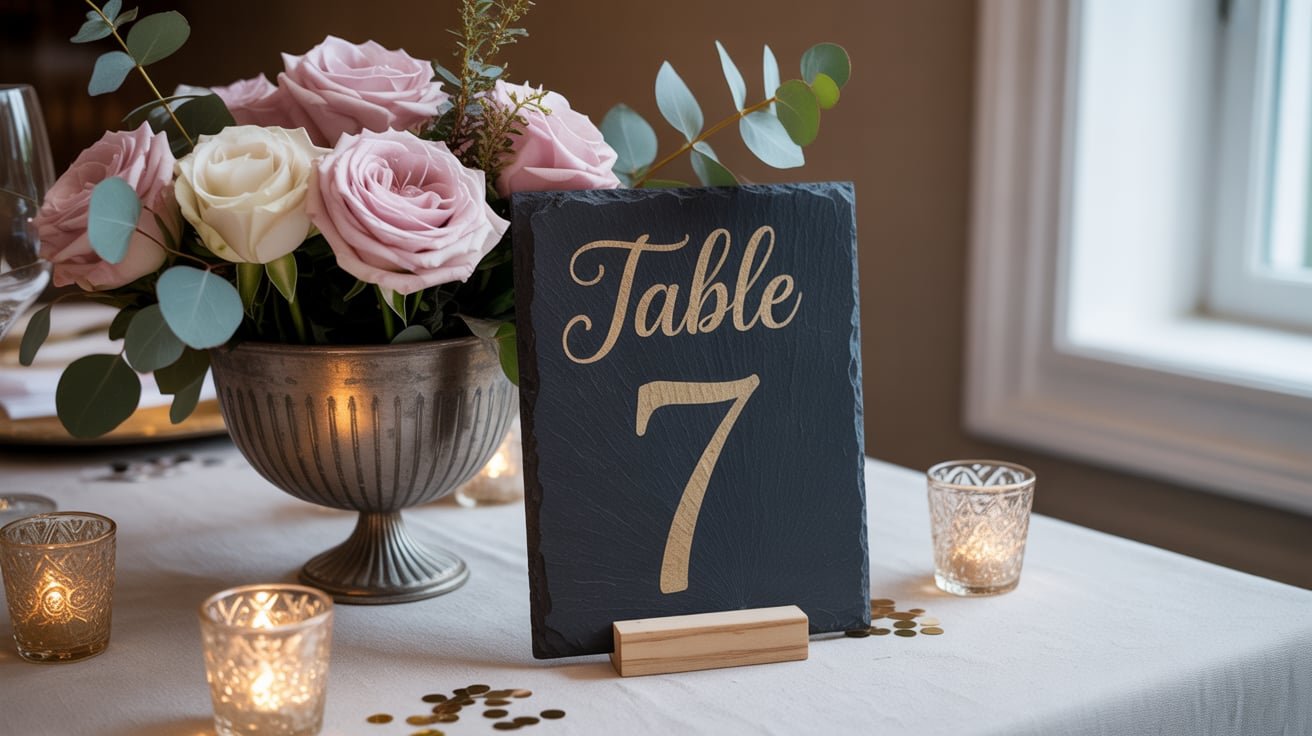
Wedding table numbers might seem like a small detail in the grand scheme of planning your celebration, but they play a surprisingly significant role in both the aesthetic and functionality of your reception. These seemingly simple elements guide guests to their seats while contributing to the overall visual story of your wedding day. The right table numbers can elevate your tablescape from ordinary to extraordinary, creating memorable moments before dinner even begins.
Gone are the days when a simple tent card with a printed number sufficed for elegant weddings. Today’s couples are discovering that table numbers offer another opportunity to infuse personality and style into their celebrations. From minimalist acrylic designs to elaborate floral installations, the options for creating sophisticated table markers have expanded dramatically. The key lies in selecting designs that feel intentional rather than afterthought, pieces that guests might actually photograph or even want to take home as keepsakes.
The good news is that achieving a classy look doesn’t require an unlimited budget or professional design skills. Whether you’re drawn to modern simplicity or romantic vintage charm, there are countless ways to create table numbers that feel special and polished. In the following sections, we’ll explore what separates truly elegant table numbers from the ordinary, discover materials and display methods that make a statement, and learn how to execute these ideas whether you’re crafting them yourself or working with vendors. Ready to transform those functional numbers into design elements worth admiring?
What Makes Table Numbers Truly Classy

Table numbers walk a fine line between being functional wayfinding tools and decorative elements. The most successful designs manage to be easily visible from a distance without dominating the tablescape or competing with centerpieces. Size plays a crucial role here – numbers should be large enough to read from several feet away but proportioned appropriately to your table size and other decor elements.
Consider the viewing angle too. Numbers positioned flat on tables might look beautiful in overhead photos but prove challenging for guests to spot while walking through the reception space. Elevated designs at eye level or slightly below typically work best, allowing guests to scan the room efficiently without crouching or circling tables.
Typography and font choices that elevate design
The font you select speaks volumes about your wedding style and sets the tone for your entire reception aesthetic. Classic serif fonts convey timeless elegance, while clean sans-serif options feel fresh and modern. Script fonts can add romance, but legibility should always take priority over elaborate flourishes.
Mixing fonts can create visual interest when done thoughtfully. Perhaps combine a decorative script for the word “table” with bold, simple numerals for clarity. Whatever you choose, consistency across all tables creates a cohesive, professional appearance that guests will notice and appreciate.
The weight and spacing of your chosen typography matter just as much as the font itself. Numbers with appropriate breathing room feel more luxurious than cramped designs. Bold weights photograph better and remain visible in dimly lit reception spaces, while delicate thin fonts might disappear entirely once the lights dim for dancing.
Color palettes that complement without overwhelming
Your table number colors should enhance rather than compete with your overall wedding palette. Monochromatic schemes using varying shades of a single color feel sophisticated and intentional. Metallic tones like gold, silver, copper, or rose gold add glamour without introducing competing colors.
Contrast becomes your friend when ensuring readability. Dark numbers on light backgrounds or vice versa create the visual pop needed for functionality. However, this doesn’t mean defaulting to basic black and white. Deep navy on cream, copper on blush, or gold on ivory all provide sufficient contrast while maintaining an elevated aesthetic.
Consider how your chosen colors will look in different lighting conditions throughout your reception:
Natural Light: Colors appear truest during cocktail hour or afternoon receptions
Candlelight: Warm metallics and deep jewel tones gain richness and depth
Uplighting: Cool colors might shift unexpectedly, so test combinations beforehand
Low Light: High contrast becomes essential for visibility during evening celebrations
Size and scale considerations for different venues
The dimensions of your reception space directly influence appropriate table number sizing. Ballrooms with soaring ceilings can handle taller, more dramatic numbers that might overwhelm an intimate garden party setting. Similarly, long banquet tables require different proportions than round tables for eight.
Standard table numbers typically range from 4 to 12 inches in height, but there’s no universal rule. Instead, consider the distance between tables and typical sightlines in your venue. Outdoor settings might need larger numbers to remain visible across lawn expanses, while cozy restaurant receptions could use more modest proportions.
The thickness or depth of your numbers affects their presence too. Dimensional numbers cast interesting shadows and feel substantial, while flat designs can appear more delicate and refined. Three-dimensional options also offer the advantage of being visible from multiple angles, helpful in venues with unconventional layouts.
Test your chosen size by creating a paper mockup and viewing it in a similar space. What looks perfectly proportioned in your living room might get lost in a vast reception hall. Better to discover this during planning than on your wedding day when guests struggle to locate their assigned tables.
Premium Materials That Transform Simple Numbers

Transparent materials bring contemporary elegance to table numbers without adding visual weight to your tablescapes. Acrylic offers durability and endless customization possibilities, from crystal-clear designs that seem to float to frosted versions that diffuse light beautifully. Laser cutting technology allows for precise edges and intricate details that would be impossible with traditional materials.
Glass provides an even more luxurious feel, though it requires careful handling. Etched or sandblasted numbers on glass panels create subtle texture that catches light differently throughout your reception. Some couples opt for colored glass in smoky grays or subtle amber tones that coordinate with their color schemes while maintaining transparency.
Layering becomes particularly effective with these materials. Consider backing clear acrylic with metallic paper or pressing dried flowers between two glass panels for added dimension. These combinations feel both modern and romantic, perfect for couples who can’t choose between contemporary and traditional aesthetics.
Metal finishes from gold leaf to brushed copper
Metallic table numbers instantly elevate any tablescape with their inherent luxe appeal. Gold leaf application on wood or cardstock creates an opulent effect at a fraction of the cost of solid metal pieces. The slightly imperfect edges and variations in coverage actually enhance the artisanal quality, making each number feel special rather than mass-produced.
Laser-cut metal numbers in brass, copper, or steel make bold statements while remaining surprisingly delicate. These pieces can stand alone as sculptural elements or be incorporated into floral arrangements. Patinated finishes add character and work particularly well for vintage-inspired or industrial-chic celebrations.
For subtler metallic touches, consider foil stamping on heavy cardstock or wood. This technique provides the glamour of metal without the weight or expense. Rose gold foil on blush paper, silver on deep navy, or copper on forest green all create sophisticated combinations that photograph beautifully.
Natural materials like wood and stone
Wood brings warmth and organic texture that softens formal table settings. Live-edge slices showcase natural grain patterns, while smooth-sanded pieces provide clean canvases for painted or burned numbers. Different wood types offer varying aesthetics – birch feels Scandinavian and minimal, walnut adds richness, and driftwood brings coastal charm.
Stone and marble introduce timeless elegance with their unique veining and cool surfaces. Numbers can be etched directly into stone tiles or painted on for contrast. Agate slices with naturally occurring patterns make each table number completely unique, though finding enough similar-sized pieces for larger weddings might prove challenging.
Paper and calligraphy for timeless elegance
Never underestimate the impact of beautiful paper and expertly executed calligraphy. Handmade paper with deckled edges feels infinitely more special than standard cardstock. Cotton paper accepts ink differently than wood pulp varieties, creating softer edges that feel romantic and organic.
Professional calligraphy transforms simple numbers into works of art. Each style conveys different moods:
Modern Calligraphy: Casual elegance with intentional imperfections
Copperplate: Formal and traditional with precise angles
Brush Lettering: Bold and contemporary with dramatic thick-to-thin transitions
Spencerian: Ornate and vintage-inspired with elaborate flourishes
The combination of premium paper and hand lettering creates heirloom-quality pieces that some guests might actually request to keep. Consider having your calligrapher create duplicate sets if you want to preserve a complete collection as a wedding memento.
Unexpected materials that add personality
Thinking beyond traditional materials opens up creative possibilities that reflect your unique story as a couple. Pressed botanicals between glass plates bring garden party charm, while vintage books with numbers attached to spines appeal to literary couples. Embroidered numbers on linen stretched over hoops add textile interest perfect for bohemian celebrations.
Mirror surfaces create drama by reflecting candlelight and centerpiece elements. Leather with embossed numbers feels unexpected yet sophisticated. Even unconventional materials like concrete or resin can be elevated with proper execution and thoughtful finishing touches.
Wine corks assembled into numbers work wonderfully for vineyard weddings, while sea glass or shells formed into numerals suit beachside celebrations. The key lies in professional execution – these creative ideas need polished presentation to avoid looking crafty or amateur.
Display Methods That Command Attention
The choice between independent table numbers and those incorporated into centerpieces shapes your entire reception aesthetic. Freestanding frames offer flexibility in positioning and can be easily moved if needed during the event. They create vertical interest without competing with floral arrangements and can be positioned for optimal visibility regardless of centerpiece height.
Integrated designs streamline your tablescape by combining functional and decorative elements. Numbers might nestle within floral arrangements, attach to candelabras, or form part of terrarium displays. This approach feels intentional and cohesive, though it requires careful coordination with your florist or decorator to ensure numbers remain visible once arrangements are complete.
Consider how each approach affects your setup timeline too. Standalone pieces can be placed quickly by venue staff, while integrated designs might require your florist’s expertise. Some couples choose a hybrid approach, with numbers that can stand independently but are designed to complement centerpiece elements perfectly.
Height variations for visual interest
Playing with different heights prevents your reception space from feeling flat or predictable. Not every table number needs to sit at the same level – variation creates rhythm and movement across the room. Tall stands might mark VIP tables or create focal points, while lower numbers maintain intimacy at family tables.
Mix heights thoughtfully rather than randomly. Perhaps alternate between two or three standard heights, or gradually increase heights as numbers progress. This creates intentional patterns that feel designed rather than haphazard. Just ensure that your tallest options don’t obstruct conversation across the table.
Wedding planners often suggest keeping numbers between 6 and 14 inches tall for optimal visibility without interference. However, dramatic 18-inch designs can work beautifully for cocktail tables or sweetheart table markers. The key lies in proportional balance with other table elements.
Lighting techniques that highlight numbers
Strategic illumination transforms ordinary table numbers into glowing focal points once evening falls. Battery-operated LED lights hidden within or behind translucent materials create ethereal effects without visible cords. Fairy lights wrapped around wire numbers add whimsy, while spotlights directed at metallic surfaces create dramatic shadows.
Candles remain timelessly elegant for highlighting table numbers. Votive clusters around number bases cast warm, flickering light. Taper candles in matching holders flanking numbers create symmetrical elegance. For safety, consider LED candles that provide similar ambiance without fire concerns.
Some couples incorporate numbers into luminaries or light boxes for built-in illumination. Backlit acrylic glows beautifully, while paper numbers in front of candles create shadow play. Test these effects during your venue walkthrough to ensure they’ll work with existing lighting conditions.
Creative holders and bases that double as decor
The support system for your table numbers offers another opportunity for creativity and style. Vintage brass picture holders, geometric metal stands, or carved wood bases all contribute to your overall aesthetic while serving practical purposes. These elements can echo architectural details in your venue or complement other reception decor.
Natural elements make particularly interesting bases. A smooth river rock with a slit cut for card insertion feels organic and grounding. Copper pipes assembled into modern sculptures hold numbers while adding industrial edge. Antique doorknobs or crystal paperweights bring unexpected glamour.
Purpose-made holders in interesting materials prevent the “office supply” look of basic metal stands:
Concrete Blocks: Modern and minimal with customizable shapes
Crystal Points: Mystical and elegant with natural variations
Brass Animals: Whimsical yet sophisticated conversation starters
Marble Bookends: Classic and substantial with beautiful veining
Driftwood Pieces: Coastal charm with organic, sculptural forms
Your chosen holders might even become part of your table gifts. Guests could take home beautiful frames or decorative stands as favors, with table numbers becoming keepsakes of your celebration.
DIY Approaches That Look Professional
Creating wedding table numbers yourself doesn’t mean settling for amateur-looking results. The right tools make all the difference between homemade charm and handmade elegance. A high-quality paper cutter creates clean, straight edges that scissors simply can’t achieve. Invest in one good cutting tool rather than struggling with inadequate equipment that leaves ragged edges.
Adhesives matter more than most people realize. Rubber cement, double-sided tape specifically designed for paper crafts, and clear-drying craft glue all serve different purposes. Avoid standard white school glue that can cause paper to wrinkle or show through delicate materials. For dimensional projects, a hot glue gun with variable temperature settings prevents melting delicate materials while ensuring strong bonds.
Quality materials elevate even simple designs. Premium cardstock in weights of 100lb or higher feels substantial and stands properly without flopping. If working with wood, choose pieces that are already smoothly sanded to save time and ensure professional finish. When selecting paint, opt for brands with good coverage to avoid streaky, uneven applications that immediately signal amateur work.
Step-by-step techniques for different skill levels
Starting with your skill level and building complexity gradually leads to better results than attempting advanced techniques immediately. Begin with simple concepts executed flawlessly rather than complicated designs done poorly. Even basic printed numbers look elegant when using beautiful fonts, quality paper, and careful mounting.
For moderate crafters, adding single embellishments transforms basic designs. Perhaps incorporate one special technique per number – a touch of gold leaf, a wax seal, or carefully placed pressed flower. These focused additions feel intentional rather than cluttered, maintaining sophistication while adding personality.
Advanced creators might combine multiple techniques, but restraint still matters. Layer transparent materials with painted backgrounds, combine hand lettering with laser cutting, or merge natural elements with metallic accents. The goal remains elegance rather than complexity for its own sake.
Batch processing saves time and ensures consistency. Complete all cutting first, then all painting, then all assembly. This approach prevents mistakes from switching between different tasks and helps maintain uniform results across all tables.
Common mistakes that make DIY look amateur
Inconsistency between table numbers immediately reveals amateur execution. Variations in size, color intensity, or positioning make even well-designed numbers look homemade rather than handcrafted. Create templates and use guides to ensure every piece matches perfectly.
Poor proportion ruins otherwise beautiful designs. Numbers too small for their frames, text cramped into corners, or decorative elements that overwhelm the numerals all signal lack of planning. Sketch designs to scale before beginning, and create paper prototypes to test proportions.
Visible construction methods destroy illusion of professionalism. Glue seeping from edges, crooked mounting, or fingerprints on metallic surfaces distract from your design. Work in good lighting with clean hands, and allow adequate drying time between steps.
Ignoring practical considerations leads to problems during your reception:
Weight Distribution: Top-heavy designs that tip over easily
Weather Resistance: Paper numbers for outdoor weddings without protection
Transport Planning: Delicate designs without proper storage solutions
Assembly Instructions: Complicated setups without clear guidance for venue staff
When to splurge versus when to save
Certain elements deserve investment while others offer easy savings without sacrificing quality. Splurge on materials that directly affect appearance – premium paper, quality paint, or genuine gold leaf. These visible elements determine whether your numbers look expensive or cheap regardless of actual cost.
Save on tools you’ll use only once by borrowing or renting instead of purchasing. Many craft stores rent die-cutting machines or specialty tools. Local makerspaces often provide access to laser cutters or professional printing equipment for small fees. These resources let you achieve professional results without major equipment investments.
Consider time value when deciding between DIY and purchasing components. Spending hours hand-cutting intricate designs might not make sense if laser-cutting services cost marginally more. Sometimes paying for professional printing or cutting while handling assembly yourself provides the best balance of customization and efficiency.
Materials with forgiveness for mistakes deserve investment. Quality acrylic can be cleaned and reused if you make painting errors. Premium cardstock handles multiple score attempts better than cheap alternatives. These materials reduce waste and frustration, ultimately saving money despite higher initial costs.
Factor in stress levels too. If creating table numbers becomes overwhelming weeks before your wedding, purchasing some elements or simplifying designs preserves your sanity. The goal remains enjoying your celebration, not proving crafting prowess at the expense of your wellbeing.
Final Touches for Timeless Table Numbers
Creating truly classy wedding table numbers requires thoughtful consideration of every element, from materials and typography to display methods and execution quality. The most memorable designs feel intentional and cohesive with your overall celebration while maintaining their practical purpose of guiding guests efficiently.
Whether you choose minimalist acrylic, romantic calligraphy, or unexpected creative materials, the key lies in polished presentation and attention to detail. Your table numbers should feel like natural extensions of your wedding aesthetic rather than functional afterthoughts, contributing to the visual story of your special day while serving their essential wayfinding role.
Frequently Asked Questions
Q: What size should wedding table numbers be for optimal visibility?
A: Table numbers typically work best between 5-7 inches tall for intimate venues and 8-12 inches for larger ballrooms. Test visibility by creating a paper mockup and viewing it from typical guest distances in a similar-sized space.
Q: How far in advance should I start making DIY table numbers?
A: Begin at least 2-3 months before your wedding to allow time for testing designs, ordering materials, and completing them without stress. Factor in additional time if you’re learning new techniques or creating elaborate designs.
Q: Can I mix different table number styles at the same reception?
A: While possible, maintaining consistency across all tables creates a more polished, professional appearance. If you want variation, change small details like flower types or ribbon colors while keeping the basic design structure identical.
Q: What’s the most budget-friendly material for elegant table numbers?
A: Premium cardstock with beautiful typography offers excellent value. At around $2-3 per table, you can create sophisticated numbers using quality paper, especially when combined with simple frames from discount stores.
Q: Should table numbers match other wedding stationery?
A: Coordinating elements like fonts, colors, or design motifs creates cohesion, but exact matching isn’t necessary. Your table numbers should complement your invitation suite and other paper goods without being identical copies.
Q: How do I prevent outdoor table numbers from blowing away?
A: Weight bases with sand, stones, or decorative glass gems. Choose heavier materials like wood or acrylic over paper, and avoid tall, sail-like designs that catch wind easily. Always have backup numbers for outdoor celebrations.
Q: What’s the difference between table numbers and table names?
A: Numbers offer clear organization and help catering staff, while names add personality but might confuse service. Many couples use numbers with subtle name additions, like “Table 3 – Lavender” for the best of both approaches.
Q: How many extra table numbers should I prepare?
A: Create 2-3 extras for backup, especially for outdoor weddings or if using delicate materials. These spares also help if you need to add tables last-minute or if any numbers get damaged during setup.