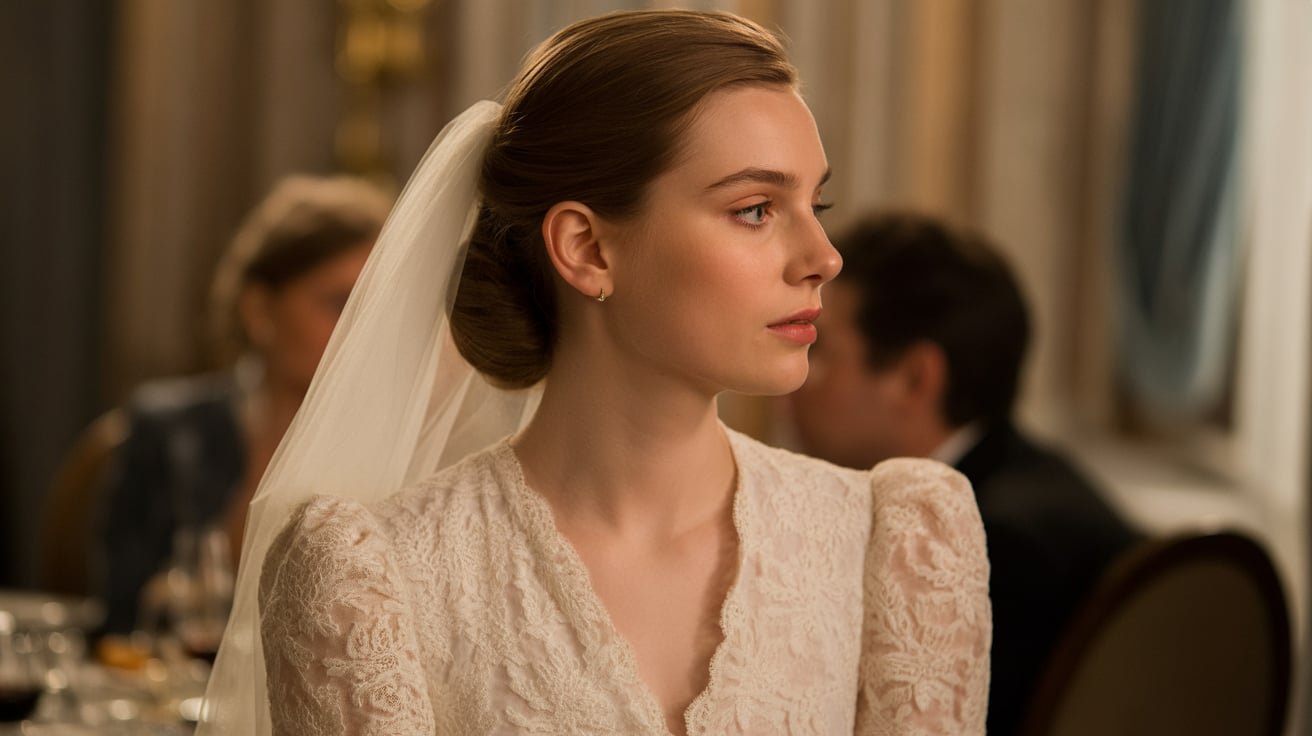
Finding the perfect wedding dress becomes an adventure when you venture beyond contemporary designs into the rich world of vintage styles. These gowns carry stories within their seams, offering brides something beyond mere fabric and thread. Each era brought distinct aesthetics that continue to captivate modern brides searching for something extraordinary on their wedding day.
The resurgence of vintage wedding dresses speaks to a desire for individuality in an increasingly homogenized bridal market. Rather than selecting from rows of similar contemporary gowns, brides discover pieces with genuine character and craftsmanship rarely found in modern production. These dresses showcase construction techniques and design details that have largely disappeared from today’s fashion landscape, from hand-sewn beadwork to architectural draping that transforms fabric into art.
In the following sections, we’ll uncover the distinctive elements that define vintage wedding dress styles, examine dramatic silhouettes from different eras, and share practical guidance for incorporating these timeless designs into your wedding celebration. Whether you’re drawn to the dropped waists of the Jazz Age or the structured elegance of mid-century fashion, understanding vintage wedding dress styles will help you select a gown that truly makes your personal style shine. Let’s continue exploring these remarkable pieces that transcend time.
- What Defines a Vintage Wedding Dress Style
- Which Vintage Eras Offer the Most Dramatic Silhouettes
- How to Choose the Right Vintage Style for Your Body Type
- Where to Find Authentic Vintage Wedding Dresses
- How to Style Vintage Wedding Dresses for Modern Ceremonies
- Choosing a vintage wedding dress
- Frequently Asked Questions
What Defines a Vintage Wedding Dress Style

The term “vintage” in wedding fashion encompasses far more than simply old dresses. True vintage pieces date from the 1920s through the 1980s, with each decade contributing distinctive elements that modern designers still reference today. Understanding these defining characteristics helps distinguish authentic vintage from contemporary interpretations, guiding your search for the perfect gown.
Historical Eras and Their Signatures
Each fashion era left unmistakable marks on wedding dress design. The 1920s introduced dropped waists and geometric beading that reflected Art Deco architecture. Moving into the 1930s, bias-cut gowns hugged curves before flowing into elegant trains, inspired by Hollywood glamour. The post-war 1940s brought practical yet romantic designs with sweetheart necklines and modest hemlines.
The 1950s revolutionized bridal fashion with Christian Dior’s New Look, creating the quintessential princess silhouette with fitted bodices and voluminous skirts. Tea-length dresses also gained popularity during this period, offering a playful alternative to floor-length gowns. The 1960s shifted dramatically toward streamlined silhouettes, with empire waists and column dresses replacing the previous decade’s fullness.
By the 1970s, bohemian influences transformed wedding fashion again. Prairie-inspired designs featured high necklines, billowing sleeves, and layers of delicate lace. The decade also saw the rise of more casual wedding attire, with some brides choosing pantsuits or shorter hemlines for less formal ceremonies.
Key Design Elements That Create Vintage Appeal
Certain details immediately signal vintage inspiration in wedding dress design. Intricate handwork stands out as perhaps the most distinctive element – hours of hand-sewn beading, embroidery, or appliqué work that modern manufacturing rarely replicates. This craftsmanship creates texture and visual interest impossible to achieve through machine production.
Construction techniques also separate vintage gowns from contemporary designs. Boning in bodices, multiple layers of tulle or crinoline for structure, and French seams showcase the engineering behind these garments. Many vintage dresses feature built-in corsetry that shapes and supports without modern stretch fabrics.
Difference Between Vintage-Inspired and Authentic Vintage
Authentic vintage gowns carry the actual history of their era – original construction, period-appropriate materials, and the patina of age. These pieces often require careful restoration and alteration to fit modern bodies and meet contemporary expectations for comfort. Sizing presents particular challenges, as vintage sizes run significantly smaller than today’s standards.
Vintage-inspired designs capture the aesthetic of past eras while incorporating modern conveniences. Contemporary designers might recreate a 1950s silhouette using lighter materials and hidden zippers instead of dozens of buttons. These gowns offer the vintage look without concerns about fragile fabrics or challenging alterations.
The choice between authentic and inspired depends on your priorities. Do you value the romance of wearing a dress with genuine history? Or would you prefer the reliability and comfort of modern construction with vintage styling?
Fabric Choices That Enhance Vintage Aesthetics
Materials play a crucial role in achieving authentic vintage appeal. Silk satin creates the liquid drape characteristic of 1930s bias-cut gowns. Heavy duchess satin provides the structure needed for 1950s ballgowns. Chantilly lace over silk charmeuse captures the delicate femininity of early 20th-century designs.
Different eras favored specific fabric combinations that modern brides can reference:
- Edwardian Era: Cotton lawn with broderie anglaise, fine silk with extensive pintucking
- 1920s: Silk crepe with metallic thread embroidery, lightweight silk georgette
- 1940s: Rayon crepe, synthetic satin due to wartime restrictions
- 1960s: Silk shantung, heavy brocades, space-age synthetic materials
Understanding these fabric preferences helps you select materials that authentically represent your chosen era, whether working with a dressmaker or searching for the perfect vintage find.
Which Vintage Eras Offer the Most Dramatic Silhouettes

Drama in wedding fashion takes many forms – from the sheer volume of fabric to unexpected architectural details that transform the human form. Different vintage eras interpreted dramatic style through their unique cultural lenses, creating silhouettes that ranged from imposing to ethereal. Understanding these distinctive shapes helps you identify which era’s drama best suits your vision.
Victorian Drama with Bustles and Trains
The Victorian era understood drama as abundance – more fabric, more decoration, more everything. Wedding gowns from this period featured impossibly tiny waists emphasized by enormous skirts supported by cage crinolines or bustles. The bustle itself created a distinctive profile that projected elegance and commanded attention from every angle.
Trains during the Victorian period often extended several feet behind the bride, requiring careful choreography just to navigate church aisles. Some gowns featured detachable trains that could be removed for the reception, an early example of transformable wedding fashion. The weight of these garments – sometimes exceeding twenty pounds with all their layers – added to their impressive presence.
Modern interpretations of Victorian drama focus on the silhouette rather than the literal weight. Contemporary fabrics can create the same visual impact without requiring a team of attendants to manage your train. The key lies in proportion – that dramatic contrast between fitted bodice and expansive skirt that defines this era’s aesthetic.
1920s Art Deco Glamour
The Jazz Age revolutionized wedding fashion by completely rejecting the Victorian silhouette. Drama came not from volume but from decoration and daring. Dropped waists elongated torsos while shortened hemlines shocked conservative society. The dramatic shift from previous decades made these dresses inherently theatrical.
Beadwork during this period reached extraordinary heights of artistry. Geometric patterns inspired by Egyptian archaeology and modern architecture covered entire gowns in glittering designs. The weight of this beading caused dresses to move with distinctive fluidity, creating kinetic drama as brides walked or danced.
What made these gowns particularly dramatic was their departure from tradition. Brides chose dresses that revealed arms, backs, and even knees – scandalous exposures for the time. This rebellion against convention created its own form of drama, one based on modernity rather than tradition.
1950s Full-Skirted Romance
The 1950s perfected the fairytale wedding dress silhouette that many still consider the ultimate in bridal drama. These gowns achieved their impressive shapes through sophisticated understructures – layers of tulle, horsehair braid, and steel hoops that created skirts spanning several feet in diameter.
Christian Dior’s influence shaped this era’s wedding fashion profoundly. His New Look celebrated ultra-femininity through exaggerated proportions that transformed women into living sculptures. Wedding gowns interpreted this aesthetic through impossibly full skirts balanced by fitted bodices that emphasized tiny waists.
The drama of 1950s wedding gowns extended beyond mere size. Details like portrait necklines framing faces like artwork, or layers of lace creating depth and texture, added visual complexity. These dresses photographed beautifully, their proportions creating striking images that still inspire contemporary wedding photography.
1970s Bohemian Flow
The 1970s introduced a different kind of drama – one based on movement and fluidity rather than structure. These gowns rejected the rigid understructures of previous decades in favor of designs that moved with the body. Dramatic sleeves, often called angel or bell sleeves, created striking silhouettes without requiring crinolines or hoops.
Layering defined this era’s approach to drama. Multiple tiers of fabric, each slightly different in texture or transparency, created visual depth. A dress might feature a slip of silk, covered by cotton lace, topped with embroidered chiffon – each layer contributing to the overall effect without adding substantial weight.
The bohemian aesthetic brought drama through unexpected details. Capes attached at the shoulders, hoods trimmed with flowers, or sleeves that nearly touched the ground created memorable visual moments. These design choices reflected the era’s countercultural spirit while maintaining the special occasion significance of wedding attire.
Prairie influences added another dramatic element through sheer length – both vertical and horizontal. High necklines extended up to the jaw, sleeves billowed outward, and skirts swept the ground with generous circumferences achieved through gathering rather than structured support.
How to Choose the Right Vintage Style for Your Body Type
Selecting a vintage wedding dress involves more than falling in love with a particular era’s aesthetic. The key lies in understanding how different vintage silhouettes interact with your unique proportions. Each decade’s designs naturally flatter certain body types, though skilled alterations can adapt almost any style to work beautifully on different figures.
Vintage Silhouettes for Pear-Shaped Figures
Women with narrower shoulders and fuller hips find numerous flattering options across vintage eras. The 1950s ballgown silhouette works particularly well, as the full skirt balances hip width while the fitted bodice emphasizes the smaller waist. These proportions create the hourglass effect that defined mid-century glamour.
Edwardian and Victorian styles also complement pear shapes beautifully. The elaborate upper body detailing of these eras – including puffed sleeves, wide collars, and ornate beadwork – draws attention upward while full skirts accommodate hips comfortably. Gibson Girl blouses from the turn of the century, with their dramatic pouched fronts, add volume exactly where it creates balance.
For those preferring less voluminous options, 1930s bias-cut gowns can work wonderfully when properly fitted. The key involves selecting styles with interesting necklines or shoulder details. Cowl necks, halter styles, or gowns with decorative shoulder treatments create visual weight above the waist.
Consider too the empire waistlines popular in both Regency and 1960s fashion. These high-waisted designs skim over hips entirely, creating a columnar silhouette that elongates the body. The focus shifts to the bodice and neckline, where decorative elements can add proportional balance.
Finding the Perfect Vintage Style for Athletic Builds
Straighter figures with minimal waist definition discover excellent options in several vintage periods. The 1920s stands out as an era that celebrated lean, boyish figures. Drop-waist designs create the illusion of curves by placing the horizontal line at the hip rather than the natural waist. Beading and fringe add texture and movement that enhances feminine appeal.
The mod styles of the 1960s also suit athletic builds perfectly. Shift dresses and A-line silhouettes work with rather than against straighter figures. These designs often featured interesting geometric details – contrasting panels, bold trim, or architectural seaming – that create visual interest without relying on curves.
Later 1970s designs offer another excellent option. The loose, flowing styles of this era don’t require an hourglass figure to look stunning. Instead, they create their own movement and shape through draping and layering. Angel sleeves and empire waists add feminine softness without requiring corseting or extensive fitting.
Vintage Options That Flatter Curvier Bodies
Fuller figures often look magnificent in vintage styles that celebrate rather than minimize curves. The 1950s remains the gold standard for showcasing an hourglass shape. Structured bodices provide excellent support while nipped waists and full skirts create classic proportions. Look for designs with wider straps or sleeves for comfortable support.
The 1940s offers wonderful options through its focus on tailoring and structure. Wartime fashions emphasized strong shoulders and defined waists, creating powerful, feminine silhouettes. Pencil skirts with peplum details or gowns with strategic draping accommodate curves while maintaining sophisticated lines.
Surprisingly, certain 1930s styles work beautifully on curvier figures. While bias-cut gowns are often associated with lean figures, the right cut can be incredibly flattering. Look for designs with strategic seaming that provides support, or styles that incorporate draping rather than relying entirely on the bias cut. Old Hollywood gowns often featured built-in structure that shaped and supported.
Here are specific elements to seek in vintage gowns for curvier figures:
- Supportive Structure: Built-in boning, substantial fabric weight, proper inner construction
- Strategic Design Lines: Princess seams, vertical details, waist seaming that defines rather than restricts
- Appropriate Necklines: Sweetheart, square, or portrait necklines that frame and support
- Quality Foundations: Vintage gowns often assumed proper undergarments – modern equivalents ensure the best fit
Petite-Friendly Vintage Designs
Shorter brides need not feel limited in their vintage choices, though certain eras naturally suit smaller frames better than others. The key involves maintaining proportion – avoiding overwhelming details while selecting designs that elongate rather than truncate the silhouette.
Tea-length dresses from the 1950s provide ideal proportions for petite frames. These designs offer the era’s characteristic fullness without the overwhelming length of floor-length ballgowns. The visible ankle creates a lengthening effect, especially when paired with the period’s characteristic pointed-toe shoes.
Empire waistlines from various eras consistently flatter petite figures. Whether choosing a Regency-inspired gown or a 1960s design, the high waistline elongates legs while the column silhouette maintains clean lines. Avoid versions with excessive fabric below the bust, which can overwhelm smaller frames.
The streamlined styles of the early 1960s work particularly well. Shift dresses, A-lines, and column gowns maintain simple lines that don’t break up the body visually. When these designs feature interesting details, they tend toward vertical elements – rows of buttons, long sleeves, or vertical lace patterns – that enhance height.
Edwardian styles, despite their reputation for elaborate detail, can work wonderfully when proportioned correctly. The era’s characteristic S-curve silhouette actually elongates the torso, while high necklines draw the eye upward. The key lies in avoiding excessive train length and keeping decorative elements scaled appropriately.
Where to Find Authentic Vintage Wedding Dresses
The hunt for an authentic vintage wedding dress becomes an adventure in itself, leading through dusty boutiques, estate sales, and digital marketplaces. Each source offers different advantages and challenges, from the thrill of unexpected discoveries to the security of expert authentication. Understanding where and how to search dramatically improves your chances of finding that perfect piece of history.
Estate Sales and Vintage Boutiques
Estate sales remain one of the most exciting sources for authentic vintage wedding gowns. These sales often occur when families liquidate entire households, meaning dresses have been preserved in attics or closets for decades. Prices at estate sales vary wildly – you might discover a 1950s designer gown for a fraction of its value, or encounter sellers who know exactly what they possess.
The advantage of estate sales lies in provenance. Often, you can learn the dress’s history directly from family members. This backstory adds meaningful depth to your choice, connecting you to another woman’s special day. Some sellers even share photographs of the original bride, adding documentary evidence of the gown’s authenticity.
Specialized vintage boutiques offer a more curated experience. These shops employ experts who authenticate pieces, assess condition, and often perform initial cleaning or repairs. While prices reflect this expertise and service, you gain confidence in your purchase. Many boutiques also offer alteration services familiar with vintage construction techniques.
Physical vintage shops allow crucial hands-on examination. You can assess fabric weight, construction quality, and actual condition rather than relying on photographs. The ability to try on gowns, even if they don’t fit perfectly, gives you a sense of how different eras’ silhouettes work with your body.
Building relationships with vintage dealers pays dividends. Let shop owners know what you’re seeking – era, size range, style preferences. Many dealers maintain wish lists and contact collectors when appropriate pieces arrive. This network extends your search beyond what’s currently in stock.
Online Marketplaces for Vintage Gowns
Digital platforms have revolutionized vintage wedding dress shopping, connecting buyers with sellers globally. Each platform operates differently, attracting distinct communities of sellers and varying quality levels.
Specialized vintage fashion sites like 1stDibs or Vestiaire Collective focus on authenticated, high-end pieces. These platforms often require sellers to provide extensive documentation and submit items for verification. While prices reflect this quality assurance, you shop with confidence in authenticity.
General marketplace sites offer broader selection but require more careful evaluation. Sellers range from professional vintage dealers to individuals cleaning out family closets. This variety means exceptional finds exist alongside misrepresented items. Developing skills to evaluate listings becomes essential.
When shopping online, examine photographs meticulously. Look for shots of labels, construction details, closures, and any flaws. Natural lighting photos reveal true color and condition better than staged shots. Request additional images if listings lack detail – legitimate sellers willingly provide more documentation.
Working with Specialty Vintage Dealers
Professional vintage dealers who specialize in wedding gowns offer invaluable expertise. These specialists understand the nuances of different eras’ construction, can identify designer pieces or high-quality reproductions, and often maintain extensive inventory beyond what’s publicly displayed.
Many dealers operate by appointment only, maintaining private showrooms or storage facilities. This business model allows them to offer personalized service, pulling selections based on your specifications. The experience resembles couture shopping more than typical retail, with unhurried fittings and expert guidance.
Specialist dealers often provide services beyond simple sales. They might source specific styles on request, coordinate with restoration experts, or connect you with appropriate alteration specialists. This comprehensive approach simplifies the complex process of preparing a vintage gown for wearing.
Working with specialists also provides education about your chosen gown. They can explain construction techniques, identify materials, and share historical context that enriches your understanding. This knowledge helps you make informed decisions about alterations and care.
Restoration and Alteration Considerations
Finding your vintage gown marks only the beginning. Most authentic vintage dresses require some restoration or alteration to be wearable. Understanding these needs before purchasing prevents expensive surprises and disappointing discoveries.
Common restoration needs include:
- Cleaning: Professional cleaning specifically for vintage textiles, not standard dry cleaning
- Seam Reinforcement: Strengthening stressed areas without altering appearance
- Closure Replacement: Updating zippers, hooks, or buttons that no longer function
- Fabric Stabilization: Addressing weak spots or minor tears before they worsen
- Color Restoration: Addressing yellowing or discoloration, particularly in white or ivory gowns
Alterations present unique challenges with vintage gowns. Modern bodies differ from those of previous eras – we’re generally taller, with different posture and proportions. Vintage sizing runs significantly smaller than contemporary sizes, often by two to four sizes. Additionally, limited seam allowances in many vintage gowns restrict how much they can be let out.
Successful alterations require specialists familiar with vintage construction. Standard alteration shops might damage delicate fabrics or use inappropriate techniques. Seek professionals who understand period construction methods and can work within these constraints. Sometimes, creative solutions like adding coordinating panels or adjusting closure placement achieve better results than traditional alterations.
Budget for these services when considering vintage gowns. Restoration and alteration costs can equal or exceed the dress’s purchase price. However, the result – a perfectly fitted piece of fashion history – justifies this investment for many brides.
How to Style Vintage Wedding Dresses for Modern Ceremonies
Creating a cohesive wedding aesthetic with a vintage gown requires thoughtful consideration of every element. The dress sets a specific tone that influences choices from flowers to photography. Successfully integrating a piece from another era into contemporary celebrations involves respecting its historical character while ensuring it feels relevant to your personal style and modern sensibilities.
Accessorizing Vintage Gowns Appropriately
Accessories make or break the overall effect of a vintage wedding dress. The wrong choices can make even the most beautiful gown appear costume-like, while thoughtful selections enhance its inherent elegance. Period-appropriate accessories aren’t always necessary – sometimes contrasting eras creates more interesting visual stories.
Jewelry requires particular consideration with vintage gowns. Many older dresses feature higher necklines or elaborate detailing that competes with statement necklaces. Instead, focus on earrings, bracelets, or brooches that complement without overwhelming. Art Deco gowns pair beautifully with geometric jewelry, while romantic 1950s dresses suit pearls or delicate gold pieces.
Veils and headpieces offer opportunities to either reinforce or reinterpret the dress’s era. A 1920s gown might wear a crystal headband or small hat with netting, while a 1970s dress could feature a flower crown. Contemporary minimalist veils can modernize any vintage gown without diminishing its character.
Shoes present practical and aesthetic considerations. Vintage shoes rarely survive in wearable condition, and finding period-appropriate footwear in your size proves challenging. Modern shoes in classic styles – pointed pumps, delicate sandals, or simple flats – usually work better than attempting strict historical accuracy. Consider the dress’s hemline and train when selecting heel height.
Hair and Makeup That Complements Vintage Styles
Your beauty choices profoundly impact how vintage or modern your overall look appears. Full period hair and makeup can create stunning editorial effects but might feel too costume-like for some brides. Most choose adapted versions that nod to the era without complete recreation.
1920s gowns suggest finger waves or pin curls, but modern interpretations might feature Hollywood waves or a low chignon with strategic finger-wave details at the front. The essence remains – sleek, controlled styles that emphasize the head’s shape – without requiring hours of period-specific styling.
Mid-century dresses traditionally paired with highly structured hairstyles – victory rolls, beehives, or bouffants. Contemporary versions might incorporate volume at the crown with smoother modern finishing, or add a vintage-inspired hair accessory to a current style.
For 1970s gowns, the era’s natural, flowing hair translates easily to modern styling. Loose waves, braided elements, or undone textures feel both period-appropriate and current. Fresh or dried flowers woven through hair reinforce the bohemian aesthetic without appearing dated.
Makeup follows similar principles of adaptation. A bold red lip channels 1940s glamour without full period makeup. Defined eyes with subtle wings reference the 1960s while remaining wearable. The goal involves capturing the era’s spirit through key elements rather than complete replication.
Mixing Vintage with Contemporary Elements
Successfully combining vintage and modern elements creates a unique aesthetic that feels neither costume-heavy nor disconnected. This approach allows you to honor the gown’s history while expressing current style preferences.
Contemporary florals can completely transform a vintage gown’s feeling. Pairing a 1950s ballgown with minimalist greenery and single-variety blooms creates unexpected freshness. Alternatively, wild, organic arrangements modernize structured vintage silhouettes through contrast.
Modern photography styles particularly benefit vintage gowns. Documentary or editorial approaches capture these dresses’ inherent drama without the stiffness of period photography. Discuss your gown’s era with photographers – they might suggest locations or lighting that enhances its particular characteristics.
Consider these strategies for successful mixing:
- Venue Selection: Industrial spaces or minimalist galleries create striking contrasts with ornate vintage gowns
- Color Palettes: Contemporary color schemes update vintage aesthetics
- Music Choices: Current playlists or unexpected genres prevent the reception from feeling like a theme party
- Stationery Design: Modern typography and layouts balance vintage fashion elements
The wedding party’s attire offers another opportunity for creative mixing. Rather than attempting period costumes for everyone, choose contemporary styles in colors or silhouettes that complement your gown. Bridesmaids in modern slip dresses harmonize with a 1930s bias-cut gown without mimicking it.
Venue Considerations for Vintage Wedding Dresses
Your choice of venue significantly impacts how your vintage gown reads within the overall celebration. Some pairings feel naturally harmonious, while others create dynamic tension that requires careful styling to resolve.
Historic venues provide obvious synergy with vintage gowns. Ballrooms, estates, or preserved buildings from your dress’s era create immersive experiences. However, avoid overly literal matching – a 1920s dress in an Art Deco ballroom might feel too predetermined. Sometimes, slight era mismatches create more visual interest.
Modern, minimalist venues offer exciting contrast possibilities. A Victorian gown’s elaborate detail stands out dramatically against clean architectural lines. These unexpected combinations often produce the most memorable visual impact, though they require confidence to execute.
Outdoor settings provide neutral backdrops that work with any era’s fashion. Gardens suit romantic vintage styles, while beaches or deserts complement simpler vintage silhouettes. Natural settings also solve practical concerns about navigating delicate vintage fabrics through potentially damaging historic building features.
Practical venue considerations include:
- Climate Control: Vintage fabrics may be more delicate or less breathable than modern materials
- Space Navigation: Full skirts require wider aisles and careful choreography
- Lighting: Some vintage fabrics photograph differently under various light sources
- Surface Conditions: Delicate hems and trains need protection from rough floors or outdoor terrain
Consider too how your gown will move through different venue spaces. That dramatic 1950s ballgown might look magnificent in the ceremony space but prove challenging during cocktail hour mingling. Some brides choose reception venues based partly on their gown’s needs, ensuring adequate space for movement and photography.
Choosing a vintage wedding dress
Choosing a vintage wedding dress connects you to fashion history while creating your own unique story. These gowns offer something beyond current trends – genuine craftsmanship, distinctive design elements, and the romance of wearing something that has witnessed decades of love stories. Whether you select an authentic piece from a bygone era or a contemporary interpretation of vintage style, your choice reflects a desire for individuality and timeless elegance.
The journey toward finding your perfect vintage wedding dress rewards patience and open-mindedness. You might discover that the era you initially favored doesn’t suit your body or venue, leading you toward unexpected periods that ultimately feel more authentic to your personal style. This process of discovery, trying on pieces from different decades and imagining yourself within their historical context, enriches the entire wedding planning experience. Your vintage gown becomes not just an outfit but a conscious choice to honor the past while celebrating your future.
Frequently Asked Questions
Q: How much do authentic vintage wedding dresses typically cost?
A: Authentic vintage wedding dress prices vary dramatically, from $200 at estate sales to $10,000+ for designer pieces from prestigious vintage boutiques. Condition, rarity, designer attribution, and provenance all influence pricing.
Q: Can vintage wedding dresses be cleaned safely?
A: Yes, but only by specialists experienced with vintage textiles. Standard dry cleaning can destroy delicate fabrics and vintage construction. Museum-quality textile conservators or vintage specialists use appropriate techniques for each era’s materials.
Q: What if I fall in love with a vintage dress that’s too small?
A: Vintage dresses often have limited seam allowances for letting out. Creative solutions include adding coordinating panels, replacing closures to gain inches, or working with restoration specialists who can source period-appropriate fabric for modifications.
Q: How do I store a vintage wedding dress after the wedding?
A: Professional preservation involves cleaning, wrapping in acid-free tissue, and storing in archival boxes away from light, heat, and humidity. Never use plastic bags or regular dry cleaning bags, which trap moisture and cause yellowing.
Q: Are reproduction vintage wedding dresses a good alternative?
A: Quality reproductions offer vintage aesthetics with modern construction, sizing, and comfort. They’re excellent choices for brides who love vintage style but need specific sizes, want customization options, or prefer not to manage delicate antique fabrics.
Q: Which vintage era works best for outdoor weddings?
A: Simpler vintage styles from the 1930s, 1960s, or 1970s typically work better outdoors than elaborate Victorian or 1950s ballgowns. Consider hem length, train manageability, and fabric weight when planning outdoor ceremonies.
Q: How far in advance should I start shopping for a vintage wedding dress?
A: Begin at least 8-12 months before your wedding. This timeline allows for thorough searching, necessary restoration work, alterations, and potential backup options if your first choice doesn’t work out.
Q: Do vintage wedding dresses photograph well?
A: Most vintage gowns photograph beautifully, though some fabrics or colors may require specific lighting considerations. Share your dress details with your photographer beforehand so they can plan appropriate techniques and settings.