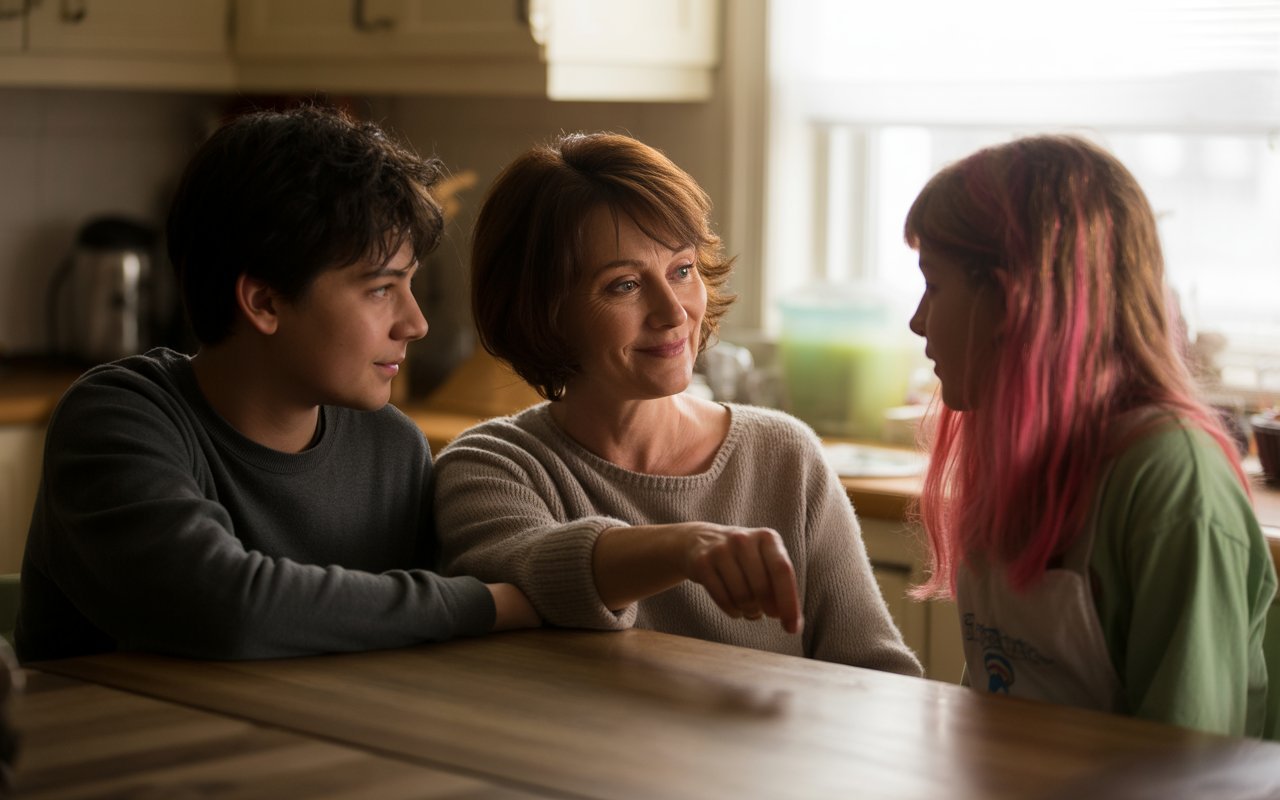
Building trust with stepchildren often feels like trying to solve a puzzle while wearing mittens. You know the pieces should fit together somehow, but the usual parenting strategies that work so naturally with biological children suddenly feel forced and awkward. The advice you find in parenting books, the suggestions from well-meaning friends, and even your own instincts might lead you in completely wrong directions.
The reality that few people discuss openly is that stepchildren operate from an entirely different emotional framework than biological children. Their resistance isn’t personal, though it certainly feels that way when a child refuses your help with homework or won’t make eye contact at dinner. This resistance actually stems from complex psychological processes involving loyalty, grief, and identity formation that most stepparents never learn about until they’re already deep in the trenches of daily life.
In the following sections, we’ll uncover the counterintuitive approaches that actually work for building genuine trust with stepchildren. You’ll discover why the traditional advice often backfires, what stepchildren really need from you (hint: it’s not what you think), and the specific strategies that create authentic connection over time. Keep reading to understand the secret that transforms rocky step-relationships into something meaningful and lasting.
- Why Stepchildren Test Boundaries Differently Than Biological Children
- What Actually Builds Trust (And What Destroys It)
- How to Navigate the Loyalty Bind Without Making It Worse
- The Unspoken Truth About Time and Patience
- When Professional Boundaries Actually Help Build Connection
- Finding Your Way Forward
- Frequently Asked Questions
Why Stepchildren Test Boundaries Differently Than Biological Children

Stepchildren don’t test boundaries the same way biological children do, and understanding this distinction changes everything about how you respond to challenging behavior. While biological children test limits to understand rules and assert independence, stepchildren test boundaries for entirely different reasons that most adults never recognize.
The psychology behind resistance and testing
Testing from stepchildren often serves as a protective mechanism rather than simple defiance. Your stepchild might refuse to follow your rules not because they’re rebellious, but because accepting your authority feels like betraying their other parent. This internal conflict creates behaviors that look like disrespect but actually signal deep emotional turmoil.
The testing intensifies during transitions between homes. A child who seems perfectly cooperative on Wednesday might become combative by Friday, not because you’ve done anything wrong, but because the approaching transition to their other parent’s home triggers complicated feelings. These patterns often perplex stepparents who can’t understand why progress seems to evaporate regularly.
How loyalty conflicts shape behavior
Children in blended families carry invisible loyalty binds that influence every interaction. Your stepchild might genuinely enjoy your company but feel guilty about it later. This guilt manifests in seemingly random acts of rejection or hostility that leave stepparents confused and hurt.
The loyalty conflict becomes particularly intense when biological parents have unresolved anger toward each other. Children unconsciously absorb these tensions and act them out in their relationships with stepparents. A child might reject your cooking not because they dislike it, but because enjoying it feels like choosing you over their biological parent.
What rejection really means in blended families
Rejection from a stepchild rarely means what it appears to mean on the surface. A child who says “you’re not my real parent” isn’t necessarily expressing hatred or permanent rejection. More often, they’re expressing fear, confusion, or testing whether you’ll abandon them like other adults in their life might have.
The rejection often intensifies right before breakthrough moments. Many stepparents report that their worst periods with stepchildren occurred immediately before significant positive shifts in the relationship. This pattern happens because children often push hardest against relationships they’re beginning to value, testing whether this new adult will stick around through difficult times.
Understanding the protection mechanism
Stepchildren develop sophisticated emotional protection mechanisms that can seem like deliberate cruelty. They might maintain emotional distance for months or years, not from spite but from self-preservation. Previous losses, whether through divorce or death, teach children that loving adults can disappear, making vulnerability feel dangerous.
These protection mechanisms often look like:
- Emotional withdrawal: Suddenly becoming distant after a fun day together
- Sabotaging positivity: Starting arguments right after pleasant moments
- Triangulation: Playing adults against each other to maintain control
- Regression: Acting younger during stressful periods in the family
The timeline nobody warns you about
Most stepparents enter relationships expecting trust to develop within months, but research suggests meaningful trust with stepchildren typically takes three to seven years to establish. This timeline shocks most adults who assumed that living together and being kind would naturally create family bonds within a year or two.
The development happens in waves rather than steady progress. You might experience wonderful connection for several weeks, followed by complete withdrawal. These cycles repeat with gradually increasing periods of connection and slightly decreasing periods of distance. Understanding this pattern prevents stepparents from giving up during the difficult phases.
What Actually Builds Trust (And What Destroys It)
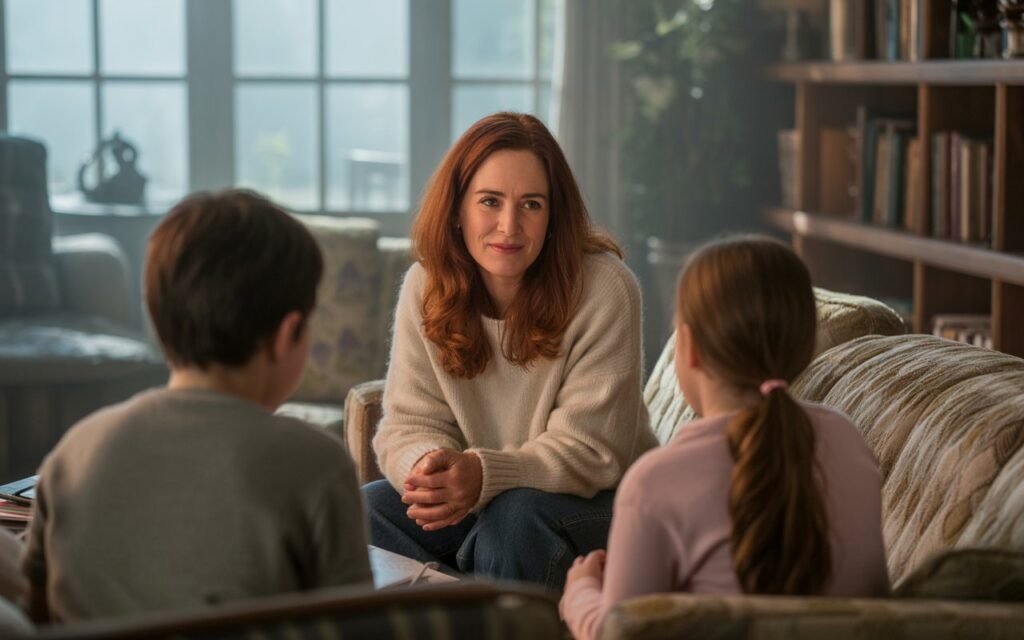
Trust with stepchildren develops through counterintuitive methods that often oppose traditional parenting wisdom. The strategies that create connection with biological children can actually damage developing relationships with stepchildren, while approaches that seem too passive often yield the best results.
The friend-first approach mistake
Many stepparents try to win over stepchildren by being the “fun” adult who doesn’t enforce rules or boundaries. This friend-first approach typically backfires spectacularly. Children don’t need another friend; they need a reliable adult who occupies a unique role in their life. Trying to be the cool stepparent undermines the stability children desperately need in blended families.
The friend approach also creates problems with your partner. When you avoid setting boundaries to avoid conflict with stepchildren, you force your partner into the “bad cop” role constantly. This dynamic breeds resentment and prevents the development of genuine respect between you and your stepchild.
Why forcing affection backfires
Mandatory hugs, forced “I love you” exchanges, and required physical affection destroy trust faster than almost any other mistake. Stepchildren need complete control over physical affection and verbal expressions of care. Forcing these interactions, even with good intentions, teaches children that their boundaries don’t matter in this new family structure.
Physical affection should always originate from the child’s comfort level. Some stepchildren might never feel comfortable with hugs, and that’s perfectly acceptable. Others might take years before initiating any physical contact. Respecting these boundaries actually accelerates trust development because children learn you’re a safe adult who honors their autonomy.
The pressure for instant family bonding often comes from extended family or social expectations. Grandparents might push for family photos with everyone hugging, or friends might question why your stepchild doesn’t call you “Mom” or “Dad.” Protecting your stepchild from these pressures demonstrates that you prioritize their comfort over appearances.
Small consistent actions versus grand gestures
Grand gestures like expensive gifts or elaborate trips rarely build lasting trust with stepchildren. Instead, small, consistent actions create the foundation for genuine relationship. Remembering their favorite snack, showing up to their activities without fanfare, or simply being present during homework time matters more than any vacation could.
Consistency particularly matters in areas where the child has experienced disappointment. If their biological parent made promises they didn’t keep, your reliability in small matters slowly rewrites their expectations of adult behavior. Simply doing what you say you’ll do, even in tiny ways, builds trust incrementally.
The power of parallel activities
Parallel activities, where you’re doing something alongside your stepchild without direct interaction, create comfortable bonding opportunities. Working on separate projects at the same table, gardening in the same space, or simply reading in the same room builds connection without pressure.
These parallel moments allow stepchildren to control the level of interaction. They might start by working silently, then gradually begin sharing observations or asking questions. This organic development of communication feels safer than forced conversations at dinner tables or during car rides where they feel trapped.
Respecting their other parent
Nothing builds trust faster than demonstrating respect for your stepchild’s other biological parent, regardless of your personal feelings. Children constantly scan for signs that you dislike or judge their other parent. Even subtle eye rolls or sighs when that parent’s name comes up register deeply with children.
Speaking neutrally or positively about their other parent, especially when you disagree with that parent’s choices, shows stepchildren that you’re a safe person who won’t force them to choose sides. This respect extends to accommodating their other parent’s rules when reasonable, even if you’d handle things differently.
How to Navigate the Loyalty Bind Without Making It Worse
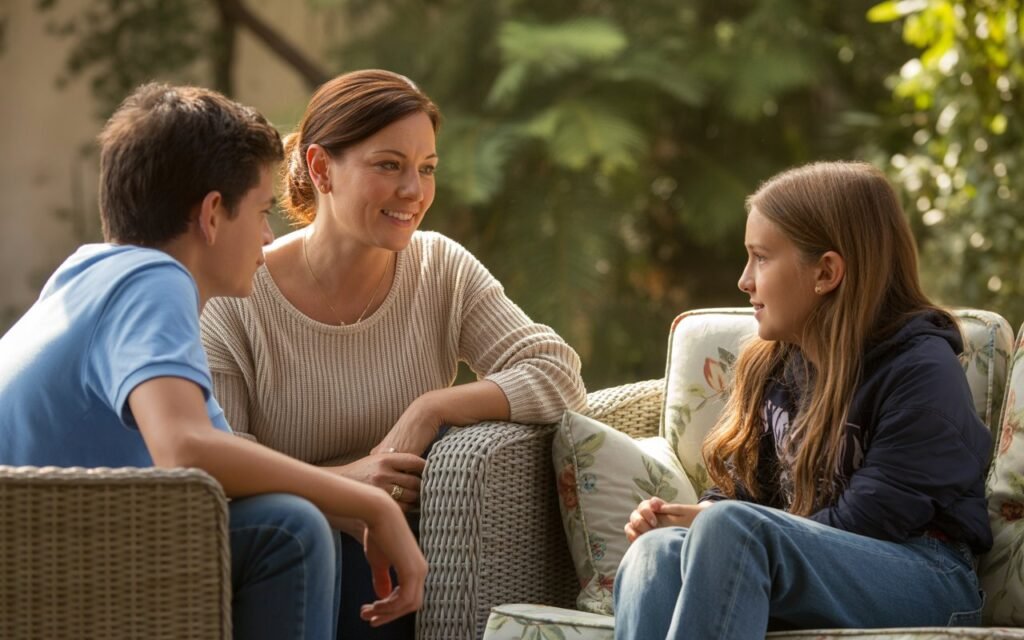
The invisible loyalty bind that stepchildren experience creates more relationship damage than any other factor in blended families. Children feel torn between their biological parents and terrified that caring for a stepparent means betraying someone they love. Understanding and addressing this bind without dismissing or minimizing it requires specific strategies most families never learn.
Understanding divided loyalties
Divided loyalties aren’t logical or chosen; they’re emotional responses that children can’t control. Your stepchild might have a wonderful time with you at the park, then go home and tell their other parent the day was terrible. This isn’t lying or manipulation – it’s a child trying to protect their parent’s feelings and maintain connection with everyone they love.
The loyalty bind intensifies around holidays, birthdays, and special occasions. A child might refuse to celebrate Mother’s Day or Father’s Day with a stepparent, not from lack of caring but from fear that celebration equals replacement. These moments require extraordinary sensitivity and zero pressure for participation.
When kids feel guilty for liking you
Children often experience crushing guilt when they start developing positive feelings for a stepparent. This guilt might manifest as sudden coldness after warm moments, accusations that you’re trying to replace their parent, or seemingly random anger. Recognizing guilt as the underlying emotion helps you respond with patience rather than hurt feelings.
You can address this guilt indirectly by regularly affirming that having room in their heart for you doesn’t mean less room for their biological parents. Comments like “Your mom did a great job teaching you that” or “Your dad would be proud of how you handled that” give children permission to love multiple parental figures.
Some children need explicit permission to care about you. Without ever fishing for affection, you might say something like “It’s okay to enjoy our time together. Caring about me doesn’t mean you love your mom any less.” These statements, offered without expectation of response, plant seeds that often bloom months or years later.
Supporting their relationship with both parents
Actively supporting your stepchild’s relationship with both biological parents demonstrates that you’re not a threat to those bonds. This might mean helping them make Father’s Day cards for their dad, even if he’s difficult to deal with, or encouraging them to call their mom during your custody time.
Photography provides an excellent opportunity to demonstrate this support. Taking photos of your stepchild with their biological parent at events, even if it feels uncomfortable, shows that you celebrate their relationship. Offering to be the photographer removes you from potential conflict while supporting their connection.
Creating space for conflicting feelings
Stepchildren need permission to hold conflicting feelings without resolution. They might simultaneously resent your presence and appreciate your kindness, wish their parents would reunite while enjoying the new family structure, or feel angry about changes while recognizing some improvements. These contradictions are normal and healthy.
Creating space means avoiding statements like “You’ll feel differently when you’re older” or “You’ll understand someday.” Instead, acknowledge the difficulty: “It must be hard having such different feelings at the same time” or “Sometimes things can be both good and difficult.” This validation helps children process complex emotions without feeling pressured to pick a side.
The permission they need but won’t ask for
Children in blended families need several permissions they’ll never directly request:
- Permission to love at their own pace: No timeline for developing feelings
- Permission to maintain boundaries: Choosing their comfort level with affection
- Permission to grieve: Missing their original family structure
- Permission to not call you Mom/Dad: Using your first name or another title
- Permission to have different relationships: Not loving all family members equally
Granting these unspoken permissions paradoxically accelerates relationship development. When children don’t have to fight for autonomy, they can relax into whatever relationship feels natural with you.
The Unspoken Truth About Time and Patience
The timeline for building trust with stepchildren extends far beyond what anyone prepares you for, and the journey includes phases that parenting books rarely mention. Society’s expectation of instant blended family harmony collides with the reality that meaningful relationships with stepchildren often take half a decade or more to solidify.
Why trust takes years, not months
Trust develops slowly with stepchildren because they’re simultaneously processing loss, adjusting to new family dynamics, and protecting themselves from potential future hurt. While you might feel ready for full family integration within months, your stepchild operates on an entirely different timeline shaped by their emotional readiness, not your desires.
The first year typically involves basic adjustment and testing. Year two might bring increased conflict as reality sets in that this arrangement is permanent. Years three through five often see gradual warming with periodic setbacks. Many stepparents report that year seven brought the breakthrough they’d hoped for in year one. This extended timeline doesn’t mean you’re failing; it reflects the normal pace of stepfamily development.
Managing your own expectations
Your expectations shape your happiness more than your actual circumstances. Expecting stepchildren to feel like “your kids” within a year sets you up for disappointment and them for pressure they can’t meet. Adjusting expectations to match reality preserves your emotional energy for the long journey ahead.
Realistic expectations include accepting that your relationship might never look like a biological parent-child bond, and that’s perfectly fine. Your stepchild might never call you Mom or Dad, might not want to spend one-on-one time with you, or might maintain some emotional distance even after years. These outcomes don’t represent failure but rather different types of successful relationships.
Dealing with setbacks and regression
Progress with stepchildren rarely follows a straight line. A child who seemed to be warming up might suddenly return to early hostile behaviors, especially during life transitions like starting middle school, their other parent dating someone new, or the birth of a half-sibling. These regressions feel devastating but usually represent temporary responses to stress rather than permanent relationship damage.
Setbacks often occur around anniversaries – the date their parents separated, when you moved in, or when their parents’ divorce finalized. Children might not consciously recognize these triggers, but their behavior often deteriorates around these times. Marking these dates in your calendar helps you prepare emotionally for potential difficulties.
During regression periods, resist the urge to point out how well things were going before. Children need space to move backward without feeling like they’re disappointing you. Maintaining steady, calm presence during setbacks often shortens their duration.
The plateau phase nobody mentions
Most step-relationships hit a plateau phase where nothing seems to change for months or even years. You’re not moving backward, but forward progress stalls completely. This phase exhausts stepparents who keep investing emotional energy without seeing returns. The plateau often lasts between years two and four, though timing varies significantly.
During plateaus, relationship building happens beneath the surface, invisible but important. Your stepchild watches how you treat their parent, how you handle stress, whether you keep showing up despite lack of warmth from them. They’re gathering data about your reliability and character, even when the relationship feels stuck.
Signs of progress you might miss
Progress with stepchildren often appears in subtle ways that discouraged stepparents overlook. Your stepchild might still seem distant but stops leaving the room when you enter. They might not engage in conversation but begin doing homework in common spaces rather than hiding in their bedroom.
Other overlooked progress signals include:
- Neutral interactions replacing hostile ones: Not warm, but not actively resistant
- Accepting help with homework: Even without thanking you
- Including you in logistics: Telling you their schedule without being asked
- Reduced tension in their body language: Less rigid posture around you
- Remembering things you’ve said: Referencing previous conversations
These tiny shifts indicate developing trust, even when the relationship doesn’t feel satisfying yet. Celebrating these micro-victories privately helps maintain your motivation during the long journey toward connection.
When Professional Boundaries Actually Help Build Connection
The most successful stepparents often discover that maintaining certain professional boundaries, rather than pushing for parental authority, actually accelerates trust development with stepchildren. This approach contradicts most advice about family bonding but aligns with what stepchildren actually need from the adults in their restructured families.
The paradox of stepping back
Stepping back from parental responsibilities often brings stepchildren closer than asserting your role ever could. When you stop trying to parent and instead focus on being a supportive adult presence, children relax their defensive stance. This paradox frustrates stepparents who want to be involved but find that less involvement yields better results.
The stepping back doesn’t mean disengagement or indifference. Instead, it means allowing the biological parent to handle discipline, important conversations, and primary caregiving while you provide support from a respectful distance. This approach communicates to stepchildren that you understand your unique position and won’t try to usurp their parent’s place.
Letting the biological parent lead
Your partner should handle all major discipline, important discussions about grades or behavior, and conversations about the other biological parent. When you defer to the biological parent for these crucial moments, stepchildren learn that you respect the existing parent-child relationship. This respect forms the foundation for your own eventual relationship with them.
Letting the biological parent lead extends to positive moments too. They should be the one to announce rewards, deliver good news when possible, and handle celebratory moments initially. Over time, as trust builds, you can share more of these responsibilities, but early in the relationship, maintaining this boundary prevents resentment.
This approach requires extensive private communication with your partner. You might need to discuss situations beforehand, agreeing on responses and consequences outside your stepchild’s hearing. This background collaboration allows you to support your partner’s decisions without appearing to drive them.
Your role versus their parent’s role
Your role in a stepchild’s life is unique – neither parent nor friend, but something distinct that can be equally valuable. You might become the adult who teaches them practical skills their parents don’t have, the person who shares specific interests neither biological parent enjoys, or simply the calm presence during emotional storms.
Successful stepparents often describe their role as similar to an aunt or uncle, coach, or mentor rather than a parent. This positioning removes competition with biological parents while creating space for meaningful connection. A stepchild might never want you at parent-teacher conferences but might specifically request your help with science projects because you explain things differently than their parents.
Creating your own unique relationship
Rather than trying to replicate a parent-child relationship, focus on creating something entirely your own with your stepchild. This might mean becoming the person who introduces them to hiking, teaches them photography, or shares your cultural traditions. These unique connections don’t threaten existing relationships but add richness to your stepchild’s life.
Your unique relationship might develop around unexpected commonalities. Perhaps you both struggle with anxiety, share an obscure hobby, or have similar temperaments that differ from the biological parents. These natural connection points often emerge when you stop forcing traditional family roles and allow organic relationships to develop.
Why being “less than” can mean more
Accepting a “less than” parental role initially feels like failure to many stepparents, but this humble positioning often creates more meaningful long-term relationships. When you’re not trying to be Mom or Dad, children can appreciate what you actually offer without feeling threatened or disloyal.
Being “less than” might mean attending sports events but sitting separately from the biological parents, helping with homework but not signing permission slips, or being present for daily routines without taking charge of them. These measured approaches communicate respect for existing relationships while slowly building your own foundation with your stepchild.
The “less than” position often evolves naturally over time. After years of consistent, respectful presence, many stepchildren begin seeking out their stepparents for advice, comfort, or support. This organic evolution creates stronger bonds than forced parental authority ever could. The relationship that develops might look nothing like a traditional parent-child bond, but it can be equally meaningful and sometimes even closer because it formed without pressure or obligation.
Finding Your Way Forward
The secret to building trust with stepchildren that nobody talks about isn’t a single technique or magic phrase – it’s the counterintuitive understanding that doing less often accomplishes more. While society pushes the instant family narrative, real trust with stepchildren develops through patient presence, respected boundaries, and the humble acceptance that your relationship will be unique, not a replica of biological parent-child bonds. The journey requires releasing expectations you didn’t even know you carried and finding peace with a timeline that stretches far longer than anyone prepares you for.
The path forward means accepting that your stepchild might take years to show warmth, that regression is part of progress, and that the relationship you eventually build might look nothing like what you initially envisioned. Yet within these adjusted expectations lies freedom – the freedom to create something authentic and valuable precisely because it wasn’t forced into a predetermined mold. Your willingness to occupy an undefined space in your stepchild’s life, without requiring immediate definition or recognition, ultimately becomes the foundation for whatever genuine connection is possible between you.
Frequently Asked Questions
Q: How long does it typically take to build trust with a stepchild?
A: Research and experienced stepparents report that meaningful trust typically takes three to seven years to establish, with many noting significant breakthroughs around year five or later. This timeline varies based on the child’s age, previous experiences, and family circumstances.
Q: Should I insist my stepchild calls me Mom or Dad?
A: No, forcing titles creates resentment and damages trust. Let your stepchild choose what to call you, even if it’s just your first name. Some stepchildren never use parental titles, and that’s completely acceptable for healthy relationships.
Q: What should I do when my stepchild says “You’re not my real parent”?
A: Respond calmly with something like “You’re right, I’m not your mom/dad, but I care about you and I’m here for you.” This acknowledges their truth without taking it personally, showing them you’re secure in your role.
Q: Is it normal for my stepchild to be warm one day and cold the next?
A: Yes, this hot-and-cold pattern is extremely common. Stepchildren often feel guilty about enjoying time with stepparents and pull back after positive interactions. These cycles typically decrease in intensity over time.
Q: Should I discipline my stepchildren?
A: Initially, major discipline should come from the biological parent while you support their decisions. As trust builds over years, you might gradually take on more disciplinary roles, but this evolution should happen naturally, not be forced.
Q: How do I handle my stepchild refusing my help with homework or daily tasks?
A: Respect their refusal without taking it personally. Stay available and occasionally offer help, but don’t push. Many stepchildren begin accepting help once they realize you won’t force it on them.
Q: What if my stepchild never warms up to me despite years of trying?
A: Some step-relationships remain cordial but distant, and that’s okay. Focus on being a consistent, respectful presence rather than forcing closeness. Sometimes the relationship improves unexpectedly when stepchildren become adults and gain perspective.
Q: How do I deal with feeling hurt by my stepchild’s rejection?
A: Find support through stepparent groups, therapy, or trusted friends who understand blended family dynamics. Remember that rejection rarely reflects your worth but rather the child’s complex emotional situation. Maintaining your own emotional health helps you stay patient during difficult phases.