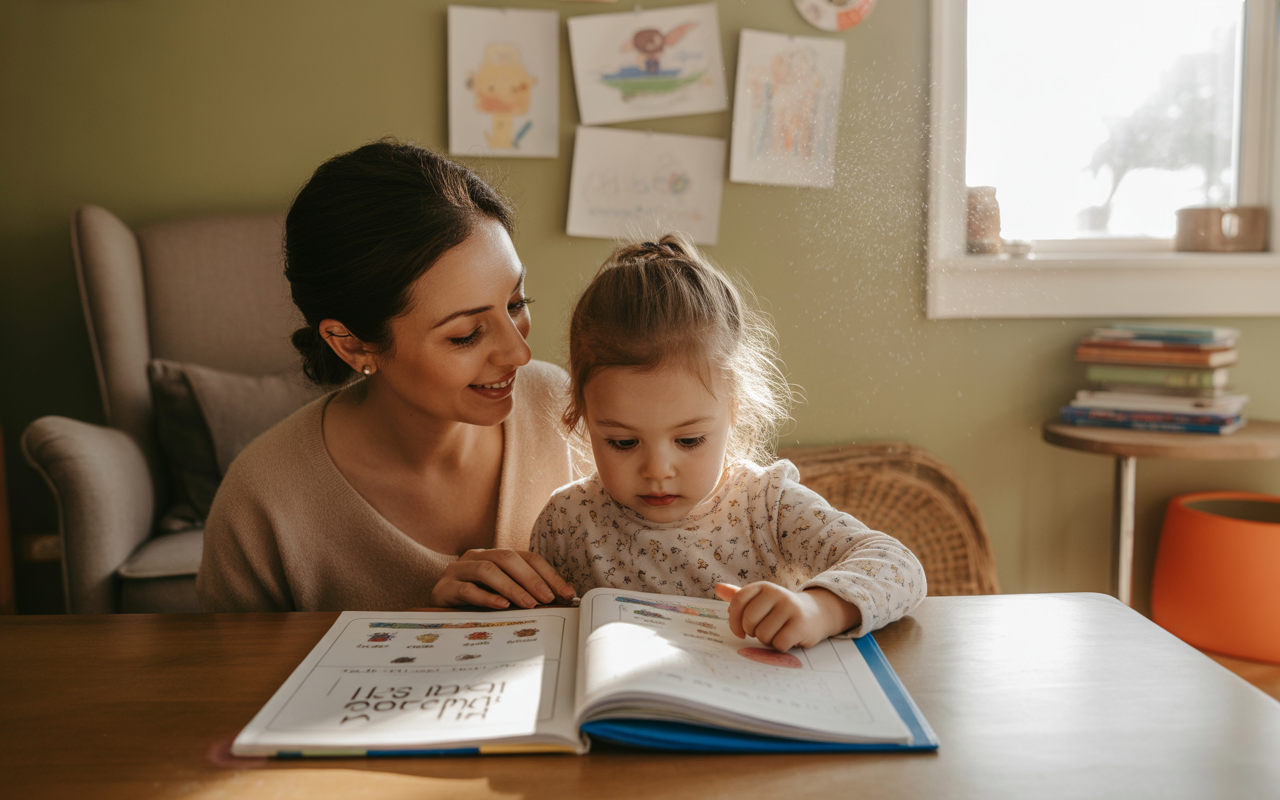
Creating a homeschool that your children genuinely enjoy requires more than textbooks and worksheets scattered across the kitchen table. The most successful homeschool environments blend learning with life in ways that feel natural and exciting rather than forced or overwhelming. Your children can wake up eager to start their school day when you thoughtfully design both the physical space and daily rhythm around their needs and interests.
The difference between homeschooling that feels like a chore and homeschooling that becomes a family adventure often comes down to small, intentional choices. These choices shape everything from where learning happens to how subjects get introduced. You don’t need a massive budget or teaching degree to create an educational environment your children will cherish – you just need understanding of what makes learning stick and strategies that transform ordinary moments into educational gold.
In the following sections, you’ll discover practical approaches for setting up spaces that inspire curiosity, building routines that flow naturally, and teaching methods that turn even reluctant learners into enthusiastic participants. From fostering independence to finding resources that bring lessons alive, these strategies will help you craft a homeschool experience your children will remember fondly for years. Let’s continue reading to transform your homeschool vision into reality.
- What Makes a Homeschool Environment Truly Work for Children?
- How Do You Build a Daily Rhythm That Children Actually Follow?
- Which Teaching Methods Keep Children Engaged and Excited?
- How Can You Foster Independence While Maintaining Structure?
- What Resources Transform Ordinary Lessons Into Adventures?
- Your Homeschool Journey Starts Today
- Frequently Asked Questions
What Makes a Homeschool Environment Truly Work for Children?
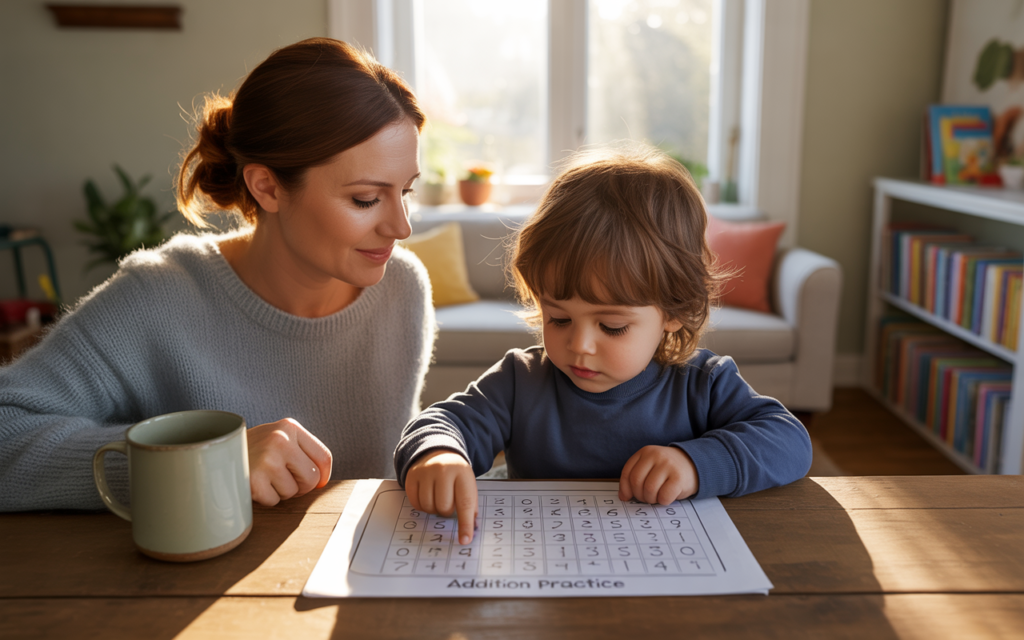
The foundation of successful homeschooling starts with understanding that your entire home becomes a learning laboratory. Traditional schools rely on specific classroom setups, but homeschooling offers flexibility to create multiple learning zones throughout your living space. This approach recognizes that different activities require different settings – quiet corners for reading, open floors for science experiments, and comfortable spots for family discussions.
Physical Space Considerations
Your homeschool doesn’t need a dedicated classroom to function beautifully. Kitchen tables work wonderfully for writing and art projects, while living room sofas provide cozy spots for read-alouds. The key lies in organizing materials so they’re accessible yet contained. Clear bins labeled with pictures help younger children find and return supplies independently. Rolling carts move easily between rooms, bringing math manipulatives to wherever today’s lesson happens.
Natural light dramatically impacts learning readiness and mood. Position desks or work tables near windows when possible, or invest in good task lighting for darker corners. Children often concentrate better with proper lighting that reduces eye strain during reading and writing activities.
Emotional Atmosphere Elements
The feeling of your homeschool matters as much as its physical setup. Children thrive in environments where mistakes are learning opportunities rather than failures. This mindset shift happens through your responses to errors and challenges. When multiplication problems prove difficult, celebrating the attempt matters more than immediate accuracy.
Background noise levels affect different children uniquely. Some focus better with classical music playing softly, while others need complete silence for challenging work. Experiment with various sound environments to discover what helps each child concentrate. White noise machines or noise-canceling headphones become valuable tools for households with multiple children working simultaneously.
Display areas showcasing children’s work build pride and motivation. Rotating art galleries on refrigerators, bulletin boards, or string displays with clothespins give children tangible evidence of their progress. These visual reminders of accomplishments boost confidence during challenging learning periods.
Balance Between Structure and Flexibility
Successful homeschool environments strike a delicate balance between predictable routines and spontaneous exploration. Children need enough structure to feel secure but sufficient flexibility to pursue sudden interests. This might mean pausing math lessons when a fascinating bird appears at the window, turning the moment into an impromptu nature study.
Age-Appropriate Adjustments
Younger children need learning spaces that accommodate movement and mess. Washable surfaces, floor cushions, and low tables suit their developmental needs. Teenagers require more privacy and independence, perhaps a desk in their bedroom or a quiet corner where they can work without siblings’ interruptions. Adjusting your environment as children grow prevents frustration and supports their changing learning styles.
Storage solutions should match children’s heights and abilities. Lower shelves for younger children encourage independence, while locked cabinets keep dangerous supplies like scissors or chemistry materials secure. Labeling systems evolve from pictures for non-readers to words for older children, maintaining organization while building literacy skills.
Creating Dedicated Learning Zones
Different subjects benefit from distinct spatial arrangements. Science experiments might happen at a waterproof table in the garage or basement, while quiet reading occurs in a bedroom nook filled with pillows. Art supplies clustered in one area with easy-clean surfaces prevent paint disasters elsewhere. These designated zones help children mentally transition between subjects and maintain focus.
Even small homes can incorporate learning zones through creative furniture arrangement. A bookshelf can divide a room into separate study areas. Folding screens create temporary quiet spaces when needed. Under-stair areas transform into cozy reading caves with simple additions like string lights and cushions.
The most effective homeschool environments grow and change with your family’s needs. What works perfectly for kindergarteners might frustrate middle schoolers. Regular reassessment of your space, asking children for input about what helps them learn best, keeps your homeschool environment fresh and functional.
How Do You Build a Daily Rhythm That Children Actually Follow?
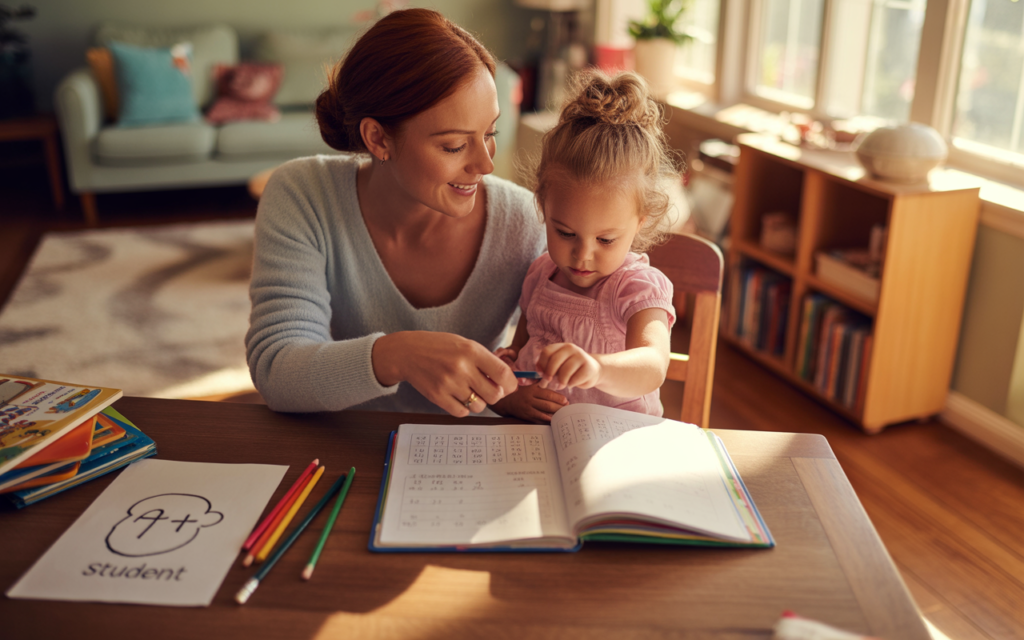
A schedule that children willingly follow feels less like marching orders and more like a natural flow through the day. The secret isn’t creating the perfect timetable but developing patterns that match your family’s energy levels and learning preferences. This daily rhythm becomes the heartbeat of your homeschool, providing security through predictability while leaving room for unexpected discoveries.
Morning Routine Strategies
Mornings set the tone for everything that follows. Starting with consistent wake times helps regulate children’s internal clocks, making them naturally ready to learn at similar times each day. However, forcing night owls into early morning math rarely produces positive results.
Consider when your children seem most alert and engaged. Some families find their sweet spot begins at 7 AM, while others don’t hit their stride until 9 AM. There’s no universal right time to start school – only the right time for your family. Build your morning routine around natural energy patterns rather than fighting against them.
The transition from breakfast to schoolwork benefits from a brief ritual that signals learning time has arrived. This might involve lighting a candle, playing a specific song, or gathering for a morning poem. These simple acts create mental shifts from casual morning activities to focused learning mode. Young children especially respond well to these tangible markers that separate different parts of their day.
Incorporating Breaks and Movement
Children’s bodies aren’t designed for hours of sitting. Regular movement breaks actually improve focus and retention rather than disrupting learning. Plan these breaks before children reach their breaking points – typically every 20-30 minutes for elementary ages, extending to 45-minute sessions for older students.
Movement breaks don’t require elaborate plans. Quick options that reset attention include:
Jumping Jacks: One minute of exercise increases heart rate and oxygen flow to the brain
Dance Breaks: Playing a favorite song while moving freely releases tension
Outdoor Walks: Even five minutes of fresh air refreshes concentration
Stretching Routines: Simple yoga poses help children reconnect with their bodies
Active Games: Simon Says or Red Light/Green Light combine fun with following directions
Mixing Subjects Throughout the Day
Alternating between different types of learning prevents mental fatigue. Following intensive math work with creative writing might overwhelm, but switching to art or music provides refreshing contrast. This variety keeps children engaged while giving different parts of their brains time to rest and process.
Consider subject placement based on difficulty and energy requirements. Many families tackle challenging subjects during peak alertness, saving gentler activities for afternoon lulls. Reading aloud works beautifully after lunch when children might feel drowsy. Physical education or outdoor exploration fits perfectly during typically restless times.
Adapting Schedules for Different Learning Styles
Visual learners might thrive with color-coded schedules posted prominently. Auditory learners respond well to verbal reminders and discussions about the day’s plan. Kinesthetic learners need schedules that include plenty of hands-on activities and movement opportunities. Understanding how each child processes information helps you structure their day for maximum engagement.
Some children work better in longer, focused blocks while others need frequent subject changes. You might have one child complete all their math work in a single session while another does better with math problems spread throughout the day. This individualization represents one of homeschooling’s greatest advantages – tailoring the schedule to how each child learns best rather than forcing everyone into identical patterns.
Allowing for Spontaneous Learning Moments
Rigid schedules that leave no room for curiosity kill the joy of learning. When your child discovers a caterpillar and wants to research butterflies, that interest-driven learning often sticks better than any planned lesson. Building buffer time into your schedule allows these magical moments without derailing the entire day.
This doesn’t mean abandoning all structure. Instead, identify your non-negotiables – perhaps math and reading happen daily – while remaining flexible about timing and additional subjects. Some families designate Friday afternoons for pursuing whatever captured their interest during the week. Others keep running lists of questions to investigate when natural learning moments arise.
The most successful daily rhythms feel sustainable rather than exhausting. If you’re constantly battling to maintain your schedule, something needs adjustment. Maybe you’re trying to accomplish too much, or perhaps the timing doesn’t match your family’s natural patterns. Regular schedule evaluations, involving children in these discussions, help identify what’s working and what needs tweaking. Your daily rhythm should energize your homeschool, not drain it.
Which Teaching Methods Keep Children Engaged and Excited?
The teaching methods that captivate children rarely resemble traditional classroom instruction. Instead of lengthy lectures or worksheet marathons, engaging homeschool education weaves learning into activities children naturally enjoy. This approach transforms education from something done to children into adventures they actively pursue.
Hands-on Learning Approaches
Children remember what they do far better than what they hear. Building a volcano for science beats reading about volcanic eruptions. Cooking doubles as practical life skills and fraction practice. Garden planning incorporates measurement, budgeting, and patience while producing tangible results children can literally taste.
Manipulatives turn abstract concepts concrete. Math becomes visible through counting bears, pattern blocks, and base-ten materials. History comes alive through craft projects recreating ancient pottery or medieval castles. Even grammar improves when children physically move words around to build sentences rather than simply filling in blanks.
The messier the learning, often the more memorable it becomes. Finger painting sight words, sculpting geographical features from clay, or acting out historical events creates neural pathways that worksheet repetition rarely achieves. Yes, this means more cleanup, but the deep understanding children gain makes temporary chaos worthwhile. Protect surfaces with plastic tablecloths, keep wet wipes handy, and remember that engagement matters more than tidiness.
Incorporating Children’s Interests
When children care about subject matter, motivation comes naturally. The child obsessed with dinosaurs eagerly reads complex scientific texts beyond their usual level. Soccer enthusiasts calculate statistics and angles without realizing they’re doing advanced math. This interest-led learning harnesses internal motivation rather than relying on external rewards or consequences.
Start by observing what your children choose during free time. Do they build elaborate LEGO creations? Draw constantly? Make up stories? These preferences reveal learning styles and interests you can incorporate into formal subjects. Writing assignments about favorite topics produce better results than generic prompts. Math word problems featuring beloved characters or activities make sense faster than abstract scenarios.
Unit studies built around interests integrate multiple subjects seamlessly. Studying ocean life might include marine biology, ocean current geography, maritime history, ocean-themed literature, and calculating whale migration distances. This interconnected learning shows children how different subjects relate rather than keeping them in isolated compartments.
Using Games and Activities
Games disguise learning as fun so effectively that children beg for more “school.” Board games teach strategy, counting, and patience. Card games reinforce math facts and pattern recognition. Word games build vocabulary and spelling skills. These activities often generate more learning than traditional drills while building positive associations with education.
Create simple games from everyday materials. Tape number lines on floors for physical math practice. Use sidewalk chalk for outdoor spelling games. Transform review sessions into quiz shows complete with buzzers and prizes. Competition adds excitement, though ensure games stay fun rather than stressful. Some children thrive on competition while others prefer cooperative games where everyone works together toward common goals.
Technology Integration Tips
Digital tools offer learning opportunities impossible just decades ago. Virtual field trips transport children to museums worldwide. Educational apps provide immediate feedback and adaptive challenges. Online courses connect children with expert teachers for specialized subjects. Video tutorials demonstrate everything from origami to chemistry experiments with pause and replay options worksheets can’t match.
Screen time becomes educational rather than passive consumption when chosen thoughtfully. Quality matters more than quantity – one hour of coding practice or documentary viewing provides more value than three hours of random YouTube videos. Establish guidelines about educational versus entertainment screen time, though remember that some entertainment content offers learning too. Historical fiction games, nature documentaries, and science channels blend education with engagement.
Balance remains crucial with technology use. Digital tools supplement but shouldn’t replace hands-on experiences, outdoor exploration, and face-to-face interactions. Children still need to hold actual books, write with pencils, and manipulate real objects. Technology serves best as one tool among many rather than the primary teaching method.
Real-world Learning Connections
Children constantly ask “when will I use this?” Real-world applications answer that question before they ask. Grocery shopping becomes consumer math and nutrition lessons. Building projects require measurement and problem-solving. Writing thank-you notes practices composition with authentic purpose. These connections show children that education extends beyond textbooks into daily life.
Include children in household activities that reinforce academic skills. Budgeting allowances teaches financial literacy. Following recipes involves reading comprehension and mathematical conversions. Planning vacation routes incorporates geography and time calculation. These practical applications stick because children see immediate relevance.
Community involvement extends learning beyond your home’s walls. Volunteering at animal shelters connects to biology and empathy development. Helping elderly neighbors with technology builds patience and communication skills. Participating in local government meetings demonstrates civics in action. These experiences provide context that makes textbook learning meaningful while developing character alongside academics.
How Can You Foster Independence While Maintaining Structure?
The gradual release of control from parent-teacher to student-learner marks successful homeschooling progression. Children who develop self-direction and personal responsibility for their education carry these skills into adulthood. This transition doesn’t happen overnight but through deliberate steps that build confidence alongside competence.
Self-directed Learning Opportunities
Independent learning begins with small choices that gradually expand. Initially, children might choose between two math worksheets or select which subject to tackle first. These simple decisions build decision-making muscles without overwhelming young learners. As children demonstrate good judgment, choices broaden to include topic selection for reports or methods for demonstrating understanding.
Project-based learning naturally develops independence. When children research topics they’ve chosen, create presentation formats they prefer, and manage timelines with gentle guidance, ownership of learning transfers from parent to child. A child studying birds might create a field guide, build birdhouses, or start a blog documenting local species. The project’s direction comes from their interests while you provide resources and accountability.
Quiet time for independent work starts briefly and extends gradually. Kindergarteners might work alone for ten minutes while you prepare the next activity. By middle school, students should manage hour-long independent study blocks. This progression requires patience – children will make mistakes, choose inefficient methods, and occasionally waste time. These experiences teach time management and consequences better than constant oversight.
Choice Boards and Learning Menus
Visual systems showing available options empower children while maintaining educational standards. Choice boards display various activities meeting the same learning objective, allowing children to select their preferred approach. Math facts might be practiced through flashcards, online games, workbook pages, or creating story problems. The skill gets reinforced regardless of the chosen method.
Learning menus work like restaurant menus with appetizers, main courses, and desserts representing different activity types. Appetizers might be quick warm-up exercises, main courses involve core learning activities, and desserts include enrichment options. Children select one from each category, ensuring balanced learning while exercising choice. Some families require certain “nutritious” choices before allowing “dessert” activities.
These systems need clear parameters to function effectively. Specify whether choices are daily, weekly, or unit-based. Establish minimum requirements – perhaps three activities from the choice board must be completed before free choice time. Create accountability through learning logs where children record their selections and reflections.
Goal Setting with Children
Children who participate in setting their own learning goals invest more deeply in achieving them. Begin with short-term, achievable targets – reading one chapter book this week or mastering multiplication facts through five. These quick wins build confidence and demonstrate that goals aren’t just wishes but plans with actions attached.
The process of goal setting teaches valuable skills beyond the specific academic target. Children learn to break large objectives into manageable steps. They discover the satisfaction of checking off completed tasks and the need to adjust plans when obstacles arise. These executive function skills serve them throughout life.
Weekly planning sessions where children help map out their upcoming work develop ownership and time awareness. Reviewing the previous week’s accomplishments and challenges informally assesses progress while involving children in their educational journey. Questions like “What felt too easy?” and “Where do you need more practice?” help children develop metacognition – thinking about their own thinking and learning.
Building Responsibility Gradually
Academic responsibility grows through incremental increases rather than sudden expectations of total independence. First-graders might be responsible for putting away their supplies after each subject. Second-graders add bringing their workbooks to the designated learning space. By fourth grade, children might track their own assignment completion on a checklist.
Natural consequences teach responsibility more effectively than constant reminders. When children forget to charge their tablet for online lessons, they experience the inconvenience of waiting or missing activities. These manageable disappointments teach planning and preparation without devastating consequences. Obviously, you’ll intervene for crucial matters, but allowing some natural consequences builds authentic responsibility.
Consider creating “learning contracts” with older children outlining expectations, privileges, and consequences. These agreements might specify that completing weekly assignments by Thursday earns Friday flexibility. Or maintaining certain standards in independent work allows continued freedom while slipping performance triggers closer supervision. Written agreements prevent arguments about what was promised or expected.
Creating Accountability Systems
Accountability doesn’t mean harsh oversight but rather systems helping children track their own progress. Visual progress charts, where children color squares or add stickers for completed work, provide immediate feedback about advancement toward goals. Digital tools like assignment calendars or learning management systems work well for older students comfortable with technology.
Peer accountability through homeschool co-ops or online study groups adds social motivation. Children often work harder when they know friends will see their projects or when they’re contributing to group assignments. Study buddies checking each other’s math or editing each other’s writing creates reciprocal responsibility.
Regular “conferences” between parent-teacher and student maintain communication about progress and challenges. These aren’t lectures but conversations where children share what’s working, what’s difficult, and what support they need. Some families hold formal weekly meetings while others have informal daily check-ins. The key is consistent communication that keeps children connected to their learning journey while gradually reducing the need for external monitoring.
What Resources Transform Ordinary Lessons Into Adventures?
The resources that bring homeschool lessons to life extend far beyond textbooks and worksheets. When you tap into diverse materials and experiences, learning becomes three-dimensional rather than flat. These resources don’t require enormous budgets – creativity and intentionality matter more than expensive curriculum packages.
Outdoor Learning Opportunities
Nature provides an endlessly renewable classroom that changes with seasons and weather. A single tree in your yard becomes a year-long science project as children document seasonal changes, identify visiting birds, and study bark patterns. Puddles after rain teach about water cycles, evaporation, and reflection. Even urban environments offer learning through architecture observation, traffic pattern analysis, and urban wildlife study.
Regular nature walks develop observation skills while covering multiple subjects simultaneously. Collecting leaves incorporates botany, artistic pressing projects, and classification systems. Cloud watching leads to weather discussions and creative writing prompts about shapes spotted in the sky. These experiences cost nothing yet provide richer learning than many expensive programs.
Outdoor learning also addresses different sensory needs and energy levels. The child who struggles to sit still for indoor math might eagerly calculate distances between trees or measure shadow lengths throughout the day. Fresh air and natural light improve mood and focus for many learners. Physical movement while learning helps encode memories more deeply than sedentary study.
Gardening projects teach patience, responsibility, and science through direct experience. Children witness germination, photosynthesis, and decomposition firsthand. Math sneaks in through measuring garden plots, calculating seed spacing, and tracking growth rates. Failed crops teach resilience and problem-solving as children figure out what went wrong.
Community Connections and Field Trips
Your local community holds educational treasures waiting to be discovered. Fire stations offer tours explaining community helpers and safety. Libraries provide more than books – many host educational programs, maker spaces, and cultural events. Senior centers connect children with living history through residents eager to share their stories and skills.
Behind-the-scenes tours at everyday locations reveal hidden learning. Grocery stores might explain supply chains and food safety. Banks demonstrate practical math and economics. Post offices show how mail travels from sender to recipient. These glimpses into working environments help children understand how their academic learning applies to real careers.
Field trips don’t require distant destinations or admission fees. Walking tours of historical neighborhoods, visits to local artists’ studios, or exploring ethnic markets provide rich cultural education. Many businesses welcome homeschool groups, especially during slower weekday hours. The key lies in seeing educational potential in ordinary places.
Museums and cultural sites often offer homeschool programs with reduced admission and special educational materials. Some provide annual family memberships that pay for themselves after just a few visits. Reciprocal memberships expand options to institutions throughout your region. These investments provide year-round learning destinations for various subjects and interests.
Creative Supply Essentials
A well-stocked creation station invites spontaneous learning and expression. Basic supplies – paper, scissors, glue, markers – combine into endless projects. Add recyclables like cardboard boxes, plastic containers, and fabric scraps for three-dimensional constructions. These materials support everything from dioramas to inventions without requiring specialized craft supplies.
Consider establishing a dedicated creation space where ongoing projects can remain undisturbed. This might be a corner table, closet converted to art nook, or even a large plastic tub that slides under beds. Having materials readily accessible encourages children to express learning through creation rather than always writing or discussing.
Quality matters for certain supplies that see heavy use:
Art Materials: Good colored pencils and paints produce satisfying results that encourage continued creativity
Building Sets: Durable blocks or construction toys provide years of engineering practice
Musical Instruments: Even simple rhythm instruments support music education and motor skills
Science Tools: Basic microscopes, magnifying glasses, and measurement tools enable real investigation
Writing Supplies: Comfortable pencils and appealing notebooks make writing practice more pleasant
Digital Tools and Platforms
Online resources expand learning possibilities beyond geographical limitations. Virtual tutors provide specialized instruction in foreign languages or advanced mathematics. Educational YouTube channels demonstrate science experiments too dangerous or expensive for home replication. Coding platforms teach programming through game creation and interactive challenges.
Digital libraries provide instant access to thousands of books without storage concerns or late fees. Many include audio options supporting different learning styles and reading levels. Research becomes easier when children can access age-appropriate databases and educational websites. These digital resources level playing fields between families with different financial resources.
Choose platforms that adapt to your children’s levels and provide meaningful feedback. The best educational technology adjusts difficulty based on performance, celebrates progress, and explains mistakes rather than just marking them wrong. Look for programs that provide parent reports showing where children excel and struggle.
Building a Home Library
Books remain foundational despite digital alternatives. Physical books allow for easier browsing, don’t require charging, and provide sensory experiences screens can’t replicate. Building a home library doesn’t require buying everything new. Library book sales, thrift stores, and online marketplaces offer affordable options. Focus on quality over quantity – fifty well-chosen books serve better than hundreds gathering dust.
Organize books to encourage exploration. Low shelves displaying covers rather than spines attract younger readers. Rotating selections keeps offerings fresh without acquiring more books. Seasonal displays, themed collections, or “books of the week” maintain interest in existing materials. Some families create cozy reading spaces with special lighting and comfortable seating that make books irresistible.
Your Homeschool Journey Starts Today
The path to creating a homeschool your children love isn’t about perfection but about intentional choices that honor how your family learns best. Every element discussed – from arranging physical spaces to selecting resources – works together to create an educational experience that feels less like school and more like an exciting journey of discovery. Small adjustments in how you approach daily rhythms, teaching methods, and fostering independence can dramatically shift your children’s attitude toward learning.
Your homeschool will look different from others because your family is unique. The strategies and ideas presented here serve as starting points for your own experimentation and refinement. What matters most is paying attention to what ignites curiosity in your children and building upon those sparks. Trust your instincts, give yourself permission to adjust course when something isn’t working, and celebrate the privilege of watching your children learn and grow in an environment crafted specifically for them.
Frequently Asked Questions
Q: How much money do I need to start homeschooling effectively?
A: You can begin homeschooling with very little money by using library resources, free online materials, and household items for hands-on learning. Many families successfully homeschool for under $500 per child annually, while others choose to invest more in specific curricula or experiences.
Q: What if my children resist the structure I’m trying to create?
A: Resistance often signals that the structure doesn’t match your children’s learning styles or energy patterns. Try involving them in creating schedules and choosing activities, then adjust based on what you observe working best during different times of day.
Q: How do I teach subjects I don’t understand well myself?
A: You don’t need expertise in every subject to homeschool successfully. Learn alongside your children, use video tutorials and online courses for challenging topics, or trade teaching duties with other homeschool parents who have different strengths.
Q: Can working parents successfully homeschool?
A: Yes, many working parents homeschool by using flexible schedules, incorporating evenings and weekends, choosing self-directed curricula for older children, or sharing teaching responsibilities with spouses, relatives, or homeschool co-ops.
Q: How do I know if my children are learning enough compared to traditionally schooled peers?
A: Regular assessment through portfolios, standardized tests (if desired), or annual evaluations can track progress. Focus on continuous improvement rather than comparison, as homeschooled children often learn at different paces than classroom students.
Q: What if I need a break from teaching?
A: Taking breaks is essential for sustainable homeschooling. Use educational videos, audiobooks, or quiet reading time when you need space. Consider joining co-ops for shared teaching days or arranging childcare swaps with other homeschool families.
Q: How do children learn social skills without a traditional classroom?
A: Homeschooled children develop social skills through community activities, sports teams, clubs, co-ops, volunteer work, and interactions with people of various ages rather than only same-age peers.
Q: When should children start doing schoolwork independently?
A: Independence develops gradually, with most children managing some independent work by age 7-8. Start with short periods of simple tasks and increase complexity and duration as children demonstrate readiness.