
Planning meals that work for both your weight loss goals and your family’s preferences feels impossible most days. You’re juggling work deadlines, school pickups, homework help, and somehow you’re supposed to cook nutritious meals that everyone will actually eat. The struggle becomes even harder when you’re trying to shed pounds while keeping your kids happy at the dinner table.
Many parents abandon their health goals because preparing separate meals for themselves seems unsustainable. You start with good intentions, making yourself a salad while cooking pasta for the kids, but within weeks you’re eating their leftovers because who has time for double meal prep? This cycle leaves you frustrated, exhausted, and no closer to your weight loss objectives.
The good news is that family-friendly meals and weight loss aren’t mutually exclusive. With smart planning strategies and simple modifications, you can create nutritious dinners that satisfy everyone while helping you reach your health goals. Let’s explore practical approaches that real parents use to balance family nutrition with personal wellness, without spending hours in the kitchen or breaking your budget.
- Why Traditional Diet Plans Fail for Busy Families
- Building Your Weekly Meal Planning Foundation
- Kid-Approved Healthy Swaps That Support Weight Loss
- Time-Saving Kitchen Strategies for Weeknight Success
- Making Meal Planning Sustainable Long-Term
- Creating a Meal Planning System that Serves Your Weight Loss Goals
- Frequently Asked Questions
Why Traditional Diet Plans Fail for Busy Families

Most diet programs weren’t designed with family life in mind. They assume you have unlimited time for meal prep, a compliant household, and zero soccer practices interrupting dinner time. Real family life operates differently, with multiple schedules, varied taste preferences, and constant time pressure creating obstacles at every turn.
Conflicting taste preferences across family members
Your eight-year-old wants chicken nuggets every night while your teenager suddenly declared themselves vegetarian last week. Meanwhile, your partner grew up on hearty comfort foods and views anything green with suspicion. Trying to accommodate everyone’s preferences while counting calories feels like solving an impossible puzzle.
The solution isn’t forcing everyone to eat exactly what you’re eating. Instead, create meals with customizable components where each family member can adjust portions and toppings to their liking. A taco bar becomes a perfect example – you load up on lettuce and vegetables while others add rice and cheese. Everyone eats together, nobody feels deprived, and you stay within your calorie goals.
Time constraints of separate meal preparation
Picture this scenario: you spend Sunday afternoon preparing grilled chicken and roasted vegetables for your weekly meal prep. Then Monday rolls around and you’re also making mac and cheese for the kids, because they won’t touch your “diet food.” By Wednesday, you’re too exhausted to maintain this double cooking routine.
Preparing entirely separate meals for weight loss quickly becomes unsustainable. Between work commitments, school activities, and household responsibilities, most parents barely have time for one round of cooking, let alone two. This time crunch often leads to grabbing whatever’s quickest, which rarely aligns with health goals.
The key lies in finding middle ground through simple modifications rather than completely different meals. Start with a base that works for everyone, then adjust portions and add-ons. A stir-fry can have the same vegetables and protein for all, but you skip the rice while others enjoy it. This approach cuts preparation time dramatically while keeping everyone satisfied.
Hidden costs of multiple meal plans
Buying ingredients for adult “diet” meals plus kid-friendly options strains both your budget and refrigerator space. Those specialty low-carb wraps cost three times more than regular tortillas. The organic pre-portioned meals you bought for quick lunches expire before you eat them because unexpected meetings meant grabbing food on the go.
Food waste increases significantly when you’re managing multiple meal plans. That expensive kale goes bad because the kids refused to try the “green smoothie experiment,” while their requested frozen pizzas accumulate because you’re trying to avoid temptation. Your grocery bills climb while your available storage space shrinks.
Financial pressure adds another layer of stress to an already challenging situation. Spending double on groceries isn’t realistic for most families, yet that’s often what happens when parents attempt completely separate meal planning. Smart shopping strategies and versatile ingredients become essential for making healthy eating affordable.
Social dynamics around family dining
Family dinner represents more than just food consumption – it’s often the only time everyone gathers together during busy weekdays. When you’re eating something completely different from everyone else, this communal experience shifts. Kids notice when mom or dad has “special” food, leading to questions, comments, and sometimes hurt feelings about why the family can’t share the same meal.
Children learn eating behaviors by watching their parents. If they constantly see you eating separate “diet” meals, they might develop complicated relationships with food, categorizing items as “good” or “bad” rather than understanding balanced nutrition. Your five-year-old announcing they need to diet because they saw you weighing portions isn’t the lesson you intended to teach.
Creating inclusive meals that support your goals while bringing the family together requires thoughtful planning but pays dividends in family harmony. When everyone enjoys similar foods with minor modifications, children learn that healthy eating is normal, not punishment. This approach models positive food relationships while supporting your weight loss journey.
The traditional diet mentality of restriction and separation doesn’t work in family settings. Success comes from integration and flexibility, finding ways to merge your health goals with family needs. This shift in perspective transforms meal planning from a source of stress into an opportunity for teaching healthy habits while taking care of yourself.
Building Your Weekly Meal Planning Foundation
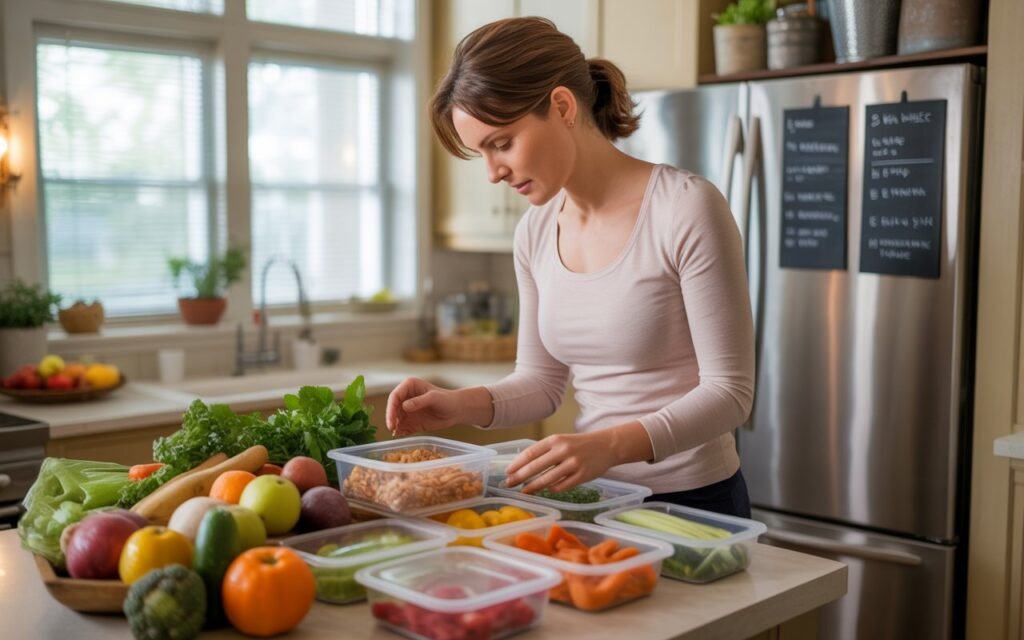
Starting fresh with meal planning often feels overwhelming when you’re staring at a blank calendar and hungry family members. Creating structure around your weekly food preparation transforms chaos into manageable routine. The right foundation makes healthy eating automatic rather than a daily struggle requiring constant willpower and decision-making.
Creating a master grocery list system
A well-organized grocery list saves both time and money while preventing those desperate takeout orders when you realize you’re missing key ingredients. Start by categorizing your list by store sections: produce, proteins, dairy, pantry staples, and frozen items. This organization speeds up shopping trips significantly.
Build your master list around versatile ingredients that work in multiple recipes. Chicken breast can become tacos Tuesday, stir-fry Wednesday, and soup Thursday. Bell peppers work raw in salads, roasted as sides, or sautéed in omelets. These flexible ingredients reduce waste while providing variety throughout the week.
Keep a running list on your phone or kitchen counter where family members can add items as supplies run low. This prevents the frustrating discovery that someone used the last of the milk Tuesday morning when you planned to make overnight oats Wednesday night.
Review sales flyers before finalizing your weekly list, but don’t let deals derail your planning. Sure, pork chops are half price, but if nobody in your family likes them, they’ll sit in the freezer for months. Focus discounts on items you actually use regularly, stockpiling non-perishables when prices drop.
Digital tools can streamline this process considerably. Apps that save your frequent purchases, organize by store layout, and sync across devices mean you’ll never forget the list at home again. Some even track prices to help identify the best deals over time.
Batch cooking strategies that work
Sunday meal prep sounds great in theory until you’re spending four hours in the kitchen while your family enjoys their weekend without you. Effective batch cooking doesn’t mean sacrificing entire afternoons. Instead, maximize your time by preparing components rather than complete meals.
Cook proteins in bulk using simple seasonings that work across various cuisines. Plain grilled chicken transforms into Mexican bowls with salsa, Asian lettuce wraps with ginger sauce, or Italian pasta (using zucchini noodles for yourself) with marinara. This flexibility prevents meal fatigue while minimizing cooking time.
Chopped vegetables last several days when stored properly, eliminating nightly prep work. Spend twenty minutes Sunday cutting peppers, onions, carrots, and celery. Monday’s stir-fry, Tuesday’s soup, and Wednesday’s salad come together quickly with vegetables ready to use. Your family gets fresh meals without the daily chopping marathon.
Grains and legumes cook beautifully in large batches. Make enough brown rice, quinoa, or beans for the entire week. Portion some for your measured servings while leaving the rest family-style. These filling additions satisfy hungry kids and adults while you control your portions easily.
Batch cooking works best when you’re already in the kitchen. While tonight’s chicken bakes, tomorrow’s soup simmers on the stovetop. This parallel preparation maximizes your time investment without requiring dedicated meal prep sessions that interrupt weekend plans.
Storage solutions for prepped ingredients
Proper storage makes or breaks your meal planning success. Invest in quality containers that stack efficiently, seal tightly, and transition from refrigerator to microwave safely. Glass containers cost more initially but last longer and don’t retain flavors or stains from tomato-based sauces.
Label everything with contents and dates to prevent mystery container syndrome. That brown sauce could be enchilada sauce from last week or beef gravy from two weeks ago – guessing games waste food and time. Simple masking tape and a marker work fine, or use erasable labels for containers in regular rotation.
Organize your refrigerator strategically to support your meal plan:
Ready-to-Eat Zone: Prepped snacks, cut vegetables, and portioned proteins at eye level
Assembly Station: Ingredients for tomorrow’s dinner grouped together
Kids’ Section: Approved snacks and lunch components they can grab independently
Leftovers Corner: Clearly labeled with dates for easy lunch planning
Freezer organization deserves equal attention. Flat-freeze soups and sauces in zip-top bags to save space. Once frozen, stand them upright like file folders for easy browsing. Individual portions frozen separately allow you to grab exactly what you need without defrosting entire batches.
Flexible meal templates for variety
Rigid meal plans fail when life happens – sick kids, late meetings, or spontaneous pizza night with friends. Templates provide structure while allowing adaptation based on available time, ingredients, and family preferences.
Build templates around cooking methods rather than specific recipes. “Sheet pan night” could mean chicken with roasted vegetables, salmon with asparagus, or tofu with sweet potatoes. The cooking method stays consistent while proteins and vegetables vary based on sales, seasons, and cravings.
Create theme nights that work for everyone. Taco Tuesday becomes predictable and fun, with each person customizing their meal. You enjoy lettuce-wrapped versions while others use tortillas. Mexican Monday, Stir-fry Friday, or Soup Sunday give structure without rigidity, making planning easier while maintaining variety.
Keep backup templates for exhausting days. These should require minimal preparation and use pantry staples: whole wheat pasta with jarred sauce and frozen vegetables, breakfast-for-dinner with scrambled eggs and whole grain toast, or slow cooker meals assembled from freezer ingredients morning-of.
Kid-Approved Healthy Swaps That Support Weight Loss
Converting favorite family meals into healthier versions without triggering mealtime battles requires strategy and patience. Children often resist change, especially with food, but gradual modifications can shift their preferences toward nutritious options. The trick lies in maintaining familiar flavors while improving nutritional content.
Small substitutions work better than complete overhauls. Replace half the pasta with zucchini noodles rather than serving only vegetables. Mix cauliflower rice with regular rice, gradually increasing the vegetable ratio over weeks. These gentle transitions prevent rejection while slowly adjusting taste preferences.
Sneaky vegetable integration techniques
Vegetables disappear into familiar dishes more easily than appearing as obvious sides. Finely grated carrots and zucchini blend invisibly into meatballs, meatloaf, and burger patties. The moisture they add actually improves texture while nobody notices the nutritional boost.
Pureed vegetables transform sauces without altering appearance significantly. Butternut squash blends seamlessly into mac and cheese sauce, adding creaminess and nutrients. Spinach or kale pureed into tomato sauce turns spaghetti night into a vegetable-delivery system. Start with small amounts, increasing gradually as acceptance grows.
Smoothies offer perhaps the easiest vegetable introduction. Frozen cauliflower or mild spinach vanishes behind fruit flavors. Call them “monster smoothies” or “superhero fuel” – creative naming makes vegetables exciting rather than suspicious. Let kids choose fruit combinations while you secretly add vegetables.
Presentation matters more than you might expect. Arrange vegetables into faces on plates, use cookie cutters for fun shapes, or serve components separately for DIY assembly. Children who reject mixed casseroles might happily eat the same ingredients when they control the combination.
Protein-rich alternatives kids actually eat
Growing bodies need adequate protein, but traditional diet proteins often seem boring to young palates. Greek yogurt parfaits layered with berries and a sprinkle of granola feel like dessert while delivering substantial protein. Make these together, letting kids create their own layers.
Transform ordinary eggs into exciting meals. Mini frittata muffins baked in colorful silicone cups become grab-and-go breakfasts or lunch box additions. Let each child choose their mix-ins – cheese for one, ham for another – while you pack yours with vegetables.
Legume-based options work when prepared creatively. Chickpea “cookie dough” made with nut butter and mini chocolate chips satisfies sweet cravings while providing protein and fiber. Black bean brownies sound strange but taste delicious, especially when you don’t mention the secret ingredient initially.
Meat alternatives don’t always mean processed products. Lentils seasoned like taco meat fool even suspicious eaters when mixed with some regular ground beef. Gradually increase the lentil ratio as acceptance grows. This stretches your grocery budget while reducing calories and increasing fiber.
Smart carbohydrate substitutions
Refined carbohydrates dominate kid-friendly foods, but smart swaps maintain satisfaction while improving nutrition. Whole grain versions of favorites work when introduced gradually. Mix half white rice with brown, slowly adjusting ratios over time.
Creative vegetable preparations replace traditional starches surprisingly well. Mashed cauliflower mixed with a small amount of real potatoes maintains familiar texture and flavor. Spaghetti squash becomes an adventure when kids help scrape the strands. Sweet potato fries baked until crispy rival fast-food versions.
Pizza night transformations keep everyone happy. Cauliflower crust for adults, whole wheat for kids, or mini pizzas on English muffin halves let everyone customize. Load vegetables under cheese where they’re less noticeable. Make it interactive with a topping bar including plenty of vegetable options alongside traditional choices.
Breakfast carbohydrate swaps set a healthy tone for the entire day. Overnight oats feel like pudding while providing sustained energy. Whole grain waffles topped with nut butter and fruit replace syrup-soaked versions. Egg-based “pancakes” made with banana and oats satisfy morning sweet teeth while stabilizing blood sugar.
Healthy snacks that feel like treats
Strategic snacking prevents dinnertime meltdowns while supporting your weight loss efforts. The key lies in preparation and presentation that makes nutritious foods as appealing as packaged snacks.
Create snack boxes with divided compartments filled with colorful options. Cherry tomatoes, cucumber rounds, cheese cubes, and a small portion of crackers let kids feel in control while you’ve predetermined healthy choices. Make several at once for grab-and-go convenience.
Frozen treats satisfy ice cream cravings without the sugar overload. Blend frozen bananas into “nice cream,” adding cocoa powder or peanut butter for variety. Yogurt bark made with Greek yogurt, berries, and a drizzle of honey breaks into pieces like candy. Frozen grape “popsicles” require zero preparation.
Homemade versions of processed favorites taste better while controlling ingredients:
Energy Balls: Dates, nuts, and mini chocolate chips rolled into bite-sized portions
Veggie Chips: Thinly sliced beets, sweet potatoes, or kale baked until crispy
Fruit Leather: Pureed fruit spread thin and dehydrated or baked low
Trail Mix: Customized combinations with more nuts and seeds, less candy
Making snacks together teaches kitchen skills while increasing acceptance of healthy foods. Kids eat what they help prepare, taking pride in their creations. This investment in the process reduces resistance to nutritious options.
Time-Saving Kitchen Strategies for Weeknight Success
Weeknight dinners challenge even the most organized parents. Between after-school activities, homework supervision, and bedtime routines, elaborate meal preparation isn’t realistic. Successful strategies focus on speed without sacrificing nutrition or family satisfaction.
30-minute meal formulas
The anatomy of a quick, healthy dinner follows predictable patterns. Master these formulas and you’ll never stare blankly into the refrigerator at 6 PM again. Each formula scales to family size while allowing individual modifications for dietary needs.
Protein plus vegetable plus grain equals endless combinations. Sear chicken cutlets (pounded thin for faster cooking), steam broccoli in the microwave, and heat pre-cooked quinoa. Fifteen minutes from start to table. Swap proteins, vegetables, and grains based on preferences and availability – the timing remains consistent.
Build bowls for customizable dinners that please everyone. Set out components buffet-style: seasoned ground turkey, black beans, corn, lettuce, tomatoes, cheese, and avocado. You create a salad-based bowl while others add rice or tortilla chips. One meal, multiple satisfaction levels, minimal cooking time.
Pasta alternatives cook quickly while supporting health goals. Spiralized zucchini needs just two minutes in hot sauce. Shirataki noodles require only rinsing and warming. Regular pasta for the family cooks simultaneously in another pot. Everyone eats “spaghetti” together with their preferred base.
One-pot and sheet pan solutions
Minimizing cleanup makes healthy cooking more sustainable when exhaustion peaks. These methods produce complete meals with practically no dish washing, removing a significant barrier to home cooking.
Sheet pan dinners roast proteins and vegetables simultaneously. Chicken thighs, Brussels sprouts, and sweet potato chunks seasoned and baked together create a complete meal. Different cooking times? Add longer-cooking items first, quicker-cooking vegetables later. Line pans with parchment for even easier cleanup.
One-pot meals range from sophisticated to simple. Brown meat, add liquid and vegetables, simmer until tender. This basic technique creates countless variations from different seasonings and ingredients. Your portion stays controlled while family members add bread or extra servings as desired.
Foil packet meals work brilliantly for families with varied preferences. Each person’s dinner steams in its own packet with chosen ingredients. Place all packets on one baking sheet – no pots needed. Kids think eating from personal packets feels special, like camping at the dinner table.
Skillet dinners maximize flavor through fond development – those delicious brown bits that form when searing. Deglaze with broth or wine, creating instant sauce while cooking vegetables in the same pan. This technique makes simple ingredients taste restaurant-worthy without extra effort or dishes.
Slow cooker and instant pot magic
Set-and-forget cooking revolutionizes weeknight dinners. Morning assembly means walking into a house filled with delicious aromas instead of dinner panic. These methods work especially well for tough schedules with irregular arrival times.
Slow cooker meals improve throughout the day, developing complex flavors from simple ingredients. Dump chicken breasts, salsa, and beans in the morning; shred the chicken that evening for burrito bowls. Add toppings based on individual preferences – lettuce base for you, rice for others.
Instant Pot functionality speeds traditionally slow processes. Dried beans cook in thirty minutes instead of hours. Frozen chicken breasts transform into shreddable meat in twenty minutes. This flexibility means forgotten defrosting doesn’t derail dinner plans.
Batch cooking in these appliances maximizes efficiency. Double recipes freeze beautifully for future meals. Sunday’s pot roast becomes Wednesday’s French dip sandwiches (open-faced on lettuce for you). This intentional leftover planning reduces cooking frequency while maintaining variety.
Program delayed starts around your schedule. Set the Instant Pot to begin cooking an hour before you arrive home. Walk in to nearly ready meals instead of starting from scratch when everyone’s already hungry and cranky.
Quick assembly meals from prepped ingredients
Sometimes cooking isn’t cooking at all – it’s strategic assembly of prepared components. These meals rely on weekend prep or store-bought shortcuts combined thoughtfully.
Rotisserie chicken provides instant protein for multiple meals. Shred it Sunday for quick additions to salads, wraps, soup, or grain bowls throughout the week. The carcass makes excellent bone broth in your slow cooker overnight.
Pre-washed salad greens eliminate the barrier to vegetable consumption. Yes, they cost more, but if the convenience means you actually eat salad instead of ordering takeout, the investment pays off. Add prepared proteins, pre-cut vegetables, and measured dressing for complete meals in minutes.
Frozen vegetables often contain more nutrients than fresh, having been frozen at peak ripeness. Steam bags cook in the microwave in minutes. Season them well and nobody misses the fresh version. Stock varieties your family enjoys for nights when produce drawer supplies dwindle.
Build your own convenience foods during less hectic times:
Meatballs: Form and freeze on trays, bag when solid for quick additions to meals
Burger Patties: Pre-formed and separated with parchment, ready for quick cooking
Marinated Proteins: Freeze in marinade, flavor develops while thawing
Smoothie Packs: Pre-measured frozen fruit and vegetables, just add liquid and blend
These preparations turn cooking into heating and assembling, manageable even on the busiest nights.
Making Meal Planning Sustainable Long-Term
Initial enthusiasm for healthy meal planning often fades when reality sets in. Soccer practice runs late, someone gets sick, or work deadlines eliminate cooking time altogether. Building sustainable systems means accepting imperfection while maintaining forward momentum.
Weekly planning rituals that stick
Consistency in planning prevents the system from falling apart during stressful weeks. Choose a specific time for meal planning that aligns with your natural schedule. Saturday morning coffee becomes planning time, or Thursday evening while watching TV.
Start planning sessions by reviewing the coming week’s calendar. Note evening activities, late meetings, or social events that affect dinner timing. Plan easier meals for busy nights, elaborate ones for relaxed evenings. This realistic approach prevents setting yourself up for failure.
Involve family members appropriately based on age. Toddlers might choose between two vegetables while teenagers suggest entire meals. This participation increases buy-in and reduces complaints about dinner choices. Create a rotating system where each person picks one dinner weekly.
Keep planning sessions brief and focused. Spending hours researching new recipes leads to burnout. Rotate through trusted meals with occasional new additions. A meal planning app or simple notebook tracks favorites for easy reference. Aim for fifteen to twenty minutes maximum.
Build flexibility into your plan from the start. Schedule one “whatever” night for leftovers or takeout. Plan two backup meals using pantry staples for when planned meals become impossible. This cushion prevents the entire system from derailing when life intervenes.
Connect meal planning with grocery shopping for efficiency. Order groceries online during planning or shop immediately after. This connection prevents forgetting crucial ingredients and reduces multiple store trips that waste time and test willpower.
Dealing with picky eaters progressively
Children’s food preferences change slowly, requiring patience and strategy. Forcing confrontations over food creates negative associations that last years. Instead, work with their current preferences while gently expanding boundaries.
Implement “one bite” rules without drama. Everyone tries one bite of new foods without commentary or negotiation. No gagging sounds, dramatic faces, or lengthy discussions. They try it, move on. Sometimes familiarity through repeated exposure creates acceptance.
Serve new foods alongside guaranteed favorites. Unfamiliar vegetables next to beloved mac and cheese feel less threatening. Hungry kids might surprise you by trying new items when favorite foods are also available. Remove pressure and let curiosity drive exploration.
Make trying new foods feel special rather than punitive. “Adventure bite” nights where everyone, parents included, tries something unusual. Rate new foods with silly scales – “dinosaur delicious” or “mudpie messy.” Creating positive associations around food exploration reduces resistance.
Never become a short-order cook, but provide acceptable alternatives. If tonight’s main dish gets rejected, offer simple options like peanut butter sandwiches or cheese and crackers. Not exciting enough to encourage regular refusal, but adequate to prevent bedtime hunger.
Model enthusiastic eating without forcing participation. Describe flavors positively, express genuine enjoyment, but don’t push sharing. Children often want what others enjoy, eventually asking to try foods they’ve watched you eat happily for weeks.
Budget-friendly healthy shopping tips
Eating healthy on a budget requires strategic shopping rather than expensive specialty items. Focus on whole foods that provide maximum nutrition per dollar spent.
Buy proteins strategically based on sales and versatility. Whole chickens cost less per pound than parts – roast one Sunday, use meat for several meals, make broth from bones. Dried beans and lentils provide incredibly cheap protein. Eggs work for any meal at minimal cost.
Seasonal produce tastes better and costs less. Summer zucchini, winter squash, spring asparagus – buying what’s abundant saves money. Frozen vegetables bought on sale stock your freezer for months. Farmers markets near closing time often discount remaining produce.
Store brands match name-brand quality for most items. Compare ingredients lists – often they’re identical products in different packaging. Save splurge money for items where quality truly matters to your family. Generic oats, rice, and canned tomatoes perform identically to premium versions.
Reduce food waste through proper storage and creative repurposing. Wilting vegetables become soup. Stale bread transforms into breadcrumbs or breakfast casserole. Overripe fruit gets frozen for smoothies. This resourcefulness stretches grocery budgets significantly while reducing waste.
Tracking progress without obsessing
Success in family meal planning means different things to different people. Weight loss, improved energy, kids eating vegetables, or simply avoiding takeout multiple nights weekly all count as wins.
Define success broadly to maintain motivation. Maybe the scale hasn’t moved but your energy increased. Perhaps weight loss stalled but your teenager started packing healthier lunches after watching your efforts. Recognizing various victories prevents discouragement when single metrics disappoint.
Track what matters without becoming compulsive. Weekly meal planning completion, servings of vegetables consumed, or number of family dinners eaten together provide valuable feedback. Use simple charts or apps, reviewing monthly rather than daily to identify patterns without obsessing.
Celebrate non-scale victories enthusiastically. Fitting into old jeans, completing a week of planned meals, or having kids request a healthy dish deserve recognition. These achievements indicate sustainable lifestyle changes more than temporary weight fluctuations.
Adjust expectations based on life circumstances. During stressful periods, maintaining current habits without improvement counts as success. Perfection isn’t the goal – consistency despite imperfection creates lasting change. Some weeks, not gaining weight while managing family chaos represents real victory.
Creating a Meal Planning System that Serves Your Weight Loss Goals
Creating a meal planning system that serves your weight loss goals while keeping your family satisfied doesn’t happen overnight. The strategies we’ve explored – from flexible templates to smart substitutions – provide tools for gradual transformation rather than dramatic overhaul. Success comes from finding what works specifically for your family’s schedules, preferences, and traditions.
Progress looks different for every family navigating this journey. Some weeks you’ll nail every planned meal while others might feature more convenience foods than intended. What matters is maintaining forward momentum, learning from what works, and adjusting strategies based on your family’s evolving needs. Small, consistent changes create lasting habits that benefit everyone’s health, not just your waistline.
Frequently Asked Questions
Q: How do I handle different dietary restrictions within the family?
A: Build meals around components that can be mixed and matched. Prepare proteins, grains, vegetables, and sauces separately so each person can create their appropriate combination. Taco bars, grain bowls, and pasta bars work particularly well for accommodating various needs simultaneously.
Q: What if my kids completely refuse all vegetables?
A: Start with vegetables they can’t detect – pureed into sauces, grated into baked goods, or blended in smoothies. Gradually increase visibility as acceptance grows. Keep offering vegetables without pressure, as repeated exposure often leads to eventual acceptance.
Q: How much time should weekly meal planning realistically take?
A: Aim for 15-20 minutes of planning and 2-3 hours of weekend prep work. This investment saves significantly more time during busy weekdays. As the system becomes routine, you’ll move through planning faster.
Q: Can I meal plan effectively without cooking every night?
A: Absolutely. Plan for 3-4 cooking nights per week, using leftovers strategically. Batch cooking, slow cooker meals, and intentional leftover transformation means you’re not starting from scratch nightly.
Q: How do I prevent meal planning burnout?
A: Rotate through a collection of trusted recipes rather than constantly trying new ones. Build in flexibility with backup options and “free” nights. Take breaks during particularly stressful periods without abandoning the system entirely.
Q: What’s the best way to involve kids in meal planning?
A: Age-appropriate participation increases buy-in. Young children choose between two options, elementary kids pick one weekly meal, teenagers can plan and prepare entire dinners. Make it fun rather than a chore.
Q: How do I stick to meal planning when eating out is so much easier?
A: Keep emergency meals requiring minimal preparation always available. Frozen proteins, pre-cut vegetables, and quick-cooking grains prevent desperation takeout orders. Plan restaurant meals as treats rather than stress responses.
Q: Should I count calories for family meals?
A: Track your own portions without imposing counting on the entire family. Use smaller plates, pre-portion your servings, and focus on vegetable volume while others eat intuitively.