
Watching your baby grow and develop brings countless moments of wonder and anticipation. Among the most exciting milestones parents eagerly await is that first real attempt at communication through babbling. This precious developmental phase marks a significant step in your little one’s journey toward meaningful speech and language acquisition.
Understanding the signs that indicate your baby is ready to start babbling helps you support their communication development in the most natural way possible. These little indicators appear gradually over several weeks, building upon each other as your infant’s vocal and motor skills mature. Recognizing these sweet signals allows you to provide just the right encouragement and interaction during this magical learning period.
Let’s explore the key indicators that signal your baby is preparing to enter the fascinating world of vocal communication. We’ll look at the physical, vocal, and behavioral changes that come before babbling, along with simple ways to support this important milestone in your baby’s development.
- What Is Baby Babbling and Why Does It Matter?
- Physical Signs Your Baby Is Getting Ready to Babble
- Vocal Development Milestones That Signal Babbling Readiness
- Behavioral Indicators of Babbling Preparation
- How to Encourage Your Baby's Babbling Development
- Celebrating Your Baby's Communication Journey
- Frequently Asked Questions
What Is Baby Babbling and Why Does It Matter?
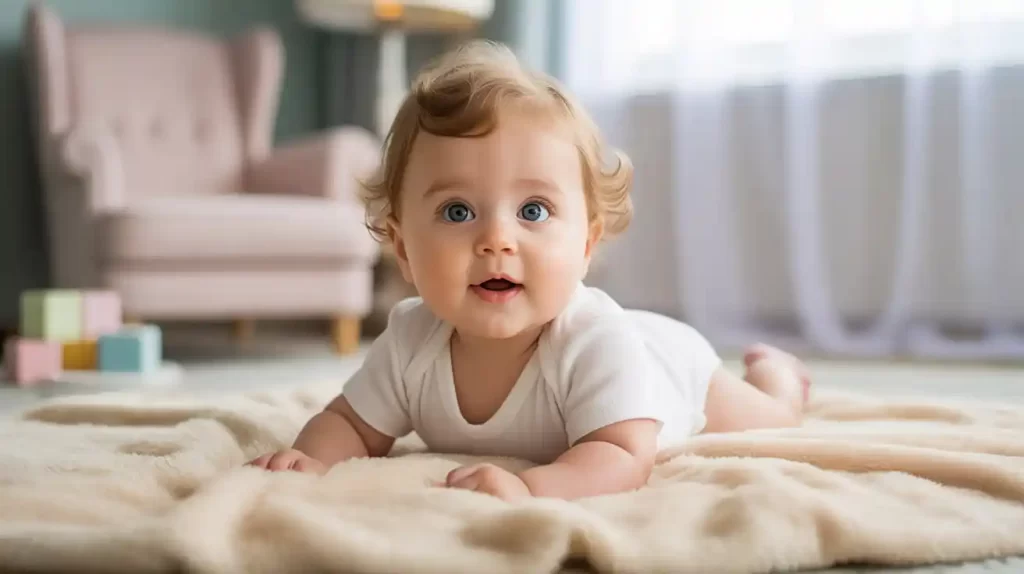
The transition from those adorable coos and gurgles to more complex vocalizations represents a remarkable leap in your baby’s development. Your little one’s first babbling attempts typically emerge between four and seven months, though every baby has their own unique timeline.
The Difference Between Babbling and Other Baby Sounds
True babbling is quite different from the random sounds newborns make during their first few months of life. While early vocalizations consist mainly of reflexive noises, crying, and simple vowel sounds, babbling involves deliberate consonant-vowel combinations. You’ll start hearing your baby producing repetitive syllables like “ba-ba-ba” or “da-da-da” rather than just isolated sounds.
This progression represents intentional vocal experimentation. Your infant begins combining different mouth movements with voice production, creating recognizable patterns that form the foundation for future words. The repetitive nature of these early attempts shows your baby is practicing and refining their vocal control – it’s absolutely adorable to witness!
Why This Milestone Matters So Much
This vocal milestone indicates several important developments happening simultaneously in your baby’s brain and body. The ability to produce consonant-vowel combinations requires coordination between breathing, vocal cord control, and precise mouth movements. This integration demonstrates advancing neurological maturation and motor skill development.
What’s really exciting is that babies who engage in extensive babbling practice often develop stronger language skills later in childhood. The repetitive nature of babbling helps strengthen the neural pathways responsible for speech production. Your baby’s brain is essentially preparing itself for the complex task of forming meaningful words and sentences.
How Early Babbling Connects to Future Speech
The sounds your baby produces during this phase directly relate to their future vocabulary development. Babies typically babble using sounds that exist in their native language environment, showing they’re already tuning into the speech patterns they hear regularly. This early practice lays crucial groundwork for word formation and pronunciation skills.
Research shows that the quantity and variety of babbling sounds correlate with later language development milestones. Children who produce diverse babbling sounds often demonstrate stronger vocabulary growth and clearer pronunciation as they develop. This connection highlights just how important it is to encourage and respond to your baby’s early vocal attempts.
When to Expect These Changes
Most babies begin showing readiness signs around four months, with active babbling emerging between six and eight months. However, premature babies may reach this milestone based on their adjusted age rather than chronological age. Some perfectly healthy babies start earlier or later than these average timelines suggest – and that’s completely normal!
Individual variation in this developmental area is expected and healthy. Factors like personality, environment, and overall development influence when your baby will start babbling. It’s much better to focus on recognizing the preparatory signs rather than worrying about exact timing, as this approach supports your baby’s natural developmental rhythm.
Physical Signs Your Baby Is Getting Ready to Babble
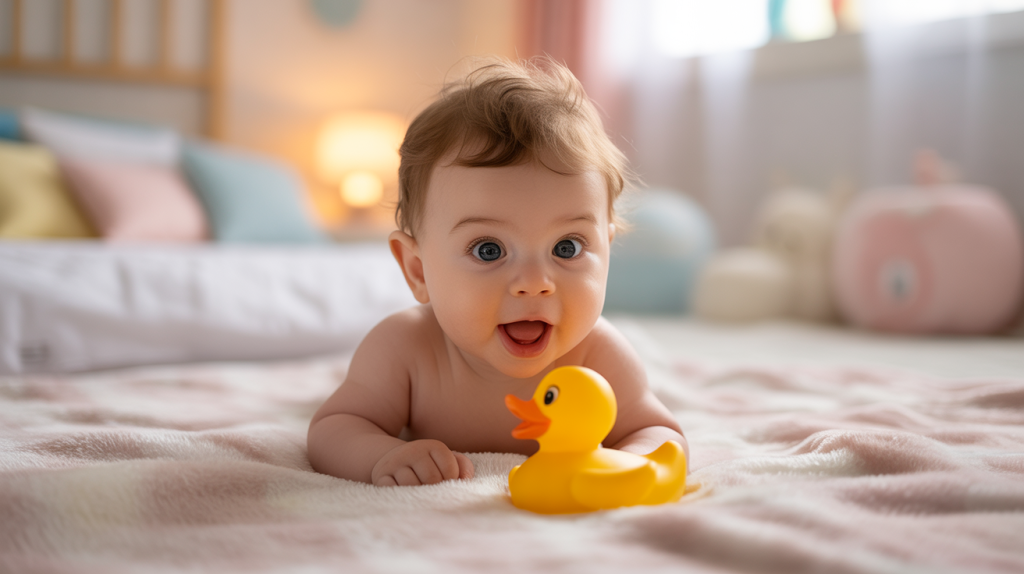
Your baby’s body undergoes several important changes as they prepare for more complex vocalizations. These physical developments create the foundation necessary for producing the consonant-vowel combinations that characterize true babbling.
Changes in Mouth Movements
Watch for increased experimentation with mouth positions and movements during your baby’s quiet alert periods. Your little one may begin opening and closing their mouth more deliberately, often without making sounds initially. These silent practice sessions help develop the muscle memory needed for coordinated speech movements.
You might notice your infant making chewing motions or moving their lips in new patterns. These movements indicate developing oral motor skills that will soon coordinate with voice production. The frequency and variety of these mouth movements typically increase in the weeks leading up to first babbling attempts.
How Tongue Control Develops
Tongue control represents a crucial component of speech development. Babies preparing to babble often begin moving their tongue more purposefully within their mouth. You may observe your little one sticking their tongue out more frequently or moving it from side to side with greater precision.
The ability to position the tongue against different areas of the mouth develops gradually. Your baby practices pressing their tongue against their lips, gums, and the roof of their mouth. These movements create the foundation for producing consonant sounds that require specific tongue placements.
Advanced tongue control also appears during feeding times. Babies nearing babbling readiness often show improved ability to move food around their mouth and coordinate swallowing. This enhanced oral motor control directly transfers to speech sound production capabilities.
Building Jaw Strength
Stronger jaw muscles support the precise movements required for clear sound production. You’ll notice your baby’s jaw movements becoming more controlled and deliberate. The random, jerky movements of early infancy give way to smoother, more purposeful motions.
During feeding, babies developing adequate jaw strength show improved chewing abilities with solid foods. They can maintain better control over their mouth opening and closing patterns. This improved strength and coordination directly supports the jaw movements needed for consonant production.
Some babies practice jaw movements by grinding their gums together or making exaggerated chewing motions without food present. These behaviors indicate developing muscle strength and motor planning abilities essential for speech sound production.
Changes in Breathing Patterns
Coordinated breathing patterns become essential for sustained vocalization. Babies preparing to babble often show changes in their breathing rhythms, particularly during periods of vocal play. You may notice longer exhales or more controlled breathing during times when your baby is experimenting with sounds.
The development of respiratory control supports longer vocalizations. Instead of brief, single sounds, your baby begins producing extended sound sequences. This improvement in breath support enables the repetitive syllable patterns characteristic of true babbling.
Watch for your baby taking deeper breaths before making sounds or sustaining vowel sounds for longer periods. These changes indicate developing coordination between the respiratory and vocal systems necessary for complex speech production.
More Varied Facial Expressions
Enhanced facial muscle control accompanies vocal development readiness. Your baby’s facial expressions become more varied and deliberate, particularly around the mouth and cheek areas. These muscles play important roles in speech sound formation and clarity.
You might observe your infant making new facial expressions while experimenting with sounds. The coordination between facial movements and vocalizations demonstrates advancing motor planning abilities. This integration prepares your baby for the complex facial movements required for clear speech articulation.
Vocal Development Milestones That Signal Babbling Readiness
The evolution of your baby’s vocalizations provides clear indicators of approaching babbling capabilities. These vocal changes demonstrate advancing control over the complex systems involved in speech production.
Sound Experimentation Becomes More Purposeful
Your baby’s vocal play becomes more intentional and varied as babbling readiness approaches. Instead of random sound production, you’ll notice deliberate experimentation with different vocal qualities. Your infant may alternate between high and low pitches or vary the intensity of their vocalizations.
This experimentation phase often includes attempts to imitate sounds they hear in their environment. You might catch your baby trying to copy simple sounds you make during play interactions. These imitation attempts show developing auditory processing skills and vocal control.
The variety of sounds your baby produces expands significantly during this preparatory period. New consonant-like sounds begin appearing sporadically within their vocal repertoire. These early consonant attempts may sound unclear initially but represent important developmental progress.
Better Volume Control
Developing volume control indicates advancing vocal cord management skills. Your baby begins demonstrating ability to produce both loud and soft sounds intentionally. This range expansion shows improving coordination between breathing and vocal cord tension.
You’ll notice your infant can make whisper-like quiet sounds during calm periods and produce stronger vocalizations when excited or seeking attention. This dynamic range development supports the varied volume levels needed for effective communication.
The ability to sustain sounds at consistent volume levels also improves. Your baby’s vocalizations become less variable in intensity, showing better control over the muscle systems involved in voice production.
Rhythm and Timing Improvements
Rhythmic patterns begin emerging in your baby’s vocalizations as babbling approaches. You may notice regular timing between sounds or repetitive vocal patterns that suggest developing sense of rhythm. These patterns often mirror the rhythmic qualities of speech they hear daily.
Your baby might produce sounds in burst patterns followed by quiet listening periods. This turn-taking behavior demonstrates understanding of conversational rhythms and shows readiness for interactive communication exchanges.
The timing between individual sounds becomes more controlled and deliberate. Random sound production gives way to more organized vocal sequences that follow recognizable patterns.
Stronger Response to Voices
Enhanced responsiveness to human voices indicates developing social communication awareness. Your baby shows increased interest in conversations happening around them, often becoming quiet to listen when others speak. This listening behavior demonstrates growing understanding of communication patterns.
You’ll notice your infant attempting to join conversations through increased vocalizations during family interactions. These attempts to participate show developing social communication instincts that support babbling development.
Your baby may begin vocalizing immediately after hearing others speak, suggesting understanding of conversational turn-taking. This responsive behavior indicates readiness for more interactive communication exchanges through babbling.
The quality of your baby’s vocal responses to voices often improves during this period. Instead of random sounds, their vocalizations may begin matching some qualities of the speech they hear, such as rising or falling intonation patterns.
Behavioral Indicators of Babbling Preparation
Beyond physical and vocal changes, your baby’s behavior patterns shift in ways that signal approaching babbling abilities. These behavioral modifications reflect developing social awareness and communication motivation.
Increased Interest in Social Interaction
Your baby demonstrates heightened interest in social interactions as babbling readiness develops. Eye contact becomes more sustained and purposeful during conversations. Your infant actively seeks engagement through facial expressions and body language that invite interaction.
This social awareness extends to group situations where your baby shows interest in multiple conversation partners. They may turn their head to follow different speakers or attempt to gain attention through vocalizations. These behaviors indicate understanding that communication involves interaction with others.
The quality of social engagement improves significantly during this period. Your baby’s responses to social cues become more appropriate and timely. They begin understanding that their vocalizations can influence others’ behavior and attention.
More Deliberate Imitation Attempts
Deliberate imitation efforts increase substantially as babbling approaches. Your baby may attempt to copy facial expressions, mouth movements, or simple gestures they observe. These imitation attempts demonstrate developing motor planning skills and social learning abilities.
Vocal imitation specifically becomes more apparent during this phase. Your baby tries to match sounds, rhythms, or intonation patterns they hear regularly. While these attempts may not sound exactly like the target sounds, the effort itself indicates important developmental progress.
The timing of imitation attempts improves, with your baby responding more quickly to sounds or movements they want to copy. This faster processing and response time suggests advancing cognitive and motor coordination abilities.
Fascination with Mouth Movements
Your baby shows increased fascination with watching people’s mouths during speech. They may stare intently at speakers’ lips and jaw movements, particularly during face-to-face interactions. This visual attention helps them learn the connection between mouth movements and sound production.
This interest often extends to reaching toward or touching speakers’ mouths during conversations. While this behavior requires gentle redirection, it demonstrates your baby’s growing awareness of the relationship between oral movements and speech sounds.
Your infant may begin making silent mouth movements that mirror what they observe others doing. These practice sessions help develop the motor patterns needed for speech sound production.
Vocal Play During Feeding
Enhanced vocal experimentation during feeding times indicates developing oral motor coordination. Your baby may make sounds while eating or drinking, showing ability to coordinate swallowing with voice production. This skill development supports the complex coordination required for clear speech.
The variety of sounds produced during feeding typically increases during this preparatory period. Your baby experiments with different vocalizations while manipulating food or liquid in their mouth. These activities strengthen oral muscles and improve coordination.
Here are specific feeding-time vocal behaviors that signal babbling readiness:
Sound Variety: Producing different types of sounds while chewing or swallowing.
Vocal Play: Making deliberate sounds between bites or sips.
Rhythm Patterns: Creating repetitive sound sequences during eating activities.
Volume Control: Adjusting sound intensity based on food texture or quantity.
Longer Periods of Vocal Experimentation
Your baby begins engaging in longer periods of vocal experimentation during quiet alert times. These extended practice sessions allow for more complex sound exploration and motor skill development. The duration and frequency of these vocal play periods typically increase as babbling approaches.
The quality of vocal play becomes more sophisticated during this phase. Your baby produces more varied sounds and experiments with different combinations. These practice sessions help refine the motor skills needed for coordinated speech production.
Social vocal play also develops, with your baby engaging in longer back-and-forth vocal exchanges with caregivers. These interactive sessions build communication skills and reinforce the social nature of verbal interaction.
How to Encourage Your Baby’s Babbling Development
Supporting your baby’s emerging communication skills requires thoughtful approaches that build on their natural developmental progression. The right environmental and interactive strategies can significantly enhance their babbling development without creating pressure or frustration.
Creating the Best Environment for Learning
The physical environment plays a crucial role in encouraging vocal development. Quiet spaces allow your baby to hear their own vocalizations clearly and distinguish between different sounds they produce. Reducing background noise helps them focus on the subtle differences in their vocal experiments.
Face-to-face positioning during interactions maximizes your baby’s ability to observe mouth movements and facial expressions. This visual input supports their understanding of how speech sounds are formed. Positioning yourself at your baby’s eye level creates optimal conditions for this important visual learning.
Timing interactions during your baby’s alert, content periods yields the best results for vocal engagement. Avoiding times when your infant is hungry, tired, or overstimulated allows them to focus their energy on communication attempts. These optimal windows typically occur between feedings when your baby is calm and attentive.
Natural lighting helps your baby see facial expressions and mouth movements more clearly. Good lighting conditions support the visual learning component of speech development. Position interactive sessions near windows or in well-lit areas when possible.
Simple Interaction Techniques That Work
Responsive interaction techniques encourage your baby’s vocal development through positive reinforcement and modeling. Immediate responses to your baby’s vocal attempts demonstrate that their sounds have communicative value. This feedback motivates continued vocal experimentation and builds understanding of communication patterns.
Imitating your baby’s sounds validates their vocal attempts while providing models for turn-taking. Wait for your baby to vocalize, then repeat their sounds back to them. This technique shows your infant that their vocalizations are meaningful and encourages continued vocal play.
Expanding on your baby’s sounds by adding new elements gradually introduces more complex vocalizations. If your baby says “ah,” you might respond with “ah-bah” to model consonant-vowel combinations. This expansion technique introduces new sounds without overwhelming your infant’s developing abilities.
Varying your vocal responses keeps interactions engaging and exposes your baby to different sound qualities. Use different pitches, volumes, and rhythms in your responses to broaden their exposure to vocal variety. This variation helps develop their own range of vocal expressions.
Making Conversation Part of Daily Life
Including your baby in daily conversations, even one-sided ones, provides valuable language exposure and models conversational patterns. Narrating your activities exposes your infant to natural speech rhythms and vocabulary. These ongoing interactions demonstrate that communication is a constant part of daily life.
Reading aloud offers structured language exposure with varied vocabulary and sentence patterns. Choose books with rhythmic text or repetitive phrases that highlight sound patterns. The predictable nature of familiar stories helps your baby anticipate and eventually participate in vocal patterns.
Singing simple songs provides musical patterns that support rhythm and sound development. The repetitive nature of children’s songs helps your baby learn sound sequences and timing. Music naturally incorporates the rhythmic elements that support speech development.
Describing your baby’s activities as they happen connects language with immediate experiences. Comment on what your baby is doing, seeing, or experiencing to provide contextual language learning. This ongoing narration helps build understanding of how language relates to daily experiences.
How to Respond to Early Attempts
Acknowledging every vocal attempt, regardless of clarity, encourages continued experimentation. Your positive responses demonstrate that your baby’s communication efforts are valued and understood. This validation motivates further vocal development and builds confidence in their emerging abilities.
Maintaining realistic expectations prevents frustration for both you and your baby. Early babbling attempts may sound unclear or inconsistent, which is completely normal. Focus on encouraging effort rather than expecting perfect sound production during this learning phase.
Building on successful vocal attempts helps your baby refine their developing skills. When your infant produces a clear sound, repeat it back and wait for them to try again. This technique reinforces successful attempts while providing practice opportunities.
Celebrating small progress milestones maintains motivation and acknowledges your baby’s developing abilities. Recognize improvements in sound variety, volume control, or interaction patterns even when perfect babbling hasn’t emerged yet. These smaller achievements build toward the larger milestone of consistent babbling.
Celebrating Your Baby’s Communication Journey
Supporting your baby through their babbling development creates foundational skills that benefit their entire communication journey. The signs indicating babbling readiness provide valuable insights into your infant’s developing abilities and optimal windows for encouragement. Recognizing these indicators allows you to provide appropriate support during this crucial learning period.
Each baby progresses through communication milestones at their own pace, making individual observation more valuable than rigid timeline expectations. Trust your instincts about your baby’s development while staying alert to the physical, vocal, and behavioral changes that signal growing communication readiness. Your consistent, responsive interactions during this period lay important groundwork for future language success and strengthen the parent-child communication bond that supports lifelong learning.
Frequently Asked Questions
Q: At what age do most babies start showing signs of babbling readiness?
A: Most babies begin showing preparatory signs between 4-6 months, with active babbling typically emerging between 6-8 months. However, individual timelines vary significantly and some healthy babies may start earlier or later than these averages.
Q: What’s the difference between early baby sounds and true babbling?
A: Early sounds are mostly reflexive coos, gurgles, and vowel sounds, while true babbling involves deliberate consonant-vowel combinations like “ba-ba-ba” or “da-da-da.” Babbling shows intentional vocal experimentation and practice.
Q: Should I be concerned if my baby isn’t showing babbling signs by 6 months?
A: Individual development varies considerably, and many factors influence timing including prematurity, personality, and environment. If you’re concerned about your baby’s vocal development, discuss observations with your pediatrician for personalized guidance.
Q: How can I tell if my baby’s mouth movements indicate babbling readiness?
A: Look for deliberate mouth opening and closing, tongue movement experimentation, and silent practice of mouth positions. These movements often increase in frequency and variety as babbling approaches.
Q: What sounds should I expect to hear first when babbling begins?
A: Early babbling typically includes sounds like “ba,” “da,” “ma,” and “ga” in repetitive patterns. These consonant-vowel combinations are easier for babies to produce than more complex speech sounds.
Q: Is it normal for babies to babble more at certain times of day?
A: Yes, babies often babble more during calm, alert periods when they’re not hungry or tired. Many infants are most vocal during morning wake-up times or after feeding when they feel content and energetic.
Q: How should I respond when my baby starts making babbling sounds?
A: Respond immediately with enthusiasm, imitate their sounds, and engage in back-and-forth vocal play. Your positive reactions encourage continued vocal experimentation and teach conversational turn-taking skills.
Q: Can reading to my baby help encourage babbling development?
A: Absolutely. Reading exposes babies to varied speech patterns, rhythms, and vocabulary. Books with repetitive phrases or rhyming text particularly support sound pattern recognition and vocal development.
Q: What role does hearing play in babbling development?
A: Hearing is crucial for babbling development as babies need to hear speech patterns to imitate them. If you have concerns about your baby’s hearing, discuss them with your pediatrician for appropriate evaluation.
Q: Are there specific toys or activities that promote babbling?
A: Focus on face-to-face interaction rather than toys. Mirrors can encourage vocal play, and simple musical instruments may support rhythm development, but your responsive interaction is the most valuable tool for encouraging babbling.