
Finding the perfect four-legged addition to your family often leads people straight to popular breeds like Golden Retrievers or Labrador Retrievers. Yet there’s a whole world of lesser-known dog breeds waiting to be discovered, each offering unique qualities that might make them an even better match for your household. These rare breeds bring distinctive personalities, often healthier genetics, and special characteristics that can perfectly complement family life.
Many families overlook rare breeds simply because they’re unfamiliar with them. The truth is that some of the most devoted, gentle, and adaptable family dogs come from breeds you might never have heard of. From the truffle-hunting Lagotto Romagnolo to the gentle giant Leonberger, these dogs have been carefully bred for specific traits that often translate beautifully into modern family settings. Their relative rarity also means you’re less likely to encounter the health problems that plague some overbred popular breeds.
Throughout the following sections, we’ll introduce you to several remarkable rare breeds that excel as family companions. You’ll discover small breeds perfect for apartment living, medium-sized dogs ideal for active families, and gentle giants who think they’re lap dogs. Each breed brings something special to the table, whether it’s hypoallergenic qualities, exceptional patience with children, or an eagerness to participate in family activities. Keep reading to find out which rare breed might become your family’s new best friend.
What Makes a Dog Breed Perfect for Families?
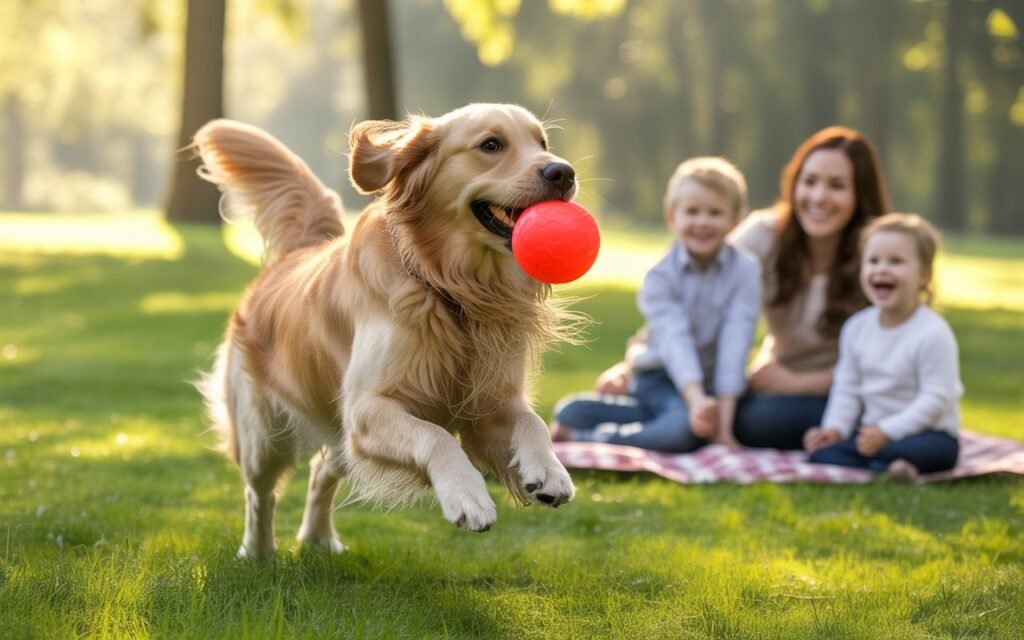
Selecting a family dog goes far beyond simply choosing a breed that looks cute in photos. The right family dog needs specific characteristics that allow them to thrive in a household environment, especially one with children of various ages. Understanding these essential traits helps you recognize why certain rare breeds excel as family companions despite their lesser-known status.
Temperament characteristics families need
The foundation of any great family dog lies in their temperament. You want a dog that’s naturally patient, forgiving of accidental ear pulls or stepped-on tails, and stable in their reactions to unexpected situations. Many rare breeds were originally developed as farm dogs or companions, giving them the steady nerves modern families appreciate.
Dogs with high tolerance levels handle the chaos of family life much better than those with reactive temperaments. This doesn’t mean you need a couch potato – energetic dogs can be wonderful family members too. The key is finding breeds with predictable, even-tempered personalities that remain consistent whether they’re playing in the backyard or relaxing during movie night.
Size and energy considerations
Your living situation and activity level should directly influence the size and energy requirements of your chosen breed. Apartment dwellers might gravitate toward smaller rare breeds, while families with large yards have more flexibility. However, size doesn’t always correlate with energy levels – some small rare breeds require extensive exercise, while certain larger breeds are surprisingly low-key.
Consider your family’s typical weekend activities. Do you enjoy hiking and outdoor adventures, or prefer quieter pursuits? Matching your dog’s energy needs to your lifestyle prevents frustration on both sides. Some rare breeds offer remarkable adaptability, happy to join a morning jog or equally content with a leisurely walk around the neighborhood.
Training and socialization factors
Intelligence and trainability vary significantly among dog breeds, and this becomes especially important in family settings. You need a dog that responds well to consistent training and can learn household rules quickly. Many rare breeds possess high intelligence combined with an eagerness to please, making them excellent students.
Early socialization shapes how well any dog integrates into family life. Breeds with naturally social dispositions tend to accept new people, animals, and experiences more readily. This flexibility becomes crucial when your children have friends over or when you travel to new places. Some lesser-known breeds have maintained their working dog heritage, giving them focus and trainability that surpasses many popular companion breeds.
Health and longevity aspects
One significant advantage of choosing certain rare breeds is their robust health. Without the intensive breeding programs that affect popular breeds, many rare dogs have avoided common genetic issues. This means fewer vet visits, lower medical costs, and more years with your beloved pet.
Research the typical lifespan and health concerns of any breed you’re considering. Families form deep emotional bonds with their dogs, so choosing a breed known for longevity and good health makes sense. Many rare breeds benefit from diverse gene pools, contributing to their overall hardiness and vitality.
Compatibility with children and other pets
The most critical factor for family dogs is their ability to coexist peacefully with children. This goes beyond mere tolerance – the best family breeds actively enjoy children’s company and show protective instincts without aggression. Age-appropriate interactions matter too; some breeds do better with older children who understand boundaries, while others have infinite patience with toddlers.
Multi-pet households need dogs that play well with others. Whether you have cats, rabbits, or other dogs, your new addition should integrate smoothly into the existing pack. Many rare breeds have low prey drives or were bred to work alongside other animals, making them natural choices for diverse pet families. Their ability to distinguish between family members and strangers while remaining appropriately friendly with both creates the perfect balance for household harmony.
Why Choose Rare Breeds Over Popular Ones?

The appeal of popular dog breeds is understandable – they’re familiar, widely available, and you probably know someone who owns one. Yet this popularity often comes with hidden costs that many families don’t consider until problems arise. Rare breeds offer compelling alternatives that address many issues plaguing their more common counterparts, while bringing unique advantages to family life.
Less common health issues
Popular breeds often suffer from a phenomenon called the founder effect, where a small number of dogs become the ancestors of thousands. This limited genetic diversity leads to widespread health problems within breeds. Hip dysplasia in German Shepherds, breathing issues in French Bulldogs, and heart problems in Cavalier King Charles Spaniels all stem from this intensive breeding of popular dogs.
Rare breeds typically maintain healthier genetic diversity. With smaller, more carefully managed breeding populations, responsible breeders can avoid the pitfalls of mass production. The Lagotto Romagnolo, for instance, has relatively few genetic health issues compared to similarly-sized popular breeds. This genetic variety translates into stronger immune systems, better overall health, and potentially thousands of dollars saved in veterinary bills over your dog’s lifetime.
Unique personality traits
Every dog has individual personality, but rare breeds often display character traits you won’t find in common breeds. These distinctive qualities developed over centuries for specific purposes, creating dogs with fascinating skill sets and behavioral patterns. The Norwegian Lundehund, for example, has six toes and can close their ears – adaptations for puffin hunting that make them incredibly agile and entertaining family members.
Avoiding breed popularity problems
Popular breeds face several challenges that rare breeds sidestep entirely. Puppy mills frequently mass-produce trendy breeds, flooding the market with poorly bred dogs with behavioral and health issues. Finding a reputable breeder becomes increasingly difficult as demand outstrips the supply of ethically raised puppies.
Rare breed enthusiasts tend to be deeply committed to their breeds’ welfare. Breeders often maintain waiting lists, carefully screen potential owners, and prioritize breed preservation over profit. This means when you purchase a rare breed puppy, you’re more likely getting a well-socialized, healthy dog from someone who genuinely cares about where their puppies end up. The breeding community for rare dogs often provides ongoing support, creating a network of knowledgeable owners happy to share advice and experiences.
Special bonding opportunities
Owning a rare breed creates unique bonding experiences within your family. Children develop pride in their special dog, learning to explain their pet’s breed and history to curious strangers. This educational aspect teaches kids about diversity, conservation, and the importance of preserving rare animals.
Your rare breed dog becomes a conversation starter at dog parks and during walks. People naturally gravitate toward unusual dogs, providing socialization opportunities for both your pet and family members. These interactions can lead to friendships with other rare breed owners who share your appreciation for these special dogs.
Supporting breed preservation
Choosing a rare breed contributes to preserving canine genetic diversity. Many of these breeds have fascinating histories tied to specific regions or purposes, representing centuries of selective breeding for particular traits. The Xoloitzcuintli, an ancient hairless breed from Mexico, nearly went extinct before dedicated breeders brought them back. By selecting these dogs as family pets, you’re helping ensure their survival for future generations.
Supporting rare breeds also maintains important genetic resources for all dogs. Traits found in rare breeds might prove valuable for improving popular breeds’ health or developing new breeds to meet changing human needs. Your family becomes part of a larger conservation effort, teaching children about responsibility and the importance of biodiversity. This meaningful aspect of rare breed ownership adds depth to the human-animal bond, knowing your pet represents both a loving companion and a piece of living history.
Small Rare Breeds That Thrive in Family Settings
Small dogs often get stereotyped as yappy, nervous, or unsuitable for families with children. However, several rare small breeds completely shatter these misconceptions, offering the perfect combination of manageable size and family-friendly temperament. These compact companions bring big personalities without requiring enormous living spaces, making them ideal for various family situations.
Lagotto Romagnolo characteristics
The Lagotto Romagnolo might be the ultimate family dog you’ve never heard of. Originally bred in Italy for truffle hunting, these curly-coated charmers weigh between 24-35 pounds and stand about 16-19 inches tall. Their hypoallergenic coat makes them perfect for families dealing with allergies, though it does require regular grooming to prevent matting.
What sets Lagottos apart is their incredible blend of intelligence and affection. They bond deeply with all family members rather than choosing a single favorite person. Their truffle-hunting heritage gives them a strong work ethic and impressive problem-solving abilities, making training sessions fun and rewarding. Kids particularly love their teddy bear appearance and playful nature, while parents appreciate their alertness without excessive barking.
These dogs adapt remarkably well to different living situations. Whether you’re in an apartment or a house with a yard, Lagottos adjust their activity level accordingly. They need about an hour of exercise daily, which can be split between walks and play sessions. Their water-dog heritage means many enjoy swimming, adding another activity option for active families.
Coton de Tulear family traits
Madagascar’s royal dog, the Coton de Tulear, brings an almost clownish personality wrapped in a cotton-like white coat. Weighing just 8-15 pounds, Cotons possess sturdiness that belies their delicate appearance. They’re known for their distinctive “Coton dance” – standing on hind legs and waving their front paws when excited.
Cotons excel at reading family dynamics and adjusting their behavior accordingly. They’ll roughhouse with older children, yet remain gentle around toddlers. This intuitive understanding of appropriate play makes them exceptional family dogs. Their desire to please combined with above-average intelligence means they pick up household rules quickly, though they maintain enough independence to avoid being clingy.
Schipperke personality overview
Don’t let the Schipperke’s fox-like appearance fool you – these Belgian canal boat dogs pack enormous personality into their 10-16 pound frames. Known as “little black devils” in their homeland, Schipperkes combine mischievous intelligence with fierce loyalty to their families.
What makes Schipperkes special for families is their natural watchdog instinct without aggression. They’ll alert you to visitors but warm up quickly once introduced. Children find their antics endlessly entertaining, as these dogs maintain puppy-like playfulness well into adulthood. Their thick black coat requires minimal grooming despite its impressive appearance, though they do shed seasonally.
Schipperkes need mental stimulation as much as physical exercise. Puzzle toys, training games, and hide-and-seek with the kids keep their active minds engaged. Without proper outlets, they might create their own entertainment – usually involving creative mischief that becomes family legend.
Lowchen adaptability
The Lowchen, or “Little Lion Dog,” nearly disappeared after World War II but has made a steady comeback as a family companion. These 12-18 pound dogs traditionally sport a lion clip haircut, though many families prefer keeping them in a practical puppy cut. Despite their elegant appearance, Lowchens are surprisingly robust and playful.
Care requirements for small rare breeds
Small rare breeds share certain care needs that families should understand:
Dental Health: Small dogs are prone to dental issues, requiring regular teeth cleaning and dental chews.
Temperature Regulation: Smaller bodies lose heat quickly, so consider sweaters for cold weather.
Safety Measures: Child gates and secured yards prevent escapes and accidents.
Portion Control: Small dogs gain weight easily, making proper nutrition crucial.
Regular Grooming: Many small rare breeds have coats requiring professional grooming every 6-8 weeks.
Creating structured routines helps small rare breeds feel secure in family environments. Consistent feeding times, regular grooming sessions, and predictable exercise schedules give these dogs the stability they crave. Small rare breeds often live 12-16 years or longer, making them long-term family commitments. Their portable size means they can accompany families on adventures, from camping trips to visits with relatives, strengthening the human-animal bond through shared experiences.
Medium and Large Rare Breeds for Active Families
Active families seeking canine companions who can keep pace with their adventures will find exceptional partners among rare medium and large breeds. These dogs bring stamina, enthusiasm, and gentle temperaments that make them perfect for households that spend weekends hiking, swimming, or playing in the backyard. Unlike their more common counterparts, these breeds offer unique combinations of traits that suit dynamic family lifestyles.
Nederlandse Kooikerhondje overview
The Nederlandse Kooikerhondje represents one of Europe’s best-kept secrets. These medium-sized Dutch dogs, weighing 20-30 pounds, originally lured ducks into traps with their distinctive white-tipped tails. Today, they channel that working heritage into being attentive, energetic family companions who excel at various dog sports and activities.
Kooikerhondjes possess an ideal temperament for families with school-age children. They’re sensitive enough to be gentle yet confident enough to handle boisterous play. Their intelligence shines through in their ability to learn complex tricks and commands, making them perfect partners for kids interested in dog training or agility. The breed’s moderate exercise needs – about an hour daily – fit well with typical family schedules.
What particularly endears Kooikerhondjes to families is their cheerful, almost constantly wagging disposition. They greet each day with enthusiasm that’s contagious, encouraging everyone to get outside and active. Their beautiful orange-red and white coat requires only weekly brushing, making maintenance manageable even for busy households.
Chinook family compatibility
New Hampshire’s state dog, the Chinook, embodies everything active families want in a larger companion. These 50-90 pound gentle giants were originally bred for sledding but have evolved into versatile family dogs. Their claim to fame isn’t speed or strength alone, but rather their exceptional patience and devotion to children.
Chinooks display an uncanny ability to match their energy to their family’s needs. They’ll happily run alongside bicycles or join lengthy hikes, then contentedly snooze through movie marathons. This adaptability makes them perfect for families whose activity levels vary by season or schedule. Their intelligence combined with an eager-to-please attitude results in dogs that practically train themselves when given consistent guidance.
The breed’s rarity means most people you meet won’t recognize your Chinook, providing teaching moments about American breed development and conservation. Children take pride in explaining their special dog’s history as one of the rarest breeds originating in the United States.
Leonberger gentle giant nature
Leonbergers might weigh 100-170 pounds, but they genuinely believe they’re lap dogs. These German giants were bred to resemble lions, yet their temperament couldn’t be further from fierce. Instead, Leonbergers offer calm confidence that makes them exceptional family guardians without aggression.
Swimming is where Leonbergers truly shine. Their webbed feet and water-resistant coat make them natural swimmers who often introduce hesitant children to water activities. Many families with pools find Leonbergers become self-appointed lifeguards, gently herding kids away from deep water or staying close during swim sessions. This protective yet gentle nature extends to all family activities.
Despite their size, Leonbergers move with surprising grace indoors. They seem to understand their bulk and navigate carefully around small children and fragile items. Their patience appears limitless – they’ll endure dress-up sessions, tea parties, and endless games of fetch with equal good humor.
Entlebucher Mountain Dog traits
The smallest of the Swiss Mountain Dogs, Entlebuchers pack tremendous personality into their 45-65 pound frames. These tri-colored athletes bring working dog enthusiasm to family life without overwhelming smaller living spaces. Their compact, muscular build makes them sturdy enough for rough play yet agile enough for dog sports.
Entlebuchers thrive when given jobs, making them perfect for families who enjoy training and activities. Whether it’s carrying a backpack on hikes, pulling kids on sleds, or learning advanced obedience, these dogs live for purpose. Their herding instinct sometimes manifests as gently guiding children, which families often find endearing rather than problematic.
Exercise and space needs
Medium and large rare breeds require thoughtful consideration of exercise and space requirements to thrive in family settings. Most need 60-120 minutes of daily activity, though this can be divided into multiple sessions. Morning walks, afternoon play sessions, and evening training can fulfill these needs while involving different family members.
Space considerations go beyond simple square footage. These breeds benefit from:
Secure Fencing: Heights of 5-6 feet prevent escapes during exciting moments.
Varied Terrain: Different surfaces provide mental stimulation and physical challenges.
Shade and Shelter: Larger dogs need cool resting spots during outdoor activities.
Indoor Space: Room to move without knocking over furniture or children.
Storage: Equipment for larger dogs requires dedicated storage areas.
Active families often find these requirements enhance their own lifestyles. Regular dog exercise creates healthy routines for children, while training sessions teach responsibility and patience. The commitment required for larger rare breeds strengthens family bonds through shared caregiving responsibilities. These dogs become catalysts for outdoor adventures, motivating families to discover new trails, parks, and activities together.
How to Find and Choose Your Rare Breed Family Dog
Locating and selecting a rare breed puppy requires more detective work than walking into a pet store or browsing common classified ads. This extra effort, however, typically results in healthier, better-socialized dogs from passionate breeders who remain valuable resources throughout your dog’s life. Understanding the process helps families navigate this journey successfully while avoiding potential pitfalls.
Researching reputable breeders
Finding legitimate rare breed breeders starts with breed clubs and national organizations. The American Kennel Club and United Kennel Club maintain breeder referral lists, though not all rare breeds have recognition from major registries. Some breeds have their own preservation societies that maintain breeder directories and strict ethical guidelines.
Red flags when evaluating breeders include reluctance to show you where puppies are raised, inability to meet at least one parent dog, and pressure to purchase immediately. Quality breeders of rare dogs typically have waiting lists, sometimes extending a year or more. They’ll ask you as many questions as you ask them, ensuring their puppies go to appropriate homes.
Social media groups dedicated to specific rare breeds provide invaluable insights. Current owners share experiences with different breeders, discuss breed-specific challenges, and offer advice. These communities often know which breeders prioritize health testing and temperament over profit. Be wary of anyone breeding multiple rare breeds simultaneously – true preservation breeders usually focus on one or two breeds maximum.
Understanding breed-specific needs
Each rare breed comes with particular requirements shaped by centuries of selective breeding. The Xoloitzcuintli needs sunscreen and winter clothing due to their hairlessness. Portuguese Podengos have intense prey drives requiring secure fencing. Researching these specifics prevents surprises that might strain family relationships with your new pet.
Connect with current owners before committing to a breed. Ask about unexpected challenges, monthly costs, and whether reality matched their research. Many rare breed owners gladly share both positives and negatives, helping you make informed decisions. Some families discover that breeds they initially favored don’t match their lifestyle, while others they hadn’t considered prove perfect.
Consider creating a spreadsheet comparing different rare breeds across factors important to your family:
Grooming Requirements: Professional grooming costs versus home maintenance.
Exercise Demands: Daily time commitment and activity intensity.
Training Challenges: Typical stubborn areas or learning curves.
Health Screening: Required tests and associated costs.
Availability: Average wait times and distances to breeders.
Meeting the parents and puppies
Visiting the breeder provides crucial insights into your potential puppy’s future temperament and health. Parent dogs should display the temperament traits you’re seeking – friendly, calm, and well-adjusted. Nervous or aggressive parents often produce similar offspring, regardless of socialization efforts.
Observe how puppies interact with their littermates and mother. Well-socialized puppies show curiosity about visitors without excessive fear or aggression. The environment should be clean but lived-in, indicating puppies are raised as part of the household rather than in isolation. Breeders who resistance video calls or visits should raise immediate concerns.
Quality breeders begin temperament testing around seven weeks, matching puppies to families based on personality rather than appearance. The boldest puppy might not suit a quiet family, while the reserved one might struggle in a chaotic household. Trust breeders who steer you toward specific puppies – they know their dogs better than anyone.
Preparing your home
Rare breed puppies require the same puppy-proofing as any dog, plus breed-specific preparations. Research common behavioral traits to anticipate challenges. Breeds with strong herding instincts might nip at running children initially. Former hunting breeds might have intense reactions to small pets.
Long-term commitment considerations
Rare breeds often live 12-15 years or longer, making them significant family commitments spanning children’s entire childhoods. Consider how your family might change over this time. Will elderly parents move in? Might job changes require relocation? Some rare breeds have limited breeding populations, making finding pet sitters or breed-knowledgeable veterinarians challenging in certain areas.
Financial planning for rare breeds extends beyond purchase price. Some breeds require specialized veterinary care or have predispositions to conditions needing expensive treatment. Pet insurance might have breed-specific exclusions or higher premiums. Professional grooming for certain coated breeds adds substantial monthly expenses.
The rewards of rare breed ownership, however, often outweigh these challenges. Families become part of preservation efforts, maintaining genetic diversity for future generations. Children learn about commitment, research, and making thoughtful decisions rather than impulsive choices. The journey to find your rare breed family member becomes part of your family’s story, creating memories that last as long as your faithful companion remains by your side.
Finding Your Perfect Rare Breed Match
Welcoming a rare breed dog into your family opens doors to experiences you won’t find with common breeds. These special dogs bring unique personalities, healthier genetics, and the satisfaction of preserving important bloodlines for future generations. From the truffle-hunting Lagotto Romagnolo to the gentle giant Leonberger, rare breeds offer options for every family situation, whether you live in a small apartment or have acres of land to roam.
The journey to finding your rare breed companion requires patience and research, but the reward is a devoted family member who’ll share your adventures for years to come. By choosing lesser-known breeds, you’re not just getting a pet – you’re becoming part of a community dedicated to preserving these remarkable dogs. Your children will grow up with a truly special companion, learning valuable lessons about diversity, conservation, and the deep bonds between humans and dogs while creating memories that will last a lifetime.
Frequently Asked Questions
Q: Are rare dog breeds more expensive than popular breeds?
A: Initially, yes. Rare breed puppies often cost more due to limited availability and careful breeding practices. However, many rare breeds have fewer health issues than popular breeds, potentially saving thousands in veterinary costs over their lifetime.
Q: How do I find a veterinarian familiar with my rare breed?
A: Start by asking your breeder for recommendations. Join online breed-specific groups where owners share veterinary experiences. Most vets can treat rare breeds effectively, though you might need to educate them about breed-specific concerns.
Q: Will my rare breed dog be harder to train than common breeds?
A: Not necessarily. Many rare breeds are highly intelligent and eager to please. The key is understanding your specific breed’s motivations and working style. Some rare breeds actually train more easily than popular breeds because they haven’t been overbred for appearance over temperament.
Q: Can I find rare breed puppies in shelters or rescues?
A: Occasionally, but it’s uncommon. Most rare breed rescues operate through breed-specific organizations rather than general shelters. Contact national breed clubs for rescue connections if you prefer adopting adult dogs.
Q: Are rare breeds good for first-time dog owners?
A: Some rare breeds make excellent first dogs, particularly those bred for companionship. Research thoroughly and choose breeds matching your experience level. Many rare breed communities offer exceptional support to new owners.
Q: What if I can’t find a rare breed breeder near me?
A: Reputable breeders often ship puppies or work with flight nannies for safe transport. Many families drive long distances to pick up puppies, turning it into a memorable family road trip. Video calls help you connect with distant breeders before committing.
Q: Do rare breeds have special grooming requirements?
A: Grooming needs vary dramatically among rare breeds. Some require professional grooming every 6-8 weeks, while others need minimal maintenance. Research grooming requirements and factor in these costs before choosing your breed.
Q: Will my children be safe with a rare breed I’ve never heard of?
A: Research the breed’s history and temperament thoroughly. Most rare breeds that make good family pets have long histories of gentle temperaments. Meeting parent dogs and discussing child-safety with breeders helps ensure compatibility.