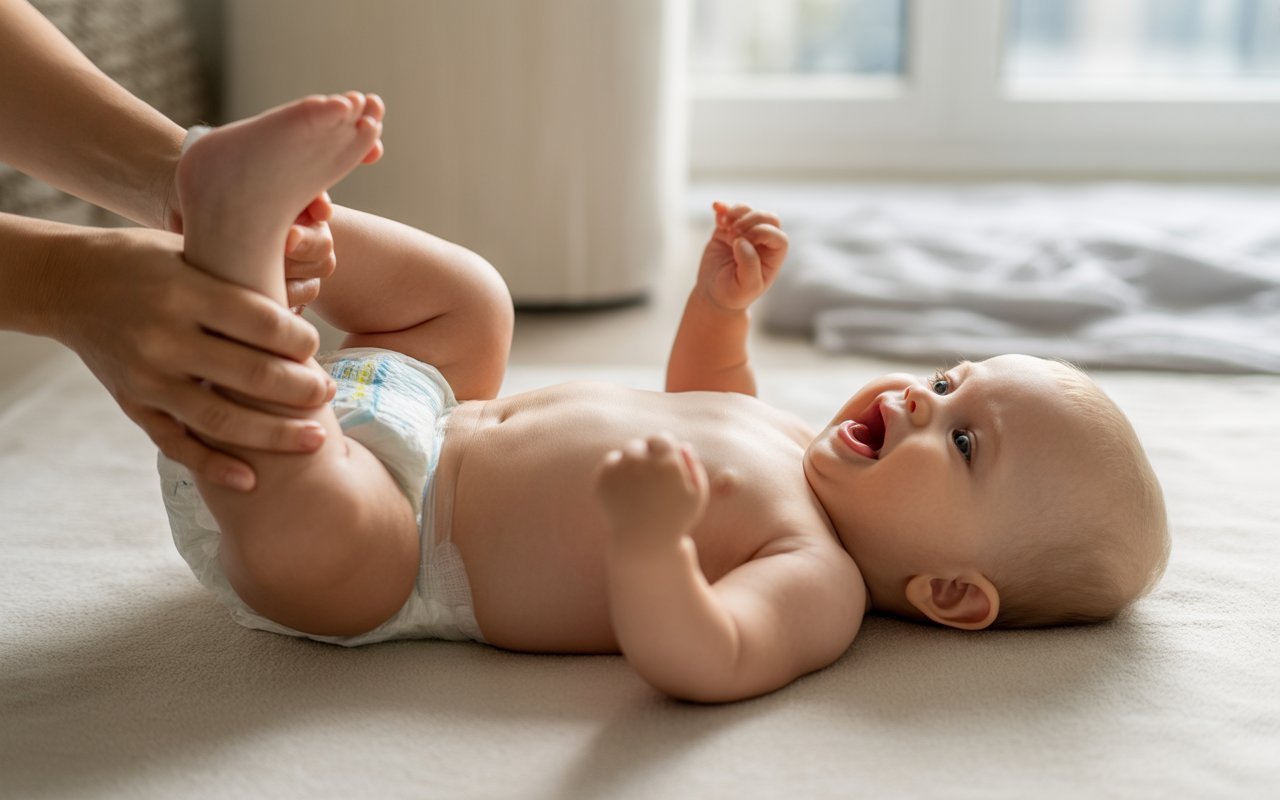
Diaper changes can transform from peaceful moments into wrestling matches faster than you can unfasten a onesie. Many parents find themselves dealing with a squirming, crying, or completely uncooperative baby multiple times a day, turning what should be a simple task into an exhausting battle. This common struggle affects nearly every parent at some point, whether your baby is six months old and discovering mobility or approaching toddlerhood with newfound independence.
The resistance often catches parents off guard, especially when their previously content baby suddenly starts treating every change like a personal offense. Your little one might arch their back, roll away, or unleash ear-piercing screams the moment you lay them on the changing table. These reactions can leave you feeling frustrated, exhausted, and questioning whether you’re doing something wrong. The good news is that this behavior is completely normal and typically represents healthy developmental progress rather than a parenting failure.
Understanding why babies resist and having practical strategies ready can transform these challenging moments into manageable, even pleasant experiences. The following sections will guide you through understanding the reasons behind the resistance, creating an environment that promotes cooperation, and implementing techniques that actually work with squirmy babies. Let’s explore practical solutions that real parents use to navigate this phase successfully.
Why Babies Resist Diaper Changes
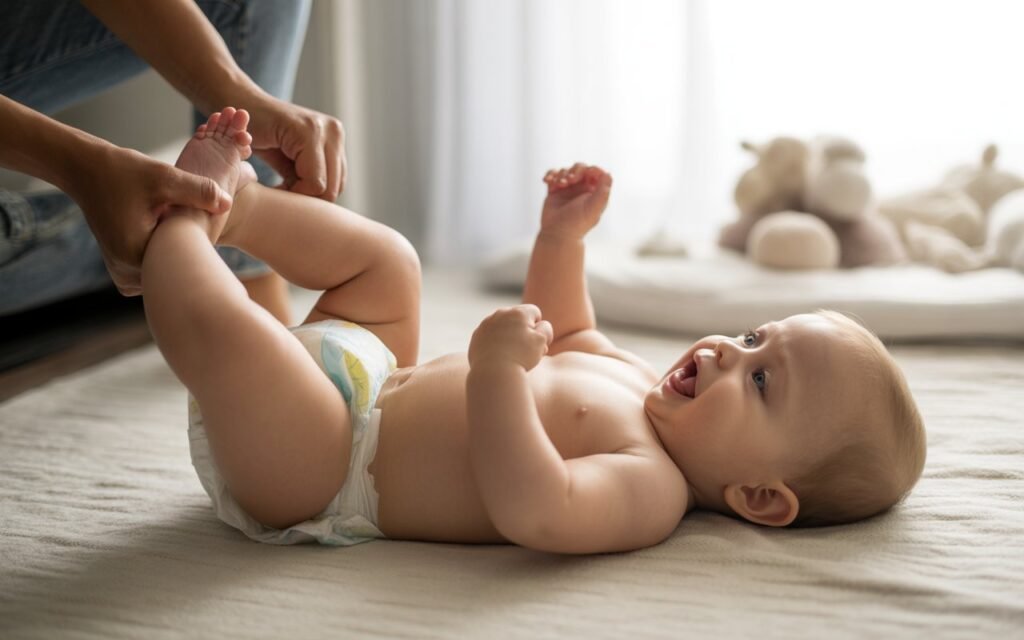
Babies don’t wake up one day deciding to make your life difficult. Their resistance to diaper changes stems from legitimate developmental and sensory experiences that shape their responses to this routine task. Understanding these underlying reasons helps you approach the situation with patience and appropriate strategies rather than frustration.
Developmental milestones and independence
Around six to nine months, babies develop object permanence and begin understanding that they’re separate individuals from their caregivers. This newfound awareness comes with a desire for autonomy that clashes directly with being held down for a diaper change. Your baby starts recognizing they have preferences and wants to express them, even if that means protesting necessary care routines.
Mobile babies face an additional challenge. Once they master rolling, crawling, or walking, staying still becomes nearly impossible. Their bodies crave movement and exploration, making the enforced stillness of diaper changes feel like imprisonment. The world has become infinitely more interesting than lying on their backs, and they’ll let you know it.
Sensory sensitivities and discomfort
Some babies experience genuine discomfort during changes that goes beyond simple preference. The cold wipes against warm skin can trigger a startling response, especially for sensitive babies. The texture of the changing pad, the feeling of air on their bottom, or even the sensation of a wet or dirty diaper being removed can overwhelm their developing sensory systems.
Temperature plays a bigger role than many parents realize. Babies lose body heat quickly when undressed, and this discomfort intensifies their desire to escape the situation. The contrast between a cozy outfit and sudden exposure can trigger immediate distress, particularly in cooler rooms or during winter months.
Interruption of play and activities
Imagine being deeply engaged in your favorite activity when someone suddenly picks you up and forces you to do something else entirely. This scenario happens to babies constantly during diaper changes. They might be contentedly playing with blocks, watching something fascinating, or practicing their newest skill when you swoop in with the diaper bag.
Older babies and toddlers have developed stronger interests and longer attention spans. Pulling them away from activities becomes increasingly difficult as they grow more invested in their play. They lack the cognitive ability to understand why this interruption is necessary, leading to understandable frustration and resistance.
Temperature changes and vulnerability
Being undressed and exposed triggers a primal vulnerability response in many babies. This feeling intensifies when they’re laid on their backs, a position that naturally makes them feel less secure. Combined with the temperature change and loss of the comforting pressure from their clothes, it’s no wonder some babies react strongly.
Attention-seeking behaviors
Sometimes resistance becomes a game or attention-getting strategy. Babies quickly learn that certain behaviors elicit strong reactions from their caregivers. If wiggling away or protesting brings animated responses, extra attention, or turns the change into an extended interaction, they might continue the behavior simply for the engagement it provides.
Your reaction to their resistance can inadvertently reinforce the behavior. While staying calm is easier said than done when you’re dealing with the fifth blowout of the day, recognizing this pattern helps you respond more effectively.
Creating the Right Environment
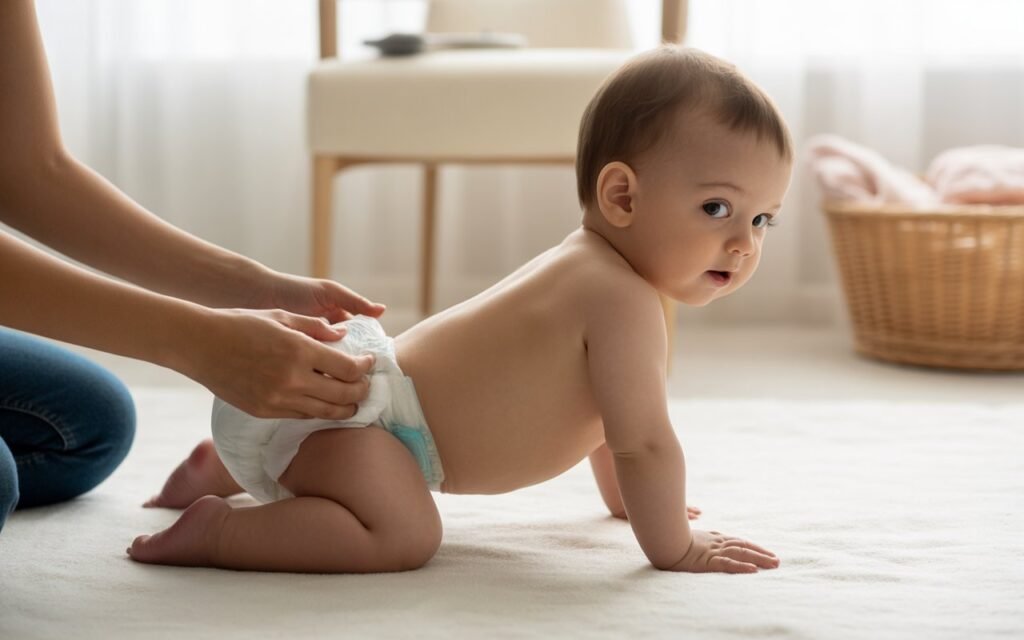
The physical space and atmosphere where you change diapers significantly impacts your baby’s cooperation level. A well-thought-out changing area addresses many common triggers for resistance while making the process smoother for everyone involved.
Choosing the optimal changing location
Not every baby responds well to traditional changing tables. Some feel more secure on a bed, floor, or couch where they have more room and feel less confined. Experimenting with different locations might reveal that your baby simply dislikes the height or confined space of their changing table.
Floor changes offer several advantages, particularly for mobile babies. The reduced fall risk allows you to relax more, which your baby senses. You can also position yourself differently, perhaps sitting cross-legged with your baby lying across your lap, creating a more intimate and less clinical feeling. Some parents find that bathroom floors work well because they’re easy to clean and often warmer than other rooms.
Consider creating multiple changing stations throughout your home. Having supplies readily available in several locations means you can change your baby wherever they’re most comfortable at that moment. A basket with diapers, wipes, and cream in the living room, bedroom, and bathroom provides flexibility without constant trips to the nursery.
Temperature and comfort considerations
Warm rooms make an enormous difference in your baby’s comfort during changes. Aim for a temperature around 72-75°F (22-24°C) in your changing area. If your home tends toward the cooler side, consider using a small space heater (safely positioned) or warming the room before changes.
Wipe warmers divide parents, but many swear by them for reducing shock and resistance. If you prefer not to buy another gadget, try holding the wipe in your closed hand for a few seconds to take the chill off. You can also keep wipes in a warmer room rather than a cold bathroom.
The changing surface itself matters too. Cold plastic changing pads can be jarring against warm skin. Adding a soft, washable cover or even a folded towel creates a more inviting surface. Some babies prefer the softness of a blanket underneath them rather than the typical waterproof pad.
Lighting and visual stimulation
Harsh overhead lights shining directly into your baby’s eyes increase discomfort and resistance. Softer, indirect lighting creates a calmer atmosphere while still allowing you to see what you’re doing. Table lamps, dimmer switches, or even strategic use of natural light can transform the experience.
Visual elements above the changing area give babies something interesting to focus on besides their discomfort. Consider hanging a mobile, installing a small mirror (safely secured), or placing interesting pictures at baby’s eye level. These focal points provide distraction without overwhelming their senses:
Rotating Mobiles: Movement captures attention and provides ongoing interest throughout the change
Black and White Patterns: Particularly effective for younger babies who see high contrast best
Nature Scenes: Photographs of trees, animals, or landscapes offer calming visual input
Family Photos: Familiar faces provide comfort and connection during vulnerable moments
Safety measures that reduce anxiety
Babies pick up on parental tension, so creating a space where you feel confident prevents your anxiety from affecting them. Safety straps should be present but not overly restrictive. Having everything within arm’s reach eliminates the need to step away or stretch awkwardly, movements that can increase both your stress and your baby’s insecurity.
Keep one hand on your baby at all times, providing constant physical connection and reassurance. This touch communicates safety and prevents sudden movements that might startle them. The consistent contact also helps you anticipate and gently prevent rolling attempts before they become full escapes.
Organizing supplies for efficiency
Fumbling for supplies while managing a wiggling baby increases everyone’s frustration. Organized, easily accessible supplies shorten change time and reduce opportunities for escape attempts. Use caddies, shelves, or hanging organizers to keep everything visible and within reach.
Pre-opening a few diapers and having wipes already pulled up saves precious seconds. During particularly challenging phases, you might even partially prepare the clean diaper (tabs loosened, positioned correctly) before bringing your baby to the changing area. These small time-savers add up when dealing with an uncooperative child.
Stock each changing station with more supplies than you think you’ll need. Running out of wipes mid-change with a squirmy baby is a situation you want to avoid. Include distraction items, spare clothes, and any creams or medications in your organization system.
Distraction Techniques That Work
Strategic distraction can transform diaper changes from battles into neutral or even enjoyable experiences. The key lies in finding what captures your specific baby’s attention and having multiple options ready when one technique loses its effectiveness.
Special toys reserved for changes
Designating certain toys exclusively for diaper changes creates anticipation and novelty that can override resistance. These special items only appear during changes, maintaining their appeal and giving your baby something to look forward to rather than dread.
Choose toys that are engaging but not so exciting that your baby wants to roll over to play with them properly. Items that work well include small board books with simple pictures, soft rattles that are easy to hold while lying down, or textured toys that provide sensory input without requiring movement. Rotate these special toys weekly to maintain novelty without buying endless new items.
Songs and interactive games
Music and rhythm naturally capture babies’ attention while creating positive associations with changing time. Develop a special diaper change song or adapt familiar tunes with silly lyrics about the process. The predictability of the same song each time can actually become comforting, signaling what’s happening without making it feel threatening.
Peek-a-boo works wonders with the right timing. Cover your face with a clean diaper or your hands during the most challenging parts of the change. The anticipation of your reappearance keeps your baby engaged and still. You can also play peek-a-boo with their feet, lifting their legs and saying “Where are baby’s toes?” before revealing them again.
Counting games or naming body parts as you clean them turns the change into a learning opportunity. “One foot, two feet” or “Now we’re cleaning your belly button” provides running commentary that maintains connection and distraction simultaneously. Speaking in different voices or making silly sounds for each step adds entertainment value without requiring props.
Visual distractions and mobiles
Anything that moves or changes captivates young babies. Small, battery-operated mobiles designed for travel work perfectly above changing areas. Look for ones with gentle movement and soft music rather than overwhelming stimulation. The movement gives babies something to track with their eyes, naturally encouraging stillness.
Mirrors remain endlessly fascinating for babies who’ve discovered their reflections. A safely secured mirror beside or above the changing area provides entertainment and self-discovery opportunities. Babies often become so entranced with their own movements and expressions that they forget to resist the diaper change.
Light projectors or simple flashlights (LED, child-safe) create magical experiences during changes. Project patterns on the ceiling or wall, or simply let your baby hold a small, safe light while you work. The cause-and-effect relationship between moving the light and seeing patterns change provides sophisticated distraction.
Engaging multiple senses
Sensory bottles or bags kept near the changing area offer visual and tactile engagement without mess. Fill small bottles with water, glitter, and food coloring, or create sensory bags with hair gel and small toys sealed inside clear plastic bags. These items are endlessly fascinating to squeeze, shake, and examine while lying down.
Different textures provide excellent distraction for tactile-oriented babies. Keep a variety of fabric squares, ribbons, or textured toys within reach. Let your baby explore these with their hands while you handle the business end of the change. Crinkly toys or those that make soft sounds when squeezed work particularly well.
Consider temperature variations for additional sensory input. A cool teething ring (not frozen) can provide relief and distraction for babies who are cutting teeth. Conversely, a slightly warm (never hot) rice sock can be comforting during winter changes.
Age-appropriate distraction methods
Newborns to six months respond best to high-contrast patterns, gentle music, and your voice. Simple black and white cards or books positioned where they can see them often provide enough distraction. Your face remains their favorite entertainment, so maintaining eye contact and making expressions can be enough.
Six to twelve months brings increased mobility and decreased attention span for stationary activities. This age group needs more interactive distractions. Consider giving them something to hold and manipulate, like a small container with a lid to open and close or stacking cups to nest together.
Twelve months and beyond requires more sophisticated distraction techniques. Toddlers might enjoy holding a clean diaper for their stuffed animal or baby doll, “helping” with their own change by holding the cream, or looking at family photos on a phone (in a protective case). Sometimes giving them a job, like holding the clean diaper until you need it, provides enough involvement to ensure cooperation.
Communication and Connection Strategies
Building cooperation through communication transforms diaper changes from something done to your baby into something done with them. Even pre-verbal babies understand far more than they can express, and respectful communication builds trust that extends beyond the changing table.
Words and tone matter enormously during diaper changes. Your calm, reassuring voice can override your baby’s initial resistance, while stressed or frustrated tones escalate the situation. Practice keeping your voice steady and pleasant even when facing the third explosive diaper in an hour. This emotional regulation models calmness for your baby.
Narrating the process
Talking through each step of the change serves multiple purposes beyond simple distraction. This narration helps your baby understand what’s happening, reducing anxiety about unexpected sensations or movements. It also maintains connection during a vulnerable time and eventually helps them learn the vocabulary around their body and hygiene routines.
Keep your narration simple and concrete. “First we unfasten your diaper. Now I’m cleaning your bottom with a warm wipe. Here comes the fresh diaper!” This play-by-play helps babies anticipate what’s coming next, reducing startled reactions to sudden touches or position changes.
Acknowledge their feelings without judgment. “You really don’t want your diaper changed right now. I understand you were having fun playing.” This validation doesn’t mean you stop the necessary change, but it shows respect for their experience. Babies and toddlers who feel heard often calm down more quickly than those whose protests are ignored or dismissed.
Add predictability through consistent phrases or routines. Maybe you always start with “Time for a fresh diaper!” or end with “All clean and cozy!” These verbal cues help your baby mentally prepare and understand the progression of events. Predictability reduces anxiety and resistance over time.
Giving choices and control
While babies can’t choose whether to have their diaper changed, offering small choices within the process gives them some autonomy. “Do you want to hold the duck or the ball during your change?” or “Should we sing the elephant song or the bubble song?” These limited options provide control without compromising the necessary task.
For mobile babies, consider offering the choice of location when possible. “Would you like to change your diaper on the floor or on the bed?” This flexibility shows respect for their preferences while still accomplishing what needs to happen.
Let them participate in age-appropriate ways:
Holding Items: Give them the clean diaper, wipes container, or cream to hold
Helping Undress: Older babies can lift their legs or pull off socks
Choosing Diaper Designs: If using printed diapers, let them pick between two options
Post-change Ritual: They might throw the dirty diaper in the bin or wash hands together
Using positive language
Frame the experience positively without dismissing difficulties. Instead of “Don’t cry,” try “This will be quick” or “Almost finished!” Focus on what you want them to do rather than what you don’t want. “Legs still please” works better than “Stop kicking!”
Avoid labeling your baby as difficult or the situation as a battle, even in your own mind. These thoughts affect your tone and approach, which your baby senses. Instead, think of it as your baby having a hard time rather than giving you a hard time.
Celebrate cooperation, no matter how small. “You held so still while I fastened your diaper!” or “Thank you for helping by holding the cream!” This positive reinforcement encourages future cooperation without making changes feel like a test they can pass or fail.
Reading body language cues
Your baby communicates readiness or resistance through body language before they can speak. Tension in their body, clenched fists, or turning away might indicate they need a moment to transition. Sometimes waiting thirty seconds for them to finish looking at something or complete a movement makes the subsequent change much smoother.
Watch for windows of opportunity. Babies often have moments of natural stillness or contentment that make ideal changing times. Right after waking (before full alertness), during content alertness after feeding, or when they’re slightly tired but not overtired often work well.
Notice patterns in their resistance. Does your baby particularly hate having their legs lifted? Try rolling them gently to each side instead. Do they resist most when hungry or tired? Adjust timing when possible to avoid these triggers.
Building trust through routine
Consistency in your approach, even when faced with resistance, builds trust over time. Your baby learns that diaper changes, while perhaps not preferred, are predictable and survivable experiences. This security eventually reduces resistance as the process becomes familiar routine rather than unexpected disruption.
Include pleasant rituals before and after changes. Maybe you always play a quick game of “This Little Piggy” afterward or give a gentle tummy massage with lotion. These positive bookends help your baby see changes as part of a larger, more enjoyable routine.
Trust also comes from respecting your baby’s communication, even when you can’t accommodate their wishes. Acknowledging their protests while calmly continuing shows that you hear them but that some things are non-negotiable. This balance of empathy and boundaries creates security.
Quick Change Techniques
Sometimes the best strategy involves minimizing the time your baby spends in a situation they dislike. Quick, efficient changes reduce opportunities for resistance while still maintaining gentleness and connection.
Standing diaper changes
Once your baby can stand steadily, usually around 10-12 months, standing changes become possible for wet diapers. This technique works particularly well for toddlers who despise lying down and gives them a sense of control and participation in the process.
Position yourself at your baby’s level, either kneeling or sitting on a low stool. Have them stand facing away from you, perhaps looking at themselves in a mirror or playing at a low table. Unfasten the wet diaper, let it drop, quickly wipe if needed, then have them step into the new diaper one foot at a time. Pull it up like underwear and fasten while they remain standing.
This method requires practice and works best with pull-up style diapers or regular diapers with tabs that can be fastened while standing. Keep engaging your toddler in conversation or distraction during the process to maintain their cooperation. Having them hold onto something stable or lean against a wall provides additional support.
Two-person teamwork methods
When available, a partner can make difficult changes manageable. One person handles entertainment and distraction while the other manages the actual change. This division of labor allows each person to focus fully on their role, increasing efficiency and reducing stress.
The entertainer positions themselves at baby’s eye level, maintaining eye contact and providing constant engagement through songs, faces, or toys. Meanwhile, the changer can work quickly without trying to simultaneously manage behavior. Switch roles periodically so both caregivers become comfortable with each position.
For particularly challenging situations, one person can gently hold baby’s hands (making it a game rather than restraint) while the other changes. This prevents grabbing at dirty diapers or interfering with cleanup while maintaining physical connection and play.
Efficient supply organization
Speed comes from preparation and smooth movements rather than rushing. Arrange supplies in the order you’ll use them. Open wipes containers, unfold diapers, and uncap creams before bringing your baby to the changing area. These seconds saved translate to less resistance time.
Develop muscle memory for your changing routine. Keep supplies in identical arrangements at each changing station so you can work without thinking about where things are. Your hands should know exactly where to reach for each item without looking away from your baby.
Consider prep strategies that work for your situation. Some parents partially attach one tab of the clean diaper before removing the dirty one, allowing for quicker transitions. Others line up several wipes so they’re ready to grab in succession without fumbling with the container.
Clothing choices that help
Outfit selection significantly impacts changing ease and speed. Avoid complicated outfits with multiple snaps or buttons during phases of high resistance. Onesies with just three snaps are quicker than those with snaps down both legs. Separate tops and elastic-waist bottoms often work better than one-piece outfits.
During particularly difficult phases, consider keeping your baby in minimal clothing at home. A shirt and diaper or just a diaper (if temperature allows) eliminates wrestling with clothing and speeds changes considerably. This approach works especially well during potty training preparation when frequent changes are necessary.
Choose fabrics that stretch and move easily. Rigid materials or tight-fitting clothes add frustration when you’re trying to work quickly. Looser fits that can be pulled up quickly without precise alignment save precious seconds when dealing with a wiggling baby.
Skip socks and shoes when possible during high-resistance periods. These extra items add time and provide additional opportunities for kicking and resistance. If warmth is needed, footed pajamas or pants work better than separate socks.
Speed versus gentleness balance
Quick doesn’t mean rough or disconnected. Maintain gentle touches and emotional connection even while working efficiently. Your calm efficiency communicates confidence, which helps your baby feel secure even if they’re not happy about the process.
Practice smooth, confident movements when your baby is calm to build your skills for challenging moments. The more automatic your movements become, the faster you can work while maintaining gentleness. Think of it like a well-choreographed dance rather than a race.
Remember that forcing speed when your baby is extremely upset often backfires, leading to longer, more traumatic changes. Sometimes slowing down, taking a brief break, or waiting a moment for calm actually results in a quicker overall process. Read the situation and adjust your approach accordingly.
Finding Your Balance
Successfully managing diaper change resistance requires flexibility and patience rather than rigid adherence to any single technique. What works brilliantly one week might fail completely the next as your baby develops and changes. The strategies discussed throughout this article provide a toolkit from which you can select and adapt based on your baby’s current needs and developmental stage.
Remember that this challenging phase is temporary, though it might not feel that way during your fifth wrestling match of the day. Most babies move through periods of intense resistance and then settle into easier phases as they develop new interests and understanding. Your calm, consistent approach during difficult times builds the foundation for cooperation in many areas beyond diaper changes. The patience and creativity you develop now serve you well through toddlerhood and beyond, making you a more confident and adaptable parent overall.
Frequently Asked Questions
Q: At what age do babies typically start fighting diaper changes?
A: Most babies begin showing resistance between 6-9 months when they become mobile and develop stronger awareness of their preferences. Some start earlier around 4-5 months, while others don’t resist until they’re toddlers discovering independence.
Q: Should I physically hold my baby down if they’re really fighting the change?
A: Gentle restraint for safety is sometimes necessary, but forceful holding often escalates the situation. Instead, use distraction techniques, work quickly, and maintain calm physical contact. If possible, try standing changes or wait a few minutes for a calmer moment.
Q: How long does the diaper change resistance phase usually last?
A: The duration varies significantly between babies. Some experience brief phases lasting 2-3 weeks, while others resist changes for several months. Most children become more cooperative as their understanding improves and they approach potty training age around 2-3 years.
Q: Is it okay to let my baby cry through the diaper change?
A: Sometimes babies will cry despite your best efforts, and that’s okay. Continue talking soothingly, work efficiently, and comfort them afterward. However, if crying is extreme or happens every change, reassess your approach and timing to find better solutions.
Q: Can I skip diaper changes if my baby is really upset?
A: Wet diapers can sometimes wait 15-30 minutes for a better moment, but soiled diapers need prompt changing to prevent rash and discomfort. If your baby is extremely upset, take a brief break to calm them, but don’t leave dirty diapers on for extended periods.
Q: What if nothing seems to work with my strong-willed toddler?
A: Some children need more creative approaches. Try giving them a “job” during changes, let them change a doll’s diaper first, or create a visual schedule showing the change process. Consider whether they’re ready for potty training, as some resistance indicates readiness for this transition.
Q: Should I use screens or phones as distraction during changes?
A: While screens can be effective for particularly difficult changes, they shouldn’t become the default solution. Reserve digital distraction for the most challenging situations, like when you’re alone with multiple children or dealing with a painful rash requiring careful cleaning.
Q: How do I handle diaper changes in public when my baby resists?
A: Public changes add stress, but preparation helps. Scout changing facilities when you arrive somewhere new, carry special distraction items reserved for outings, and work even more quickly than at home. Remember that most parents understand and sympathize with your situation.