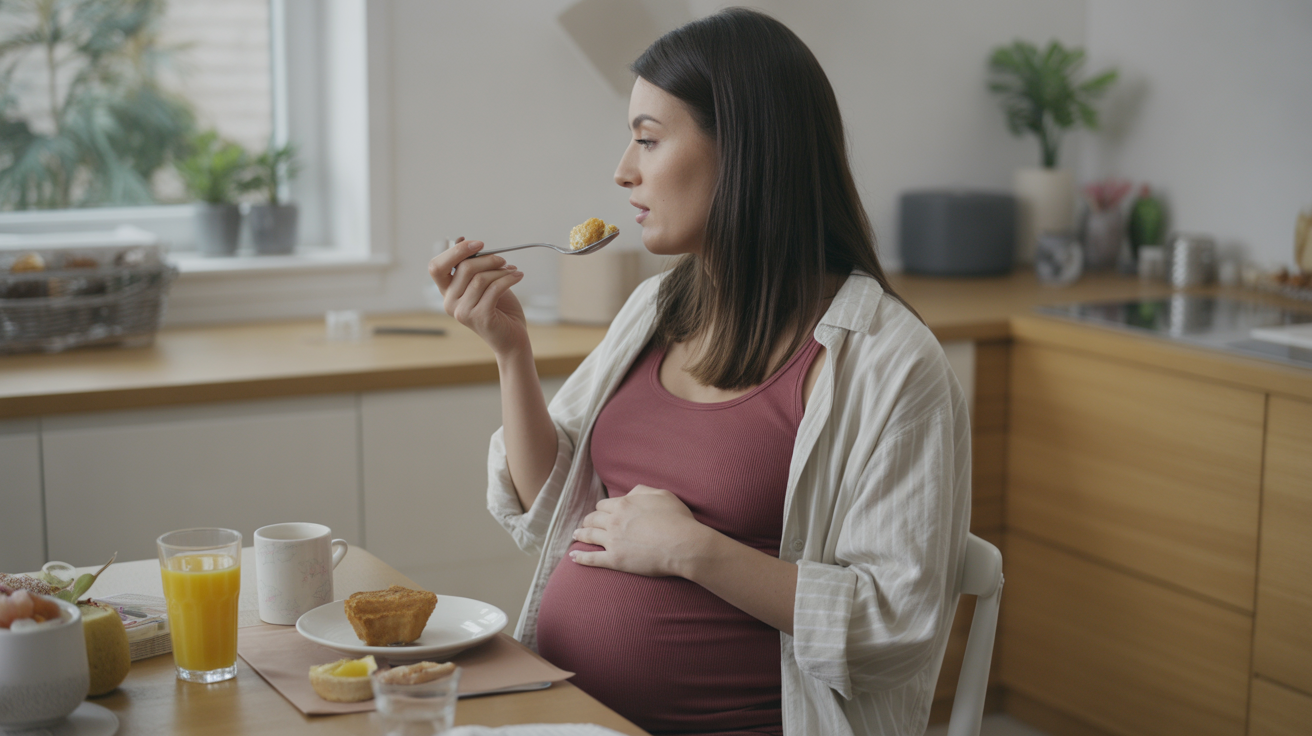
Let’s be honest – pregnancy changes everything, including your relationship with food. One day you’re craving pickles at 6 AM, the next you can’t even look at your favorite cereal without feeling queasy. Your morning meal becomes this delicate balance between “what my body needs” and “what I can actually keep down.”
If you’re in your first trimester right now, you probably know exactly what I mean. The smell of coffee that once got you out of bed might now send you running to the bathroom[1]. Your body is literally building another human being, and it’s demanding some serious nutritional backup – but it’s also being incredibly picky about how you deliver those nutrients
The good news? You don’t need to become a master chef overnight or force down foods that make you miserable. Let’s figure out some breakfast strategies that work with your changing body, not against it.
What Your Body is Really Asking For
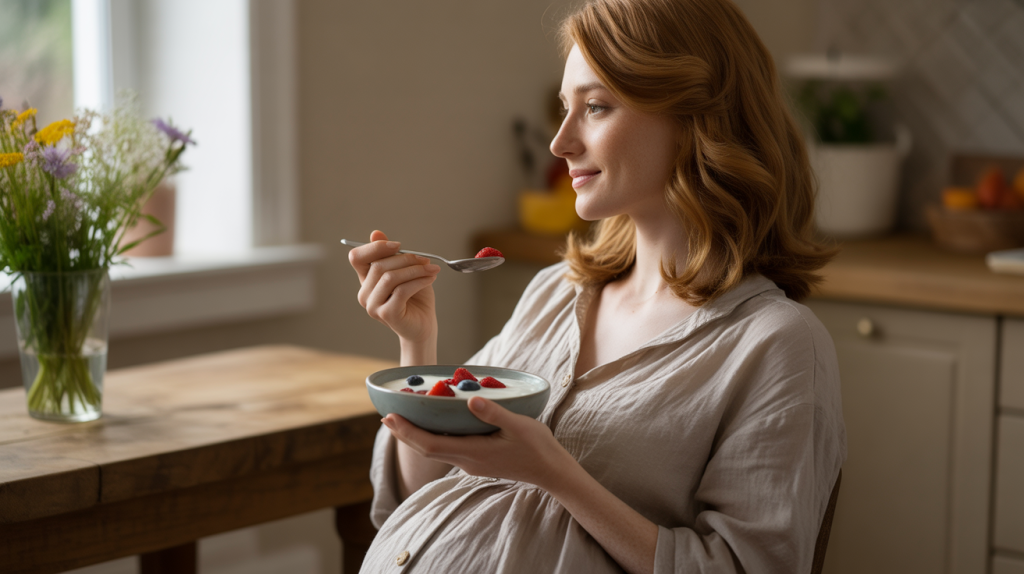
Your baby might be tiny right now, but they’re already making some big demands on your system. Think of breakfast as your chance to set both of you up for success before the day gets crazy.
The Protein Power-Up Your Little One Needs
Your protein needs just jumped by about 25 grams a day – that’s like adding a whole Greek yogurt to your daily routine. But here’s the thing: spreading that protein throughout the day (starting with breakfast) helps keep your energy steady instead of leaving you face-down on your desk by 10 AM.
Greek yogurt really is your friend here – it packs twice the protein punch of regular yogurt. Eggs are fantastic too, giving you all those amino acids your baby needs for proper development. And if you’re dealing with food aversions, protein powder in a smoothie might be your lifeline.
Folate and Iron: The Dynamic Duo
Folate isn’t just important – it’s crucial for preventing neural tube defects, especially in those critical early weeks. The beautiful thing about folate is that it hides in foods you probably already love: that orange juice with your cereal, spinach in your smoothie, or fortified breakfast cereals.
Iron is your energy insurance policy. Your body is literally making more blood right now, and without enough iron, you’ll feel exhausted (more than the normal pregnancy tired, if that’s even possible). Pro tip: pair iron-rich foods with vitamin C sources – like strawberries with that iron-fortified cereal – and your body will absorb way more.
Calcium and Vitamin D: Building Tiny Bones
Your baby is going to take calcium from your body whether you’re eating enough or not – they’re pretty demanding that way. Dairy products are the obvious choice, but don’t stress if you’re lactose intolerant or following a plant-based diet. Fortified alternatives work just as well.
Here’s something cool: eating breakfast outside or near a sunny window can actually boost your vitamin D production naturally. Just another reason to savor that morning meal instead of wolfing it down on your way out the door.
The Healthy Fats Your Baby’s Brain Craves
Omega-3s are like brain food for your developing baby, especially as their brain really starts growing in the third trimester. The easiest way to sneak these in? Sprinkle some walnuts, chia seeds, or ground flaxseed on whatever you’re already eating.
Avocado toast isn’t just trendy – it’s actually perfect pregnancy fuel. Those monounsaturated fats help you absorb all those fat-soluble vitamins from other foods.
Real-Life Breakfast Solutions for Real-Life Mornings
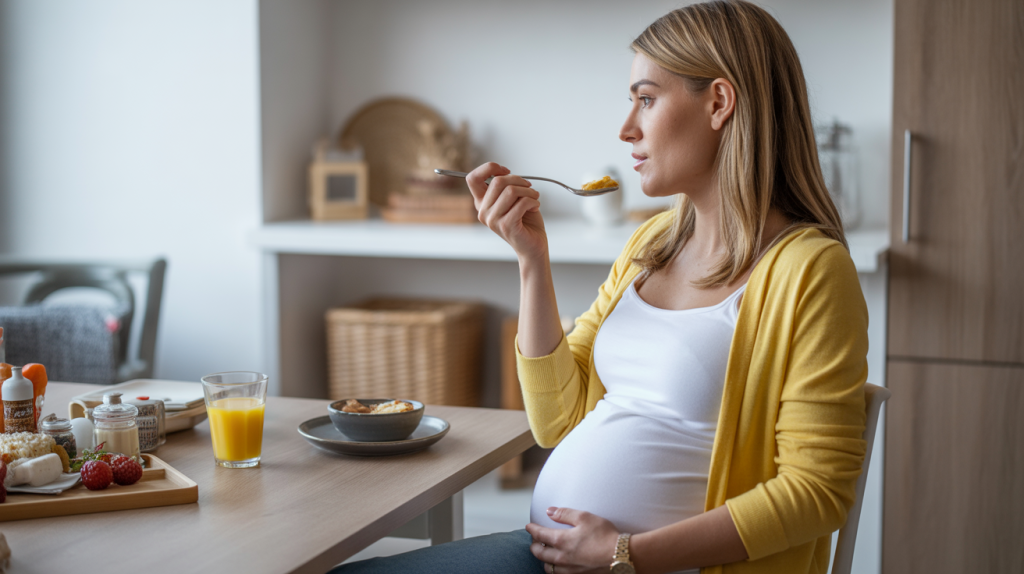
Let’s talk about mornings when you can barely function, let alone cook a elaborate breakfast. Pregnancy fatigue is no joke, and some days just getting dressed feels like an achievement.
The Night-Before Heroes
Overnight oats are going to save your sanity. Seriously. Dump some oats, milk, and whatever mix-ins you can tolerate into a jar before bed, and breakfast is ready when you are. No morning decisions required.
Chia puddings work the same magic but with different nutrition. Mix chia seeds with milk and a touch of sweetener, let it do its thing overnight, and you’ve got pudding for breakfast. Your exhausted morning self will thank you.
If you’re feeling ambitious on Sunday, breakfast casseroles can be your meal prep champion. Make one, cut it into portions, and you’re set for the week.
Five-Minute Lifesavers
Scrambled eggs in a mug might sound weird, but trust me on this one. Crack an egg in a mug, add a splash of milk, microwave for about a minute, and you’ve got fluffy eggs without dirtying a pan. Add some pre-cut veggies or cheese if you’re feeling fancy.
Peanut butter toast with banana is basically the perfect pregnancy food – protein, healthy fats, natural sweetness, and it takes less time than brewing coffee. Choose whole grain bread for extra fiber (your digestive system will appreciate this later).
Even instant oatmeal can be elevated. Add frozen berries while it’s hot, stir in some nut butter, and you’ve transformed a simple packet into something actually nourishing.
Smoothies: Your Secret Weapon
When nothing else sounds good, smoothies often save the day. You can sneak spinach into a fruit smoothie and never taste it, but you’ll get all that folate and iron. Frozen fruit makes everything thick and cold and wonderful, especially if you’re dealing with nausea.
Greek yogurt or protein powder turns any smoothie into a substantial meal. Start with less liquid than you think you need – you can always add more, but you can’t take it back.
Grab-and-Go Options for Chaotic Mornings
Some mornings, “breakfast” needs to happen in the car or at your desk. Hard-boiled eggs are your friend here – make a batch on Sunday and grab them all week. String cheese paired with an apple? Perfect. Trail mix with nuts, seeds, and dried fruit? Also perfect.
Individual cottage cheese cups pack serious protein, and hummus with veggie sticks travels surprisingly well.
When Your Stomach Rebels: Surviving Morning Sickness
If you’re reading this while feeling queasy, first – you have my complete sympathy. Morning sickness is miserable, and anyone who tells you it’s “just in your head” clearly hasn’t been pregnant.
Foods That Might Actually Stay Down
Ginger is your best friend right now. Whether it’s ginger tea, ginger cookies, or even those little crystallized ginger pieces, this root has been helping pregnant women feel better for centuries. Start small though – some women find strong ginger overwhelming.
Plain crackers kept right beside your bed can make the difference between a manageable morning and a rough start. Eat a few before you even sit up. Saltines work, but any plain cracker will do.
The BRAT diet (bananas, rice, applesauce, toast) isn’t exciting, but it’s gentle on rebellious stomachs. These foods alone won’t give you complete nutrition, but they’re a starting point when you’re struggling.
Timing Tricks That Actually Help
Never let your stomach get completely empty – it makes nausea so much worse. Set gentle phone alarms to remind yourself to eat something small every few hours. Even a few crackers can break the cycle.
Cold foods often work better than warm ones when you’re feeling sick. Cold cereal, smoothies, chilled fruit – anything that doesn’t have a strong smell might be more appealing.
Staying Hydrated When Water Sounds Terrible
Dehydration makes morning sickness worse, but sometimes even water sounds awful. Sip small amounts throughout the day instead of trying to chug a whole glass. Room temperature often works better than ice cold.
Coconut water provides natural electrolytes and has a mild taste many women can tolerate. Ice chips or popsicles count as hydration too, and the cold might actually help settle your stomach.
Making Meal Prep Work for You
When your energy comes and goes unpredictably, having breakfast components ready becomes a game-changer. You don’t need to become a meal prep influencer – just a few simple strategies can make your mornings so much easier.
Weekend Prep That Actually Helps
Wash and cut fruit as soon as you get home from grocery shopping. Future you will appreciate being able to grab ready-to-eat fruit when you’re tired or nauseous. Store everything in clear containers so you can see your options without thinking too hard.
Cook grains in big batches – quinoa, oats, brown rice. Portion them into containers and use them as bases for different breakfast bowls throughout the week.
Prep your proteins too. Hard-boil a dozen eggs, cook some breakfast sausage, whatever you think you’ll actually eat. Having these ready makes morning assembly so much faster.
Freezer Options for Really Rough Days
Breakfast burritos freeze beautifully and can go straight from freezer to microwave. Make them with whatever filling you can tolerate and wrap them individually.
Pancakes and waffles also freeze well. Make a big batch on the weekend, freeze them in single layers, then toast them straight from frozen. It feels like a special breakfast even when you have zero energy.
You can even pre-portion smoothie ingredients into freezer bags. Just add liquid and blend when you’re ready.
When You Have Special Dietary Needs
Pregnancy might coincide with other dietary considerations, and that’s totally manageable with a little planning.
Plant-Based Pregnancy Breakfasts
If you’re vegetarian or vegan, you can absolutely get everything you need – it just takes a bit more intentional planning. Quinoa is amazing because it’s one of the few plant foods with all essential amino acids.
Tofu scrambles can replace eggs and taste surprisingly similar when seasoned with turmeric. Nutritional yeast adds B vitamins (including B12, which is crucial on vegan diets). Silken tofu blends into smoothies invisibly while adding protein.
Legumes are your protein powerhouses. White beans blend into smoothies without affecting taste, and chickpea flour makes surprisingly good pancakes.
Gluten-Free Mornings
Pregnancy sometimes triggers new food sensitivities, including gluten intolerance. Naturally gluten-free grains like quinoa, rice, and certified gluten-free oats work just like regular breakfast grains.
Eggs become even more valuable when you’re avoiding gluten – scrambles, muffins, frittatas all work perfectly without needing any grain-based ingredients.
Managing Gestational Diabetes
If you develop gestational diabetes, breakfast becomes about balancing carbohydrates with protein and healthy fats. This slows down sugar absorption and keeps your blood glucose stable.
Choose complex carbohydrates over simple ones – steel-cut oats instead of instant, whole grain toast instead of white bread. Pair everything with protein: Greek yogurt with berries and nuts, eggs with whole grain toast.
Monitor your blood sugar response to different combinations and stick with what works for your body.
Foods to Skip
Some foods just aren’t worth the risk during pregnancy. Raw or undercooked eggs (like in homemade Caesar dressing or cookie dough) can harbor salmonella. Fully cooked eggs are completely safe and nutritious.
High-mercury fish should be limited, so skip the smoked salmon bagels for now. Unpasteurized dairy products and fresh juices can contain harmful bacteria.
As for caffeine, most doctors say up to 200mg daily is fine – that’s about one 12-ounce cup of coffee. Have it with breakfast and switch to decaf later if you need more warm beverages.
Looking Ahead: Building Habits That Last
The breakfast routines you’re creating now will stick around long after your baby arrives. When you’re setting up high chairs and introducing solid foods, you’ll be grateful for these healthy habits you’ve already established.
Remember, perfect nutrition isn’t about never making a “wrong” choice – it’s about making consistently good choices that work for your real life. Some days that might mean crackers and ginger ale. Other days you might manage a full balanced meal. Both are okay.
The fact that you’re even thinking about nutrition shows how much you already care about your baby’s development. Trust your body, be patient with yourself, and know that small, consistent improvements make a huge difference over time.
Your Real Questions, Answered
I can barely stomach anything in the morning. How much protein do I really need at breakfast?
Aim for 15-20 grams if you can manage it, but don’t stress if some days are just survival mode. Your body is remarkably good at getting what it needs, and you can make up for lighter breakfast days with afternoon snacks.
Is my daily coffee going to hurt my baby?
One 12-ounce cup per day is generally considered safe by most healthcare providers. If coffee helps you function and feel human, don’t feel guilty about enjoying it with breakfast.
Everything makes me nauseous. What’s the bare minimum I can eat and still be okay?
Start with simple carbs like crackers or toast, then add tiny amounts of protein as you can tolerate them. Ginger tea, small frequent meals, and cold foods often help. If you’re vomiting frequently, talk to your doctor about anti-nausea options.
Are smoothies actually safe? I keep reading conflicting things.
Smoothies made with pasteurized ingredients are perfectly safe and often easier to tolerate when you’re feeling sick. Just wash your fruits and vegetables well, and avoid unpasteurized juices.
I’m lactose intolerant but need calcium. What can I actually eat for breakfast?
Fortified plant-based milks have just as much calcium as dairy milk. Calcium-set tofu, canned fish with soft bones, and leafy greens also provide calcium. Many lactose-free dairy products maintain their calcium content too.
Can I really eat eggs every single day?
Absolutely, as long as they’re fully cooked. Eggs provide complete proteins, choline for brain development, and tons of other nutrients your body needs right now.
Your pregnancy journey is uniquely yours, and your breakfast routine should work for your body, your schedule, and your preferences. Be kind to yourself, especially on the hard days.