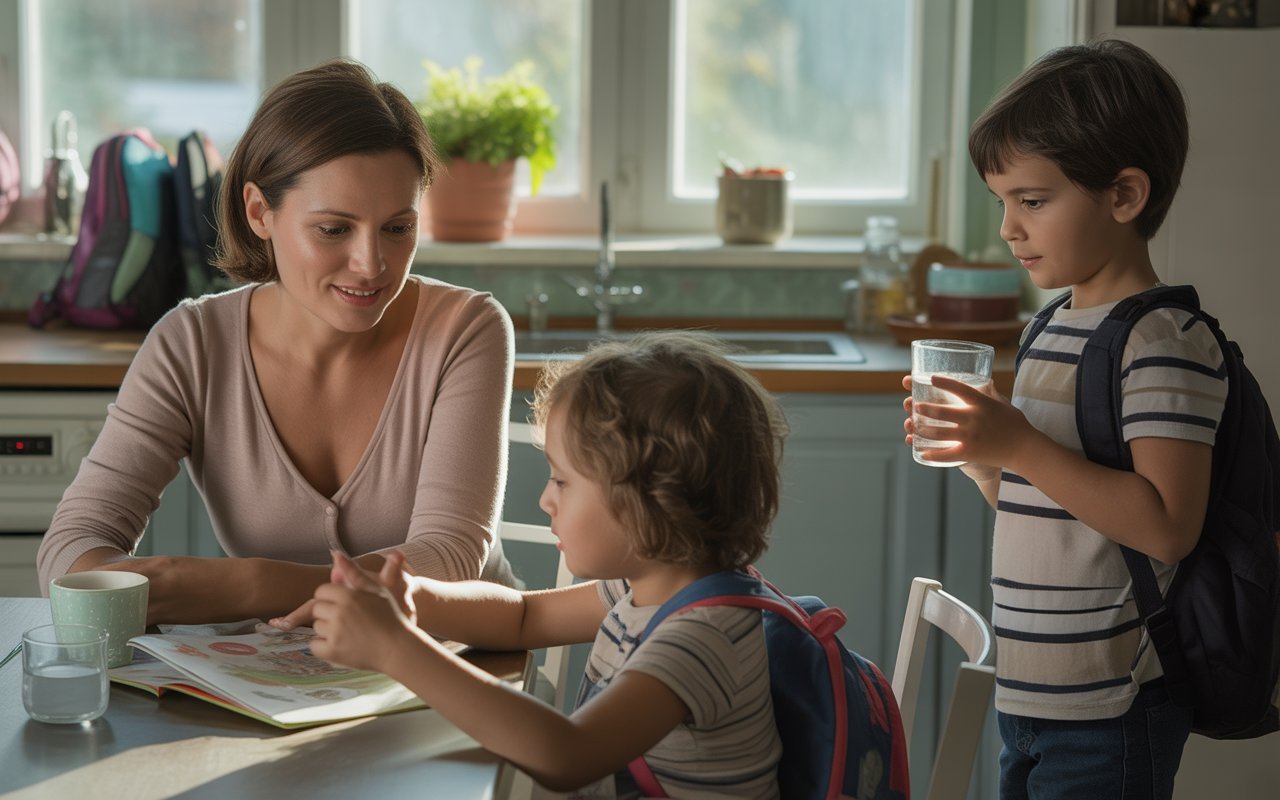
Becoming a stepparent is one of those life changes that nobody fully prepares you for. You marry someone you love, and suddenly you’re also part of a story that started without you — one that has history, emotions, and loyalties already baked in. It can feel like showing up to a movie halfway through and being expected to know all the characters.
Most women who step into this role carry a version of the same hope: that love and goodwill will be enough to bring everyone together. And while those things matter enormously, they’re rarely enough on their own. What actually makes a difference is having a clear strategy — knowing what your role is, what it isn’t, and how to build something real over time.
The good news is that blended families do find their footing. Research from family therapists suggests it typically takes anywhere from seven to twelve years for a stepfamily to feel truly settled, which is longer than most people expect. But that doesn’t mean those years are all hard. What you do in the early stages sets the tone for everything that comes after. The strategies below are designed to help you get there with less friction and more confidence.
- Start by Letting Go of the "Instant Family" Myth
- Don't Try to Be Their Parent Right Away
- Make Space for Your Partner's One-on-One Time With Their Kids
- Build the Relationship One Small Moment at a Time
- Be Consistent With Rules and Routines
- Find a Name That Feels Right for Everyone
- Take Care of Your Own Emotional Health
- Finding Your Footing Is a Process, Not a Moment
- Frequently Asked Questions
Start by Letting Go of the “Instant Family” Myth
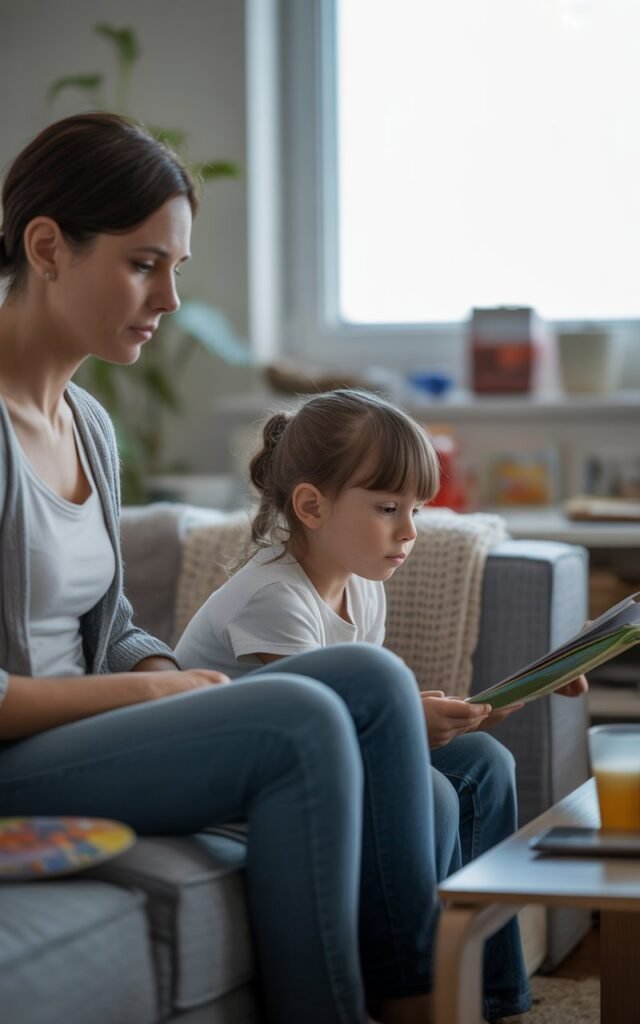
One of the most common mistakes new stepmoms make is expecting the family to feel like a unit right away. It won’t — and that’s completely normal. The pressure to create a warm, close-knit household immediately often makes things worse, not better. Children who feel pushed to bond before they’re ready tend to pull back and resist.
Pressuring kids to bond with a stepparent usually backfires. Instead of bonding faster, kids tend to pull back and build up barriers. The healthier approach is to think of the relationship as a long-term investment. You’re not trying to win anyone over in the first few months. You’re laying a foundation.
The cardinal rule for stepparent bonding is to let the children set the pace for their relationship with you. That means following their lead on how much closeness they’re comfortable with, rather than pushing for hugs, affection, or emotional closeness before they’re ready.
Don’t Try to Be Their Parent Right Away
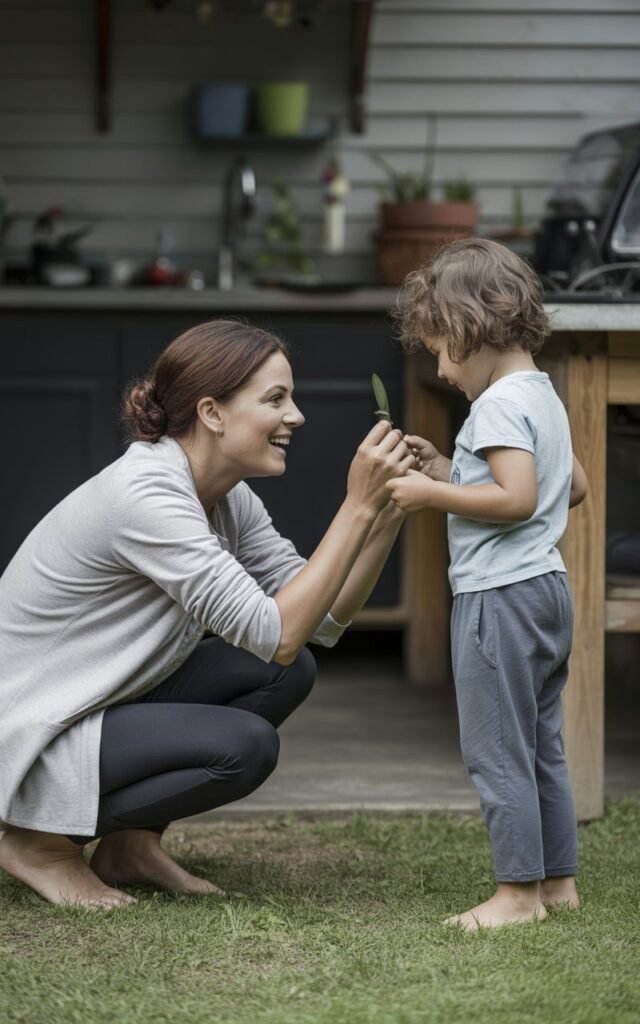
This one runs counter to what many stepmoms instinctively want to do. You’re in the house, you care about these kids, and you want to be involved. But coming in strong as an authority figure in the early stages almost always creates resentment.
Come in as a friend or a benevolent aunt or uncle — choose a role other than “parent” in order to foster the relationship. This isn’t about lowering your standards or letting bad behavior slide. It’s about being strategic. When children see you as someone who genuinely likes them and wants good things for them — rather than someone who’s there to enforce rules — they’re far more likely to open up to you over time.
In terms of discipline, let your partner take the lead, especially in the beginning. If there’s a behavior that needs addressing, let your spouse handle it and support their decision. You’re the good cop. That dynamic isn’t permanent, but in the early years it protects the relationship you’re trying to build with your stepchildren.
Make Space for Your Partner’s One-on-One Time With Their Kids
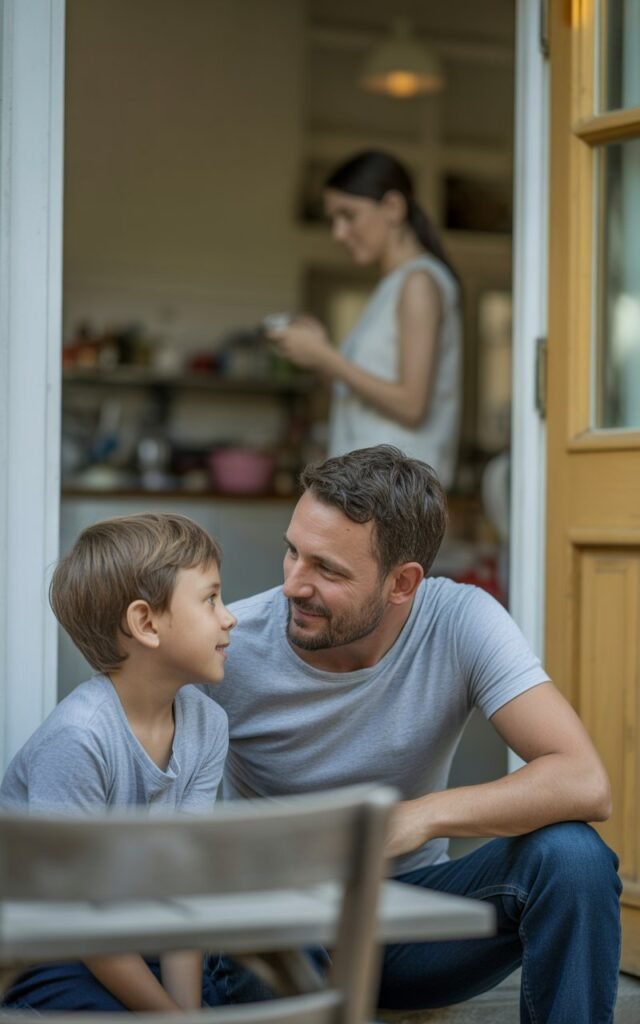
This is something a lot of stepmoms struggle with emotionally, but it matters more than most people realize. Letting your spouse have one-on-one time with their kids — without you — helps reduce the displacement and loss the child might be feeling, and reassures them that they haven’t been pushed out by someone new.
Children of divorce or separation already carry the fear that they’ve lost something permanent. When they see that their parent still makes dedicated time for just them, it signals safety. It tells them the new relationship hasn’t replaced theirs.
This doesn’t mean you’re being sidelined. It means you’re prioritizing the health of the whole family — including your relationship with your stepchildren, which will grow faster in an environment where they feel secure.
Build the Relationship One Small Moment at a Time
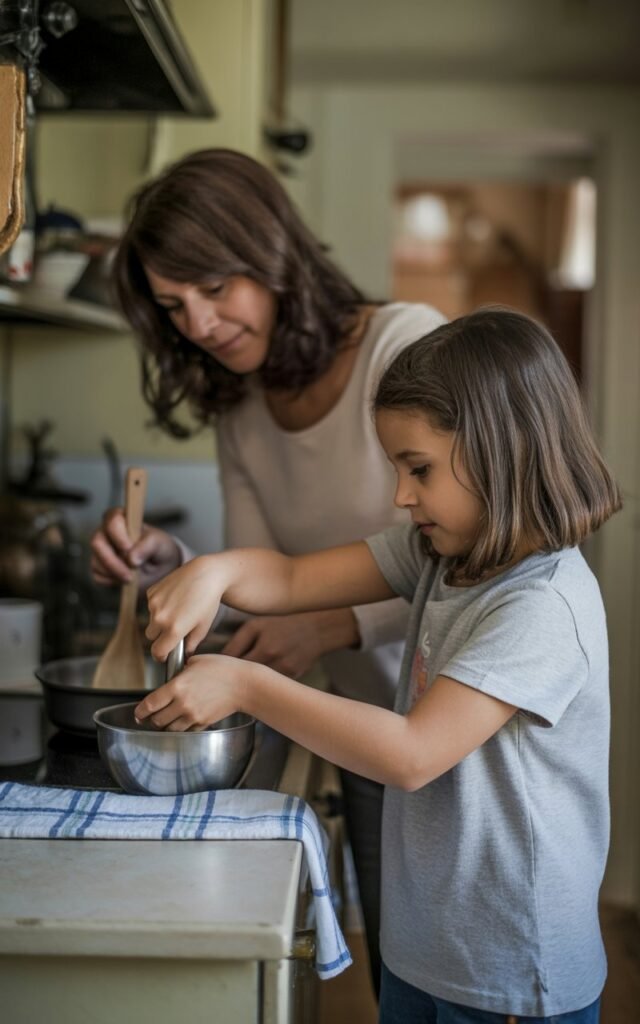
Big gestures rarely do what you hope they’ll do with kids. A lavish vacation or an expensive gift might create a nice memory, but it doesn’t build trust. What actually works is consistency over time — small, repeated interactions that add up to something real.
Small, repetitive actions have a cumulative effect — meals together, “just us” outings, and rituals unique to your blended family.
Find out what your stepchildren are interested in. Ask questions and actually listen. Show up for the things that matter to them, even the small ones. Over time, those moments become the foundation of a real relationship — one that they chose, rather than one they were told to accept.
Go on outings or do activities together like walking the dog, making a meal, or watching a movie. None of these things need to be elaborate. The point is the time spent, not the activity itself.
Be Consistent With Rules and Routines
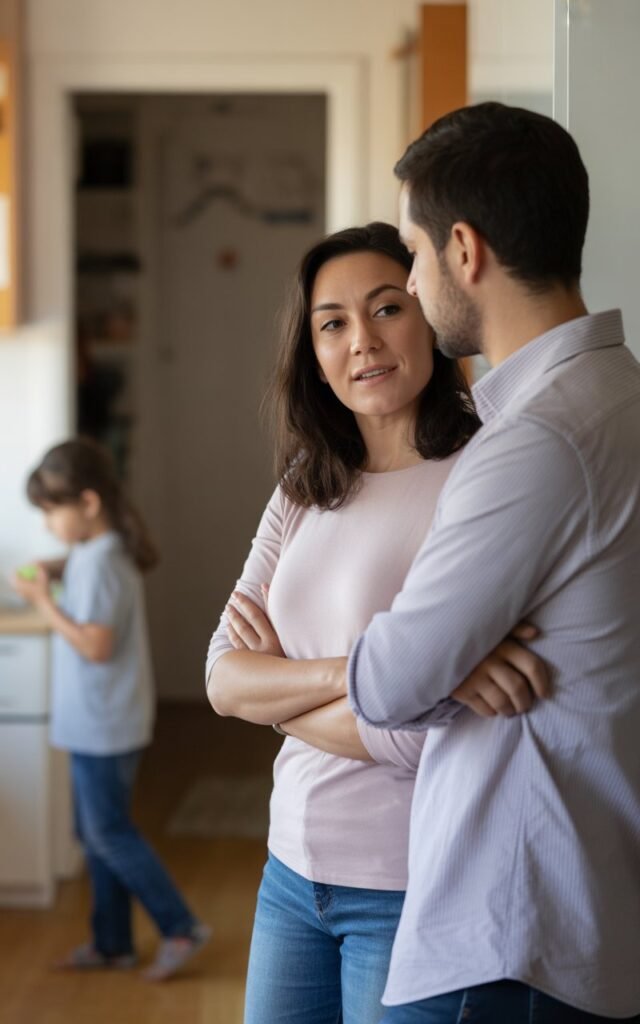
Children in blended families are already adapting to a lot of change. What helps them feel grounded is consistency — knowing what to expect and what’s expected of them. When the rules shift depending on who’s home or what mood everyone is in, kids feel unsettled, and that unsettledness often shows up as bad behavior.
Maintain a consistent weekly, monthly, and holiday schedule. Developing a schedule created collaboratively helps instill a sense of security and predictability for the child.
Work with your partner to agree on the household rules before any issues come up. The goal is a united front — not perfect agreement on every parenting philosophy, but enough consistency that children know what the boundaries are. When there are disagreements between you and your partner about how to handle something, take those conversations private and away from the kids.
Find a Name That Feels Right for Everyone
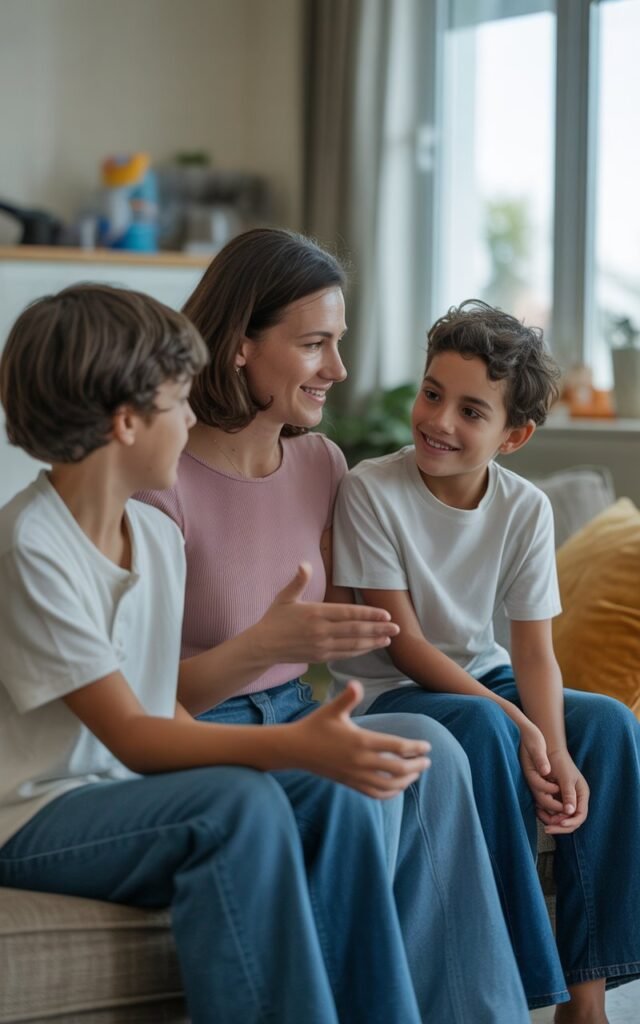
Something as simple as what your stepchildren call you can carry a surprising amount of emotional weight. Being called “Mom” before a child is ready can feel forced and even threatening to their sense of loyalty to their biological mother. On the other hand, using your first name alone might feel too formal or disconnected.
Have family meetings often and discuss openly what the kids and you would like to be called. Brainstorm ideas until you find one that feels right. No need to rush the process. Some families land on a nickname, a variation of a name, or even something completely made up that belongs only to your family. The right answer is whatever feels comfortable to everyone — and it doesn’t need to be decided in the first year.
Take Care of Your Own Emotional Health

Stepmothers carry a lot. You’re managing your own emotions, your partner’s emotions, your stepchildren’s adjustments, and often the complicated feelings that come with a co-parenting situation involving an ex. That’s a significant load, and it’s one most women try to carry quietly.
Find someone outside of your family to get support from — a friend, a neighbor, another stepparent — someone who can just listen without giving advice. Having a place to say the things you can’t say at home matters. It doesn’t mean you’re a bad stepmom. It means you’re a human one.
Therapy, stepparent support groups, and honest conversations with your partner are all tools worth using. The women who navigate this role most successfully aren’t the ones who never struggle — they’re the ones who don’t try to do it alone.
Finding Your Footing Is a Process, Not a Moment
There’s no single day when you’ll wake up and feel like everything has clicked into place. What happens instead is slower and quieter — a stepchild who starts coming to you with small problems, a shared inside joke that develops on its own, a morning where the house just feels easy. Those moments accumulate.
Your role in the family won’t look like anyone else’s, and it doesn’t need to. What matters is that it’s built on something real — honesty, patience, and a genuine willingness to show up even when it’s hard. The women who find their footing in blended families aren’t the ones who forced it. They’re the ones who let it grow.
Frequently Asked Questions
Q: How long does it typically take for a blended family to feel settled?
A: Research from family therapists suggests it takes an average of seven to twelve years for a stepfamily to achieve real stability. That timeline surprises most people, but it doesn’t mean the early years are all difficult — it simply means the process is gradual and requires patience.
Q: Should a stepmother try to act as a parent right away?
A: Not in the early stages. Coming in as a parental authority figure before trust is built tends to create resistance in children. A better approach is to start in a supportive, friendly role — closer to a trusted aunt or mentor — and allow the relationship to evolve naturally over time.
Q: Who should handle discipline in a blended family?
A: In the beginning, the biological parent should take the lead on discipline. The stepparent’s job early on is to support that parent’s decisions, not to enforce rules independently. As the relationship with the stepchildren develops, discipline responsibilities can shift gradually.
Q: What if the stepchildren don’t seem to like me?
A: Resistance and coldness from stepchildren is extremely common and usually isn’t personal. Children often feel grief over their original family and fear that a new stepparent threatens their bond with their parent. Give them time and space, show consistent kindness, and try not to take negative reactions as a measure of your worth as a person.
Q: Is it okay for my partner to spend time alone with their kids without me?
A: Yes, and it’s actually encouraged, especially early on. One-on-one time between your partner and their biological children helps the kids feel secure and less displaced. It ultimately benefits your relationship with them too, because children who feel safe bond more easily.
Q: How do we handle different parenting styles in a blended family?
A: Start by having honest conversations with your partner — away from the children — about household expectations, rules, and routines. The goal isn’t to parent identically, but to agree on the basics so children experience consistency rather than mixed signals.
Q: What should my stepchildren call me?
A: There’s no single right answer. The best approach is to discuss it openly as a family and let the children have input. Some kids are comfortable with a first name, others land on a nickname or something entirely their own. Don’t rush the decision — comfort and authenticity matter more than any particular title.
Q: How do I handle feeling left out or invisible in the family?
A: Those feelings are valid and more common than most stepmoms admit. Building a support system outside of the household — a friend, therapist, or other stepmothers — gives you a space to process the hard parts without putting pressure on the family dynamic. Taking care of your own emotional health directly affects your ability to show up for everyone else.
Q: Can a blended family ever feel as close as a biological family?
A: Yes. The relationships that form in blended families can be just as deep and meaningful as any other — they simply take longer to develop and require more deliberate effort. Many stepmothers and stepchildren go on to have close, lasting bonds that neither of them expected in the beginning.