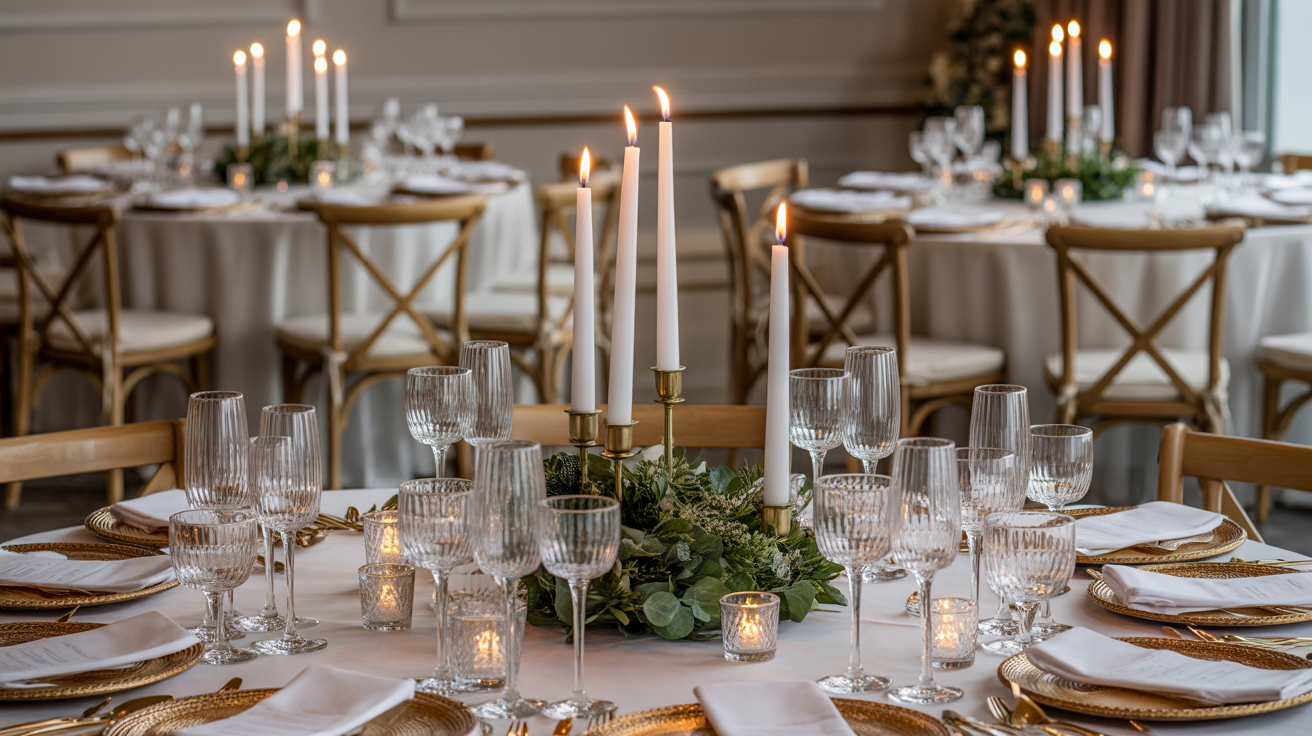
Wedding planning brings countless decisions, and table centerpieces rank among the most visible choices you’ll make for your reception. Traditional floral arrangements have dominated wedding decor for generations, but today’s couples increasingly seek alternatives that better reflect their personal style and values. These non-floral options offer creative freedom while often providing practical benefits that fresh blooms simply can’t match.
The shift away from flowers stems from multiple factors that resonate with contemporary couples. Budget concerns play a significant role, as quality floral arrangements can consume a surprising portion of wedding expenses. Beyond finances, many couples want decorations that align with their environmental values or accommodate guests with allergies. Others simply prefer the durability and reusability that alternative centerpieces provide.
Modern wedding centerpieces without flowers range from elegant candle displays to sculptural arrangements using unexpected materials. The following sections explore various approaches to creating memorable table decor that breaks from tradition while maintaining the sophistication your special day deserves. You’ll discover options that suit every style, from rustic charm to urban chic, along with practical guidance for bringing these creative visions to life.
Why Modern Couples Are Choosing Non-Floral Centerpieces
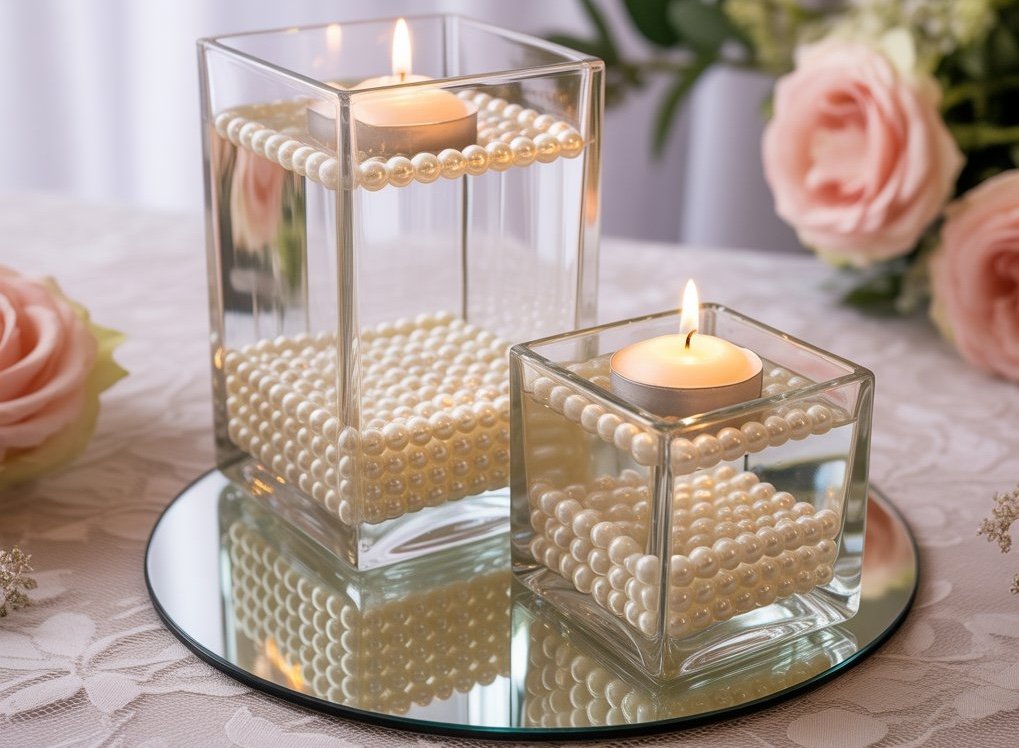
The decision to skip traditional blooms often starts with practical considerations that quickly reveal unexpected creative opportunities. Many couples discover that stepping away from floral arrangements opens doors to more personalized and meaningful table decorations. This shift reflects broader changes in how today’s couples approach wedding planning, prioritizing authenticity and sustainability alongside aesthetics.
Budget considerations and cost savings
Fresh flowers represent one of the largest wedding expenses, often consuming 8-10% of the total budget. Quality blooms, especially out-of-season varieties, command premium prices that can shock couples unfamiliar with floral industry pricing. Professional arrangement labor adds substantial costs beyond the raw materials.
Alternative centerpieces frequently cost a fraction of comparable floral designs. Candles, for instance, provide elegant ambiance at minimal expense. Even elaborate candelabras or lantern arrangements typically cost less than modest flower arrangements. This price difference allows couples to allocate funds toward other priorities like photography or catering upgrades.
The financial advantages extend beyond initial purchase prices. Non-floral centerpieces often serve double duty as ceremony and reception decor, eliminating duplication costs. Many alternatives can be purchased well in advance during sales, avoiding the last-minute pricing common with perishable flowers.
Sustainability and environmental concerns
Environmental consciousness increasingly influences wedding planning decisions. The carbon footprint of imported flowers troubles eco-minded couples, particularly when blooms travel thousands of miles from growing regions. Pesticide use in commercial flower farming raises additional environmental concerns.
Non-floral options allow couples to minimize their celebration’s environmental impact. Local materials like branches, stones, or seasonal produce eliminate transportation emissions. Reusable items like lanterns or vases can be sold, donated, or incorporated into home decor after the wedding. This approach aligns celebrations with couples’ daily environmental values.
Personal style and uniqueness
Moving beyond flowers enables deeper personalization that reflects couples’ interests and stories. Book lovers might stack vintage volumes as centerpieces. Travel enthusiasts could display globes or maps. These choices create conversation starters while showcasing what makes each couple special.
The uniqueness factor appeals to couples seeking memorable celebrations that stand apart from typical weddings. While floral arrangements often blur together in guests’ memories, creative alternatives leave lasting impressions. A centerpiece featuring antique cameras at a photographer’s wedding or sheet music at a musician’s celebration tells a story that generic arrangements never could.
Allergy considerations for guests
Guest comfort deserves serious consideration in wedding planning. Pollen allergies affect approximately 30% of adults, potentially causing discomfort throughout your celebration. Strong floral scents can trigger headaches or breathing difficulties for sensitive individuals, even those without diagnosed allergies.
Choosing non-floral centerpieces eliminates these concerns entirely. Guests can enjoy dinner conversation without watery eyes or sneezing fits. This consideration shows thoughtfulness toward attendees’ wellbeing, ensuring everyone can fully participate in your celebration. The absence of pollen also prevents makeup smudging and keeps formal attire pristine throughout the event.
Alternative centerpieces additionally avoid the wilting and water spills that sometimes accompany fresh flowers. Tables remain cleaner throughout the reception, and centerpieces maintain their appearance from cocktail hour through last dance. This durability proves especially valuable for outdoor summer weddings where heat quickly deteriorates fresh blooms.
Candle-Based Centerpiece Designs
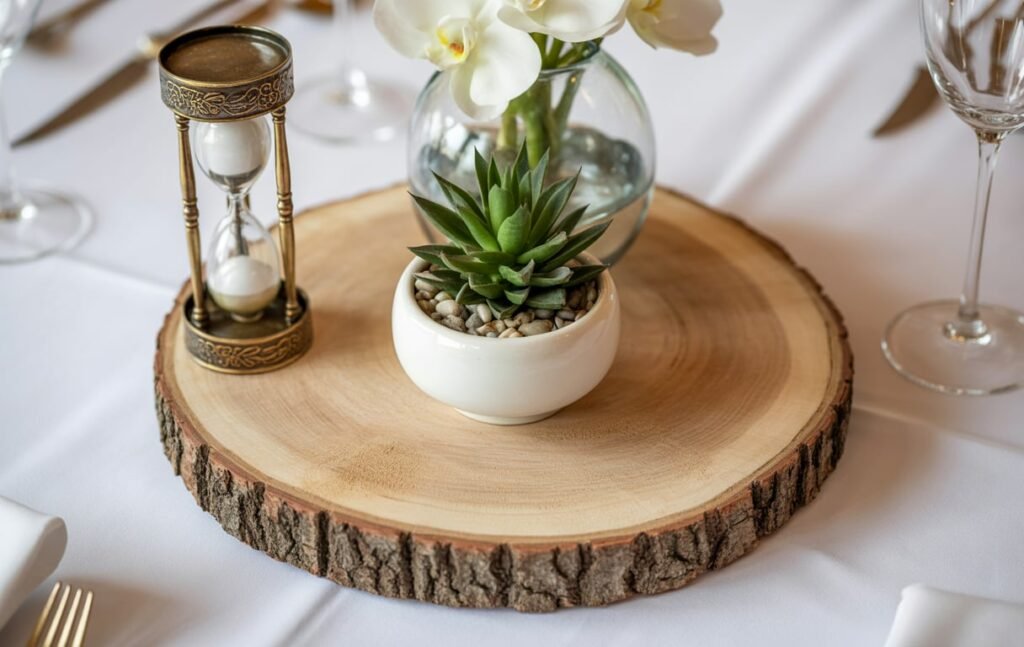
Candlelight creates romance and intimacy that perfectly complements wedding celebrations. The warm glow flatters every complexion while casting enchanting shadows that transform ordinary spaces into magical settings. Smart candle arrangements deliver visual impact that rivals elaborate floral designs while offering practical advantages throughout your event.
Different candle heights and arrangements
Varying candle heights adds dimension and visual interest to table designs. Tall taper candles create drama and elegance, while short votives provide intimate pools of light. Combining multiple heights within single arrangements produces sophisticated layered effects.
Grouping strategies significantly impact the overall aesthetic. Odd numbers typically appear more natural and pleasing than even groupings. Three pillar candles of different heights create classic triangular compositions. Five or seven votives scattered along table runners produce organic, flowing designs. Consider your table shape when planning arrangements – round tables suit centralized groupings while long rectangular tables benefit from linear designs.
The container choices matter as much as the candles themselves. Mercury glass holders add vintage glamour. Clear glass maximizes light reflection. Metallic finishes in gold, silver, or copper coordinate with wedding color schemes. Mixing container styles within reason adds texture without appearing chaotic.
Incorporating votives and lanterns
Votives offer versatility that larger candles can’t match. Their small size allows creative placement patterns impossible with bigger options. Scatter them among other decorative elements. Line them along table edges. Float them in water-filled bowls for added dimension.
Lanterns provide structure and style while protecting flames from drafts. Moroccan-inspired designs cast intricate shadow patterns. Simple metal frames suit minimalist aesthetics. Paper lanterns offer budget-friendly options with surprising elegance. Mix lantern sizes within arrangements for dynamic compositions that draw the eye upward.
Weather considerations become less problematic with enclosed flame sources. Outdoor receptions benefit from hurricane lamps or covered lanterns that prevent wind from extinguishing candles. These protective elements also reduce fire risks while maintaining the desired ambiance. Glass chimneys on taper candles achieve similar protection with more formal appearance.
Safety considerations and venue requirements
Venue policies regarding open flames vary significantly. Some locations prohibit real candles entirely. Others require specific safety measures like stable bases or protective barriers. Research restrictions early to avoid last-minute scrambling for alternatives.
Battery-operated LED candles provide realistic alternatives where real flames aren’t permitted. Modern versions feature convincing flicker effects and warm color temperatures that closely mimic genuine candlelight. Remote controls allow synchronized lighting adjustments across multiple tables. While purists might resist artificial options, quality LED candles fool most guests, especially in dimmed reception lighting.
Fire safety extends beyond venue rules to practical precautions. Keep candles away from centerpiece edges where reaching guests might knock them over. Avoid placement near paper napkins or flowing fabric. Ensure stable bases that won’t tip if tables are bumped. Assign someone to monitor and extinguish candles at event’s end.
Mixing candles with other decorative elements
Candles rarely stand alone in successful centerpiece designs. They pair beautifully with numerous non-floral elements. Scatter rose petals (silk or real) around candle bases. Surround votives with coffee beans or colored sand. Place pillar candles atop stacked books or wooden rounds.
Mirror tiles beneath candle arrangements multiply their impact through reflection. This trick effectively doubles perceived candle quantity without additional purchases. Metallic confetti or sequins scattered on mirrors add sparkle that catches candlelight. Small disco balls or crystal elements create similar light-multiplying effects.
Natural elements complement candlelight particularly well. Pinecones, acorns, or shells provide textural contrast around smooth candle surfaces. Dried wheat stalks or branches add height and movement. River rocks or sea glass introduce color while maintaining natural aesthetic. These combinations allow seasonal customization – autumn leaves for fall weddings, evergreen sprigs for winter celebrations.
Natural Elements Beyond Flowers
Nature provides abundant decorative materials that create stunning centerpieces without relying on traditional blooms. These organic alternatives bring texture, color, and seasonal character to reception tables while often costing significantly less than floral arrangements. Their durability ensures centerpieces look fresh from cocktail hour through the final dance.
Using branches and greenery
Branches offer architectural structure that commands attention without overwhelming table conversation. Curly willow provides dramatic height and movement. Birch branches bring rustic charm with distinctive bark patterns. Painted branches in metallic tones or wedding colors add modern sophistication. Arrange them in tall vases for vertical impact or lay them horizontally along table runners for linear designs.
Greenery alternatives to flowers include eucalyptus, ferns, and ivy, which provide lush fullness at reasonable prices. These hardy plants maintain their appearance throughout long receptions without water concerns that plague cut flowers. Potted herbs like rosemary or lavender double as favors guests can take home. Their pleasant scents enhance dining atmosphere without triggering allergies common with floral fragrances.
Incorporating fruits and vegetables
Seasonal produce creates colorful, unexpected centerpieces that spark conversation. Citrus fruits bring vibrant yellows and oranges perfect for summer celebrations. Stack lemons in glass bowls or scatter limes among candles. Slice oranges for aromatic additions that release subtle fragrance without overwhelming guests.
Autumn weddings benefit from miniature pumpkins, gourds, and ornamental corn. These elements cost pennies compared to flowers while providing rich textures and warm colors. Arrange them in wooden crates or scatter along burlap runners. Spray paint transforms ordinary vegetables into elegant metallic accents that coordinate with any color scheme.
Artichokes make surprisingly sophisticated centerpiece elements. Their sculptural form and silvery-green color suit both rustic and elegant themes. Display them individually on small pedestals or group several in shallow bowls. Pomegranates, figs, and grapes add jewel tones while suggesting abundance and celebration.
Consider incorporating these produce-based elements:
- Whole Pineapples: Spray painted gold for tropical glamour or left natural for beachy vibes
- Apple Pyramids: Stacked green or red apples secured with wooden skewers create height
- Herb Bundles: Tied sage, thyme, or oregano provides fragrance and can double as favors
- Cabbage Arrangements: Ornamental kale or purple cabbage adds unexpected texture
- Pepper Displays: Colorful bell peppers or dried chili strings bring vibrant color
Working with stones and crystals
Stones and crystals introduce earth elements that ground tablescapes with natural beauty. River rocks in glass cylinders create zen-inspired arrangements. Layer different sized stones for visual depth. Add submersible LED lights for underwater glow effects that highlight stone textures and colors.
Geodes and agate slices showcase nature’s artistry through stunning mineral patterns. Display them on small stands as individual focal points. Group smaller specimens around candles. Large geode halves can serve as unique vessels for tea lights. These geological wonders start conversations while providing lasting mementos couples can display at home.
Crystal clusters catch and refract light throughout reception spaces. Amethyst brings purple hues. Rose quartz adds pink tones. Clear quartz maintains neutral palette flexibility. Mix rough natural stones with polished versions for textural variety. Some couples choose stones based on metaphysical properties – rose quartz for love, citrine for joy, clear quartz for clarity.
Seasonal natural materials
Each season offers distinctive materials that connect celebrations to nature’s rhythms. Spring weddings might feature bird nests (purchased, not collected), pussy willows, or flowering branches like dogwood or cherry. These elements capture renewal and growth themes appropriate for new marriages.
Summer provides seashells, driftwood, and beach glass for coastal themes. Even inland celebrations can incorporate these elements for nautical flair. Wheat stalks, dried grasses, and seed pods suggest late summer abundance. Bundle them with ribbon or display in mason jars for rustic charm.
Fall delivers spectacular options beyond typical pumpkins and gourds. Colored leaves preserved with glycerin maintain their hues throughout events. Acorns, pinecones, and chestnuts scattered among candles create woodland atmosphere. Cinnamon sticks bundled with twine add spice fragrance and warm brown tones.
Winter centerpieces might incorporate evergreen boughs, holly berries (artificial if children attend), and silver-painted pinecones. Birch logs stacked horizontally create rustic platforms for candles. Frosted branches achieved with spray adhesive and artificial snow bring outdoor winter beauty inside. Cotton bolls suggest snow while maintaining soft, touchable texture.
Creative Material Centerpieces
Unexpected materials transform ordinary objects into extraordinary centerpieces that reflect couples’ personalities and interests. These creative approaches often generate more guest compliments than traditional arrangements while showcasing originality that makes weddings memorable. The key lies in thoughtful presentation that elevates everyday items into celebration-worthy displays.
Books and paper designs
Literature lovers can stack vintage books as centerpiece foundations, choosing titles meaningful to their relationship. Alternate spine directions for visual interest. Top stacks with small succulents, candles, or decorative objects. Coordinate book colors with wedding palette by selecting specific dust jacket hues or removing jackets entirely to reveal aged cloth bindings.
Paper sculptures and origami creations offer delicate beauty rivaling fresh flowers. Crane arrangements symbolize good fortune in many cultures. Paper roses last forever while looking surprisingly realistic. Sheet music formed into flowers celebrates musical couples. Map roses created from locations significant to your relationship tell your unique story.
Paper lanterns in various sizes create dimension when suspended at different heights above tables. Choose colors that complement your scheme or stick with classic white for elegant simplicity. Battery-operated LED lights inside lanterns provide safe illumination. Accordion-fold paper fans arranged in circles form flower-like displays without actual blooms.
Old books can be transformed into centerpiece vessels. Hollow out pages to create secret compartments for LED candles. Fold pages into decorative patterns while leaving covers intact. Stack open books with pages fanned to create sculptural elements. These literary touches particularly suit library or bookstore venue weddings.
Glass and mirror arrangements
Glass elements maximize light and create illusion of space on crowded reception tables. Fill clear vases with colored sand, marbles, or pearls for simple elegance. Layer different materials for striped effects. Floating candles in water-filled bowls provide romantic ambiance. Add food coloring to water for subtle color that matches wedding themes.
Mercury glass vessels bring vintage glamour without breaking budgets. Group various heights for dynamic arrangements. Their reflective surfaces multiply candlelight effectively. Antique stores and thrift shops offer unique pieces that prevent cookie-cutter appearances. Spray paint transforms plain glass into mercury finish for DIY savings.
Mirrors beneath centerpieces double visual impact while keeping costs down. Round mirrors suit circular arrangements. Rectangular mirrors work for linear designs. Scattered mirror tiles create mosaic effects. Combine mirrors with battery-operated fairy lights for starlight illusion. The reflection tricks make modest arrangements appear more substantial.
Laboratory glass like beakers and flasks suits science-minded couples. Fill with colored liquids (water with food coloring) for rainbow effects. These unexpected vessels guarantee conversation starters. Graduated cylinders of varying heights create interesting vertical compositions. Test tube racks holding single stems or small LED lights offer minimalist appeal.
Fabric and textile displays
Fabric centerpieces provide texture and movement that static arrangements lack. Tulle puffs in wedding colors create cloud-like formations. Gather fabric around battery-operated light strings for glowing effects. Organza bags filled with potpourri or dried lavender combine visual and aromatic appeal. These soft elements contrast beautifully with hard surfaces like glass or metal.
Vintage handkerchiefs or doilies layered under other centerpiece elements add nostalgic charm. Family heirloom linens bring personal history to table designs. Embroidered table runners can serve as centerpieces themselves when properly styled. Lace draped over battery-operated candles creates romantic shadows.
Ribbon sculptures require minimal crafting skills while producing impressive results. Loop ribbons into flower shapes. Create cascading ribbon waterfalls from tall stands. Wrap ribbon around spherical forms for decorative orbs. Choose wired ribbon for arrangements that hold their shape throughout events.
Metal and geometric structures
Geometric terrariums housing succulents, air plants, or candles provide modern elegance. Their angular lines suit contemporary venues perfectly. Gold or copper finishes add warmth. Silver or black maintains sleek minimalism. Mix shapes within single tables for added interest. These structures often become guest favors post-reception.
Wire sculptures range from simple spheres to complex custom designs. Wrap with battery-operated string lights for illuminated art pieces. Spray paint in metallic finishes to match wedding themes. Commission custom pieces that incorporate initials or wedding dates. These lasting pieces become home decor after celebrations.
Industrial elements like copper pipes, Edison bulbs, and metal gears suit urban loft venues. Arrange pipes as candle holders. Stack gears for sculptural height. Edison bulb clusters provide both centerpiece and lighting. These masculine touches balance softer wedding elements effectively.
Metallic painted everything transforms ordinary objects into cohesive centerpieces. Spray paint transforms pinecones, fruit, or thrift store finds into glamorous displays. Gold and silver never go out of style. Copper and rose gold suit current trends. Combine different metallic shades for rich, layered looks that photograph beautifully.
How to Choose the Right Non-Floral Centerpiece for Your Wedding
Selecting perfect centerpieces requires balancing multiple factors from aesthetic preferences to practical limitations. The ideal choice enhances your overall vision while working within real-world constraints of budget, venue, and logistics. Strategic planning ensures centerpieces contribute to cohesive reception design rather than appearing as afterthoughts.
Matching your wedding theme
Your centerpiece choice should reinforce rather than compete with established wedding themes. Beach weddings call for shells, driftwood, or nautical lanterns. Mountain celebrations suit pinecones, branches, and natural wood elements. Urban affairs benefit from sleek geometric designs or industrial materials. This consistency creates immersive experiences for guests.
Color coordination extends beyond matching exact shades. Complementary colors add depth. Monochromatic schemes using various tones of single colors create sophisticated looks. Metallic accents in gold, silver, or copper unify disparate elements. Remember that centerpieces appear against table linens, place settings, and room decor – consider the complete picture.
Theme interpretation can be literal or abstract. Literary themes might use actual books or paper creations suggesting stories. Travel themes could feature globes and maps or simply color schemes inspired by destination sunsets. This flexibility allows personal expression within coherent design frameworks.
Considering venue style and restrictions
Venue architecture should inform centerpiece decisions. Grand ballrooms can handle tall, dramatic arrangements that would overwhelm intimate restaurants. Rustic barns suit natural materials while modern galleries call for sleek designs. Historic venues might restrict certain materials or require approval for all decor choices.
Ceiling height determines maximum centerpiece height without creating claustrophobic atmosphere. Low ceilings require horizontal rather than vertical emphasis. Outdoor venues need weighted elements that won’t blow away. Tented receptions can suspend lightweight elements from framework above.
Existing venue decor influences what additional decoration appears harmonious versus cluttered. Ornate spaces might need simple centerpieces to avoid visual overload. Minimalist venues can handle more elaborate arrangements. Work with rather than against architectural features – echo venue’s material palette or color scheme in centerpiece choices.
Lighting conditions affect how centerpieces appear throughout events. Afternoon garden parties need different approaches than evening ballroom receptions. Natural light shows true colors while artificial lighting can shift hues dramatically. Test arrangements under similar lighting conditions when possible. Remember that photography flash changes appearances too.
Working with table sizes and shapes
Round tables typically seat 8-10 guests and suit centralized arrangements. Single statement pieces work well, as do clusters of smaller elements. Ensure centerpieces don’t exceed 14 inches diameter at base to preserve table space for place settings. Height should allow cross-table conversation – either under 12 inches or over 24 inches to see beneath.
Long rectangular tables require different strategies. Single large centerpieces appear lost. Instead, create runners using multiple smaller arrangements or continuous garlands. Alternate high and low elements for rhythm. Consider guest sightlines from various seats when planning arrangements.
Mixed table shapes within single receptions need coordinated but not identical centerpieces. Maintain consistent materials or colors while varying arrangements to suit each table type. This approach creates unity without monotony. Number of centerpieces needed affects budget significantly – fewer large tables might allow splurging on elaborate arrangements.
Budget planning for alternative centerpieces
Initial cost comparisons should include all components, not just primary materials. Beautiful branches still need containers. Candles require holders. Factor in these supporting elements when calculating true expenses. DIY options save money but demand time investments – consider whether pre-wedding schedule allows crafting time.
Bulk purchasing reduces per-unit costs significantly. Many alternatives can be bought months ahead during sales. Online wholesalers offer better prices than retail stores for large quantities. Group purchases with other couples or events for additional savings. Remember shipping costs when comparing online versus local sources.
Rental possibilities extend budget flexibility. Elaborate candelabras or unique vessels might be rented rather than purchased. This option provides high impact without ownership costs. Ensure rental agreements cover potential damage. Schedule delivery and pickup around other wedding logistics.
Multi-purpose potential adds value to purchases. Centerpiece elements that transition into home decor provide lasting value. Gifts for wedding party members could double as centerpiece components before distribution. Donatable items like potted plants or canned goods create charitable giving opportunities while decorating tables.
Labor costs affect final budgets whether hiring professionals or recruiting friends. Complex arrangements require skilled assembly. Simple designs allow family participation. Consider setup time when planning volunteer assistance – complicated centerpieces might require arriving hours early.
Creating Memorable Moments Without Traditional Blooms
Your wedding centerpieces set the visual tone for one of life’s most important celebrations, and choosing alternatives to flowers opens endless creative possibilities. These non-floral options offer practical advantages from budget savings to allergy prevention while allowing deeper personalization than standard arrangements ever could. Whether you select flickering candles, natural elements, or unexpected materials, your centerpieces will reflect your unique story and style.
The journey away from traditional floral centerpieces leads to discoveries about what truly matters in your celebration design. You might find that branches from your childhood backyard create more meaningful decorations than expensive roses, or that vintage books telling your love story spark better conversations than any bloom could inspire. These choices transform mere decorations into personal expressions that guests will remember long after your wedding day ends.
Frequently Asked Questions
Q: Will guests think I’m cheap if I don’t use flowers for centerpieces?
A: Not at all. Creative non-floral centerpieces often appear more thoughtful and personalized than generic flower arrangements. Many alternatives like elaborate candelabras or crystal displays look quite luxurious while costing less than flowers.
Q: How far in advance can I prepare non-floral centerpieces?
A: Most alternatives can be prepared weeks or even months ahead, unlike flowers which require last-minute assembly. Candles, decorative objects, and dried materials can be arranged and stored until your wedding day.
Q: What if my venue doesn’t allow real candles?
A: High-quality LED candles provide remarkably realistic alternatives. Modern versions include remote controls, timers, and natural flicker effects that fool most guests, especially in dimmed reception lighting.
Q: Can I mix flowers with alternative centerpiece elements?
A: Absolutely. Small floral accents combined with candles, branches, or other materials create balanced designs. This approach reduces flower costs while maintaining some traditional elements.
Q: How do I ensure centerpieces don’t obstruct guest conversations?
A: Keep arrangements either under 12 inches tall or over 24 inches tall on elevated stands. Test sightlines by sitting at a mock table setup before finalizing designs.
Q: What should I do with centerpieces after the wedding?
A: Many alternatives become home decor, gifts for helpers, or charitable donations. Potted plants can be planted in your garden. Candles and vessels integrate into household items. Some couples sell items online to recoup costs.
Q: Are DIY centerpieces worth the effort?
A: This depends on your available time and crafting skills. Simple designs like grouped candles require minimal effort. Complex arrangements might cause pre-wedding stress. Consider your schedule and recruit help if needed.
Q: How many centerpieces do I actually need?
A: Calculate one per guest table plus extras for cocktail tables, gift table, and escort card display. Order 1-2 spares for unexpected additions or accidents.