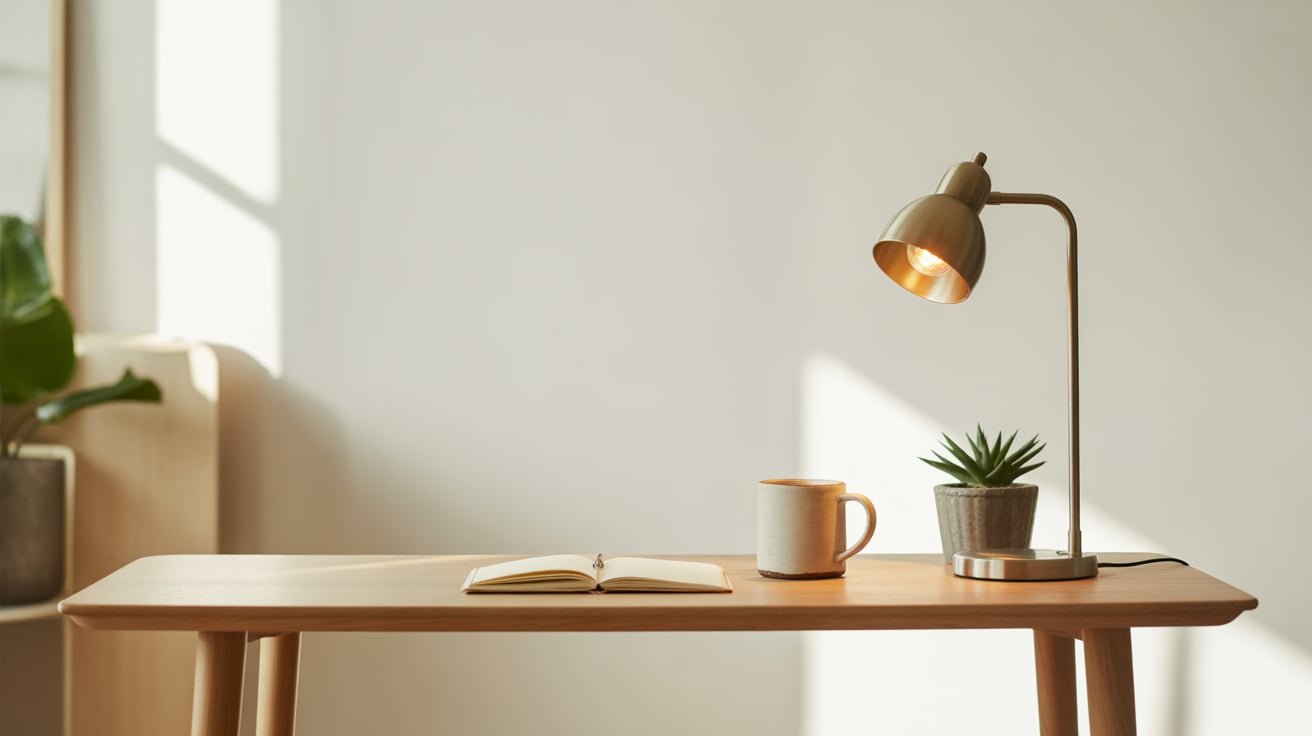
Working from home has become a permanent reality for millions, yet not everyone has the luxury of a dedicated office room. Small apartments, shared living spaces, and compact homes present unique challenges for creating productive work environments. The good news is that a minimalist approach to home office design can actually transform these limitations into advantages, helping you create a focused, clutter-free workspace that enhances productivity rather than hindering it.
A minimalist home office setup goes beyond simply having fewer things. This design philosophy prioritizes functionality, intentionality, and visual calm – qualities that become even more crucial in small spaces. By carefully selecting each element and eliminating unnecessary items, you create a workspace that feels spacious and peaceful, regardless of its actual square footage. The psychological benefits are immediate: less visual clutter means less mental distraction, allowing you to concentrate better on the tasks at hand.
Throughout the following sections, we’ll walk through practical strategies for establishing your own minimalist home office in a small space. From selecting essential furniture pieces that serve multiple purposes to discovering storage solutions that keep supplies accessible yet hidden, you’ll learn how to maximize every inch while maintaining the clean aesthetic that makes minimalist design so appealing. Whether you’re working with a corner of your bedroom or carving out space in a studio apartment, these approaches will help you create a workspace that’s both beautiful and highly functional.
Essential Components of a Minimalist Home Office
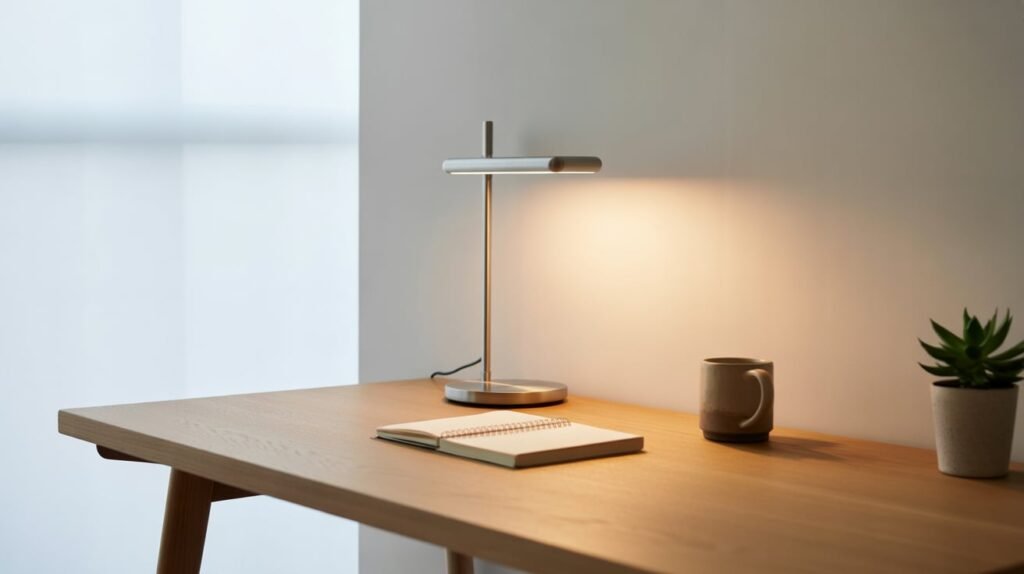
A truly minimalist workspace strips away everything except what directly supports your work. This means evaluating each item through the lens of necessity and function. Your desk surface should remain mostly clear, with only the tools you use daily within reach. Everything else finds a designated home out of sight. The color palette stays neutral – whites, grays, blacks, and natural wood tones dominate, creating visual consistency that calms rather than stimulates.
The difference between a sparse office and a thoughtfully minimalist one lies in intentional choices. Each piece you include should earn its place through regular use or significant functionality. That decorative item collecting dust? Gone. The stack of magazines you’ll read someday? Digital subscriptions work better. This editing process might feel ruthless initially, but the resulting clarity makes work feel less overwhelming.
The psychology behind minimal design
Our brains process everything in our visual field, even when we’re not consciously aware of it. Cluttered environments force our minds to filter out distractions constantly, depleting the mental energy we need for focused work. Research shows that physical clutter correlates with increased cortisol levels – the stress hormone that impairs cognitive function and decision-making abilities.
Minimalist spaces reduce this cognitive load dramatically. Without excess visual stimuli competing for attention, your brain can dedicate more resources to the task at hand. The clean lines and open spaces characteristic of minimalist design create a sense of control and order that translates directly into improved focus and productivity. Many people report feeling more creative in simplified environments, as their minds have room to wander and explore ideas without getting snagged on physical distractions.
Core furniture pieces you actually need
Starting with the absolute essentials, you need exactly three furniture pieces for a functional home office: a desk, a chair, and some form of storage. That’s it. Everything else falls into the category of “nice to have” rather than necessary.
Your desk should match your work style and available space precisely. For laptop users, a surface measuring 40 inches wide by 20 inches deep provides adequate room without overwhelming small spaces. Those using external monitors or working with physical materials might need 48 to 60 inches of width. Depth matters less than width in most cases – 24 inches accommodates most setups comfortably.
The chair deserves your biggest investment. Poor seating leads to back pain, reduced productivity, and long-term health issues. Look for adjustable height, lumbar support, and breathable materials. While aesthetics matter in minimalist design, comfort and ergonomics take priority here. A quality task chair in a neutral color maintains visual simplicity while supporting your body through long work sessions.
Storage needs vary by profession, but one compact unit usually suffices. Consider these options based on your specific requirements:
Floating Shelves: Perfect for books and decorative items while keeping floor space clear
Filing Cabinet: Essential for those dealing with paperwork, doubles as printer stand
Rolling Cart: Provides flexible storage that tucks away when not needed
Wall Organizer: Keeps supplies visible yet organized without consuming desk space
Technology essentials without the excess
Technology selection in a minimalist office requires careful consideration. Start with your primary work device – whether laptop or desktop – and build out only as needed. Most people function perfectly with just their computer, eliminating the perceived need for tablets, multiple monitors, or other devices that complicate the space.
Cable management becomes crucial in maintaining minimalist aesthetics. A single cable management tray mounted under your desk can hide power strips and adapters completely. Wireless peripherals reduce visual clutter further, though ensure you have a designated charging station to avoid scattered devices and cables. Consider a small drawer organizer or decorative box specifically for charging items overnight.
Lighting deserves special attention in minimal setups. One well-positioned desk lamp can eliminate the need for multiple light sources. Look for designs with adjustable arms and brightness settings to adapt throughout the day. Position it to minimize screen glare while providing adequate task lighting. Natural light remains ideal when available – position your desk near a window if possible, using sheer curtains to control brightness without blocking light entirely.
Space-Saving Desk Solutions That Actually Work
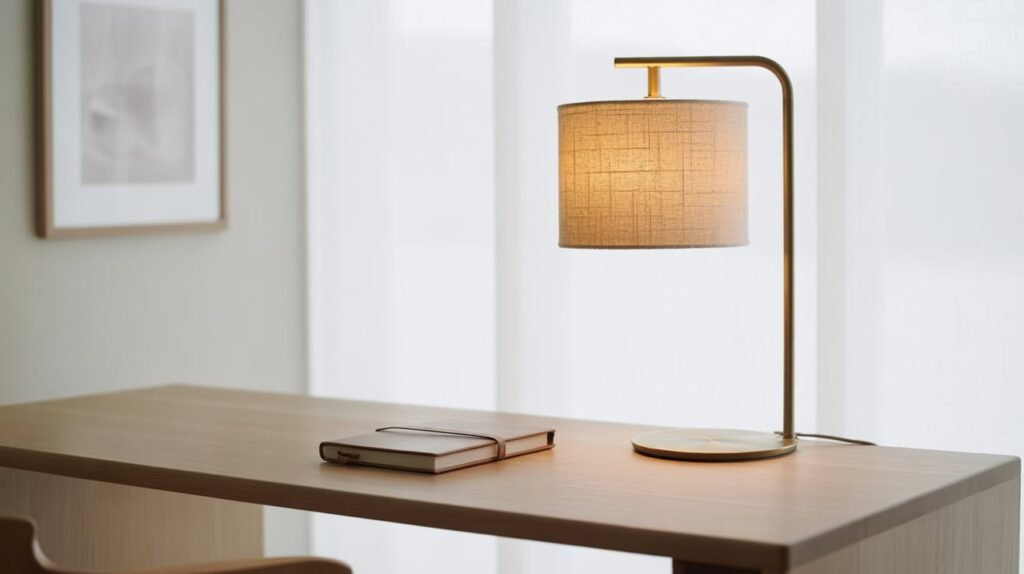
Finding the right desk for a small space requires thinking beyond traditional furniture. Modern design offers numerous solutions that provide full functionality while consuming minimal floor space. The key lies in identifying which style best suits your specific room layout and work habits.
Wall-mounted and floating desk options
Wall-mounted desks completely free up floor space, making rooms feel larger and more open. These designs attach directly to wall studs, creating a workspace that appears to float. Installation requires some DIY skills or professional help, but the payoff in saved space makes it worthwhile for many small-space dwellers.
The simplest version involves a single shelf bracket system supporting a wooden board or butcher block surface. This DIY approach costs less than $100 and allows complete customization of size and height. For those preferring manufactured options, companies now offer sleek wall-mounted desks with integrated storage cubbies and cable management systems. These range from basic shelves to elaborate fold-down systems with hidden compartments.
Floating desks work particularly well in bedrooms where floor space remains at a premium. By mounting the desk at standing height with a tall stool, you create a workspace that doubles as a console table when not in use. Some designs include small drawers or shelves underneath, providing storage without additional furniture. The visual lightness of floating designs maintains the airy feeling crucial to minimalist aesthetics.
Convertible and fold-down designs
Fold-down desks, also called Murphy desks, transform from wall art to workspace in seconds. When closed, they present as sleek wall panels, mirrors, or even artwork. Opening reveals a full desk surface with organized storage for office supplies. This solution works brilliantly for studio apartments or multipurpose rooms where the workspace must disappear completely outside work hours.
These designs range from simple hinged shelves to complex systems with built-in lighting and power outlets. Installation typically requires securing to wall studs, similar to wall-mounted options. The added hardware increases cost compared to static desks, but the ability to reclaim space entirely justifies the investment for many users.
Corner desk configurations
Corners represent the most underutilized space in most rooms. A well-designed corner desk maximizes this awkward area while keeping the room’s center open for movement. L-shaped configurations provide surprising amounts of surface area – often more than straight desks – while fitting neatly into spaces that would otherwise remain empty.
The challenge with corner desks lies in avoiding the bulky, overwhelming designs common in traditional office furniture. Look for minimal frames with thin legs and open designs that maintain visual flow. Glass or light-colored surfaces prevent the corner from feeling heavy or dark. Some corner solutions use a triangular design that fits perfectly into 90-degree angles, providing just enough space for a laptop and notepad without dominating the room.
Consider modular corner solutions that let you adjust the configuration as needs change. Two small desks positioned at right angles create an L-shape when needed but can separate for different room layouts. This flexibility proves invaluable in rental spaces or when your work needs evolve.
Choosing the right size for your needs
Determining ideal desk dimensions requires honest assessment of your work habits and available space. Measure your intended area carefully, accounting for chair movement and walking paths. You need at least 30 inches of clearance behind the desk for comfortable seating and movement.
Writers and programmers often thrive with compact surfaces that discourage accumulation of non-essential items. A desk measuring 36-40 inches wide provides adequate space for a laptop, notebook, and coffee cup without inviting clutter. Digital creatives using external monitors or graphics tablets need more room – aim for 48-60 inches of width to accommodate equipment without crowding.
Height matters more than many people realize. Standard desk height of 29-30 inches works for most people between 5’8″ and 6’0″. Shorter or taller individuals should prioritize adjustable-height options or plan to modify fixed desks with risers or altered legs. Proper ergonomics prevents long-term injury and improves daily comfort significantly.
Don’t automatically choose the largest desk that fits your space. In minimalist design, leaving breathing room around furniture creates a sense of spaciousness that enhances the overall aesthetic. A smaller desk with clear space around it often looks and feels better than a large desk crammed into every available inch.
Smart Storage Ideas for Paperwork and Supplies
Even the most digital-focused professionals accumulate some physical items – notebooks, pens, charging cables, and occasional paperwork. The challenge in a minimalist small office lies in storing these necessities accessibly without creating visual chaos. Strategic storage solutions keep everything organized while maintaining the clean lines essential to minimalist design.
Vertical storage maximization techniques
Your walls offer vast storage potential that most people overlook entirely. By thinking vertically, you can keep supplies organized and accessible without sacrificing precious desk or floor space. The key lies in choosing storage solutions that blend seamlessly with your wall color and overall design aesthetic.
Grid panels or pegboards painted to match your walls become nearly invisible while providing customizable storage. Small baskets, hooks, and shelves attach wherever needed, adapting as your storage needs change. Position frequently used items at eye level, with occasional-use supplies higher up. This system works particularly well for creative professionals who need various tools and materials within reach.
Ladder shelves lean against walls without permanent installation, making them perfect for renters. Their angular design creates visual interest while the open structure maintains the light, airy feeling crucial to small spaces. Use matching boxes or baskets on the shelves to hide supplies while keeping the overall look cohesive. The vertical lines actually make ceilings appear higher, enhancing the sense of space.
Magazine files mounted sideways on walls create instant shelving for notebooks, folders, and documents. Paint them the same color as your wall for a subtle look, or choose a contrasting color for a design statement. Arrange several in a row for substantial storage that protrudes only a few inches from the wall.
Digital alternatives to physical filing
The most effective storage strategy involves eliminating the need for storage altogether. Transitioning to digital systems dramatically reduces physical storage requirements while improving organization and accessibility. Cloud storage services mean your important documents remain accessible from any device, anywhere, without consuming physical space.
Start by scanning existing paperwork using your phone’s camera or a compact desktop scanner. Organize digital files into clearly labeled folders that mirror how you’d arrange physical documents. Use consistent naming conventions that make finding files effortless – include dates, project names, and document types in filenames. Most cloud services offer powerful search functions that locate documents instantly, something impossible with physical filing systems.
For documents requiring physical copies, such as contracts or tax records, one small accordion file or portfolio case usually suffices. Label sections clearly and review contents annually, shredding outdated documents. This single container can typically hold several years of truly essential paperwork without overwhelming your space.
Digital note-taking apps replace notebooks and sticky notes cluttering your desk. These tools sync across devices, include search functions, and allow you to attach photos, audio recordings, and web clippings. Many professionals find they actually prefer digital note-taking once they adjust to the workflow.
Hidden storage solutions
The best storage in minimalist design remains completely invisible. Built-in solutions and furniture with integrated storage maintain clean lines while providing necessary organization. These approaches require more initial planning but deliver superior results for small spaces.
Desks with shallow drawers built into the underside keep supplies handy yet hidden. Even a single drawer can hold essential items like pens, paperclips, and sticky notes. Look for designs where the drawer front sits flush with the desk edge, maintaining the streamlined profile.
Ottoman storage cubes serve triple duty as seating, footrests, and hidden storage. Choose one in a neutral fabric that complements your office aesthetic. Inside, store items you need occasionally but not daily – extra supplies, cables, or reference materials. The soft edges and fabric covering make these pieces feel less office-like, helping work spaces blend into living areas.
Behind-door organizers maximize typically wasted space:
Over-door Hooks: Hold bags, headphones, or jackets without consuming wall space
Pocket Organizers: Store supplies in clear pockets for easy identification
Slim Shelving Units: Fit in the gap between door and wall when open
Magnetic Strips: Hold small metal items like scissors or clips on metal doors
Cable management strategies
Nothing destroys minimalist aesthetics faster than tangled cables snaking across surfaces. Effective cable management requires planning during setup rather than as an afterthought. The goal is making necessary cables invisible while maintaining easy access for changes or troubleshooting.
Under-desk cable trays provide the most comprehensive solution. These wire or plastic trays mount to the desk’s underside, holding power strips and excess cable length completely out of sight. Route all cables through the tray, using velcro ties to keep them organized. This system allows easy additions or changes without disturbing the setup.
For wall-mounted desks, raceway channels painted to match your wall color guide cables from desk to outlet invisibly. These plastic channels stick or screw to walls, with snap-on covers hiding cables completely. Plan your route carefully before installation to avoid visible corners or awkward angles.
Adhesive cable clips placed strategically under desk edges or along wall baseboards keep individual cables controlled without bulk. Space them every 12-18 inches for proper support without sagging. Choose clear or color-matched clips that blend with surfaces rather than contrasting colors that draw attention.
A simple charging station eliminates the constant presence of device cables on your desk. Designate a drawer, box, or basket specifically for charging, with a power strip inside. Drill a small hole for cables to pass through, keeping the charging area contained and tidy. This approach also prevents the habit of leaving devices on your work surface where they become distractions.
Creating Zones in Tiny Spaces
Working from home in a studio apartment or shared space presents unique challenges. Without physical walls separating work from personal life, mental boundaries blur quickly. Creating distinct zones within open floor plans helps maintain work-life balance while maximizing limited square footage. The secret lies in using visual and psychological cues rather than physical barriers.
How to separate work from living areas
Establishing a dedicated work zone starts with consistent placement of your office setup. Choose one specific area and commit to it, even if that means just one corner of a room. This consistency trains your brain to associate that physical space with work mode, improving focus when you sit down and helping you disconnect when you leave.
Rugs define spaces effectively without walls or furniture. Place a small rug under your desk and chair to create a visual boundary for your office zone. This simple addition makes a surprising psychological difference, clearly delineating where work happens. Choose a rug texture or pattern distinct from others in your living space to reinforce the separation.
Color can also establish zones within open spaces. Paint an accent wall behind your desk in a different shade, or use removable wallpaper for renters. Even subtle variations create enough distinction to signal a different area purpose. Alternatively, a large piece of artwork or a series of frames behind your desk achieves similar zoning effects without permanent changes.
Positioning plays a crucial role in mental separation. Face your desk away from relaxation areas like beds or couches whenever possible. This orientation prevents visual distractions and reduces the temptation to blur boundaries between work and rest. If you must face into the room, position your monitor to block sightlines to the most distracting areas.
Using room dividers effectively
Room dividers offer physical separation without permanent construction. Modern options go far beyond the traditional folding screen, though those certainly still work well. The key lies in selecting dividers that enhance rather than clutter your small space.
Bookshelf dividers provide separation while adding functional storage. Open-backed units maintain light flow and visual connection while clearly defining spaces. Fill shelves thoughtfully – books, plants, and minimal decorative items create visual interest without overwhelming. Position the unit perpendicular to walls, creating a peninsula effect that carves out your office zone.
Curtains hung from ceiling-mounted tracks offer flexible separation that disappears when not needed. During work hours, draw the curtain to create a private office. After hours, open it completely to reclaim the full room. Choose light, neutral fabrics that filter light without blocking it entirely. This solution costs less than furniture dividers and installs easily in rental properties.
Plants create natural barriers that improve air quality while defining spaces. A row of tall plants in matching planters provides surprising privacy without feeling closed in. Snake plants, ZZ plants, and pothos thrive in office conditions with minimal care. Vary heights for visual interest, but maintain consistency in pot style for a cohesive look.
Lighting techniques for defined spaces
Lighting dramatically impacts how we perceive and use spaces. Different lighting in your work zone versus living areas reinforces the mental separation between professional and personal time. This technique proves especially powerful in studio apartments where physical separation isn’t possible.
Task lighting at your desk should differ from ambient room lighting. A focused desk lamp creates a pool of light that defines your workspace while providing necessary illumination for detailed work. Choose a color temperature around 4000K-5000K for alertness during work hours. This cooler light promotes focus and productivity compared to the warmer tones better suited for relaxation areas.
Smart bulbs allow you to program different lighting scenes for work versus personal time. Set bright, cool light for morning work sessions, then transition to warmer, dimmer settings for evening relaxation. This automated change signals your brain that the workday has ended, even though you’re in the same physical space.
Here are specific lighting strategies that enhance zone separation:
Pendant Lights: Hang one over your desk to create a defined ceiling boundary
LED Strips: Install under shelves or desks for subtle zone highlighting
Floor Lamps: Position at zone edges to mark transitions between areas
Wall Sconces: Mount beside your desk for dedicated task lighting without consuming desk space
Multi-functional furniture arrangements
In tiny spaces, every piece of furniture should serve multiple purposes. Smart arrangements maximize functionality while maintaining the clean aesthetic essential to minimalist design. The key lies in choosing pieces that transform based on current needs rather than remaining static.
Console tables behind sofas create instant desk space without adding furniture. During work hours, pull up a stool and use it as a standing desk or perch. After hours, it returns to its decorative function, perhaps holding a lamp and some books. This arrangement works particularly well in studio apartments where the sofa naturally divides living and sleeping areas.
Nesting tables provide flexible surface area that expands and contracts as needed. Use the largest as your primary desk, pulling out smaller tables when you need extra surface for projects. When not working, nest them together to free floor space. Choose simple designs in materials that complement your existing furniture to maintain visual cohesion.
Murphy beds with integrated desks maximize bedroom offices. These systems include a fold-down bed with a desk surface that remains horizontal when the bed deploys. Work comfortably during the day, then transform the space for sleep without clearing your desk. While the initial investment is substantial, the space savings justify the cost in truly tiny homes.
Budget-Friendly Minimalist Office Hacks
Creating a minimalist office doesn’t require a massive budget. Some of the most elegant solutions cost very little, relying on creativity and resourcefulness rather than expensive purchases. By mixing DIY projects, thrift finds, and strategic investments, you can achieve a professional, minimalist workspace without financial strain.
DIY solutions for custom needs
Building your own office furniture allows perfect customization for your space and needs. Simple projects require only basic tools and materials, often costing a fraction of manufactured alternatives. The resulting pieces fit your exact specifications while adding personal character to your workspace.
A basic floating desk requires just a solid wood board, brackets, and wall anchors. Sand the wood smooth, apply your choice of stain or paint, then mount at your ideal height. Total cost rarely exceeds $50, yet the result looks custom-built. Add a small shelf above for supplies, maintaining the same finish for a coordinated look.
Pegboard organizers painted to match your walls provide infinitely customizable storage. Cut the pegboard to fit your available wall space, paint it your wall color for subtle integration, then add hooks and baskets where needed. This system adapts as your needs change, unlike fixed storage solutions.
Cable management doesn’t require expensive systems. Binder clips attached to desk edges hold cables perfectly. Paint them to match your desk for an invisible solution. Toilet paper tubes cut lengthwise and decorated with washi tape create cord organizers that hide in drawers. These simple hacks cost almost nothing yet solve common organization problems.
Repurposing household items
Before purchasing office-specific items, evaluate what you already own through a minimalist lens. Many household items work brilliantly in office settings with minor modifications or repositioning.
Kitchen items translate surprisingly well to office organization. Utensil organizers sort pens and supplies in drawers. Spice racks mounted on walls hold small supplies or display items. A dish drying rack becomes a vertical file organizer for notebooks and folders. These items often look more elegant than plastic office organizers while serving identical functions.
Bathroom organizers offer sleek storage solutions. Magnetic makeup organizers stick to metal surfaces, holding paperclips and small supplies. Glass jars typically used for cotton balls store office supplies beautifully on shelves. A small towel rod mounted under a shelf creates instant hanging storage for notebooks or clipboards.
Decorative boxes and baskets you already own can hide office supplies while maintaining your aesthetic. Group similar items in matching containers for visual cohesion. Label the bottoms rather than fronts to maintain the minimal look while still finding items easily.
Where to splurge and where to save
Strategic spending ensures you invest in items that genuinely impact your work experience while saving money on elements that matter less. This approach maximizes your budget’s impact while building a quality workspace over time.
Your chair deserves the biggest investment in any office setup. Poor seating causes physical pain, reduces productivity, and can lead to expensive health issues. A quality ergonomic chair costs several hundred dollars but lasts for years while protecting your health. This isn’t an area for compromise – your back will thank you daily.
Desks, surprisingly, don’t require major investment. A simple surface at the correct height serves the purpose perfectly. Save money here by choosing basic designs or DIY options, putting the savings toward your chair or technology. Many people work productively on simple boards supported by sawhorses or basic table legs.
Lighting falls somewhere in the middle. While you don’t need expensive designer lamps, quality task lighting reduces eye strain and improves productivity. Invest in one good adjustable lamp rather than multiple cheap ones. Look for sales on discontinued models from quality brands rather than buying new budget options.
Storage almost never requires significant spending. Cardboard boxes covered in contact paper look remarkably elegant while costing almost nothing. Thrift stores offer endless options for baskets, boxes, and organizational items at fraction of retail prices.
Finding quality secondhand pieces
Thrift stores, estate sales, and online marketplaces offer incredible opportunities for budget-conscious minimalist office creation. Quality pieces from previous decades often surpass modern budget furniture in both construction and style.
Office liquidation sales provide commercial-grade furniture at steep discounts. Companies closing or renovating sell entire office setups for pennies on the dollar. While some pieces might feel too corporate for home use, simple desks and filing cabinets work perfectly in minimalist setups. Check local classifieds and liquidation companies for upcoming sales.
Online marketplaces require patience but yield excellent finds. Set up alerts for specific items you need, checking new listings daily. Search using various terms – “desk,” “table,” “work surface” – as sellers categorize items differently. Look for solid wood pieces that can be refinished rather than particle board that shows wear quickly.
When evaluating secondhand furniture, consider these factors:
Structural Integrity: Wobbling or damaged joints rarely improve with use
Surface Condition: Minor scratches sand out easily, but water damage or deep gouges remain problematic
Size Accuracy: Measure carefully and bring dimensions when shopping
Modification Potential: Simple pieces painted or refinished can look completely different
Transportation Costs: Factor in delivery or rental fees for large items
Estate sales offer particularly good values on quality pieces. Arrive early for the best selection, but return later for potential price reductions. Focus on timeless designs that won’t look dated in your minimalist space. Simple wooden desks, metal filing cabinets, and basic shelving units integrate seamlessly when painted or refinished to match your aesthetic.
Your Path to a Productive Small Space
Creating a minimalist home office in a small space isn’t about deprivation or emptiness – it’s about intentional choices that enhance both productivity and wellbeing. By focusing on essential elements, maximizing vertical space, and choosing multi-functional furniture, you can craft a workspace that feels spacious and calming regardless of actual square footage. The strategies we’ve covered prove that limited space doesn’t mean limited potential for an effective, beautiful office.
The journey toward a minimalist workspace is deeply personal and evolves with your changing needs. Start with one area – perhaps clearing your desk surface or organizing cables – and build from there. Each small improvement compounds, gradually transforming your space into the focused, peaceful environment you need for your best work. Small spaces actually offer an advantage in minimalist design: they naturally limit accumulation and force thoughtful decisions about every item you include.
Frequently Asked Questions
Q: What’s the absolute minimum furniture needed for a functional home office?
A: You need just three pieces: a desk (even a simple board on legs works), an ergonomic chair, and one storage solution like a small shelf or filing box. Everything else is optional.
Q: How can I create a home office in a studio apartment without it taking over my living space?
A: Use a fold-down wall desk that disappears when not in use, define your work zone with a small rug, and choose furniture pieces that blend with your living room decor rather than looking obviously office-like.
Q: What’s the best desk size for a small bedroom office?
A: A desk measuring 40 inches wide by 20 inches deep provides adequate workspace without overwhelming a small bedroom. If you need more surface area, consider a wall-mounted option that doesn’t consume floor space.
Q: How do I hide all the cables and chargers in a minimalist setup?
A: Mount a cable management tray under your desk to hold power strips and excess cable length, use adhesive cable clips along desk edges, and create a dedicated charging station in a drawer or decorative box.
Q: Should I invest in expensive minimalist furniture or try DIY options first?
A: Invest in a quality chair first since it directly impacts your health and productivity. Save money on the desk and storage through DIY projects or secondhand finds, upgrading gradually as your budget allows.
Q: How can I maintain a minimalist office when my work requires lots of supplies and materials?
A: Focus on hidden storage solutions like wall-mounted cabinets with doors, use matching containers to create visual consistency, and regularly evaluate what you actually use versus what’s just taking up space.
Q: What’s the best lighting setup for a small minimalist office?
A: One adjustable desk lamp providing 4000K-5000K light handles task lighting, while natural light from a window provides ambient lighting. Avoid multiple light sources that create visual clutter.
Q: How do I separate my work area from my bed in a tiny bedroom?
A: Position your desk facing away from the bed, use a room divider like a bookshelf or curtain during work hours, and establish different lighting scenes for work versus sleep using smart bulbs.