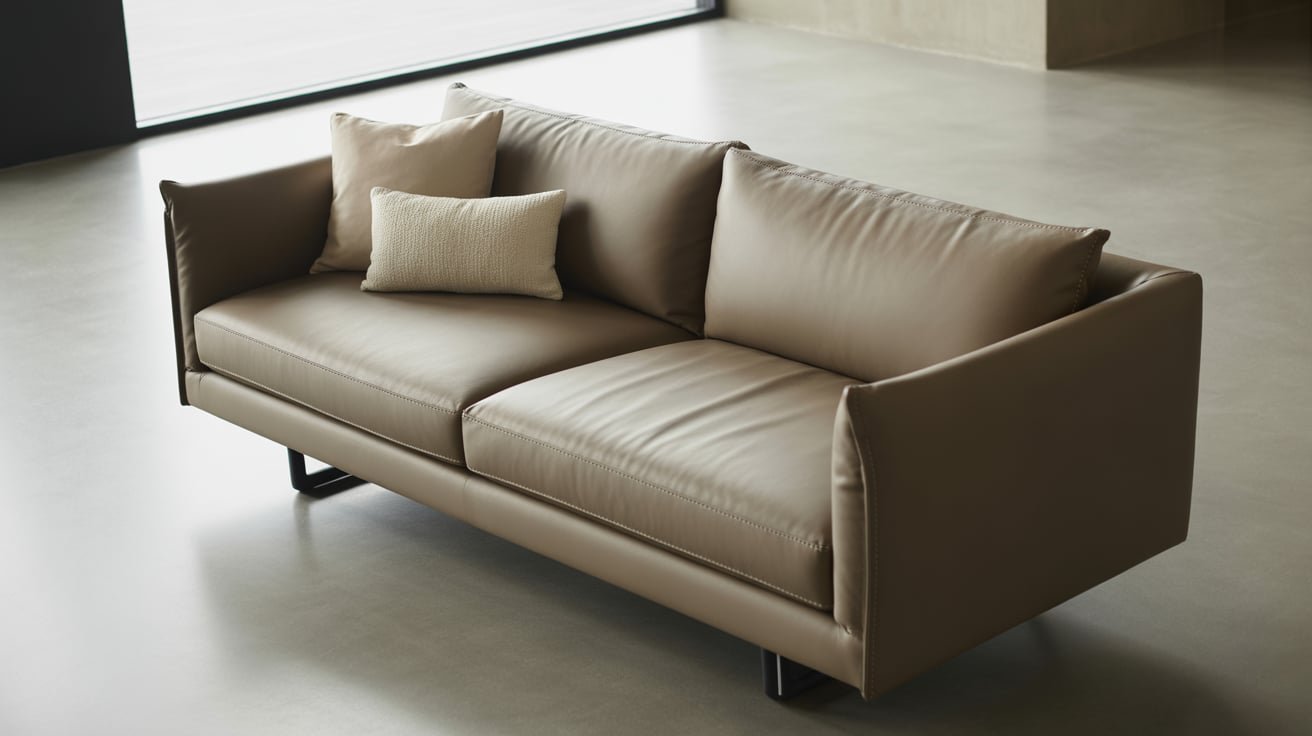
Living in a small space doesn’t mean sacrificing sophistication or comfort. Minimalist furniture design offers a powerful solution for creating rooms that feel both spacious and refined, transforming compact areas into havens of tranquility. The art lies in selecting pieces that serve multiple purposes while maintaining clean aesthetics, proving that less truly can be more when chosen thoughtfully.
The marriage of minimalism and luxury might seem contradictory at first glance, yet they complement each other beautifully in small spaces. Quality materials, precise craftsmanship, and thoughtful design create an atmosphere of understated elegance that expensive clutter never could. This approach prioritizes the experience of space itself, allowing rooms to breathe while providing everything needed for comfortable living.
Small spaces present unique opportunities to experiment with minimalist luxury, where every furniture choice becomes intentional and impactful. In the following sections, we’ll uncover how specific design principles, material selections, and placement strategies can transform your compact home into a sophisticated retreat. Let’s discover how minimalist furniture can make your small space not just livable, but genuinely luxurious.
- What Makes Minimalist Furniture Perfect for Small Spaces
- Which Pieces Transform Small Rooms Into Luxurious Retreats
- How Material Choices Define Luxurious Minimalism
- Where Strategic Placement Creates Maximum Impact
- What Color Strategies Elevate Minimal Spaces
- Smart Solutions for Timeless Small-Space Luxury
- Frequently Asked Questions
What Makes Minimalist Furniture Perfect for Small Spaces
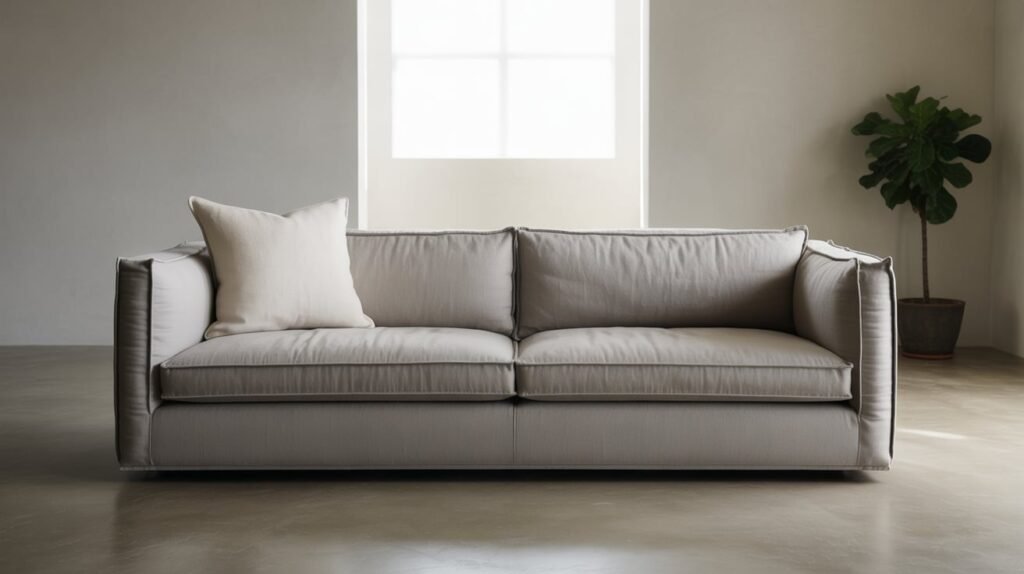
The philosophy behind minimalist furniture extends beyond simple aesthetics into a fundamental rethinking of how we interact with our living spaces. This design approach strips away unnecessary ornamentation to reveal the essential beauty of form and function working in harmony. Small spaces benefit tremendously from this clarity of purpose, where every piece earns its place through both utility and visual contribution.
The Philosophy Behind Minimalist Design
Minimalist furniture design originated from the belief that our surroundings directly influence our mental state and daily experiences. In compact living areas, this principle becomes even more crucial. The absence of visual noise allows the mind to rest, creating a sense of calm that makes rooms feel larger than their actual dimensions. This psychological spaciousness proves just as valuable as physical square footage.
The core principle revolves around intentionality rather than deprivation. Each furniture piece selected should serve a clear purpose while contributing to the overall aesthetic harmony. This careful curation process naturally eliminates redundancy and excess, leaving only items that genuinely enhance daily life.
How Clean Lines Create Visual Spaciousness
Straight edges and geometric forms do remarkable things for spatial perception. Furniture with clean lines draws the eye smoothly across a room rather than creating visual obstacles that fragment the space. A sleek sofa with thin legs and a low profile allows sight lines to continue uninterrupted, making floors appear to extend further than they actually do.
The absence of ornate details means light travels more freely through a room. Without carved edges, tufted surfaces, or decorative hardware catching shadows, spaces maintain an airy quality throughout the day. This consistent illumination contributes significantly to the perception of roominess.
Simple silhouettes also photograph better and age more gracefully. While trendy furniture quickly dates a space, minimalist pieces remain timeless. This longevity represents true luxury – investing in furniture that stays relevant and beautiful for decades rather than seasons.
Why Neutral Palettes Expand Perception
Color choices in minimalist furniture directly impact how spacious a room feels. Neutral tones create visual continuity that prevents the eye from stopping abruptly at furniture edges. A light gray sectional against pale walls seems to float rather than dominate, while a cream ottoman becomes part of the room’s flow rather than an interruption.
These subdued hues reflect light more effectively than darker alternatives. The subtle interplay between whites, grays, and beiges creates depth without heaviness. Natural wood tones add warmth to this palette without disrupting the cohesive feel.
The Role of Negative Space in Luxury
Empty space serves as a design element just as important as the furniture itself. This breathing room allows each piece to be properly appreciated rather than lost in crowding. The luxury lies in having the confidence to let space remain unfilled, resisting the urge to add just one more item.
Strategic use of negative space creates natural focal points. A single elegant chair positioned with ample clearance becomes a sculptural element. A floating shelf with minimal objects displayed gains museum-like presence. This restraint communicates sophistication more effectively than abundance ever could.
Practical benefits accompany the aesthetic ones. Open pathways make daily movement effortless, reducing the friction of navigating tight quarters. Cleaning becomes simpler when furniture doesn’t crowd every corner. These functional improvements contribute to an overall sense of ease that defines luxurious living.
How Functionality Drives Elegance
The most successful minimalist furniture pieces solve multiple problems with singular grace. A bench with hidden storage eliminates the need for separate seating and organizing solutions. A dining table that extends accommodates both intimate dinners and larger gatherings without requiring permanent space for the larger size.
This multi-functionality doesn’t mean compromising on quality or appearance. Modern minimalist designers create pieces where practical features integrate seamlessly into beautiful forms. Drawers slide silently on precision hardware. Surfaces resist stains and scratches while maintaining their pristine appearance. These technical achievements represent the intersection of engineering and artistry.
The elegance emerges from efficiency itself. Watching a wall-mounted desk fold flat when not needed or a coffee table reveal hidden compartments brings satisfaction beyond mere utility. These transformative moments make small-space living feel clever rather than constrained.
Which Pieces Transform Small Rooms Into Luxurious Retreats
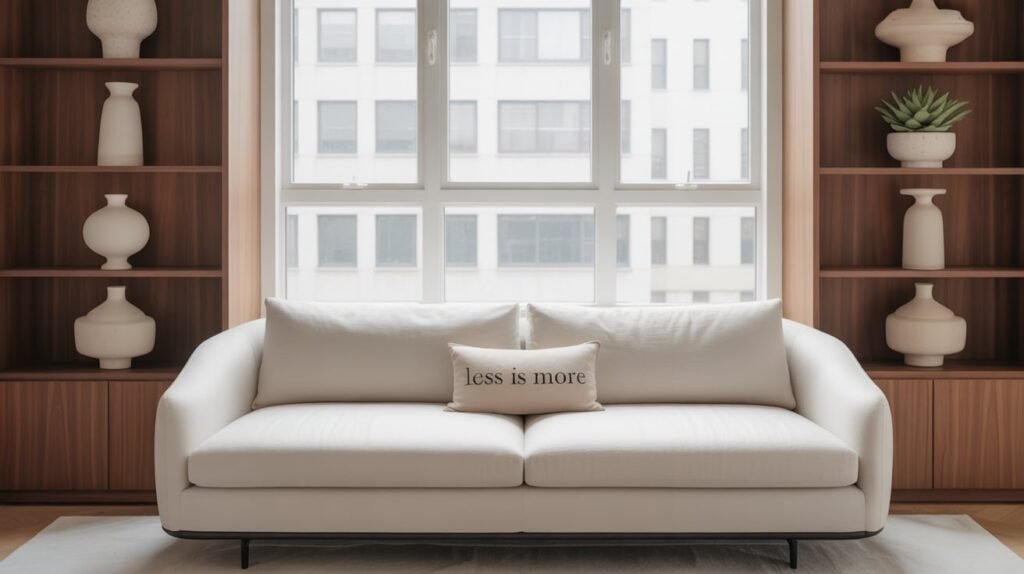
Selecting the right minimalist furniture pieces can completely alter the character of a compact space. The transformation happens not through quantity but through carefully chosen items that serve multiple roles while maintaining sophisticated aesthetics. Understanding which pieces deliver maximum impact helps create rooms that feel both functional and indulgent.
Multi-functional Furniture That Doesn’t Compromise Style
Modern minimalist design has evolved far beyond basic murphy beds and folding tables. Today’s multi-purpose pieces blend seamlessly into refined interiors while offering surprising versatility. A ottoman upholstered in buttery leather provides footrest comfort, extra seating for guests, and concealed storage for blankets or books. The key lies in selecting versions where the additional functions enhance rather than detract from the primary design.
Expandable dining tables represent another category where function meets form beautifully. Models with hidden leaves that store within the table itself maintain clean profiles when compact. The extension mechanism should operate smoothly, transforming the piece from intimate breakfast spot to dinner party centerpiece without visible hardware or awkward gaps.
Modular seating systems offer perhaps the most flexibility for small spaces. Individual pieces that work as standalone chairs can combine into sofas or separate for party seating. Look for designs where the modules lock together invisibly, creating the appearance of custom furniture rather than temporary arrangements. Quality versions use identical upholstery techniques on all sides, ensuring every configuration looks intentional.
Storage Solutions That Disappear Into Design
The most luxurious small spaces hide their storage in plain sight. Wall-mounted systems that appear as architectural features rather than furniture blur the line between structure and function. Floor-to-ceiling shelving in matching wood tones becomes a feature wall rather than obvious storage. The trick involves maintaining consistent spacing and avoiding overcrowding shelves, allowing some breathing room between displayed items.
Floating nightstands free up floor space while providing bedside necessities within reach. Models with subtle drawers that close flush against the wall maintain the illusion of weightlessness. Some designs incorporate indirect lighting beneath, creating a gentle glow that makes the furniture appear to hover while illuminating the floor below.
Platform beds with integrated storage revolutionize bedroom organization without adding bulk. The best designs feature drawers that glide on soft-close mechanisms, accessible from the foot or sides of the bed. This arrangement keeps personal items private while maximizing every inch of bedroom real estate.
Consider these refined storage solutions that maintain luxurious aesthetics:
Console Tables: Slim profiles fit behind sofas or in entryways while drawers hold mail, keys, and small electronics
Lift-Top Coffee Tables: Surfaces rise to desk height for working or dining, with compartments beneath for laptops and supplies
Window Benches: Custom-fitted seating with hinged tops conceals seasonal items while creating cozy reading spots
Mirror Cabinets: Full-length versions hide jewelry, accessories, or bathroom supplies behind reflective surfaces that enlarge spaces visually
Statement Pieces Worth the Investment
Even in minimalist design, one extraordinary piece can elevate an entire room. The philosophy isn’t about having nothing – it’s about having exactly the right things. A single designer chair in rich cognac leather or a sculptural floor lamp with marble base becomes the room’s jewelry, drawing attention while everything else recedes gracefully.
The investment piece should offer both visual impact and daily utility. An exceptional sofa where you’ll spend countless hours makes more sense than an artistic chair that’s uncomfortable to actually sit in. Quality materials and construction ensure these pieces age beautifully, developing character rather than showing wear.
Lighting fixtures offer excellent opportunities for statement investments in small spaces. A striking pendant light or chandelier draws eyes upward, emphasizing ceiling height while providing essential illumination. The fixture becomes functional art, eliminating the need for additional decorative elements that might clutter the space.
Pieces to Avoid in Compact Spaces
Understanding what not to include proves just as important as knowing what to select. Oversized sectionals that dominate floor plans create traffic flow problems while making rooms feel cramped regardless of their actual comfort. Similarly, furniture with wide arms or thick frames wastes precious inches that could contribute to usable space.
Pieces with excessive ornamentation or busy patterns fragment visual flow in small rooms. Tufted headboards, carved table legs, or chairs with elaborate backs create focal points that compete for attention rather than harmonizing. The cumulative effect feels chaotic rather than curated.
Glass furniture might seem like a solution for maintaining sight lines, but it often creates more problems than it solves. Fingerprints and dust show immediately on glass surfaces, requiring constant maintenance to look presentable. The transparency that seemed appealing in theory becomes a liability when clutter beneath or behind the piece remains visible.
Furniture on casters or wheels rarely contributes to a luxurious aesthetic. While mobility might seem practical, these pieces often feel temporary or office-like rather than residential. The visible wheels disrupt clean lines, and the mobility feature rarely gets used enough to justify the visual compromise.
How Material Choices Define Luxurious Minimalism
The materials selected for minimalist furniture determine whether a space feels genuinely luxurious or merely empty. Quality becomes paramount when every surface remains visible and unadorned. The tactile experience of furniture – how it feels to touch, how it ages, how it interacts with light – creates the sensory richness that transforms minimalism from austere to indulgent.
Natural Materials That Add Warmth
Wood brings organic warmth to minimalist interiors without compromising clean aesthetics. The grain patterns provide subtle visual interest while maintaining overall simplicity. Walnut offers rich chocolate tones that feel sophisticated, while white oak provides a lighter option that brightens spaces. The key lies in selecting pieces where the wood’s natural beauty serves as the primary decoration.
Solid wood furniture ages gracefully, developing patina that adds character over time. Small scratches and marks become part of the piece’s story rather than damage to hide. This evolution represents true luxury – furniture that improves with age rather than deteriorating.
Natural stone introduces another layer of organic luxury. Marble tabletops, granite console surfaces, or travertine side tables bring unique veining patterns that nature creates. Each piece becomes one-of-a-kind artwork. The cool touch of stone provides sensory contrast to softer furnishings, creating a balanced tactile environment.
Leather upholstery in minimalist furniture offers both durability and sophistication. Quality leather softens and develops unique character through use. The material’s ability to regulate temperature – cool in summer, warm in winter – adds comfort that synthetic materials can’t match. Stick to full-grain or top-grain options that showcase the hide’s natural texture rather than heavily processed versions that look artificial.
Reflective Surfaces for Spacious Feel
Strategic use of reflective materials doubles the visual space while adding glamour. Polished metal frames on tables and chairs bounce light throughout rooms, creating brightness without additional fixtures. Brass brings warmth, chrome offers cool modernity, while blackened steel provides dramatic contrast. The finish quality matters tremendously – cheap plating shows immediately while quality metalwork maintains its luster.
Mirrored furniture elements should be used sparingly but effectively. A mirrored backsplash on a bar cart or reflective panels on wardrobe doors multiply light and views. The reflection creates depth that pushes walls outward visually. Position these pieces to reflect the room’s best features – a window, artwork, or architectural detail – rather than clutter or blank walls.
Lacquered surfaces provide subtle reflection without mirror’s intensity. High-gloss finishes on cabinets or tables create depth through their shine while maintaining color. White lacquer particularly excels at making spaces feel larger and brighter. The smooth surface resists dust and fingerprints better than matte alternatives, maintaining the pristine appearance crucial to minimalist aesthetics.
Quality Over Quantity Principle
Investing in fewer, superior pieces creates more luxury than filling space with mediocre furniture. A single excellently crafted dining table makes a stronger statement than a room full of budget pieces. The superior materials and construction become apparent through daily use – drawers that glide silently, joints that remain tight, surfaces that resist wear.
Quality furniture often features details invisible at first glance but revelatory upon closer inspection:
Joinery Methods: Dovetail joints in drawers or mortise-and-tenon construction in frames indicate serious craftsmanship
Hardware Selection: Soft-close hinges, precision ball-bearing drawer slides, and solid metal pulls feel substantial in hand
Finishing Techniques: Hand-rubbed oils on wood, properly sealed stone, or perfectly tensioned upholstery demonstrate attention to detail
Internal Structure: Kiln-dried hardwood frames, eight-way hand-tied springs, or steel reinforcement ensure longevity
The initial investment in quality pieces pays dividends through longevity. Well-made minimalist furniture often outlasts multiple rounds of trendy alternatives. This durability represents both environmental responsibility and economic wisdom. The cost-per-year of use for quality furniture often proves lower than repeatedly replacing cheaper options.
Texture Combinations That Create Depth
Without pattern or excessive decoration, texture becomes the primary tool for visual interest in minimalist furniture. Combining smooth and rough, soft and hard, matte and glossy creates sophisticated layering that prevents spaces from feeling flat. A rough-hewn wood dining table paired with smooth leather chairs creates dynamic contrast. Nubby linen cushions on a sleek metal frame sofa add tactile appeal.
The interplay between textures should feel intentional rather than random. Limiting the palette to three or four distinct textures maintains cohesion while providing variety. Too many competing textures create the visual chaos that minimalism seeks to avoid.
Natural texture variations within materials add subtle complexity. The grain in wood, veining in marble, or weave in fabric provides organic patterns that don’t overwhelm. These inherent textures feel authentic rather than applied, maintaining the honesty that defines minimalist philosophy.
Where Strategic Placement Creates Maximum Impact
The positioning of minimalist furniture determines whether a small space feels cramped or expansive, chaotic or serene. Proper placement can make modest square footage feel palatial while poor arrangement can make even larger rooms feel constrained. Understanding the principles of spatial flow and visual balance transforms furniture from mere objects into architectural elements that shape the entire experience of a room.
Focal Point Furniture Arrangement
Every successful room needs a clear hierarchy, with one element commanding primary attention while others play supporting roles. In minimalist design, this focal point often becomes a single, exceptional piece of furniture rather than artwork or architectural features. A dramatically low platform bed, an sculptural dining table, or an elegantly proportioned sofa can anchor an entire space.
The focal piece should occupy a position where it can be fully appreciated. Floating a beautiful sofa in the center of a living room rather than pushing it against a wall allows its form to be seen from all angles. This placement also creates natural circulation paths around the furniture rather than forcing traffic through narrow channels.
Once established, all other furniture should relate to this anchor point without competing for dominance. Secondary pieces should be positioned to support and complement rather than distract. A pair of understated side chairs flanking a statement sofa creates balance without rivalry. The arrangement should feel inevitable rather than forced.
Distance between furniture pieces matters tremendously in small spaces. Too close and the room feels cramped; too far and the arrangement lacks cohesion. The sweet spot typically falls between 18 and 36 inches for conversation areas, allowing comfortable interaction while maintaining individual breathing room. This spacing creates invisible zones within the larger space.
Traffic Flow Optimization
Movement through a room should feel effortless and intuitive. Minimalist furniture placement prioritizes clear pathways over maximum seating or storage. A direct route from doorway to major destinations – kitchen, bedroom, bathroom – prevents the daily friction of navigating obstacles.
The main traffic lane through any room requires at least 36 inches of clearance, though 42 inches feels more generous. Secondary paths between furniture pieces can narrow to 24 inches minimum. These measurements might seem excessive in small spaces, but the resulting ease of movement contributes significantly to perceived spaciousness.
Furniture orientation affects flow as much as placement. Angling a chair slightly toward the room’s center rather than parallel to walls creates a more welcoming arrangement while improving circulation. Round or oval tables eliminate corners that interrupt movement, making them ideal for tight spaces.
Height Variations for Visual Interest
Minimalist design doesn’t mean everything should exist at the same level. Varying furniture heights creates a dynamic skyline that keeps the eye moving, making spaces feel larger and more interesting. Low-profile sofas paired with tall bookcases, or a high bed frame balanced by low nightstands, establish visual rhythm.
The progression of heights should feel natural rather than jarring. Gradual transitions work better than extreme jumps – perhaps moving from floor cushions to low benches to standard seating height rather than directly from ground level to tall furniture. This stepping effect draws the eye upward, emphasizing vertical space that small rooms often underutilize.
Furniture legs play a crucial role in height perception. Pieces raised on slender legs feel lighter and allow views of flooring to continue underneath, expanding the sense of ground plane. Conversely, furniture that sits directly on the floor can feel grounded and substantial when used strategically. Mixing both approaches within a room creates variety while maintaining cohesion.
Lighting Integration with Furniture
The relationship between furniture and lighting defines the ambiance of minimalist spaces. Rather than treating illumination as an afterthought, successful designs integrate lighting concepts from the beginning. Table lamps become sculptural elements, floor lamps serve as vertical anchors, and hidden LED strips transform furniture into glowing architectural features.
Task lighting should align with furniture placement for practical function. A reading chair needs appropriate illumination positioned to prevent shadows on books. Dining tables benefit from overhead pendants that define the eating area while providing flattering light for meals. These functional requirements, when properly addressed, enhance rather than compromise aesthetic goals.
Indirect lighting creates the most flattering and spacious feeling in small rooms. Uplights hidden behind sofas wash walls with gentle illumination. Under-cabinet lighting in storage pieces highlights displayed objects while eliminating harsh shadows. This layered approach to lighting makes spaces feel professionally designed rather than merely furnished.
Consider how natural light interacts with furniture throughout the day. Positioning a workspace perpendicular to windows prevents glare while maintaining daylight benefits. Placing seating to take advantage of morning sun or evening light creates moments of natural luxury. The changing light patterns become part of the room’s daily rhythm, adding temporal dimension to spatial design.
What Color Strategies Elevate Minimal Spaces
Color in minimalist furniture design requires restraint and intention, with each hue carefully selected to expand space visually while maintaining sophisticated aesthetics. The right color choices can make small rooms feel airy and expensive, while poor selections immediately reveal spatial limitations. Understanding how colors interact with light, space, and each other transforms compact areas into seemingly boundless retreats.
Monochromatic Schemes That Soothe
Working within a single color family creates uninterrupted visual flow that maximizes perceived space. This doesn’t mean everything must be exactly the same shade – instead, subtle variations within one hue add depth without fragmentation. A room furnished in various gray tones, from charcoal to pearl, feels cohesive yet dynamic.
The power of monochromatic schemes lies in their ability to blur boundaries. When furniture closely matches wall colors, pieces seem to recede rather than impose. A cream sofa against cream walls appears to float, taking up less visual weight than its physical footprint. This optical illusion proves particularly valuable in tight quarters where every inch counts.
Texture becomes crucial when working within limited color ranges. Without chromatic variety to create interest, surface variations must provide visual engagement. Matte gray walls might pair with glossy gray cabinet fronts and textured gray upholstery. These subtle differences prevent monotony while maintaining the spatial benefits of color consistency.
Temperature variations within a monochromatic palette add sophistication. Cool grays feel crisp and modern, while warm grays bring coziness without sacrificing space. The choice depends on natural light exposure – north-facing rooms benefit from warmer tones while southern exposures can handle cooler selections.
Accent Colors Without Overwhelming
Strategic color placement can enhance minimalist spaces when used with discipline. Rather than spreading accents throughout, concentrating color in one or two carefully chosen pieces creates focal points without chaos. A single navy velvet chair in an otherwise neutral room becomes a jewel-like presence that draws the eye without overwhelming.
The 60-30-10 rule applies perfectly to minimalist color strategies. Sixty percent of the room should feature the dominant neutral (walls, major furniture), thirty percent introduces a secondary neutral or very soft color (rugs, window treatments), and just ten percent provides accent color (pillows, artwork, or one statement furniture piece). This proportion maintains balance while preventing color from dominating small spaces.
Accent colors should relate to the base palette rather than shocking against it:
Warm Neutrals: Pair beautifully with terracotta, ochre, or deep forest green accents
Cool Grays: Complement navy, sage, or dusty rose additions
Pure Whites: Accept any accent but look particularly striking with black or deep charcoal
Beiges and Taupes: Welcome rust, burgundy, or olive as sophisticated partners
The intensity of accent colors affects spatial perception. Muted versions expand space while maintaining interest, whereas bright saturated colors can make rooms feel smaller. A dusty rose ottoman feels spacious; a hot pink version would dominate despite identical size.
The Psychology of Space Perception
Color influences how we perceive and experience space on a psychological level beyond mere optics. Light colors genuinely make rooms feel larger because they reflect more light, but they also trigger associations with openness, air, and freedom. These mental connections prove just as important as physical measurements in creating luxurious feelings within small spaces.
Certain colors promote specific mental states that enhance the luxury of minimalist spaces. Soft blues encourage tranquility and make time feel less rushed. Warm whites promote clarity and focus. Gentle greens connect to nature, bringing outdoor expansiveness inside. Understanding these associations helps select furniture colors that support intended room functions.
Cultural color associations also play a role in perceived luxury. In Western contexts, deep jewel tones traditionally signal richness, but in minimalist design, the luxury comes from restraint. Choosing sophisticated neutrals communicates confidence and refinement – the ability to create impact without relying on obvious color statements.
Metallic Touches for Luxury
Metal finishes occupy a unique position in minimalist color strategies, adding glamour without the weight of traditional colors. These reflective surfaces introduce light play that animates spaces throughout the day. A brass coffee table frame or chrome chair legs become functional jewelry that elevates the entire room.
The choice of metal finish dramatically affects spatial atmosphere. Warm metals like brass and copper bring coziness to cool minimal spaces. Cool metals like chrome and nickel enhance the clean, crisp feeling of contemporary minimalism. Blackened metal provides dramatic contrast while maintaining sophistication.
Mixing metals requires careful consideration in small spaces. Two complementary finishes usually work well – perhaps brass and black, or chrome and rose gold. Three or more can create visual confusion unless one clearly dominates. The key lies in repetition; each metal should appear at least twice to feel intentional rather than accidental.
Restraint in metallic application preserves impact. Rather than covering entire furniture pieces in metal, strategic placement on legs, frames, or hardware creates sophisticated accents. This approach allows metals to catch light and draw attention without overwhelming the minimalist aesthetic. A fully chrome chair might feel cold and industrial, while a wood chair with chrome legs feels balanced and refined.
Smart Solutions for Timeless Small-Space Luxury
The journey toward luxurious minimalist living in small spaces culminates in understanding that true sophistication comes from thoughtful restraint rather than abundance. Quality materials, strategic placement, and carefully considered color choices work together to create environments that feel both spacious and indulgent. The furniture you choose becomes more than functional necessity – each piece contributes to an orchestrated experience of refined simplicity.
Remember that minimalist luxury in compact homes isn’t about deprivation or emptiness. It’s about curating a collection of exceptional pieces that serve your needs while elevating your daily experience. When every furniture selection is intentional and every placement is purposeful, small spaces transform into personal sanctuaries that rival much larger homes in both comfort and style. The key lies not in having more space, but in making the most of the space you have through intelligent design choices that stand the test of time.
Frequently Asked Questions
Q: How much should I budget for quality minimalist furniture for a small space?
A: Invest in fewer, higher-quality pieces rather than furnishing everything at once. Allocate 60-70% of your budget to essential items like a sofa and bed, then gradually add pieces. Quality minimalist furniture often costs more initially but proves economical long-term through durability and timeless design.
Q: Can minimalist furniture work with children or pets in small spaces?
A: Yes, choose minimalist pieces in performance fabrics and durable materials that handle daily wear. Look for furniture with rounded edges, washable covers, and hidden storage for toys or pet supplies. Materials like leather and solid wood actually improve with gentle wear from family life.
Q: What’s the biggest mistake people make when choosing minimalist furniture for small spaces?
A: Selecting furniture that’s too small for the space, thinking it will make rooms appear larger. Properly scaled pieces that fit the room’s proportions actually create better visual balance. One right-sized sofa often works better than multiple tiny chairs.
Q: How do I add personality to minimalist furniture without cluttering my small space?
A: Focus on texture and material quality rather than quantity of decorative items. Choose furniture with interesting grain patterns, unique hardware, or subtle color variations. One exceptional vintage piece or custom detail adds more character than numerous decorations.
Q: Should all my minimalist furniture match in a small space?
A: Coordination matters more than matching. Maintain consistency in one element – perhaps wood tone, metal finish, or color temperature – while varying other aspects. This approach creates cohesion without monotony, making spaces feel curated rather than catalog-ordered.
Q: How often should I update minimalist furniture to keep my small space looking fresh?
A: Quality minimalist furniture shouldn’t need frequent updating. Refresh spaces by changing textiles, rearranging layouts, or swapping one accent piece rather than replacing major furniture. Well-chosen minimalist pieces should remain relevant for decades.
Q: What lighting works best with minimalist furniture in small spaces?
A: Layer lighting at different heights using fixtures that double as sculptural elements. Combine overhead ambient lighting with task lamps and accent lights integrated into or near furniture. Avoid cluttering surfaces with multiple lamps when one well-placed fixture suffices.
Q: How do I transition to minimalist furniture if I already own traditional pieces?
A: Start by removing excessive decorative items and assessing which existing pieces have clean lines that could work in a minimalist scheme. Gradually replace busier pieces with streamlined alternatives, selling or donating items that don’t fit the new aesthetic.