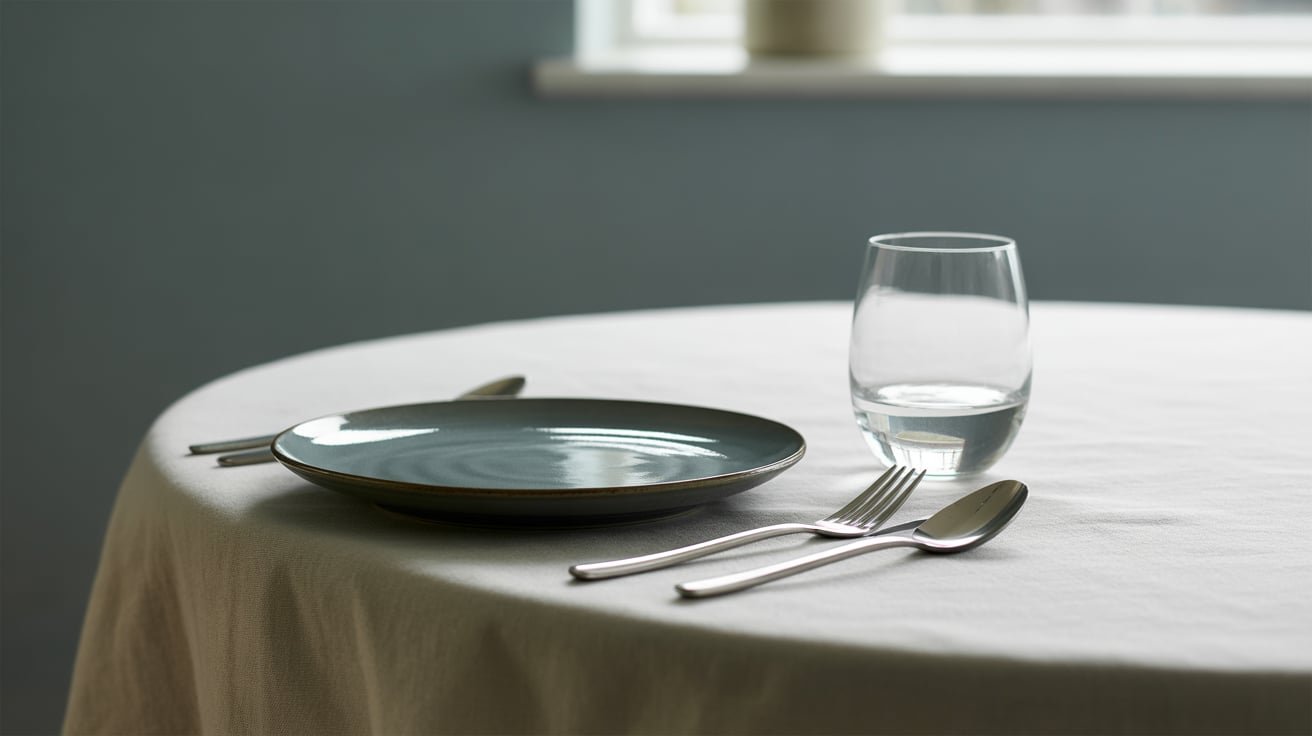
Minimalist dining room decor often gets unfairly labeled as cold or sterile, but this couldn’t be further from the truth. The most successful minimal spaces radiate warmth through thoughtful design choices that prioritize quality, texture, and intentional styling. Creating a dining room that feels both pared-down and welcoming requires understanding how simplicity can actually enhance comfort rather than diminish it.
The key to achieving this balance lies not in adding more items, but in selecting the right ones. A minimalist dining room strips away excess to reveal what truly matters – gathering, connection, and shared meals. By focusing on essential pieces that serve both functional and aesthetic purposes, you can craft a space that feels complete without feeling cluttered. This approach transforms your dining area into a peaceful retreat where conversation flows as freely as the unobstructed sight lines.
Throughout the following sections, we’ll share practical strategies for building a minimalist dining room that radiates warmth. From selecting the perfect color palette to choosing furniture that combines simplicity with comfort, you’ll discover how minimal design principles can create spaces that feel genuinely inviting. Ready to transform your dining room into a warm, minimal sanctuary? Let’s begin this journey toward simplified elegance.
What Makes a Dining Room Both Minimal and Welcoming
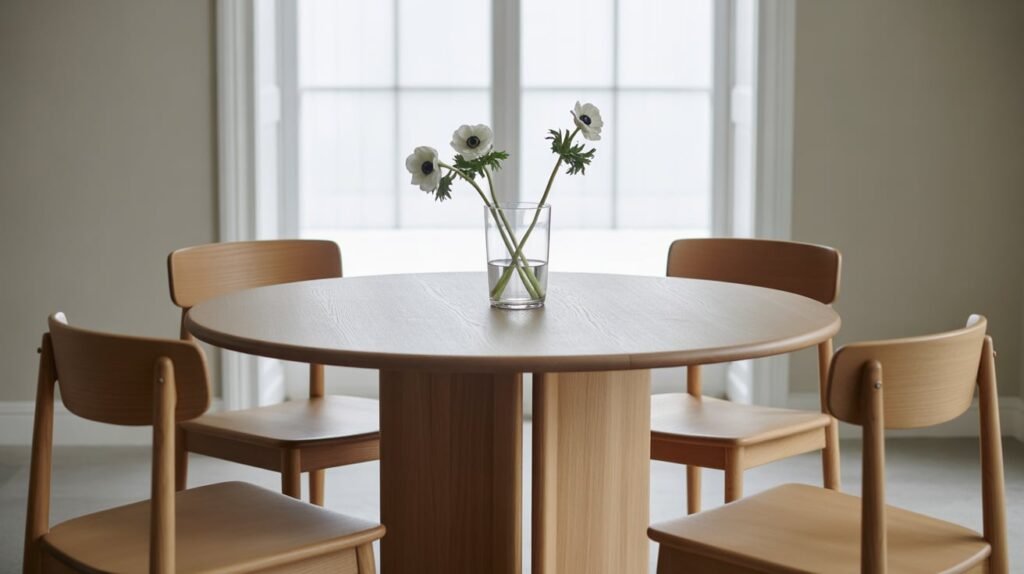
Creating a dining room that feels minimal yet inviting starts with understanding the fundamental principles that make this combination possible. The secret lies in recognizing that minimalism isn’t about emptiness – it’s about intentionality. Every piece in your dining room should earn its place through both function and the feeling it brings to the space.
The balance between simplicity and comfort
Achieving equilibrium between sparse and cozy requires careful consideration of each element you introduce. A minimalist dining room succeeds when it provides visual breathing room while still offering physical comfort. This means choosing a dining table that’s substantial enough to feel grounded but simple enough in design to avoid visual weight. Your chairs should invite long dinners without complicated upholstery or ornate details. The goal is creating a space where guests feel immediately at ease, not wondering if they’re allowed to touch anything.
Think about comfort beyond just seating. Room temperature, acoustics, and even the height of your table all contribute to how welcoming your space feels. A minimal room with echo-prone surfaces feels harsh, while one with a simple rug underneath the table absorbs sound and adds warmth underfoot. These considerations prove that minimal design and comfort work together beautifully when thoughtfully combined.
Essential elements versus decorative excess
Determining what stays and what goes requires honest evaluation of each item’s purpose. Essential elements in a minimal dining room include your table, chairs, lighting, and perhaps one storage piece. Everything else needs stronger justification for inclusion. This doesn’t mean your room should feel bare – it means each addition should serve multiple purposes or bring significant joy.
A single piece of art might serve as both visual interest and conversation starter. A simple sideboard provides storage while offering a surface for serving. Even something purely decorative, like a centerpiece, earns its place by creating a focal point that grounds the table. The difference between essential and excess often comes down to whether removing an item would genuinely diminish the room’s functionality or atmosphere.
How negative space creates positive feelings
Empty space isn’t wasted space in minimal design – it’s an active participant in creating atmosphere. The areas between furniture pieces allow your eye to rest and your mind to relax. This visual breathing room prevents the overwhelm that comes from too many competing elements. In a dining room, generous spacing around your table makes the room feel more luxurious and less cramped, even in smaller spaces.
Negative space also highlights what you’ve chosen to include. A beautiful wooden table gains more prominence when it’s not competing with excessive decor. Your carefully selected pendant light becomes a true focal point when the ceiling around it remains clear. This purposeful use of emptiness actually makes your chosen elements feel more special and intentional.
Why less actually becomes more inviting
Counterintuitively, rooms with fewer items often feel more welcoming than those packed with decor. Why? Because minimal spaces reduce decision fatigue and visual stress. When guests enter your dining room, they immediately understand the space and their place in it. There’s no confusion about where to look or what to admire – the room’s purpose and beauty are immediately apparent.
This clarity extends to daily use as well. A minimal dining room requires less maintenance, stays cleaner with less effort, and adapts easily to different occasions. Setting the table becomes a pleasure rather than a chore when you’re not constantly moving decorative items. The space can transform from casual breakfast spot to elegant dinner setting with just a few simple changes. This flexibility makes the room feel more livable and, consequently, more inviting.
Choosing the Right Color Palette for Warm Minimalism
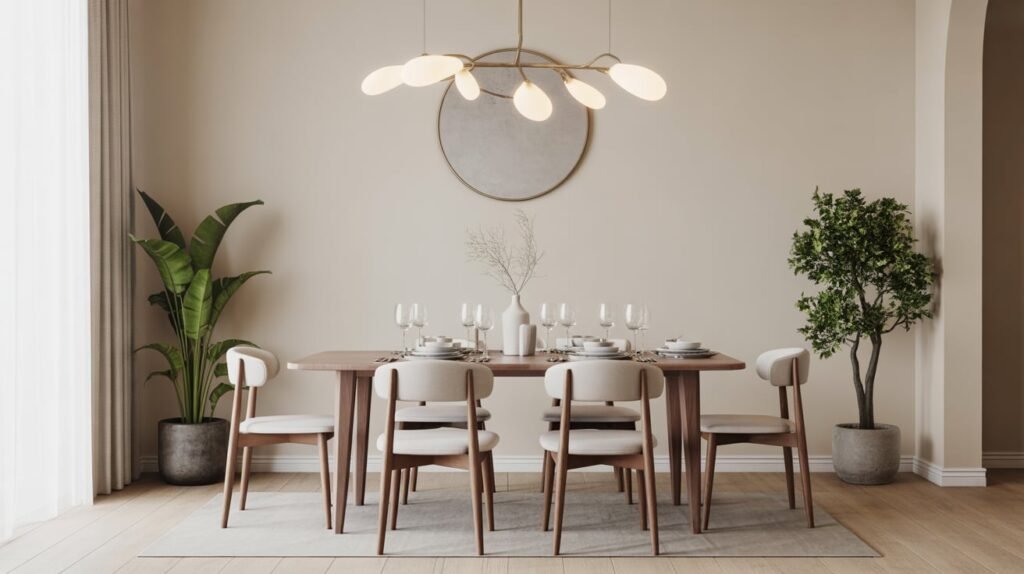
Color selection in a minimalist dining room goes far beyond picking white paint and calling it done. The right palette creates an invisible foundation for warmth, working subtly to make your space feel inviting without relying on bold statements or busy patterns. Understanding how different hues interact with light, furniture, and textiles helps you build a cohesive atmosphere that feels both serene and welcoming.
Beyond white walls and neutral tones
While white walls remain a minimalist staple, warm minimalism often benefits from exploring the full spectrum of soft, muted colors. Consider warm grays with brown undertones, soft sage greens, or barely-there blush tones. These colors provide visual interest without demanding attention, creating backgrounds that feel intentional rather than default.
The trick lies in selecting colors with the right undertones for your space. A gray with purple undertones reads as cool and potentially unwelcoming, while the same gray with yellow or brown undertones feels cozy and approachable. Test paint samples at different times of day, as natural light dramatically affects how these subtle colors appear. Morning light might make your chosen shade look perfect, while evening artificial light could reveal undertones you didn’t expect.
Strategic use of warm undertones
Warm undertones work like a secret ingredient in your color recipe, adding richness without obvious color. Even in an all-white room, choosing whites with warm undertones – think cream, ivory, or linen white – prevents the clinical feeling that pure white can create. These subtle warmth-builders work especially well in dining rooms, where you want to encourage lingering and conversation.
Layer these undertones throughout your space for cohesion. If your walls have warm gray tones, select a dining table in wood with similar warm notes. Your window treatments might pick up these same undertones in natural linen. This repetition creates harmony without being matchy-matchy, building warmth through consistency rather than contrast.
Room orientation affects how these undertones read. North-facing rooms benefit from warmer undertones to counteract cooler natural light, while south-facing spaces might handle cooler tones that still read as warm thanks to abundant sunlight. Understanding your room’s natural light personality helps you select undertones that enhance rather than fight against it.
How texture replaces color complexity
In minimal color palettes, texture becomes your primary tool for adding visual interest. Different textures catch light differently, creating subtle variations that prevent monotony. A smooth plaster wall next to rough-hewn wood beams creates contrast without introducing new colors. Linen curtains against painted walls offer softness that color alone couldn’t achieve.
Consider how textures interact during meals. A smooth wooden table might pair beautifully with textured placemats or a nubby table runner. Leather or fabric chair seats add tactile warmth that painted or wooden seats can’t match. Even your dinnerware contributes – matte ceramics feel warmer than glossy porcelain, while handmade pieces with slight irregularities add character within a limited color scheme.
Natural materials as color foundations
Natural materials bring inherent warmth through their organic color variations. Wood grain provides subtle pattern and color shifts that feel alive rather than static. Stone surfaces offer unique veining and color variations that synthetic materials can’t replicate. These materials age beautifully, developing patinas that add character over time without requiring redecorating.
Different woods bring different color temperatures to your space. Walnut offers rich, dark warmth, while ash or beech provides lighter, airier feelings. Oak sits beautifully in the middle, offering versatility that works with various minimal palettes. Consider mixing wood tones carefully – two different woods can work together if they share undertones or if one clearly dominates while the other accents.
Natural fibers in textiles continue this theme. Jute, sisal, or wool rugs ground your dining space with earthy tones that never feel trendy or dated. Cotton and linen in natural, undyed states offer subtle variations in tone that add depth without complexity. These materials connect your indoor dining space to the natural world, creating an organic warmth that transcends specific color choices.
Creating depth without overwhelming the space
Minimal palettes risk feeling flat without careful attention to depth. Layering similar tones with slight variations creates dimension that keeps the eye engaged. Three shades of the same color family – perhaps on walls, trim, and ceiling – add architectural interest without introducing new colors.
Here’s how to build depth effectively:
Gradient Approach: Use your darkest tone at floor level, medium tones at eye level, and lightest overhead
Accent Through Architecture: Paint door frames, window sills, or built-ins in slightly deeper tones than walls
Shadow Play: Position furniture to create interesting shadows that add temporary depth throughout the day
Metallic Touches: Incorporate warm metals like brass or copper in small doses for reflective depth
The goal isn’t to create dramatic contrast but rather subtle shifts that reward closer looking. This approach maintains minimalism’s calm while preventing the flatness that makes spaces feel lifeless. Your dining room gains sophistication through these nuanced color relationships, proving that a limited palette doesn’t mean limited interest.
Furniture Selection That Defines Cozy Minimalism
Selecting furniture for a minimalist dining room requires balancing form, function, and that indefinable quality that makes a space feel genuinely welcoming. Each piece should justify its presence through both practical use and contribution to the room’s atmosphere. The right furniture transforms an empty room into a warm gathering place without cluttering the space or compromising the minimal aesthetic.
Tables that anchor without dominating
Your dining table serves as the room’s centerpiece, setting the tone for everything else. In minimal design, this means finding a table that feels substantial enough to ground the space without overwhelming it. Simple lines and honest materials work best – think solid wood with minimal ornamentation or a sleek stone top with understated legs.
Size matters tremendously in minimal spaces. A table too large crowds the room and disrupts flow, while one too small feels lost and uninviting. Measure your space carefully, allowing at least 36 inches of clearance around all sides for comfortable movement. This breathing room is essential to minimalism’s sense of spaciousness.
Consider tables with subtle details that add interest without complexity. A gentle curve to the table edge, legs that taper slightly, or wood grain that provides natural pattern – these elements add character within minimalist parameters. Avoid tables with busy bases, excessive hardware, or mixed materials that complicate the visual story.
The table’s shape influences how your room feels. Round tables soften minimal spaces and encourage conversation, while rectangular options maximize seating and create clean lines. Oval tables split the difference, offering the softness of curves with the practicality of length. Choose based on your room’s proportions and how you typically gather for meals.
Seating choices for comfort and style
Chairs present a unique challenge in minimal dining rooms – they need to be comfortable enough for long meals yet simple enough to maintain visual calm. The key lies in finding seats that offer ergonomic support through good design rather than excessive padding or complicated mechanisms.
Look for chairs with subtle curves that support the back naturally. Scandinavian designs excel here, using bent wood or molded forms that follow body contours without bulk. Upholstered seats can add comfort, but choose simple fabrics in solid colors that complement rather than compete with your palette.
Consider whether matching chairs suit your vision or if mixing creates more warmth. A matched set provides clean consistency, while thoughtfully mixed seating can add personality. If mixing, maintain a common element – perhaps all wood, all the same height, or all sharing a color family – to prevent chaos.
Storage solutions that disappear beautifully
Even minimal dining rooms need storage for linens, serving pieces, and occasional-use items. The trick is selecting storage that feels intentional rather than intrusive. A low credenza along one wall provides substantial storage while maintaining clean lines. Open shelving can work if you commit to keeping displays minimal and organized.
Built-in storage offers the ultimate in minimalist solutions, becoming part of the architecture rather than added furniture. If built-ins aren’t possible, choose freestanding pieces that sit close to walls and match their height to other room elements like window sills or chair backs. This creates visual continuity that helps storage blend rather than stand out.
Quality matters more in minimal spaces where every piece is visible. Invest in storage with excellent construction and materials that age well. Solid wood develops character over time, while quality hardware ensures smooth operation for years. These pieces become part of your room’s permanent landscape, so choosing well initially pays dividends.
The power of quality over quantity
Minimalism’s emphasis on fewer pieces makes quality paramount. One beautifully crafted chair makes a stronger statement than four mediocre ones. This principle extends beyond aesthetics – well-made furniture lasts longer, functions better, and often grows more beautiful with age.
Quality reveals itself in details: joints that fit perfectly, wood grain that’s been carefully matched, finishes that feel smooth and even. These elements might seem minor, but in a minimal space where nothing hides, they become the difference between a room that feels intentional and one that feels unfinished.
Investing in quality also means considering the source. Furniture from sustainable sources or local craftspeople adds invisible warmth through the story behind each piece. Knowing your table was made by a local woodworker or your chairs support responsible forestry adds meaning that transcends physical appearance.
Materials that age gracefully
Minimal dining rooms benefit from materials that improve with use rather than deteriorating. Solid wood develops patina, leather softens and gains character, and natural stone acquires a gentle polish from daily use. These materials bring life to minimal spaces through their ability to change subtly over time.
Avoid materials that show wear ungracefully. Veneer that chips, metals that scratch easily, or fabrics that pill quickly undermine minimalism’s intention of thoughtful simplicity. While these materials might cost less initially, they require replacement sooner, contradicting minimalism’s sustainability principles.
Different materials age at different rates, creating visual interest through natural variation. A wooden table might darken slightly while brass hardware develops patina and leather seats soften. This evolution prevents minimal spaces from feeling static, adding organic change without requiring redecorating. Your dining room becomes a living space that reflects its use and history.
Lighting Strategies for Inviting Minimal Spaces
Lighting transforms minimalist dining rooms from merely functional to genuinely inviting, creating atmosphere through illumination rather than decoration. The right lighting strategy works harder in minimal spaces, where it must provide both practical illumination and emotional warmth without relying on numerous fixtures or complicated designs.
Natural light as your primary tool
Maximizing natural light forms the foundation of warm minimalist dining rooms. Sunlight brings life, movement, and connection to the outdoors that no artificial source can replicate. Start by evaluating your windows – can you increase their impact by removing heavy treatments or replacing them with simpler options?
Sheer curtains or simple roller shades in natural materials filter harsh light while maintaining brightness. These minimal window treatments provide privacy when needed without blocking light permanently. Consider top-down, bottom-up shades that let you control privacy while still allowing light through the upper portion of windows.
Position your dining table to take advantage of natural light patterns. Morning sun might make breakfast feel special, while avoiding direct afternoon glare keeps lunch comfortable. Notice how light moves through your space across seasons and adjust furniture placement accordingly. This responsiveness to natural light makes your room feel more connected to its environment.
Mirrors strategically placed opposite windows double natural light without adding fixtures. Choose simple frames or frameless options that reflect light without becoming decorative focal points themselves. A mirror on a perpendicular wall can bounce light deeper into the room, brightening corners that natural light doesn’t directly reach.
Layering artificial light sources
Successful dining room lighting requires multiple sources working together, even in minimal designs. Start with ambient lighting that fills the room evenly, add task lighting where needed, and finish with accent lighting that creates atmosphere. This layered approach provides flexibility for different occasions without cluttering the space with fixtures.
A single statement pendant or chandelier over the table can provide both ambient and task lighting. Choose designs with clean lines and quality materials rather than ornate details. The fixture should feel proportional to your table – generally, its diameter should be about half to two-thirds the table’s width.
Supplement overhead lighting with subtle sources that add warmth without visual noise. Wall sconces flanking a piece of art or window provide gentle ambient light. A simple floor lamp in a corner eliminates dark spots. These additions should feel deliberate rather than scattered, each serving a clear purpose.
Statement fixtures versus subtle illumination
The decision between one dramatic fixture and several understated sources shapes your room’s personality. A striking pendant light can serve as your room’s only decorative element, allowing everything else to remain purely functional. This approach works well when you find a fixture that perfectly captures your aesthetic vision.
Alternatively, multiple subtle sources can create warmth through layering rather than impact. Track lighting with minimal heads, recessed lights with warm bulbs, or simple wall washers can provide excellent illumination without drawing attention. This strategy keeps focus on your dining table and the people gathered around it.
Consider these factors when choosing your approach:
Room Height: Low ceilings suit subtle fixtures, while high ceilings can handle drama
Table Shape: Round tables pair well with single pendants, while long tables might need linear fixtures or multiples
Overall Aesthetic: Modern minimal styles might favor subtle lighting, while warm minimalism can handle more personality
Budget: One quality statement piece might cost less than multiple subtle fixtures
How shadows add warmth to minimal rooms
Shadows often get overlooked in lighting design, yet they contribute significantly to atmosphere. In minimal spaces, shadows add depth and interest that excessive decoration might provide in other styles. The interplay between light and shadow creates visual texture on plain walls and simple furniture.
Position lighting to create intentional shadows that enhance rather than harsh. Uplighting creates soft shadows on ceilings, adding height and drama. Side lighting from sconces or table lamps creates gentle shadows that define space without sharp contrasts. Even your pendant light’s shadow on the table can add to the room’s geometry.
The quality of shadows depends on your light sources. Multiple small sources create softer, more diffused shadows than single bright sources. Lampshades, even minimal ones, soften light and create gradual shadow transitions. These subtle gradations prevent the harsh contrasts that can make minimal spaces feel cold.
Dimmers and their role in atmosphere
Installing dimmers on all your dining room lights might be the single most impactful change you can make for creating warmth. The ability to adjust lighting intensity transforms your space from bright and energetic to soft and intimate without changing anything else.
Different meals call for different lighting levels. Breakfast might benefit from bright, energizing light, while dinner parties thrive under gentler illumination. Dimmers let you respond to natural light changes throughout the day, maintaining consistent ambiance as daylight fades. This adaptability prevents your minimal space from feeling rigid or unchanging.
Beyond simple intensity control, dimmers affect color temperature perception. Dimmed lights appear warmer, adding golden tones to your space. This warmth enhancement is particularly valuable in minimal rooms with cool color palettes. The ability to warm your space through lighting reduces the need for additional warm-toned decor.
Consider smart dimmers that remember settings for different occasions. “Dinner party,” “family meal,” and “homework time” presets eliminate constant adjustment. Some systems even adjust automatically based on time of day, creating natural rhythm in your dining room. This technology hides completely within minimal aesthetics while significantly enhancing functionality.
Small Details That Create Big Warmth
The smallest elements often make the biggest difference in transforming a minimalist dining room from austere to inviting. These carefully chosen details work within minimal principles while adding layers of comfort and personality that make your space feel genuinely lived-in and loved.
Textiles that soften hard edges
Strategic textile placement adds softness without cluttering your minimal aesthetic. A simple runner down your table’s center provides visual interest and protects the surface while maintaining clean lines. Choose natural fibers like linen or cotton in colors that complement your palette – their subtle texture variations add depth without pattern complexity.
Seat cushions offer another opportunity for textile warmth. Even if your chairs are comfortable without them, simple cushions in quality fabric add both physical and visual softness. Tie-on cushions in matching or complementary tones maintain clean lines while providing comfort for longer meals. During warmer months, swap heavier fabrics for lighter linens to maintain seasonal freshness.
Window treatments contribute significant textile presence in minimal dining rooms. Floor-length curtains in natural fabrics frame windows beautifully while softening the room’s acoustics. The fabric’s weight and drape add movement and life to otherwise static spaces. Choose colors that nearly match your walls for subtlety, or go slightly darker for gentle contrast that defines window areas.
A single throw draped over a chair or bench adds casual warmth that prevents minimal spaces from feeling too formal. This simple addition suggests comfort and relaxation, signaling that your dining room welcomes real life rather than magazine perfection. Choose throws in materials that complement your furniture – perhaps wool for wooden chairs or linen for more modern pieces.
Plants as living minimal decor
Nothing adds life to a minimal space quite like actual living plants. Their organic forms provide natural sculpture while their green tones add color without disrupting neutral palettes. In dining rooms, plants serve as perfect centerpieces that change subtly with growth, preventing the static feeling that minimal spaces sometimes develop.
Choose plants with simple, architectural forms that complement minimal aesthetics. A fiddle leaf fig in a corner adds height and drama with its large, glossy leaves. A snake plant provides vertical interest with its straight, sword-like foliage. Succulents offer geometric patterns in miniature, perfect for table centers or window sills.
Container choice matters as much as plant selection. Simple ceramic pots in solid colors or natural materials maintain minimal principles. Terra cotta ages beautifully and adds warm, earthy tones. White or gray ceramics disappear against similar walls, letting plants take focus. Avoid busy patterns or multiple colors that compete with your simplified palette.
Consider maintenance requirements when selecting plants for your dining room. Low-maintenance options prevent the stress of constant care that contradicts minimalism’s ease. Pothos, ZZ plants, and rubber trees tolerate various light conditions and irregular watering. These forgiving varieties ensure your living decor enhances rather than complicates your life.
Art placement in minimal spaces
Art in minimalist dining rooms requires thoughtful curation rather than gallery wall abundance. One or two carefully chosen pieces can provide visual interest and personal expression without overwhelming your simplified space. The key lies in selecting art that complements rather than dominates your room’s calm atmosphere.
Scale becomes critical when working with limited pieces. A single large artwork can anchor an entire wall, providing focal interest without the visual busyness of multiple frames. Alternatively, two or three related pieces in simple frames can create rhythm without chaos. Maintain generous spacing between multiple pieces to preserve the breathing room that minimalism requires.
Abstract art works particularly well in minimal dining rooms, adding color and movement without literal interpretation. Landscapes or photography in muted tones can bring outside elements inside. Whatever style you choose, ensure it resonates personally – in minimal spaces where every element is intentional, art should reflect genuine preference rather than decorative obligation.
Placement height affects how art interacts with your dining room. Hanging pieces lower than traditional gallery height creates intimacy and connection with seated diners. Center artwork at eye level when seated rather than standing for optimal viewing during meals. This adjustment makes art feel integrated with dining rather than floating above it.
Seasonal touches without clutter
Minimal doesn’t mean unchanging. Subtle seasonal updates keep your dining room feeling fresh and connected to natural rhythms without accumulating decorative excess. The trick lies in swapping rather than adding, maintaining your minimal foundation while acknowledging seasonal shifts.
Simple branch arrangements reflect seasons naturally. Spring flowering branches, summer greenery, autumn leaves, or winter evergreens provide seasonal color and form. Display them in a single, simple vase that works year-round. When branches fade, the empty vase can stand alone as sculptural element until the next seasonal change.
Textiles offer easy seasonal swaps. Light linen napkins for summer might give way to heavier cotton or wool-blend options for winter. A jute runner could replace a fabric one during warmer months. These functional items serve necessary purposes while adding seasonal texture and weight variations.
Seasonal fruit in a simple bowl provides color and life that changes weekly. Citrus in winter, stone fruits in summer, apples in fall – these edible decorations serve double duty as healthy snacks. Choose a beautiful wooden or ceramic bowl that looks equally good empty or full, maintaining visual interest even between market trips.
Personal items that tell stories
Minimalism doesn’t mean impersonal. Carefully chosen objects that hold meaning add soul to simplified spaces. The key lies in extreme selectivity – choosing only items that truly resonate rather than displaying everything with sentimental value.
Consider rotating personal displays rather than showing everything simultaneously. A small shelf might hold three treasured objects that change seasonally or when the mood strikes. This approach maintains minimal principles while allowing various memories and meanings to surface over time.
Here’s how to incorporate meaningful items effectively:
Single Statement: One inherited serving piece displayed prominently
Functional Beauty: Grandmother’s china used daily rather than stored
Artisan Touch: Handmade ceramics from travels that serve as everyday dishes
Natural Collections: Three special stones or shells in a simple dish
Family Photography: One or two beautifully framed images rather than dozens
These personal touches should feel discovered rather than displayed. Place them where they naturally belong rather than creating shrine-like arrangements. A special vase holds flowers on the sideboard. Inherited silverware lives in the drawer, used for special meals. This integration makes personal items part of your room’s story rather than separate from its function.
Finding Your Balance
Minimal dining room design succeeds when it stops feeling like a style and starts feeling like home. The warmth you’ve been seeking doesn’t come from adding more – it emerges from choosing better. Every texture, color, and carefully selected piece contributes to an atmosphere that welcomes rather than impresses.
Your dining room should reflect your life’s rhythm, not a magazine’s perfection. The strategies we’ve shared aren’t rigid rules but flexible guidelines that adapt to your family’s needs and preferences. Perhaps your version includes more plants, different textures, or a bolder light fixture than traditional minimalism might suggest. This personalization transforms minimal design from cold concept to warm reality.
Frequently Asked Questions
Q: How do I prevent my minimalist dining room from feeling too empty?
A: Focus on scale and proportion rather than quantity. Choose substantial furniture pieces that properly fill your space, add textural elements like rugs or curtains, and ensure adequate lighting layers. One well-scaled table and chairs with good proportions will feel more complete than multiple small pieces.
Q: Can I incorporate color into a minimalist dining room without ruining the aesthetic?
A: Absolutely. Choose one or two accent colors and use them sparingly through textiles, art, or plants. Muted or earthy tones work especially well. The key is consistency – repeat your chosen colors in small doses throughout the space rather than introducing multiple different hues.
Q: What’s the biggest mistake people make when designing a minimalist dining room?
A: Forgetting about comfort in pursuit of visual simplicity. Minimalism should simplify life, not make it harder. Ensure your chairs are genuinely comfortable, your lighting is adequate for tasks, and your storage meets real needs. Style without function contradicts minimalism’s core purpose.
Q: How do I maintain warmth in an all-white minimalist dining room?
A: Layer different shades of white and cream, incorporate natural wood tones, add textural variety through linens and natural materials, and ensure warm-toned lighting. Even small additions like a wooden bowl or linen napkins can add significant warmth to white spaces.
Q: Should all my dining room furniture match in a minimalist design?
A: Not necessarily. While matched sets provide visual calm, thoughtfully mixed pieces can add personality. If mixing, maintain consistency through material, color, or style. For example, all wood pieces in similar tones, or all black metal with different designs.
Q: How can I make my small dining room feel minimalist but not cramped?
A: Choose furniture with visual lightness – tables with thinner legs, chairs without arms, or glass elements. Maintain clear pathways, use wall-mounted storage instead of floor pieces, and keep the color palette light and consistent. Mirrors can also expand visual space without adding clutter.
Q: What’s the minimum furniture needed for a functional minimalist dining room?
A: At minimum: a table, chairs for your household, and adequate lighting. Storage becomes necessary if you lack kitchen storage for dining items. Everything else – rugs, art, plants – enhances but isn’t essential. Start with basics and add only what genuinely improves function or joy.
Q: How do I transition my current dining room to a minimalist style without starting over?
A: Begin by removing everything non-essential, then slowly reintroduce items one at a time, evaluating whether each genuinely improves the space. Keep your best quality pieces and donate or store the rest. This gradual approach helps identify what you truly need versus what you’re keeping from habit.