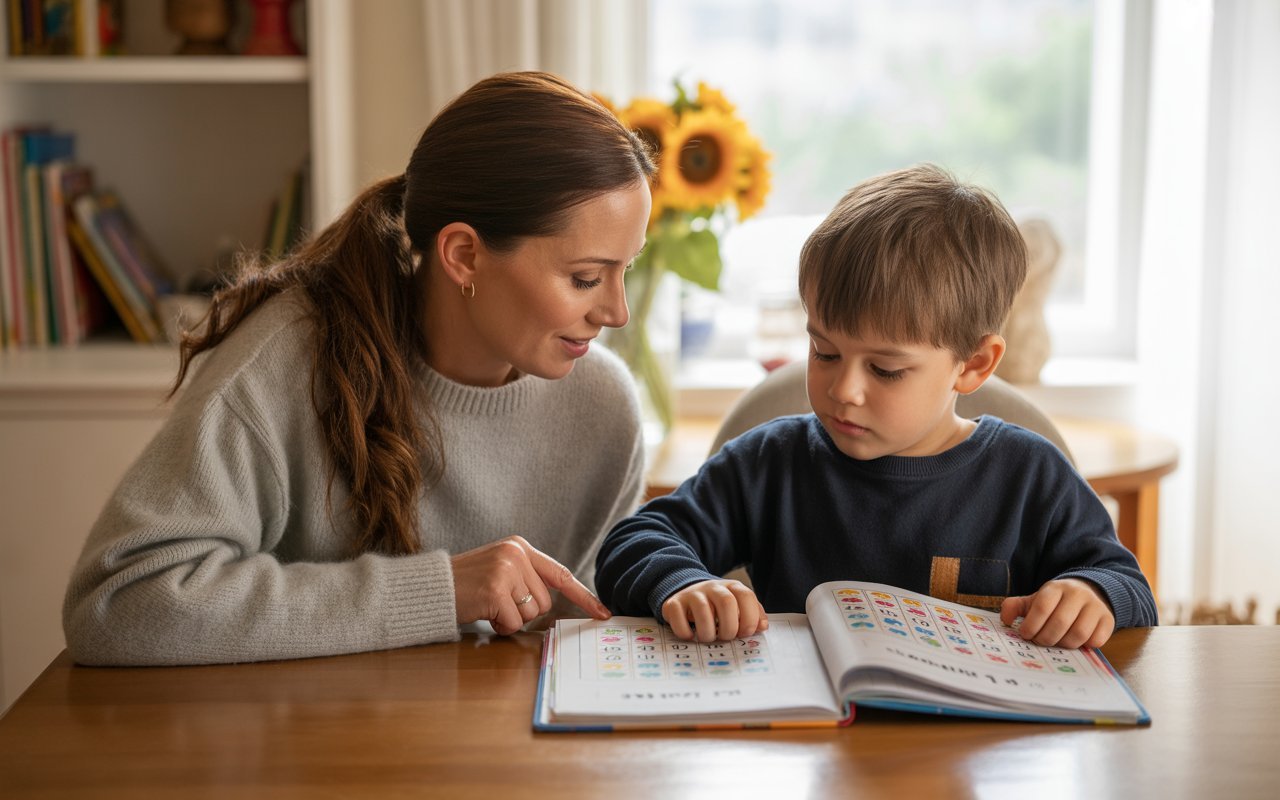
Making the decision to educate your children at home represents one of the most significant choices parents can make. The landscape of homeschooling has transformed dramatically over recent years, with millions of families discovering that learning doesn’t need to happen within traditional classroom walls. Technology, resources, and support systems have evolved to make homeschooling more accessible and successful than previous generations could have imagined.
The reasons families choose homeschooling vary as widely as the families themselves. Some parents want more control over their children’s educational content and pace, while others seek flexibility to travel or accommodate unique family schedules. Many families discover that homeschooling allows them to strengthen family bonds while providing personalized education that adapts to each child’s strengths and challenges. This educational path offers opportunities to learn together, grow closer, and create memories that extend far beyond textbooks and worksheets.
Starting your homeschool journey might feel overwhelming at first, with countless decisions about curriculum, schedules, and teaching methods swirling through your mind. The following sections will guide you through the practical steps of beginning homeschooling while maintaining joy and enthusiasm throughout the process. From understanding legal requirements to building supportive communities, you’ll discover how to create an educational experience that enriches your entire family’s life.
Getting Started with Homeschooling Legally and Practically
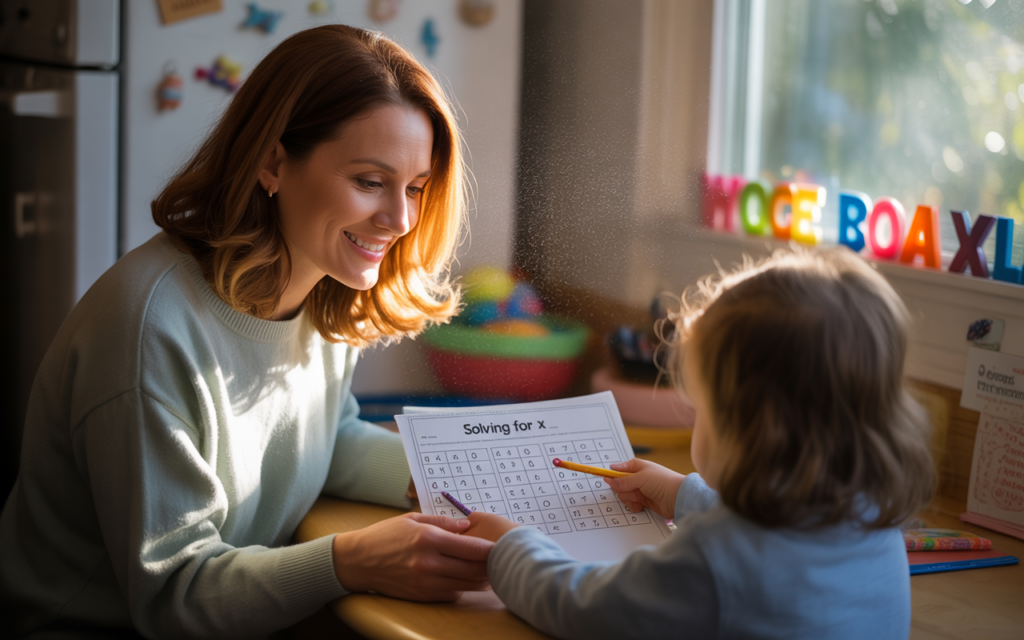
Every homeschool journey begins with understanding the legal framework in your specific location. Requirements vary significantly from state to state, with some regions requiring detailed documentation while others operate with minimal oversight. Your first step involves researching your state’s department of education website or connecting with established homeschool organizations that can clarify local regulations.
Understanding your state’s homeschool requirements
State laws typically fall into several categories regarding homeschool oversight. Some states require notification of intent to homeschool, while others mandate regular assessments or portfolio reviews. You might need to submit attendance records, curriculum plans, or proof of progress through standardized testing. Understanding these requirements before you begin prevents legal complications and helps you establish proper record-keeping systems from day one.
Documentation practices should become routine early in your homeschooling experience. Create a filing system for important paperwork including your letter of intent, curriculum receipts, attendance records, and any required assessments. Digital folders work wonderfully for organizing electronic documents, while physical binders can house printed materials. Maintaining organized records not only satisfies legal requirements but also helps track your children’s educational progress over time.
Creating your educational philosophy and approach
Your educational philosophy shapes every aspect of your homeschool experience. Traditional school-at-home approaches replicate classroom structures with textbooks, assignments, and regular testing. Charlotte Mason methods focus on living books, nature study, and short lessons. Unschooling follows children’s interests with minimal structured curriculum. Classical education progresses through grammar, logic, and rhetoric stages. Montessori approaches encourage hands-on learning with specialized materials.
Most families discover their ideal approach combines elements from multiple philosophies. You might appreciate classical education’s systematic approach to language arts while preferring unschooling methods for science exploration. Your philosophy can evolve as you learn what resonates with your family’s values and your children’s learning preferences. Starting with a flexible mindset allows you to adapt your approach based on actual experience rather than theoretical ideals.
Setting up your home learning environment
Your physical space profoundly impacts the homeschool experience, though you don’t need a dedicated schoolroom to succeed. Kitchen tables serve as excellent learning surfaces, while comfortable couches provide cozy reading spots. Consider how different areas of your home can support various activities – quiet corners for independent study, open floors for movement activities, and organized storage for supplies.
Organization systems prevent frustration and wasted time searching for materials. Each child benefits from having designated space for their books and supplies, whether that’s a shelf, basket, or section of a bookcase. Art supplies, science materials, and math manipulatives need accessible homes where children can find and return items independently. Label containers clearly and involve children in maintaining these systems to foster responsibility and ownership of their learning environment.
Natural light, comfortable seating, and minimal distractions create optimal learning conditions. Position work areas near windows when possible, and ensure seating supports good posture during longer study sessions. Remove or minimize visual clutter that might distract from focused work. Some families find that rotating decorations and educational posters maintains visual interest without overwhelming the space.
Choosing curriculum and resources wisely
The abundance of curriculum options can paralyze new homeschoolers with choice overload. Start by considering your children’s ages, learning styles, and your own teaching comfort level. Complete curriculum packages provide structure and reduce planning time, while piecing together resources from various sources allows more customization. Many families start with packaged curriculum their first year, then branch out as confidence grows.
Budget considerations shape curriculum decisions for most families. Used curriculum sales, library resources, and free online materials can significantly reduce costs. Many expensive programs offer samples or trial periods – take advantage of these opportunities before committing substantial funds. Quality education doesn’t require the most expensive materials; some of the most effective learning happens with simple resources used creatively.
Building Daily Routines That Work for Your Family

The beauty of homeschooling lies in crafting schedules that align with your family’s natural rhythms and priorities. Morning people might tackle challenging subjects early, while night owls might prefer afternoon learning sessions. Your routine should reflect your family’s unique needs rather than mimicking traditional school schedules.
Designing flexible schedules around family life
Flexibility represents one of homeschooling’s greatest advantages, allowing you to adapt schedules for appointments, weather, and family circumstances. Rather than rigid hourly blocks, consider creating rhythm to your days with consistent patterns. Perhaps mornings focus on core academics, afternoons allow for creative pursuits, and evenings bring family reading time. This predictable flow provides structure without inflexibility.
Weekly planning often works better than daily scheduling for homeschool families. Outline what you hope to accomplish each week, then adjust daily activities based on energy levels, weather, and unexpected opportunities. A beautiful day might inspire nature study instead of planned indoor work. A sick child might mean lighter academics but extra read-alouds. This adaptability reduces stress while maintaining educational progress.
Balancing structure with spontaneity
Children thrive with predictable routines, yet too much rigidity stifles the joy of learning. Create a framework that provides security while leaving room for spontaneous discoveries. Maybe Monday mornings always include math, but the specific activities vary based on interest and understanding. Perhaps Friday afternoons are reserved for field trips, but destinations remain flexible.
Teachable moments arise constantly in homeschooling – a question about clouds leading to weather study, cooking together becoming fraction practice, or a found caterpillar sparking butterfly life cycle exploration. Building flexibility into your schedule allows you to pursue these organic learning opportunities without guilt about abandoning planned activities. These spontaneous investigations often produce the most engaged learning and memorable experiences.
Some days will flow smoothly according to plan, while others will completely derail. Both experiences are normal and valuable parts of the homeschool journey. Children learn resilience and adaptability when they see you gracefully adjusting plans. They discover that learning happens everywhere, not just during “school time.”
Managing multiple children at different levels
Teaching multiple ages simultaneously challenges even experienced homeschoolers. Start older children on independent work while providing direct instruction to younger ones who need more guidance. Rotate through children for one-on-one time while others work independently or together. This juggling act becomes smoother with practice and clear expectations.
Combined learning activities unite siblings despite age differences. Read-alouds, science experiments, art projects, and field trips can engage multiple ages simultaneously. Older children reinforce their learning by helping younger siblings, while younger ones benefit from exposure to advanced concepts. These shared experiences create bonds and memories that strengthen sibling relationships.
Incorporating breaks and movement throughout the day
Physical movement enhances learning and helps children (and parents) maintain focus during academic work. Build movement breaks into your routine – jumping jacks between subjects, nature walks after lunch, or dance parties when energy flags. These active interludes refresh minds and bodies, making subsequent learning more effective.
Outdoor time deserves priority in your homeschool schedule. Fresh air and natural settings provide countless learning opportunities while supporting physical and mental health. Whether you have a backyard, nearby park, or walking trails, regular outdoor exploration enriches your homeschool experience. Even urban environments offer nature study opportunities through weather observation, bird watching, and seasonal changes.
Consider incorporating movement into academic lessons themselves:
- Math Facts: Practice skip counting while jumping rope or doing hopscotch
- Spelling Words: Write letters in the air with large arm movements or spell words while doing wall push-ups
- History Timelines: Create human timelines where children position themselves to represent different eras
- Science Concepts: Act out planetary orbits, water cycle movements, or animal behaviors
- Reading Comprehension: Take walking discussions about books or act out favorite scenes
Making time for yourself as the teaching parent
Homeschooling parents need regular breaks to maintain enthusiasm and patience. Schedule quiet time daily when children engage in independent activities like reading, puzzles, or educational videos while you recharge. This isn’t selfish – it’s essential for sustainable homeschooling. Your well-being directly impacts your ability to provide quality education and maintain a positive learning environment.
Connect with other adults regularly through homeschool support groups, online communities, or maintaining friendships outside homeschooling circles. Adult conversation and interests beyond children’s education help maintain perspective and personal identity. Some families implement “room time” where everyone, including parents, spends an hour in their own space pursuing individual interests.
Finding Joy in the Learning Process
The difference between merely homeschooling and truly enjoying the journey lies in approaching education as an adventure rather than obligation. When learning becomes discovery and exploration rather than duty and drudgery, both you and your children will find yourselves eagerly anticipating each day’s possibilities.
Discovering your children’s learning styles
Every child processes information differently, and recognizing these differences transforms frustrating lessons into successful learning experiences. Visual learners need pictures, diagrams, and color-coding to grasp concepts effectively. Auditory learners benefit from discussions, audio books, and verbal explanations. Kinesthetic learners require hands-on manipulation and movement to understand new ideas. Most children combine learning styles, showing preferences that might shift depending on subject matter or developmental stage.
Observation reveals your children’s learning preferences more accurately than formal assessments. Notice when your child seems most engaged and retains information easily. Does drawing help them process stories? Do they remember songs effortlessly? Can they explain concepts better while building with blocks? These observations guide you toward teaching methods that resonate with each child’s natural learning tendencies.
Adapting your teaching to match learning styles doesn’t mean completely restructuring every lesson. Simple adjustments make significant differences – adding hand motions to memorization, using colored markers for note-taking, or discussing concepts during walks. These modifications honor individual learning preferences while keeping preparation manageable.
Following interests to spark genuine curiosity
Children’s natural interests provide powerful learning catalysts when you allow curiosity to guide exploration. A fascination with horses might lead to studying anatomy, researching different breeds, reading historical fiction about cavalry, calculating feed costs for math practice, and writing stories about imaginary stables. This interest-led learning creates connections across subjects while maintaining high engagement.
Seasons, holidays, and current events offer natural jumping-off points for integrated study. Fall leaf collection becomes botanical classification, winter holidays introduce cultural studies, and spring gardening teaches life cycles and measurement. Local events like elections, construction projects, or community celebrations provide real-world learning contexts that make education relevant and memorable.
Sometimes interests seem frivolous or fleeting, but even brief fascinations offer learning opportunities. That week-long obsession with paper airplanes teaches physics principles, following instructions, and persistence through trial and error. Video game interests might spark coding exploration or historical research about game settings. Trust that following interests, even unconventional ones, develops research skills and fosters lifelong learning habits.
Turning everyday moments into educational opportunities
Life provides constant teaching opportunities when you develop eyes to see them. Grocery shopping becomes budgeting practice, nutrition education, and reading comprehension through label examination. Cooking dinner transforms into chemistry experiments, fraction practice, and following sequential directions. These authentic learning experiences stick better than worksheet exercises because they demonstrate real-world applications.
Errands and household tasks offer rich educational material without formal lesson planning. Bank visits explain financial systems, home repairs demonstrate problem-solving and tool usage, and pet care teaches responsibility and biology. Children participating in adult tasks gain practical life skills while absorbing academic concepts naturally.
Creating memorable learning experiences together
Special projects and celebrations punctuate routine learning with excitement and anticipation. Plan culminating activities for unit studies – medieval feasts after studying the Middle Ages, science fairs to showcase experiments, or poetry teatimes to share original compositions. These events give children goals to work toward while creating lasting family memories.
Document your homeschool journey through photos, journals, or blogs to preserve precious memories and track progress. Children love reviewing past projects and remembering special learning moments. Creating yearbooks or portfolio presentations celebrates accomplishments while providing accountability records if required by your state. These documentation practices help children recognize their growth and build confidence in their abilities.
Field trips transform abstract concepts into tangible experiences. Museums, historical sites, farms, and factories provide sensory-rich learning that textbooks cannot replicate. Even simple outings to observe construction sites, visit libraries, or explore different neighborhoods expand children’s understanding of their world. Prioritize experiences over expensive curriculum when budget constraints force choices.
Connecting with Your Homeschool Community
Homeschooling thrives within supportive communities where families share resources, experiences, and encouragement. Building connections with other homeschoolers enriches your journey while providing social opportunities for children and parents alike.
Finding local homeschool groups and co-ops
Most areas have established homeschool communities offering various levels of involvement and support. Online searches, social media groups, and library bulletin boards help locate local organizations. Some groups meet weekly for structured classes, while others gather monthly for park days or field trips. Trying different groups helps you find communities that align with your family’s needs and values.
Co-ops provide opportunities for group learning experiences that individual families might struggle to replicate. Parents contribute their expertise, teaching subjects they’re passionate about while their children learn from other adults. Science labs, art instruction, drama productions, and foreign language classes become feasible through cooperative efforts. These arrangements also provide regular social interaction and accountability.
State and regional homeschool conventions offer intensive learning and networking opportunities. Speakers share expertise on various educational approaches, curriculum vendors display materials, and families connect with wider homeschool communities. These events reinvigorate enthusiasm while providing practical resources and inspiration for the coming year.
Building friendships for you and your children
Social connections require intentional effort in homeschooling since you won’t naturally encounter other families through school pickup lines or classroom events. Regular park meetups, library programs, and community activities provide casual interaction opportunities. Consistency helps shy children warm up to potential friends – attending the same weekly story time or park day allows relationships to develop naturally.
Your children’s friendships might span wider age ranges than traditional school relationships. Multi-age play offers unique benefits, with older children developing leadership and patience while younger ones learn from peer models. These diverse friendships prepare children for real-world social situations where age-segregation doesn’t exist.
Parallel adult friendships often develop as children play together. These relationships provide crucial support during challenging homeschool seasons. Having friends who understand the unique joys and struggles of homeschooling creates a safety net for difficult days. Regular mom’s nights out or coffee dates maintain these vital connections.
Participating in field trips and group activities
Group field trips access opportunities unavailable to individual families. Museums, theaters, and businesses often offer special homeschool programs with reduced rates and educational components. Experiencing these outings with peers enhances learning through shared excitement and discussion. Children process experiences differently when friends participate alongside them.
Organize field trips around current studies to maximize educational impact. Studying ancient civilizations? Visit art museums with relevant collections. Learning about government? Arrange tours of civic buildings. Reading specific literature? Attend theatrical adaptations. These coordinated experiences deepen understanding while building community connections.
Sharing resources and support with other families
Homeschool communities thrive on resource sharing and mutual support. Curriculum swaps reduce costs while allowing families to try different approaches. One family’s discarded curriculum might perfectly suit another’s needs. Organizing lending libraries for expensive resources like microscopes or specialized books maximizes everyone’s educational opportunities.
Skill sharing within homeschool communities multiplies available expertise. Perhaps you excel at teaching writing while struggling with science experiments. Another parent might offer science classes in exchange for writing instruction. These arrangements leverage individual strengths while addressing weaknesses:
- Academic Exchanges: Trade teaching in your strong subjects for instruction in challenging areas
- Resource Libraries: Pool expensive materials like art supplies, science equipment, or reference books
- Childcare Swaps: Take turns watching each other’s children for errands or appointments
- Group Purchases: Buy curriculum or supplies in bulk for discounted prices
- Experience Sharing: Learn from families who’ve homeschooled longer or through different phases
Online communities supplement local connections with 24/7 support and vast collective experience. Social media groups, forums, and virtual meetups connect you with homeschoolers worldwide. These digital relationships provide encouragement during isolation, practical advice for specific challenges, and celebration of successes with people who truly understand your journey.
Navigating Common Challenges with Confidence
Every homeschool family encounters obstacles that test their commitment and confidence. Recognizing these challenges as normal parts of the journey, rather than signs of failure, helps maintain perspective during difficult seasons.
Handling doubts from family and friends
Well-meaning relatives and friends often express concerns about your homeschooling decision. Their worries typically stem from unfamiliarity with modern homeschooling rather than actual problems with your choice. Prepare yourself with factual information about homeschooling outcomes, but recognize that your children’s progress provides the most convincing evidence.
Establish boundaries around unsolicited advice and criticism. You might share general updates about your homeschool journey while avoiding detailed discussions with persistent critics. Some families find that inviting skeptics to observe a typical homeschool day or attend a presentation showcasing children’s work helps shift perspectives. Others maintain distance from negativity to protect their family’s confidence.
Your own confidence wavers sometimes too, especially during challenging phases or when comparing your homeschool to idealized images online. Trust develops through experience as you witness your children’s growth and learning. Keep a success journal noting breakthrough moments, academic progress, and special memories. Review these entries when doubt creeps in, reminding yourself why you chose this path.
Managing difficult days and learning struggles
Some days nothing goes according to plan – children resist lessons, you lose patience, and everyone ends up frustrated. These difficult days happen to every homeschool family, not just yours. Sometimes the best response involves closing books and taking a break. Go outside, watch an educational video, or simply rest. Tomorrow offers fresh opportunities to try again.
Learning struggles require patient investigation to identify root causes. Is the material too advanced or too simple? Does the teaching method mismatch the child’s learning style? Are there underlying issues like vision problems or learning differences? Sometimes a completely different approach unlocks understanding. Other times, stepping back and returning to concepts later allows developmental readiness to catch up with academic expectations.
Professional evaluation helps when learning challenges persist despite various approaches. Educational psychologists, developmental optometrists, and learning specialists provide insights that guide effective interventions. Many homeschool families successfully support children with learning differences, adapting education to individual needs more effectively than traditional classroom settings might allow.
Balancing homeschooling with work responsibilities
Many homeschooling families juggle education with income-generating work. This balance requires creativity, flexibility, and realistic expectations about what you can accomplish. Some parents work opposite shifts, others run home businesses with flexible schedules, and many embrace freelance or remote opportunities that allow work-hour control.
Productivity happens in pockets throughout the day rather than traditional blocks. Early morning or evening work sessions bookend homeschool hours. Quiet time becomes work time while children engage in independent learning. Audiobooks and educational videos provide quality content during intensive work periods. This juggling act isn’t always smooth, but families develop rhythms that work for their specific situations.
Technology enables work-homeschool balance through digital learning platforms, online classes, and educational apps that provide quality instruction during parent work time. Virtual tutors or online courses cover subjects where parents lack expertise or time. These resources supplement rather than replace parent instruction, providing flexibility without sacrificing educational quality.
Keeping perspective during overwhelming moments
Homeschooling intensity can overwhelm even dedicated parents. The weight of educational responsibility, combined with constant togetherness and household management, creates pressure that builds gradually. Recognizing overwhelming feelings as signals for self-care and schedule adjustment prevents burnout. Your family needs a sustainable pace more than a perfect curriculum.
Seasonal fluctuations affect homeschool experiences naturally. Spring fever, holiday excitement, and February doldrums impact learning regardless of educational setting. Adjusting expectations during these transitions reduces frustration. Light schedules during difficult seasons, followed by more intensive learning when energy returns, honors natural rhythms while maintaining progress.
Long-term perspective helps weather temporary challenges. Your homeschool journey spans years, not days or weeks. Children won’t be ruined by taking a mental health day, spending a week on rabbit-trail learning, or occasionally watching educational videos instead of completing workbooks. Focus on overall growth and relationship building rather than daily perfection. Years from now, your children will value the time spent together and love of learning you cultivated more than whether you completed every curriculum page.
Your Homeschooling Adventure Awaits
Taking the first step into homeschooling requires courage, but countless families have discovered that the rewards far exceed initial fears. Your unique family culture, values, and goals shape an educational experience no institution could replicate. The flexibility to adapt learning to your children’s needs, the freedom to explore interests deeply, and the joy of learning together create bonds and memories that last lifetimes.
Success in homeschooling doesn’t mean perfection or comparing favorably to other families’ approaches. It means growing together, fostering curiosity, and maintaining relationships through both struggles and triumphs. Some days will challenge you beyond expectation, while others will overflow with magical learning moments you couldn’t have planned. Both experiences weave into the rich tapestry of your family’s educational story. Trust yourself, give yourself grace during the learning curve, and prepare for an adventure that transforms not just your children’s education, but your entire family’s life.
Frequently Asked Questions
Q: What if I’m not qualified to teach my children?
A: Most states don’t require teaching degrees for homeschool parents. Your dedication to your children’s learning matters more than formal credentials. Curriculum guides provide structure, online resources fill knowledge gaps, and homeschool communities offer support. You’re learning alongside your children, not pretending to know everything.
Q: How much does homeschooling actually cost?
A: Homeschooling costs vary dramatically based on your choices. Families can homeschool for under $500 per year using library resources, free online materials, and used curriculum. Others spend thousands on premium programs and enrichment activities. Most families find comfortable middle ground, prioritizing purchases based on their budget and educational goals.
Q: Will my children miss out on socialization?
A: Homeschooled children typically engage in more diverse social situations than classroom-confined peers. They interact with various ages through community activities, sports teams, clubs, co-ops, and field trips. Quality matters more than quantity – meaningful friendships and positive social experiences develop through intentional community involvement.
Q: How do I know if my child is keeping up academically?
A: Regular assessment through various methods tracks progress effectively. Standardized tests provide comparative data if desired, though many families prefer portfolio assessments, regular work samples, or project-based evaluations. Observing your child’s growing abilities, comprehension, and skill application offers authentic assessment beyond test scores.
Q: What about high school transcripts and college admission?
A: Homeschoolers successfully enter colleges nationwide, often with advantages like unique experiences and self-directed learning skills. Parent-generated transcripts, standardized test scores, and portfolios demonstrate academic preparation. Many colleges actively recruit homeschoolers, recognizing their typically strong preparation and motivation.
Q: Can I homeschool if I work full-time?
A: Many working parents successfully homeschool through creative scheduling, family teamwork, and flexible educational approaches. Evening and weekend learning, independent study programs, online classes, and grandparent involvement make homeschooling possible for working families. Your schedule might look unconventional, but education happens whenever you make time for it.
Q: What if homeschooling isn’t working for our family?
A: Homeschooling isn’t permanent unless you want it to be. Families transition between homeschooling and traditional schooling based on changing needs and circumstances. If homeschooling isn’t serving your family well despite adjustments and support, returning to traditional school remains an option. The skills and relationships developed during homeschooling benefit children regardless of their educational setting.
Q: How do I teach subjects I struggled with in school?
A: Teaching subjects you find challenging often leads to breakthrough understanding. Learning alongside your children with fresh resources and adult perspective transforms previously difficult concepts. Video instruction, online courses, tutors, and co-op classes provide alternatives when you need support. Many parents discover newfound appreciation for subjects they once dreaded.