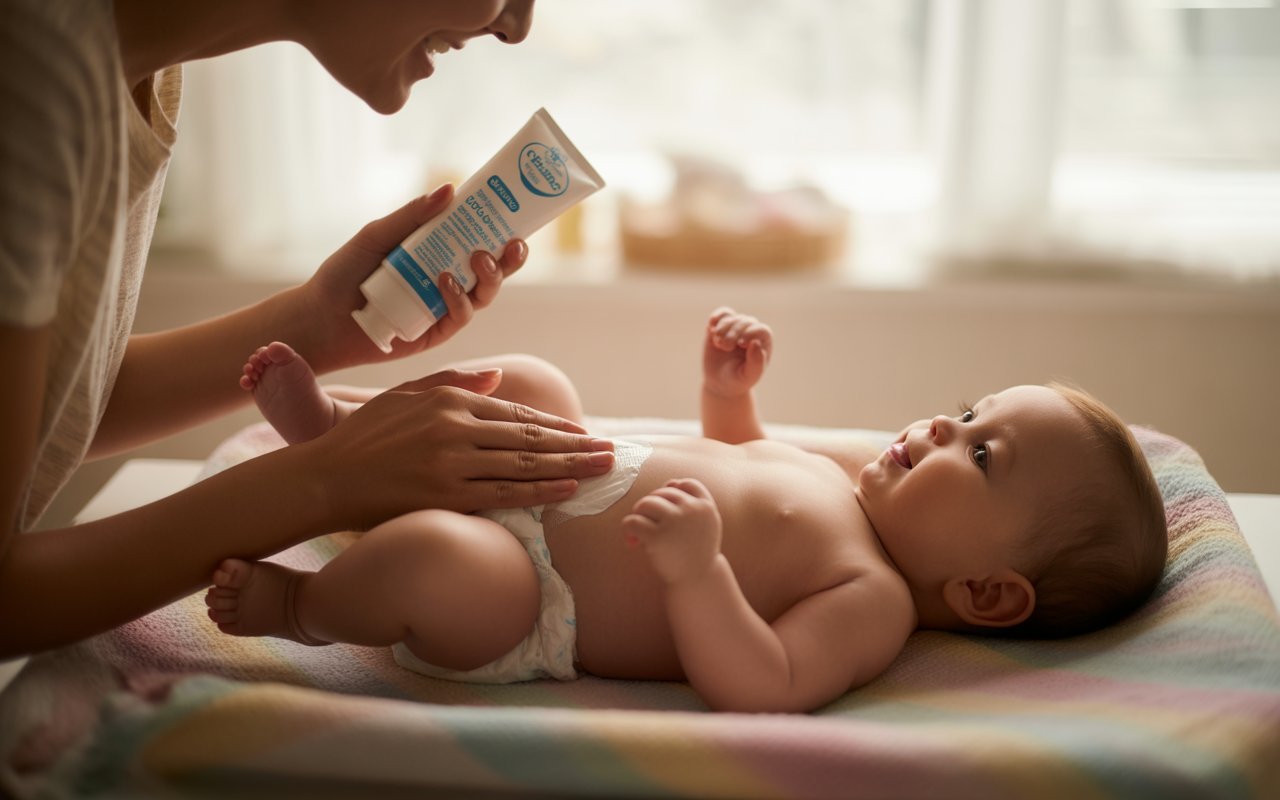
Diaper cream stands as one of those essential baby care products that seems straightforward until you’re actually standing over a changing table with a squirming baby. The white, thick substance sits there in its tube, and suddenly you’re wondering exactly how much to use, where to apply it, and whether you’re doing it right. Every parent faces this moment of uncertainty, particularly during those first weeks home with a newborn.
The proper application of this protective barrier makes a significant difference in your baby’s comfort and skin health. Too little leaves vulnerable skin unprotected, while excessive amounts create their own problems. The technique you use, the timing of applications, and even the way you store the product all play roles in its effectiveness. Small adjustments in your approach can prevent painful rashes, reduce crying during changes, and save money on wasted product.
Throughout the following sections, we’ll walk through everything from recognizing when your baby needs protection to mastering the actual application technique. You’ll discover the differences between various cream types, learn to spot common application mistakes, and understand how to maintain healthy skin between treatments. Let’s transform this daily task from a source of uncertainty into a confident part of your care routine.
Understanding When Your Baby Needs Diaper Cream

Recognizing the early warning signs
Your baby’s skin communicates its needs clearly once you know what to look for. The earliest indicators often appear as slight pinkness in the diaper area, particularly where skin folds create moisture pockets. This mild discoloration might disappear within minutes of removing the diaper, but it signals that protective measures would be beneficial.
Watch for increased fussiness during diaper changes, even when the skin looks relatively normal. Babies often feel discomfort before visible irritation appears. They might arch their backs, cry more intensely than usual during changes, or resist having their legs lifted. These behavioral cues suggest sensitive skin that would benefit from a protective barrier.
Determining preventive versus treatment approaches
Prevention requires a different strategy than treating existing irritation. For preventive care, a thin layer applied during every change or every other change works well, particularly for babies prone to sensitivity. The goal isn’t complete coverage but rather strategic protection where wetness typically accumulates.
Treatment applications demand thicker coverage and more frequent reapplication. Active rashes need generous amounts of cream to create a healing environment. You might apply cream at every single change, including overnight changes you’d normally skip. The visible white layer should remain after application, acting as both treatment and barrier.
Some parents reserve cream only for visible problems, while others prefer consistent preventive use. Your approach depends on your baby’s skin sensitivity, the frequency of rashes, and your pediatrician’s recommendations. Babies with frequent issues often benefit from regular preventive applications, while those with resilient skin might only need occasional treatment.
Understanding different rash situations
Not all redness requires the same response. Simple irritation from wetness typically appears as general pinkness without defined borders. This mild irritation responds well to standard zinc oxide creams and improved air circulation. You’ll notice improvement within a day or two of consistent application.
Friction rashes develop where the diaper rubs against skin, creating red marks along the waistband or leg openings. These areas need both cream protection and potentially a different diaper fit. Consider whether the current size creates unnecessary rubbing, especially if your baby recently gained weight or became more active.
Timing your applications effectively
The timing of cream application affects its protective capabilities. Applying immediately after thorough cleaning and drying provides the best protection. Wet or damp skin prevents proper adhesion, reducing the cream’s effectiveness. Pat the area completely dry or allow brief air drying before application.
Nighttime presents unique challenges since babies often sleep longer stretches without changes. A slightly thicker application before bed provides extended protection during these longer periods. Some parents apply an extra layer just before their own bedtime if they’ve already put the baby down for the night.
Consider your baby’s patterns too. If bowel movements typically occur at predictable times, applying protective cream beforehand prevents irritation from prolonged contact. This proactive approach works particularly well during growth spurts or dietary changes when stool frequency or consistency changes.
Choosing the Right Type of Diaper Cream for Your Baby

Comparing zinc oxide and petroleum-based formulas
The primary protective ingredient determines how a cream performs on your baby’s skin. Zinc oxide creates a thick, white barrier that sits on top of the skin, deflecting moisture and irritants. These formulas typically contain 10-40% zinc oxide, with higher percentages providing stronger protection but being harder to spread.
Petroleum-based options form a different type of barrier, sealing in the skin’s natural moisture while keeping wetness out. These products spread more easily and don’t leave the characteristic white residue. They work well for mild prevention but might not provide sufficient protection for active rashes.
Evaluating thickness and consistency options
Cream consistency directly impacts application ease and protective capabilities. Thick pastes provide maximum protection but require patience to spread evenly. They work best dotted across the area then gently spread, rather than rubbed in like lotion.
Which consistency matches your needs? Consider these factors:
Thick Pastes: Best for overnight protection and treating existing rashes
Medium Creams: Ideal for daily preventive care and moderate irritation
Thin Lotions: Suitable for sensitive skin needing light, breathable protection
Spray Options: Convenient for squirmy babies but may provide less coverage
Your choice might change as your baby grows. Newborns with frequent changes might need thicker protection, while active toddlers benefit from quick-spreading formulas that don’t slow down diaper changes.
Identifying beneficial and problematic ingredients
Reading ingredient labels helps you select products that support your baby’s skin health. Beneficial additions include aloe vera for soothing, calendula for healing, and beeswax for natural protection. These ingredients complement the main barriers without causing sensitivity in most babies.
Potentially problematic ingredients vary by individual sensitivity. Fragrances, even natural ones, can irritate delicate skin. Preservatives like parabens concern some parents, though reactions remain rare. Dyes serve no protective purpose and occasionally cause reactions in sensitive babies.
Essential oils present a complex consideration. While lavender or chamomile might seem soothing, concentrated plant oils can trigger reactions in young skin. Pediatric dermatologists often recommend avoiding essential oils in products for babies under six months.
Choosing between natural and medicated options
Natural creams rely on physical barriers and plant-based soothers without pharmaceutical ingredients. They work well for prevention and mild irritation, appealing to parents preferring minimal intervention. Ingredients might include coconut oil, shea butter, and beeswax alongside zinc oxide.
Medicated options contain antifungal or mild corticosteroid ingredients for stubborn rashes. These require careful use according to package directions or pediatrician guidance. They shouldn’t replace regular preventive cream but rather serve as targeted treatment when simpler methods fail.
The choice between natural and medicated doesn’t always divide cleanly. Many effective creams combine zinc oxide’s proven protection with natural soothing ingredients. Your pediatrician can recommend whether your baby’s specific situation warrants medicated treatment or if natural barriers suffice.
Step-by-Step Application Techniques
Setting up your changing station
A well-organized changing area makes proper cream application easier and more hygienic. Keep cream within arm’s reach but away from the baby’s grabbing zone. Room temperature cream spreads more easily than cold product straight from a chilly nursery.
Position all supplies before beginning the change. You’ll need wipes or warm washcloths, fresh diapers, cream, and perhaps a small spatula or cotton swab for hygienic application. Having everything ready prevents fumbling with one hand while keeping your baby secure with the other.
Mastering the cleaning process first
Thorough cleaning before cream application prevents trapping bacteria or irritants against the skin. Use gentle, fragrance-free wipes or soft washcloths with warm water. Wipe from front to back, paying attention to skin folds where moisture and waste collect.
After cleaning, the drying step proves equally important. Moisture trapped under cream can worsen irritation rather than prevent it. Pat gently with a soft towel or tissue, or fan the area briefly with a clean diaper. Some parents keep a dedicated soft washcloth just for drying to avoid the lint that paper products sometimes leave.
The temperature of cleaning materials matters too. Cold wipes shock sensitive skin and might cause your baby to tense up, making thorough cleaning harder. Room temperature or slightly warm wipes create a more comfortable experience for everyone involved.
Determining the right amount
Finding the sweet spot between too little and too much takes practice. For prevention, aim for a translucent layer that covers the vulnerable areas without creating a thick white mask. You should see the cream but still make out skin tone underneath.
Treatment applications require more generous amounts. The cream should create an opaque layer that clearly coats all affected areas. Think of it as frosting a cake – complete coverage without excessive thickness that might interfere with the diaper’s absorbency.
Start with a amount roughly the size of a small grape for newborns, adjusting based on your baby’s size and the area needing coverage. Larger babies or those with extensive irritation need proportionally more. Better to start conservative and add more than to waste product trying to wipe away excess.
Perfecting your spreading technique
Application technique affects both effectiveness and your baby’s comfort. Avoid rubbing cream into the skin like lotion. Instead, pat and spread gently, allowing the product to sit on top of the skin as a barrier. Vigorous rubbing can further irritate already sensitive areas.
Work systematically across the diaper area. Start with the most affected zones, then spread outward to create complete coverage. Pay special attention to creases and folds where moisture accumulates – the groin area, between buttocks, and along the inner thighs.
For thick pastes that resist spreading, try the dot technique. Place small amounts across the area needing protection, then gently connect the dots with a patting motion. This method ensures even coverage without excessive manipulation of tender skin.
Consider using application tools for extra hygiene. A small silicone spatula, wooden tongue depressor, or even a cotton swab keeps your hands cleaner and might feel gentler on sore skin. Some parents dedicate a small spatula specifically for this purpose, washing it after each use.
Common Mistakes and How to Fix Them
Avoiding quantity errors
Many parents struggle with determining appropriate amounts, leading to waste or inadequate protection. Using excessive cream creates several problems beyond simple waste. Thick layers can prevent diapers from absorbing properly, leading to leaks and even more skin contact with moisture. The excess also transfers to clothing, creating stubborn stains that frustrate parents.
Too little cream fails to create an effective barrier, essentially wasting the effort of application. Sparse coverage leaves gaps where irritants reach skin, particularly in creases that need the most protection. You might think you’re saving product, but inadequate application often leads to rashes that require more intensive treatment later.
Addressing missed areas and coverage gaps
Certain areas consistently get overlooked during application, leaving vulnerable spots unprotected. The inner thigh creases, where leg elastic creates folds, frequently develop irritation when missed. The lower back area, just above the buttocks, catches moisture from loose stools or when babies lie on their backs.
Visual inspection after application helps identify missed spots. The cream should create continuous coverage across all areas that contact moisture or the diaper itself. If you notice red marks developing in specific patterns, adjust your application technique to include those zones.
Gender differences affect which areas need emphasis. Girls need careful attention to labial folds without getting cream inside the vaginal area. Boys require coverage around the scrotum and penis base, where moisture collects. These anatomical differences mean your technique might differ from friends with opposite-gender babies.
Correcting application timing problems
Timing errors reduce cream effectiveness and can worsen skin problems. Applying cream to damp skin prevents proper adhesion, causing the barrier to break down quickly. The moisture trapped underneath can actually intensify irritation. Always ensure complete drying before application, even if it means a slightly longer changing process.
Waiting too long between identifying irritation and beginning treatment allows problems to worsen. Early intervention with the first signs of pinkness prevents painful rashes that take days to heal. Keep cream accessible in multiple locations – changing table, diaper bag, car – to avoid delays when you notice developing irritation.
Some parents only apply cream during daytime changes, skipping overnight applications to avoid disrupting sleep. However, the extended contact during long sleep stretches often causes the worst irritation. A protective layer before bed prevents problems that would otherwise develop by morning.
Maintaining hygiene and storage standards
Cross-contamination from fingers repeatedly entering the cream container introduces bacteria that can complicate skin issues. Each time you dip directly into the jar, you transfer microorganisms from your hands and the baby’s skin into the product.
Here’s how to maintain better hygiene:
Squeeze tubes: Minimize contamination compared to jars
Single-use amounts: Squeeze onto a clean surface first
Application tools: Use spatulas or swabs instead of fingers
Hand washing: Clean hands before and after each application
Container care: Wipe jar threads and cap areas regularly
Storage conditions affect cream consistency and effectiveness. Heat causes separation and thinning, while cold makes spreading difficult. Store cream at room temperature, away from heating vents or sunny windows. Bathroom storage might seem convenient, but humidity from showers can affect product quality.
Check expiration dates regularly, especially for natural products with fewer preservatives. Expired cream might lose effectiveness or develop bacteria. Mark opening dates on containers, as some products have different shelf lives once opened versus sealed.
Maintaining Healthy Skin Between Applications
Your approach to diaper changes between cream applications significantly impacts overall skin health. Quick changes after bowel movements prevent prolonged contact with irritants. Even the best barrier cream can’t fully protect against extended exposure to stool, particularly when your baby begins eating solid foods.
Optimizing diaper change frequency
Frequent changes reduce moisture exposure and irritation risk. Newborns might need 10-12 changes daily, while older babies typically require 6-8. Rather than following rigid schedules, respond to your baby’s individual patterns and needs.
Check diapers every two hours during waking periods, even if they don’t seem full. Modern super-absorbent diapers can mask wetness while still maintaining a humid environment against the skin. The goal isn’t just removing waste but also allowing air circulation and reducing moisture buildup.
Incorporating air drying benefits
Brief periods without any diaper allow complete drying and healing. Place your baby on waterproof pads during tummy time or after bath time, letting air reach the entire diaper area. Even five minutes of exposure makes a difference for irritated skin.
Creating opportunities for air exposure throughout the day speeds healing and prevents future problems. Some parents establish “naked time” as part of the daily routine, perhaps before the evening bath when cleanup is convenient. Lay towels on the floor and let your baby play diaper-free while you supervise.
Selecting compatible diaper products
The interaction between cream, diapers, and wipes affects skin health. Some diaper brands work better with certain cream types. Ultra-absorbent diapers might pull moisture from cream barriers, while others maintain better compatibility. If persistent rashes develop despite good cream application, try switching diaper brands.
Wipe selection matters equally. Alcohol-free, fragrance-free options reduce irritation risk. Some parents find that water wipes or homemade cloth wipes with plain water work better than commercial products during rash flare-ups. The gentler the cleaning method, the less stress on healing skin.
Recognizing when professional help is needed
Certain symptoms indicate issues beyond simple diaper rash that require pediatric evaluation. Blisters, open sores, or bleeding need professional assessment. Rashes that worsen despite consistent cream application might indicate yeast infections or bacterial involvement requiring prescription treatment.
Fever accompanying a diaper rash suggests possible infection. Rashes extending beyond the diaper area or featuring unusual colors like bright red or purple warrant medical attention. Trust your instincts – if something seems wrong despite your best care efforts, consult your pediatrician.
Your healthcare provider can prescribe stronger treatments when over-the-counter creams prove insufficient. They might recommend antifungal creams for persistent yeast infections or mild corticosteroids for severe inflammation. Professional guidance ensures you’re addressing the actual cause rather than just treating symptoms.
Your Baby’s Comfort Starts With Your Confidence
Mastering diaper cream application transforms a potentially stressful task into a confident part of your care routine. The techniques you’ve learned – from recognizing early irritation signs to perfecting your spreading method – build a foundation for maintaining healthy baby skin. Small adjustments in your approach, like ensuring complete drying before application or using the right amount of product, make substantial differences in prevention and treatment effectiveness.
Your growing expertise in selecting appropriate creams, timing applications correctly, and maintaining proper hygiene between changes creates a comprehensive care system. Whether preventing irritation during overnight stretches or treating unexpected rashes, you now have the knowledge to protect your baby’s delicate skin effectively. The combination of proper technique, quality products, and attentive care keeps your baby comfortable while potentially saving money on unnecessary pediatric visits and wasted products.
Frequently Asked Questions
Q: How long should I wait for diaper cream to dry before putting on a fresh diaper?
A: Diaper cream doesn’t need to dry completely before putting on a fresh diaper. The cream should remain as a visible barrier on the skin. Simply apply the cream and immediately put on the new diaper – the protective layer works best when it stays moist and thick rather than drying out.
Q: Can I use diaper cream on newborns right from birth?
A: Yes, you can use diaper cream on newborns from day one, especially if you notice any redness or to prevent irritation. Choose gentle, fragrance-free formulas with zinc oxide for newborn skin. Many hospitals actually encourage preventive use from the start, particularly for babies with sensitive skin.
Q: Should diaper cream be white and visible after application?
A: For treatment of existing rashes, yes – a visible white layer indicates adequate coverage and protection. For prevention, a thinner, less visible layer works fine. The visibility depends on your cream’s zinc oxide concentration and your baby’s current needs.
Q: Is it bad to use diaper cream at every single diaper change?
A: Using cream at every change isn’t harmful if your baby has sensitive skin or frequent rashes. Some babies benefit from consistent prevention, while others only need occasional application. Watch your baby’s skin response and adjust frequency accordingly.
Q: Why does diaper cream seem to make my baby’s rash worse?
A: Worsening rashes might indicate a yeast infection that requires antifungal treatment rather than regular barrier cream. Also check if you’re trapping moisture by applying cream to damp skin, or if your baby has sensitivity to specific ingredients in that particular brand.
Q: Can I mix different types of diaper cream together?
A: While not harmful, mixing creams isn’t recommended as it can dilute their effectiveness. Different formulas have specific concentrations designed to work optimally alone. If one cream isn’t working, switch completely rather than combining products.
Q: How can I remove stubborn diaper cream from my baby’s skin?
A: Use a small amount of coconut oil, olive oil, or baby oil on a soft cloth to gently dissolve stubborn cream. The oil breaks down the zinc oxide barrier more effectively than soap and water alone, making removal gentler on sensitive skin.
Q: Does the brand of diaper cream really matter?
A: While many brands contain similar active ingredients like zinc oxide, the concentration, additional ingredients, and consistency vary significantly. What works perfectly for one baby might not suit another. Focus on the ingredient list and your baby’s response rather than brand names alone.