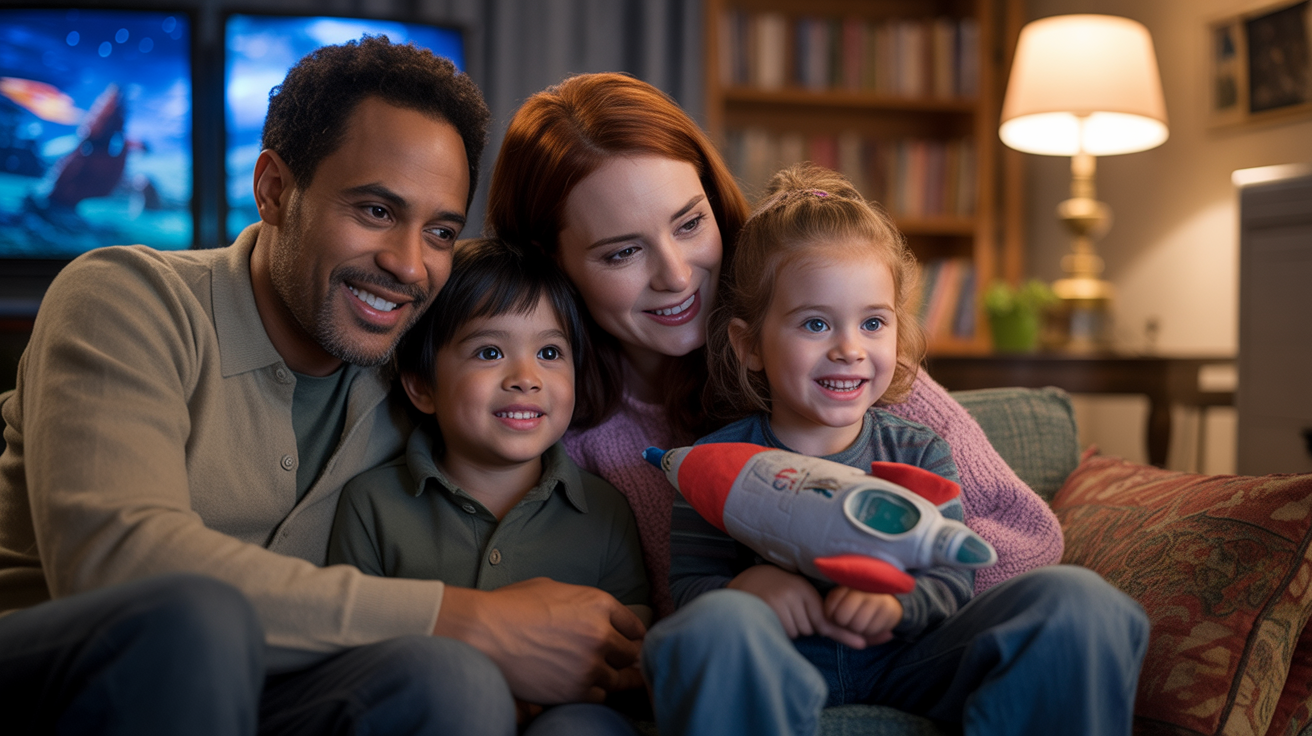
Remember when the whole family would gather around one TV to watch shows together? Those days feel like ancient history now that everyone has their own device and streaming queue. But here’s something I’ve discovered as a parent: there’s something truly special about introducing your kids to the classic shows you grew up with.
You know what’s amazing? When you put on an old episode of “The Brady Bunch” or “Little House on the Prairie,” suddenly you have your kids’ full attention in a way that’s hard to achieve these days. They’re not scrolling through their phones or asking to switch to something else every five minutes. Instead, they’re actually asking questions about the characters and wanting to know what happens next.
I’ve found that these vintage shows create conversations that just don’t happen with modern programming. My kids have learned more about problem-solving and family values from watching Lucy Ricardo’s latest scheme than from any lecture I could give them. And the best part? They actually want to watch these shows with me.
Let me share what I’ve learned about making classic TV a meaningful part of your family time, which shows work best for different ages, and how to turn this into a tradition your kids will remember long after they’ve moved out.
- Why Classic Shows Create Stronger Family Bonds
- Which Old TV Shows Work Best for Different Ages
- How to Make Old TV Watching a Family Tradition
- What Modern Parents Learn from Vintage Television
- How to Find and Access Classic Shows Today
- Creating Lasting Memories Through Shared Stories
- Frequently Asked Questions
Why Classic Shows Create Stronger Family Bonds
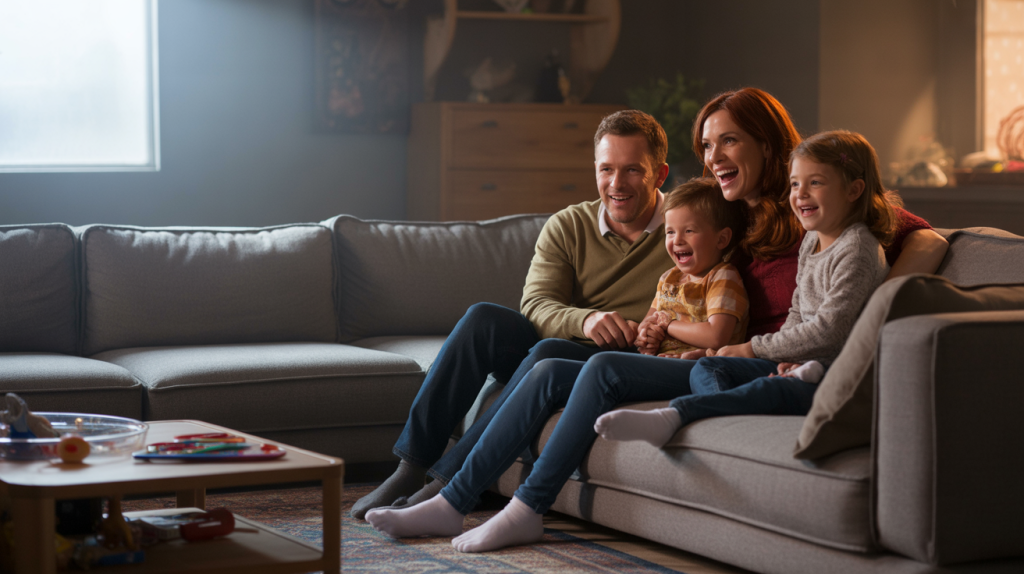
Here’s what I love about older TV shows: they actually give you time to breathe. Unlike today’s fast-paced programming that jumps from scene to scene, classic shows take their time developing stories. This means you can pause to explain something, ask your child what they think will happen next, or just enjoy a good laugh together without missing crucial plot points.
Timeless Values and Life Lessons
The families in these old shows deal with problems we still face today, just without smartphones and social media complicating everything. When the Waltons work through a family disagreement or when Andy Taylor helps Opie learn from a mistake, these moments give you perfect opportunities to talk about your own family values.
What I appreciate most is how clear-cut the moral lessons are. Kids today are bombarded with complex, ambiguous storylines, but classic shows usually have pretty straightforward messages about doing the right thing. It’s refreshing, and it gives you concrete examples to reference later when real-life situations come up.
Slower Pacing Allows for Discussion
I can’t tell you how many times we’ve paused an episode to talk about what just happened. Try doing that with a modern show – you’ll lose the thread completely. But with classic programming, that slower pace actually encourages conversation. My kids feel comfortable asking questions or sharing their thoughts without worrying they’ll miss something important.
This has been especially helpful for my youngest, who sometimes struggles to follow complex storylines. The straightforward pacing of older shows helps him stay engaged and actually understand what’s happening, which builds his confidence as a viewer.
Characters Become Family Conversation Starters
I never expected this, but characters from these shows have become part of our family vocabulary. When one of my kids is being particularly dramatic, we might joke about them “pulling a Lucy.” When they need to think through a problem, I’ll ask what they think Andy Griffith would do.
These aren’t just silly references – they’re actually helpful frameworks for discussing real issues. My daughter really connected with Laura Ingalls’ determination, and now when she’s facing a challenge, she’ll sometimes say she needs to “be like Laura.” It gives her a concrete example of perseverance to draw from.
Building Traditions Around Viewing Time
We’ve made Sunday evening our classic TV time, and my kids actually look forward to it now. There’s something comforting about the predictability – both in the routine and in the shows themselves. Unlike modern series that might kill off beloved characters or take dark turns, classic shows offer emotional security that my kids really appreciate.
This routine has become one of our most treasured family traditions. Even my teenager, who initially rolled her eyes at watching “old shows,” now suggests which episodes we should watch next.
Which Old TV Shows Work Best for Different Ages
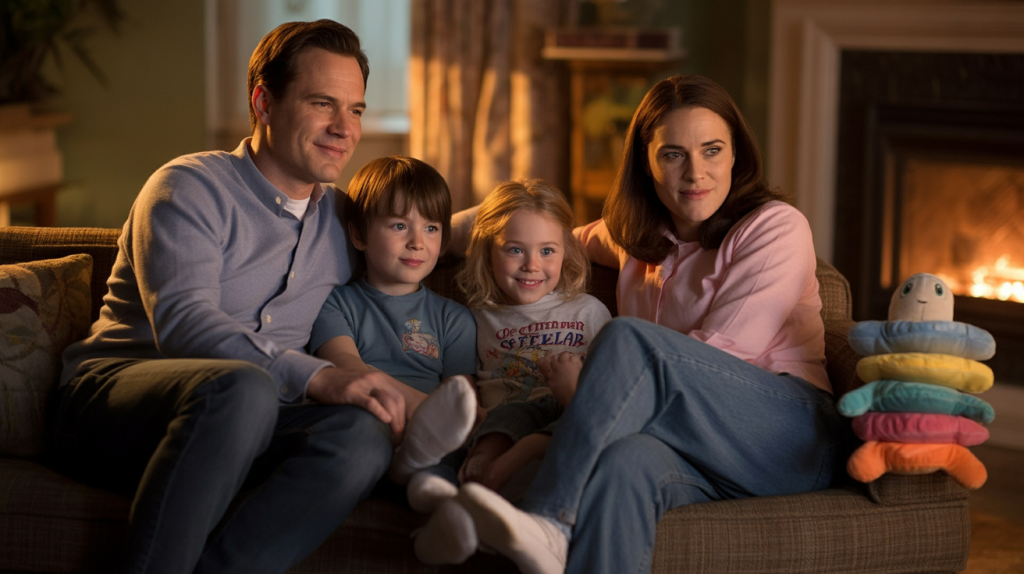
Not every classic show is right for every age group, and I’ve learned this through some trial and error. Here’s what I’ve found works best for different stages of childhood.
Preschoolers and Early Elementary Shows
For little ones, you really can’t beat “Mister Rogers’ Neighborhood.” I know it seems obvious, but there’s a reason this show has endured. Fred Rogers had an incredible gift for addressing the exact concerns preschoolers have, and his gentle approach helps kids process their emotions in healthy ways.
“Sesame Street” from the 70s and 80s moves at a much more reasonable pace than today’s version. My four-year-old can actually follow along and absorb the lessons instead of being overwhelmed by rapid-fire entertainment. “The Electric Company” is fantastic for kids who are starting to read – the wordplay and humor keep them engaged while they’re learning.
Middle School Appropriate Classics
This is where family-centered shows really shine. “The Brady Bunch” might seem cheesy to us adults, but kids this age are dealing with sibling rivalry, blended family dynamics, and everyday social challenges that the Brady kids faced too. It’s surprisingly relevant.
“Family Ties” and “Growing Pains” work well for slightly older elementary kids who are ready for more complex family situations but still want wholesome content. The adventure series like “Hardy Boys” or “Nancy Drew” are perfect for kids who want excitement without the violence or mature themes of modern action shows.
Teen-Friendly Retro Series
Teenagers can be the trickiest audience, but I’ve had great success with “The Wonder Years.” There’s something about that nostalgic perspective on adolescence that both parents and teens can appreciate. It helps my teenager understand that the awkwardness and confusion of growing up isn’t unique to her generation.
“Happy Days” and “Laverne & Shirley” offer glimpses into different time periods while dealing with universal themes of friendship and coming-of-age. These shows help teens see that many of their concerns are timeless, which can be oddly comforting.
Shows That Span Multiple Age Groups
“I Love Lucy” has been our biggest hit across all age groups. The physical comedy cracks up my youngest while the relationship dynamics between Lucy and Ricky give my older kids plenty to think about. “The Andy Griffith Show” works similarly well – gentle humor that appeals to everyone plus life lessons that don’t feel preachy.
These are the shows that become family favorites, the ones your kids will request again and again. They create shared references and inside jokes that strengthen your family bond over time.
How to Preview Content for Appropriateness
I learned this lesson the hard way: just because a show is “classic” doesn’t mean every episode is appropriate for family viewing. Some older shows reflect attitudes and social norms that we’ve thankfully moved beyond. I always try to preview episodes first, especially if I’m not familiar with the series.
There are great online resources with episode guides and parent reviews that can save you time. Sometimes I’ll use questionable content as a teaching moment about how society has evolved, but that depends on my kids’ maturity levels and our family’s comfort with those discussions.
How to Make Old TV Watching a Family Tradition
Turning occasional viewing into a meaningful tradition takes some intentionality, but it’s absolutely worth the effort. Here’s what has worked for our family.
Setting Up Regular Viewing Schedules
Consistency is everything. We picked Sunday evenings because it’s naturally a quieter time in our house, and everyone can participate without feeling rushed. I let the kids take turns choosing what we watch, which gives them ownership in the tradition and prevents it from feeling like something I’m imposing on them.
Weekend mornings have also worked well for us, especially during school breaks. There’s something cozy about starting the day with a classic show and breakfast together.
Creating Discussion Rituals Around Episodes
The conversations that happen during and after these shows often end up being more valuable than the entertainment itself. We’ve developed some simple discussion starters that work well:
- Which character do you think handled the situation best?
- How else could they have solved this problem?
- What lesson did this episode teach us?
- Has anything like this happened in our family?
- How was life different when this show was made?
The key is asking questions rather than lecturing. I want my kids to share their own thoughts and perspectives, not just listen to mine.
Connecting Show Themes to Real Life
These shows have given us a shared language for discussing real-life situations. When conflicts come up between my kids, I might reference how the Brady family handled disagreements. It feels less confrontational than direct advice while still providing guidance.
This approach has been particularly helpful during difficult parenting moments. Instead of launching into a lecture, I can reference a character or situation we’ve watched together, and my kids immediately understand what I’m talking about.
Making It Special with Snacks and Comfort
We’ve turned our viewing time into mini-events with special snacks and cozy arrangements. Sometimes we’ll make popcorn for “The Andy Griffith Show” or hot chocolate for “Little House on the Prairie.” These small touches signal that this time is special and different from regular TV watching.
My kids have started requesting specific snacks for specific shows, which has become part of the tradition itself. It’s amazing how these little details make the experience more memorable and meaningful.
What Modern Parents Learn from Vintage Television
Watching these old shows with my kids has actually taught me quite a bit about parenting. The family dynamics portrayed in classic programming offer different perspectives on handling common challenges that we still face today.
Different Parenting Styles Shown on Screen
Characters like Ward Cleaver and Andy Taylor demonstrate patience and consistency that I try to emulate in my own parenting. They prioritize teaching over punishment and approach childhood misbehavior with calm thoughtfulness. These examples have given me concrete models for handling difficult moments with my own kids.
Watching different parenting styles on screen has helped me reflect on my own approaches and consider alternative methods. My kids benefit from seeing various ways that families communicate and solve problems together.
How Families Communicated in Past Decades
What strikes me most about family communication in classic shows is how naturally it happens. Conversations occur around dinner tables, during daily activities, and through shared experiences rather than in scheduled family meetings. This integration of communication into daily life has inspired me to look for more natural opportunities to connect with my kids.
The communication patterns in these shows emphasize listening, asking questions, and working through problems together rather than parents simply dictating solutions. These approaches have improved our family dynamics when I’ve adapted them to our contemporary situations.
Problem-Solving Approaches from Simpler Times
Classic shows present straightforward approaches to common problems that cut through the complexity of modern parenting advice. Characters rely on common sense, honest conversation, and natural consequences rather than elaborate behavioral management systems.
These simplified approaches have helped me focus on core principles rather than getting lost in competing parenting philosophies. The emphasis on character development over material solutions provides refreshing perspectives on childhood challenges.
Values That Remain Relevant Today
Themes of honesty, responsibility, kindness, and perseverance appear consistently across classic programming regardless of the specific time period or family structure. These enduring values provide stable foundations that transcend changing social circumstances and technological advances.
I use these timeless themes to help my children understand that certain principles remain constant even as the world around them changes rapidly. This stability provides comfort and guidance in uncertain times.
How to Find and Access Classic Shows Today
Finding and watching vintage television has become much easier with digital platforms, though some shows remain more accessible than others. Here are the options I’ve explored for building our classic TV collection.
Streaming Platforms with Retro Content
Major streaming services like Netflix, Hulu, and Amazon Prime have started including more classic programming in their libraries. The selection rotates regularly, so family favorites might be available for extended periods before disappearing again.
I’ve also discovered specialized streaming services that focus specifically on retro content. These platforms often have better selection for families seeking specific classic programs that major services might not carry consistently.
DVD Collections and Library Resources
Our public library has been an incredible resource. They maintain DVD collections of classic television series that we can borrow at no cost. This lets us preview shows before purchasing and gives us access to complete seasons without monthly subscription fees.
I’ve also started building our own DVD collection for shows that have become family favorites. Used DVD sets often cost much less than new versions while providing the same viewing experience.
Free Viewing Options Available Online
Several websites offer classic television episodes at no cost, though video quality and selection vary significantly. YouTube sometimes features complete episodes or collections of classic shows, particularly older programs whose copyrights have expired.
I’m always careful about licensing and try to stick to official channels when possible. Some content creators have made their work available through legitimate means, which is always preferable.
Creating Your Own Digital Collection
For shows that have become family traditions, I’ve considered purchasing digital versions for permanent access. Downloaded episodes remain available regardless of streaming service changes and can be accessed without internet connectivity.
This approach works particularly well for shows that my kids request repeatedly over time. Having reliable access means we can maintain our viewing traditions without worrying about shows disappearing from streaming platforms.
Balancing Old and New Content
While classic shows offer unique benefits, I try to maintain balance with contemporary programming so my kids don’t feel disconnected from their peers’ cultural references. We alternate between classic and current shows or designate specific times for each type of content.
This approach allows us to enjoy the benefits of both without creating artificial divisions between old and new entertainment options.
Creating Lasting Memories Through Shared Stories
The hours we’ve spent watching classic television together have transformed into some of our most cherished family memories. These shared experiences create common reference points and inside jokes that continue to strengthen our family bonds long after the credits roll.
What surprises me most is how vividly my kids remember these viewing sessions compared to expensive outings or elaborate entertainment purchases. There’s something powerful about the simple act of gathering around familiar characters and storylines that creates space for conversation, laughter, and learning in our busy lives.
Classic shows have provided our family with accessible, low-cost opportunities to build meaningful connections in a world that often feels hurried and disconnected. These moments of togetherness have become the foundation for relationships that I hope will endure as my children grow and our family changes.
Frequently Asked Questions
How do I know if a classic TV show is appropriate for my child’s age?
I always preview episodes myself first and check online parent reviews and episode guides for content warnings. Classic shows sometimes have different standards than modern programming, so what seems family-friendly might include outdated attitudes that need explanation.
What if my children don’t initially enjoy watching older shows?
Start with shorter episodes or shows with more visual comedy like “I Love Lucy.” Let your kids help choose which shows to try, and don’t force viewing if they’re genuinely uninterested. Sometimes it takes several attempts before children warm up to different pacing and styles.
Are classic TV shows available on most streaming services?
Availability varies significantly between platforms and changes frequently. I recommend checking multiple services, considering specialized retro streaming platforms, or exploring library DVD collections for more consistent access to specific shows.
How can I use old TV shows to teach my children about history?
Many classic shows reflect the time periods when they were made, offering glimpses into different eras’ clothing, technology, and social attitudes. I use these elements as conversation starters about how life has changed over time.
Should I explain outdated attitudes or content when we encounter them?
Yes, but age-appropriately. I use these moments as opportunities to discuss how society has evolved and why certain attitudes or behaviors shown aren’t acceptable today. These discussions help children develop critical thinking skills.
How often should we watch classic shows together?
Consistency matters more than frequency. Whether it’s weekly, monthly, or just during school breaks, regular scheduling helps establish the tradition and builds anticipation for family viewing time.
What if classic shows seem too slow-paced for my children?
Start with shows that have more action or comedy, and gradually introduce slower-paced programs. Some children need time to adjust to different storytelling styles, especially if they’re accustomed to rapid-fire modern entertainment.
Can watching old TV shows really improve family communication?
Absolutely. Shared viewing experiences provide natural conversation starters and common reference points that families can use in daily life. Characters and storylines become part of family vocabulary for discussing real-life situations.
How do I handle episodes with content I disagree with?
You can skip those episodes, watch them with additional context and discussion, or use them as teaching moments about changing social values. The choice depends on your family’s comfort level and your children’s maturity.
Are there benefits to watching shows my parents watched as children?
Definitely. Multi-generational show sharing creates connections across family history and helps children understand their parents’ and grandparents’ experiences. These connections often strengthen extended family relationships.