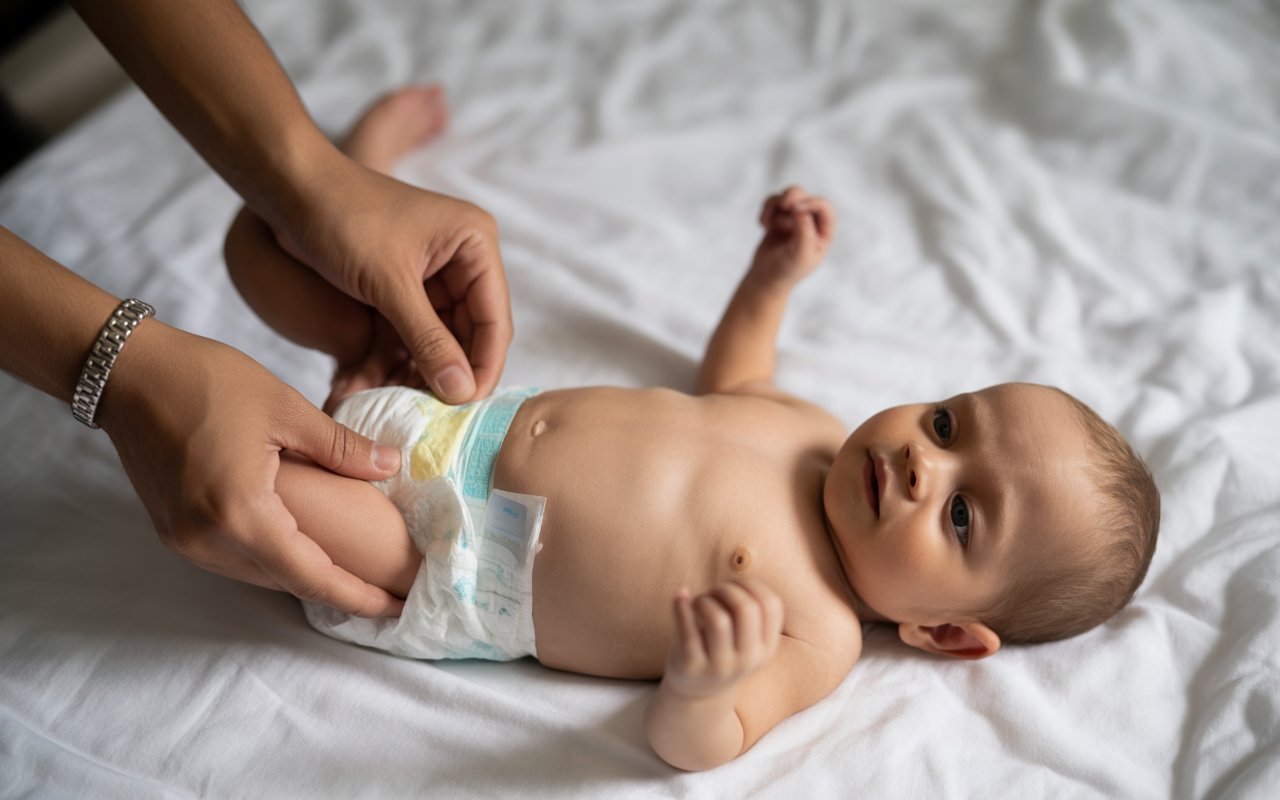
Preparing for a new baby feels like planning for a tiny person with surprisingly large needs. Among the countless decisions you’ll make before your little one arrives, figuring out diaper quantities might seem straightforward, yet many new parents find themselves either drowning in excess diapers or making frantic midnight runs to the store. The reality is that babies go through an astronomical number of diapers in those first few months, and having the right amount on hand can make those early days significantly less stressful.
Newborns typically require between 8 to 12 diaper changes daily, though this number varies based on feeding patterns, individual digestive systems, and whether you’re breastfeeding or formula feeding. This translates to roughly 280 to 360 diapers in your baby’s first month alone – a number that often surprises first-time parents. Beyond the sheer quantity, you’ll also need to consider that babies grow at different rates, making it tricky to predict exactly how long they’ll stay in newborn sizes versus when they’ll need size one.
Planning your diaper inventory involves more than just grabbing a few boxes from the store. You’ll want to understand usage patterns, storage solutions, shopping strategies, and the signs that indicate when your baby is ready for the next size. The following sections will walk you through everything from calculating your initial supply to recognizing when those newborn diapers no longer fit, helping you feel confident and prepared for this essential aspect of newborn care.
Understanding Newborn Diaper Usage Patterns
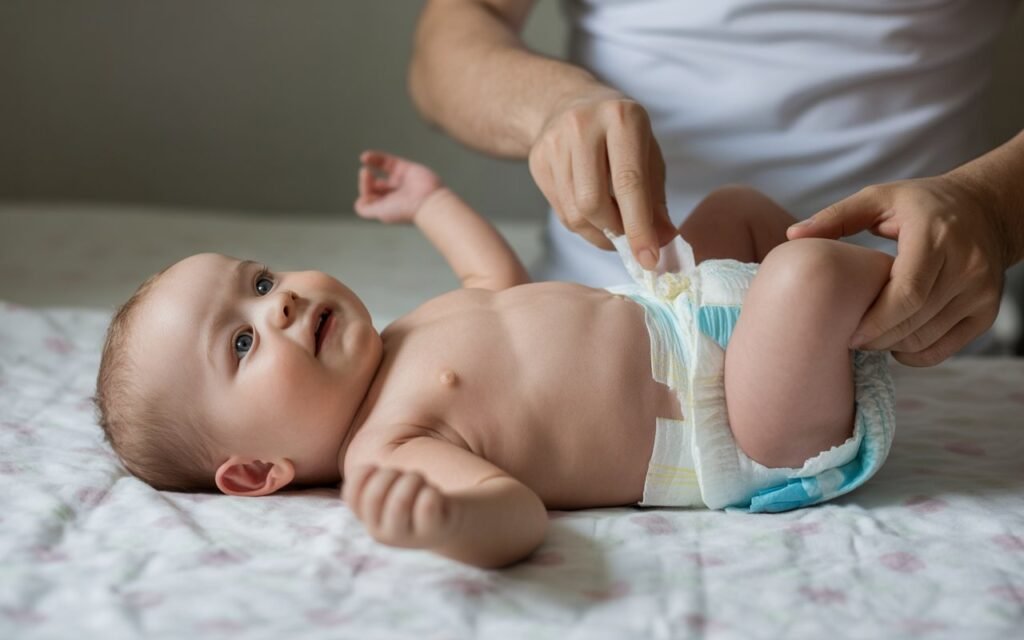
Those first few weeks home with your baby will introduce you to the surprising frequency of diaper changes. Most newborns require a fresh diaper every two to three hours, though some babies need changes even more frequently, especially during growth spurts or cluster feeding periods.
How many diapers newborns use per day
The average newborn goes through 10 to 12 diapers daily during the first month, though this number can fluctuate significantly. Breastfed babies often have more frequent bowel movements than formula-fed infants, sometimes requiring a change after every feeding session. During the first week, when meconium transitions to regular bowel movements, you might find yourself changing diapers even more frequently as your baby’s digestive system adjusts to life outside the womb.
Some babies are particularly sensitive to wetness and will cry immediately when their diaper needs changing, while others seem content to wait a bit longer. Your baby’s temperament plays a role in determining how many diapers you’ll actually use each day. Keeping track during the first few days helps establish your baby’s unique patterns.
Factors affecting diaper consumption
Several variables influence how quickly you’ll go through your diaper supply. Feeding method makes a substantial difference – breastfed babies typically have more frequent, smaller bowel movements compared to formula-fed babies who might have less frequent but larger ones. The type of formula can also affect frequency, with some varieties causing more digestive activity than others.
Temperature and hydration levels impact diaper usage too. During warmer months or in heated homes, babies might drink more and consequently need more frequent changes. Growth spurts, which commonly occur around two to three weeks, six weeks, and three months, often bring increased feeding and therefore increased diaper changes.
Your changing philosophy matters as well. Some parents prefer changing diapers at the slightest hint of wetness, while others wait until the diaper feels fuller. Neither approach is wrong, but they’ll significantly affect your daily diaper count.
The first weeks vs. later months
Diaper usage typically follows a predictable pattern as your baby grows. The highest consumption occurs during the first month, with 10 to 12 changes daily being standard. By month two, this often decreases slightly to 8 to 10 changes as bowel movements become less frequent and your baby’s bladder capacity increases.
Around three to four months, many parents notice a further reduction to 6 to 8 diapers daily. Your baby’s digestive system becomes more efficient, and longer stretches between feedings naturally lead to fewer diaper changes. This gradual decrease continues as your baby approaches their first birthday, though teething, illness, or dietary changes can temporarily increase usage.
Growth spurts and increased usage
Growth spurts bring temporary but noticeable increases in diaper consumption. During these intense developmental periods, babies feed more frequently – sometimes seeming to nurse or take bottles constantly. This increased input naturally leads to increased output, and you might find yourself changing diapers every hour or two during peak growth spurt days.
These periods typically last three to seven days, though some babies experience longer or more intense spurts. Common growth spurt timing includes:
Days 7-10: The first major growth spurt often catches parents off guard
Weeks 2-3: Another feeding frenzy period
Week 6: A particularly intense phase for many babies
Month 3: Often coincides with developmental leaps
Month 6: Usually accompanies starting solid foods
Recognizing these patterns helps you prepare mentally and practically for temporarily increased diaper needs without panicking that something is wrong.
Calculating Your Initial Diaper Supply
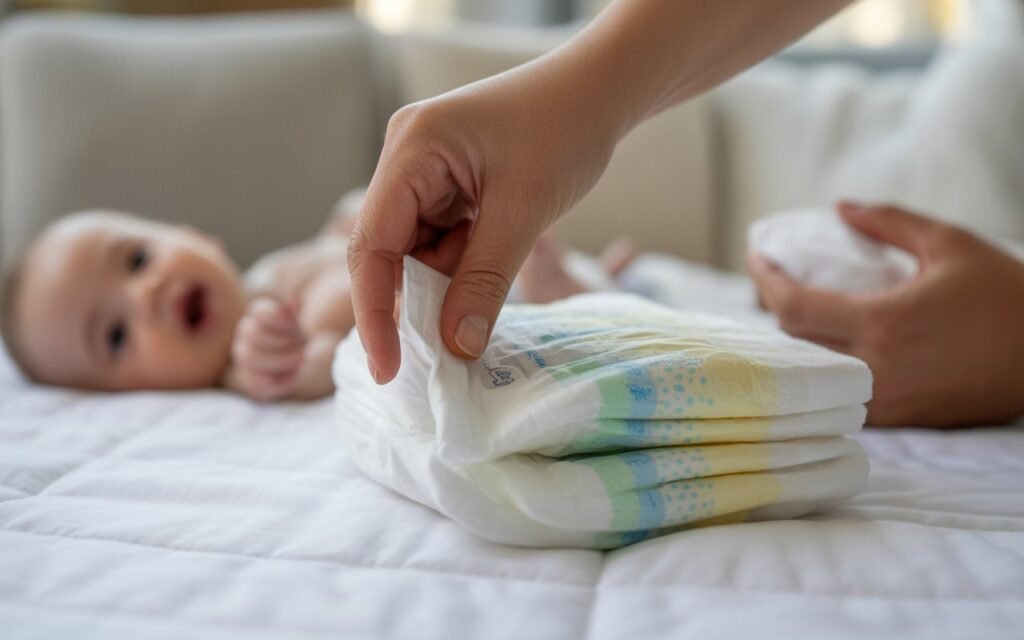
Mathematics might not be your favorite subject, but calculating diaper needs involves simple multiplication that can save you stress and money. Starting with realistic estimates based on average usage helps you avoid both shortage anxiety and storage overflow.
The mathematics of diaper planning
A practical approach starts with assuming 10 diaper changes daily for the first month – a middle ground that accounts for variation. Multiply this by 30 days, and you’re looking at approximately 300 newborn-size diapers for month one. However, not all babies follow averages, and your little one might be in newborn sizes for just two weeks or up to two months.
Most full-term babies weighing 6 to 9 pounds at birth stay in newborn diapers for three to four weeks. Using this timeframe, you’d need roughly 210 to 280 newborn diapers total. Many parents find purchasing 200 to 250 newborn diapers strikes the right balance, providing enough supply without excessive leftover inventory if your baby grows quickly.
Consider your shopping frequency too. If you enjoy weekly store trips or have easy access to delivery services, you might start with just 100 to 150 diapers. For those preferring to stock up or living far from stores, having 250 to 300 on hand provides a comfortable buffer.
How long babies stay in newborn sizes
Newborn diaper sizes typically fit babies up to 10 pounds, though fit varies by brand. Some manufacturers size their newborn diapers more generously, accommodating babies up to 12 pounds, while others run smaller. Your baby’s body shape influences fit as much as weight – long, lean babies might outgrow the rise (length) before reaching weight limits, while chunkier babies might need the next size for waist and thigh fit even if they’re under the weight maximum.
Birth weight offers clues about newborn diaper duration. Babies born at 6 pounds might wear newborn sizes for four to six weeks, while 8-pound newborns might transition to size one within two to three weeks. Premature babies often need newborn sizes longer, sometimes up to two months or more.
Watch for these signs that size one is approaching: red marks on thighs or waist, frequent leaks despite proper positioning, difficulty fastening tabs comfortably, or the diaper not covering your baby’s bottom completely. Having a small pack of size one diapers ready prevents emergency shopping trips when you realize the newborn size no longer works.
When to stock up vs. wait
Strategic purchasing balances preparation with flexibility. Before your baby arrives, consider buying 100 to 150 newborn diapers – enough for the first week or two without overwhelming commitment to a size your baby might quickly outgrow. This initial supply lets you gauge your baby’s actual usage patterns and growth rate.
After bringing your baby home and establishing their patterns, you can make more informed purchasing decisions. If your baby seems likely to stay in newborn sizes for several weeks based on their birth weight and growth curve, buying another 100 to 150 diapers makes sense. For rapidly growing babies, shifting focus to size one might be wiser.
Sales and bulk discounts tempt many parents to overbuy, but unopened diapers can often be exchanged for different sizes at many retailers. Check return policies before making large purchases, and keep receipts organized. Some stores offer particularly generous exchange policies for diapers, recognizing that size prediction challenges affect all new parents.
Storage considerations for bulk purchases
Finding space for hundreds of diapers requires creative storage solutions, especially in smaller homes or apartments. Diapers don’t require special storage conditions – just a dry, room-temperature space away from direct sunlight. This flexibility opens up numerous storage possibilities beyond the nursery.
Under-crib storage maximizes nursery space efficiently. Large, flat storage containers slide easily beneath most cribs, holding several hundred diapers while remaining accessible. Closet shelves, whether in the nursery, hallway, or your bedroom, offer another convenient option. Stack diaper packages by size, keeping the current size most accessible.
Many parents utilize unexpected spaces successfully. The top shelf of a linen closet, space above kitchen cabinets, or even under beds throughout the house can accommodate diaper overflow. Some families dedicate a hall closet entirely to baby supplies during those first few months.
Consider these practical storage tips:
Climate control: Avoid garages or basements prone to temperature extremes or moisture
Accessibility: Keep one week’s supply in the nursery for convenience
Organization: Label boxes clearly if storing multiple sizes
Rotation: Use older packages first to maintain product freshness
Pest prevention: Keep packages sealed and off floor level
Choosing Between Disposable and Cloth Options
The great diaper debate continues to divide parents, with passionate advocates on both sides presenting compelling arguments. Your family’s specific circumstances, values, and lifestyle will ultimately determine which option works best, and many families successfully use both.
Cost comparisons for new parents
Disposable diapers require minimal upfront investment but ongoing monthly expenses. Newborn disposables average 20 to 30 cents each, translating to $60 to $90 monthly during peak usage periods. Over two and a half years of diapering, families typically spend $2,000 to $3,000 on disposables, depending on brand choices and shopping strategies.
Cloth diapering demands substantial initial investment – typically $200 to $800 for a complete newborn stash – but minimal ongoing costs beyond washing. Water, electricity, and detergent add roughly $10 to $15 monthly to utility bills. The same cloth diapers often work for subsequent children, multiplying savings for larger families. After factoring in all expenses, cloth diapering usually costs $500 to $1,200 total for one child.
These calculations shift based on several factors. Premium disposable brands or eco-friendly options cost significantly more, sometimes doubling the typical expense. Cloth diaper costs vary wildly depending on whether you choose basic prefolds or elaborate all-in-one systems. Used cloth diapers offer substantial savings, often available for half the retail price.
Your location affects the equation too. Areas with expensive water or electricity might reduce cloth diaper savings, while regions with costly trash service could make disposables less economical. Some municipalities offer diaper service subsidies or rebates for cloth diapering families, adding another financial consideration.
Convenience factors to consider
Daily reality often trumps theoretical benefits when choosing between diaper types. Disposables offer undeniable convenience – no washing, no drying, no stuffing or folding. Simply remove, wrap up, and toss. This simplicity particularly appeals during nighttime changes, travel, or when caregivers unfamiliar with cloth help with your baby.
Cloth diapers require commitment to a washing routine. Most families wash every two to three days, involving pre-rinse cycles, hot washes with special detergent, and potentially multiple rinse cycles. Line drying saves money but takes time and weather cooperation. Machine drying works faster but increases costs and can reduce diaper lifespan.
Travel presents unique challenges for cloth diapering families. Some parents switch to disposables for vacations, while others research laundromat locations or pack enough diapers for entire trips. Daycare policies might dictate your choices too – many centers refuse cloth diapers, while others accommodate them willingly.
Consider your household’s current laundry situation. Apartment dwellers without in-unit washers face additional hurdles, though some successfully cloth diaper using shared machines or services. Families with reliable washers and dryers at home find the routine easier to maintain.
Environmental impact of both choices
Environmental considerations motivate many parents’ diaper decisions, though neither option is perfectly green. Disposable diapers generate approximately 3.5 million tons of waste annually in landfills where they take centuries to decompose. Manufacturing disposables also consumes significant resources – wood pulp, petroleum-based plastics, and various chemicals.
Cloth diapers eliminate landfill waste but require substantial water and energy for washing and drying. The environmental impact depends heavily on your washing habits, local water scarcity issues, and energy sources. Using energy-efficient machines, line drying when possible, and washing full loads minimizes the ecological footprint.
Modern cloth diapers last through multiple children and then often find new life through resale or donation, extending their usefulness far beyond single-family use. Some disposable brands now offer biodegradable or compostable options, though these typically cost more and require specific disposal methods not available everywhere.
Your broader environmental philosophy might guide this decision. Families committed to reducing single-use plastics often prefer cloth despite the water usage. Others prioritize water conservation in drought-prone areas and choose disposables. Neither choice makes you a better or worse parent – both represent reasonable responses to complex environmental trade-offs.
Hybrid approaches that work
Many families discover that combining both diaper types creates their ideal system. This flexibility allows you to match diaper choice to specific situations, maximizing benefits while minimizing drawbacks of each option.
Common hybrid strategies include:
Cloth at home, disposables out: Using cloth diapers during predictable home routines while packing disposables for errands, travel, or unpredictable outings
Disposables overnight: Some babies sleep longer in disposables, making them worthwhile for preserving precious sleep
Developmental stages: Starting with disposables during the newborn phase when changes are most frequent, then transitioning to cloth as patterns stabilize
Caregiver preferences: Using disposables when grandparents or babysitters watch your baby if they’re uncomfortable with cloth
Part-time cloth diapering still reduces waste and expenses compared to full-time disposable use. Even using cloth diapers just during weekdays or daytime hours makes a meaningful difference. This approach also reduces the pressure and guilt some parents feel about not committing fully to one system.
Some families gradually increase cloth diaper use as they gain confidence. Starting with just a few cloth diapers for afternoon use, then expanding as the routine becomes comfortable, allows natural progression without overwhelming initial investment or commitment.
Smart Shopping Strategies for Diaper Stockpiling
Strategic diaper shopping stretches your budget significantly while ensuring you’re never caught without supplies. Understanding pricing patterns, sale cycles, and various purchasing options helps you pay less per diaper without sacrificing quality or convenience.
When to buy in bulk
Bulk purchasing makes sense when prices drop below typical per-diaper costs, you have adequate storage space, and you’re confident about sizing. The best bulk deals usually offer 20 to 40 percent savings compared to regular prices, making the storage challenge worthwhile.
Warehouse clubs offer consistent bulk savings, though membership fees should factor into your calculations. A $60 annual membership pays for itself if you save just $5 monthly on diapers alone. These stores typically stock limited brand varieties but offer the lowest regular prices on those brands.
Amazon Subscribe & Save programs provide 20 percent discounts with five or more subscriptions, plus the convenience of home delivery. You can adjust delivery frequency and quantity each month, accommodating your baby’s changing needs. Other online retailers offer similar subscription programs with varying discount structures.
The fourth quarter brings the year’s best diaper sales. Black Friday, Cyber Monday, and pre-holiday promotions often feature gift card bonuses, making effective prices even lower. Smart parents stock up during these sales, buying several months’ supply when prices hit rock bottom.
Price tracking and sales patterns
Diaper prices follow predictable patterns throughout the year. Understanding these cycles helps you time purchases optimally and recognize genuinely good deals versus regular rotation pricing.
Most stores rotate diaper brands on promotion every three to four weeks. One week features Pampers sales, followed by Huggies promotions, then store brands get spotlighted. Tracking these patterns at your preferred stores reveals when your favorite brand will likely go on sale next. Download store apps for digital coupons that often stack with sales for maximum savings.
Target’s gift card promotions offer exceptional value several times yearly. Spending $100 on qualifying baby items earns a $20 to $30 gift card for future purchases, effectively providing 20 to 30 percent discounts. These promotions typically occur during baby sale events in January, April, July, and October.
Store brands vs. name brands
Store-brand diapers have improved dramatically, with many parents finding them indistinguishable from name brands at half the cost. Target’s Up & Up, Walmart’s Parent’s Choice, and Costco’s Kirkland brands receive consistently positive reviews from parents who’ve tried them.
Quality varies between store brands, so sampling before bulk buying prevents expensive mistakes. Many stores offer small packs perfect for testing. Pay attention to:
Absorbency: How well they handle overnight use
Fit: Whether they run large, small, or true to size
Features: Wetness indicators, umbilical cord cutouts for newborns
Softness: Material quality against baby’s skin
Leak protection: Effectiveness of leg gathers and back elastic
Some parents use store brands for daytime when changes are frequent, reserving pricier name brands for overnight when maximum absorbency matters most. This strategy can cut costs by 30 to 40 percent while maintaining performance when it counts.
Name brands offer advantages too. Consistent sizing across years means less adjustment when switching sizes. Widely available everywhere, they’re convenient for emergency purchases. Some babies with sensitive skin react better to specific name brand materials or designs.
Subscription services and their benefits
Diaper subscriptions eliminate emergency store runs while often providing cost savings. Various models exist, from traditional retailers’ programs to specialized diaper-only services.
Major retailers’ subscription programs typically offer 5 to 20 percent discounts plus free shipping. You control delivery frequency, quantity, and can skip or modify orders as needed. The convenience factor alone justifies slightly higher prices for many busy parents. Setting up subscriptions during promotional periods locks in additional savings.
Specialized diaper subscription companies like Hello Bello, Honest Company, and Dyper focus on eco-friendly or hypoallergenic options. While pricier than mainstream brands, they offer unique features:
Customization: Selecting quantities, sizes, and delivery schedules
Quality ingredients: Chemical-free, organic, or sustainably sourced materials
Bundling options: Adding wipes, creams, or other essentials
Size exchanges: Swapping unopened packs when sizes change
Pause features: Stopping deliveries during travel or transitions
These services particularly benefit families with specific needs – sensitive skin, environmental priorities, or limited shopping access. The premium pricing might be worthwhile if these factors matter to your family.
Consider starting subscriptions with smaller quantities until you understand your baby’s usage patterns and growth rate. Most services allow easy adjustments, but having flexibility prevents accumulating excess inventory if your needs change suddenly.
Signs Your Baby Needs the Next Size Up
Recognizing when diapers no longer fit properly prevents frustrating leaks, uncomfortable red marks, and unnecessary middle-of-the-night outfit changes. Size transitions happen gradually, giving observant parents plenty of warning signs before problems become urgent.
Physical indicators of size changes
Red marks appearing consistently on your baby’s thighs or waist signal that the current size has become too snug. These marks differ from the light elastic impressions that naturally occur – they’re deeper, take longer to fade, and might cause fussiness during diaper changes. If you notice yourself pulling tabs extra tight to secure the diaper, or if the tabs barely reach the front panel, sizing up is overdue.
The rise measurement becomes problematic before weight limits in many babies. A properly fitting diaper should sit just below the belly button and fully cover your baby’s bottom. When you find yourself constantly pulling the diaper higher in back to prevent plumber’s crack situations, or when the front sits notably low on your baby’s abdomen, the diaper has become too short regardless of weight recommendations.
Explosive situations increase when diapers can’t contain normal output. While occasional blowouts happen in any size, frequent back explosions suggest insufficient coverage area. The diaper simply lacks enough material to contain everything, especially during active periods when movement creates gaps.
Weight guidelines and their limitations
Manufacturer weight ranges provide starting points but shouldn’t be your only consideration. Every brand fits differently – some run large, others small, and fit varies even within brand lines. A baby at the upper end of newborn weight range might still fit that size perfectly in one brand while needing size one in another.
Your baby’s proportions matter more than total weight. Long-torsoed babies often need larger sizes sooner for length, while babies with chunky thighs might size up for circumference even if their weight suggests otherwise. Differently shaped babies of identical weights might wear different sizes comfortably.
Growth patterns affect timing too. Babies experiencing rapid growth spurts might skip right through a size’s middle range, jumping from barely fitting to too small within days. Others grow steadily, maximizing use from each size. Paying attention to your baby’s unique pattern helps predict when to start preparing the next size.
Gender differences in body shape sometimes influence fit as well. Many parents find that boys need extra room in front, while girls might need different proportions around hips. These subtle differences become more pronounced as babies grow and become more active.
Preventing leaks and blowouts
Proper fit prevents most leak issues, but technique matters too. Creating a good seal around legs requires running your finger around each leg opening after fastening, ensuring elastic sits in the crease where leg meets body. Those ruffled edges should point outward, not be tucked in.
Back coverage becomes critical for preventing those dreaded up-the-back explosions. The waist elastic should sit comfortably at your baby’s natural waistline – forcing it higher restricts movement and creates gaps. If you’re constantly adjusting the back height, the rise has become insufficient.
Overnight leaks often prompt size changes first. Babies produce more concentrated urine during long sleep stretches, requiring maximum absorbency and coverage. If your excellent sleeper suddenly starts waking with wet pajamas despite no obvious fit issues, trying the next size for nighttime often solves the problem.
Consider absorbency distribution too. Newborn and size one diapers concentrate absorbency in different areas based on typical positioning. Boys might need extra absorbency in front, suggesting a pointing-down position works better. For girls, centered absorbency usually provides the best protection.
Managing the transition period
Size transitions rarely happen overnight. Most babies experience an overlap period where both sizes work depending on the situation. Having both sizes available during these weeks prevents frustration and allows flexibility.
Many parents use up smaller sizes during daytime when frequent changes minimize leak risks, saving larger sizes for overnight and outings when maximum protection matters. This strategy maximizes use from remaining inventory while ensuring comfort and protection when it counts most.
Some situations call for different sizes even during the same day:
Overnight: Larger size for maximum absorbency
Active play: Snugger fit to prevent gaps during movement
Car seats: Sometimes smaller sizes work better under restraints
Dressy occasions: Whatever size provides the most reliable protection
If you have substantial remaining inventory in the outgrown size, consider donation options. Diaper banks, women’s shelters, and crisis nurseries always need newborn and small size diapers. Some stores accept returns or exchanges on unopened packages even without receipts, though policies vary widely.
Opening just one package of the new size initially lets you confirm fit before committing to bulk purchases. Babies sometimes surprise parents by staying in transitional sizing longer than expected or suddenly jumping past predicted sizes entirely.
Final Thoughts on Diaper Preparedness
Successfully navigating the world of newborn diapers requires flexibility and observation rather than rigid adherence to calculations and charts. Your baby will establish their own patterns and preferences, teaching you what works for your unique situation. Starting with a reasonable supply – around 200 to 250 newborn diapers – provides security without overcommitment, letting you adjust based on your baby’s actual needs and growth rate.
The key lies in finding your personal balance between preparation and adaptability. Whether you choose disposables, cloth, or a combination, whether you bulk buy during sales or maintain steady subscriptions, your approach will evolve as you learn your baby’s patterns. Trust your instincts, watch for those size transition signals, and remember that every parent faces these same decisions. With basic planning and awareness, you’ll keep your baby comfortable and dry without drowning in excess inventory or racing to stores at midnight.
Frequently Asked Questions
Q: Should I remove newborn diaper tags before my baby is born?
A: Keep tags on and packages sealed until you know your baby’s actual size. Many babies skip newborn sizes entirely if they’re born over 9 pounds, and most stores accept returns or exchanges on unopened diaper packages.
Q: How can I tell if a diaper is too small if my baby isn’t getting red marks?
A: Watch for frequent leaks, difficulty fastening tabs comfortably, gaps around the legs when your baby moves, or the diaper sitting notably low on the abdomen. These signs often appear before visible red marks.
Q: Is it worth buying newborn diapers if I’m having a big baby?
A: Even larger babies sometimes need newborn sizes initially due to proportions rather than weight. Purchase a small pack (30-50 diapers) to have on hand, but focus your stockpiling on size one diapers instead.
Q: Can premature babies use newborn size diapers?
A: Premature babies often need special preemie sizes initially, as newborn diapers may be too large. Some brands offer preemie sizes, or your hospital might provide specially sized options until your baby grows into standard newborn sizes.
Q: What should I do with leftover newborn diapers?
A: Unopened packages can often be returned or exchanged at stores. Opened packages can be donated to diaper banks, women’s shelters, food banks, or crisis nurseries. Some parents save them for future children or pass them to expecting friends.
Q: How many cloth diapers equal the newborn disposable supply?
A: Most families need 20-30 newborn cloth diapers to maintain a comfortable washing routine every 2-3 days. This provides enough supply while dirty diapers await washing and clean ones dry.
Q: When do babies typically move from newborn to size 1 diapers?
A: The transition usually occurs between 2-8 weeks, depending on birth weight and growth rate. Babies born at 6-7 pounds might wear newborn sizes for 4-6 weeks, while 8-9 pound newborns often transition within 2-3 weeks.
Q: Do different diaper brands size their newborn diapers the same?
A: Brand sizing varies significantly. Some newborn diapers accommodate babies up to 10 pounds, while others fit up to 12 pounds. The cut and shape also differ, so one brand might fit your baby perfectly while another in the same size category doesn’t work at all.