Getting dinner on the table can feel like running a marathon every single night, especially when you’re juggling work, homework help, and the countless other tasks that fill your day. Add picky eaters to the mix, and mealtime transforms from a simple necessity into a full-blown negotiation session. You know the drill – one child refuses anything green, another won’t eat foods that touch, and suddenly you’re making three different dinners just to keep everyone happy.
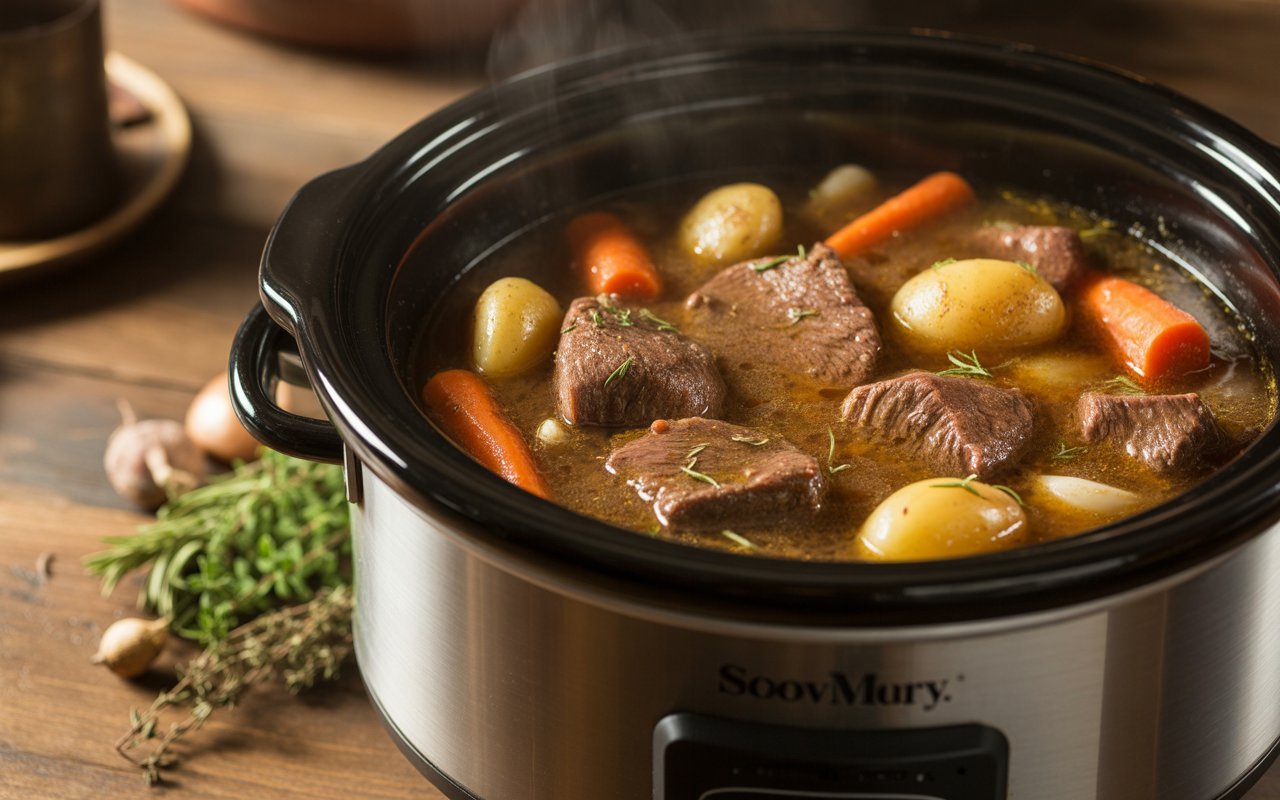
Slow cookers offer a solution that feels almost too good to be true. These kitchen workhorses do the heavy lifting while you tackle everything else on your endless to-do list. The gentle, long cooking process works magic on ingredients, breaking down tough fibers and melding flavors in ways that somehow make even the pickiest eaters forget their usual objections. Vegetables become tender and sweet, meats fall apart at the touch of a fork, and those strong flavors that typically trigger protests mellow into something surprisingly acceptable.
The beauty of slow cooking for families goes beyond convenience. This method transforms ordinary ingredients into comfort food that speaks to kids’ preferences while secretly delivering the nutrition parents want them to have. Throughout the following sections, you’ll discover exactly how to harness your slow cooker’s potential to create meals your children will actually request, prep strategies that fit into your morning chaos, and clever ways to stretch one meal into several without hearing a single complaint.
Why Slow Cookers Win Over Picky Eaters
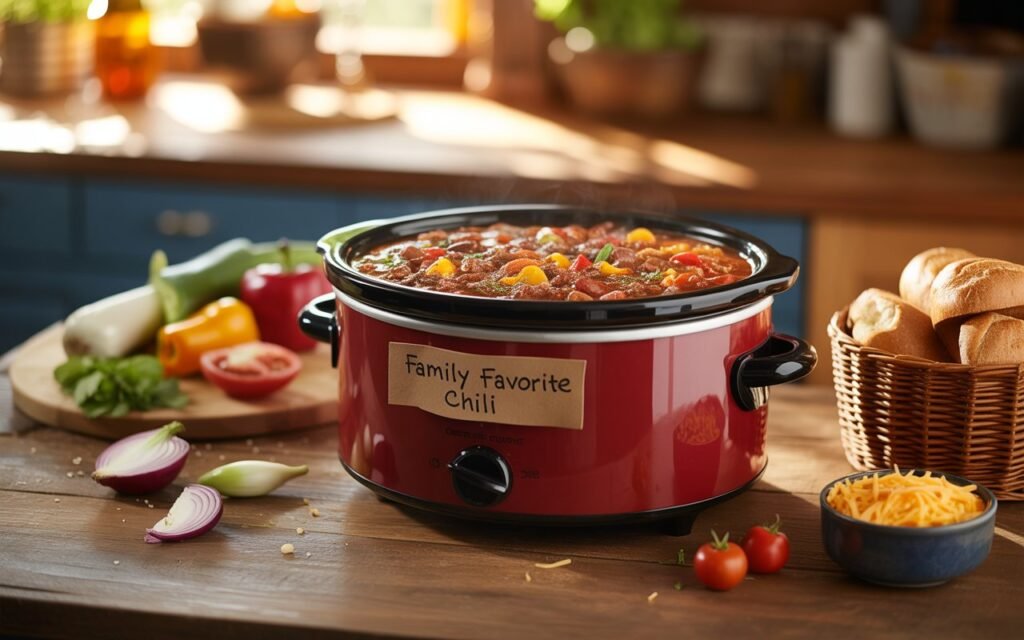
Something remarkable happens when ingredients spend hours mingling in a slow cooker. Those sharp edges that make children wrinkle their noses – the bite of onions, the earthiness of mushrooms, the intensity of garlic – all soften and blend into a harmonious whole. Your kids taste the delicious result without identifying the individual components they typically reject.
The low, steady heat creates what professional chefs call flavor development. Ingredients release their essences slowly, creating layers of taste that build rather than assault young palates. That tomato sauce doesn’t taste sharply acidic anymore; instead, it becomes sweet and mellow. The herbs that might overwhelm in a quickly cooked dish integrate seamlessly, adding depth without announcing their presence.
Temperature plays a crucial role too. Unlike stovetop cooking where hot spots can create bitter or burnt flavors, slow cookers maintain consistent gentle heat. This consistency means no surprising bitter bites or overly intense pockets of seasoning that might trigger a dinner table revolt.
How textures become kid-friendly
Texture issues cause more mealtime battles than almost any other factor. Many children struggle with stringy meats, chunks of vegetables, or anything they perceive as “weird” in their mouths. Slow cooking addresses these concerns brilliantly.
Tough cuts of meat that would normally require serious chewing transform into tender, shreddable pieces. Chicken breasts that might turn out dry and stringy from other cooking methods become moist and easily fork-tender. Even notorious texture offenders like pot roast turn silky and smooth after hours in the slow cooker.
Vegetables undergo their own transformation. Carrots lose their crunch and become sweet and soft. Celery practically disappears into stews and sauces. Bell peppers shed their sometimes-bitter skins and blend seamlessly into the surrounding liquid. For children who reject vegetables based on texture alone, this cooking method removes that barrier entirely.
Sneaking nutrition into familiar foods
The extended cooking time allows you to incorporate nutritious ingredients in ways that go completely undetected. Pureed vegetables disappear into sauces, adding vitamins and fiber without changing the appearance or taste significantly. Lentils break down and thicken soups while boosting protein content. Cauliflower melts into mac and cheese sauce, adding nutrients while maintaining that creamy texture kids crave.
Bone broth, rich in minerals and collagen, becomes the base for countless dishes without any tell-tale signs. You can add it to anything from rice dishes to pasta sauces, knowing your children get those benefits without questioning what’s different about dinner.
Consider these proven additions that fly under the radar:
- White beans: Blend smoothly into tomato sauces, adding protein and fiber
- Sweet potatoes: Mix into meat dishes for natural sweetness and vitamin A
- Spinach: Wilts down to practically nothing while adding iron and folate
- Zucchini: Shreds and disappears into meat sauces completely
- Butternut squash: Purees into cheese sauces for added vitamins and creaminess
Making meals less intimidating for children
Visual presentation matters enormously to young eaters. A plate with distinct, identifiable components often triggers immediate resistance. Slow cooker meals naturally create unified dishes where individual ingredients blend together, making the overall presentation less threatening.
The familiar comfort-food nature of most slow-cooked meals helps too. These dishes often resemble foods kids already accept – stews look like soup, shredded meat resembles the filling in their favorite tacos, and sauce-based dishes coat pasta or rice in appealing ways. Starting with these familiar formats increases the likelihood of acceptance.
Color plays a psychological role as well. The long cooking process often results in warm, inviting browns and rich reds rather than the bright greens or vivid oranges that might trigger suspicion. While you know those vegetables are in there providing nutrition, your children see a bowl of something that looks comfortingly familiar.
The aroma factor shouldn’t be underestimated either. Children often decide whether they’ll eat something before they even see it, based purely on smell. Slow cookers fill your home with appetizing aromas for hours, building anticipation and positive associations with dinner long before anyone sits down at the table.
Essential Ingredients That Make Kids Say Yes
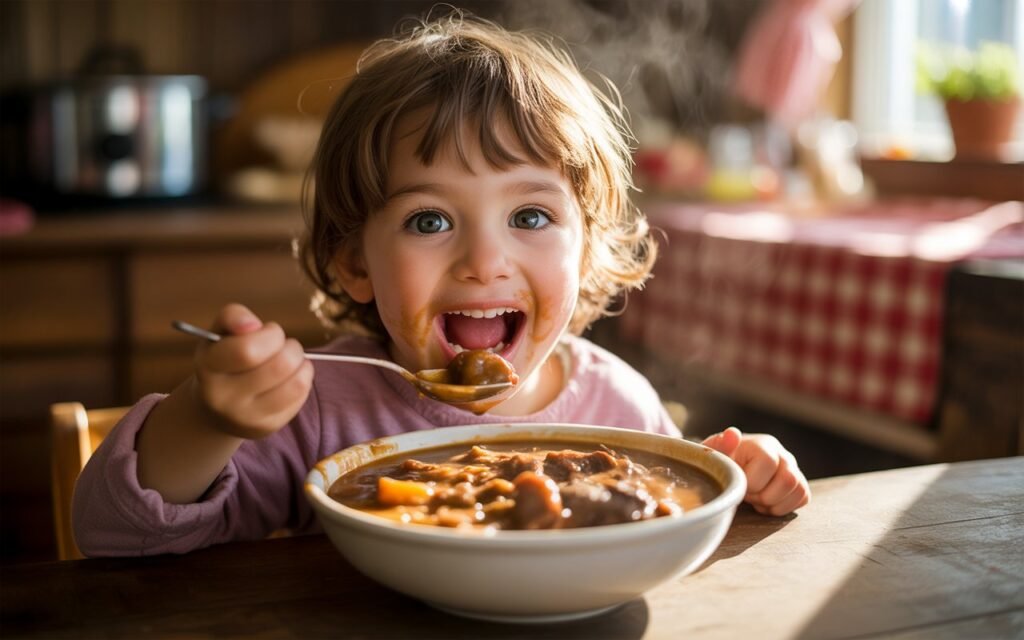
Stock your pantry with the right foundations, and you’ll find creating kid-approved slow cooker meals becomes almost effortless. Certain ingredients consistently win over young taste buds while providing the nutrition growing bodies need.
Proteins that disappear into deliciousness
The proteins you choose set the stage for meal acceptance. Chicken thighs work better than breasts in slow cookers, staying moist and shredding easily into unidentifiable strands that mix seamlessly with other ingredients. Ground turkey or beef breaks down into tiny pieces that blend into sauces, eliminating any textural concerns about “chunks” of meat.
Beans deserve special mention here. While many kids reject whole beans, slow cooking breaks them down enough that they thicken sauces and add substance without maintaining their original form. Black beans in taco meat, white beans in tomato sauce, or chickpeas in curry all contribute protein while essentially disappearing into the dish.
Surprisingly, tougher cuts of beef like chuck roast become kid favorites after slow cooking. What starts as an intimidating slab transforms into tender shreds perfect for sandwiches, tacos, or served over mashed potatoes. The fat content in these cuts keeps everything moist and flavorful without any additional effort.
Vegetables that lose their scary factor
Root vegetables excel in slow cookers and happen to be among the most nutritious options available. Potatoes provide familiar comfort, sweet potatoes add natural sweetness, and carrots contribute both color and subtle sweetness that appeals to young palates. These sturdy vegetables hold their shape enough to provide substance while becoming tender enough that no serious chewing is required.
Frozen vegetables often work better than fresh in slow cookers, particularly for picky eaters. They’re already partially broken down from the freezing process, so they integrate more smoothly into dishes. Frozen corn, peas, and mixed vegetables can be added in the last hour of cooking to maintain some texture without becoming mushy.
Onions, despite being a common trigger for food refusal, become absolutely essential for building flavor. Dice them finely and add them at the beginning of cooking – they’ll completely dissolve, leaving only their sweetness behind. The same principle applies to celery and bell peppers, both of which contribute flavor depth without leaving identifiable pieces.
Sauces and seasonings kids actually like
The liquid component of your slow cooker meal often determines its success with picky eaters. Tomato-based sauces rank high on the acceptance scale, especially when you start with crushed tomatoes rather than diced, eliminating any chunks. A touch of brown sugar or honey balances acidity and creates that slightly sweet profile children prefer.
Cream-based sauces offer another winning option. A combination of cream cheese, milk, and shredded cheese creates rich, smooth sauces that coat everything beautifully. These dairy-based options also help mellow any strong flavors from vegetables or seasonings you’ve included.
Broth selection matters more than you might think. Low-sodium chicken broth provides a neutral base that doesn’t overwhelm. For heartier flavors, beef broth works well, but dilute it slightly if your kids find it too intense. Vegetable broth can work, but choose versions without strong celery or onion flavors that might be detected.
Secret healthy additions they’ll never detect
Certain ingredients boost nutrition dramatically without affecting taste or texture enough for kids to notice. Wheat germ stirred into ground meat mixtures adds B vitamins and fiber. Greek yogurt stirred in during the last 30 minutes of cooking adds protein and creates creaminess without the tang that might cause rejection.
Pureed vegetables represent your secret weapon. Butternut squash, cauliflower, or white beans can be blended smooth and stirred into cheese sauces, tomato sauces, or soups. Start with small amounts and gradually increase as your family grows accustomed to the enhanced nutrition.
Chia seeds or ground flax disappear completely into sauces while adding omega-3 fatty acids and fiber. Just a tablespoon or two per recipe makes a difference nutritionally without any detectable change in the final dish.
Building blocks for crowd-pleasing meals
Keep certain pantry staples on hand to ensure slow cooker success. Pasta, rice, and tortillas serve as familiar vehicles for slow-cooked proteins and sauces. These carbohydrates also help stretch meals and provide the energy active kids need.
Cheese acts as both a flavor enhancer and a familiarity factor. Shredded mozzarella melts smoothly, cheddar adds sharp flavor that kids recognize, and cream cheese creates richness in sauces. Having variety means you can adjust recipes based on what appeals most to your family.
Condiments and flavor boosters help you adjust meals to your family’s preferences. Ketchup, barbecue sauce, honey, and maple syrup all add sweetness that appeals to young palates. Worcestershire sauce and soy sauce add umami depth without being identifiable. Keep these on hand to fine-tune flavors during the last hour of cooking.
Consider batch-preparing flavor bases when you have time. Sautéed onions, garlic, and celery can be portioned and frozen, ready to drop into your slow cooker on busy mornings. Having these prep steps done in advance removes one more barrier to getting dinner started.
Quick Morning Prep Strategies for Busy Parents
Mornings already feel like controlled chaos, so adding dinner prep might seem impossible. Yet with the right approach, you can have your slow cooker running before the school bus arrives. The key lies in simplification and smart sequencing.
Start by choosing recipes with five ingredients or fewer for weekday mornings. Dump-and-go meals require no browning, sautéing, or complicated assembly. Place heartier vegetables like potatoes or carrots on the bottom, add your protein, pour liquid over everything, set the timer, and walk away. This streamlined approach takes literally minutes.
Keep a basket near your slow cooker containing frequently used spices, cooking spray, and slow cooker liners. Having everything in one spot eliminates the hunting and gathering that eats up precious morning minutes. Pre-measured spice blends in small containers save even more time – grab one labeled “taco seasoning” or “Italian blend” instead of measuring multiple individual spices.
Prepping ingredients the night before
Evening prep transforms hectic mornings into manageable ones. After dinner, while kitchen momentum still exists, spend 15 minutes setting up tomorrow’s meal. Chop vegetables, trim meat, and measure dry ingredients. Store everything in containers or bags in the refrigerator, clearly labeled if multiple people might be handling morning cooking duties.
Slow cooker liners change everything about evening prep. Place the liner in your slow cooker insert, add all ingredients except liquids, and refrigerate the entire insert overnight. In the morning, simply place the insert back in the heating unit, add liquid, and turn it on. This method means touching only two things in the morning – the insert and the liquid container.
Consider partially cooking certain ingredients the night before. Brown ground meat while making tonight’s dinner, then refrigerate it for tomorrow’s slow cooker meal. Sauté onions in bulk once a week, portioning them for multiple meals. These small time investments pay huge dividends during morning rush hours.
Batch cooking secrets
Maximize your effort by preparing multiple meals simultaneously. When browning ground beef for tonight’s tacos, brown extra for later in the week’s slow cooker chili. While your slow cooker makes one meal, use the oven or stovetop to prepare components for future dinners.
Double or triple slow cooker recipes whenever possible. Most recipes scale beautifully, and the cooking time remains essentially the same. Freeze the extra portions in meal-sized containers, creating your own convenience foods for particularly busy weeks. Label everything with the dish name and reheating instructions to eliminate guesswork later.
Create meal starter kits by combining dry ingredients for frequently made recipes. In quart-sized bags, mix the rice, seasonings, and any shelf-stable ingredients for dishes like jambalaya or rice pilaf. Write any additional ingredients needed (like broth or meat) directly on the bag. These kits turn meal preparation into a simple assembly process.
Making cleanup practically disappear
The promise of easy cleanup often fails to materialize without proper planning. Slow cooker liners eliminate the soaking and scrubbing entirely – simply lift out the liner and toss it. While some worry about waste, the time and water saved often balance out environmental concerns.
For those preferring to skip liners, coating your insert with cooking spray before adding ingredients prevents most sticking. Add this step to your routine automatically, even for liquid-heavy recipes. The few seconds of prevention save significant scrubbing time later.
Prep ingredients directly in storage containers when possible. Use kitchen shears to cut meat directly into the slow cooker, eliminating cutting board cleanup. Open cans over the slow cooker, letting contents fall directly in. These small adjustments reduce the number of dishes created during prep.
Time-saving tools and techniques
Invest in tools that streamline your process. A good set of kitchen shears cuts prep time dramatically – snip herbs, bacon, or even chicken directly into your slow cooker. Measuring cups that nest and have long handles let you scoop directly from storage containers without transferring ingredients to bowls first.
Pre-chopped frozen vegetables merit their slightly higher cost during busy seasons. Frozen pepper and onion blends, mirepoix mix, and pre-cut butternut squash eliminate most prep work while maintaining nutritional value. Stock your freezer with these convenience items for mornings when even 10 minutes feels impossible.
Technology helps too. Programmable slow cookers that switch to warm settings automatically prevent overcooking when you’re running late. Some models now include delay start features, though use these carefully with perishable ingredients. Smartphone apps can send reminders to start dinner or alerts when cooking time ends.
Master the art of recipe modification. Most slow cooker recipes prove forgiving about exact measurements or ingredients. Missing an ingredient? Substitute something similar or skip it entirely. Need to extend cooking time because of a late meeting? Add extra liquid and reduce the temperature. This flexibility reduces stress around meal preparation.
Proven Recipes That Get Empty Plates Every Time
Your slow cooker can produce an impressive variety of meals that consistently win over selective eaters. These categories of recipes have proven successful across countless families dealing with picky eating challenges.
Hidden veggie pasta sauces
Pasta remains a universal kid favorite, and your slow cooker creates sauces that hide numerous vegetables in plain sight. Start with a base of crushed tomatoes, then add finely diced or pureed carrots, bell peppers, zucchini, and even spinach. After six hours on low, everything melds into a smooth, sweet sauce that tastes like a better version of their favorite jarred variety.
The secret lies in the vegetable preparation. Grate carrots and zucchini using the finest setting on your box grater, or pulse them in a food processor until they resemble coarse sand. These tiny pieces break down completely during cooking, contributing sweetness and nutrition without any detectable texture. Add a tablespoon of sugar or honey to balance acidity, and even vegetable-averse kids will request seconds.
Alfredo variations work equally well for hiding nutrition. Cauliflower florets cooked until tender can be pureed with cream cheese, butter, and parmesan to create a rich white sauce. The cauliflower adds bulk and nutrients while maintaining that creamy texture kids expect. Butternut squash works similarly, adding a subtle sweetness and golden color that many children find appealing.
Tender pulled meats kids love
Pulled chicken, pork, or beef from the slow cooker provides versatile protein that adapts to numerous kid-friendly formats. The meat becomes so tender it requires no chewing, eliminating texture concerns entirely. Season simply with ingredients children already accept – barbecue sauce, teriyaki, or even just butter and garlic.
Chicken tacos represent the ultimate crowd-pleaser. Place chicken breasts in your slow cooker with salsa and a packet of taco seasoning. Eight hours later, shred the meat and serve with familiar toppings. Children who might reject a chicken breast happily eat several tacos filled with the exact same protein prepared differently.
Barbecue pulled pork offers another winner. Use a pork shoulder, add your family’s favorite bottled barbecue sauce plus a bit of apple juice, and let time work its magic. The result tastes like summer cookouts and pairs perfectly with slider buns for small hands. Leftover meat freezes beautifully for quick future meals.
Comforting soups that feel like hugs
Soup often gets rejected by picky eaters due to unfamiliar ingredients floating visibly in broth. Slow cooker soups solve this by cooking long enough that vegetables break down and flavors meld completely. Chicken noodle soup with tiny pasta stars, carrots cooked until sweet, and shredded chicken creates comfort without surprises.
Loaded baked potato soup showcases how familiar flavors translate into accepted meals. Potatoes break down to thicken the base, bacon adds smoky flavor, and cheese stirred in at the end creates richness. Served with familiar toppings like extra cheese and chives (optional for kids), this soup disappears quickly even on repeat serving nights.
Tomato soup made from scratch tastes vastly superior to canned versions. Slow cooking concentrates flavors while mellowing acidity. Add cream during the last hour for richness, and blend everything smooth. Paired with grilled cheese sandwiches, this combination rarely sees leftovers.
Sweet and savory combinations
Kids naturally gravitate toward sweeter flavor profiles, and slow cookers excel at creating dishes that balance sweet and savory elements. Hawaiian chicken combines soy sauce, pineapple juice, and brown sugar for a sauce that makes even vegetable additions acceptable. Bell peppers and onions cooked in this sauce lose their sharp edges and take on the surrounding sweetness.
Apple-based dishes work particularly well. Pork chops with apples and onions slowly cook until the fruit breaks down into a chunky sauce. The natural sweetness from apples masks the onions completely, while keeping the meat moist and flavorful. Serve over rice or mashed potatoes for a complete meal.
Cranberry meatballs might sound fancy, but kids love them. Frozen meatballs, cranberry sauce, and chili sauce create a sweet-tangy glaze that has children asking for the recipe to share with friends’ parents. This combination works equally well with small cocktail sausages for a variation that feels special:
- Sweet BBQ Kielbasa: Slice into coins, add barbecue sauce and grape jelly
- Honey Garlic Chicken: Combine honey, soy sauce, and ketchup for the glaze
- Maple Breakfast Sausage: Links with maple syrup and apple chunks
- Teriyaki Beef: Use bottled teriyaki and a touch of brown sugar
- Orange Chicken: Orange marmalade, soy sauce, and rice vinegar create takeout flavors at home
Breakfast for dinner winners
Nothing excites kids quite like breakfast foods at dinnertime, and your slow cooker makes this treat easier than ever. Overnight French toast casseroles assemble in minutes before bed and provide a special dinner with minimal morning effort. Use thick bread, eggs, milk, and cinnamon – ingredients most kids already enjoy separately.
Breakfast burritos filling cooks beautifully in slow cookers. Combine eggs, sausage, cheese, and mild salsa for a protein-rich filling that wraps easily in tortillas. Make extra and freeze individual burritos for quick breakfasts or lunches throughout the week.
Even oatmeal becomes dinner-worthy when prepared in your slow cooker with fun additions. Steel-cut oats cooked overnight with apple chunks and cinnamon create a porridge that tastes like apple pie. Top with a drizzle of maple syrup and a dollop of yogurt for a meal that satisfies while providing whole grains and fiber.
Turning Leftovers Into Tomorrow’s Lunch Heroes
Leftover slow cooker meals don’t have to feel like leftovers at all. That pulled pork from Tuesday becomes Wednesday’s nachos, topped with cheese and served with kid-friendly sides. The same meat transforms into quesadillas, pizza topping, or stuffed baked potatoes throughout the week without anyone complaining about repetition.
Soup leftovers work particularly well for transformation. Thick stews become pot pie filling when topped with refrigerated biscuit dough and baked until golden. Chicken noodle soup, drained of most broth, turns into a casserole with added cheese and breadcrumb topping. These reimagined dishes often become more popular than the original version.
Shredded meats offer the most versatility. Today’s beef roast becomes tomorrow’s French dip sandwiches, then Friday’s beef and cheese empanadas using store-bought pie crust. Each iteration feels like a completely different meal while using the same base protein you cooked once on Sunday.
Freezer-friendly portions for future meals
Strategic freezing extends your slow cooker efforts for weeks. Divide leftovers into portion sizes that make sense for your family – individual servings for lunches, or family-sized portions for busy weeknight dinners. Flat freezer bags save space and thaw quickly, making them ideal for soups and shredded meats.
Label everything with more than just the dish name. Include the date made, reheating instructions, and serving suggestions. “Chicken Taco Meat – 3/15 – Microwave 2 min – Great with rice or tortillas” provides all the information needed for anyone grabbing dinner duty that night.
Certain slow cooker meals freeze better than others. Tomato-based sauces, shredded meats, and bean dishes maintain quality beautifully. Dairy-heavy dishes might separate when frozen, though stirring during reheating usually solves this issue. Pasta and potatoes can become mushy when frozen in liquid, so consider freezing sauce separately and adding fresh starch when serving.
Lunchbox adaptations that travel well
Transform dinner leftovers into exciting school lunches that won’t come home untouched. Slow cooker meatballs stay warm in thermos containers, accompanied by a small container of dipping sauce and some bread for making mini sandwiches. This interactive lunch format makes eating fun while ensuring protein intake.
Pasta dishes from your slow cooker often taste even better the next day after flavors continue melding overnight. Pack them in containers that can be eaten cold or warmed if microwaves are available. Include familiar sides like fruit and crackers to make the meal feel complete.
Consider deconstructed versions of dinner for lunch boxes. Taco meat gets packed separately from shells, cheese, and lettuce, letting kids assemble their own tacos at school. This approach prevents soggy shells while giving children control over their meal assembly – something many picky eaters appreciate.
Making new meals from slow cooker bases
Think of slow cooker results as ingredients rather than finished dishes. That basic chicken and vegetable soup becomes the liquid for cooking rice, creating a pilaf infinitely more flavorful than using plain water. Beef stew liquid makes an incredible gravy for mashed potatoes or Yorkshire pudding.
Leftover pulled meats combine beautifully with breakfast ingredients. Mix shredded chicken with scrambled eggs and cheese for breakfast burritos. Add pulled pork to hash browns for a hearty skillet meal. These protein-rich breakfasts provide sustained energy for school days while using up leftovers creatively.
Even vegetable-heavy slow cooker dishes find new life. Ratatouille becomes pizza sauce, vegetable soup gets pureed into pasta sauce, and cooked vegetables from pot roast get mashed into potato pancakes. These transformations often increase vegetable acceptance since the vegetables appear in new, more appealing formats.
Storage tips that maintain freshness
Proper storage keeps leftovers safe and appetizing for their second showing. Cool slow cooker contents quickly by transferring to shallow containers rather than leaving in the deep ceramic insert. This rapid cooling prevents bacterial growth while maintaining food quality.
Glass containers work best for acidic foods like tomato-based sauces, preventing staining and flavor transfer. Divided containers help portion complete meals with sides, making reheating and serving simpler. Invest in quality containers with tight-fitting lids to prevent freezer burn and maintain moisture.
Don’t forget about the liquid gold – the cooking juices from your slow cooker meals. Strain and save these flavorful broths for cooking rice, making gravies, or as soup bases. Freeze in ice cube trays for easy portioning, then transfer cubes to freezer bags. One or two cubes add instant flavor to countless dishes while reducing food waste.
Create a leftover tracking system that works for your family. A simple list on the freezer door noting what’s inside and when it should be used prevents forgotten containers from becoming science experiments. First in, first out rotation ensures nothing stays frozen too long, maintaining quality and food safety.
Final Thoughts for Making Mealtime Magic
After weeks of using these strategies, you’ll notice dinnertime becoming less battlefield and more gathering place. Children who once pushed vegetables around their plates start asking which slow cooker meal you’re making tomorrow. The constant worry about whether anyone will eat what you’ve prepared fades into occasional concern rather than daily stress.
The true victory isn’t just empty plates – it’s the expanded variety your family begins accepting. Those hidden vegetables gradually become less hidden as kids develop tolerance for different flavors and textures. The slow cooker serves as your training ground, introducing new foods in the least threatening way possible while ensuring everyone gets fed. Keep experimenting with these techniques, adjusting recipes to match your family’s evolving tastes, and celebrating every small victory along the way.
Frequently Asked Questions
Q: Can I leave my slow cooker running while I’m at work all day?
A: Yes, slow cookers are designed for extended unattended cooking. Most recipes handle 8-10 hours on low without issues. If you’ll be gone longer, use outlet timers or programmable models that switch to warm settings automatically.
Q: My kids won’t eat anything mixed together – how can I use a slow cooker?
A: Cook components separately in your slow cooker. Make plain shredded chicken one day, simple rice another, and keep sauces on the side. Children can build their own plates with separate items that happen to complement each other perfectly.
Q: What if my slow cooker meals always turn out watery?
A: Liquid doesn’t evaporate in slow cookers like stovetop cooking. Reduce liquid amounts by about one-third from traditional recipes. Add vegetables like tomatoes or zucchini during the last hour since they release water. Thicken sauces with cornstarch slurry during the final 30 minutes if needed.
Q: How do I prevent everything from tasting the same?
A: Vary your base liquids (broth, tomatoes, coconut milk, cream), change up seasonings completely between meals, and finish dishes differently. Fresh herbs, citrus juice, or different cheeses stirred in at the end create distinct flavors even with similar cooking methods.
Q: Can I prep freezer meals for the slow cooker?
A: Absolutely! Combine all ingredients except dairy products in freezer bags, label with cooking instructions, and freeze flat. Thaw overnight in the refrigerator, then dump into your slow cooker in the morning. Add dairy products during the last hour of cooking.
Q: My vegetables always turn to mush – what should I do?
A: Layer heartier vegetables like potatoes and carrots on the bottom where they cook more slowly. Add tender vegetables like peas or spinach during the last 30-60 minutes. Cut vegetables in larger chunks since they’ll break down during cooking.
Q: Is browning meat really necessary before slow cooking?
A: While browning adds flavor depth, skip it on busy mornings without guilt. Your family won’t notice the difference in most recipes, especially those with robust sauces or multiple seasonings that mask any subtle flavor differences.
Q: What size slow cooker works best for families?
A: A 6-quart model handles family meals with leftover potential. Smaller families might prefer 4-quart versions, while large families or batch cookers benefit from 7-8 quart models. Having two different sizes provides flexibility for various meal types.