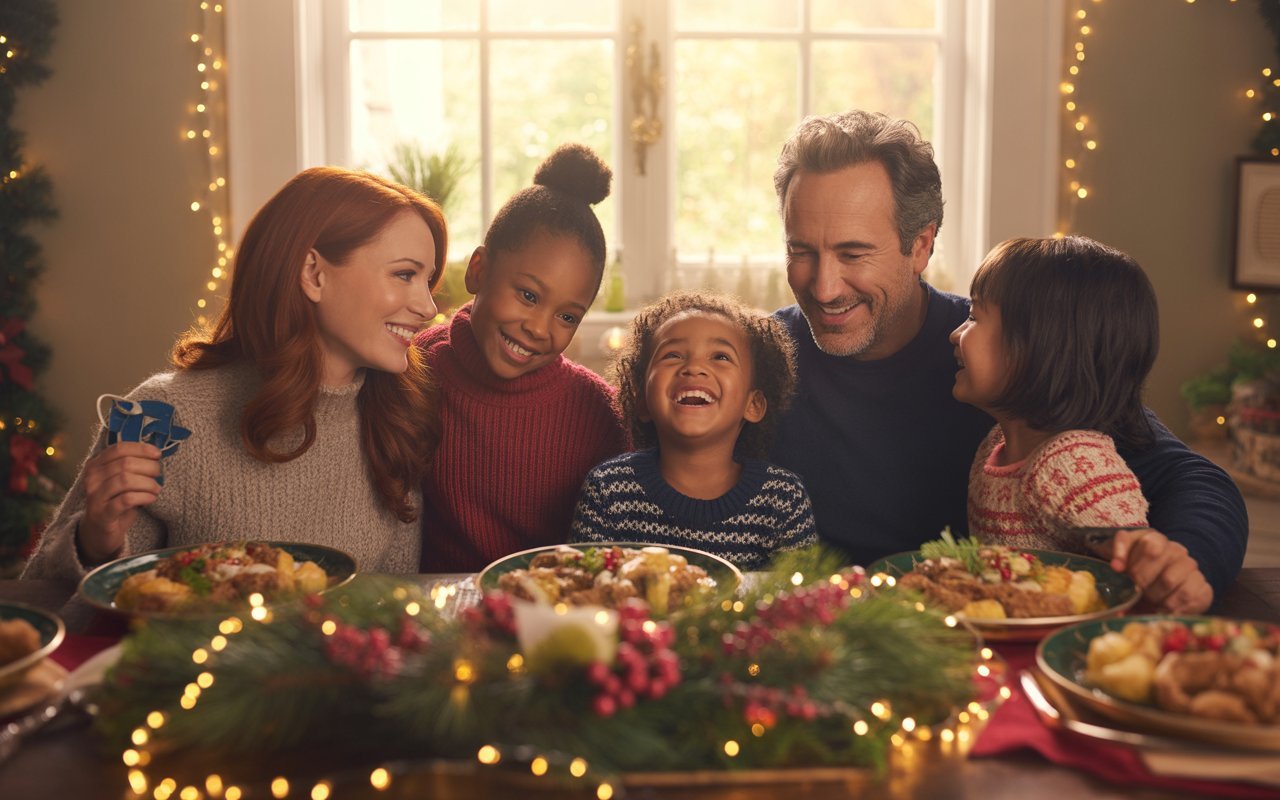
The holiday season transforms living rooms into wonderlands of twinkling lights and kitchens into command centers for feast preparation. For blended families, this magical time brings its own set of considerations that traditional households rarely face. Multiple sets of grandparents, various family traditions from different backgrounds, and children shuttling between homes create a complex tapestry that requires thoughtful navigation and creative solutions.
Blended families represent millions of households where parents, stepparents, children, and step-siblings come together to form new family units. The dynamics shift dramatically during holidays when emotions run high and expectations soar. What worked for nuclear families suddenly needs reimagining. Questions arise about whose traditions take precedence, how to split time fairly between households, and ways to make everyone feel included without overwhelming schedules or budgets.
Finding harmony during the holidays as a blended family isn’t about perfection – it’s about creating meaningful connections that honor everyone’s place in this new family structure. The following sections share practical strategies for building traditions that unite rather than divide, managing complex scheduling demands, handling gift-giving fairly, addressing emotional needs, and fostering genuine bonds between step-siblings. Let’s discover how your blended family can transform potential holiday stress into opportunities for deeper connection.
- Creating New Holiday Traditions That Unite Everyone
- Managing Multiple Family Schedules During the Season
- Gift-Giving Strategies for Blended Households
- Navigating Emotional Challenges During Family Gatherings
- Planning Activities That Bond Step-Siblings
- Finding Balance Between Old and New
- Frequently Asked Questions
Creating New Holiday Traditions That Unite Everyone
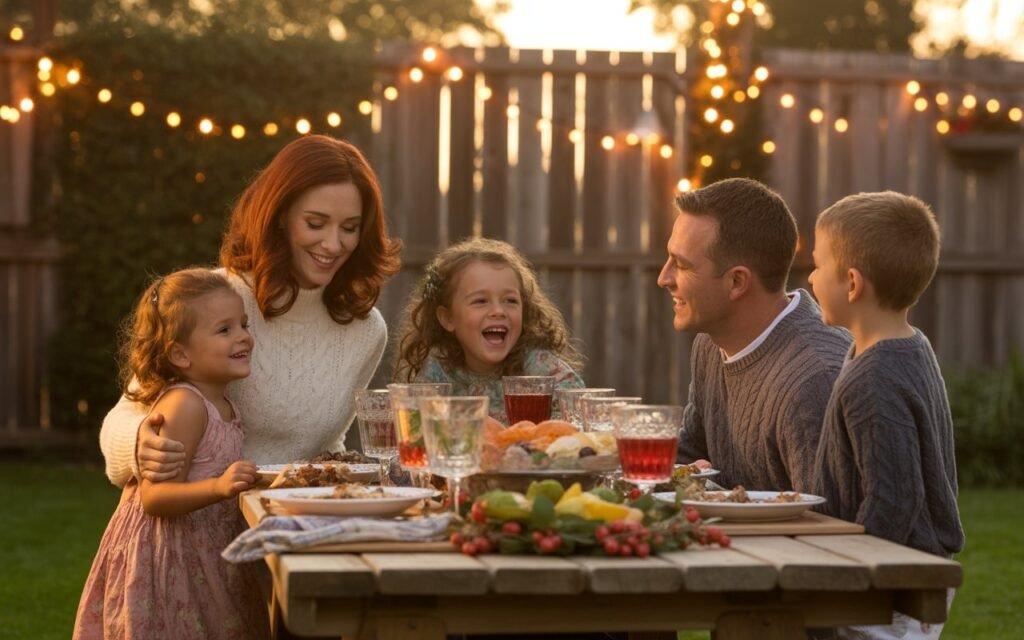
Blended families have a unique opportunity to build something entirely fresh during the holiday season. Rather than forcing old patterns onto new relationships, you can craft traditions that belong specifically to your newly formed family unit. This process requires patience, creativity, and input from every family member, regardless of age or how long they’ve been part of the household.
How to blend old and new customs
The key to successful tradition blending lies in identifying which customs hold deep meaning versus those maintained simply out of habit. Start conversations early about what holiday activities each person treasures most. You might discover that Dad’s famous Christmas morning pancakes matter more than the specific ornaments on the tree, or that the kids care deeply about certain bedtime stories but feel flexible about decoration styles.
Create a tradition inventory where everyone lists their top three must-have holiday experiences. This exercise reveals priorities without anyone feeling their entire history gets erased. Sometimes you’ll find surprising overlaps – perhaps both sides of the family have cookie-baking traditions that can merge into one epic baking day.
Consider alternating years for certain traditions. If both families have strong Christmas Eve customs, alternate which version you follow each year. This approach shows children that multiple ways of celebrating can coexist peacefully. The non-active tradition that year might get a smaller nod – perhaps incorporating just one element like a special food or song.
Making space for everyone’s history
Photo displays offer a beautiful way to honor various family histories without competition. Create a holiday photo wall where pictures from all different family configurations have equal space. Include photos of children with their other parent, grandparents from all sides, and memories from before the blend. This visual reminder validates everyone’s complete story.
Recipe sharing builds bridges across family lines. When Grandma Smith’s sugar cookies and Nana Jones’s gingerbread both appear on the dessert table, children see their whole heritage celebrated. Keep a special holiday recipe book where contributions from all family branches get recorded with equal importance.
Memory ornaments provide another avenue for inclusion. Each family member brings ornaments from their past to the shared tree. New ornaments get added yearly to represent your blended family’s growing history together. This practice acknowledges that the past matters while actively building toward the future.
Building traditions unique to your family
Fresh traditions that belong to no one’s past but everyone’s present create powerful bonding experiences. These activities become the cornerstone of your blended family identity, free from comparisons or competing loyalties.
Adventure traditions work particularly well. Plan an annual holiday hike, ice skating trip, or volunteer day that becomes your family’s signature activity. These experiences create shared memories while avoiding loaded associations with previous family structures.
Establish quirky customs that reflect your specific family personality. Maybe you have backwards dinner on New Year’s Eve, starting with dessert. Perhaps everyone gets new holiday pajamas on December 1st. Or you might institute Thanksgiving Thursday football in the backyard, complete with ridiculous team names and homemade trophies.
Service projects unite families around shared values. Adopting a family in need, serving at a soup kitchen, or organizing a neighborhood toy drive gives everyone a role in something bigger. Children learn that your family stands for generosity and compassion, regardless of biological connections.
Creative collaborations produce lasting keepsakes. Design a family holiday card together where everyone contributes artwork or photos. Write a silly holiday song with verses from each family member. Build an elaborate gingerbread village where each person designs their own building. These projects require cooperation and result in tangible reminders of your unity.
Getting buy-in from all family members
Successful tradition adoption requires genuine enthusiasm, not reluctant participation. Start with low-stakes experiments rather than declaring permanent new traditions. Frame new activities as “let’s try this and see how it goes” rather than “this is what we’re doing from now on.”
Give children leadership roles in planning and executing traditions. When kids feel ownership, they invest more fully. Let them choose the volunteer organization, plan the menu for a special meal, or decide the route for your annual light-seeing drive. Rotating who leads different traditions ensures everyone gets a turn at the helm.
Be prepared to let go of ideas that don’t resonate. If your attempted tradition feels forced after two or three tries, move on to something else. The goal is connection, not checking boxes. Pay attention to what generates genuine excitement and laughter versus what feels like obligation.
Regular family meetings about holiday planning prevent resentment from building. Schedule these discussions for neutral times, not in the heat of holiday stress. October conversations about December plans allow processing time and reduce emotional reactions. Create space for honest feedback about what worked and what didn’t from the previous year.
Managing Multiple Family Schedules During the Season
The holiday calendar for blended families resembles a complex puzzle where pieces must fit perfectly without overlapping. Children might need to celebrate Christmas morning three different times, and Thanksgiving dinner could happen on various days throughout the week. This scheduling complexity requires exceptional communication, flexibility, and advance planning to prevent chaos and disappointment.
Coordinating with ex-partners effectively
Professional communication with former spouses sets the tone for peaceful holiday logistics. Approach scheduling discussions like business meetings – prepared, calm, and focused on practical outcomes rather than emotional responses. Email often works better than phone calls for these negotiations, providing written records and time to craft thoughtful responses.
Begin holiday scheduling conversations by September at the latest. This timeline allows everyone to make travel arrangements, request time off work, and mentally prepare for the season’s rhythm. Present proposals rather than demands. “Would it work for you if we had the kids Christmas Eve through noon on Christmas Day?” opens dialogue better than ultimatums.
Use shared digital calendars visible to all adults involved. Color-coding different households helps everyone track where children will be and when transitions occur. Include pickup times, locations, and who provides transportation. These visual aids prevent misunderstandings and forgotten arrangements.
When negotiations stall, focus on what benefits the children most. Arguments about fairness between adults pale compared to ensuring kids enjoy their holidays without feeling like wishbones pulled between houses. Sometimes this means accepting less than ideal arrangements because fighting creates more damage than compromising.
Establish backup plans for common disruptions like weather delays or illness. Decide in advance how to handle these situations rather than scrambling during crises. Written agreements about makeup time or schedule adjustments prevent heated discussions during already stressful moments.
Creating fair rotation systems
Mathematical fairness rarely equals emotional fairness in blended family scheduling. A child might spend equal hours at each house but miss important moments at one or the other. Design rotations that consider quality alongside quantity.
Annual rotation of major holidays works well for many families:
- Year A: Thanksgiving with Mom, Christmas with Dad
- Year B: Thanksgiving with Dad, Christmas with Mom
- Winter Break: Split evenly with transition on December 28th
- Spring celebrations: Alternate yearly
- Birthdays: Celebrated on the actual day with the residential parent
Document agreements formally, even if court orders don’t require it. Memories fade and interpretations shift over time. Written arrangements protect everyone from confusion and provide consistency for children who thrive on predictable patterns.
Build flexibility into rigid structures. Life happens – grandparents fall ill, special opportunities arise, work schedules change. Creating goodwill through occasional accommodations often results in reciprocal flexibility when you need it. Track these exchanges to ensure balance over time.
Handling overlapping celebrations
Multiple celebrations of the same holiday can exhaust children and adults alike. Rather than viewing this as burden, reframe it as abundance – these children are so loved that multiple households want to celebrate with them.
Stagger feast days to prevent food fatigue. If children eat Thanksgiving dinner on Thursday at one house, perhaps the other house serves a special breakfast or does appetizers and desserts instead of another full turkey dinner. This variety keeps celebrations special rather than repetitive.
Coordinate gift-giving between houses to avoid duplication and overwhelm. Share wish lists and divide categories – one house handles clothing while another focuses on toys. This cooperation prevents children from receiving three bicycles while missing other wished-for items.
Create distinct celebration styles at each house so they feel unique rather than comparative. Maybe one house emphasizes religious aspects while another focuses on family games. One might do formal dinners while another keeps things casual. These differences help children appreciate what each household offers.
Prepare children for transitions between celebrations. Discuss how they might feel moving between houses and validate those emotions. Provide quiet wind-down time after arriving from another celebration before launching into your own festivities. Small rituals like special welcome-back snacks or brief one-on-one check-ins ease adjustments.
Keeping children’s needs first
Children in blended families often feel responsible for adult happiness during holidays. They worry about showing equal enthusiasm at each house or fear hurting feelings by missing someone while enjoying time elsewhere. Address these concerns directly through age-appropriate conversations.
Watch for signs of holiday overload. Meltdowns, regression in behavior, sleep disruptions, or withdrawal might indicate schedule stress. Build rest days into busy holiday calendars where children can decompress without structured activities or expectations.
Maintain consistent rules and expectations across households when possible. Bedtimes, screen time limits, and behavior standards shouldn’t fluctuate wildly between houses. While perfect alignment isn’t always achievable, dramatic differences create additional stress for children trying to code-switch between environments.
Allow children to express preferences without guilt. If a teenager wants to spend New Year’s Eve with friends instead of either household’s celebration, consider allowing it. Forcing attendance at every family event can breed resentment rather than connection.
Create portable comfort items that travel between houses. A special stuffed animal, blanket, or photo album helps younger children feel grounded during transitions. Older children might prefer having duplicate items like phone chargers or favorite books at each house to reduce packing stress.
Gift-Giving Strategies for Blended Households
Money conversations rank among the most challenging discussions in any relationship, and the holidays amplify these tensions in blended families. Different financial situations between households, varying gift-giving philosophies, and concerns about perceived favoritism create a minefield of potential conflicts. Thoughtful approaches to presents can transform this source of stress into an opportunity for teaching values and building unity.
Setting budgets across households
Financial transparency between co-parents prevents gift-giving competitions that ultimately harm children. While you can’t control what happens at other houses, you can communicate your household’s approach and seek common ground where possible.
Propose spending limits that all households can comfortably meet. This prevents situations where one house dramatically outspends another, creating uncomfortable dynamics. If agreement isn’t possible, focus on what you can control in your own home while helping children understand that love isn’t measured in dollar signs.
Within your blended household, decide whether biological parents buy separately for their children or if gifts come from the household as a unit. Both approaches work, but consistency matters. If choosing separate giving, ensure rough equity in spending to prevent step-siblings from noticing dramatic differences.
Consider pooled funding for big-ticket items. If a child wants an expensive gaming system, all adults might contribute rather than competing over who provides it. This cooperation models healthy problem-solving while ensuring children receive wished-for items without redundancy.
Track spending patterns across multiple years rather than obsessing over single holiday equality. Sometimes one child needs more expensive items like sports equipment while another’s interests cost less. Balance emerges over time rather than in any single gift-giving occasion.
Addressing fairness concerns
“It’s not fair!” echoes through many blended family homes during gift exchanges. Children count presents, compare sizes, and notice every perceived slight. Address these concerns proactively rather than reactively.
The number of packages matters to younger children who can’t yet grasp value differences. If one child receives three gifts totaling $100 while another gets ten gifts for the same amount, consider evening out the package count with small additions like books or art supplies.
Explain family circumstances in age-appropriate ways. Children can understand that step-siblings might receive gifts from additional grandparents or that custody arrangements affect what happens at your house versus others. These conversations teach life lessons about different circumstances without creating victims or villains.
Create household gift traditions that apply equally to everyone:
- Stocking stuffers: Same items or equal value for all children in the home
- Experience gifts: Family memberships or outings everyone shares
- Book tradition: Each child receives one special book inscribed with a message
- Ornament gifts: Annual ornaments that build personal collections
- Charity choice: Each child selects a charity to receive a donation in their name
Focus conversations on gratitude rather than comparison. Institute sharing circles where each person describes their favorite gift and why it matters. This practice shifts focus from quantity to meaning while teaching children to celebrate others’ joy.
Creating meaningful exchanges
Blended families can establish gift exchanges that build relationships rather than just exchanging objects. These traditions create anticipation and connection beyond material items.
Secret Santa exchanges between step-siblings encourage thoughtfulness about each other’s interests. Set reasonable price limits and provide wish lists to ensure success. The secret-keeping aspect adds fun while the gift selection process requires paying attention to step-siblings’ preferences.
Handmade gift requirements level playing fields regardless of financial situations. Everyone creates something for another family member – artwork, poems, photo collections, or crafts. These personal items often become treasured keepsakes that store-bought presents can’t match.
Service coupons exchanged between family members build relationships through shared activities. A stepparent might give guitar lessons, an older step-sibling offers homework help, or younger children provide car-washing services. These gifts create ongoing connection points throughout the year.
Memory gifts celebrate shared experiences unique to your blended family. Photo books from family vacations, framed pictures from special moments, or scrapbooks documenting your first year together acknowledge your growing history. These presents say “we are becoming a real family” more powerfully than any store purchase.
Teaching gratitude in complex dynamics
Gift-receiving etiquette becomes more complex when children navigate multiple households and extended family networks. Teaching gracious acceptance benefits children throughout their lives while smoothing current holiday celebrations.
Practice thank-you skills before holiday gatherings. Role-play receiving duplicate gifts, items they don’t like, or presents that seem unfair compared to siblings. Give children words to use: “Thank you for thinking of me” works for any gift, regardless of personal feelings.
Establish thank-you note expectations that children can realistically meet. With gifts potentially coming from multiple grandparents, step-relatives, and family friends, the list grows quickly. Consider video thank-yous for distant relatives or group thank-you cards for similar gifts from multiple sources.
Model gratitude in your own gift receiving. Children watch how adults respond to presents, particularly those from ex-partners or step-family members. Your gracious acceptance of a gift from your partner’s ex teaches more than any lecture about manners.
Address gift disappointments privately. If a child feels hurt by perceived inequities or missing wishes, validate those feelings away from public gift exchanges. Process emotions separately from teaching moments about gratitude. Both matter, but timing makes the difference.
Navigating Emotional Challenges During Family Gatherings
The Norman Rockwell vision of perfect family holidays rarely matches reality, and blended families face additional layers of emotional complexity. Loyalty conflicts, grief for changed traditions, and uncertainty about new relationships intensify during seasons emphasizing family togetherness. Acknowledging and addressing these feelings directly creates healthier celebrations than pretending everything is perfectly merry and bright.
Dealing with loyalty conflicts
Children often feel torn between biological parents during holidays, worried that enjoying time at one house betrays the other parent. These loyalty binds create internal stress that manifests in various ways – withdrawal, acting out, or physical symptoms like headaches or stomachaches.
Give explicit permission to enjoy all celebrations fully. Tell children directly: “We want you to have wonderful holidays at both houses. Having fun with your mom doesn’t hurt my feelings.” These statements might need repeating as children test whether you truly mean them.
Avoid interrogations about the other household’s celebrations. Questions like “Did you have more fun there?” or “Was their tree bigger?” put children in impossible positions. Instead, share in their joy: “Your smile tells me you had a great time. That makes me happy.”
Watch your own language carefully. Offhand comments about the other household, even seemingly neutral observations, force children to choose sides. “Must be nice to afford such expensive gifts” or “I guess some people need huge productions” teach children that loving both homes creates disloyalty.
Create safe spaces for children to express mixed feelings without judgment. A child might simultaneously feel excited about seeing one parent and sad about leaving another. Validate both emotions: “It makes sense to feel happy and sad at the same time. Lots of people in blended families feel that way during holidays.”
Supporting children through transitions
The physical and emotional transitions between households during holidays require special attention. Children need time and support to adjust between different environments, rules, and expectations.
Build buffer time into transition schedules. Racing from one celebration directly into another overwhelms children’s capacity to shift gears. Even thirty minutes of quiet time helps emotional regulation. Use car rides for gentle music rather than peppy holiday tunes or intense conversations.
Develop transition rituals that ease household switches:
- Arrival routine: Special snack, brief one-on-one time, or quiet activity
- Comfort checks: Ensuring special items made the journey
- Decompression time: No immediate obligations or questions
- Welcome backs: Low-key greetings that don’t demand performance
- Gradual reentry: Slowly increasing activity levels
Pay attention to regression behaviors around transitions. Thumb-sucking, bedwetting, or baby talk in younger children signals overwhelming stress. Respond with comfort rather than criticism, and consider whether the schedule needs adjusting.
Prepare children for what to expect at each transition. Uncertainty increases anxiety, so provide clear information: who will pick them up, what time, what’s planned at the next house. Visual calendars help younger children track movements between homes.
Managing adult tensions gracefully
Your relationship with ex-partners, new partners’ exes, and extended step-family members sets the emotional tone for children’s holiday experiences. Adult tensions, even unexpressed ones, create atmospheric pressure children inevitably feel.
Schedule potentially tense interactions strategically. If gift exchanges between houses happen at pickups, do them when children aren’t exhausted or hungry. Avoid complicated negotiations during actual holiday celebrations when emotions run highest.
Use business-like communication for logistics while saving personal processing for appropriate outlets. Your therapist, friends, or partner can help process frustrations about unfair arrangements or difficult personalities. Children shouldn’t carry the weight of adult emotional work.
When extended family members struggle with blend dynamics, address issues directly but privately. If Grandma makes comments about “real” grandchildren versus step-grandchildren, have that conversation away from young ears. Set clear boundaries about acceptable behavior while acknowledging adjustment challenges.
Practice radical acceptance of what you cannot control. The other household might have different values, rules, or celebration styles. Fighting unwinnable battles creates more damage than accepting imperfection. Focus energy on creating the best possible experience within your sphere of influence.
Creating safe emotional spaces
Blended family gatherings need built-in pressure release valves where overwhelming emotions can safely discharge without derailing entire celebrations.
Designate quiet retreat spaces where overwhelmed family members can decompress. A reading corner, craft room, or even a tent in the playroom provides escape without leaving the celebration entirely. Normalize using these spaces: “Anyone who needs a break can spend time in the quiet room.”
Acknowledge the ghosts at the feast – the absent parents, the changed traditions, the losses that accompany new beginnings. A simple statement like “We’re thinking of everyone who’s part of our family story today” honors complex feelings without dwelling on them.
Build emotional check-ins into your celebration rhythm. Morning huddles where everyone shares their feeling for the day using weather metaphors (sunny, cloudy, stormy) help identify who needs extra support. Evening gratitude circles provide positive closure while allowing space for mixed emotions.
Keep celebration expectations realistic. Not every moment needs to be joyful, and forced cheer often backfires. Allow for quiet moments, sad moments, and awkward moments within the broader celebration. Real families experience the full emotional spectrum, especially during holidays.
Watch for warning signs that professional support might help. If a child’s holiday anxiety seems extreme, if depression overshadows all celebrations, or if family conflicts escalate dangerously, consider counseling. Many therapists offer extra support during challenging holiday seasons, and there’s no shame in needing help navigating complex family dynamics.
Planning Activities That Bond Step-Siblings
Step-sibling relationships often determine the long-term success of blended families, yet these bonds can’t be forced or rushed. Holidays provide extended time together that, when planned thoughtfully, creates natural opportunities for connection without the pressure of mandatory bonding. The secret lies in structuring activities that allow relationships to develop organically while everyone has fun.
Age-appropriate group activities
Wide age gaps between step-siblings require creative activity planning that engages everyone without boring teenagers or overwhelming toddlers. Layer activities with different participation levels so each age can contribute meaningfully.
Cooking projects work brilliantly across ages. Teenagers can handle knives and heat while younger children measure, stir, and decorate. Assign partnerships that mix ages and sides of the family. Making holiday pizzas where each step-sibling pair creates their own unique version builds cooperation without competition. The shared meal afterward celebrates everyone’s contribution.
Scavenger hunts adapt to any age configuration. Create different difficulty levels within the same hunt – picture clues for non-readers, riddles for elementary ages, and complex puzzles for teens. Mix teams strategically so older kids help younger ones while still facing challenges. Hide prizes that encourage sharing rather than individual victories.
Art projects with varying complexity levels unite different ages around shared creation. Building a giant cardboard gingerbread house lets little ones paint walls while older kids engineer structural supports. Creating family murals gives everyone a section to complete according to their abilities. These collaborative pieces become treasured decorations displaying family unity.
Game tournaments with handicapping systems level playing fields between different ages and abilities. In bowling, younger kids use bumpers while teens bowl normally. Video game competitions might give younger players extra lives or simpler controllers. The goal isn’t determining a winner but creating laughter and shared experience.
Building connections through shared experiences
Meaningful connections form through experiences that create inside jokes, shared challenges, and collective memories unique to your specific step-sibling group.
Adventure challenges that require teamwork naturally build bonds. Create elaborate obstacle courses in the backyard where success requires cooperation. Build snow sculptures that need multiple people to complete. Plan elaborate pranks on the parents (with permission) that require secret planning sessions. These conspiracies create an “us” identity among step-siblings.
Service projects unite step-siblings around common purpose. Adopt a nursing home where kids perform holiday shows together. Organize a neighborhood candy cane delivery requiring route planning, costume coordination, and execution. These activities shift focus from internal dynamics to external impact, reducing pressure while building teamwork.
Mystery experiences where nobody knows the plan in advance put everyone on equal footing. Parents might announce a surprise destination, providing clues along the way that step-siblings decode together. The shared uncertainty and discovery creates bonding through mutual experience rather than forced interaction.
Technology projects appeal to modern kids while requiring collaboration:
- Holiday videos: Script, film, and edit family movies together
- Podcast recording: Create family podcast episodes about holiday memories
- Photo challenges: Compete in teams for creative photography contests
- Music mixing: Blend everyone’s favorite songs into family playlists
- Animation projects: Use apps to create holiday greeting animations
Document these shared experiences thoroughly. Photos of step-siblings working together, videos of their collaborative successes, and artifacts from joint projects reinforce developing bonds. Display these memories prominently to remind everyone of positive shared experiences.
Balancing together time and space
Forced togetherness often backfires in step-sibling relationships. Smart planning includes both structured bonding activities and legitimate escape routes when kids need breaks from each other.
Parallel play works well for step-siblings still warming to each other. Set up craft stations where kids work on individual projects in the same space. They’re together without requiring direct interaction, allowing comfortable silences and optional conversation. Gradually, natural collaboration emerges.
Schedule activity blocks rather than entire days. Two-hour windows for planned activities feel manageable, while all-day forced bonding exhausts everyone. Between structured times, allow kids to retreat to separate spaces or pursue individual interests.
Create optional participation rules for certain activities. Core family events might be mandatory, but additional activities become “join if you want” opportunities. This freedom often results in more genuine participation than forced attendance.
Respect existing friendships and individual traditions during holidays. If one step-sibling always watches holiday movies with a neighborhood friend, honor that tradition rather than forcing family-only policies. Security in maintaining some separate traditions makes kids more open to new shared ones.
Room arrangements during holiday gatherings need thoughtful consideration. While room-sharing might build bonds, it can also create pressure cookers. Consider creative solutions like camping out in the living room together some nights while maintaining private spaces for retreat.
Fostering genuine relationships
Authentic step-sibling bonds develop slowly through accumulated positive interactions rather than single magical moments. Holiday strategies should focus on creating conditions where natural affinity can grow.
Facilitate discovery of common interests without pointing them out explicitly. If two step-siblings both love basketball, get tickets to a game without making speeches about bonding. Let them discover shared passions naturally through exposure to various activities.
Address conflicts constructively rather than demanding instant harmony. When step-siblings clash during holiday activities, use it as a teaching opportunity about compromise and communication. These resolved conflicts often strengthen relationships more than avoiding all disagreement.
Celebrate individual relationships within the step-sibling group. Not all step-siblings will be equally close, and that’s okay. If two connect over music while others bond through sports, support these natural affinities rather than forcing uniform relationships.
Avoid comparisons to biological siblings or idealized relationships. Statements like “Real brothers wouldn’t act this way” or “Sisters should be best friends” create impossible standards. Step-sibling relationships are unique and valuable in their own right, not inferior versions of biological bonds.
Plant seeds for future connection rather than expecting immediate harvest. A teenage step-sibling might seem uninterested in younger ones now but could become a beloved mentor in a few years. Holiday activities create shared history that might not bear fruit until much later. Focus on accumulating positive experiences rather than measuring current closeness levels.
Finding Balance Between Old and New
The journey through holidays as a blended family requires patience, creativity, and grace. Each family member brings their own history, expectations, and emotions to the celebration table. Success doesn’t mean erasing the past or pretending complications don’t exist. Instead, it means weaving together different threads to create something new while honoring what came before.
Your blended family’s holiday celebrations will never look exactly like traditional nuclear family gatherings, and that’s actually your strength. The richness that comes from multiple traditions, the resilience built through navigating complexity, and the intentionality required to create inclusive celebrations often result in more meaningful holidays than those running on autopilot. Children in blended families learn flexibility, empathy, and appreciation for different perspectives – valuable life skills wrapped in tinsel and tied with ribbon. As you move forward, focus less on achieving perfect holidays and more on building genuine connections that will outlast any single celebration.
Frequently Asked Questions
Q: How do we handle it when children compare our celebrations to their other parent’s household?
A: Acknowledge their observations without turning it into a competition. Say something like “Different houses celebrate differently, and that’s what makes holidays special – you get variety!” Focus on what makes your celebration unique rather than trying to match or exceed the other household.
Q: Should step-parents give gifts directly to step-children or should presents come from the couple together?
A: This depends on your family’s comfort level and how long you’ve been blended. New step-parents might start with joint gifts while established relationships might warrant individual giving. Let the relationship’s natural development guide this decision rather than forcing a particular approach.
Q: What if my partner’s ex refuses to coordinate holiday schedules reasonably?
A: Document all attempts at coordination and focus on what you can control. Make your household’s celebrations special regardless of scheduling challenges. If you have a court order, follow it precisely. If not, consider whether legal mediation might help establish clearer boundaries.
Q: How do we prevent grandparents from showing favoritism between biological and step-grandchildren?
A: Address this directly with the adults involved, away from children. Set clear expectations about equal treatment during gatherings at your home. If grandparents can’t adjust, consider separate visit times rather than subjecting step-grandchildren to obvious favoritism.
Q: When should we start combining holiday celebrations with my partner’s children?
A: Move at the pace of the most reluctant family member, typically the children. Start with smaller, less emotionally loaded holidays before tackling Christmas or Thanksgiving. Consider having some separate celebrations initially while gradually increasing shared events as relationships develop.
Q: How do we handle religious differences in our blended family during holidays?
A: Teach children about all traditions represented in your household, presenting them as equally valid. Allow children to participate at their comfort level without forcing religious observations. Focus on universal values like kindness, gratitude, and family connection that transcend specific religious practices.
Q: What if one of our children refuses to participate in blended family celebrations?
A: Respect their feelings while maintaining expectations for basic courtesy. Require attendance at main events but allow them to have space within celebrations. Often, removing pressure to be happy allows authentic participation to eventually emerge. Consider whether counseling might help if resistance seems extreme.
Q: Should we maintain any traditions from before the blend, or start completely fresh?
A: Keep meaningful traditions that don’t exclude new family members while adding fresh ones that belong to everyone. The balance varies by family – some need more continuity while others benefit from clean slates. Let family members guide which past traditions truly matter versus those maintained from habit.