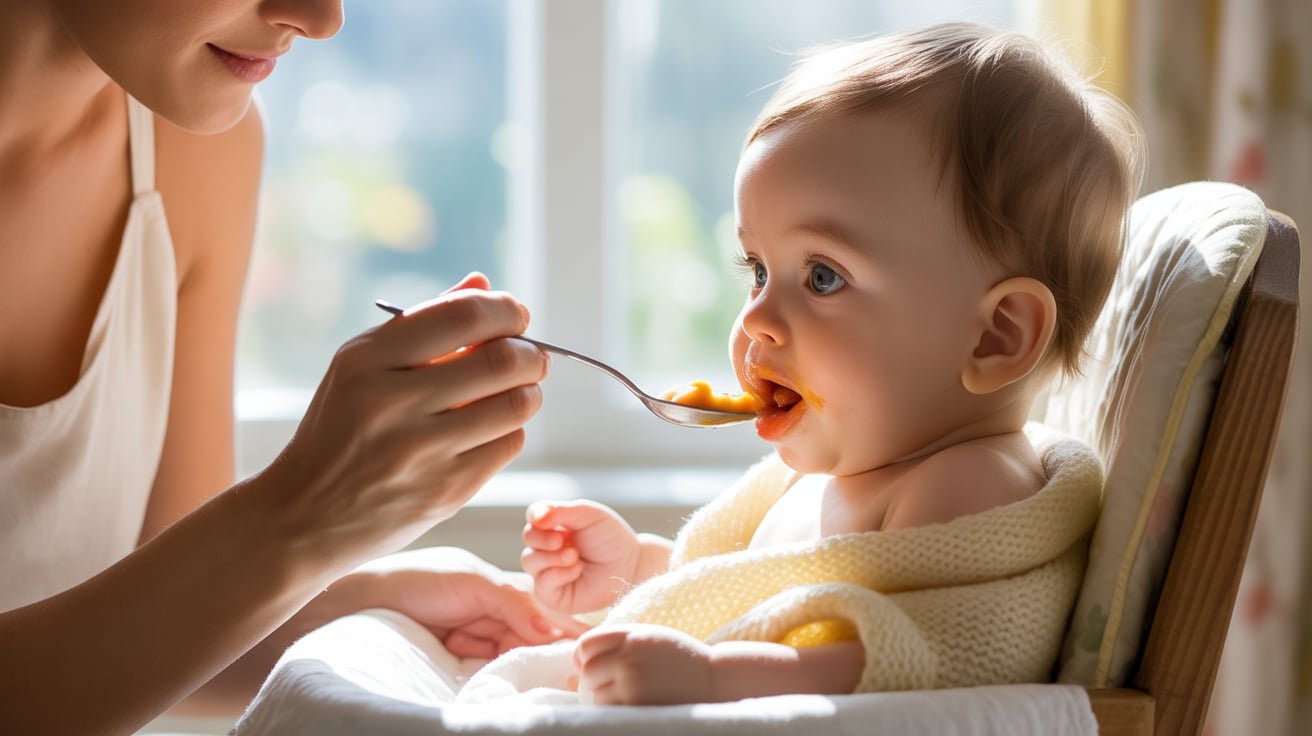
Feeding your baby marks one of the most exciting milestones in parenthood, yet it also brings serious responsibilities regarding food safety. Every parent wants to provide nutritious meals that support their child’s growth and development, but certain foods can pose significant risks to infants and young toddlers. Understanding which foods to avoid protects your little one from choking hazards, allergic reactions, and potential health complications that their developing bodies cannot handle.
The journey from breast milk or formula to solid foods requires careful navigation through a landscape of nutritional choices. Your baby’s digestive system, immune response, and swallowing abilities differ dramatically from those of older children and adults. Some foods that seem perfectly harmless or even healthy for grown-ups can cause serious problems for babies, ranging from immediate choking dangers to long-term developmental issues.
Throughout the following sections, you’ll discover specific foods that should stay far from your baby’s plate, understand why these items pose risks, and learn about safe alternatives that provide similar nutritional benefits. From obvious choking hazards to surprising allergenic foods, this comprehensive guide covers everything you need to know about keeping mealtime safe. Let’s protect your little one by learning which foods deserve a firm “not yet” during those crucial early months and years.
Why Some Foods Are Dangerous for Babies
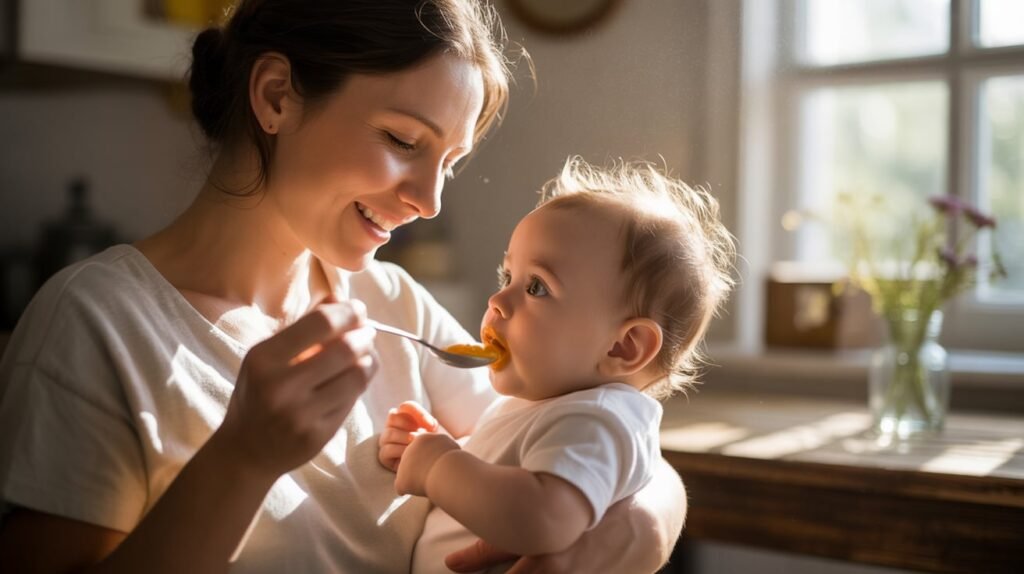
Your baby’s body operates differently from yours in fundamental ways that affect food safety. Their smaller airways, developing teeth, and immature swallowing reflexes create vulnerability to choking that adults rarely consider. Additionally, their digestive systems lack certain enzymes needed to process specific foods, while their immune systems remain too underdeveloped to fight off certain bacteria that older children handle easily.
Choking Hazards Explained
The mechanics of infant swallowing involve complex coordination between breathing and eating that takes time to master. Babies initially use a sucking motion rather than true chewing, even after teeth appear. Their airways measure significantly smaller than an adult’s – roughly the diameter of a drinking straw – making blockages far more likely with inappropriately sized foods.
Foods that seem soft enough often become choking hazards due to their shape or texture. Round items can perfectly block an airway, while sticky foods can adhere to the throat. Babies also lack the motor skills to move food around their mouths effectively, increasing the risk that pieces will slide back before proper chewing occurs.
Digestive System Development
A baby’s digestive tract continues developing throughout their first year and beyond. The intestinal lining remains more permeable during infancy, potentially allowing harmful substances or allergens to pass through more easily. This increased permeability explains why certain foods that adults digest without issue can cause severe reactions in babies.
Stomach acid production also differs in infants, affecting their ability to break down proteins and kill harmful bacteria. Their shorter digestive tracts mean less time for nutrient absorption and toxin neutralization. These biological realities make some foods genuinely dangerous rather than simply inappropriate for young digestive systems.
The production of specific digestive enzymes follows a developmental timeline that varies among babies. For instance, the enzymes needed to properly digest complex starches don’t reach adult levels until after the first birthday. Similarly, the ability to process certain proteins develops gradually, which explains why some foods must wait until specific ages.
Allergic Reactions and Sensitivities
Food allergies in babies manifest differently than simple digestive upset. The immune system mistakenly identifies certain proteins as threats, triggering responses that range from mild rashes to life-threatening anaphylaxis. Since babies cannot communicate their symptoms clearly, parents must watch for signs like facial swelling, breathing difficulties, or persistent vomiting after eating.
Introduction timing matters significantly for potentially allergenic foods. Research shows that controlled exposure at appropriate ages might actually reduce allergy risks, but premature introduction can trigger sensitivities. This delicate balance requires careful attention to current pediatric guidelines, which have evolved considerably over recent years based on emerging research about allergy prevention.
Toxins and Harmful Substances
Certain foods contain natural toxins or harbor bacteria that infant immune systems cannot combat effectively. These substances might cause minor issues in adults but prove dangerous or even fatal for babies. Understanding which foods carry these risks helps parents make informed decisions about meal planning.
Some seemingly innocent foods contain compounds that interfere with nutrient absorption or oxygen transport in babies’ blood. Others may harbor spores that can multiply in the infant gut, producing toxins that cause serious illness. The inability of young immune systems to fight these invaders makes complete avoidance essential during the vulnerable early months.
Common Foods That Pose Choking Risks

Physical characteristics of certain foods make them particularly dangerous for babies and toddlers, regardless of nutritional value. Size, shape, texture, and consistency all play roles in determining choking potential. Understanding these risk factors helps parents identify dangerous foods beyond the obvious culprits.
Whole Grapes and Cherry Tomatoes
These seemingly innocent fruits top the list of choking hazards due to their perfect spherical shape and smooth, slippery skin. Their size closely matches a child’s airway diameter, creating an ideal seal if lodged in the throat. The firm skin resists compression, making these items particularly dangerous even when a child attempts to chew.
Parents often assume that soft fruits pose no danger, but the combination of round shape and smooth texture proves deadly. Even cherry tomatoes, despite their softer interior, maintain enough structural integrity to block airways completely. The solution involves quartering these foods lengthwise until your child reaches age four, destroying the dangerous round shape while preserving nutritional benefits.
Nuts and Seeds
Beyond their hard texture and small size, nuts present multiple dangers for young children. Whole nuts can easily become lodged in airways, while even chopped varieties pose risks. The dry, crumbly texture of many nuts makes them difficult for babies to manage with limited chewing abilities.
Nut butters offer a safer alternative for introducing these nutritious foods, but thick globs can still cause choking. Spreading nut butter thinly on appropriate foods or mixing it into purees provides the nutritional benefits without the physical hazards. Always choose smooth varieties over chunky versions for young children.
Seeds present similar challenges with their small size and hard texture. Pumpkin seeds, sunflower seeds, and even smaller varieties like chia or flax should wait until children develop better chewing skills. Ground versions mixed into other foods provide safer options for adding these nutritional powerhouses to your baby’s diet.
Hard Candies and Gum
The combination of hardness and sweetness makes candy particularly dangerous for young children. Hard candies cannot be chewed by baby teeth, yet their sweet taste encourages keeping them in the mouth longer. If accidentally swallowed whole, these items can completely block airways.
Chewing gum presents unique risks beyond simple choking. Babies lack the understanding that gum shouldn’t be swallowed, and the sticky consistency can cause intestinal blockages if consumed. The artificial sweeteners in many gums also pose additional health concerns for developing bodies.
Popcorn and Marshmallows
Popcorn combines multiple hazardous qualities: hard kernels, unpredictable shapes, and dry texture that can scratch throats. The hulls can become lodged in airways or stick to the throat, causing choking even with small pieces. Partially popped kernels hide among fully popped pieces, creating unexpected hard bits.
Marshmallows might seem soft and safe, but their spongy texture creates significant risks. These treats can compress when swallowed, then expand in the throat to block airways. Mini marshmallows prove equally dangerous despite their smaller size. Their sticky consistency makes them difficult to dislodge once stuck.
Consider these specific preparation methods to reduce choking risks for various foods:
Raw Vegetables: Cut into thin strips or cook until soft enough to mash with gentle pressure
Cheese Cubes: Shred or cut into thin slices rather than cubes
Meat Pieces: Shred into tiny fibers or blend into smooth purees
Bread Products: Remove thick crusts and avoid giving large pieces that could ball up in the mouth
Dried Fruits: Chop finely and rehydrate in water before serving
Hot Dogs and Sausages
The cylindrical shape of hot dogs creates perfect airway plugs, earning them the unfortunate distinction of being the food most associated with fatal choking incidents in children. Their compressible yet resilient texture means they can squeeze through the throat just enough to become lodged deeper in airways.
Cutting hot dogs into rounds actually increases danger by creating perfect circle shapes. Safe preparation requires lengthwise quartering followed by chopping into small pieces. Even with proper cutting, the processed meat’s texture remains problematic for babies still learning to chew effectively. Many pediatricians recommend avoiding these foods entirely until age four.
Foods That Can Cause Allergic Reactions
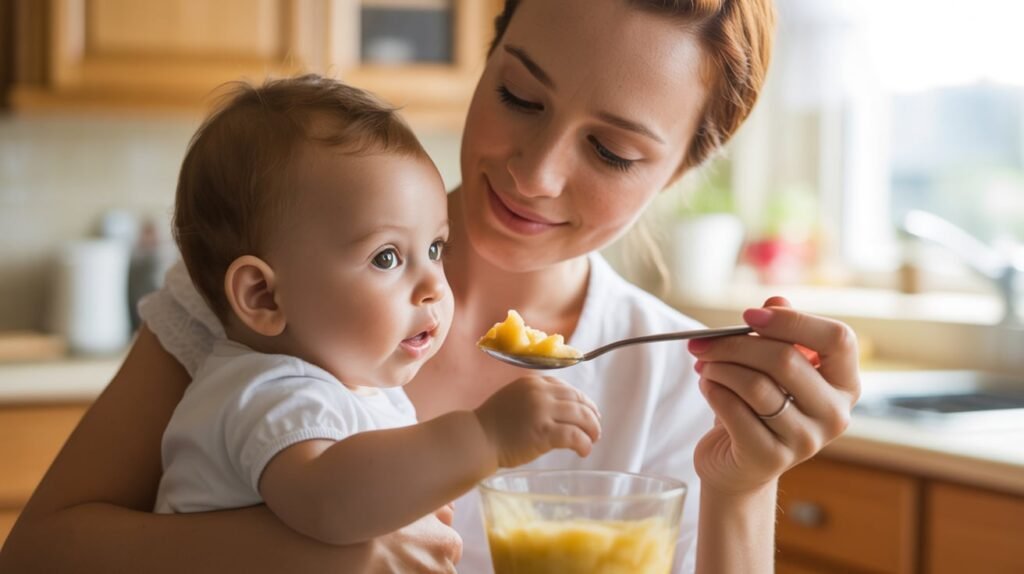
Allergic reactions represent a different category of food danger, involving immune system responses rather than physical hazards. The timing of introduction and family history both influence allergy development, making this area particularly complex for parents to navigate.
Honey Before Age One
This sweet substance harbors a specific danger for infants under twelve months: botulism spores. Adult digestive systems easily destroy these spores, but infant intestines provide an environment where they can germinate and produce deadly toxins. This risk exists in all honey varieties, including raw, pasteurized, and even honey-containing processed foods.
The bacteria responsible for infant botulism, Clostridium botulinum, exists naturally in soil and dust. Bees carry these spores into honey during production. While processing might kill active bacteria, spores survive standard pasteurization temperatures. Only infant digestive tracts provide the low-acid, low-oxygen environment these spores need to activate.
Symptoms of infant botulism develop gradually, starting with constipation and progressing to muscle weakness and breathing difficulties. The condition requires immediate medical intervention and can result in paralysis or death without treatment. No amount of honey is safe before the first birthday, regardless of perceived quality or processing methods.
Cow’s Milk as Primary Drink
While dairy products like yogurt and cheese can be introduced around six months, cow’s milk as a beverage should wait until after the first birthday. The protein and mineral content in cow’s milk differs significantly from breast milk or formula, potentially damaging infant kidneys and causing intestinal bleeding.
The high protein and sodium levels in cow’s milk stress developing kidneys that cannot yet process these concentrations effectively. Additionally, cow’s milk lacks adequate iron and can actually interfere with iron absorption from other foods. This combination can lead to iron deficiency anemia, affecting brain development and growth.
Raw or Undercooked Eggs
Salmonella contamination poses the primary concern with undercooked eggs for babies. Their developing immune systems cannot fight this bacteria effectively, leading to severe dehydration from diarrhea and vomiting. Even eggs from vaccinated hens or those labeled as pasteurized in the shell carry some risk when served undercooked.
Beyond bacterial concerns, egg proteins rank among the most common allergens in infancy. Introduction should occur carefully, starting with well-cooked egg yolk before progressing to whole eggs. Watch for reactions including hives, vomiting, or breathing difficulties that might indicate an allergy requiring medical evaluation.
Shellfish and Certain Fish
Shellfish allergies often persist into adulthood and can trigger severe reactions from first exposure. Shrimp, lobster, crab, and mollusks should be introduced cautiously after the first birthday, with careful monitoring for allergic responses. Family history of shellfish allergies warrants extra caution and potential allergy testing before introduction.
Mercury content creates additional concerns with certain fish species. Large predatory fish accumulate mercury in their tissues, potentially affecting infant brain development. Shark, swordfish, king mackerel, and tilefish should be completely avoided. Even tuna requires moderation, with light canned varieties preferred over albacore or fresh tuna steaks.
Peanuts and Tree Nuts Timing
Recent research has revolutionized recommendations for peanut introduction, now suggesting early exposure between four and six months for high-risk infants. However, whole nuts remain choking hazards regardless of allergy considerations. Smooth nut butters thinned with breast milk, formula, or purees provide safer introduction methods.
Tree nuts require individual introduction since allergies to different nuts vary. Almonds, cashews, walnuts, and pecans each need separate trials to identify specific sensitivities. Ground nuts mixed into appropriate foods or nut flours in baking offer alternatives to potentially dangerous whole or chopped versions.
Signs of nut allergies can range from mild skin reactions to severe anaphylaxis. Immediate symptoms might include facial swelling, hives, or vomiting, while delayed reactions could involve eczema flares or digestive upset. Any suspected allergic reaction warrants medical consultation and potential referral to an allergist.
Drinks and Liquids to Avoid
Liquid nutrition plays a crucial role in infant development, but many common beverages can harm babies. Beyond simple hydration needs, the drinks you offer affect everything from tooth development to kidney function.
Fruit Juices and Sugary Drinks
Pediatric organizations now recommend no fruit juice before age one, even 100% varieties. The high sugar concentration in juice can damage developing teeth, cause diarrhea, and contribute to obesity. Whole fruits provide better nutrition with beneficial fiber that juices lack.
The natural sugars in fruit juice affect blood sugar levels similarly to added sugars, causing energy spikes and crashes that disrupt infant sleep and feeding patterns. Additionally, filling up on juice reduces appetite for more nutritious foods and formula or breast milk. The American Academy of Pediatrics links early juice consumption to increased cavity risk and unhealthy weight gain patterns.
Parents often believe juice provides necessary vitamins, but whole fruits offer superior nutrition. The fiber in whole fruit slows sugar absorption, preventing blood sugar spikes. Mashing or pureeing age-appropriate fruits provides all the vitamins without the concentrated sugars and acids that can damage emerging teeth.
Water remains the best alternative beverage once babies begin eating solid foods around six months. Small sips of water with meals help prevent constipation without replacing vital nutrients from breast milk or formula. Teaching water consumption early establishes healthy hydration habits that last a lifetime.
Caffeinated Beverages
Coffee, tea, soda, and energy drinks have no place in infant diets. Caffeine affects babies more intensely than adults due to their smaller body size and inability to metabolize this stimulant effectively. Even small amounts can disrupt sleep patterns and cause irritability.
The half-life of caffeine in newborns extends up to 100 hours, compared to just 3-5 hours in adults. This means caffeine remains in their systems far longer, continuously affecting heart rate, blood pressure, and nervous system function. Regular exposure might interfere with calcium absorption, potentially affecting bone development.
Unpasteurized Products
Raw milk and unpasteurized juices carry dangerous bacteria including E. coli, Salmonella, and Listeria. These pathogens cause severe illness in adults but prove potentially fatal for infants. The supposed benefits of unpasteurized products don’t outweigh the serious health risks for developing immune systems.
Some parents choose raw milk believing it contains beneficial enzymes and probiotics destroyed by pasteurization. However, any potential benefits pale compared to the risk of serious bacterial infections. Cases of infant illness and death from unpasteurized dairy products occur regularly, making this an unnecessary gamble with your baby’s health.
Water Timing for Newborns
Exclusive breast milk or formula provides all necessary hydration for babies under six months. Giving water too early can cause water intoxication, disrupting electrolyte balance and potentially causing seizures. Young kidneys cannot process excess water effectively, leading to dangerous sodium dilution.
After six months, small amounts of water with solid foods help prevent constipation and teach cup-drinking skills. However, water should never replace breast milk or formula feeds during the first year. These primary nutrition sources provide calories and nutrients that water cannot supply.
The following beverages require complete avoidance during infancy:
Rice Milk: Lacks protein and contains potential arsenic contamination
Soy Milk: Inappropriate protein composition for infant primary nutrition
Herbal Teas: May contain compounds harmful to infant development
Flavored Waters: Often contain hidden sugars or artificial sweeteners
Coconut Water: High potassium levels can stress infant kidneys
Sports Drinks and Sodas
Marketing might suggest sports drinks help with hydration, but these beverages contain excessive sugars and electrolytes inappropriate for babies. The high sodium and potassium levels can overload developing kidneys, while added sugars contribute to tooth decay and obesity.
Carbonated beverages present additional problems beyond sugar content. The carbonation can cause gas and discomfort in sensitive digestive systems. Phosphoric acid in many sodas interferes with calcium absorption, potentially affecting bone development. Even sugar-free versions contain artificial sweeteners unsuitable for infants.
Processed Foods That Harm Development
Modern food processing often adds substances that enhance flavor or extend shelf life but prove harmful for developing bodies. Understanding these hidden dangers helps parents choose appropriate alternatives that support healthy growth.
High-Sodium Foods
Adult-oriented processed foods contain sodium levels that can damage infant kidneys and establish preferences for salty foods. A baby’s daily sodium requirement equals just 120mg until six months, compared to adult recommendations of 2,300mg. Most processed foods exceed infant daily needs in a single serving.
Common baby-friendly appearing foods often hide excessive sodium. Crackers, breakfast cereals, and canned vegetables frequently contain adult-level sodium concentrations. Reading labels becomes essential, but better yet, choosing whole foods eliminates the guesswork entirely.
Excess sodium during infancy may program taste preferences toward salty foods, increasing lifetime risks for high blood pressure and heart disease. The developing palate adapts to whatever flavors it experiences regularly, making early exposure to high-sodium foods particularly problematic for long-term health.
Added Sugar Products
Sugar appears in processed foods under dozens of names, making it challenging to identify. Corn syrup, dextrose, fructose, and maltose all represent added sugars that provide empty calories without nutritional value. These additions can lead to tooth decay, obesity, and metabolic problems later in life.
Many seemingly healthy foods marketed for babies contain shocking sugar amounts. Flavored yogurts, breakfast cereals, and even some jarred baby foods include added sugars unnecessary for infant nutrition. Natural fruit sugars combined with whole fruit fiber prove far superior to any processed sweetener.
Artificial Sweeteners
Products containing aspartame, sucralose, or saccharin shouldn’t enter infant diets. These chemical compounds haven’t been adequately studied in developing bodies, and their intense sweetness may program preferences for overly sweet foods. Some research suggests potential links between artificial sweeteners and metabolic disruption.
Parents seeking to avoid sugar sometimes turn to “sugar-free” products containing these substitutes. However, babies don’t need sweet flavors added to their foods. Natural flavors from fruits and vegetables provide appropriate taste experiences without chemical additives or excessive sweetness that might affect future food preferences.
Diet beverages and sugar-free processed foods often combine artificial sweeteners with other questionable additives. The philosophy of “less processed is better” serves parents well when selecting infant foods. Whole foods prepared simply at home eliminate concerns about hidden artificial ingredients.
Processed Meats
Deli meats, bacon, sausages, and hot dogs undergo processing that adds nitrates, excessive sodium, and potentially harmful preservatives. These additions, combined with high fat content and potential bacterial contamination, make processed meats inappropriate for infant consumption.
The World Health Organization classifies processed meats as carcinogenic, with regular consumption linked to increased cancer risks. While these studies focus on long-term adult consumption, introducing these foods during infancy establishes eating patterns that may persist throughout life.
Fresh, lean meats prepared at home provide protein without concerning additives. Simple preparation methods like baking, steaming, or slow cooking create tender textures babies can manage. Pureeing or finely shredding home-cooked meats offers safer alternatives to processed versions.
Fast Food Items
Restaurant and fast-food meals typically combine multiple infant food hazards: excessive sodium, added sugars, unhealthy fats, and age-inappropriate textures. A single fast-food meal can contain several times an infant’s daily sodium allowance plus sugars, preservatives, and artificial flavors.
The convenience of fast food might tempt busy parents, but these meals lack appropriate nutrition for growing babies. High calorie density without corresponding nutrients can interfere with appetite for healthier foods. Additionally, early exposure to fast food flavors may establish preferences for these less healthy options.
French fries, perhaps the most common fast-food item shared with babies, exemplify multiple problems. The deep-frying process creates unhealthy trans fats, while salt levels far exceed infant requirements. The irregular shapes and sometimes crispy exteriors can pose choking risks for babies still learning to chew effectively.
Making Informed Feeding Decisions
Knowledge about dangerous foods empowers parents to create safe, nutritious meal plans that support optimal development. Understanding why certain foods require avoidance helps you make confident decisions about your baby’s diet while explaining choices to caregivers and family members who might question restrictions.
The list of foods to avoid might seem overwhelming initially, but remember that babies thrive on simple, whole foods prepared appropriately for their developmental stage. Focus on what you can offer rather than restrictions: pureed vegetables and fruits, iron-fortified cereals, and eventually soft proteins provide everything needed for healthy growth. As your child develops better chewing abilities and stronger immune systems, the prohibited food list shrinks considerably, opening up a world of culinary exploration together.
Frequently Asked Questions
Q: At what age can babies start eating solid foods?
A: Most babies show readiness for solid foods around 6 months of age, when they can sit upright with support, show interest in food, and have lost the tongue-thrust reflex that pushes food out of their mouths.
Q: Can I give my 8-month-old scrambled eggs?
A: Yes, fully cooked scrambled eggs are generally safe after 6 months. Start with small amounts and watch for allergic reactions. Make sure eggs are cooked thoroughly until both yolk and white are firm.
Q: Why can’t babies have honey but can eat other sweet foods?
A: The danger with honey isn’t the sweetness but the potential presence of botulism spores that infant digestive systems cannot neutralize. These spores don’t exist in other sweet foods like fruit purees or appropriately prepared sweet potatoes.
Q: Is it safe to give my baby water during hot weather?
A: Babies under 6 months should only have breast milk or formula, even in hot weather. These provide proper hydration with necessary nutrients. After 6 months, small sips of water with solid foods are appropriate, but milk or formula should remain the primary liquids.
Q: Can babies eat cheese even though they can’t drink cow’s milk?
A: Yes, babies can typically eat yogurt and cheese from around 6 months because the culturing and aging processes break down problematic proteins and reduce lactose content that make regular cow’s milk inappropriate as a primary drink.
Q: What should I do if my baby accidentally eats something from the “avoid” list?
A: Monitor for immediate reactions like choking, difficulty breathing, rash, or vomiting. For potential allergens, watch for symptoms over the next few hours. Contact your pediatrician if you notice any concerning symptoms or have questions.
Q: How small should I cut finger foods to prevent choking?
A: Food pieces should be no larger than a pea for babies just starting finger foods. As they develop better chewing skills around 12 months, pieces can be slightly larger but should still be soft enough to mash easily between your fingers.
Q: Are organic baby foods safer than conventional ones?
A: While organic foods contain fewer pesticide residues, both organic and conventional baby foods must meet safety standards. The most important factor is choosing age-appropriate foods prepared safely, regardless of organic status.