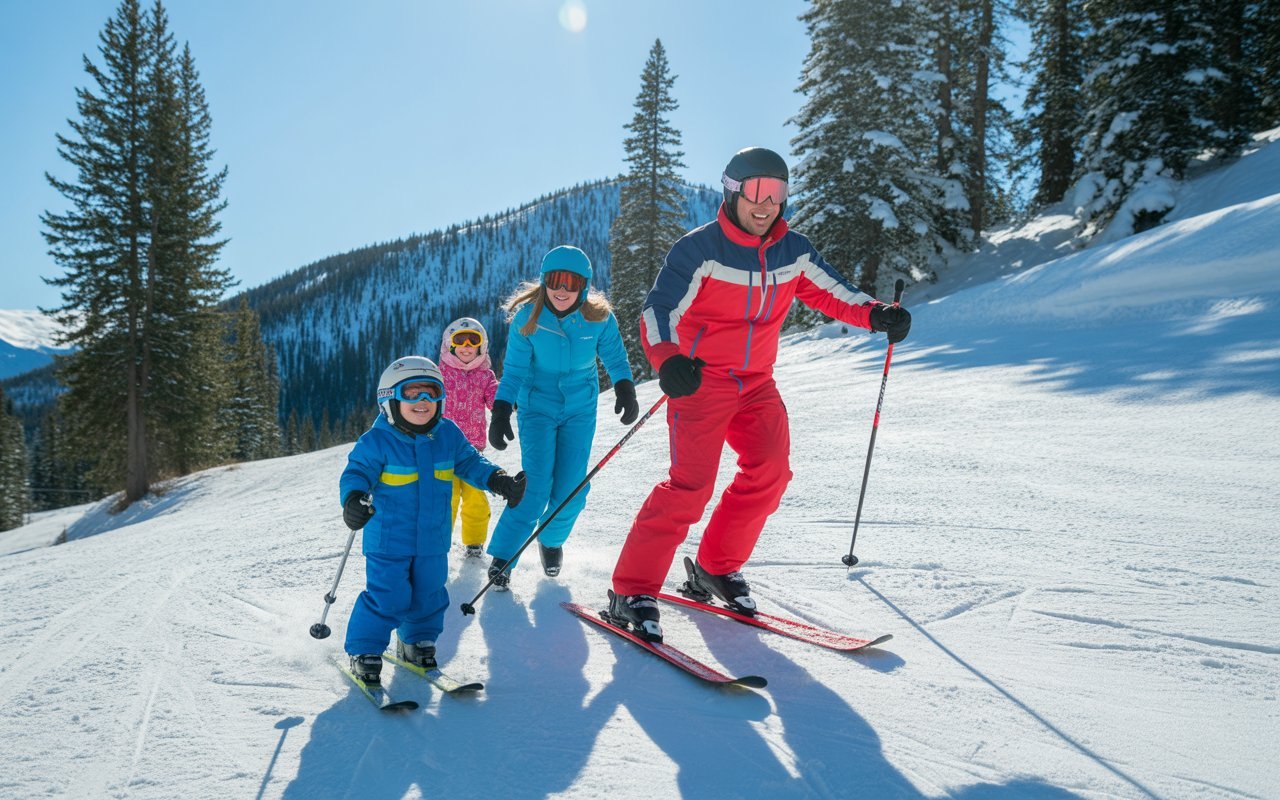
Planning a winter vacation with children often feels like trying to balance fun and practicality on a slippery slope. You want those picture-perfect moments of your kids learning to ski, their faces glowing with excitement as they master their first run. Yet finding ski resorts that genuinely cater to families requires looking beyond glossy brochures and considering what actually matters when traveling with young ones.
The right ski destination transforms a potentially stressful family trip into something truly special. Mountains covered in fresh powder become playgrounds where children discover confidence, parents reconnect away from daily routines, and everyone creates stories they’ll tell for years. These destinations offer more than just ski runs – they provide complete winter experiences designed around family needs, from specialized ski schools to cozy accommodations perfect for tired little ones.
The following sections will guide you through selecting and enjoying ski resorts that welcome families with open arms. You’ll discover what features matter most, which destinations excel at creating magical winter experiences, and how to plan a trip that keeps everyone from toddlers to teenagers engaged and happy. Let’s uncover the ski resorts that turn winter vacations into treasured family traditions.
What Makes a Ski Resort Perfect for Families
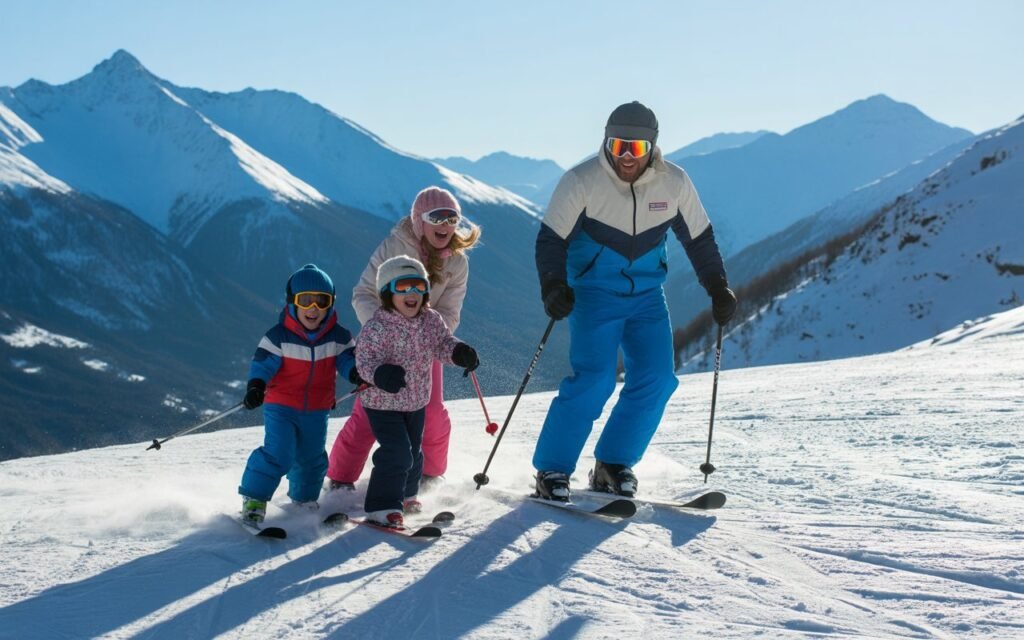
Not all ski mountains welcome beginners with equal enthusiasm. The best family resorts dedicate significant terrain to gentle, wide slopes where children can learn without feeling overwhelmed. These green runs should connect throughout the resort, allowing families to ski together regardless of skill differences.
Professional ski schools specifically designed for children make an enormous difference in your vacation experience. Look for programs that group kids by both age and ability, ensuring your five-year-old isn’t trying to keep up with athletic eight-year-olds. The finest schools employ instructors trained in child development who understand that teaching skiing to children involves games, songs, and plenty of hot chocolate breaks.
Magic carpets – those conveyor belt-style lifts – revolutionize the learning experience for small children. Traditional chairlifts can intimidate young skiers, but these surface lifts allow kids to step on and ride up gentle slopes without the anxiety of dangling chairs. Resorts with multiple magic carpets in dedicated learning areas show genuine commitment to family skiing.
Off-Slope Activities and Entertainment
Weather doesn’t always cooperate with skiing plans, and young legs tire quickly on the mountain. Resorts that understand families offer abundant alternatives to skiing. Indoor swimming pools with waterslides provide perfect afternoon entertainment when the wind picks up. Ice skating rinks, tubing hills, and snowshoe trails give families variety in their winter activities.
Some resorts go beyond basic amenities, creating entire winter wonderlands off the slopes. Adventure parks with zip lines, alpine coasters that wind through snowy forests, and organized activities like snowman-building contests keep children engaged when they need a break from skiing. Evening entertainment matters too – resorts with movie theaters, game rooms, and family-friendly restaurants prevent the dreaded “we’re bored” chorus after the lifts close.
Family Accommodation Options
Finding the right place to stay can determine whether your ski vacation feels relaxing or exhausting. Ski-in/ski-out accommodations eliminate the morning struggle of getting everyone dressed, fed, and transported to the mountain. When you can walk directly from your door to the slopes, afternoon naps and equipment adjustments become simple rather than logistical nightmares.
Room configurations designed for families beat standard hotel rooms every time. Suites with separate sleeping areas let parents enjoy evening conversations while children sleep. Kitchenettes or full kitchens save money and accommodate picky eaters who might not thrive on restaurant meals three times daily. Some resorts offer interconnected rooms, providing privacy for parents and older children while keeping everyone close.
Safety Features and Childcare Services
Parents need peace of mind to enjoy their vacation, and thoughtful safety features provide exactly that. Resorts with designated slow zones, clearly marked family areas, and ski patrol specifically trained in pediatric first aid show they take child safety seriously. Some mountains use RFID technology in lift tickets, allowing parents to track where their older children ski independently.
Quality childcare services transform ski vacations for families with very young children or mixed ages. Licensed daycare facilities at the base of the mountain mean parents can enjoy a few runs while toddlers nap or play in age-appropriate settings. The best programs offer flexible timing, allowing families to ski together in the morning and split up after lunch. Some resorts even provide evening babysitting services, giving parents a chance for a quiet dinner together.
Consider these essential safety and convenience features:
Fenced learning areas: Separate spaces keep beginners away from faster skiers
Heated rest stops: Warm huts scattered across the mountain for quick breaks
Child-specific rental equipment: Properly fitted gear in good condition matters for safety
Medical facilities: On-site clinics with pediatric capabilities provide reassurance
Clear trail marking: Color-coded runs and detailed maps help families navigate confidently
Top North American Destinations for Family Skiing
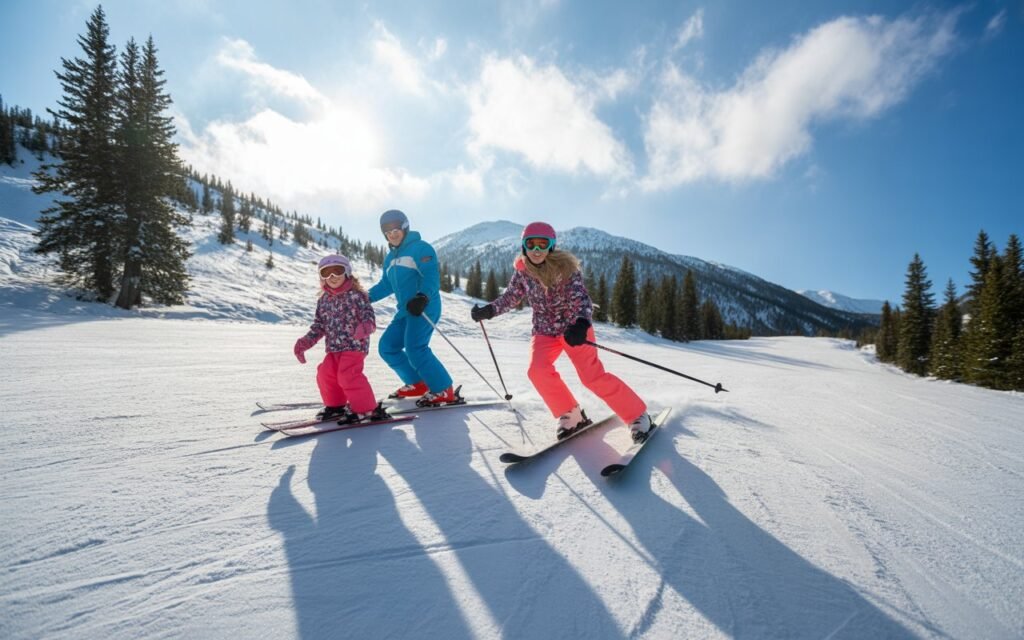
Keystone stands out in Colorado’s competitive ski scene by genuinely prioritizing family experiences. The resort’s Kidtopia program runs throughout the ski season, offering daily activities that extend well beyond skiing. Your children might find themselves on a scavenger hunt one afternoon and roasting marshmallows at the world’s largest snow fort the next evening.
The mountain itself seems designed with families in mind. The learning area sits separate from main traffic, giving beginners space to develop skills without dodging expert skiers. The Summit House, perched at 11,444 feet, provides a memorable lunch spot with panoramic views and kid-friendly menu options. Night skiing adds extra value – Keystone offers the longest lighted ski day in Colorado, perfect for families wanting to maximize slope time without early morning wake-ups.
A massive outdoor ice rink in River Run Village creates a central gathering spot where families naturally congregate after skiing. Free activities here include ice shows and themed parties throughout the season. The village itself clusters restaurants, shops, and accommodations within walking distance, minimizing travel logistics that can complicate family trips.
Park City Mountain Resort, Utah
Utah’s reputation for exceptional snow combines with thoughtful family planning at Park City Mountain Resort. With over 7,300 acres of terrain, families never feel crowded or limited in their exploration options. The resort connects two previously separate mountains, creating America’s largest ski area with terrain for every skill level.
The High Meadow Family Fun Zone dedicates an entire area to new skiers, complete with themed trails that turn learning into adventure. Kids navigate through mining-themed obstacles and fun zones that make practicing turns feel like playing rather than drilling techniques. The resort’s ski school uses specially designed terrain-based learning areas where natural features teach skills progressively.
Park City’s town adds significant value to the ski experience. Historic Main Street, just minutes from the slopes, offers shopping, dining, and entertainment in a walkable setting. The free town-wide transportation system eliminates rental car needs, simplifying vacation logistics considerably. Families appreciate the abundance of non-chain restaurants offering everything from pizza to upscale dining with children’s menus.
Smugglers’ Notch, Vermont
Vermont’s Smugglers’ Notch takes an all-inclusive approach that eliminates typical vacation stress points. The resort packages everything – lodging, meals, lessons, and activities – into single pricing that helps families budget accurately. No surprise charges or hidden fees mean parents can relax about costs once they’ve booked.
The ski school here has won numerous awards, and watching their programs in action shows why. Instructors use imaginative teaching methods that have three-year-olds skiing confidently by week’s end. The resort divides programs by precise age groups, ensuring developmental appropriateness in both skiing instruction and childcare activities.
Beyond skiing, Smugglers’ creates a summer camp atmosphere in winter. Daily activities range from arts and crafts to outdoor adventures, all supervised by trained staff. The FunZone, a massive indoor playground with inflatable slides and obstacle courses, provides weather-proof entertainment. Parents appreciate the teen center, which gives older kids independence while keeping them safely engaged.
Whistler Blackcomb, Canada
Whistler Blackcomb operates on a scale that amazes families visiting for the first time. Two massive mountains connected by the record-breaking Peak 2 Peak Gondola offer over 8,000 acres of skiable terrain. Yet despite its size, the resort maintains intimate family zones where children never feel lost in the vastness.
The Magic Castle on Blackcomb and the Enchanted Forest on Whistler create whimsical ski-through experiences that delight young skiers. These themed areas include tree forts, hidden trails, and surprise elements that make children beg for “just one more run.” The Nintendo terrain parks introduce older kids to freestyle skiing in a safe, progressive environment.
Whistler Village pulses with energy that extends well beyond skiing. The pedestrian-only village center means children can explore safely while parents browse shops or enjoy après-ski beverages at outdoor patios. The village offers everything from mini golf to zip lining, ensuring entertainment regardless of weather or energy levels. Numerous grocery stores and delis help families manage meal costs in this admittedly expensive destination.
European Ski Resorts That Welcome Children
French Alps charm meets family functionality in Les Gets, a resort that feels more like a snowy village than a commercial ski destination. The resort maintains a traditional Savoyard atmosphere while providing modern amenities families need. Wooden chalets line car-limited streets where children can play safely while parents sip coffee at sidewalk cafes.
The Mappy’s Club takes childcare beyond basic supervision, offering activities that immerse children in French culture while keeping them entertained. Young visitors might learn to make traditional cheese, try French songs, or participate in torch-lit parades through the village. The approach gives parents guilt-free adult ski time knowing their children are having enriching experiences.
Les Gets connects to the massive Portes du Soleil ski area, yet the village maintains its own identity and family-friendly zones. The Grand Cry lift area serves as a natural meeting point where families regroup throughout the day. The Indian Territory, accessible via a themed trail, provides adventure for young skiers with teepees, totems, and music creating an immersive experience that makes skill development secondary to fun.
Serfaus-Fiss-Ladis, Austria
Austria’s Serfaus-Fiss-Ladis region specifically brands itself as a family destination, and every detail reflects this commitment. The three connected villages offer different personalities – Serfaus with its car-free streets and underground subway, Fiss with traditional Tyrolean charm, and Ladis providing quiet authenticity. Families can choose their preferred atmosphere while accessing the same excellent ski terrain.
Bertas Kinderland in Fiss creates a winter playground that extends far beyond typical ski school offerings. The area includes magic carpets, a snow carousel, tubing lanes, and an Indian village complete with authentic teepees. Children spend entire days here without skiing, yet parents don’t feel they’re missing the mountain experience. The adjacent restaurant includes a soft play area, allowing parents to enjoy lunch while kids burn extra energy.
The resort’s commitment shows in surprising details that make family life easier. Heated storage rooms at lift bases mean no carrying equipment back to hotels. Numerous mountain restaurants offer bottle warmers, high chairs, and changing facilities. The pricing structure includes significant family discounts, making Austria’s notorious ski costs more manageable.
Livigno, Italy
Livigno offers Italian hospitality at prices that don’t require taking out a second mortgage. The duty-free status keeps costs reasonable while high altitude guarantees snow from December through April. The valley setting creates a contained environment where families feel secure letting older children explore independently.
The Kinder Club Lupigno provides childcare that feels more like daily adventure than babysitting. Activities change throughout the week, including mini snowmobile driving, igloo building, and even child-appropriate snowcat rides. The program coordinators speak multiple languages, making international families feel welcome and understood.
Two separate ski areas connected by free shuttle buses provide variety without requiring car rental. The Mottolino side offers modern facilities with a fun park perfect for teenagers, while Carosello provides gentler, more traditional terrain ideal for beginners. Both areas maintain excellent ski schools with English-speaking instructors accustomed to international visitors.
The town itself stretches for nine kilometers along a single main street, creating easy navigation and abundant dining options. Over 150 restaurants mean even selective eaters find satisfying meals, while numerous shops offer entertainment during non-ski hours.
Andorra’s Family Zones
Grandvalira, Andorra’s largest ski area, spreads across six sectors that each offer distinct family experiences. The resort invests heavily in beginner and intermediate terrain, with over 100 kilometers of green and blue runs ensuring families never feel limited. The Pyrenees location provides reliable snow conditions without the altitude issues that sometimes affect sensitive children in higher Alpine resorts.
The resort stands out for its innovative children’s facilities. Imaginarium areas combine snow gardens with themed circuits where Disney characters might appear for photo opportunities. The circuits progress in difficulty, allowing children to advance at their own pace while parents watch from nearby cafes. Some sectors offer night skiing on gentle slopes, perfect for families wanting to experience the mountain under lights without tackling challenging terrain.
Consider what makes Andorran resorts particularly family-friendly:
Language accessibility: Staff typically speak Spanish, French, and English fluently
Affordable pricing: Lift tickets and accommodations cost less than major Alpine destinations
Compact base areas: Everything sits within walking distance, reducing logistics
Extended season: Lower altitude means comfortable temperatures through spring break
Tax-free shopping: Duty-free status makes equipment purchases attractive
Planning Your Family Ski Adventure
School schedules often dictate family ski trips, but understanding seasonal patterns helps maximize your experience within those constraints. Early December offers uncrowded slopes and lower prices, though snow conditions vary by location. Resorts with extensive snowmaking capabilities provide reliability during these shoulder periods.
February school breaks coincide with peak season at most resorts, bringing crowds and premium pricing. Booking accommodations six months ahead becomes essential during these periods. Consider less obvious destinations during peak weeks – smaller resorts often provide better experiences when major destinations overflow with visitors.
Spring skiing from mid-March through April presents ideal conditions for families. Warmer temperatures make the experience more comfortable for young children. Longer days provide flexibility in planning. Many resorts offer special spring break packages combining lodging, tickets, and lessons at reduced rates. The snow softens by afternoon, creating forgiving conditions perfect for developing skiers.
Essential Gear for Young Skiers
Proper equipment makes the difference between children loving or hating their ski experience. Renting versus buying depends on growth rates and skiing frequency, but certain items deserve investment regardless. Quality base layers that wick moisture while providing warmth prevent the miserable experience of wet, cold children. Avoid cotton entirely – once wet, it stays wet and cold.
Helmets require careful consideration whether renting or purchasing. Fit matters more than style, and poorly fitting helmets provide false security. Many resorts require helmets for children, and some provide them free with rental packages. If purchasing, buy new rather than used to ensure no previous impact damage compromises protection.
The middle layer system works better than one bulky coat for active children. A fleece or light puffy jacket under a waterproof shell allows adjustment as temperatures and activity levels change. Neck warmers beat scarves for safety and convenience. Good gloves or mittens deserve investment – cold hands end ski days faster than any other discomfort.
Booking Strategies for Families
Advance planning typically saves money, but strategic timing matters more than simply booking early. Many resorts release early season deals in September and October for December travel. Spring break packages often appear in January. Subscribe to resort newsletters and follow social media accounts to catch limited-time offers.
Package deals combining lodging, lift tickets, and lessons usually provide better value than booking separately. Compare carefully though – some packages include unnecessary extras that inflate costs without adding value. Equipment rental packages that allow swapping sizes during your stay accommodate growing children or those trying different sports.
Flexible dates save substantial amounts if your schedule allows. Saturday-to-Saturday bookings cost most, while midweek arrivals often trigger discounts. Some resorts offer fifth or seventh night free deals that make longer stays economical. Consider driving distance resorts for long weekends rather than flying to distant destinations for short trips.
Budget Considerations
Ski vacations can shock budgets without careful planning. Food costs add up quickly when every meal happens at resort restaurants. Accommodations with kitchens allow breakfast and some dinners at home, dramatically reducing expenses. Pack non-perishable snacks from home rather than buying expensive mountain versions.
Lift ticket strategies vary by family configuration and ski ability. Some resorts offer free skiing for children under certain ages. Others provide family passes that become economical with three or more skiers. Multi-day tickets always beat daily purchases. Some resorts partner with local businesses offering discounted tickets with equipment rental or lesson packages.
Hidden costs surprise many families on their first ski vacation. Parking fees at some resorts reach $30 daily. Resort fees add unexpected charges to lodging bills. Equipment storage, if not included with accommodations, creates daily expenses. Transportation between lodging and slopes might require paid shuttles or expensive taxis. Research and budget for these extras to avoid unpleasant surprises.
Making the Most of Your Family Ski Trip
Success with multiple ages requires accepting that everyone won’t always ski together. Toddlers and preschoolers perform best with morning activities when energy runs high. Plan their ski school or snow play for first thing, then expect naptime or quiet activities after lunch. Forcing afternoon skiing with exhausted little ones creates misery for everyone.
Elementary age children often surprise parents with their endurance, but they still need structure. Morning lessons followed by afternoon free skiing with parents works well. Build in hot chocolate breaks every hour or two – these become cherished memories while preventing meltdowns. Let them choose one activity each day, whether hitting the terrain park or exploring a new trail.
Teenagers want independence but still need family connection. Consider splitting the day – mornings together as a family, afternoons for teens to explore with siblings or new friends from ski school. Many resorts offer supervised teen programs that provide freedom within structure. Negotiate phone check-in times that balance independence with safety.
Mixed age groups require creative scheduling. While older kids attend advanced lessons, parents can enjoy gentle runs with beginners. Meeting for lunch becomes the daily touchpoint where everyone shares morning adventures. Some families designate certain runs as family trails where everyone regularly meets throughout the day.
Keeping Everyone Warm and Happy
Temperature regulation prevents most on-mountain meltdowns. Pack extra layers even on warm days – mountain weather changes rapidly. Hand warmers tucked into gloves and toe warmers in boots provide emergency comfort when temperatures drop. Small children lose heat quickly; plan indoor breaks every hour regardless of their protests about missing ski time.
Snacks and hydration often get overlooked in ski excitement, yet they’re crucial for maintaining energy and mood. Pack pockets with granola bars, fruit pouches, and water bottles. Many resorts allow outside food in base lodges, making lunch affordable while providing warm shelter. Avoid sugary snacks that create energy crashes – sustained energy foods keep everyone skiing happily longer.
Recognize signs of exhaustion before they become problems. Stumbling, increased complaining, or sudden skill regression indicate time for breaks. Better to end on a positive note than push through to tears. The mountain will still exist tomorrow, but negative associations created by pushing too hard can ruin future ski experiences.
Capturing Memories on the Mountain
Photos tell only part of the story – video captures the joy of that first successful run or the concentration on a child’s face navigating moguls. Many phones now handle cold reasonably well, though battery life diminishes quickly. Portable chargers kept in inside pockets stay warm and provide backup power. GoPros or similar action cameras mounted on helmets create unique perspectives without requiring parents to choose between skiing and filming.
Beyond digital memories, consider creating tangible souvenirs. Trail maps marked with conquered runs become wall art. Lift tickets saved in a special book chronicle yearly progress. Some families create photo books after each trip, letting children help select images and write captions. These become treasured possessions that children love reviewing.
Let children document their own experiences too. Disposable cameras still exist and give kids ownership of memory-making. Older children might prefer keeping ski journals, recording favorite runs, funny moments, or goals for next time. These personal accounts often capture details parents miss and become family treasures years later.
Balancing Ski Time with Rest
The temptation to maximize expensive lift tickets by skiing bell-to-bell exhausts families quickly. Build rest into your schedule from the beginning rather than waiting for overtired meltdowns. A long lunch allows physical and mental recovery while maintaining positive associations with skiing.
Afternoon activities off the mountain provide variety while allowing recovery. Pool time soothes sore muscles while maintaining vacation fun. Board game sessions in cozy lodges create bonding time without physical demands. Even watching ski movies together builds excitement for the next day while resting bodies.
Planning one complete non-ski day during week-long trips often improves the overall experience. Explore the local town, try snowshoeing, or simply enjoy resort amenities without rush. These pause days prevent burnout and create different types of memories. They also accommodate family members who might need a break but don’t want to admit it.
Your Family’s Next Winter Adventure
Winter sports create unique bonding opportunities that beach vacations or theme parks can’t replicate. The shared challenge of learning something new, the triumph of conquering fears, and the simple joy of playing in snow together build connections that last long after the vacation ends. These mountain experiences teach children persistence, courage, and the reward of pushing beyond comfort zones.
Selecting the right resort and planning thoughtfully transforms potentially stressful family ski trips into adventures everyone genuinely enjoys. Whether you choose a sprawling North American resort with every conceivable amenity or a charming European village where children learn skiing between stops for hot chocolate and strudel, the mountains offer something magical. Start planning your family’s winter adventure now – those perfect snow days and rosy-cheeked smiles await.
Frequently Asked Questions
Q: At what age should children start skiing?
A: Most ski schools accept children as young as three years old, though some specialized programs work with two-year-olds. The sweet spot for starting is usually between four and six when children have developed better balance and can follow instructions while still being fearless enough to try new things.
Q: How many days of skiing are ideal for a family trip?
A: Four to five days of skiing works best for most families. This provides enough time to get comfortable on the slopes without exhausting young skiers. A week-long trip might include five ski days with one rest day in the middle for other activities.
Q: Should we book ski lessons for the entire trip?
A: Children typically benefit from lessons for at least half the trip. Consider morning lessons for the first three days, then free skiing with family in the afternoons and remaining days. This provides structured learning while allowing family ski time together.
Q: What’s the best way to handle different skill levels in the family?
A: Split up for part of the day, then meet for meals and easier runs everyone can enjoy together. Many resorts offer meeting spots and designated family zones where mixed abilities can ski near each other safely.
Q: Is it worth buying equipment for children who are still growing?
A: Generally, renting makes more sense for growing children, especially for skis and boots. However, investing in quality base layers, gloves, and helmets pays off since these items get used frequently and proper fit matters more than with outerwear.
Q: How can we make ski trips more affordable for large families?
A: Look for resorts offering free lift tickets for young children, book accommodations with kitchens to reduce meal costs, and travel during off-peak periods. Some resorts offer significant discounts for families booking multiple rooms or staying longer than five nights.
Q: What if my child is scared of skiing?
A: Don’t force it. Many resorts offer alternative snow activities like tubing or snowshoeing that build comfort with winter sports. Professional instructors trained in working with nervous children often succeed where parents struggle. Sometimes taking a season off and trying again when the child is older works better than creating negative associations.
Q: Are European or North American ski resorts better for families?
A: Both offer excellent family experiences but differ in style. North American resorts typically provide more convenience features and structured programs, while European resorts often offer better value, cultural experiences, and charming village atmospheres. Your choice depends on priorities, budget, and travel comfort.