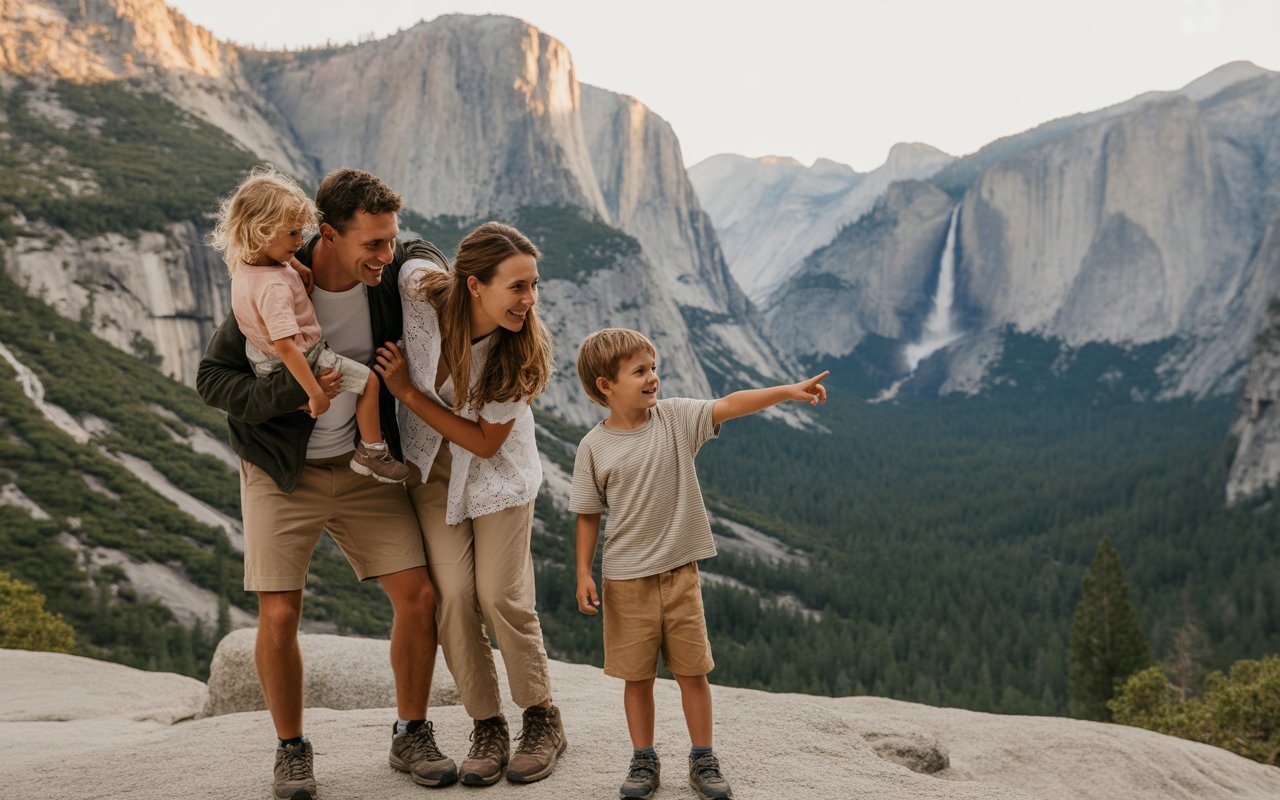
National parks offer some of the most spectacular outdoor adventures families can share together, creating memories that last far beyond childhood. From towering mountains and pristine lakes to ancient forests and desert landscapes, these protected spaces provide natural playgrounds where children can discover the wonders of the world around them. Yet finding parks that cater to the needs of both energetic toddlers and adventure-seeking teenagers while keeping parents engaged can feel overwhelming.
The beauty of America’s national park system lies in its incredible diversity – not just in landscapes, but in the experiences available for visitors of all ages and abilities. Some parks feature paved trails perfect for strollers, while others offer junior ranger programs that turn exploration into educational treasure hunts. Wildlife watching, star gazing, cave tours, and beach combing represent just a fraction of activities waiting for families ready to venture beyond their backyard.
Whether you’re planning your first national park trip with kids or looking to expand your family’s outdoor horizons, understanding which parks offer the right mix of accessibility, excitement, and age-appropriate activities makes all the difference. Let’s uncover how to choose and experience parks that will captivate every member of your family, from the youngest nature enthusiast to grandparents joining the adventure.
What Makes a National Park Family-Friendly
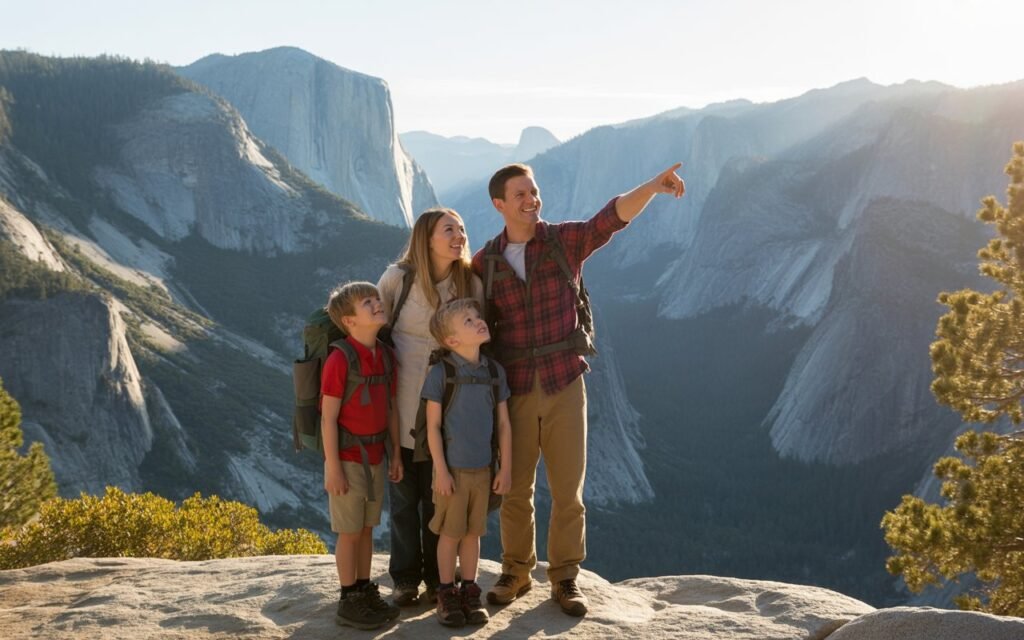
A truly family-friendly national park goes beyond having a few easy trails. These special places understand that families need specific amenities and considerations to make their visit enjoyable rather than stressful. The best parks for families combine natural beauty with thoughtful infrastructure that accommodates the unique needs of traveling with children.
Accessible trails and facilities
Not all hiking trails require expert navigation skills or mountain goat agility. Family-oriented parks feature boardwalks, paved paths, and well-maintained trails that accommodate strollers and wheelchairs. These accessible routes often lead to some of the most iconic viewpoints, proving that you don’t need to tackle challenging terrain to witness breathtaking scenery.
Visitor centers in these parks typically include interactive exhibits designed to capture young imaginations. Touch tables, discovery rooms, and hands-on displays transform learning about geology, ecology, and history into engaging experiences. Many centers also feature short films that provide context for what families will see during their visit, helping children understand and appreciate the landscapes they’re about to explore.
Restroom facilities might seem like a mundane consideration, but parents know their strategic importance. Parks that prioritize families ensure adequate facilities along popular trails and at major viewpoints. Some even include family restrooms with changing tables, making diaper changes and potty breaks less of an ordeal. Water fountains and filling stations positioned throughout the park help families stay hydrated without carrying excessive supplies.
Safety considerations for children
Rangers at family-friendly parks understand the unique safety concerns parents face in wilderness settings. These parks typically feature clearly marked trails with minimal exposure to steep drop-offs or other hazards. Signage includes warnings about specific dangers like swift water or unstable ground, written in language children can understand.
Wildlife viewing areas in these parks often include barriers or designated observation points that maintain safe distances between animals and visitors. Educational programs teach children how to respect wildlife while staying safe, turning potential dangers into learning opportunities. Rangers regularly patrol popular family areas, providing an additional layer of security and serving as resources for questions or concerns.
Educational opportunities
The most successful family park visits combine adventure with learning, and top parks excel at providing both. Junior Ranger programs stand out as particularly effective, offering age-appropriate workbooks and activities that guide children through park exploration. Kids complete tasks like identifying animal tracks, sketching landscapes, or attending ranger talks to earn official badges.
Many parks schedule daily ranger-led programs specifically designed for families. These might include guided nature walks where rangers point out hidden details children might otherwise miss, or evening programs about nocturnal animals and stargazing. Campfire talks bring families together to learn about park history, local legends, and conservation efforts through storytelling that captivates audiences of all ages.
Variety of activities for different ages
The challenge of keeping a four-year-old and fourteen-year-old equally engaged requires parks with diverse offerings. Successful family destinations provide activities ranging from gentle nature walks to moderate hiking challenges, ensuring everyone finds something at their comfort level.
Water features often serve as universal attractors – whether it’s wading in shallow streams, skipping rocks across lakes, or watching powerful waterfalls. These natural elements provide sensory experiences that appeal across age groups while offering cooling relief during hot summer visits. Parks with beaches or swimming areas become especially popular with families, combining recreation with scenic beauty.
Best Activities for Different Age Groups
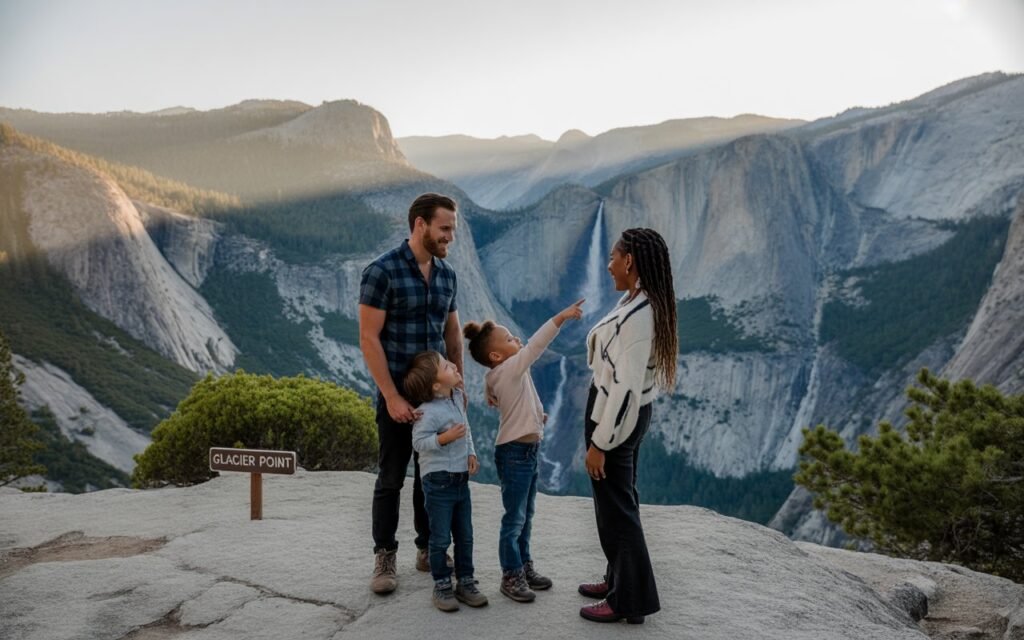
Planning a national park visit that satisfies every family member requires understanding what captures attention at different developmental stages. The key lies in selecting activities that challenge without overwhelming, engage without exhausting, and create shared experiences despite varying abilities.
Activities for toddlers and preschoolers
Young children experience parks through their senses, finding wonder in details adults might overlook. Short nature walks under a mile work perfectly for little legs, especially when the path includes interesting textures like wooden bridges, smooth rocks, or sandy sections. These brief excursions prevent meltdowns while still providing outdoor exploration.
Scavenger hunts transform ordinary walks into adventures. Create simple lists featuring items like pinecones, different colored leaves, or animal sounds. This approach keeps young children engaged and moving forward when their interest in walking might otherwise wane. Park visitor centers often provide pre-made scavenger hunt cards designed for various trails.
Wildlife watching requires patience that young children rarely possess naturally, but certain strategies help. Choose times when animals are most active – early mornings or late afternoons. Position yourselves near bird feeders at visitor centers or along streams where animals come to drink. Even spotting common creatures like squirrels or birds becomes exciting through young eyes, especially when children have their own pair of lightweight binoculars.
Stream exploration offers endless entertainment for this age group. Shallow creeks provide opportunities for rock collecting, observing water bugs, and the simple joy of splashing. Always supervise closely and choose calm water areas. Many parks feature designated play areas near streams with easier access and safer conditions.
Elementary school age adventures
Children in this age range possess more stamina and curiosity about how things work. They can handle longer hikes, typically managing 2-3 miles on relatively flat terrain. Trails leading to specific destinations like waterfalls, caves, or historical sites provide motivation to keep moving. Let them carry their own small backpack with water and snacks, fostering independence and responsibility.
Cave tours captivate this age group perfectly. The combination of adventure, mild danger, and scientific interest hits the sweet spot for elementary-aged explorers. Many parks offer tours specifically designed for families, avoiding extremely tight passages or lengthy underground periods that might trigger anxiety. Children learn about geology, cave formations, and underground ecosystems through direct observation.
Here are activities that particularly resonate with elementary school children:
Rock Scrambling: Supervised climbing on boulder fields develops confidence and problem-solving skills
Ranger Talks: Interactive presentations about park ecology, Native American history, or geological processes
Night Programs: Guided walks focusing on nocturnal animals, astronomy, or even supervised bat watching
Photography Projects: Giving children cameras or phones to document their journey encourages observation skills
Fossil Hunting: In designated areas where collection is permitted, searching for ancient remains thrills young scientists
Teen-friendly challenges
Teenagers often need more physical challenges and independence to stay engaged during family trips. Longer, more strenuous hikes appeal to their developing strength and endurance. Trails gaining significant elevation or covering 5-7 miles provide appropriate challenges while remaining achievable for motivated teens.
Rock climbing, where permitted and safe, offers an exciting challenge that builds confidence. Many parks have designated climbing areas suitable for beginners, and some offer guided climbing experiences. Even bouldering on smaller formations provides physical and mental stimulation that appeals to adolescents seeking adventure.
Photography becomes more sophisticated at this age, with teens interested in capturing dramatic landscapes or wildlife. Sunrise and sunset photography expeditions combine moderate physical activity with creative expression. Teaching basic composition and lighting principles transforms casual picture-taking into artistic pursuit.
Mountain biking trails in parks that permit cycling give teens freedom to explore at their own pace. These adventures build independence while keeping them within park boundaries. Many parks rent bikes and helmets, eliminating transportation hassles for families traveling from afar.
Multi-generational activities
The most memorable park experiences often involve activities the whole family enjoys together. Scenic drives accommodate family members with mobility limitations while still showcasing spectacular views. Many parks feature roads with numerous pullouts for photo opportunities and short walks to viewpoints.
Picnicking brings families together around meals in beautiful settings. Choose spots near interesting features like rivers or meadows where different family members can pursue various activities – some might fish while others read or play games. This flexibility allows everyone to participate at their comfort level.
Evening programs work wonderfully for mixed age groups. Campfire talks, constellation tours, and sunset photography workshops provide shared experiences without physical demands. These activities often become favorite memories, as they encourage conversation and bonding in spectacular natural settings.
Planning Your National Park Visit with Kids
Success in national park adventures with children depends heavily on thoughtful preparation. The difference between a magical family experience and a stressful ordeal often comes down to timing, gear selection, and realistic expectations about what your family can accomplish in a day.
Timing your visit for best experience
Shoulder seasons – late spring and early fall – often provide ideal conditions for family visits. Crowds thin considerably compared to peak summer months, temperatures moderate, and wildlife becomes more active. These periods also coincide with school schedules in many areas, though some families successfully incorporate park visits into homeschooling curricula.
Weather patterns significantly impact your experience, particularly with young children who may struggle with extreme temperatures. Desert parks become unbearable during summer afternoons but offer perfect conditions in winter months. Mountain parks might seem appealing in summer, but afternoon thunderstorms can pose serious safety risks. Research typical weather patterns for your chosen destination and plan accordingly.
Time of day matters as much as season. Starting adventures early in the morning offers multiple advantages beyond beating crowds. Cooler temperatures make hiking more comfortable, wildlife viewing improves dramatically, and you’ll have flexibility to rest during hot afternoons. This schedule also aligns well with young children’s natural rhythms, taking advantage of morning energy before afternoon naptime needs.
Consider the length of your stay carefully. While adults might power through multiple parks in a week, children need time to process experiences and rest between adventures. Spending 2-3 nights in one location allows for a more relaxed pace, reduces packing and unpacking stress, and provides opportunities to revisit favorite spots.
Essential gear and supplies
Proper equipment can make or break your park experience, but you don’t need to purchase everything in outdoor retail catalogs. Focus on items that ensure safety and comfort for your specific destination and planned activities.
Comfortable, broken-in footwear tops the priority list. Even easy trails become challenging with blistered feet. Each family member needs appropriate shoes – sturdy sneakers work for most maintained trails, though waterproof hiking boots prove valuable in wet conditions. Pack moleskin or blister bandages regardless of shoe quality.
Layered clothing systems work better than single heavy jackets, allowing adjustments as temperatures change throughout the day. Quick-dry fabrics help manage sweat and unexpected water encounters. Don’t forget rain gear – afternoon showers can appear suddenly in many park environments. A lightweight poncho takes minimal pack space but provides crucial protection.
Sun protection becomes critical at high elevations and in exposed areas. Wide-brimmed hats protect faces and necks better than baseball caps. Sunglasses aren’t just for adults – children’s eyes need protection too. Apply sunscreen before leaving lodging and reapply frequently, especially after water activities.
A well-stocked daypack should include more than just snacks and water. First aid supplies, including medications your family regularly uses, insect repellent, and basic bandages handle minor injuries. Whistle for each child provides an emergency signal if someone wanders off trail. Plastic bags serve multiple purposes from trash collection to protecting electronics during unexpected rain.
Accommodation options
Where you stay impacts your entire park experience. Each option offers distinct advantages depending on your family’s comfort level with outdoor living and desired amenities.
Park lodges provide convenience and comfort, positioning you inside park boundaries with easy access to trails and programs. These historic buildings often feature restaurants, eliminating meal preparation stress. However, they book months in advance and cost significantly more than outside accommodations. The experience of staying in a grand lodge can become a highlight for children, especially properties with themed rooms or evening entertainment programs.
Camping offers immersive nature experiences at lower costs. Many parks feature family-friendly campgrounds with flush toilets, running water, and even showers. Some include amphitheaters for evening programs and camp stores for forgotten supplies. Car camping allows you to bring extensive gear without carrying it far. Reserve sites early, as popular campgrounds fill quickly during peak season.
Gateway communities outside park entrances provide numerous lodging options from budget motels to vacation rentals. These towns often feature restaurants, grocery stores, and laundromats – practical amenities for families. The drive into parks each morning takes extra time but might be worthwhile for families wanting creature comforts after long days outdoors.
Creating realistic itineraries
Ambitious plans often crumble when faced with tired, hungry children. Build flexibility into your schedule, accepting that you might not see everything on your wish list. Quality experiences matter more than quantity – one joyful afternoon at a swimming hole beats racing through multiple viewpoints with cranky kids.
Plan one major activity per day, whether that’s a longer hike, ranger program, or scenic drive. This anchor activity should occur during your family’s peak energy period. Build buffer time around it for unexpected discoveries, bathroom breaks, or simple rest. Children often find as much joy in playing with sticks by a stream as reaching a famous viewpoint.
Account for transition time between activities. Getting everyone out of lodging, into the car, and onto a trail takes longer with children. Factor in time for applying sunscreen, filling water bottles, and inevitable last-minute bathroom visits. Rushing creates stress that diminishes enjoyment for everyone.
Top Family-Friendly National Parks This Year
Certain national parks consistently excel at providing diverse activities and amenities that appeal to families. These destinations have invested in infrastructure and programs specifically designed to welcome visitors of all ages, making them ideal choices for your next adventure.
Parks with junior ranger programs
Nearly every national park offers some version of a Junior Ranger program, but certain parks have elevated these experiences into comprehensive educational adventures. These programs typically provide free booklets tailored to different age groups, guiding children through activities that teach park science, history, and conservation principles.
Yellowstone stands out with one of the most extensive Junior Ranger programs in the system. Children can participate in special wildlife tracking expeditions, attend young scientist programs, and even join ranger-led investigations of thermal features. The park offers different booklets for ages 4-7 and 8-12, ensuring age-appropriate challenges. Rangers enthusiastically engage with junior participants during badge ceremonies, making children feel like genuine park protectors.
Grand Canyon National Park created an innovative approach with its Junior Ranger Phantom Ranch program for families hiking to the canyon bottom. This advanced program challenges older children and teens while standard programs serve younger visitors exploring the rim. The park also offers special fossil walks where junior rangers learn to identify ancient marine creatures preserved in canyon rocks.
Great Smoky Mountains National Park provides seasonal Junior Ranger camps and day programs beyond standard booklet activities. Children participate in stream ecology studies, learning to identify aquatic insects that indicate water quality. The park’s “Not So Junior Ranger” program engages teenagers who might feel too old for traditional activities, incorporating technology and citizen science projects.
Acadia National Park revolutionized its Junior Ranger experience by creating family programs where parents participate alongside children. These multigenerational activities include tide pool investigations, night sky observations, and hands-on science experiments. The shared learning experience strengthens family bonds while exploring the park together.
Parks with easy scenic drives
Sometimes the best way to experience natural grandeur with young children involves minimal walking and maximum viewing. These parks feature spectacular scenic drives that showcase major attractions from the comfort of your vehicle, with numerous pullouts for photos and short walks.
Badlands National Park’s Loop Road stretches 31 miles through otherworldly landscapes that captivate without requiring extensive hiking. Numerous overlooks provide safe viewing platforms where children can observe colorful rock layers and spot bighorn sheep. The fossil exhibit trail, only quarter-mile long and fully accessible, lets kids search for evidence of ancient creatures.
Blue Ridge Parkway, while technically not a single park, connects Shenandoah and Great Smoky Mountains National Parks along 469 miles of scenic roadway. Families can choose sections matching their available time, stopping at visitor centers, picnic areas, and easy trails along the route. The speed limit stays low, allowing drivers to enjoy views while maintaining safety.
Parks with beaches and water activities
Water features naturally attract families, providing recreation opportunities that appeal across age groups while offering relief from summer heat. These parks combine natural beauty with aquatic adventures perfect for creating lasting memories.
Olympic National Park encompasses Pacific coastline, temperate rainforest, and mountain environments, offering incredible diversity for families. The beaches at Rialto and Ruby Beach feature tide pools teeming with colorful sea creatures, fascinating children for hours. Lake Crescent provides calmer waters for swimming and paddling, with boat rentals available for family excursions. The short Marymere Falls trail leads to a spectacular waterfall through old-growth forest.
Sleeping Bear Dunes National Lakeshore might not carry the “national park” title, but this National Lakeshore offers experiences rivaling any designated park. The massive sand dunes provide natural playgrounds where children can run, roll, and climb without typical trail constraints. Lake Michigan’s beaches offer swimming, sandcastle building, and beachcombing. The Pierce Stocking Scenic Drive provides spectacular views for those unable or unwilling to climb dunes.
Consider these water-focused activities available at various parks:
Kayaking Programs: Guided family paddling tours in calm waters with child-sized equipment
Snorkeling: Crystal-clear springs in some parks allow underwater observation of fish and plants
Fishing Clinics: Rangers teach basic techniques and conservation ethics in designated areas
River Tubing: Gentle float trips provide relaxing ways to see park landscapes
Beach Exploration: Searching for shells, interesting rocks, and signs of wildlife
Parks with wildlife viewing opportunities
Nothing excites children quite like spotting wild animals in their natural habitat. These parks offer reliable wildlife viewing opportunities with infrastructure supporting safe observation.
Rocky Mountain National Park provides exceptional wildlife viewing along Trail Ridge Road and in meadow areas. Elk gather in Horseshoe Park and Moraine Park, particularly during fall rutting season. Bighorn sheep frequently appear at Sheep Lakes, appropriately named for these regular visitors. The park provides spotting scopes at popular viewing areas, allowing close observation without disturbing animals.
Theodore Roosevelt National Park might be less famous than Yellowstone, but its smaller size makes wildlife easier to spot. Bison herds, wild horses, and prairie dogs create viewing opportunities around every bend. The park’s scenic loop drives position families perfectly for observation, with pullouts designed for safe stopping. Evening programs focus on nocturnal wildlife, expanding viewing opportunities beyond daylight hours.
Everglades National Park offers unique wildlife encounters found nowhere else in the country. Alligators sun themselves along Anhinga Trail’s boardwalk, while colorful birds fish in adjacent waters. Manatees gather at Flamingo Marina during winter months. The park’s tram tours and boat trips provide guided wildlife viewing with expert interpretation, helping families spot creatures they might otherwise miss.
Making the Most of Your Park Experience
Transforming a national park visit from a simple vacation into an unforgettable family adventure requires intentional approaches to engagement, learning, and memory-making. The moments you create together in these natural spaces become stories your children will share with their own families someday.
Photography tips with kids
Modern technology makes it easier than ever for children to document their park adventures. Rather than simply taking snapshots, teach kids to observe their surroundings more carefully through a camera lens. This practice develops patience, attention to detail, and artistic expression while creating lasting mementos.
Give each child their own camera or designated phone time for photography. Even basic equipment works fine – the goal involves encouraging observation rather than producing professional images. Young children might use disposable cameras or tough point-and-shoot models that survive drops and moisture. Older kids can learn smartphone photography techniques or use family cameras with supervision.
Create photography challenges that encourage exploration and creativity. Ask children to capture specific themes like “patterns in nature,” “tiny details,” or “my favorite view.” These assignments prompt closer examination of surroundings while maintaining engagement during longer outings. Review photos together each evening, discussing what drew their attention and which images they like best.
Macro photography particularly appeals to young explorers. Flowers, insects, and rock textures become artistic subjects when viewed up close. This perspective shift helps children appreciate details they might normally overlook. Many phones now include impressive macro capabilities, making this technique accessible without special equipment.
Teaching basic composition improves children’s photography while developing visual literacy. Simple concepts like the rule of thirds, leading lines, and framing transform random snapshots into thoughtful images. Practice these techniques at scenic overlooks where children can experiment with different angles and perspectives.
Teaching conservation values
National parks provide perfect settings for introducing environmental stewardship concepts. Children who understand their role in protecting these special places become conservation advocates for life.
Start with Leave No Trace principles, presenting them as park rules everyone follows. Make it a game to spot and pick up litter, even if it’s not yours. Explain how small actions like staying on trails protect fragile plants and prevent erosion. Children often embrace these responsibilities enthusiastically when they understand the reasoning.
Wildlife observation offers teaching moments about ecosystem relationships. Discuss how each animal plays a role, from decomposers breaking down waste to predators maintaining population balance. When children understand these connections, they appreciate why feeding wildlife or approaching too closely causes harm beyond the immediate danger.
Water conservation becomes tangible when camping or staying in park lodges with limited resources. Show children how to use water wisely while brushing teeth or washing dishes. These habits often transfer home when children understand resource scarcity firsthand.
Building lasting memories
The experiences that stick with children often aren’t the ones parents expect. While reaching a famous viewpoint matters, the giggling fit during a stream crossing or the ranger who remembered their name might become the story they tell most often.
Create family traditions specific to park visits. Maybe you always eat trail mix at scenic overlooks, or everyone chooses a special rock to mark significant accomplishments. These rituals provide continuity across different parks while making each visit unique. Children anticipate and remember these special moments long after specific trail names fade.
Encourage journaling or sketching to process experiences. Younger children might draw pictures of animals they saw, while older ones write about challenging hikes or interesting facts they learned. These personal records become treasured keepsakes that capture perspectives and emotions photographs can’t convey.
Collect park passport stamps at visitor centers, creating a physical record of your adventures. Many children become enthusiastic about filling their passports, turning each park visit into part of a larger quest. Junior Ranger badges displayed at home remind children of their accomplishments and the knowledge they gained.
Staying safe and comfortable
Safety in national parks requires constant awareness without becoming paranoid. Teaching children to recognize and avoid hazards empowers them while allowing appropriate independence.
Establish clear rules before entering parks. Children should understand they must always remain within sight on trails, never throw anything over edges, and immediately report any wildlife sightings. Practice using whistles for emergencies and designate meeting spots in case anyone gets separated. Make these preparations feel like adventure planning rather than scary warnings.
Weather changes rapidly in many park environments. Check forecasts each morning but prepare for unexpected conditions. Afternoon thunderstorms in mountain parks pose serious lightning risks, requiring immediate descent from exposed areas. Teaching children to recognize weather patterns helps them understand when activities need modification.
Hydration and nutrition significantly impact everyone’s mood and energy. Children often don’t recognize thirst or hunger until they’re already depleted. Schedule regular snack and water breaks, making them fun rather than forced. Let kids choose from healthy options you’ve packed, giving them control while ensuring proper fueling.
Physical comfort affects emotional wellbeing during outdoor adventures. Address hot spots on feet before they become blisters. Add or remove clothing layers before children become too cold or overheated. These preventive measures maintain positive attitudes throughout long days.
Wildlife encounters require calm, appropriate responses. Teach children to observe animals from safe distances, never attempting to feed or touch them. If large animals approach, know the proper response – for example, grouping together and backing away slowly from bears, versus standing tall and maintaining eye contact with mountain lions. Practice these responses at home so children remember them during exciting moments.
Your Next Family Adventure Awaits
National parks represent more than just vacation destinations – they’re classrooms without walls where families bond through shared discoveries and challenges. Every trail hiked together, every animal spotted, and every sunset watched from a scenic overlook adds threads to the tapestry of your family’s story. These protected landscapes offer increasingly rare opportunities to disconnect from screens and reconnect with each other while experiencing the raw beauty of the natural world.
The perfect family park adventure doesn’t require conquering the highest peak or seeing every landmark. Success comes from choosing experiences that match your family’s abilities and interests, then approaching them with flexibility and wonder. Start with shorter visits to nearby parks, building confidence and enthusiasm before tackling more ambitious destinations. Your children won’t remember every trail name or visitor center, but they’ll carry the feeling of accomplishment after their first real hike and the excitement of spotting their first wild bear from a safe distance. These moments shape their relationship with nature and their confidence in facing challenges, gifts that extend far beyond park boundaries.
Frequently Asked Questions
Q: What age is too young to take children to national parks?
A: There’s no minimum age for enjoying national parks. Even infants can benefit from fresh air and natural settings, though your activities will focus on scenic drives, very short walks, and visitor center exploration. Most families find the 3-4 age range ideal for beginning more active adventures.
Q: How do we handle bathroom needs on longer trails?
A: Plan hikes around available facilities, choosing trails with restrooms at trailheads and midpoints when possible. For emergency situations, carry a small trowel and biodegradable toilet paper, teaching older children Leave No Trace bathroom principles. Always pack hand sanitizer and extra wipes.
Q: Which national park is best for a first family visit?
A: Great Smoky Mountains, Yellowstone, and Yosemite offer excellent combinations of easy accessibility, diverse activities, and developed facilities perfect for first-timers. Choose based on your geographic location and the season of your planned visit. Starting with a smaller, closer park builds confidence for bigger adventures.
Q: Can we visit national parks if family members have mobility limitations?
A: Absolutely. Many parks feature accessible trails, boardwalks, and scenic drives that provide incredible experiences without challenging terrain. Contact parks in advance about specific accessibility features. Most offer special passes and accommodations for visitors with disabilities.
Q: What should we do if children are afraid of wildlife?
A: Address fears through education before your trip. Read books about park animals, watch nature documentaries, and visit zoos to build familiarity. During park visits, start with distant observations using binoculars, gradually building comfort. Rangers can often share positive wildlife stories that reduce anxiety.
Q: How much does a national park vacation typically cost?
A: Costs vary dramatically based on accommodation choices and travel distance. The $80 annual “America the Beautiful Pass” covers entrance fees for all federal recreation sites. Camping keeps costs low at $15-35 per night, while lodge rooms range from $150-400. Budget for gas, food, and any guided activities.
Q: Are national parks too crowded during summer vacation?
A: Popular parks experience significant summer crowds, but strategic planning helps. Visit during weekdays, start activities early morning, and explore lesser-known areas within parks. Consider visiting during shoulder seasons or choosing less famous but equally beautiful parks for quieter experiences.
Q: What happens if weather ruins our planned activities?
A: Always have backup plans. Visitor centers offer extensive indoor exhibits and films. Many parks feature scenic drives enjoyable even in rain. Pack cards, books, and games for entertainment during weather delays. Sometimes the unexpected storm or fog creates the most memorable park moments.