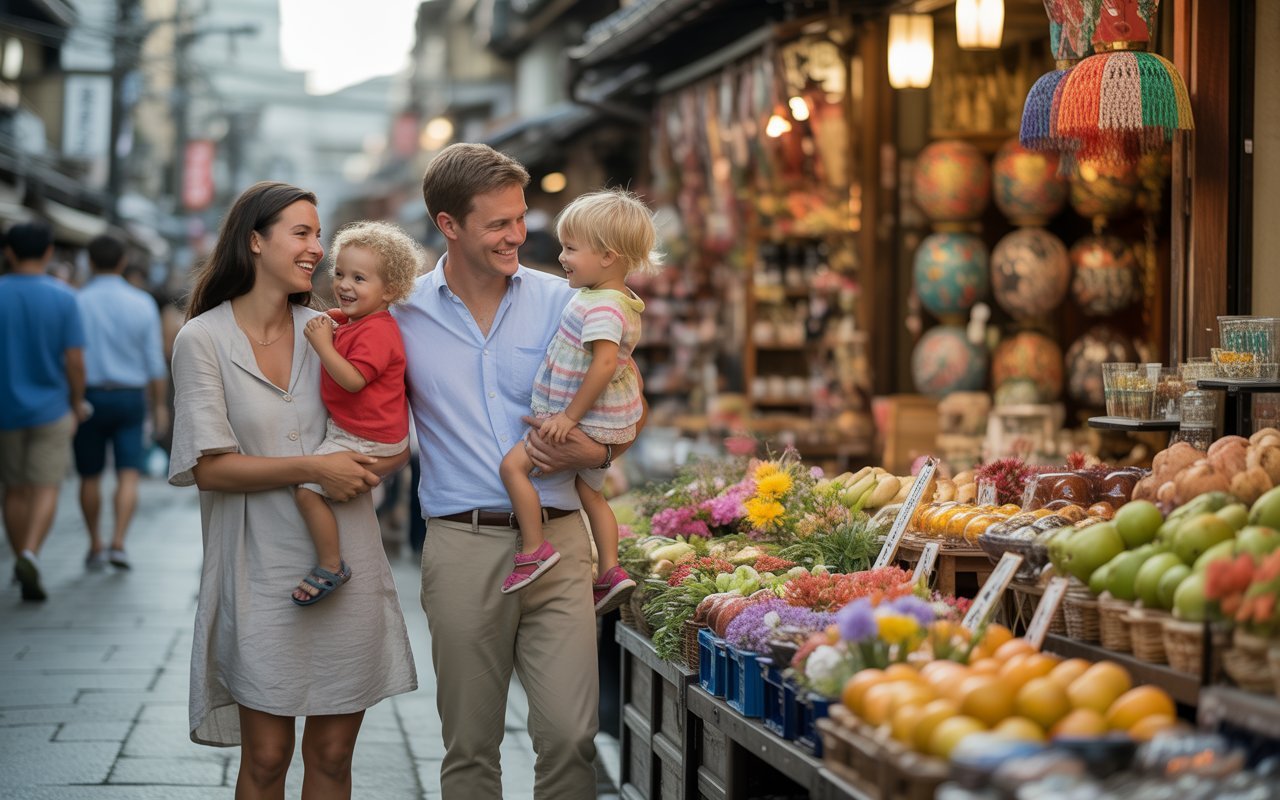
Planning a vacation that satisfies grandparents, parents, and children simultaneously presents a unique puzzle that many families struggle to solve. Asia offers remarkable destinations where three or even four generations can create lasting memories together, with each person finding activities and experiences tailored to their interests and abilities. From bustling cities with modern conveniences to serene temples and pristine beaches, Asian countries have developed tourism infrastructure that caters specifically to groups spanning wide age ranges.
The key to successful multigenerational travel lies in selecting destinations that balance adventure with relaxation, cultural immersion with comfort, and excitement with accessibility. Asian destinations excel at this balance, offering wheelchair-friendly temples, child-safe beaches, and restaurants that accommodate both adventurous eaters and those preferring familiar flavors. Many Asian cultures also place tremendous value on family bonds and respect for elders, creating an atmosphere where traveling groups with grandparents and young children receive particularly warm welcomes and thoughtful service.
The following sections will guide you through Asia’s most accommodating destinations for family groups of all ages and abilities. You’ll discover cities where grandparents can rest in beautiful gardens while grandchildren play nearby, beaches with calm waters perfect for toddlers and comfortable seating areas for older travelers, and cultural sites that captivate history-loving adults while keeping younger visitors engaged through interactive experiences. Let’s find the perfect Asian destination where your entire family can thrive together.
What makes a destination perfect for multigenerational travel
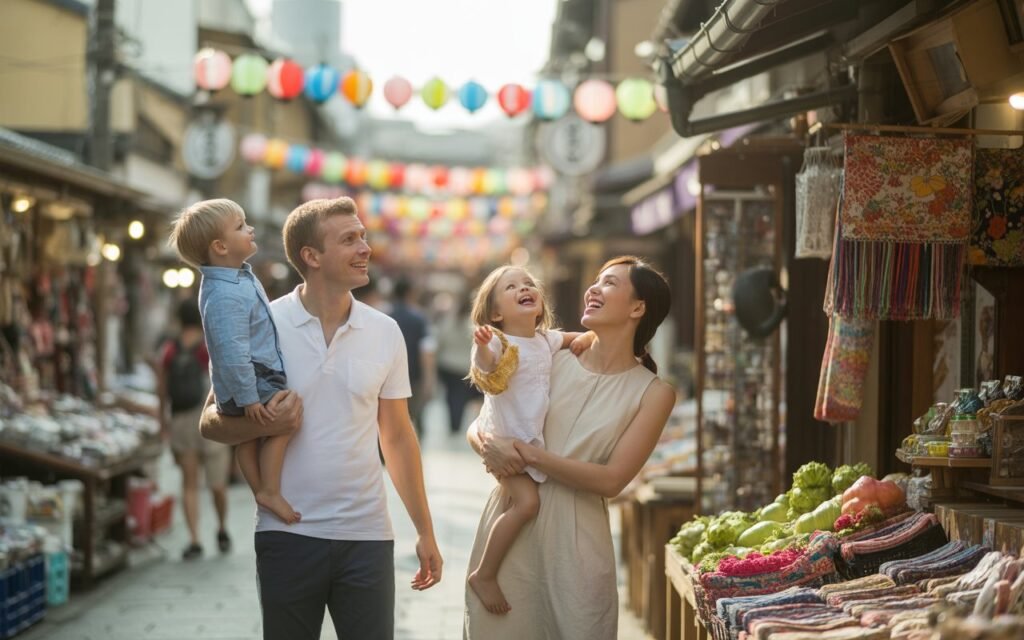
Finding destinations that work for both energetic toddlers and grandparents with mobility concerns requires careful consideration of several factors. The most successful trips happen when destinations naturally accommodate varying energy levels, interests, and physical capabilities without anyone feeling left behind or overwhelmed.
Accessibility and ease of navigation
Modern Asian cities have invested heavily in accessibility infrastructure over recent decades. Wide sidewalks, elevators in subway stations, and ramps at major attractions make navigation manageable for strollers and wheelchairs alike. Cities like Tokyo and Singapore lead the region with their barrier-free designs, featuring tactile paving for visually impaired visitors and priority seating on public transport.
Many destinations now offer special passes or services for families with elderly members or young children. These might include skip-the-line privileges at attractions, reserved seating areas, or dedicated family lanes at immigration. Hotels increasingly provide rooms with grab bars, walk-in showers, and adjustable beds that accommodate various physical needs.
Variety of activities for different ages
The beauty of Asian destinations lies in their ability to offer something meaningful for every generation within close proximity. A single neighborhood might feature a playground, traditional market, modern shopping mall, and peaceful temple – all within walking distance of each other. This variety means family members can split up for an hour to pursue individual interests before reuniting for meals.
Interactive museums have become particularly popular across Asia, replacing static displays with hands-on exhibits that engage children while providing deeper context for adults. Science centers, art installations, and cultural museums now design experiences specifically for multigenerational groups. Many attractions offer different tour options or activity levels, letting families customize their experience based on their group’s capabilities.
Safety considerations for young and elderly
Asian countries consistently rank among the world’s safest travel destinations, with low crime rates and helpful local populations. Streets are generally well-lit, public spaces are monitored, and locals often go out of their way to assist families with children or elderly members. Medical facilities in major tourist areas maintain high standards, with many hospitals employing English-speaking staff.
Beyond personal safety, food safety standards in established tourist areas meet international levels. Restaurants catering to international visitors understand dietary restrictions and allergies, clearly labeling ingredients and offering familiar options alongside local specialties. Tap water safety varies by country, but bottled water remains readily available everywhere.
Comfortable accommodation options
Hotels across Asia have recognized the growing market for multigenerational travel, creating room configurations that work for extended families. Connecting rooms, family suites, and apartment-style accommodations provide space for different sleep schedules and privacy needs. Many properties offer cribs, rollaway beds, and other equipment at no extra charge.
Resort properties particularly excel at multigenerational hosting, with kids’ clubs that give parents breathing room, spa facilities where grandparents can relax, and communal spaces where everyone gathers for meals. All-inclusive options remove the stress of finding restaurants that satisfy diverse tastes and dietary requirements three times daily.
Ground-floor rooms, poolside cabanas, and villas with private pools give families flexibility in how they spend their time together. Properties increasingly offer babysitting services, allowing adult family members occasional evenings out while children sleep safely under professional supervision.
Cultural experiences that engage all generations
Asian destinations offer cultural activities that transcend age barriers through universal appeal. Cooking classes adapt recipes based on participants’ abilities – children might focus on mixing ingredients while adults handle knife work. Traditional craft workshops like pottery, calligraphy, or batik painting provide creative outlets where artistic expression matters more than perfection.
Religious and cultural sites across Asia have developed family-friendly approaches to sharing their heritage. Temples offer guided tours specifically designed for families, using storytelling and visual aids to bring history alive for younger visitors while providing detailed context for adults. Traditional performances often include pre-show demonstrations where children can try instruments or see costumes up close.
Japan: Where tradition meets modern convenience
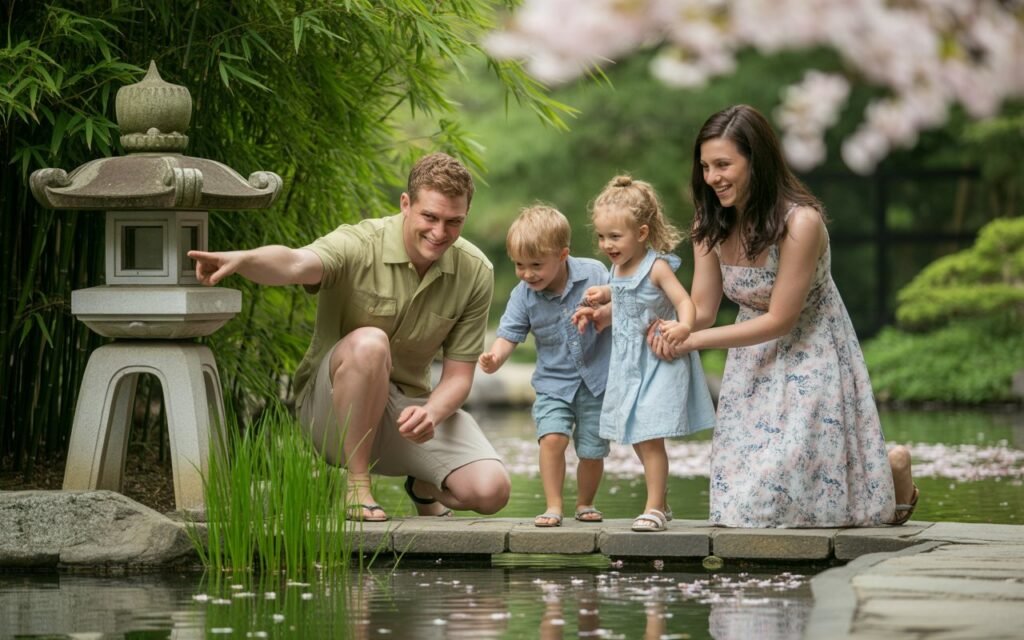
Japan stands out as an ideal multigenerational destination thanks to its incredible blend of efficiency, safety, and cultural richness. The country’s infrastructure seems designed with families in mind, from priority seating on trains to family-friendly restaurants with picture menus that help even the pickiest eaters find something appealing.
Tokyo’s family-friendly attractions and parks
Tokyo offers an astounding variety of experiences within its sprawling metropolis. Ueno Park provides a perfect multigenerational meeting ground with its zoo, museums, and seasonal cherry blossoms. The zoo features a popular panda exhibit that delights children while the surrounding museums offer everything from natural history to traditional art, ensuring intellectual stimulation for adults.
The city’s numerous observation decks, including Tokyo Skytree and Tokyo Tower, provide spectacular views without requiring strenuous activity. These attractions include comfortable seating areas where elderly visitors can rest while taking in the panorama. Many feature restaurants or cafes at the top, turning a simple sightseeing stop into a memorable dining experience for the whole family.
Odaiba, Tokyo’s artificial island, concentrates family attractions in one easily navigable area. The teamLab Borderless digital art museum creates an immersive experience that captivates visitors from age 3 to 93. Nearby, the life-sized Gundam statue appeals to multiple generations who grew up with the anime series, while the beach area offers a surprising respite from urban intensity.
Kyoto’s temples and cultural experiences
Kyoto transforms cultural education into accessible adventures. Fushimi Inari shrine’s thousands of orange torii gates create a magical atmosphere, though families should know they don’t need to climb all the way to the summit – even a short walk through the lower gates provides the essential experience. The flat paths around Kinkaku-ji (Golden Pavilion) and its reflection pond suit all mobility levels.
The Arashiyama district combines natural beauty with cultural attractions in a compact area. The famous bamboo grove requires only a gentle walk, while the nearby monkey park offers an optional climb for those seeking more activity. Traditional rickshaw rides provide a fun way for less mobile family members to explore the historic streets while others walk alongside.
Kyoto’s numerous temples and gardens design paths specifically to accommodate elderly visitors and families with strollers. Many provide rest areas strategically placed for contemplation and recuperation. Temple staff often speak basic English and show particular kindness to families traveling with elderly members, sometimes offering special seating for ceremonies or performances.
Osaka’s food scene and entertainment
Osaka’s reputation as Japan’s kitchen makes it perfect for food-focused family bonding. Dotonbori district’s vibrant atmosphere and street food stalls create an exciting dinner adventure where everyone can choose their own dishes. The mechanical crab signs and neon displays provide entertainment between bites, while numerous restaurants offer private family rooms for more intimate dining.
Universal Studios Japan brings Hollywood magic to Asia with attractions spanning multiple generations’ movie memories. While teenagers rush to Harry Potter rides, grandparents might prefer the calmer Jaws boat ride or shows. The park’s Express Passes help reduce standing time, crucial for elderly visitors or families with young children.
Transportation system advantages
Japan’s transportation system removes typical travel stress through its reliability and accessibility. The shinkansen (bullet train) offers spacious seating, clean facilities, and the excitement of high-speed travel that thrills children and adults alike. Regular trains feature priority seating for elderly passengers, pregnant women, and those with small children.
Station staff readily assist families with directions, and many stations now employ English-speaking assistants during peak hours. Elevators and escalators are standard at most stations, though some smaller stations might require advance planning for wheelchair access. The widespread acceptance of IC cards for payment simplifies travel for groups, eliminating the need for everyone to purchase individual tickets.
Hot springs and ryokans for relaxation
Traditional ryokan inns provide quintessentially Japanese experiences that naturally bring families together. These properties often feature family baths where multiple generations can enjoy hot springs privately, respecting both modesty and mobility concerns. Tatami mat rooms accommodate various sleeping arrangements with futons that staff set up each evening.
Hakone, easily accessible from Tokyo, specializes in hot spring resorts with family facilities. Many properties offer both traditional Japanese and Western-style rooms, letting families choose their comfort level. The elaborate kaiseki dinners served in ryokans become memorable events. Consider these aspects when selecting hot spring accommodations:
Room Types: Western beds versus traditional futons affect comfort for elderly guests
Bath Options: Private family baths eliminate concerns about public bathing customs
Meal Service: In-room dining provides privacy and convenience for families with young children
Location: Properties near transportation reduce walking requirements
Language Support: English-speaking staff ease communication for medical or dietary needs
The ryokan experience naturally encourages multigenerational bonding through shared meals, wearing matching yukata robes, and enjoying peaceful garden views together.
Singapore: The garden city built for families
Singapore has masterfully positioned itself as Asia’s premier family destination through thoughtful urban planning and world-class attractions. The city-state’s compact size means less time traveling between activities and more time enjoying experiences together. English as an official language removes communication barriers that might challenge other Asian destinations.
Gardens by the Bay and nature spots
Gardens by the Bay revolutionizes the concept of public gardens with its iconic Supertree Grove and climate-controlled conservatories. The Cloud Forest dome includes a wheelchair-accessible pathway that winds through the mountain, allowing everyone to experience the misty atmosphere and tropical plants. The Flower Dome maintains comfortable temperatures year-round, perfect for elderly visitors sensitive to Singapore’s humidity.
The OCBC Skyway connecting the Supertrees might challenge those with height concerns, but the ground-level gardens provide equally impressive views. Evening light shows at the Supertree Grove offer free entertainment where families can spread blankets and relax together after busy days. The Far East Organization Children’s Garden features water play areas where grandparents can watch from shaded seating while children splash.
Singapore Botanic Gardens, a UNESCO World Heritage site, provides peaceful respite with smooth pathways ideal for both wheelchairs and strollers. The National Orchid Garden showcases thousands of species in climate-controlled comfort, while the Jacob Ballas Children’s Garden gives young ones space to explore nature through play.
Sentosa Island activities
Sentosa Island concentrates family entertainment in one accessible location, connected to the mainland by cable car, monorail, or road. The variety ensures family members with different interests find fulfillment without excessive travel. S.E.A. Aquarium mesmerizes all ages with its massive viewing panels and diverse marine life, while maintaining comfortable indoor temperatures and plenty of seating.
The island’s beaches offer gentle waves suitable for young children and beach wheelchairs available for rent. Palawan Beach features a suspension bridge to a small island that adventurous family members can explore while others relax on the sand. Beach clubs provide comfortable loungers and shade for grandparents while maintaining clear sightlines to where children play.
Adventure Cove Waterpark includes areas designed for different comfort levels, from the lazy river perfect for floating with grandparents to thrilling slides for teenagers. The Rainbow Reef snorkeling experience introduces marine life in a controlled environment safe for beginners of any age.
Cultural neighborhoods to discover
Singapore’s ethnic neighborhoods provide immersive cultural experiences without requiring international travel. Little India’s colorful streets and aromatic spice shops create sensory adventures, while covered walkways protect from sun and rain. The area’s temples welcome visitors of all faiths, often providing seats for elderly visitors during ceremonies.
Chinatown balances tourist attractions with authentic local life. The Buddha Tooth Relic Temple includes an elevator to upper floors and a peaceful rooftop garden where families can rest. Traditional medicine halls and tea shops offer unique shopping experiences, while the Chinatown Heritage Centre uses multimedia displays to engage younger visitors with historical stories.
Kampong Glam showcases Malay and Muslim culture through the stunning Sultan Mosque and surrounding boutiques. The area’s wide pedestrian streets accommodate strollers and wheelchairs easily. Arab Street’s textile shops fascinate crafty family members, while trendy cafes provide modern comforts alongside traditional establishments.
World-class attractions for all ages
Singapore Zoo pioneered the open-concept design that brings visitors close to animals without barriers. The park’s tram service helps conserve energy for animal viewing rather than walking between exhibits. Breakfast with orangutans creates an unforgettable multigenerational photo opportunity, while the Rainforest Kidzworld water play area lets children burn energy.
The Night Safari offers a unique experience via tram, perfect for those who prefer not to walk extensively. The guided tram tour provides commentary that educates while entertaining, and the cool evening temperatures provide relief from daytime heat.
Marina Bay Sands’ observation deck and infinity pool (for hotel guests) have become Singapore icons. The ArtScience Museum at its base offers interactive exhibitions that change regularly, ensuring something new for repeat visitors. The light and water show at Marina Bay is free and viewable from multiple vantage points, letting families choose their preferred viewing spot based on mobility needs.
Easy walkability and public transport
Singapore’s MRT system sets the standard for accessible public transportation. Every station includes elevators, clear signage in English, and abundant seating. The system’s reliability means families can plan their days confidently without worrying about delays or confusion. Priority seating is respected by locals who readily offer seats to elderly passengers or parents with young children.
The city’s covered walkways connect major areas, providing protection from both rain and intense sun. These linkways include regular seating areas where family members can rest. Taxi and ride-sharing services are plentiful and affordable, with many drivers speaking English and familiar with tourist destinations.
Singapore’s pedestrian crossings include extended timer systems for elderly or disabled pedestrians, activated by tapping senior citizen or accessibility cards. The city’s commitment to accessibility extends to most tourist attractions, with detailed accessibility information available on official websites.
Thailand: Beach resorts and cultural treasures
Thailand’s combination of stunning beaches, rich culture, and welcoming hospitality makes it a natural choice for multigenerational groups. The country’s tourism infrastructure has evolved to cater specifically to families, with resorts and tour operators understanding how to balance different generational needs within a single itinerary.
Phuket and island destinations
Phuket’s west coast beaches offer varying atmospheres to suit different family preferences. Kata Noi provides calm waters and a relaxed vibe perfect for young children and grandparents seeking tranquility. The beach’s compact size means everyone stays within sight, while beachfront restaurants offer shaded seating with ocean views.
Larger resorts along Bangtao Beach provide extensive facilities that keep families entertained without leaving the property. Kids’ clubs operate daily programs while adults enjoy spa treatments or golf. These resorts typically offer multiple pools, including quiet adult areas and activity pools for children. Many provide complimentary shuttle services to nearby attractions, reducing transportation hassles for large groups.
Island hopping tours from Phuket can be customized for comfort, with speedboat operators offering boats equipped with shade covers and comfortable seating. Some operators specialize in family tours with shorter travel times and calmer snorkeling spots suitable for beginners. Private long-tail boat charters allow families to set their own pace and choose destinations based on everyone’s energy levels.
The Phi Phi Islands, while popular, offer both bustling areas and quieter spots. Tour operators increasingly offer early morning or late afternoon visits to avoid crowds and heat. Maya Bay’s recent rehabilitation has created a more pristine environment worth the boat ride for those able to make the journey.
Bangkok’s temples and markets
Bangkok’s major temples have adapted to welcome visitors of all ages and abilities. Wat Pho, home to the reclining Buddha, provides shoe storage and clear pathways through the complex. The on-site traditional massage school offers services that can help elderly visitors recover from travel fatigue. While climbing Wat Arun’s steep steps might challenge some, the riverside temple grounds and lower levels still offer impressive views and photo opportunities.
The Grand Palace requires modest dress, but vendors outside rent appropriate clothing if needed. The complex is vast, so families should pace themselves and utilize shaded rest areas. Audio guides available in multiple languages help older children and adults appreciate the historical significance while keeping everyone engaged.
Chatuchak Weekend Market might overwhelm with its size, but Section 7’s restaurants and cafes provide natural meeting points for families who want to split up and explore different sections. The market’s pet section delights children, while grandparents might prefer the antiques and handicrafts areas. The newer Chatuchak Plaza, with air conditioning and modern facilities, offers respite from the heat.
Bangkok’s floating markets provide unique experiences with varying authenticity levels. Damnoen Saduak is tourist-oriented but convenient, while Amphawa offers a more local experience during evening firefly tours that enchant all ages. These boat tours typically last 1-2 hours, manageable for most mobility levels.
Chiang Mai’s nature and elephants
Chiang Mai’s cooler climate and smaller scale create a more relaxed atmosphere than Bangkok or beach destinations. The city’s temples, particularly Doi Suthep, provide cultural experiences with natural settings. Though reaching Doi Suthep requires a winding mountain road, the temple includes elevators for those unable to climb the traditional naga staircase.
Ethical elephant encounters have become Chiang Mai’s signature family experience. Sanctuaries like Elephant Nature Park prioritize animal welfare while offering educational programs suitable for all ages. These experiences typically include:
Observation Time: Watching elephants behave naturally in their habitat
Feeding Sessions: Preparing and offering food to elephants under supervision
Mud Bath Watching: Observing elephants enjoy their spa time
Educational Talks: Learning about conservation efforts and elephant behavior
Photo Opportunities: Capturing memories at respectful distances
The Old City’s compact size makes exploration manageable on foot or by bicycle rickshaw. Sunday Walking Street market transforms the area into a pedestrian paradise where families can browse crafts, enjoy street performances, and sample local treats at a leisurely pace.
Resort facilities for multiple generations
Thai resorts understand multigenerational travel better than most, designing properties that cater to diverse needs. Hua Hin’s beachfront resorts offer a quieter alternative to Phuket, with shallow waters safe for children and historic sites nearby for cultural excursions. Many properties feature multiple restaurants ranging from casual beachfront to fine dining, accommodating various preferences and budgets within the same resort.
All-inclusive packages simplify planning for large groups, removing concerns about individual meal costs or dietary restrictions. These resorts typically offer extensive activity programs – from Thai boxing lessons for energetic teenagers to cooking classes where grandmothers can share their own culinary knowledge while learning new techniques.
Family villas with private pools and kitchenettes provide independence while maintaining resort amenities. These accommodations allow different sleep schedules and meal times while providing gathering spaces for family bonding. Many resorts offer multi-bedroom options with separate living areas where grandparents can relax while grandchildren play nearby.
Spa treatments in Thailand remain affordable enough for the entire family to enjoy. Many resorts offer family spa packages or children’s treatments, turning wellness into a shared experience. Traditional Thai massage can help elderly travelers with circulation and joint flexibility while providing teenagers their first spa experience.
Vietnam: Adventure and history combined
Vietnam captivates multigenerational groups through its combination of natural wonders, historical sites, and vibrant culture. The country’s rapid tourism development has created infrastructure supporting comfortable family travel while maintaining authentic experiences that create lasting memories across generations.
Ha Long Bay cruises for families
Ha Long Bay’s limestone karsts and emerald waters provide a stunning backdrop for family bonding. Overnight cruises range from budget to luxury, with mid-range options often providing the best balance for multigenerational groups. Modern cruise boats include safety railings, comfortable cabins with private bathrooms, and sundeck areas where different activities can occur simultaneously.
Cruise activities accommodate various fitness levels. While younger family members might kayak through caves and lagoons, others can enjoy the scenery from the boat’s deck. Tai chi sessions at sunrise appeal to grandparents, while cooking demonstrations engage food-loving family members of all ages. Swimming stops occur in calm, protected areas with ladder access from the boat.
The bay’s floating fishing villages offer cultural insights without strenuous activity. These communities showcase traditional lifestyles while providing unique photo opportunities. Some cruises include visits to Pearl farms where families learn about cultivation processes, combining education with shopping opportunities for those interested in purchasing jewelry.
Hoi An’s ancient town charm
Hoi An’s UNESCO World Heritage ancient town creates a magical atmosphere where history comes alive for all generations. The town’s flat terrain and pedestrian-only streets in the evening make exploration comfortable for elderly visitors and safe for children. Lantern-lit evenings transform the riverside into a fairytale setting that captivates photographers and romantics alike.
Tailor shops offer custom clothing at reasonable prices, creating a fun family activity where everyone can design their perfect outfit. Children delight in choosing fabrics while grandparents appreciate the craftsmanship and value. Most shops complete orders within 24-48 hours, with shipping available for larger orders.
The town’s cooking classes adapt to participants’ abilities and interests. Market tours introduce exotic ingredients while instructors demonstrate techniques suitable for home cooking. Many schools offer private family classes where recipes can be modified for dietary restrictions or preferences. The hands-on nature keeps children engaged while adults appreciate learning authentic techniques.
Bicycle tours through surrounding rice paddies provide gentle exercise with cultural immersion. Electric bikes are available for those needing assistance, while support vehicles can transport tired family members. These tours often include visits to local homes and workshops where traditional crafts like lantern-making or pottery continue.
Ho Chi Minh City attractions
Ho Chi Minh City’s energy might initially overwhelm, but the city offers surprising pockets of calm perfect for multigenerational exploration. The War Remnants Museum provides powerful historical education, though parents should preview exhibits to determine age-appropriateness for younger children. The museum includes outdoor military equipment displays that interest children while indoor exhibits engage adults with deeper historical context.
Ben Thanh Market’s covered halls protect shoppers from weather while offering everything from souvenirs to local foods. The market’s central location makes it a convenient meeting point, while surrounding cafes provide air-conditioned refuge. Fixed prices at many stalls reduce haggling stress for those uncomfortable with negotiation.
The Reunification Palace preserves 1960s-70s architecture and furnishings, creating a time capsule that fascinates history enthusiasts. Wide corridors and elevator access make the palace accessible for mobility-impaired visitors. The basement’s war command center and rooftop helicopter pad provide variety for different interests.
Cu Chi Tunnels, located outside the city, offer adventure for able-bodied family members while providing above-ground exhibits for others. The site includes widened tunnel sections for tourist access, though these remain challenging for those with claustrophobia or mobility issues. Shooting ranges and military demonstrations add excitement, while the video presentation provides historical context for all visitors.
Beach destinations like Phu Quoc
Phu Quoc island has emerged as Vietnam’s premier beach destination, with international flights eliminating mainland connections. The island’s west coast beaches offer spectacular sunsets that naturally bring families together each evening. Long Beach’s extensive stretch provides space for both active beach sports and quiet relaxation.
The world’s longest cable car connects Phu Quoc to smaller islands, offering spectacular views during the 15-minute journey. The destination island includes beaches, restaurants, and water sports, though the cable car experience itself satisfies many visitors. Modern cabins include air conditioning and comfortable seating, though those with severe height phobias might prefer to enjoy beach-level activities.
Night markets on Phu Quoc create evening entertainment where families can sample seafood, shop for pearls, and enjoy the tropical atmosphere. These markets typically operate from sunset until late evening, providing cooler temperatures for comfortable browsing.
Snorkeling and diving tours accommodate various skill levels, with shallow reefs perfect for beginners and deeper sites for experienced divers. Glass-bottom boat tours allow non-swimmers to enjoy marine life, while fishing trips provide a calmer alternative for those preferring to stay above water.
Food tours suitable for all ages
Vietnamese cuisine offers flavors that appeal across generations, from mild pho to more adventurous street foods. Food tours in major cities now cater specifically to families, choosing stops with seating and hygiene standards that reassure concerned grandparents while maintaining authenticity.
Walking food tours typically cover short distances between stops, allowing time for digestion and exploration. Guides explain ingredients and preparation methods, helping those with dietary restrictions make informed choices. Many tours include market visits where families learn to identify tropical fruits and vegetables, turning grocery shopping into an educational adventure.
Vespa food tours provide transportation between stops, reducing walking while adding excitement. Passengers ride with experienced drivers, and support vehicles can accommodate those preferring car transport. These tours often include stops at local homes or hidden restaurants that independent travelers might never discover.
Street food remains Vietnam’s culinary highlight, but concerns about hygiene are understandable when traveling with young children or elderly family members. Established vendors recommended by hotels or tour guides typically maintain higher standards. Look for busy stalls with high turnover, ensuring fresh ingredients. Many vendors now understand common allergies and can indicate dishes containing peanuts, shellfish, or other allergens.
Your Asian Adventure Awaits
Selecting the right Asian destination for your multigenerational trip ultimately depends on your family’s specific interests, mobility levels, and comfort zones. Japan offers unmatched efficiency and safety with deep cultural experiences, while Singapore provides world-class attractions in a compact, English-speaking environment. Thailand balances beautiful beaches with cultural richness and exceptional value, and Vietnam delivers adventure alongside historical education and culinary delights. Each destination has developed tourism infrastructure specifically supporting groups that span from grandchildren to grandparents.
The success of your multigenerational Asian adventure lies not in seeing everything, but in creating shared experiences that become family stories retold for years. Whether watching the sunrise from Angkor Wat, sharing dim sum in Hong Kong, or floating through Ha Long Bay together, these destinations provide the settings where three or four generations can connect, learn from each other, and create the memories that strengthen family bonds across age gaps. The key is choosing a pace that honors both the energy of youth and the wisdom of age, ensuring everyone returns home with their own treasured moments from your Asian family adventure.
Frequently Asked Questions
Q: Which Asian destination is best for families with very young children (under 5) and elderly grandparents?
A: Singapore stands out for this combination due to its excellent medical facilities, English-language support, compact size, and abundance of climate-controlled attractions. The city’s cleanliness, safety, and efficient public transport system with elevator access at all MRT stations makes it ideal for both strollers and those with mobility concerns.
Q: What’s the ideal trip length for multigenerational travel in Asia?
A: Most families find 10-14 days optimal for multigenerational Asian trips. This duration allows for a reasonable pace without exhaustion, typically covering 2-3 destinations with rest days built in. Shorter trips of 7-10 days work well for single-country visits, while longer trips should include deliberate downtime to prevent burnout across different energy levels.
Q: How do we handle different dietary restrictions and preferences across generations?
A: Asian destinations generally excel at accommodating dietary needs. Choose hotels with breakfast buffets offering both Western and Asian options, research restaurants with picture menus that help picky eaters, and consider apartments with kitchenettes for preparing familiar foods. Many Asian cities now have international grocery stores where you can find comfort foods from home.
Q: Should we book group tours or plan independently for multigenerational trips?
A: A hybrid approach often works best – booking private guides or small group tours for complex attractions like temples or historical sites while keeping free time for relaxation and spontaneous exploration. Private tours can be customized for your group’s pace and interests, though they cost more than regular group tours.
Q: What medical preparations should we make before traveling to Asia with elderly family members?A: Consult with doctors about necessary vaccinations and medications at least 6-8 weeks before departure. Carry sufficient prescription medications in original containers with doctor’s notes, research nearby hospitals and clinics at your destinations, and ensure travel insurance covers pre-existing conditions. Many Asian cities have international hospitals with English-speaking staff.
Q: How do we manage temple visits with modesty requirements for different generations?
A: Pack lightweight scarves and loose pants that can be easily carried and worn over regular clothes when visiting temples. Many temples rent or sell appropriate covering at entrances, but having your own ensures comfort and proper fit. Slip-on shoes make temple visits easier since shoes must be removed frequently.
Q: Which season is best for multigenerational travel to Asia?
A: November through February generally offers the most comfortable weather across most Asian destinations, with cooler temperatures and less rainfall. Avoid major holidays like Chinese New Year when attractions become crowded and prices increase. March-April works well for Japan if cherry blossoms are a priority, though expect crowds.
Q: How can we ensure everyone stays connected during the trip?
A: Purchase local SIM cards or portable WiFi devices that multiple family members can share. Many hotels offer free WiFi, but having independent connectivity helps families stay in touch when exploring separately. Download offline maps and translation apps before arriving, and establish meeting points at attractions in case anyone gets separated.