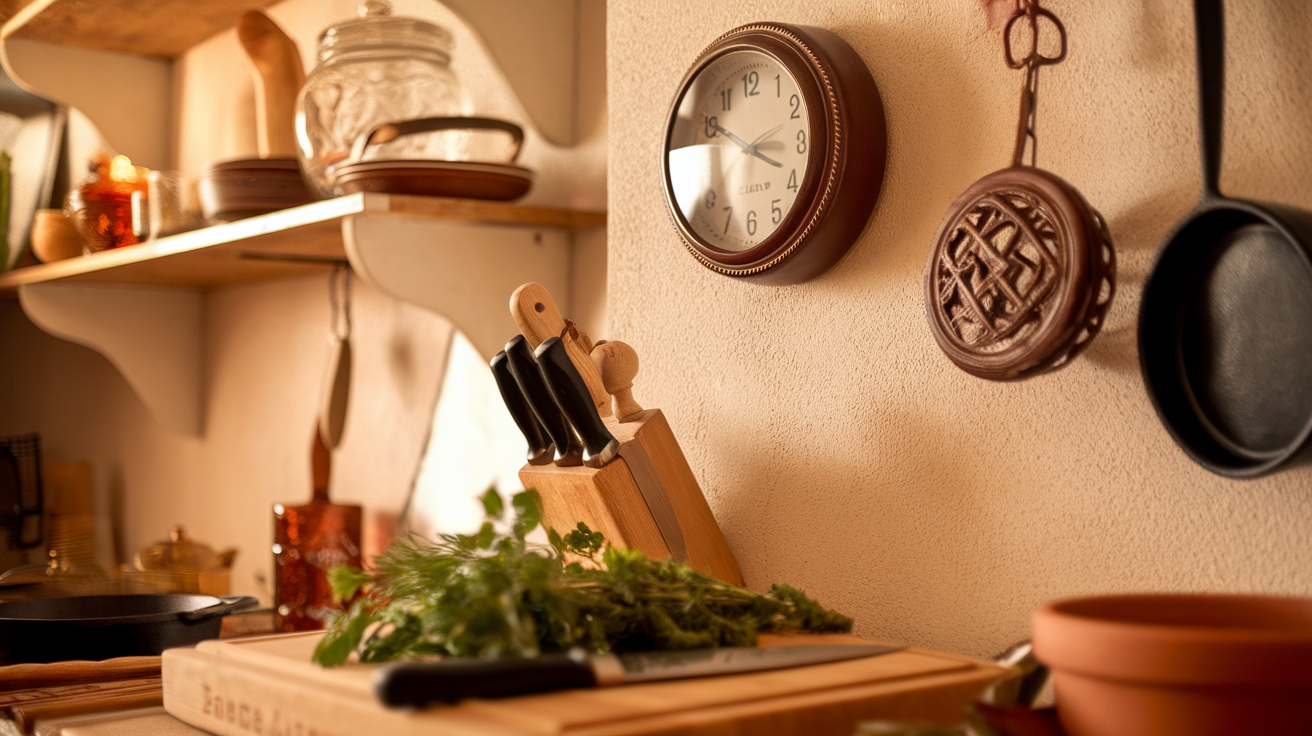
The bohemian kitchen aesthetic has evolved far beyond its traditional roots of macramé plant holders and mismatched vintage plates. Today’s interpretation brings together the warmth and personality of boho style with the clean functionality that modern living demands. This fusion creates spaces that feel both collected over time and intentionally designed, offering the perfect balance between creative expression and practical daily use.
Kitchens designed with this dual approach maintain the soul and character that makes boho style so appealing while incorporating contemporary elements that prevent the space from feeling dated or cluttered. The key lies in understanding which aspects of each style complement rather than compete with each other. Natural materials meet sleek surfaces, vintage finds sit alongside streamlined appliances, and artistic displays coexist with organized efficiency.
In the following sections, we’ll explore how to achieve this harmonious blend in your own kitchen. From selecting materials that bridge both aesthetics to creating functional zones without sacrificing personality, you’ll discover practical strategies for crafting a kitchen that feels authentically you. Whether you’re starting from scratch or updating an existing space, these insights will help you create a bohemian kitchen that works beautifully for contemporary life.
What Makes a Kitchen Truly Bohemian?
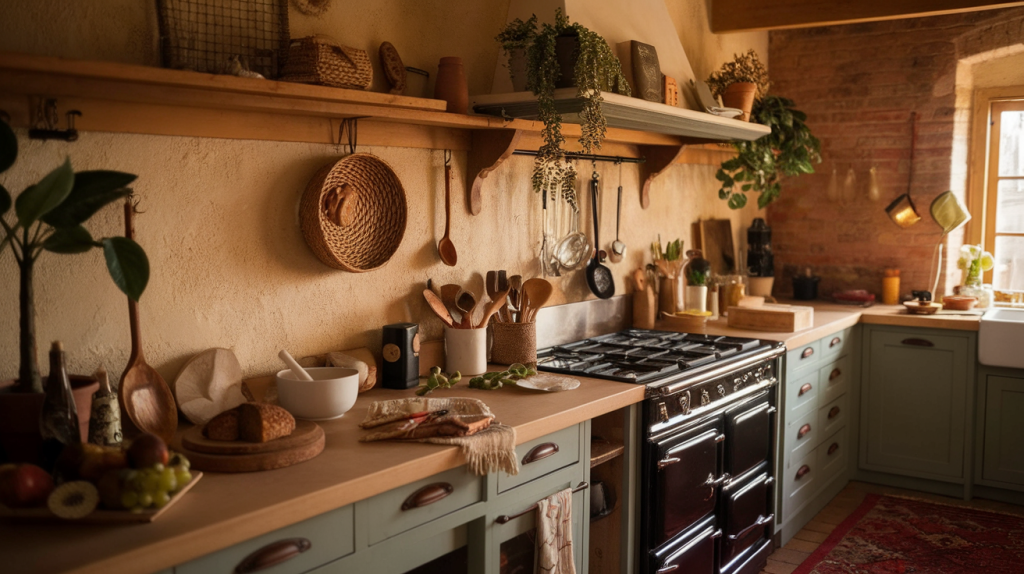
The essence of bohemian design stems from a philosophy of creative freedom and personal expression rather than following rigid decorating rules. In kitchen spaces, this translates to an environment that tells your story through carefully curated objects, natural materials, and an overall sense of collected charm. Understanding these foundational elements helps you build a space that feels authentically boho without veering into chaos.
Natural Materials and Textures
Wood remains the cornerstone material in any boho-inspired kitchen, but not just any wood will do. Look for pieces with visible grain patterns, live edges, or reclaimed finishes that show character and history. Open shelving crafted from rough-hewn planks or a kitchen island topped with butcher block brings immediate warmth to the space. These organic elements ground the design and provide a canvas for layering other materials.
Rattan and wicker introduce additional texture through bar stools, pendant light shades, or storage baskets tucked into open shelving. These woven elements add visual interest without overwhelming the space, especially when balanced against smoother surfaces. Consider incorporating bamboo cutting boards displayed on counters or jute runners along kitchen floors to continue this natural material story throughout the room.
Color Palettes That Define the Style
Traditional bohemian spaces often feature rich jewel tones – deep emeralds, burnt oranges, and sapphire blues – but modern interpretations frequently start with a more subdued base. Warm whites, soft creams, and natural wood tones create a foundation that prevents the space from feeling overwhelming. Against this neutral backdrop, you can introduce color through smaller doses that pack visual punch without dominating the entire kitchen.
Terracotta and ochre bring earthiness through accent pieces like ceramic bowls, vintage rugs, or painted cabinet interiors. These warmer hues connect to boho’s global influences while maintaining sophistication. For those who prefer cooler tones, sage greens and dusty blues offer a fresh take that still honors the style’s connection to nature.
Essential Decorative Elements
Plants transform any kitchen into a bohemian haven, but placement matters as much as selection. Trailing pothos from high shelves, herbs growing in windowsill planters, and a large fiddle leaf fig in an empty corner all contribute to the indoor garden feel. Mix plant sizes and container styles – combining sleek modern planters with vintage brass pots or handmade ceramics creates the eclectic vibe this style celebrates.
How to Layer Patterns Effectively
Pattern mixing defines bohemian style, yet in kitchens, restraint prevents visual overload. Start with one dominant pattern – perhaps geometric tiles for the backsplash or a vintage runner with intricate designs. Add secondary patterns through smaller elements like dish towels, chair cushions, or artwork. The trick lies in varying the scale: if your backsplash features small, detailed tiles, choose larger-scale patterns for textiles.
Different pattern types can coexist beautifully when they share a common color thread. A striped rug might pair perfectly with floral curtains if both incorporate similar shades of blue or green. This color connection creates cohesion even as patterns vary wildly in style and origin.
Modern Elements That Transform Boho Kitchens
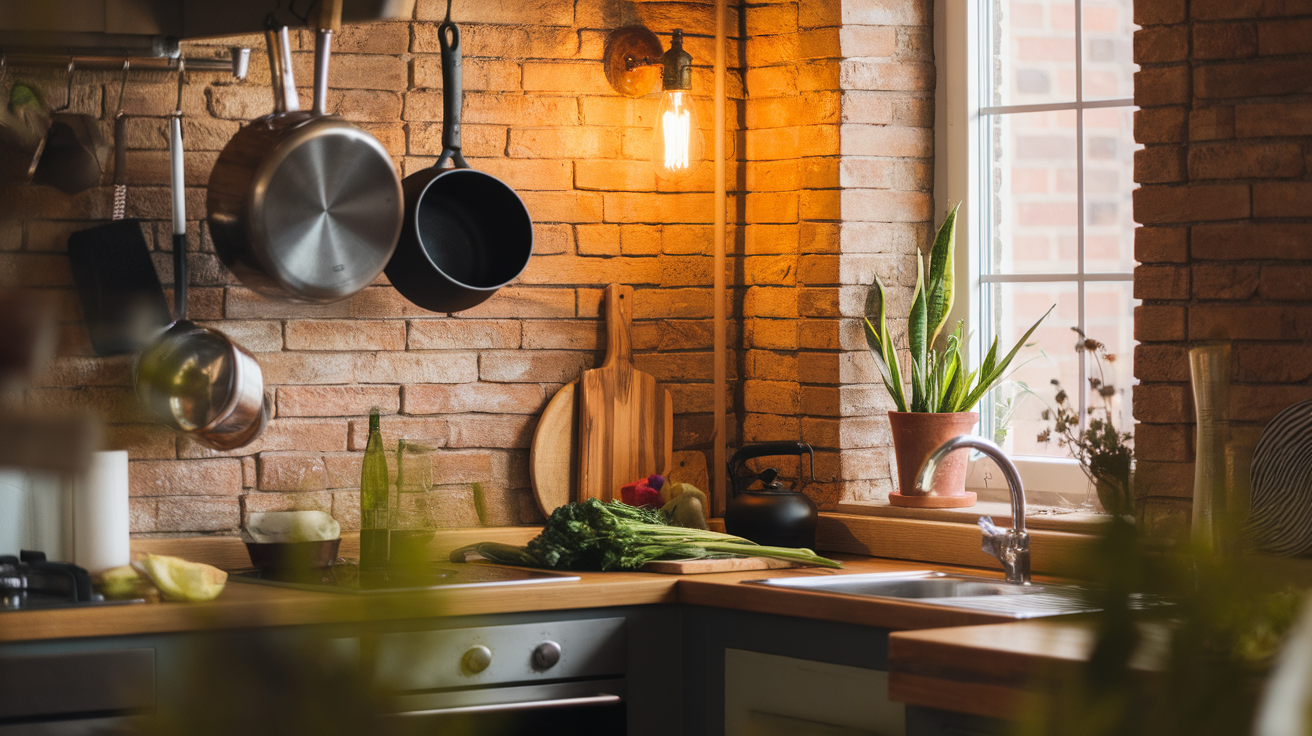
Contemporary additions prevent bohemian kitchens from feeling stuck in the past while maintaining their characteristic warmth and personality. The secret lies in selecting modern elements that enhance rather than erase the boho foundation. These updates bring functionality and freshness without sacrificing the creative spirit that makes these spaces special.
Sleek Appliances That Blend Seamlessly
Stainless steel appliances might seem at odds with bohemian aesthetics, but they actually provide valuable visual breathing room among busier elements. A streamlined refrigerator or minimalist range hood offers clean lines that balance ornate tiles or patterned textiles elsewhere in the space. Black or matte white appliances work equally well, especially when they echo hardware finishes used throughout the kitchen.
Consider panel-ready appliances that can be covered with cabinet fronts for complete integration. This approach lets major appliances disappear into the overall design while maintaining the high functionality modern cooking demands. For smaller appliances, store them in closed cabinets when not in use, displaying only those with aesthetic appeal – like a vintage-style stand mixer or artisan coffee maker.
Contemporary Lighting Choices
Lighting bridges old and new perhaps better than any other element in the modern boho kitchen. Industrial pendant lights with Edison bulbs nod to both vintage charm and contemporary simplicity. Track lighting painted black or brass provides adjustable task lighting while maintaining a streamlined profile that doesn’t compete with decorative elements below.
Linear suspension lights over islands offer clean geometry that grounds more organic shapes elsewhere. Choose fixtures in warm metals like brass or copper rather than chrome to maintain the welcoming feel. Under-cabinet LED strips provide essential task lighting while remaining completely hidden, letting decorative fixtures take center stage.
Multiple light sources at different heights create the layered illumination that makes kitchens feel professionally designed. Combine overhead fixtures with table lamps on counters, sconces flanking windows, and perhaps string lights woven through open shelving for ambient evening lighting.
Minimalist Hardware and Fixtures
Cabinet hardware offers an easy update that dramatically shifts the kitchen’s overall feel. Replacing ornate vintage pulls with simple brass bars or matte black handles instantly modernizes cabinetry while maintaining warmth through material choice. Long, linear pulls emphasize horizontal lines that make kitchens feel more spacious and organized.
Smart Storage Solutions
Modern organization systems hide the chaos that can overwhelm bohemian spaces. Pull-out drawer organizers keep utensils sorted, while lazy Susans in corner cabinets maximize awkward spaces. These solutions work behind the scenes, maintaining the relaxed boho vibe while ensuring everything has its place.
Open shelving remains a boho staple but benefits from modern styling approaches. Group items by color or material rather than function – all white dishes together, wooden bowls clustered, copper pots displayed as art. This intentional arrangement prevents shelves from looking cluttered while showcasing your collection.
Hidden storage proves especially valuable in boho kitchens where surfaces tend to accumulate decorative objects. A kitchen island with closed storage below keeps necessities accessible but out of sight. Appliance garages built into countertop corners conceal everyday items while maintaining clean sight lines.
Clean Lines Versus Organic Shapes
The interplay between geometric modern elements and flowing bohemian forms creates visual tension that keeps kitchens interesting. A rectangular marble island might feature curved bar stools with woven seats. Linear subway tiles could meet a live-edge wood shelf. These contrasts prevent the space from feeling too rigid or too chaotic.
Consider furniture-style pieces that blur the line between built-in and freestanding. A vintage dresser repurposed as a kitchen island brings boho character while straight-lined upper cabinets maintain modern efficiency. This mix of furniture types adds the collected-over-time quality that makes bohemian spaces feel authentic.
How to Balance Free-Spirit Style with Functionality?
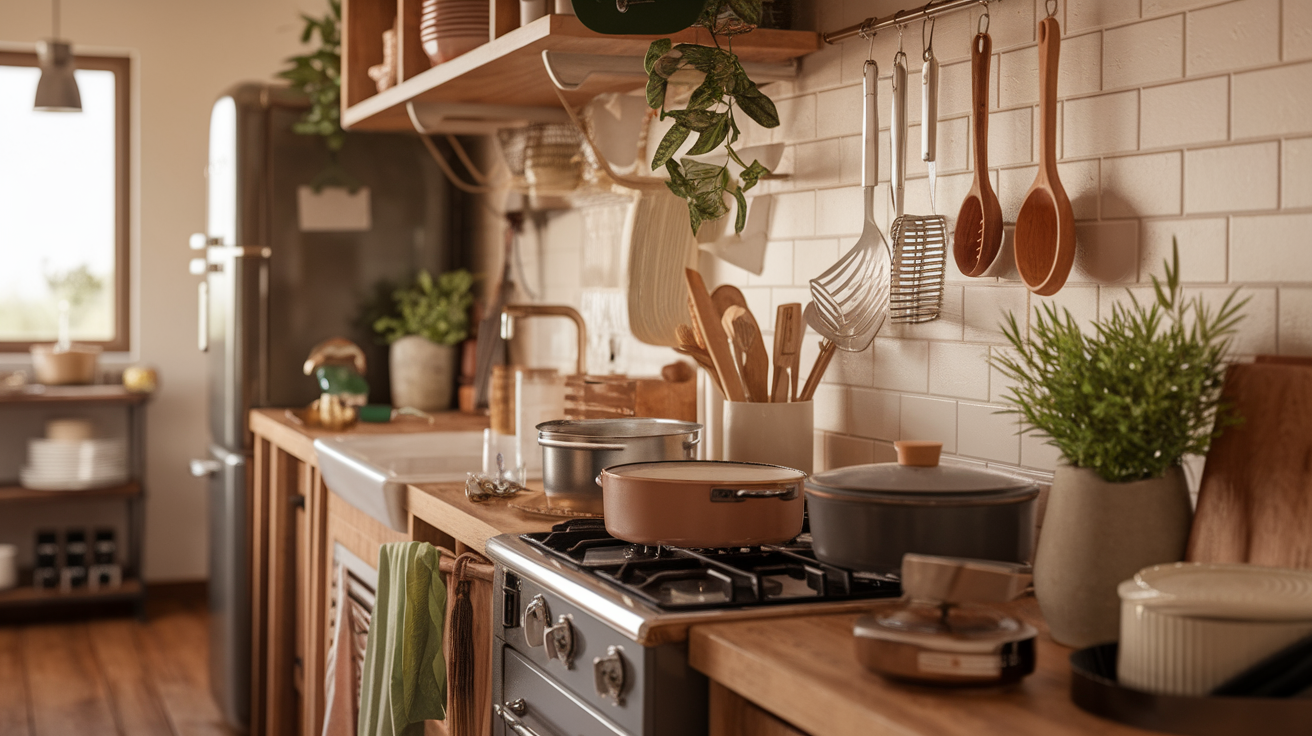
Creating a kitchen that functions efficiently while maintaining bohemian charm requires thoughtful planning and strategic choices. The goal isn’t to sacrifice personality for practicality but rather to find ways these seemingly opposing forces can support each other. A well-organized boho kitchen proves that creative expression and daily functionality can coexist beautifully.
Organizing Open Shelving Displays
Open shelving epitomizes bohemian style but quickly becomes problematic without proper organization. The solution involves treating these shelves as both storage and display, carefully curating what goes where. Everyday dishes deserve prominent placement when they’re beautiful enough to enhance the overall design. Stack plates by color rather than size, creating visual groupings that look intentional rather than random.
Reserve the highest and lowest shelves for items used less frequently or purely decorative pieces. Eye-level shelves should hold daily essentials arranged attractively. Pretty glass jars filled with pantry staples serve double duty as both storage and decoration. This approach keeps necessities within easy reach while contributing to the kitchen’s visual story.
Negative space matters as much as what you display. Leaving breathing room between groupings prevents shelves from looking cramped and allows individual pieces to shine. This editing process might mean storing some items in closed cabinets, displaying only your most beautiful or meaningful pieces on open shelves.
Choosing Practical Surfaces
Surface materials significantly impact both the look and functionality of your kitchen. While pure bohemian style might call for all natural materials, modern life often demands more durable options. Quartz countertops that mimic marble or concrete provide worry-free surfaces that handle daily use without constant maintenance. These engineered materials come in patterns and colors that complement natural wood and vintage elements.
Butcher block countertops bring warmth and authenticity but require regular oiling and careful maintenance around sinks. Consider using wood for select areas like islands or peninsula tops where water exposure remains minimal. This strategic placement lets you enjoy natural materials without the stress of high-maintenance surfaces throughout.
Maintaining Clean Countertops
The bohemian tendency to display collections can quickly overwhelm kitchen counters, making food preparation difficult. Establish zones where decorative items live permanently – perhaps a styled corner with cutting boards, a vintage scale, and ceramic vessels – while keeping primary work areas clear. This designated display area satisfies the urge to showcase beautiful objects without impeding functionality.
Develop systems for items that typically clutter counters. Wall-mounted spice racks, magnetic knife strips, and hanging fruit baskets free up surface space while adding to the room’s visual interest. These vertical storage solutions align with bohemian style’s love of displayed objects while maintaining practical clear counters.
Creating Efficient Work Zones
Even free-spirited kitchens benefit from logical organization based on how you actually cook and move through the space. Position coffee-making supplies near the water source and electrical outlets. Keep cooking oils, spices, and frequently used tools within arm’s reach of the stove. This functional arrangement doesn’t compromise style when storage solutions themselves become decorative elements.
Here are practical strategies for maintaining organized work zones:
Prep Zone: Keep cutting boards, knives, and mixing bowls together near the largest counter stretch
Cooking Zone: Store pots, pans, and cooking utensils adjacent to the range or cooktop
Cleaning Zone: Position dish soap, sponges, and towels near the sink in attractive containers
Beverage Station: Group coffee, tea, and drinkware in one accessible area
Baking Corner: Dedicate a cabinet or shelf to baking supplies and tools
Each zone can reflect bohemian aesthetics through the containers and organization methods you choose. Vintage canisters for baking supplies, handwoven baskets for dish towels, or antique crocks for cooking utensils all maintain style while serving practical purposes. The key lies in selecting organizational tools that enhance rather than detract from your overall design vision.
Which Materials Create the Perfect Fusion?
Material selection determines whether your kitchen successfully marries bohemian warmth with modern sophistication or feels disjointed and confused. The right combinations create layers of interest while maintaining cohesion. Understanding how different materials interact helps you make choices that honor both design philosophies while creating something entirely your own.
Combining Wood with Metal Accents
Wood and metal form the foundation of successful modern boho kitchens, but the specific types and finishes matter enormously. Warm wood tones pair beautifully with brass, copper, or black metal rather than cool chrome or stainless steel. A reclaimed wood dining table might feature black metal legs, or copper pendant lights could hang above wooden open shelving.
The proportion of wood to metal influences the overall feel. Too much metal shifts toward industrial rather than bohemian, while excessive wood can feel heavy and dated. Aim for wood as your primary material with metal appearing in hardware, lighting, and select furniture pieces. This balance maintains warmth while adding contemporary edge.
Consider mixing metal finishes rather than matching everything perfectly. Brass cabinet pulls might coexist with a black faucet and copper light fixtures. This variety aligns with bohemian style’s eclectic nature while the quality and intentionality of choices maintains modern sophistication.
Mixing Vintage Tiles with Modern Backsplashes
Backsplashes offer prime territory for material mixing since they’re contained to a specific area. Vintage-inspired cement tiles with intricate patterns can cover a small section behind the stove while simple subway tiles fill the remaining walls. This approach provides a focal point without overwhelming the entire kitchen with pattern.
Modern large-format tiles in neutral tones create a calming backdrop for busier elements elsewhere. These minimal surfaces let vintage rugs, patterned dishware, or artistic light fixtures take center stage. The contrast between simple and complex keeps the eye moving through the space without creating visual chaos.
Zellige tiles offer another perfect fusion option. Their handmade quality and subtle variations honor bohemian craftsmanship while their simple shapes and trending colors feel thoroughly contemporary. These tiles catch and reflect light differently throughout the day, adding the kind of living quality that makes bohemian spaces feel special.
Natural Stone Meets Engineered Surfaces
Stone countertops bring natural beauty that aligns with bohemian values, but engineered alternatives often prove more practical for busy kitchens. Porcelain slabs that mimic marble or granite provide durability without the maintenance natural stone requires. These modern materials have advanced to the point where they’re nearly indistinguishable from genuine stone while offering superior stain and heat resistance.
For those committed to natural stone, consider using it strategically rather than throughout. A marble pastry slab inset into butcher block counters provides a beautiful work surface for baking while limiting maintenance requirements. Or use natural stone for a statement island while choosing engineered surfaces for perimeter counters.
Textiles That Bridge Both Styles
Fabric selections can make or break the modern boho balance. Choose natural fibers like linen, cotton, and jute in updated patterns or solid colors rather than heavily embellished or overly ethnic prints. A simple linen Roman shade feels more current than fringed macramé window treatments while still bringing softness to the space.
Runner rugs with geometric patterns in muted colors ground the space without overwhelming it. Vintage kilim or Persian rugs work when their colors coordinate with the overall palette rather than fighting for attention. Layer different textiles thoughtfully – perhaps a jute rug under the dining table with linen napkins and cotton tea towels creating textural variety without pattern overload.
Kitchen textiles need frequent washing, so choose materials and patterns that age gracefully. Linen becomes softer with use, while quality cotton maintains its appearance through countless laundry cycles. These practical considerations don’t mean sacrificing style – many modern textile designers create pieces that satisfy both aesthetic and functional requirements.
Window treatments deserve special consideration since they impact both light and privacy. Bamboo blinds offer natural texture with clean lines, while simple linen curtains on minimal hardware provide softness without fuss. These treatments filter light beautifully, creating the warm, welcoming atmosphere essential to bohemian spaces while maintaining the streamlined look modern design demands.
Color Schemes That Bridge Both Worlds
Color ultimately unifies the modern bohemian kitchen, creating harmony among diverse elements. The right palette makes vintage finds feel fresh while helping contemporary pieces feel warm and inviting. Understanding how colors interact within this hybrid style helps you create a cohesive space that feels both current and timeless.
Neutral Bases with Vibrant Accents
Starting with a neutral foundation provides flexibility to change accent colors seasonally or as preferences evolve. Warm whites, soft grays, and natural wood tones create a sophisticated backdrop that prevents the space from feeling dated as trends change. These subdued bases also provide visual rest areas essential in spaces that include pattern and texture.
Against this calm foundation, you can introduce bolder colors through easily changeable elements. Dish towels in saffron yellow, a vintage rug with deep red tones, or sage green bar stools add personality without permanent commitment. This approach lets you experiment with color while maintaining the sophisticated foundation that keeps the space feeling fresh and modern.
When selecting neutrals, pay attention to undertones. Warm whites with yellow or pink undertones complement wood and natural materials better than stark, blue-based whites. Similarly, warm grays feel more inviting than cool ones in bohemian-influenced spaces. These subtle differences significantly impact how welcoming your kitchen feels.
Earth Tones Meeting Contemporary Hues
Traditional bohemian palettes lean heavily on earth tones – ochres, terracottas, olive greens – but modern interpretations often lighten and brighten these shades. Instead of deep burnt orange, consider peachy coral. Rather than muddy olive, try sage or eucalyptus. These updated versions maintain the connection to nature while feeling fresher and more contemporary.
Incorporate these colors through both permanent and temporary elements. Cabinet interiors painted sage green add surprise when doors open. Terracotta pots for herbs bring warmth to windowsills. A large piece of art featuring abstract interpretations of earth tones can tie the entire color story together while adding modern artistic flair.
Don’t forget about black as an earth tone. Charcoal and deep brown-blacks ground bright colors and add sophisticated contrast. A black range hood, window frames, or island base prevents the space from feeling too sweet or precious. These dark elements add the edge that keeps modern boho kitchens from veering into pure cottage or farmhouse territory.
How to Use White Space Effectively
White or negative space serves a crucial function in modern bohemian design, providing visual breathing room among more complex elements. This doesn’t mean leaving walls completely bare but rather being intentional about where you concentrate visual interest. A white wall might display a single large piece of art or a carefully arranged collection of cutting boards, allowing these elements to shine without competition.
White subway tile backsplashes offer classic simplicity that never overwhelms. Their uniform surface creates calm zones between busier countertops and patterned floors. This visual break prevents sensory overload while maintaining the light, bright feeling modern kitchens require.
Upper cabinets painted white or light colors seem to float, making kitchens feel larger and more open. This lightness balances the visual weight of natural wood lower cabinets or a substantial island. The contrast between light and dark, simple and complex, creates the dynamic tension that makes these kitchens interesting.
Metallic Finishes That Unify the Look
Metallic finishes act as jewelry for the kitchen, adding glamour and cohesion. Brass and copper align naturally with bohemian warmth while maintaining modern sophistication when used in updated forms. These warm metals appear in everything from faucets to cabinet hardware, light fixtures to decorative objects.
Rather than matching all metals perfectly, create a hierarchy. Perhaps brass dominates through cabinet hardware and lighting, with copper appearing in a few accent pieces like Moscow mule mugs or a vintage colander. This approach feels more collected and authentic than perfectly matched everything.
Mixed metals work best when distributed throughout the space rather than clustered in one area. If your pendant lights are brass, consider copper or black bar stools to spread metallic moments around the room. This distribution creates rhythm and movement, leading the eye through the space while maintaining visual balance.
Metallic finishes also appear in unexpected places in modern boho kitchens. A brass rail for hanging pots, copper-lined drawers for silverware, or bronze-finished switch plates all contribute to the layered metallics that make these spaces feel special. These smaller touches often make the biggest impact, showing attention to detail that elevates the entire design.
Final Thoughts on Your Bohemian Kitchen Journey
Creating a bohemian kitchen with modern sensibilities isn’t about following strict rules but rather understanding how to balance opposing design philosophies. The most successful spaces feel both carefully curated and naturally evolved, combining the warmth and personality of boho style with the functionality contemporary life demands. Your kitchen should reflect your personal story while working efficiently for daily cooking and gathering.
The beauty of this hybrid approach lies in its flexibility and evolution. Start with foundational elements like cabinetry and countertops that bridge both styles, then layer in personality through textiles, art, and accessories. As your tastes change or you discover new treasures, the modern bones of your kitchen provide a stable foundation for bohemian experimentation. This combination creates a space that feels fresh and relevant while maintaining the soul and character that makes coming home special.
Frequently Asked Questions
Q: Can I achieve a modern bohemian kitchen on a tight budget?
A: Absolutely. Start with paint to transform cabinets or walls, add affordable open shelving from basic lumber, and hunt thrift stores for vintage accessories. Focus your spending on one or two statement pieces like a unique light fixture or beautiful rug while DIYing smaller elements.
Q: How do I prevent my boho kitchen from looking cluttered?
A: Establish clear zones for display versus function, use closed storage for less attractive necessities, and maintain consistent color palettes even with varied patterns. Regular editing of displayed items keeps the space feeling curated rather than chaotic.
Q: Which countertop materials work best for modern boho style?
A: Butcher block, white quartz with subtle veining, concrete, and honed marble all bridge both aesthetics beautifully. Choose based on your maintenance preferences and usage patterns rather than purely on appearance.
Q: Should all my metals match in a modern bohemian kitchen?
A: No, mixed metals actually enhance the collected-over-time feeling. Stick to warm tones like brass, copper, and black while avoiding cool chrome or nickel for the most cohesive look.
Q: What lighting works best in these hybrid kitchens?
A: Layer multiple light sources including pendant fixtures with personality, under-cabinet task lighting, and ambient options like sconces or string lights. Choose fixtures that combine natural materials with clean lines.
Q: How do I incorporate plants without creating more work?
A: Select low-maintenance varieties like pothos, snake plants, or ZZ plants for most locations. Reserve high-maintenance herbs for windowsills where you’ll see them daily and remember to water them.
Q: Can modern appliances really work with bohemian style?
A: Yes, especially when you choose black, white, or panel-ready options rather than prominent stainless steel. The key lies in balancing their clean lines with warmer elements throughout the space.
Q: What flooring options complement both styles?
A: Natural wood, patterned cement tiles, or neutral porcelain tiles that mimic natural materials all work wonderfully. Layer with vintage or modern geometric rugs for added warmth and pattern.