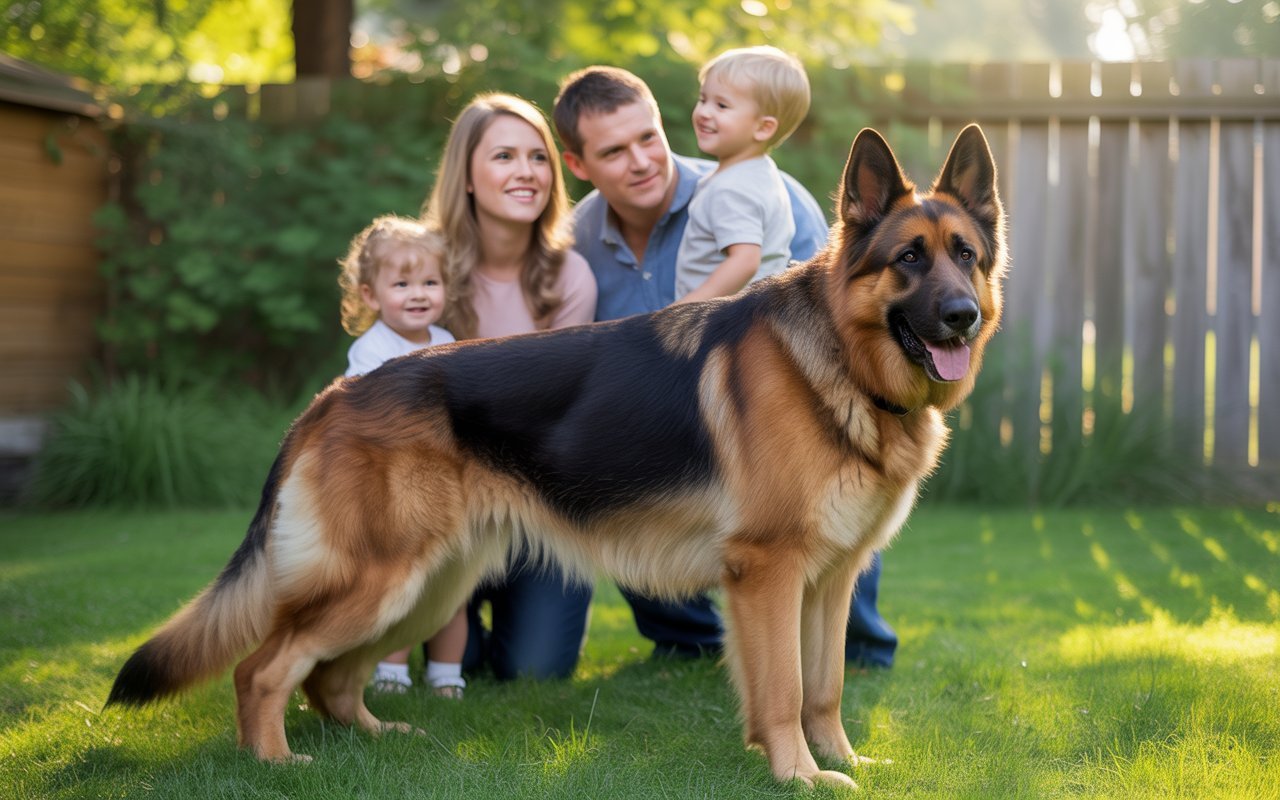
Finding the right protection dog for your family involves much more than selecting a breed with an intimidating bark. The ideal family guard dog combines natural protective instincts with a gentle temperament around children, creating a balance that keeps your home secure while maintaining a loving family environment. These remarkable canines serve dual roles as both devoted companions and vigilant protectors, offering peace of mind that extends beyond any security system.
The distinction between a true guard dog and a regular family pet lies in specific traits bred into certain breeds over centuries. While many dogs will bark at strangers, genuine protection breeds possess the intelligence to assess threats, the courage to act when necessary, and the discipline to respond appropriately to commands. This unique combination of characteristics makes them invaluable additions to families seeking both companionship and security.
Before bringing a protection dog into your home, understanding the commitment involved proves essential. These powerful breeds require consistent training, regular exercise, and clear leadership to thrive in family settings. In the following sections, we’ll examine the qualities that define excellent family guard dogs, specific breeds that excel in this role, and the training approaches that help these remarkable animals become both protectors and beloved family members.
What Makes a Great Family Guard Dog
A truly exceptional family guard dog possesses qualities that extend far beyond physical strength or an imposing appearance. The most important characteristic is a stable temperament that allows the dog to differentiate between genuine threats and everyday situations. This discernment prevents unnecessary aggression while ensuring your family remains protected when real danger arises.
Protective Instincts and Temperament Balance
Natural protective instincts must coexist with a calm, confident personality for a dog to excel as both guardian and family companion. The best protection breeds display alertness without anxiety, watching their surroundings while remaining relaxed around familiar people. This temperament allows them to integrate seamlessly into family life, playing gently with children one moment and standing guard the next.
These dogs demonstrate remarkable emotional intelligence, reading situations and responding appropriately without constant direction. A well-balanced guard dog understands the difference between a delivery person approaching your door and someone attempting unauthorized entry. This intuitive understanding develops through proper breeding and training, creating a protector who acts decisively yet never unpredictably.
Size and Strength Considerations
Physical presence plays a significant role in deterrence, with larger dogs naturally commanding more respect from potential intruders. However, size alone doesn’t determine effectiveness as a family protector. The dog’s build, muscle tone, and overall fitness contribute more to protection capability than height or weight measurements.
Medium-sized breeds can prove equally effective as their larger counterparts, particularly in homes with limited space. What matters most is the dog’s ability to physically intervene if necessary, combined with the agility to respond quickly to threats. Some smaller protection breeds compensate for size with exceptional speed, intelligence, and determination.
Intelligence and Trainability Factors
High intelligence enables guard dogs to learn complex commands, remember training protocols, and make independent decisions when necessary. The most effective family protectors possess problem-solving abilities that help them navigate unexpected situations without becoming confused or aggressive.
Trainability goes hand-in-hand with intelligence but requires additional qualities like eagerness to please and focus. Protection breeds that excel in family settings typically show strong bonds with their handlers, making them responsive to training while maintaining their protective nature. This combination allows owners to shape natural guarding instincts into controlled, reliable protection behaviors.
Socialization Requirements with Children
Early and extensive socialization determines whether a guard dog can safely live with children. Puppies exposed to various ages, sizes, and energy levels of children develop appropriate responses to juvenile behavior. This exposure teaches them patience with grabbing hands, sudden movements, and high-pitched voices that might otherwise trigger protective responses.
Well-socialized protection dogs learn to moderate their strength around smaller family members, adjusting their play style and maintaining gentleness despite their power. They recognize children as pack members requiring extra protection rather than threats or prey. This understanding forms through careful introduction and supervised interactions during the critical socialization window between three and fourteen weeks of age.
The ongoing socialization process continues throughout the dog’s life, reinforcing appropriate behaviors and preventing the development of fear-based aggression. Regular exposure to new people, animals, and environments maintains the social skills necessary for a guard dog to function effectively in family and community settings.
Top Large Breed Protection Dogs
Large breed guard dogs bring commanding presence and physical capability to family protection, combining the strength to deter intruders with gentle hearts that melt around their loved ones. These impressive canines have protected families for generations, earning reputations as some of the most reliable guardians in the canine world.
German Shepherd Characteristics
German Shepherds consistently rank among the top choices for family protection, and their popularity stems from an exceptional combination of intelligence, loyalty, and versatility. These dogs possess an innate ability to switch between playful family companion and serious protector within seconds, reading situations with remarkable accuracy.
Their intelligence manifests in quick learning and retention of commands, making training sessions productive and enjoyable. German Shepherds thrive on having jobs to do, whether that means protecting the home, playing fetch with children, or learning new tricks. This mental stimulation requirement means they integrate well into active families who can provide adequate exercise and engagement.
The breed’s natural suspicion of strangers provides excellent protection without excessive aggression. They typically observe newcomers carefully, taking cues from their family’s reactions before deciding whether to accept or remain wary of visitors. This measured approach prevents unnecessary confrontations while maintaining vigilant protection.
Physical capabilities match their mental prowess, with German Shepherds possessing the strength, speed, and endurance to handle genuine threats effectively. Their double coat requires regular grooming but provides protection in various weather conditions, allowing them to maintain outdoor vigilance year-round.
Rottweiler Protection Capabilities
Rottweilers bring centuries of guarding heritage to modern family protection, combining massive strength with surprising gentleness toward their families. These powerful dogs originally protected cattle and pulled carts for butchers, developing the physical prowess and determination that makes them formidable guardians today.
Despite their intimidating appearance, properly raised Rottweilers display remarkable patience with children, often becoming gentle giants who tolerate ear pulls and clumsy hugs with good humor. This tolerance extends only to their family members, as strangers receive a much different reception until properly introduced and accepted.
Their protection style tends toward quiet confidence rather than excessive barking or displays of aggression. A Rottweiler might position itself between its family and a perceived threat without making a sound, using body language and presence to communicate warnings. This calm approach prevents neighborhood disturbances while maintaining effective protection.
Doberman Pinscher Traits
Sleek, athletic, and incredibly intelligent, Doberman Pinschers offer a unique blend of elegance and protection capability. Their lean build might appear less imposing than bulkier breeds, but their speed and agility make them exceptionally effective guardians who can respond to threats with lightning-fast reflexes.
Dobermans form intensely strong bonds with their families, often becoming particularly attached to one person while remaining protective of all household members. This loyalty translates into unwavering dedication to family safety, with many Dobermans instinctively positioning themselves to monitor multiple entry points simultaneously.
Modern breeding has produced Dobermans with more stable temperaments than their predecessors, though they retain the alertness and protective instincts that define the breed. They excel in homes where someone can provide consistent leadership and mental stimulation, as boredom can lead to destructive behaviors or excessive territorial aggression.
Bullmastiff Guardian Qualities
Bullmastiffs earned their reputation as “gamekeeper’s night dogs,” silently tracking and holding poachers without causing serious injury. This historical role created a breed that combines massive size with remarkable restraint, using their 130-pound frames to intimidate rather than attack unless absolutely necessary.
These gentle giants move with surprising stealth for their size, often appearing suddenly when strangers approach their territory. Their protection method involves physical blocking and intimidation rather than aggressive confrontation, making them excellent choices for families seeking deterrence without excessive liability concerns.
Their relatively low energy levels compared to other protection breeds suit them well to less active families or those with smaller yards. However, this calm demeanor shouldn’t be mistaken for laziness – Bullmastiffs can spring into action instantly when their protective instincts engage.
Great Pyrenees Family Protection
Originally bred to guard flocks independently in mountainous regions, Great Pyrenees bring a unique protection style to family settings. These majestic white dogs work primarily at night, when their families sleep, maintaining vigilant watch over their territory with minimal supervision.
Their protection approach differs from breeds that wait for commands, as Great Pyrenees make independent decisions about threats based on centuries of breeding for autonomous guardian work. This independence requires owners who understand and respect the breed’s decision-making abilities while maintaining clear boundaries.
The thick, white coat that helped them blend with sheep serves a practical purpose in family settings, requiring significant grooming but providing the dog with protection from weather extremes. Their deep, booming bark serves as an effective deterrent, though neighbors might not appreciate late-night warnings about passing cats or falling leaves.
Medium-Sized Guard Dogs for Smaller Homes
Not every family has the space or lifestyle to accommodate a giant breed, yet the need for protection remains just as important. Medium-sized guard dogs offer an excellent solution, providing serious protection capabilities in more manageable packages that adapt well to suburban homes, apartments with breed allowances, or families who travel frequently with their dogs.
Belgian Malinois Versatility
Belgian Malinois have gained recognition through military and police work, but these intense dogs can also excel as family protectors when matched with the right households. Their medium size belies incredible athletic ability, with most Malinois capable of scaling six-foot fences and running at speeds exceeding 30 miles per hour.
Energy levels in this breed reach extraordinary heights, requiring families who embrace active lifestyles and can provide multiple hours of physical and mental exercise daily. Without adequate stimulation, their protective instincts can become problematic, manifesting as excessive territorial behavior or anxiety-driven aggression.
The intelligence that makes them invaluable in professional settings translates beautifully to family protection when channeled properly. These dogs learn complex command sequences quickly and remember training indefinitely, though their intensity requires experienced handlers who can maintain consistent leadership. Families considering this breed should prepare for a dog that views protection as a full-time job requiring constant vigilance.
Their protective style involves high alertness and quick responses to perceived threats. A Belgian Malinois won’t wait for permission to act if family members face danger, making early training essential to establish appropriate response levels. This independence, combined with their speed and determination, creates a formidable protector in a 60-pound package.
Boxer Family Protection Skills
Boxers bring playful energy and natural protection instincts to families seeking a medium-sized guardian with a sense of humor. These muscular athletes combine the strength to physically defend their families with a clownish personality that keeps households entertained between protection duties.
Their patient nature with children has earned them reputations as excellent family dogs, with many Boxers displaying remarkable tolerance for the chaos that comes with young families. This patience extends to their protection style, as Boxers typically issue warnings through body language and vocalizations before escalating to physical intervention.
The breed’s expressive face communicates emotions clearly, helping family members understand their dog’s assessment of situations. This transparency proves valuable when teaching children to read canine body language and respect their protector’s warnings about strangers or unusual circumstances.
Standard Schnauzer Alertness
Standard Schnauzers offer protection capabilities often overlooked due to their distinctive appearance and grooming requirements. These sturdy, medium-sized dogs possess the alertness of terriers combined with the trainability of working breeds, creating versatile family guardians.
Their protective nature manifests through extreme territorial awareness and vocal warnings rather than physical confrontation. Standard Schnauzers excel at alerting families to anything unusual in their environment, from approaching strangers to changes in routine that might signal problems.
Intelligence and problem-solving abilities help these dogs adapt their protection strategies to different situations. They might bark ferociously at the door while simultaneously positioning themselves between children and the perceived threat, demonstrating the multi-tasking abilities that make them effective family guardians.
Australian Cattle Dog Loyalty
Originally bred for the demanding work of driving cattle across the Australian outback, these compact powerhouses bring tenacity and unwavering loyalty to family protection roles. Their medium size masks incredible endurance and determination that rivals much larger breeds.
Australian Cattle Dogs bond intensely with their families, often selecting a favorite person while remaining protective of all household members. This selective bonding creates guardians who anticipate their family’s needs and position themselves strategically to monitor potential threats.
Here are key traits that make Australian Cattle Dogs effective protectors:
Herding Instincts: Natural tendency to keep family members grouped together and safe
Weather Resistance: Double coat allowing outdoor vigilance in all conditions
Intelligence Level: Quick learning ability and excellent problem-solving skills
Physical Stamina: Capability to maintain protection duties for extended periods
Compact Size: Ability to navigate tight spaces while maintaining protection capability
Their protection style involves constant movement and positioning rather than stationary guarding. An Australian Cattle Dog might circle the yard’s perimeter repeatedly, checking for intrusions while keeping visual contact with family members.
Training Your Guard Dog for Family Life
The difference between an unpredictable aggressive dog and a reliable family protector lies entirely in training quality and consistency. Professional protection training transforms natural guarding instincts into controlled, appropriate responses that keep families safe without creating liability issues or neighborhood tensions.
Early Socialization Importance
Socialization during the critical puppyhood period shapes every aspect of a guard dog’s future behavior. Between three and fourteen weeks of age, puppies remain remarkably receptive to new experiences, forming associations that last throughout their lives. Missing this window can result in fear-based aggression or inability to differentiate between threats and normal situations.
Proper socialization involves more than simple exposure to people and places. Quality interactions where puppies experience positive outcomes around strangers, children, and other animals create confident adults who can assess situations accurately. A well-socialized guard dog understands that most people pose no threat, allowing them to reserve protective responses for genuine dangers.
The process continues throughout adolescence, with teenage dogs requiring consistent reinforcement of early lessons. This period often sees temporary regression in social skills as hormones influence behavior, making continued training essential. Families must maintain socialization efforts through the challenging adolescent phase to produce stable adult guardians.
Obedience Training Fundamentals
Basic obedience forms the foundation upon which all protection training builds. A guard dog that won’t respond to basic commands like “sit,” “stay,” or “come” becomes a liability rather than an asset. These fundamental skills provide the control necessary to manage powerful protective instincts safely.
Consistency across all family members prevents confusion that could compromise protection effectiveness. Everyone must use identical commands and enforce the same rules, creating clear expectations that the dog can follow reliably. Mixed messages from different family members can create anxiety or aggressive responses in protection breeds.
The “off” or “release” command proves particularly crucial for guard dogs, providing a way to immediately stop protective behavior when threats pass or mistakes occur. This command requires extensive practice in various scenarios to ensure reliability when adrenaline runs high during real protection situations.
Protection Training vs Aggression
True protection training teaches controlled responses to specific threats rather than general aggression toward strangers. Professional trainers use carefully structured scenarios to develop appropriate protective behaviors while maintaining the dog’s ability to relax around non-threatening individuals.
Many families mistakenly believe that encouraging aggressive behavior enhances protection capability. This approach actually creates dangerous, unpredictable dogs who cannot distinguish between genuine threats and normal situations. Professional protection training develops discrimination skills that allow dogs to respond appropriately to different threat levels.
Bite work, when included in training, focuses on controlled gripping and releasing on command rather than frenzied attacking. Dogs learn to use minimum force necessary to control threats, reducing injury risk while maintaining effectiveness. This measured approach protects families legally while ensuring adequate protection capability.
Professional Training Considerations
Working with qualified protection dog trainers prevents the development of dangerous behaviors that amateur training might create. Professional trainers understand breed-specific tendencies and can tailor programs to individual dogs’ temperaments and family situations.
Cost considerations often deter families from professional training, but the investment proves worthwhile when compared to potential liability from an improperly trained protection dog. Many trainers offer payment plans or group classes that make professional instruction more accessible.
Selecting trainers requires careful research into credentials, methods, and success records. Trainers specializing in police or military dogs might use techniques too intense for family situations. Look for professionals who understand the balance between protection capability and family compatibility.
Daily Exercise Requirements
Physical exercise serves multiple purposes in protection dog management, from maintaining fitness for protection duties to preventing anxiety-driven aggression. Most guard breeds require minimum two hours of activity daily, split between structured exercise and free play.
Mental stimulation through training exercises, puzzle toys, and scent work proves equally important for preventing behavioral problems. A tired guard dog is generally a well-behaved guard dog, as excess energy often manifests as hypervigilance or inappropriate protective responses.
Exercise routines should vary to prevent boredom while maintaining conditioning for protection work. Activities might include running, swimming, agility training, or structured play sessions that reinforce training commands. This variety keeps dogs engaged while developing different muscle groups and skills useful in protection situations.
Living with a Protection Dog
Bringing a protection dog into your home transforms daily routines and requires adjustments that extend beyond basic pet ownership. These powerful guardians need structured environments, clear boundaries, and ongoing management to maintain the delicate balance between family companion and home protector.
Daily Routine Adjustments
Life with a protection dog revolves around consistency and structure that might feel restrictive initially but becomes second nature over time. Morning routines must accommodate exercise needs before work or school, as a restless guard dog creates problems throughout the day. These dogs thrive on predictability, with regular feeding times, training sessions, and exercise periods that provide the framework for stable behavior.
Visitors require special protocols that protect guests while maintaining your dog’s guardian role. Establishing a routine where the dog goes to a designated spot during arrivals allows you to assess visitors before making introductions. This approach prevents aggressive greetings while preserving the dog’s ability to protect against actual intruders.
Evening wind-down periods help protection dogs transition from daytime vigilance to nighttime guardian mode. Many guard breeds naturally increase alertness after dark, requiring calm activities that prevent excessive nighttime barking or patrol behavior.
Insurance and Legal Considerations
Homeowner’s insurance policies often exclude certain protection breeds or charge higher premiums for coverage. Before bringing home a guard dog, verify your insurance company’s breed restrictions and understand how ownership might affect your coverage. Some companies require additional liability policies or proof of professional training to maintain coverage.
Legal responsibilities vary significantly by location, with some municipalities banning specific breeds entirely while others impose strict containment requirements. Research local ordinances thoroughly, as violating breed-specific legislation can result in forced removal of your dog regardless of their behavior.
Liability for dog bites or property damage extends beyond insurance concerns to potential criminal charges in severe cases. Maintaining detailed training records, veterinary documentation, and incident logs provides crucial evidence if legal issues arise.
Socialization with Visitors
Teaching protection dogs to accept legitimate visitors while maintaining guardian instincts requires ongoing effort and clear protocols. Regular visitors like mail carriers, delivery personnel, and service providers need consistent introductions that establish them as non-threats without completely eliminating the dog’s alertness.
Children’s friends present particular challenges, as their unpredictable behavior and high energy can trigger protective responses. Supervised introductions with clear rules about interaction help protection dogs learn to tolerate young visitors. Never leave children unsupervised with protection dogs, regardless of how well-trained or gentle the dog appears.
The introduction process should follow consistent steps every time, signaling to your dog that you’ve assessed and approved the visitor. This might involve having guests wait outside while you leash your dog, then conducting controlled introductions with plenty of praise for calm behavior.
Child Safety Protocols
Children living with protection dogs must learn respect for the animal’s power and purpose from an early age. This education includes understanding warning signs like stiff body posture, direct stares, or low growls that indicate the dog feels threatened or protective.
Establishing zones where children can interact freely with the dog versus areas where the dog works helps maintain appropriate boundaries. The dog’s eating area, sleeping space, and designated guard posts should remain off-limits to children to prevent resource guarding or startled aggressive responses.
Teaching children proper interaction techniques prevents injuries and maintains the dog’s stable temperament. This includes approaching calmly, avoiding sudden movements, and respecting the dog’s personal space.
Long-term Commitment Factors
Protection dogs typically live 10-13 years, requiring sustained commitment to training, exercise, and management throughout their lives. As these dogs age, their protection capabilities might diminish, but their need for structure and activity continues. Families must prepare for senior dogs who retain protective instincts despite physical limitations.
Financial commitments extend beyond initial purchase and training costs to ongoing veterinary care, quality nutrition, and potential liability insurance. Large protection breeds often develop health issues like hip dysplasia or bloat that require expensive treatment. Setting aside emergency funds for veterinary care prevents difficult decisions during medical crises.
The emotional investment in a protection dog surpasses typical pet ownership, as these animals become integral to family security and daily life. Their eventual loss leaves both an emotional void and a security gap that requires careful consideration and planning.
Finding Your Perfect Protection Partner
Selecting a guard dog breed represents just the beginning of your family protection journey. Success depends on matching breed characteristics to your lifestyle, commitment level, and specific security needs. Some families thrive with high-energy Belgian Malinois requiring constant stimulation, while others find perfect partnerships with calmer Bullmastiffs who guard quietly from the couch.
Professional guidance from trainers, breeders, and veterinarians helps navigate the complexities of protection dog ownership. These experts can assess your family’s situation and recommend breeds and training approaches that align with your capabilities and goals. The investment in professional support pays dividends through years of safe, effective protection from a well-adjusted family guardian who enriches your life while keeping you secure.
Frequently Asked Questions
Q: Can any dog breed be trained as a guard dog?
A: While most dogs can learn to bark at strangers, true protection work requires specific genetic traits found primarily in breeds developed for guarding. Breeds without protective instincts may learn commands but lack the confidence and drive to effectively protect in real situations.
Q: What age should I start protection training with my puppy?
A: Basic obedience and socialization should begin immediately when you bring your puppy home, typically around 8 weeks old. Formal protection training usually starts between 12-18 months when the dog has sufficient maturity to handle the psychological demands of protection work.
Q: Will a protection dog be safe around my children’s friends?
A: Properly trained and socialized protection dogs can safely interact with children’s friends under supervision. However, you must establish clear protocols for visits and never leave children unsupervised with the dog, as protection instincts can engage unexpectedly during rough play.
Q: How much does professional protection training typically cost?
A: Professional protection training ranges from $5,000 to $15,000 for comprehensive programs, with some specialized training exceeding $25,000. Group classes and basic protection courses cost less, typically $500-$2,000, but may not provide the same level of reliability.
Q: Can protection dogs live in apartments?
A: Some medium-sized protection breeds adapt well to apartment living if provided adequate exercise and mental stimulation. However, many apartments restrict certain breeds, and close proximity to neighbors can create challenges with territorial barking.
Q: What’s the difference between a guard dog and a watchdog?
A: Watchdogs alert owners to potential threats through barking but typically won’t physically intervene. Guard dogs possess both alerting behaviors and the training, temperament, and physical capability to actively protect against threats when necessary.
Q: Should I get an adult trained protection dog or raise a puppy?
A: Adult trained protection dogs offer immediate protection but cost significantly more and may struggle to bond with new families. Puppies require extensive training but develop stronger family bonds and can be shaped to fit your specific needs and lifestyle.
Q: How do I prevent my protection dog from becoming overly aggressive?
A: Ongoing socialization, consistent training, and clear leadership prevent inappropriate aggression. Regular exposure to various people and situations, combined with professional training that emphasizes control and discrimination, maintains appropriate protective behavior without excessive aggression.