Living in an apartment with a dog presents a unique set of considerations that go beyond simply choosing a pet you love. Your four-legged companion becomes part of a shared living environment where walls are thin, spaces are close, and neighbors form opinions quickly about the animals living nearby. The right breed choice can mean the difference between friendly hallway conversations and awkward elevator rides with disgruntled neighbors.
Not all dogs adapt equally well to apartment life, and even fewer manage to win over skeptical neighbors who might initially worry about noise, damage, or disruption to their peaceful living environment. Some breeds naturally possess qualities that make them ideal for close-quarters living – they’re quieter, calmer, and more adaptable to smaller spaces. These characteristics don’t just benefit you as the owner; they create a harmonious atmosphere that your neighbors will genuinely appreciate.
Finding that perfect apartment dog involves looking beyond just size to consider temperament, energy levels, barking tendencies, and social behavior. The breeds that excel in apartment settings often surprise people with their adaptability and charm. Let’s explore which dogs consistently win hearts in apartment buildings and discover practical strategies for ensuring your canine companion becomes a beloved member of your apartment community rather than a source of complaints.
- What Makes a Dog Breed Apartment-Friendly and Neighbor-Approved?
- Small Breeds That Barely Make a Sound
- Medium-Sized Dogs Perfect for Apartment Living
- Training Tips to Keep Your Apartment Dog Neighbor-Friendly
- Creating the Perfect Apartment Environment for Your Dog
- Peaceful Paws: Your Guide to Happy Apartment Living with Dogs
- Frequently Asked Questions
What Makes a Dog Breed Apartment-Friendly and Neighbor-Approved?
The qualities that make a dog suitable for apartment living extend far beyond physical dimensions. While many people assume smaller automatically means better for apartments, the truth involves a much more nuanced combination of characteristics that determine whether a dog will thrive in close quarters while keeping the peace with neighbors.
Size versus temperament considerations
A Great Dane might seem like an impossible choice for apartment living, yet these gentle giants often adapt better to small spaces than hyperactive Jack Russell Terriers. The key lies in understanding that temperament trumps size almost every time. Large dogs with calm dispositions frequently make better apartment companions than small dogs with boundless energy and territorial tendencies.
Many medium and even some larger breeds possess naturally laid-back personalities that suit apartment life perfectly. These dogs spend most of their indoor time lounging contentedly, requiring only moderate exercise to stay happy and healthy. Meanwhile, certain small breeds were originally developed for hunting or working roles that gave them intense energy levels and strong prey drives – traits that can lead to destructive behavior in confined spaces.
Noise levels and barking tendencies
Nothing sours neighbor relations faster than a dog that barks incessantly. Some breeds have been selectively bred for centuries to alert their owners to every sound, movement, or perceived threat. These watchdog instincts, while valuable in certain contexts, become problematic when every footstep in the hallway triggers a barking frenzy.
The quietest apartment dogs typically share certain genetic traits. Breeds developed for companionship rather than guarding or hunting tend to vocalize less frequently. Dogs with shorter muzzles often produce softer sounds even when they do bark. Some breeds communicate primarily through body language rather than vocalizations, making them naturally quieter roommates.
Energy requirements and exercise needs
Dogs with moderate to low energy requirements adapt more readily to apartment living than those needing hours of intense physical activity. This doesn’t mean choosing a couch potato – even low-energy dogs need regular exercise for physical and mental health. The distinction lies in whether a breed can satisfy its exercise needs through indoor play, short walks, and occasional park visits versus requiring extensive daily running or working activities.
Social behavior with strangers
Apartment living means frequent encounters with neighbors in hallways, elevators, and common areas. Dogs that naturally exhibit friendly or neutral behavior toward strangers create positive interactions that build goodwill within the community. Breeds known for their sociable nature help establish your reputation as a responsible pet owner.
Consider how your dog will react to:
- Elevator encounters: Will they remain calm in small spaces with strangers?
- Hallway meetings: Can they pass other residents without lunging or excessive excitement?
- Delivery personnel: Will they accept frequent visitors to the building without alarm?
- Children and elderly residents: Do they show appropriate gentleness with vulnerable neighbors?
- Other pets: Can they coexist peacefully with cats and dogs in the building?
Trainability and adaptability
Highly trainable breeds learn apartment-appropriate behaviors more quickly and reliably. These dogs master commands like “quiet” or “settle” with consistency, making it easier to manage their behavior when needed. Adaptable breeds adjust to changes in routine, different walking schedules, and the various sounds of apartment life without stress.
The most successful apartment dogs possess a combination of intelligence and eagerness to please. They understand boundaries, respect household rules, and respond well to positive reinforcement training methods. This trainability extends to housebreaking, leash manners, and social etiquette – all crucial skills for maintaining harmony in shared living spaces.
Adaptability also means handling the unique challenges of apartment life: waiting patiently for elevator rides, walking calmly past other doors, and settling quickly after outdoor time. Dogs that struggle with change or require rigid routines may find apartment living stressful, leading to behavioral issues that affect everyone in the building.
Small Breeds That Barely Make a Sound

Small dogs often get an undeserved reputation for being yappy and high-strung, but several compact breeds actually rank among the quietest and most neighborly apartment companions you could choose. These particular breeds combine manageable size with remarkably calm temperaments, making them ideal for close-quarters living where every bark echoes through shared walls. Their peaceful nature and minimal vocalization tendencies mean neighbors might not even realize you have a dog – the ultimate compliment in apartment living.
Cavalier King Charles Spaniel characteristics
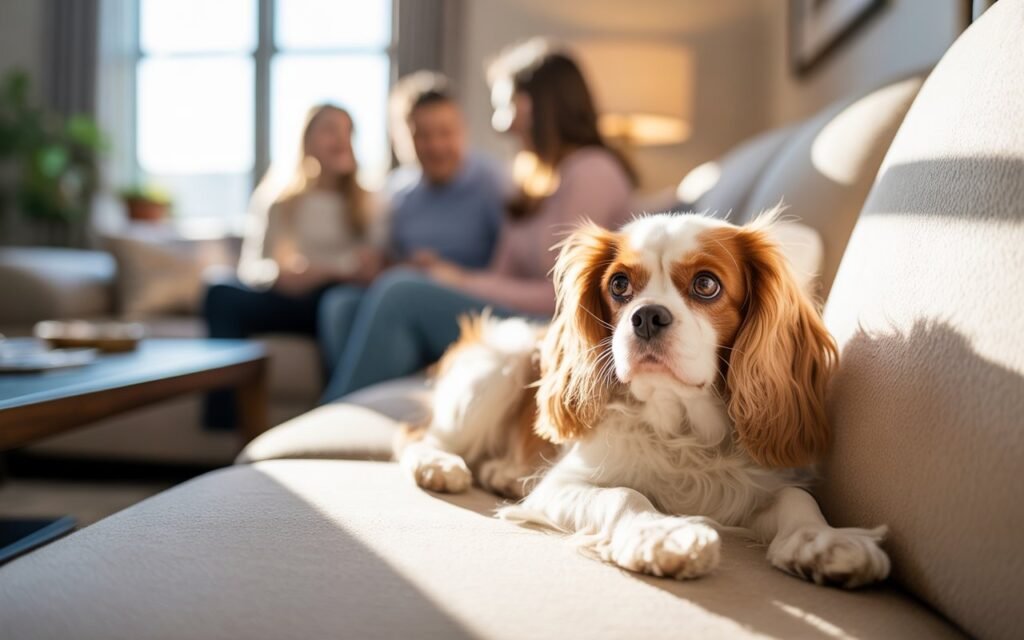
Cavalier King Charles Spaniels possess an almost magical ability to adapt their energy levels to match their environment. These silky-coated companions rarely bark without good reason, preferring to observe the world with their expressive eyes rather than announce every passing thought vocally. Their gentle disposition makes them natural therapy dogs, and this same quality translates perfectly to apartment living where maintaining peace matters.
These dogs typically weigh between 13 and 18 pounds, fitting comfortably in smaller living spaces without feeling cramped. Their exercise needs stay remarkably moderate – a couple of short walks daily and some indoor playtime keeps them content. Cavaliers show exceptional patience during quiet indoor hours, happily curling up beside you while you work or relax.
What truly sets Cavaliers apart in apartment settings is their response to visitors and neighbors. Rather than viewing strangers as threats requiring vocal warnings, they generally greet everyone with tail wags and gentle curiosity. This welcoming attitude helps build positive relationships with neighbors who might otherwise feel nervous around dogs.
French Bulldog personality traits
French Bulldogs have surged in popularity among urban apartment dwellers for excellent reasons. These sturdy little companions rarely bark, and when they do vocalize, their short muzzles produce relatively quiet sounds compared to other breeds. Their communication style leans heavily toward expressive snorts, sighs, and comical facial expressions rather than traditional barking.
Frenchies thrive in temperature-controlled environments, making them perfectly suited for indoor living. Their exercise requirements remain minimal – a short morning walk and brief evening stroll typically satisfy their physical needs. This low activity level means they won’t pace restlessly or develop destructive behaviors from pent-up energy in confined spaces.
Their naturally sociable yet calm demeanor creates ideal conditions for apartment harmony. French Bulldogs generally show friendly interest in neighbors without jumping or excessive excitement. They master the art of quiet companionship, content to supervise your activities from a comfortable spot rather than demanding constant attention or stimulation.
Basenji: The barkless wonder
The Basenji holds the unique distinction of being physically unable to produce a traditional bark, earning its nickname as the “barkless dog.” Instead of barking, these elegant dogs produce an unusual yodel-like sound called a “baroo,” which they use sparingly. This genetic trait alone makes them fascinating choices for noise-sensitive apartment environments.
Originally bred for hunting in Africa, Basenjis possess an independent streak that translates well to apartment life when properly channeled. They require regular exercise but satisfy much of their activity needs through energetic play sessions that can happen indoors. Their cat-like cleanliness habits mean less odor and mess in small spaces – they even groom themselves fastidiously.
Standing about 16-17 inches tall and weighing around 20-24 pounds, Basenjis fit comfortably in apartments while maintaining an athletic appearance that appeals to active owners. Their intelligence demands mental stimulation, but puzzle toys and training sessions can provide this enrichment without disturbing neighbors. The breed’s natural reserve with strangers means they observe rather than react vocally to hallway activity.
Shih Tzu temperament
Shih Tzus were literally bred to be lap dogs for Chinese royalty, and centuries of selective breeding for companionship created a breed with minimal barking tendencies and maximum adaptability to indoor living. These small dogs, typically weighing 9-16 pounds, possess surprisingly calm energy for their size, preferring cuddles to chaos.
Their exercise needs rank among the lowest of all breeds – indoor play often provides sufficient activity, supplemented by brief outdoor walks for bathroom needs and mental stimulation. This minimal exercise requirement prevents the restlessness that leads to problem behaviors in more active breeds confined to apartments.
The Shih Tzu’s friendly but not overly excitable nature works wonderfully in apartment hallways and common areas. They acknowledge neighbors politely without the jumping, barking, or pulling that can make encounters stressful. Their long, flowing coat requires regular grooming but sheds minimally, keeping apartment maintenance manageable.
Boston Terrier behavior patterns
Boston Terriers earn their reputation as “American Gentlemen” through their polite, well-mannered behavior that translates beautifully to apartment living. These compact dogs rarely bark without purpose, and their short muzzles naturally limit volume when they do vocalize. Most Boston Terriers prefer to communicate through expressive faces and body language rather than noise.
Weighing 12-25 pounds depending on their category, Boston Terriers fit well in smaller spaces while maintaining enough substance to feel like “real dogs” to those who prefer something more substantial than toy breeds. Their moderate exercise needs – typically 30-60 minutes daily – can be met through a combination of walks and indoor play, preventing the frustration that leads to destructive behavior.
Boston Terriers show remarkable sensitivity to their owners’ schedules and moods, quickly learning when quiet time is expected. They adapt readily to apartment routines, understanding the difference between indoor and outdoor behavior expectations. Their naturally friendly disposition toward strangers means positive interactions with neighbors, while their stable temperament prevents overreaction to normal apartment noises like doors closing or footsteps overhead.
Medium-Sized Dogs Perfect for Apartment Living
The assumption that apartment living automatically excludes medium-sized dogs overlooks several breeds that actually excel in smaller spaces despite their larger frames. These dogs often bring the perfect balance – substantial enough to feel like “real dogs” while possessing temperaments that suit close-quarters living better than many smaller breeds. Their calm dispositions, minimal barking, and moderate exercise needs make them surprisingly ideal for apartment life, often winning over even the most skeptical neighbors with their gentle presence.
Whippet: The quiet athlete
Whippets shatter every stereotype about athletic dogs needing massive yards and constant activity. These sleek sight hounds spend roughly 18 hours a day sleeping or lounging, earning them the affectionate nickname “40 mph couch potato.” Despite their racing heritage, Whippets adapt remarkably well to apartment living, requiring only short bursts of exercise followed by extended relaxation periods.
Standing 18-22 inches tall but weighing just 25-40 pounds, Whippets take up minimal space despite their height. Their thin frames allow them to curl into impossibly small spaces, and they rarely feel cramped even in studio apartments.
Whippets almost never bark. This near-silence stems from their breeding as sight hounds rather than guard dogs – they were developed to chase prey visually rather than alert hunters vocally. When they do vocalize, it’s typically a soft whine rather than a sharp bark, barely audible through apartment walls.
Their sensitive, gentle nature makes them excellent neighbors. Whippets show polite interest in people but rarely jump or show excessive excitement during encounters. They walk beautifully on leash, gliding past other apartments without pulling or reacting to sounds and smells. This refined behavior makes every trip through common areas peaceful and stress-free.
The breed does require opportunities to run full-speed occasionally, but this need can be met with weekly visits to a dog park rather than daily marathons. Between these running sessions, Whippets remain remarkably sedate, content to nap in sunny spots and observe the world quietly from windows.
English Bulldog lifestyle needs
English Bulldogs might seem like unlikely apartment candidates given their substantial build, but their exercise requirements and temperament make them exceptional choices for smaller living spaces. These stocky companions typically want nothing more than to be near their people, whether that’s in a mansion or a studio apartment.
Physical limitations actually work in the English Bulldog’s favor for apartment living. Their brachycephalic (flat-faced) structure means they cannot tolerate extended exercise or heat, naturally limiting their activity needs to short, gentle walks. A 15-20 minute stroll twice daily typically exhausts them completely, after which they’re content to snooze for hours.
English Bulldogs rarely bark, and when they do, their vocal cords produce a relatively quiet, gruff sound rather than sharp, penetrating barks. They’re far more likely to communicate through snorts, snuffles, and sighs – sounds that rarely travel through walls or disturb neighbors. Their calm assessment of situations means they don’t react vocally to every noise or movement in the hallway.
Weighing 40-50 pounds, English Bulldogs have enough presence to satisfy those wanting a substantial dog while remaining manageable in smaller spaces. They move slowly and deliberately, never bouncing off walls or racing through rooms like more energetic breeds might. This measured movement style suits apartment living perfectly.
Cocker Spaniel adaptability
Modern Cocker Spaniels, particularly those bred for companionship rather than hunting, display remarkable adaptability to various living situations including apartments. These medium-sized dogs, weighing 20-30 pounds, bring a perfect combination of size, temperament, and trainability to urban living situations.
Their intelligence and eager-to-please nature means Cocker Spaniels quickly learn apartment-appropriate behaviors. They master “quiet” commands readily and understand the difference between indoor and outdoor voice levels. This trainability extends to all aspects of apartment living, from bathroom schedules to leash manners in tight hallways.
Unlike their hunting ancestors who needed to bay and alert hunters, today’s companion Cocker Spaniels typically reserve barking for genuinely unusual situations. Regular daily occurrences like footsteps in the hallway or doors closing rarely trigger vocal responses once they understand these sounds are normal.
Cocker Spaniels require moderate exercise – about an hour daily split between walks and playtime. This manageable requirement means their needs can be met without access to a yard. They particularly enjoy mental stimulation through training and puzzle toys, activities that provide enrichment without disturbing neighbors.
Basset Hound temperament
Basset Hounds bring a uniquely mellow energy to apartment living that often surprises people unfamiliar with the breed. Despite their hunting heritage, modern Bassets show remarkably low activity levels, preferring leisurely walks to vigorous exercise. Their famous stubbornness actually works favorably in apartments – they’re too laid-back to develop many problem behaviors.
These low-riders stand just 11-15 inches tall but weigh 40-65 pounds, making them substantial dogs with minimal vertical space requirements. Their short legs naturally limit their speed and jumping ability, reducing the risk of noise from racing around or leaping on furniture. Bassets move through life at their own unhurried pace, perfectly suited to the calm atmosphere most apartment buildings prefer.
While Bassets can produce a deep, resonant howl, they rarely use this voice without significant provocation. Day-to-day apartment life seldom provides the stimulation needed to trigger howling. Most Bassets remain quiet unless left alone for extended periods – a problem easily managed with proper training and gradual conditioning.
Consider the typical Basset’s daily routine:
- Morning walk: 20-30 minutes of leisurely sniffing and strolling
- Midday: Extended napping, occasional position changes
- Evening walk: Another gentle 20-30 minute exploration
- Night: Deep sleep with impressive snoring (thankfully quiet enough to stay within your apartment)
- Activity bursts: Brief 5-10 minute play sessions between naps
Pug personality traits
Pugs practically define apartment-friendly medium-sized dogs with their combination of compact build, minimal exercise needs, and charming personality. Weighing 14-18 pounds, they offer substantial dog presence without overwhelming small spaces. Their brachycephalic structure naturally limits their activity level, making them content with short walks and indoor play rather than demanding extensive exercise.
The Pug’s approach to barking differs markedly from many small and medium breeds. They typically vocalize only when genuinely excited or alerting to something unusual, and even then, their short muzzles produce relatively soft woofs rather than piercing barks. Most Pugs prefer to communicate through their remarkably expressive faces and body language.
Pugs show exceptional adaptability to their owners’ schedules and living situations. Whether you work from home or leave for the office, live alone or with roommates, maintain regular hours or shift work – Pugs adjust without stress. This flexibility prevents the anxiety-driven behaviors that can disturb neighbors in apartment settings.
Their naturally sociable personality creates positive interactions with neighbors. Pugs greet people with wiggling enthusiasm but rarely jump or show aggression. They seem to understand that everyone is a potential friend, making elevator rides and hallway encounters pleasant rather than tense. This universal friendliness helps build community acceptance of your pet.
Training Tips to Keep Your Apartment Dog Neighbor-Friendly
Training your dog specifically for apartment living requires a different approach than traditional house training. The close proximity to neighbors means every behavior impacts others, making consistent training essential for maintaining community harmony. Success depends not just on teaching basic commands but on creating routines and behaviors that respect shared living spaces while keeping your dog happy and well-adjusted.
Establishing quiet hours routine
Dogs thrive on routine, and establishing clear quiet hours helps them understand when calm behavior is expected. Start by identifying your building’s typical quiet periods – usually early mornings and late evenings – and create consistent patterns during these times.
Begin training by reducing activity levels gradually as quiet hours approach. Dim lights, lower your voice, and move more slowly to signal the transition. Offer a special quiet-time toy or chew that only appears during these hours, creating positive associations with calm behavior. Many dogs quickly learn to anticipate and settle into these peaceful periods without prompting.
Practice “settling” exercises throughout the day, rewarding your dog for lying quietly on their bed or mat. Start with short durations and gradually extend the time. Use a specific cue like “settle” or “quiet time” consistently. This trained calmness becomes invaluable when you need immediate quiet for neighbor considerations.
Managing separation anxiety
Separation anxiety ranks among the top causes of neighbor complaints in apartment buildings. Dogs with this condition may bark, howl, or destructively chew when left alone, creating disturbances that affect everyone nearby. Addressing this issue requires patience and systematic training rather than quick fixes.
Start with very brief departures – literally seconds at first – and return before your dog becomes anxious. Gradually increase the duration as your dog remains calm. Avoid making departures and returns emotional events; instead, treat them as routine occurrences. This low-key approach helps reduce the anxiety associated with your absence.
Create a departure routine that signals safety rather than abandonment. Many dogs respond well to specific cues like turning on calming music, providing a frozen Kong toy, or using pheromone diffusers. These signals help your dog understand that alone time is temporary and manageable.
Never punish anxiety-driven behaviors after returning home. Your dog won’t connect the punishment to their earlier actions, and it may increase their stress about being alone. Instead, focus on preventing the anxiety through gradual conditioning and environmental management.
Proper socialization techniques
Well-socialized dogs handle the constant human interaction inherent in apartment living with grace rather than stress or overexcitement. Proper socialization for apartment dogs goes beyond basic dog-to-dog interactions to include exposure to diverse people, sounds, and situations they’ll encounter in shared living spaces.
Organize controlled meetings with neighbors in neutral areas like hallways or lobbies. Keep initial interactions brief and positive, allowing your dog to observe that neighbors are normal, non-threatening parts of daily life. Reward calm behavior with treats or praise, but avoid creating too much excitement around these encounters. Regular elevator practice helps dogs remain calm in these confined spaces with strangers. Start with empty elevator rides, then graduate to rides with one familiar person, eventually working up to normal crowded conditions. Teach your dog to sit quietly in the corner, neither cowering nor seeking attention from other riders.
Exercise schedules that work
Creating an exercise schedule that satisfies your dog’s needs while respecting neighbors’ routines requires thoughtful planning. Most apartment buildings have unofficial “rush hours” when residents leave for work or return home. Schedule longer walks during off-peak times to avoid crowded hallways and stressed encounters.
Break exercise into multiple shorter sessions rather than one long outing. This approach works particularly well in apartments where accessing outdoor space requires time and effort. Three 20-minute walks often prove more manageable than one hour-long expedition, and they help maintain your dog’s calm energy throughout the day.
Indoor exercise alternatives become essential during bad weather or late-night hours when outdoor access might disturb neighbors:
- Treat puzzles: Mental stimulation that burns energy silently
- Hide and seek: Quiet games that engage natural hunting instincts
- Treadmill training: For dogs who adapt well to this equipment
- Stair climbing: If your building allows it during quiet periods
- Indoor agility: Using household items to create quiet obstacle courses
Sound management strategies
Teaching your dog appropriate vocalization levels requires consistency and positive reinforcement rather than punishment-based methods that often increase anxiety and barking. The goal isn’t to eliminate all vocalization but to establish appropriate contexts and volumes for communication.
Introduce the “quiet” command during natural barking episodes. When your dog barks, say “quiet” in a calm voice and wait for even a brief pause. Immediately reward the silence with treats and praise. Gradually increase the duration of quiet required before rewarding. This method teaches your dog that silence earns rewards while barking yields nothing.
Identify and address barking triggers proactively. If your dog barks at hallway sounds, practice calm behavior while playing recordings of these noises at low volumes. Gradually increase the volume as your dog maintains composure. This desensitization reduces reactive barking to normal apartment sounds.
Background noise can mask triggering sounds while providing comfortable ambient sound for your dog. White noise machines, calming music designed for dogs, or even a television on low volume can buffer sudden noises that might otherwise trigger barking. Position these sound sources between your dog’s typical resting spot and the walls shared with neighbors for maximum effectiveness.
Remember that some vocalization is natural and healthy for dogs. The goal is appropriate expression rather than complete silence. Teaching your dog the difference between acceptable indoor voice levels and outdoor play vocalizations helps them navigate apartment living successfully while maintaining their natural communication abilities.
Creating the Perfect Apartment Environment for Your Dog
Transforming your apartment into a dog-friendly haven that respects both your pet’s needs and your neighbors’ peace requires strategic planning and creative solutions. The right environmental setup can prevent behavioral problems before they start, reducing stress for everyone involved. A well-designed apartment space keeps your dog mentally stimulated, physically comfortable, and emotionally secure while maintaining the quiet atmosphere your neighbors appreciate.
Space optimization techniques
Maximizing your limited square footage for both human and canine needs demands creative thinking about vertical space and multipurpose areas. Dogs don’t necessarily need large floor areas if their environment provides appropriate enrichment and comfort zones.
Create distinct zones within your apartment that serve different purposes for your dog. A quiet corner with their bed becomes the relaxation zone, while an area near the window might serve as the observation post. This zoning helps dogs understand where different activities occur, promoting calmer behavior overall. Use furniture placement to naturally define these spaces without requiring additional items that clutter your apartment.
Vertical space offers untapped potential in small apartments. Wall-mounted shelves can hold dog supplies up and out of the way, while elevated dog beds or window perches provide vantage points that many dogs find calming. Some apartment dwellers install cat-tree-style climbing structures for smaller dogs, offering exercise and entertainment without consuming floor space.
Noise reduction methods
Minimizing the sound that travels from your apartment to neighboring units involves both training and physical modifications to your space. Strategic placement of soft furnishings and sound-absorbing materials can significantly reduce noise transmission without requiring major renovations.
Place thick rugs or carpet runners in areas where your dog frequently walks or plays. These not only muffle the sound of clicking nails but also provide better traction for dogs, reducing the scrambling sounds that can occur on hard floors. Focus particularly on areas near shared walls and high-traffic zones where your dog moves most frequently.
Furniture arrangement plays a surprising role in sound management. Positioning bookshelves, wardrobes, or other large furniture pieces against shared walls creates additional sound barriers. Fill bookcases with actual books rather than leaving empty spaces, as the dense paper provides excellent sound absorption. Soft furniture like upholstered couches absorbs more sound than hard surfaces.
Mental stimulation alternatives
Mental exercise often tires dogs more effectively than physical activity, making it perfect for apartment living where space for physical exercise is limited. A mentally stimulated dog is generally calmer, less likely to bark from boredom, and better equipped to handle the sometimes monotonous nature of apartment life.
Rotate toys weekly to maintain novelty without requiring extensive storage space. Keep only a few toys accessible at once, storing others in a closet. When you swap them out, your dog experiences the excitement of “new” toys without the expense or storage requirements of constantly buying new items. This rotation system works particularly well with puzzle toys and interactive feeders.
Training sessions provide excellent mental workouts that require minimal space and no noise. Teach increasingly complex tricks or work on perfecting basic commands with added distractions. Even five-minute training sessions scattered throughout the day can significantly reduce restlessness and problem behaviors. Focus on tricks that have practical applications in apartment living, like “go to your bed” or “wait” at doorways.
Indoor exercise solutions
Physical activity remains essential even when outdoor access is limited. Creative indoor exercise solutions can provide surprising amounts of physical activity without disturbing neighbors below or requiring large open spaces.
Tug-of-war games offer intense physical exercise in minimal space when played with appropriate rules and control. Teach your dog to release on command and take breaks to prevent overexcitement. Use rope toys rather than squeaky toys to keep noise levels down. This activity works particularly well for strong breeds that need to expend energy.
Set up miniature agility courses using household items during daytime hours when some noise is acceptable. Broomsticks balanced on books create jumps, blankets draped over chairs form tunnels, and masking tape on the floor marks weaving patterns. These activities provide both physical and mental challenges while remaining relatively quiet.
Consider these time-tested indoor exercise ideas:
- Bubble chasing: Non-toxic bubbles provide silent entertainment and exercise
- Stairway fitness: If allowed, use building stairs during off-peak hours for cardio
- Dance training: Teaching your dog to move with you to music combines bonding with exercise
- Balance exercises: Using stability discs or cushions builds core strength quietly
- Nose work games: Hide treats or toys around the apartment for searching exercise
Stress reduction strategies
Apartment living can create unique stressors for dogs – constant nearby noises, limited outdoor access, and frequent encounters with strangers. Proactively managing these stressors prevents anxiety-driven behaviors that disturb neighbors while keeping your dog emotionally balanced.
Establish predictable routines that give your dog security in knowing what comes next. Regular feeding times, consistent walk schedules, and predictable quiet hours help dogs feel secure even when unexpected noises or events occur. This predictability becomes especially important in apartments where you have less control over environmental disturbances.
Create a safe haven where your dog can retreat when feeling overwhelmed. This might be a covered crate, a corner with their bed surrounded by familiar items, or even a closet with the door open. Make this space completely positive – never use it for punishment – and respect when your dog chooses to retreat there. Many dogs self-regulate their stress levels effectively when given appropriate retreat options.
Calming aids can help naturally anxious dogs adapt to apartment living. Pheromone diffusers, anxiety wraps, and calming supplements (used under veterinary guidance) provide additional support during adjustment periods or particularly stressful times. These tools work best as part of a comprehensive approach rather than standalone solutions.
Consider how lighting affects your dog’s stress levels. Harsh overhead lighting can increase anxiety, while softer, warmer lighting promotes relaxation. Use multiple light sources at lower intensities rather than single bright lights. Natural light from windows helps maintain normal circadian rhythms, but ensure your dog can escape direct sunlight when desired.
Peaceful Paws: Your Guide to Happy Apartment Living with Dogs
The journey to finding and raising an apartment-friendly dog that your neighbors will genuinely appreciate involves much more than simply choosing a small breed. Success comes from understanding the complete picture – selecting a breed with the right temperament, implementing proper training techniques, and creating an environment that supports both your dog’s needs and your neighbors’ comfort. The breeds and strategies discussed here provide a roadmap for achieving that delicate balance between being a devoted dog owner and a considerate neighbor.
Your commitment to choosing an appropriate breed and investing in proper training and environmental management makes all the difference in apartment living success. Whether you opt for a nearly silent Basenji, a gentle Cavalier King Charles Spaniel, or a surprisingly calm English Bulldog, remember that your dedication to responsible ownership matters just as much as breed selection. The effort you put into training, socializing, and creating the right living environment will reward you with a harmonious home life and neighbors who might even look forward to seeing your well-behaved companion in the hallway.
Frequently Asked Questions
Q: Can large dog breeds ever work in apartments if they have the right temperament?
A: Yes, some large breeds with calm temperaments and low energy levels can thrive in apartments. Great Danes, Mastiffs, and Greyhounds often adapt better to apartment living than many small, high-energy breeds. The key factors are temperament, exercise needs, and training rather than size alone.
Q: How can I tell if my dog is disturbing the neighbors when I’m not home?
A: Set up a recording device or pet camera to monitor your dog’s behavior while you’re away. Some cameras even allow two-way communication so you can address barking in real-time. You might also ask neighbors directly about any noise issues, expressing your commitment to addressing problems promptly.
Q: What should I do if my apartment dog starts developing barking problems?
A: First, identify the trigger for barking – separation anxiety, boredom, or external noises. Address the root cause through training, environmental changes, or consultation with a professional dog trainer. Never use punishment-based methods, as these often increase anxiety and worsen barking problems.
Q: Are there specific times of day when I should avoid walking my dog in the apartment building?
A: Generally, avoid early morning hours (before 7 AM) and late evening hours (after 10 PM) for active play or training in common areas. During standard morning and evening rush times, keep hallway interactions brief and calm to avoid congestion and stress for other residents.
Q: How much exercise does an apartment dog really need compared to a house dog?
A: Apartment dogs need the same amount of exercise as house dogs of the same breed, but the exercise might be structured differently. Without a yard, you’ll need to be more intentional about providing walks, indoor play, and mental stimulation to meet your dog’s needs.
Q: What’s the best way to introduce my new dog to apartment neighbors?
A: Keep initial meetings brief and positive. Have treats ready to reward calm behavior, and don’t force interactions if your dog seems stressed. Let neighbors know you’re training your new pet and welcome feedback about any concerns. Building positive relationships early prevents future conflicts.
Q: Should I tell my landlord about getting a dog if the lease allows pets?
A: Always inform your landlord about getting a dog, even if pets are allowed. This transparency builds trust and ensures you understand any specific rules or restrictions. Some buildings have weight limits, breed restrictions, or require additional deposits that you’ll need to address upfront.
Q: Can puppies adapt to apartment living, or should I only consider adult dogs?
A: Puppies can adapt well to apartment living if you’re prepared for the intensive training required. Adult dogs often come with established temperaments and house training, making them easier for first-time apartment dog owners. Consider your schedule and patience level when deciding between a puppy and an adult dog.