Getting a dog for the first time is one of those decisions that feels equal parts thrilling and terrifying. You want to get it right — for yourself and for the dog. And one of the biggest things you can do to set yourself up for success is pick a breed that actually fits your life.
Not every dog is a good match for someone who’s never owned one before. Some breeds are stubborn, high-strung, or demand a level of experience that takes years to build. Others, though, are naturally easygoing, quick to learn, and forgiving of the inevitable beginner mistakes — and those are the ones worth looking at first.
Before picking a breed, think honestly about your daily routine. How much time do you have to spend with a dog? Do you live in an apartment or a house with a yard? Are there kids or other pets in the picture? The right breed depends on your life, not just the dog’s reputation. What follows is a breakdown of some of the most reliable choices for women starting out on the dog ownership path.
What Makes a Breed Good for New Owners?
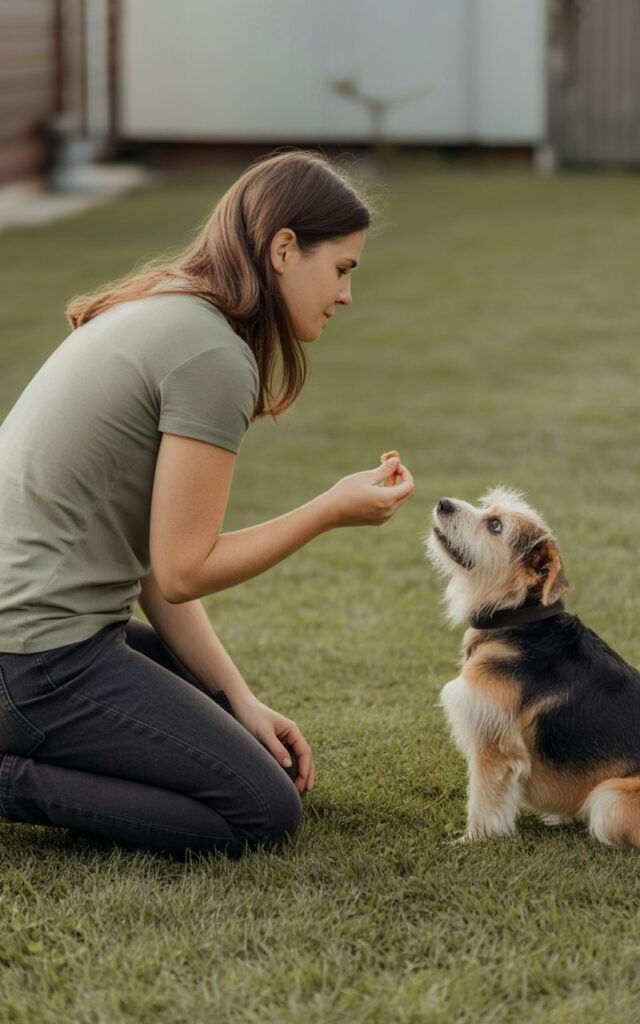
Beginner-friendly dogs tend to be friendly, easy to train, and adaptable to different households. Beyond that, they usually have moderate energy levels, don’t require excessive grooming, and aren’t prone to anxiety or aggression.
The best dogs for first-time owners tend to be lower-maintenance, easier to train, and mesh well with families. That said, “easy” doesn’t mean zero effort. Every dog needs consistent training, regular vet visits, proper feeding, exercise, and — above all — your time.
1. Golden Retriever
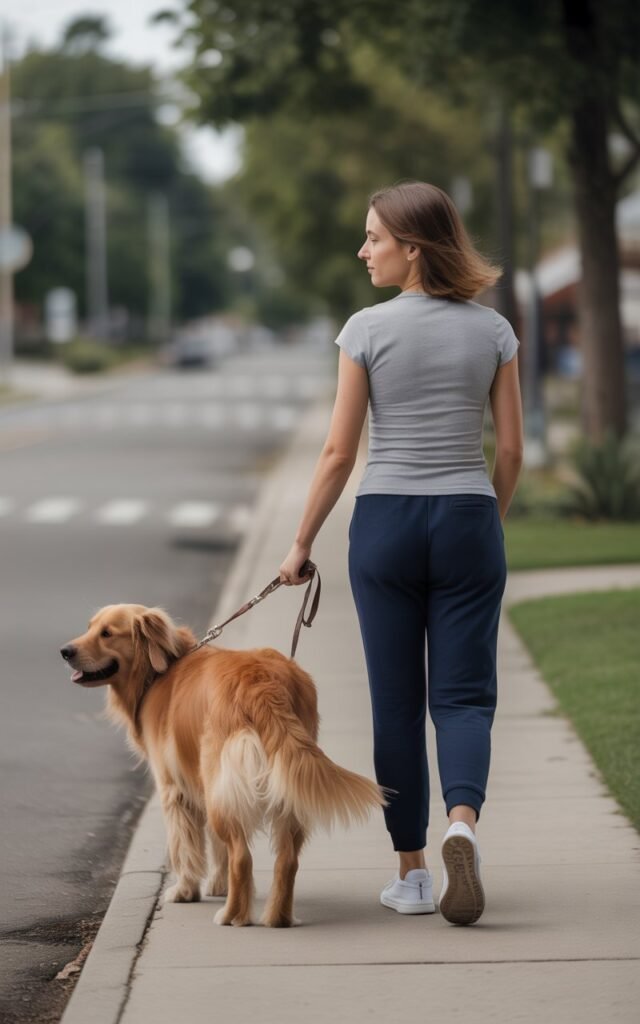
There’s a reason the Golden Retriever keeps showing up at the top of every beginner-friendly list. They have gentle, playful natures and an uncomplicated, natural sense of loyalty that makes them reliable and trustworthy.
They’re incredibly smart and take to training with ease. Their personality is easy-going and they love other dogs — and they’re great with cats too — but they do need an active family to play with them and teach them basic manners. Without enough stimulation, they can get bored, and a bored Golden will find creative ways to entertain herself — usually involving your shoes or your garden.
They do shed, and their medium-length coat needs regular brushing, but their temperament more than makes up for the grooming commitment.
2. Labrador Retriever
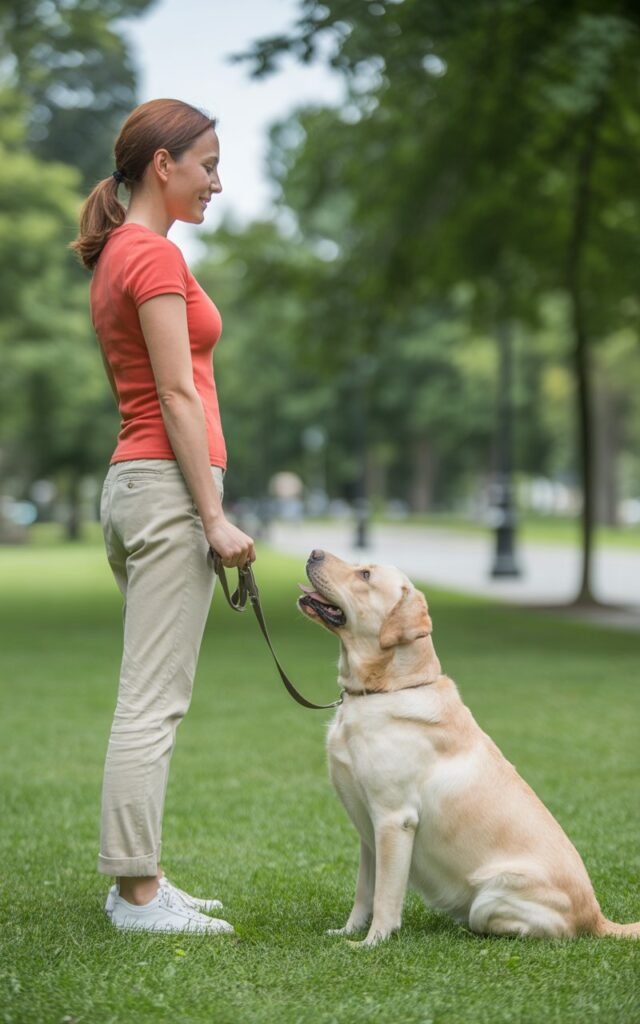
The friendly, outgoing Labrador Retriever has topped the list of favorite dog breeds in the U.S. for more than 30 years. Affectionate, playful, eager to please, the Lab is everything most people want in a dog. They’re good with kids, excited to meet strangers, and generally happy-go-lucky about life.
Labs come in three colors — yellow, black, and chocolate — and they’re all the same in terms of temperament. They’re athletic dogs that love a good run or a swim, but they’re also content with a brisk daily walk as long as they get enough of it.
One thing to keep in mind: Labs are big eaters and can gain weight easily, so portion control matters. They’re also strong dogs, so starting obedience training early will save you from being dragged down the sidewalk.
3. Poodle
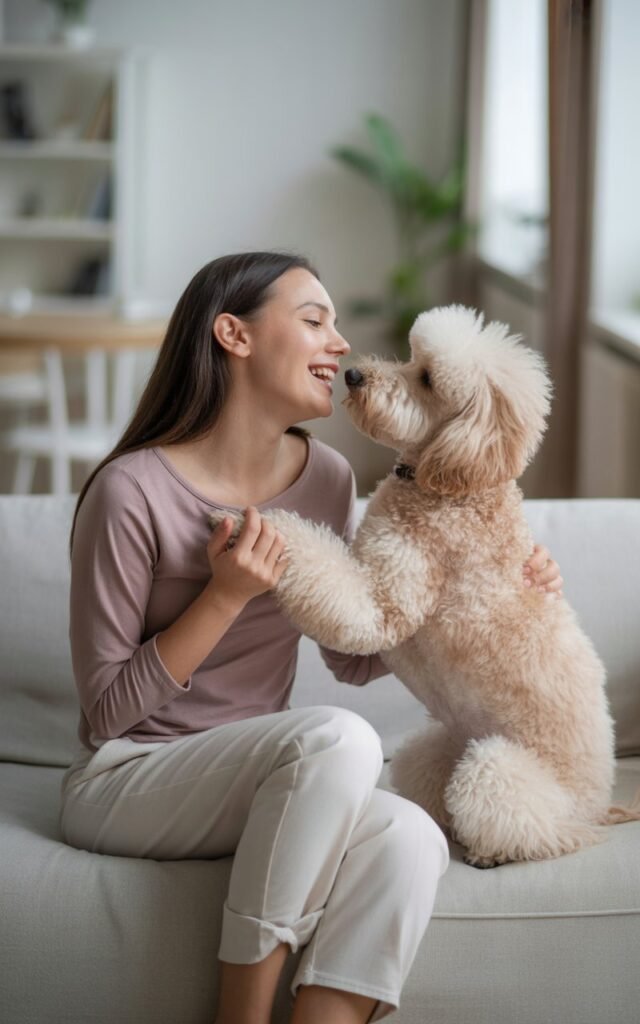
The great thing about Poodles is that they come in three sizes — toy, miniature, and standard — so they’re a good breed to consider no matter what size of dog you’re looking for. No matter their size, Poodles are adaptable, smart, and easy to train.
Poodles are highly intelligent dogs and adept at learning new tricks and commands. They are also playful, loyal, and loving, all of which makes them a great choice for first-time owners. Their low-shedding coat is a plus for anyone with allergies, but it does require professional grooming several times a year to prevent matting.
If you live alone in an apartment, a toy or miniature Poodle works beautifully. If you have space and enjoy outdoor activity, a standard Poodle will keep up with you.
4. Cavalier King Charles Spaniel
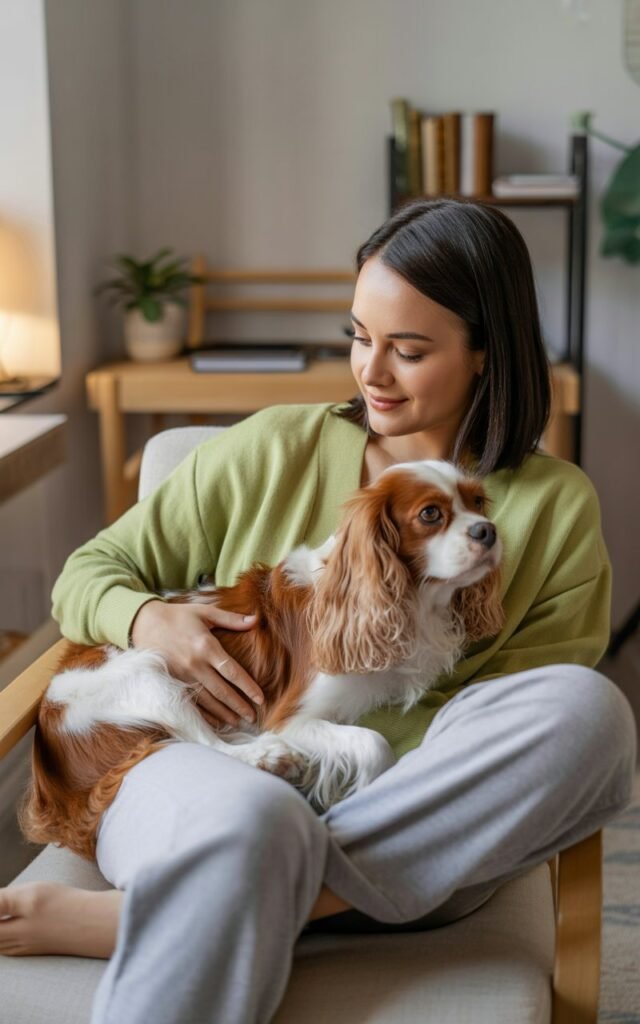
This one doesn’t get enough credit. Known as Cavs, the Cavalier King Charles Spaniel is one of the easiest dogs to own. Gentle, affectionate, adaptable, and friendly with everyone they meet — including other dogs — this breed is also easy to train. They’re as content to lay down at your feet as they are to go for a romp in the backyard.
The Cav is very trainable and open with strangers. While they do need regular grooming and an average amount of exercise, they are overall a low-maintenance breed. They’re small enough for apartment living but adaptable enough for larger homes. And their sweet, calm personality makes them excellent companions for women who work from home or spend a lot of time indoors.
5. Bichon Frise
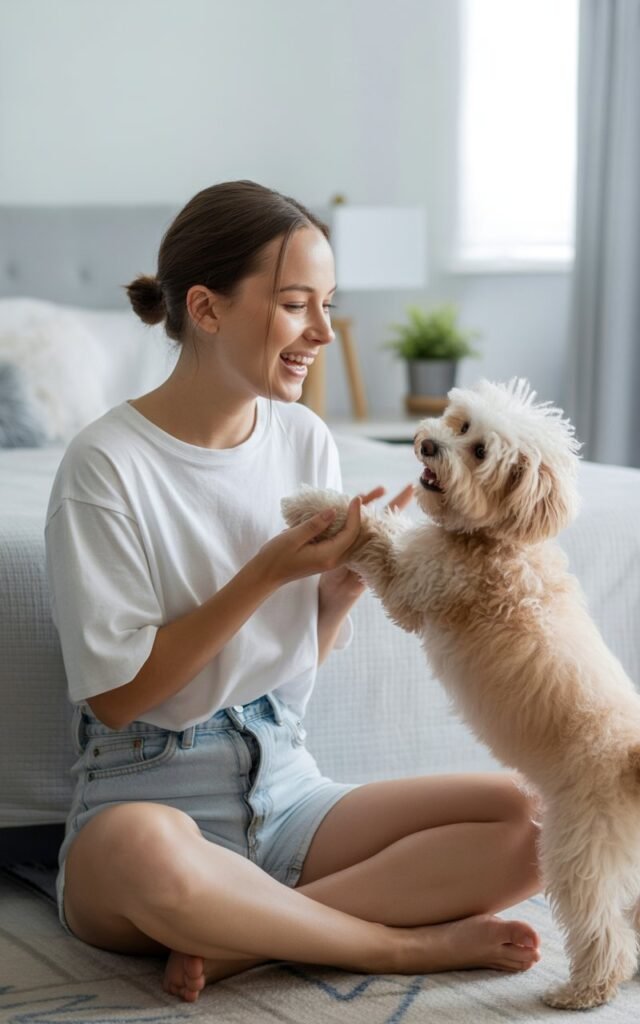
Easy-going, affectionate, and eager to please, Bichons treat everyone around them — people and dogs alike — as friends they haven’t met yet. They’re playful, a touch goofy, and great with children. Bichons are hypoallergenic, making them perfect for first-time dog owners with allergies.
They’re a great fit for apartment living and don’t need hours of outdoor exercise. The trade-off is their coat, which requires regular professional grooming to stay clean and mat-free. Budget for that going in, and you’ll be fine.
6. Boxer
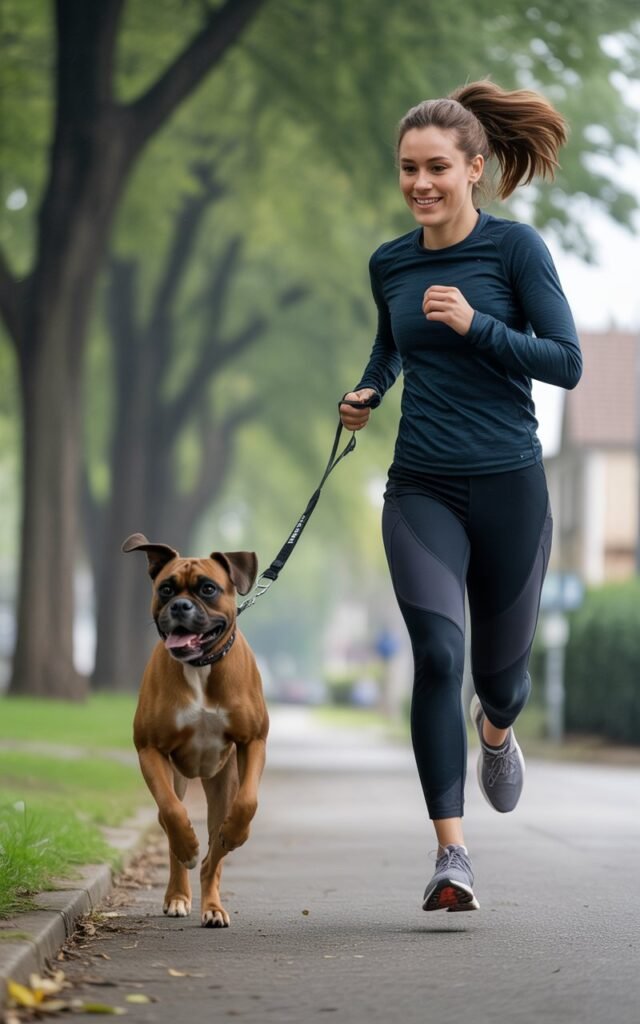
For active women who want a high-energy pal, the Boxer is one of the best big dog breeds for first-time pet parents. The breed can reach up to 80 pounds and requires 30 to 60 minutes of high-energy exercise or play every day.
While they are instinctive guardians, the Boxer loves to be with their owners. One of the breed’s most notable characteristics is the desire for human affection, especially from children. They are patient and spirited with children, but also protective, making them a popular choice for families.
Boxers are also clowns — genuinely funny dogs that will keep you entertained. They’re loyal, loving, and surprisingly easy to train when you’re consistent.
7. Shih Tzu
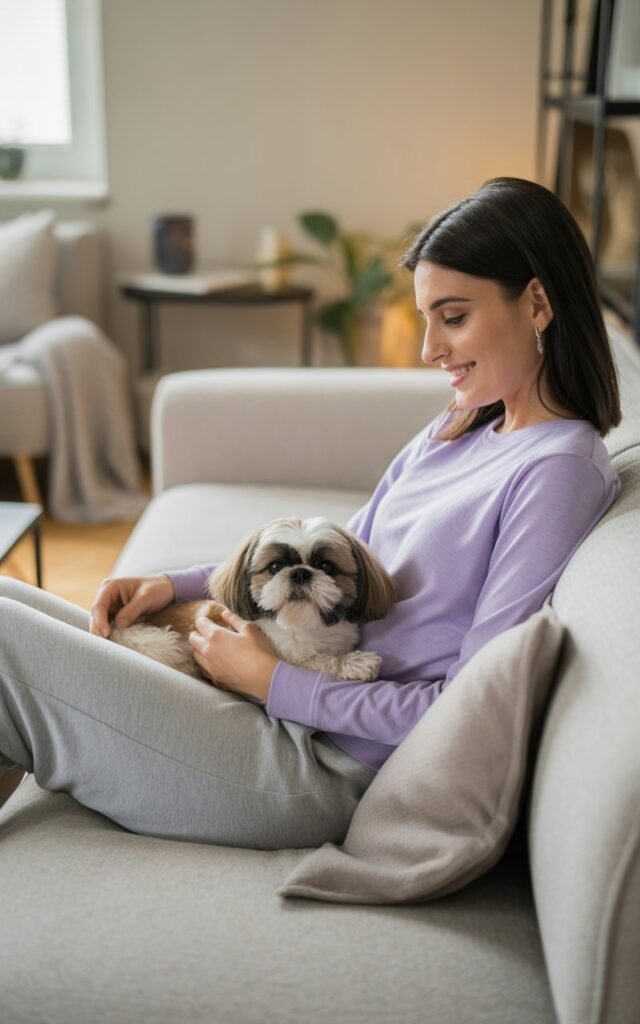
Shih Tzus are one of the most ancient dog breeds and they can live to 18 years old. They’ll sit right on top of your lap and you won’t even remember they’re there; they weigh less than 20 pounds.
Known for their affectionate nature and moderate exercise needs, Shih Tzus are great for apartment living or households that prefer short walks over long runs. Their calm, people-oriented personalities make them an excellent choice for first-time owners looking for a loving, low-energy dog.
They do need consistent grooming — their long coat mats quickly without regular attention — and they can be prone to dental issues, so ask your vet about a good dental hygiene routine early on.
8. Greyhound
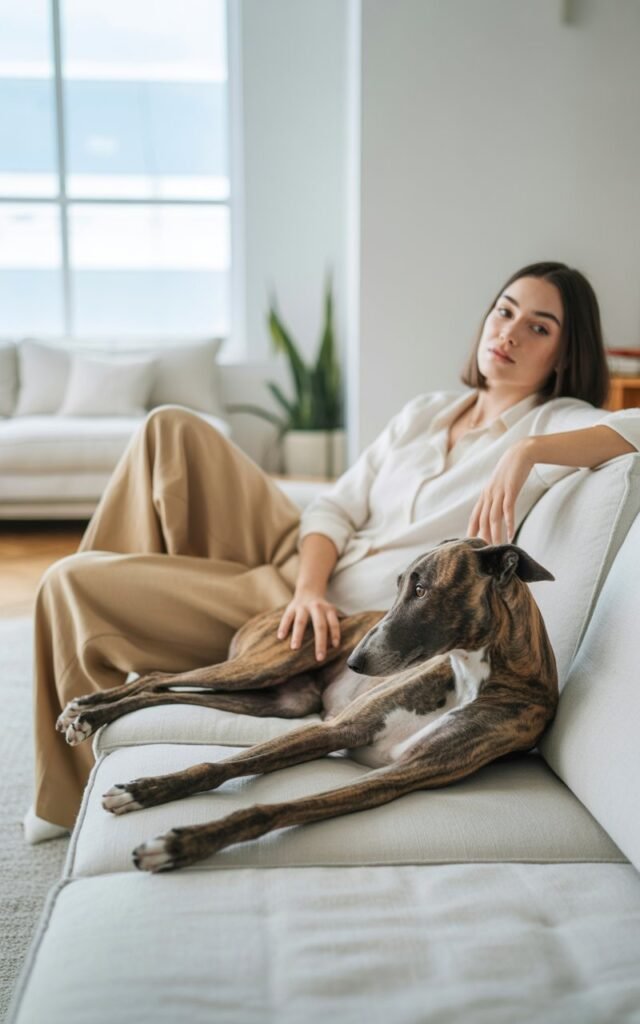
This one surprises a lot of people. A Greyhound doesn’t seem like a beginner-friendly choice, but they actually make wonderful first dogs. The lean and graceful Greyhound has a reputation for being the fastest dog breed, but that doesn’t mean they’re always moving. In fact, Greyhounds are docile and calm dogs most of the day. Their laid-back attitude, love for lounging, and few grooming needs make them a good fit for many first-time pet parents.
Most striking about the Greyhound is their sleek, athletic physique. Not surprisingly, these dogs are built to run and require a couple of walks a day: a short one in the morning and a longer one in the afternoon or evening. They’re gentle, quiet, and genuinely easy to live with — particularly if you adopt a retired racing Greyhound, which many rescue organizations offer.
9. Papillon
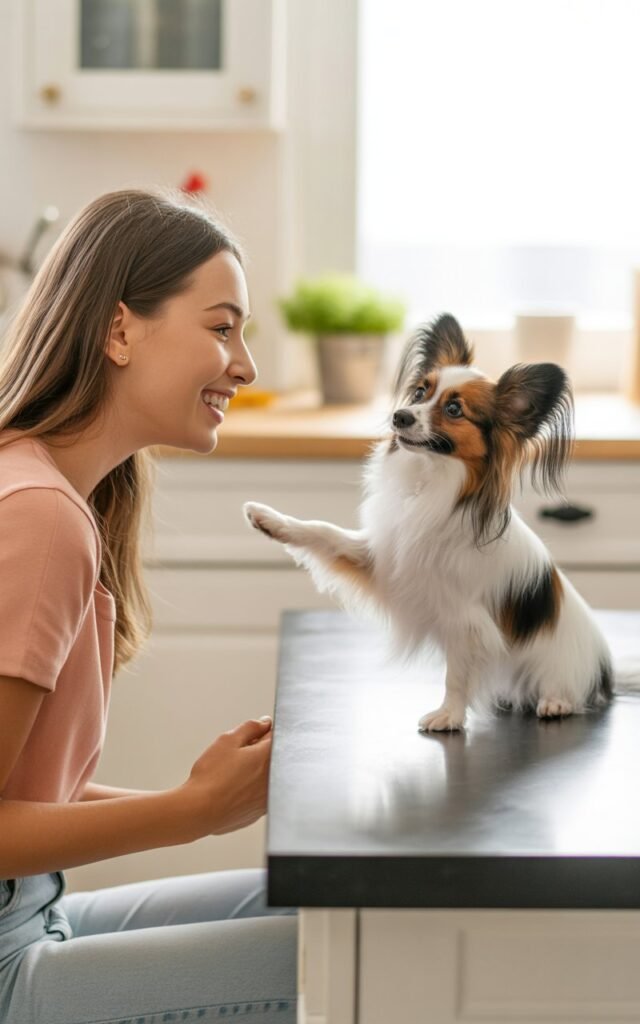
Small, smart, and surprisingly athletic — the Papillon is one of the most underrated choices for new owners. Papillons are a loyal, affectionate breed that adapts easily to the lives of their owners. Generally weighing less than 10 pounds and standing shorter than 11 inches, they’re small enough to live in an apartment. Their exercise needs are modest at just 20 to 30 minutes per day. Though they have long, silky hair, Papillons require little grooming because they don’t have an undercoat.
They’re also one of the most trainable small breeds out there — competitive in agility and obedience sports despite their tiny size. If you want a small dog that can actually keep up with mental stimulation and learning, this is one to consider.
A Note on Rescue Dogs
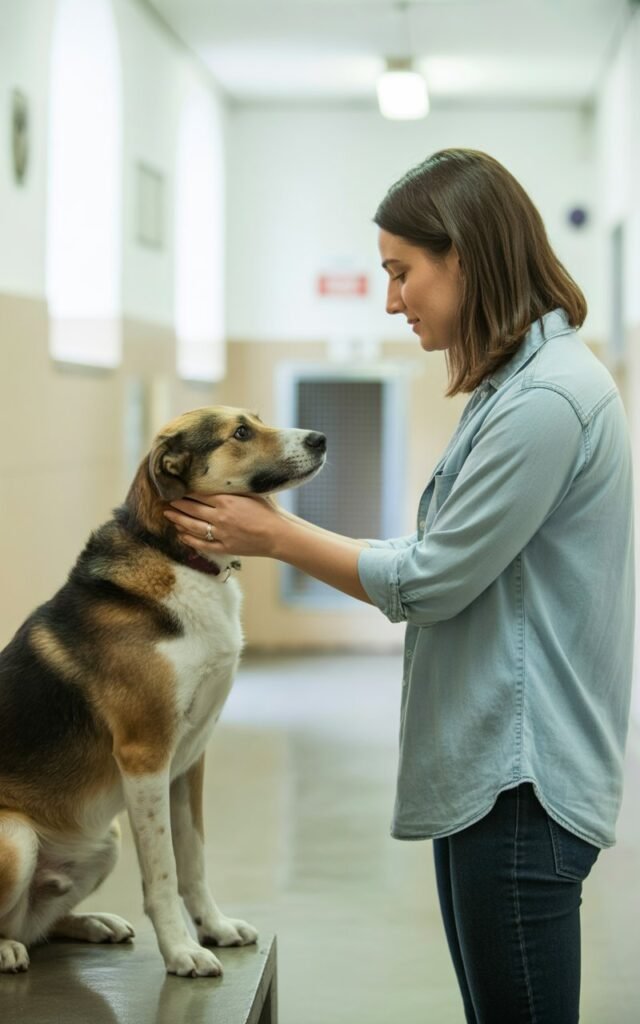
Before committing to a purebred puppy, it’s worth considering adoption. The advantage of going to a local shelter or rescue center is that the staff will have a good idea of which dogs will suit first-time owners and which might benefit from a more experienced hand. Most rescues assess their adoptable dogs in experienced short-stay foster homes, around children and other pets, before assigning the dog a suitable forever home. Mixed-breed dogs also tend to have fewer genetic health problems than purebreds, and you’ll often know more about their personality going in.
The Right Match Changes Everything
Picking the right breed isn’t just about making your own life easier — it’s about giving a dog a home where they can actually thrive. A mismatch between dog and owner leads to frustration on both sides. A good match, though, and you’ll wonder how you ever lived without them.
Take stock of your lifestyle honestly — your schedule, your living space, your energy level — and let that guide your choice. The breeds listed here are all genuinely wonderful starting points, but the best dog for you is the one whose needs you can realistically meet, day in and day out. That’s the foundation of everything that comes after.
Frequently Asked Questions
Q: Which dog breed is the absolute easiest for a complete beginner? A: The Cavalier King Charles Spaniel and the Bichon Frise are consistently considered two of the easiest breeds for first-time owners. Both are gentle, adaptable, low-maintenance in terms of exercise, and respond well to basic training.
Q: Are big dogs harder to manage than small dogs for new owners? A: Not necessarily. Breeds like the Golden Retriever, Labrador Retriever, and even the Greyhound are large but very manageable for beginners because of their calm temperament and trainability. Size matters less than energy level and stubbornness.
Q: How much exercise does a beginner-friendly dog typically need? A: It varies by breed. A Shih Tzu or Papillon does fine with 20 to 30 minutes of activity per day. A Labrador or Boxer needs closer to 60 minutes of vigorous exercise daily. Be honest about your schedule before choosing.
Q: Is a Poodle a good first dog if I have allergies? A: Yes. Poodles have low-shedding coats that produce less dander than many other breeds, making them one of the better choices for women with dog allergies. No dog is completely allergen-free, but Poodles and Bichons Frises are frequently recommended for allergy-prone households.
Q: Should I get a puppy or an adult dog as a first-time owner? A: An adult dog can actually be easier for a first-time owner. Adult dogs from rescues often already have some basic training, and their personality is established — you know what you’re getting. Puppies require a significant time investment in the first year for training, socialization, and frequent vet visits.
Q: Are any of these breeds good for apartment living? A: Yes — the Cavalier King Charles Spaniel, Bichon Frise, Shih Tzu, Papillon, and Greyhound all adapt well to apartment living, as long as their exercise needs are met through regular daily walks.
Q: What is the most important thing to do after bringing home a new dog? A: Start training right away and schedule a vet visit within the first week. Early socialization — exposing your dog to different people, sounds, and environments — also plays a huge role in shaping a well-adjusted adult dog.
Q: Do I really need pet insurance as a first-time dog owner? A: Veterinary costs can be significant, especially in the first year when vaccinations, spaying or neutering, and unexpected illness may arise. Pet insurance is worth considering, particularly for breeds like the French Bulldog that are prone to health issues.
Q: How do I know if a breeder is reputable? A: A reputable breeder will ask you questions too — they want to know their puppies are going to good homes. They’ll provide health clearances for the parents, allow you to visit, and never pressure you into a quick sale. Avoid breeders who sell through pet stores or ship puppies without a meeting.