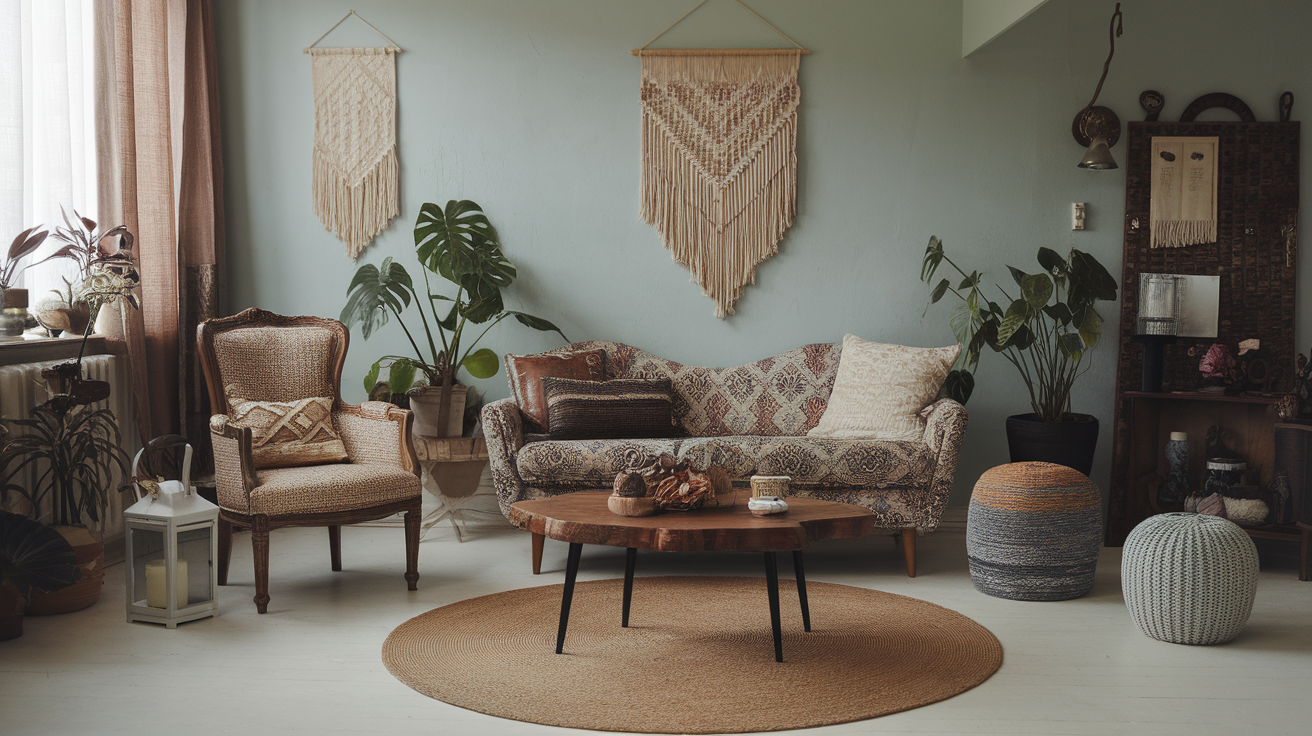
The bohemian aesthetic has captivated homeowners searching for spaces that reflect personality rather than perfection. This design approach celebrates collected treasures, global influences, and the freedom to mix seemingly mismatched elements into harmonious living spaces. Your living room becomes a canvas for self-expression, where vintage finds coexist with handmade pieces and plants spill from every corner.
Creating a bohemian living room goes beyond simply throwing together colorful pillows and hanging some macramé. The style draws from decades of countercultural movements, artistic expression, and nomadic lifestyles that valued creativity over convention. Modern boho design takes these foundations and adapts them for contemporary living, balancing free-spirited aesthetics with practical comfort. This particular approach allows you to build a space that feels both curated and effortless, sophisticated yet relaxed.
The following sections will guide you through transforming your living room into a vibrant bohemian sanctuary. From understanding the core principles that define authentic boho style to selecting the perfect mix of textiles and natural elements, you’ll discover practical ways to infuse your space with this coveted aesthetic. Whether you’re starting from scratch or adding boho touches to your existing décor, these ideas will help you create a living room that tells your unique story while maintaining that signature bohemian warmth and welcome.
- What Makes a Living Room Truly Bohemian?
- How to Layer Colors and Patterns Like a Boho Pro
- Which Furniture Pieces Create That Perfect Boho Vibe?
- How Can Textiles Transform Your Space into a Boho Haven?
- What Natural Elements Bring Bohemian Spaces to Life?
- Your Bohemian Living Room Journey
- Frequently Asked Questions
What Makes a Living Room Truly Bohemian?
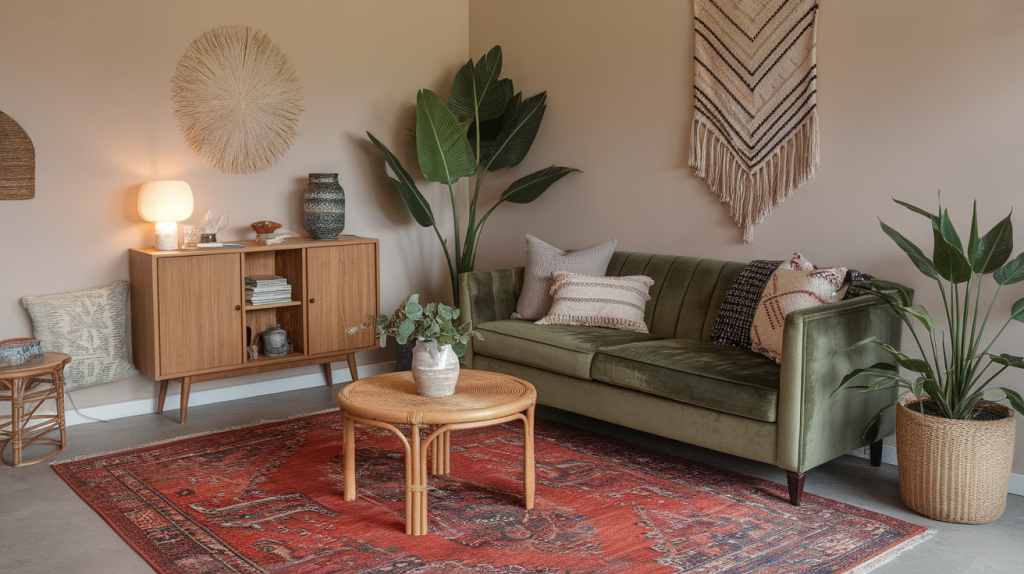
A genuinely bohemian living room transcends trendy décor to become a reflection of collected experiences and personal journeys. The style originated from 19th-century French artists who rejected conventional living, choosing instead to surround themselves with beauty from various cultures and time periods. Today’s interpretation maintains this spirit while adapting to modern homes and lifestyles.
The core philosophy of boho design
Bohemian design rejects rigid rules in favor of intuitive decorating. Your space should feel organic, as if each piece found its way there through travel, inheritance, or serendipitous thrift store discoveries. This philosophy values imperfection and celebrates the handmade over mass-produced items.
The boho approach encourages you to trust your instincts rather than following strict design formulas. If a Victorian settee speaks to you alongside a Moroccan pouf, the bohemian philosophy says to bring them together. This freedom extends to color choices, pattern mixing, and furniture arrangements that prioritize comfort over symmetry.
Key elements that define the style
Several distinct characteristics separate authentic bohemian spaces from those merely trying to capture the trend. Rich, saturated colors form the foundation – think deep burgundies, forest greens, and burnt oranges rather than pastels. These bold hues create the warm, enveloping atmosphere that defines boho living rooms.
Global influences play a crucial role in establishing bohemian authenticity. Turkish kilim rugs, Indian block-printed fabrics, African mudcloth, and Mexican textiles all contribute to the worldly aesthetic. You don’t need to travel extensively to achieve this look; local import stores and online marketplaces offer access to global treasures.
Vintage and antique pieces anchor bohemian rooms with history and character. A weathered leather chair, an ornate mirror with patina, or a trunk that doubles as a coffee table adds layers of story to your space. These pieces don’t need to match – in fact, it’s better when they don’t.
Mixing patterns and textures
Pattern mixing stands as perhaps the most intimidating aspect of bohemian decorating for newcomers. The key lies in finding common threads that tie disparate patterns together. Start with patterns that share a color family, then gradually introduce contrasting designs.
Consider these pattern combinations that work beautifully in boho spaces:
- Geometric + Floral: Pair a geometric Moroccan trellis pattern with soft, flowing florals
- Stripes + Paisley: Mix classic stripes with intricate paisley designs for visual interest
- Ikat + Solid: Balance bold ikat patterns with solid-colored textiles
- Tribal + Botanical: Combine tribal prints with nature-inspired botanical patterns
Texture adds another dimension to pattern play. Smooth silk pillows contrast beautifully with nubby linen sofas. Rough jute rugs ground spaces filled with soft velvet and cotton. This textural variety creates visual and tactile interest that keeps bohemian rooms from feeling flat or one-dimensional.
Creating an eclectic yet cohesive look
While bohemian style celebrates eclecticism, successful boho rooms maintain visual cohesion through strategic choices. Repetition of colors throughout the space creates unity even when furniture styles vary wildly. If you have a rust-colored ottoman, echo that shade in artwork, pillows, or a throw blanket across the room.
Scale and proportion matter even in free-spirited spaces. Balance large statement pieces with smaller supporting elements. A massive floor cushion needs substantial furniture nearby to avoid looking out of place. Similarly, delicate vintage finds require grouping to hold their own against bolder pieces.
Creating distinct zones within your living room helps organize the visual chaos that can sometimes overwhelm bohemian spaces. A reading corner with a specific color palette, a conversation area anchored by a large rug, and a plant-filled window nook each serve specific purposes while contributing to the overall boho aesthetic.
The importance of personal touches
Authentic bohemian living rooms tell stories through displayed collections and meaningful objects. Family photographs in mismatched frames, souvenirs from travels, handmade ceramics from local artists – these personal elements distinguish your space from magazine-perfect boho rooms that lack soul.
Books scattered on surfaces, musical instruments casually propped in corners, and art supplies visible on shelves signal that real life happens in your bohemian sanctuary. These lived-in touches prevent the space from feeling like a stage set. Your hobbies, interests, and passions should be evident throughout the room.
Personal artwork deserves prominent placement in bohemian spaces. Whether you paint, photograph, or collect pieces from artist friends, displaying original art reinforces the creative spirit central to boho philosophy. Don’t worry about professional framing – sometimes a piece tacked directly to the wall feels more authentic than formal presentation.
How to Layer Colors and Patterns Like a Boho Pro

Color transforms ordinary living rooms into bohemian sanctuaries where warmth and personality radiate from every surface. The boho palette draws inspiration from nature, global textiles, and artistic expression, creating spaces that feel both grounded and adventurous. Understanding how to build these complex color stories separates amateur attempts from professionally designed bohemian interiors.
Starting with a neutral base
Neutral foundations provide breathing room in color-rich bohemian spaces. White, cream, beige, or soft gray walls allow vibrant textiles and artwork to shine without competing for attention. These understated backgrounds also make it easier to change your color story seasonally or as your collection grows.
Consider painting one accent wall in a deeper neutral like charcoal or chocolate brown. This creates depth while maintaining the flexibility that lighter walls provide. Wood paneling, whether original or added, brings natural warmth that complements bohemian styling beautifully.
Your largest furniture pieces often work best in neutral tones. A cream sofa or natural linen armchair provides a canvas for colorful pillows and throws. This approach lets you experiment with bold color combinations through accessories rather than committing to a purple velvet couch you might tire of quickly.
Natural wood tones count as neutrals in bohemian design. Exposed ceiling beams, hardwood floors, and wooden furniture pieces add warmth without introducing competing colors. These organic elements ground spaces that might otherwise feel chaotic with pattern and color.
Building with warm earth tones
Earth tones form the backbone of most successful bohemian color schemes. Terracotta, ochre, sienna, and umber create a warm foundation that references desert landscapes and sun-baked clay. These colors appear throughout global textile traditions, making them natural choices for boho spaces.
Layer different intensities of earth tones to create depth. A cognac leather chair pairs beautifully with rust-colored pillows and a sandy beige rug. This tonal approach feels sophisticated while maintaining the warmth essential to bohemian comfort.
Warm browns ranging from caramel to espresso add richness without overwhelming other colors. Use these shades in larger pieces like rugs or curtains to anchor your color scheme. They provide a stable base that allows brighter accents to pop without creating visual chaos.
Don’t forget about warm grays and taupes, which bridge the gap between true neutrals and earth tones. These subtle shades work particularly well in bohemian spaces that lean toward a more modern interpretation of the style. They offer sophistication while maintaining the approachable feeling that defines boho design.
Adding pops of jewel tones
Jewel tones elevate bohemian spaces from earthy to extraordinary. Sapphire blue, emerald green, amethyst purple, and ruby red inject energy and luxury into your living room. These saturated hues appear in traditional textiles from India, Morocco, and Turkey, making them authentic choices for global-inspired design.
The trick to incorporating jewel tones lies in balance and distribution. Rather than clustering all your bright colors in one area, scatter them throughout the space. A sapphire pillow here, an emerald throw there, and perhaps an amethyst vase on the bookshelf create visual movement that keeps the eye engaged.
Metallic accents in gold, copper, and brass complement jewel tones perfectly. These warm metals reflect light and add glamour without competing with your color story. Incorporate them through mirror frames, lamp bases, or decorative objects for subtle sparkle.
Pattern mixing rules for bohemian spaces
Successful pattern mixing follows loose guidelines rather than strict rules. Start with three patterns in varying scales – one large, one medium, and one small. A large floral print, medium geometric pattern, and small polka dot create visual hierarchy without competition.
Your patterns should share at least one common color to maintain cohesion. This connecting thread might be subtle – perhaps just a hint of terracotta appearing in otherwise different designs. This shared element prevents your patterns from fighting for dominance.
Consider pattern density when combining prints. Busy, intricate patterns need breathing room provided by simpler designs or solid colors. If your rug features complex Persian motifs, balance it with geometric pillows that offer visual rest.
Organic patterns mix especially well with geometric ones in bohemian settings. Florals, paisleys, and botanical prints soften the rigidity of stripes, chevrons, and geometric shapes. This combination reflects the boho philosophy of bringing together natural and constructed elements.
Balancing bold choices with restraint
Even free-spirited bohemian rooms benefit from moments of visual calm. After layering colors and patterns, step back to identify areas that feel overwhelming. These spots might need simplification through solid-colored elements or removal of competing patterns.
The 60-30-10 rule adapts well to bohemian design. Use your dominant color for 60% of the space, a secondary color for 30%, and reserve bold accent colors for the remaining 10%. This framework provides structure while allowing creative interpretation.
Negative space plays a crucial role in preventing sensory overload. Not every surface needs decoration, and not every wall requires art. Empty spaces allow the eye to rest and make decorated areas more impactful. A single bare wall in a otherwise adorned room creates powerful contrast.
Pay attention to how natural light affects your color choices throughout the day. Colors that harmonize in morning light might clash in evening lamplight. Test paint samples and fabric swatches at different times before committing to major color decisions.
Consider creating a cohesive color story for each seating area within your living room. While the overall space celebrates variety, individual zones benefit from more focused palettes. This approach maintains bohemian eclecticism while ensuring comfortable, harmonious gathering spaces.
Which Furniture Pieces Create That Perfect Boho Vibe?

Furniture selection defines the comfort and functionality of your bohemian living room while establishing its unique character. The right pieces invite lounging, encourage conversation, and create an atmosphere where formality dissolves into relaxed sophistication. Bohemian furniture tells stories of craftsmanship, global influence, and creative repurposing that transform living spaces into personal sanctuaries.
Low-profile seating options
Floor-level seating immediately signals bohemian style while creating an intimate, grounded atmosphere. Large floor cushions in rich fabrics like velvet or kilim provide flexible seating that can be rearranged for different occasions. These versatile pieces work equally well for meditation, reading, or casual gatherings.
Moroccan-style poufs serve double duty as seating and footrests while adding texture and color. Leather versions develop beautiful patina over time, while fabric poufs offer opportunities to introduce pattern. Scatter several throughout your living room for instant boho appeal.
Low sofas and daybeds encourage the lounging central to bohemian living. Look for pieces without legs or with very short ones that keep you close to the ground. Tufted designs, whether in leather or fabric, add vintage charm while providing comfortable support for extended relaxation sessions.
Japanese-inspired floor tables pair perfectly with cushion seating to create casual dining or work areas within your living room. These low tables force a slower, more mindful approach to activities – perfectly aligned with bohemian philosophy.
Vintage and reclaimed pieces
Antique and vintage furniture brings irreplaceable character to bohemian spaces. Each scratch, worn edge, and faded finish tells a story that new furniture simply cannot replicate. Scour flea markets, estate sales, and online marketplaces for pieces that speak to you regardless of their condition.
Mid-century modern pieces blend surprisingly well with bohemian aesthetics. A sleek credenza provides storage while its clean lines offer contrast to more ornate boho elements. Vintage rattan furniture from the 1960s and 70s feels particularly at home in contemporary bohemian settings.
Here are vintage pieces that anchor bohemian living rooms beautifully:
- Steamer Trunks: Function as coffee tables while providing hidden storage
- Church Pews: Offer unique seating with historical character
- Apothecary Cabinets: Store small items while serving as conversation pieces
- Persian Rugs: Even worn ones add instant authenticity and warmth
- Carved Wooden Screens: Create room divisions while adding architectural interest
Mismatched dining chairs around a coffee table create an collected-over-time feeling essential to authentic boho style. Don’t worry about finding complete sets – the beauty lies in the variety.
Natural materials and textures
Wood, rattan, bamboo, and jute ground bohemian spaces in natural beauty. These materials connect your indoor space to the natural world while providing textural variety that synthetic materials cannot match. Raw or minimally finished wood maintains its organic character and develops deeper beauty with age.
Rattan and wicker furniture experiencing a revival fits perfectly into modern bohemian aesthetics. Peacock chairs make stunning statement pieces, while rattan shelving units provide storage without visual weight. These pieces feel especially appropriate in rooms with abundant plants.
Live-edge wood tables celebrate natural forms while serving practical purposes. Whether used as coffee tables, side tables, or console tables, these pieces bring outdoor energy inside. The irregular edges and visible grain patterns add artistic elements without trying too hard.
Stone and marble elements add weight and permanence to otherwise fluid bohemian spaces. A marble-topped vintage table or stone bookends provide grounding elements that balance lighter materials. These natural materials age gracefully, developing patina that enhances their beauty.
Incorporating leather, whether new or vintage, adds warmth and durability to your furniture collection. Worn leather chairs and ottomans feel particularly authentic in bohemian settings. The material’s ability to improve with age aligns with the boho appreciation for imperfection.
Creating cozy conversation areas
Bohemian living rooms prioritize connection and comfort over formal arrangements. Instead of positioning all furniture facing a television, create multiple seating areas that encourage face-to-face interaction. This approach makes even small spaces feel more dynamic and inviting.
Arrange seating in circles or semi-circles rather than rigid rows. Pull furniture away from walls to create more intimate groupings. A pair of chairs angled toward each other with a small table between them forms a perfect spot for morning coffee or evening conversations.
Layer different seating heights to add visual interest while accommodating various comfort preferences. Combine standard-height sofas with low ottomans and floor cushions. This variety allows guests to choose their preferred perch while maintaining conversational flow.
Define separate areas within larger living rooms using rugs and lighting. Each zone should feel complete yet connected to the overall space. A reading nook with a comfortable chair and good light feels distinct from the main seating area while remaining part of the cohesive whole.
Multi-functional boho furniture choices
Bohemian living celebrates adaptability, making multi-purpose furniture especially valuable. Ottomans with hidden storage hold blankets and magazines while providing extra seating. Vintage ladders leaned against walls become impromptu shelving for plants and books.
Room dividers serve multiple functions in open-plan bohemian spaces. Carved wooden screens, hanging macramé dividers, or tall bookcases create separation without blocking light. These pieces add architectural interest while maintaining the flowing nature of boho design.
Trunk coffee tables provide surface space while storing seasonal items, extra pillows, or craft supplies. Stack vintage suitcases to create unique side tables with built-in storage. These pieces add character while solving practical storage challenges.
Consider furniture on wheels for ultimate flexibility. A rolling bar cart transforms into a plant stand or art supply station as needed. Mobile kitchen islands work wonderfully as craft tables or additional seating when topped with cushions.
Benches offer versatile seating that can move throughout your space as needed. Place one at the foot of a daybed, under a window, or along a dining table. Their linear form provides visual relief from the curves and circles common in bohemian design while maintaining functionality.
How Can Textiles Transform Your Space into a Boho Haven?
Textiles breathe life into bohemian living rooms through color, pattern, and touchable textures that invite interaction. These soft elements transform cold, hard spaces into warm sanctuaries where every surface begs to be touched, every pillow promises comfort, and layers upon layers create visual stories. The strategic use of fabrics defines bohemian style more than any other element.
Layering rugs for depth and warmth
Multiple rugs layered strategically create the foundation for authentic bohemian style. Start with a large, neutral base rug that defines your seating area. Jute or sisal works perfectly for this foundational layer, providing texture without competing patterns.
Add smaller vintage or kilim rugs on top at angles that feel organic rather than precisely aligned. These secondary rugs should feature more intricate patterns and richer colors. Persian rugs, Moroccan Berber designs, or Turkish kilims each bring distinct personality while maintaining global bohemian appeal.
The layering technique works particularly well when you have beautiful hardwood floors you don’t want to completely cover. Position rugs to create pathways and define different zones within your living room. This approach adds warmth underfoot while maintaining visual interest at floor level.
Don’t limit yourself to traditional rectangular rugs. Round rugs layered over square ones create unexpected geometry. Sheepskin throws draped over larger rugs add luxurious texture. Even small doormat-sized pieces can be incorporated into your layering scheme for pops of color or pattern.
Consider varying pile heights when layering. A thick, plush rug partially covered by a flat-weave kilim creates textural contrast that adds dimension to your floor. This variety prevents the space from feeling too uniform while maintaining cohesive style.
Choosing the right throw pillows
Pillows transform plain seating into bohemian lounging spots through strategic selection and abundant application. Mix sizes from small lumbar pillows to oversized floor cushions that double as extra seating. This variety creates visual rhythm while serving different comfort needs.
Global textile traditions offer endless pillow possibilities. Indian block prints, African mudcloth, Guatemalan stripes, and Japanese shibori each contribute unique patterns and cultural stories. Combining these diverse sources creates the worldly aesthetic central to bohemian design.
Texture matters as much as pattern in pillow selection. Mix smooth silk with nubby linen, soft velvet with rough burlap. Pillows with fringe, tassels, or pom-poms add playful elements that prevent the space from feeling too serious.
The number of pillows in a bohemian space often surprises those accustomed to minimalist design. While you don’t want seating to become unusable, generous pillow placement signals comfort and abundance. Aim for odd numbers in groupings – three, five, or seven pillows create more dynamic arrangements than even numbers.
Wall tapestries and macramé
Textile wall art softens hard surfaces while adding color and pattern at eye level. Large tapestries serve as affordable alternatives to expensive artwork while providing sound absorption that makes spaces feel cozier. Choose designs that complement your color scheme without exactly matching.
Installation doesn’t require perfection in bohemian spaces. Tapestries can be hung from decorative rods, tacked directly to walls, or draped casually from hooks. The slightly undone appearance actually enhances the relaxed boho aesthetic.
Macramé wall hangings bring handcrafted texture that embodies bohemian creativity. From simple plant hangers to elaborate wall-spanning pieces, macramé adds three-dimensional interest. Natural cotton or jute versions maintain organic appeal, while dyed options introduce color.
Consider unexpected textile wall treatments beyond traditional hangings:
- Vintage Scarves: Frame collections of silk scarves as artwork
- Textile Remnants: Stretch beautiful fabric pieces over canvas frames
- Woven Baskets: Arrange flat baskets in gallery wall formations
- Prayer Flags: String them across windows or along walls
- Fabric Panels: Hang from ceiling to floor as room dividers
Curtains and fabric draping techniques
Window treatments in bohemian spaces go beyond basic privacy needs to become design statements. Layer sheer curtains with heavier drapes for flexibility in light control and visual weight. This combination allows you to adjust ambiance throughout the day.
Choose curtains that puddle slightly on the floor rather than hanging at precise lengths. This relaxed approach feels more organic and luxurious. Natural fibers like linen and cotton drape beautifully while maintaining the earthy aesthetic central to boho style.
Color and pattern in curtains can either blend with your overall scheme or provide dramatic contrast. Deep jewel-toned velvet curtains add drama to neutral rooms, while white gauze curtains soften spaces already rich with color.
Fabric draping extends beyond windows in bohemian design. Create canopies over seating areas using lightweight fabrics suspended from ceiling hooks. Drape fabric along walls to soften corners or hide imperfections. These techniques add romance and whimsy characteristic of boho spaces.
Alternative hanging methods suit the unconventional bohemian spirit. Tree branches as curtain rods, rope strung between hooks, or vintage leather belts as tiebacks all add personality while serving practical purposes.
Mixing global textile traditions
Successful combination of textiles from different cultures requires sensitivity and respect while celebrating global artistry. Research the origins and significance of textiles to appreciate their cultural value beyond mere decoration.
Start with one dominant textile tradition as your anchor – perhaps Indian kantha quilts or Mexican serapes – then add complementary pieces from other cultures. This approach prevents the space from feeling like a confused mixture while still achieving global inspiration.
Color provides the common thread linking diverse textiles. African indigo-dyed fabrics pair beautifully with Japanese indigo shibori. Turkish suzani embroideries complement Indian mirror-work textiles when they share similar color palettes.
Balance intricate, detailed textiles with simpler ones to prevent visual overload. An ornate Moroccan wedding blanket needs breathing room provided by solid-colored or minimally patterned companions. This interplay between complex and simple creates sophisticated layering.
Quality matters more than quantity when selecting global textiles. One authentic piece carries more impact than multiple mass-produced imitations. Invest in genuine handcrafted textiles when possible, supporting artisan communities while building your collection.
Storage and rotation keep textile-rich spaces fresh. Store off-season pieces properly to preserve them while allowing seasonal changes. Switching textiles provides easy room refreshers without major redecoration. This practice aligns with the bohemian philosophy of evolution and change.
What Natural Elements Bring Bohemian Spaces to Life?
Nature infuses bohemian living rooms with vitality and organic beauty that no manufactured décor can replicate. The connection between indoor and outdoor worlds defines authentic boho style, where plants cascade from shelves, natural materials ground the space, and sunlight becomes an essential design element. These living, breathing components transform static rooms into dynamic ecosystems.
Indoor plants and greenery arrangements
Plants transform bohemian living rooms into lush sanctuaries where life thrives in every corner. Unlike traditional design approaches that treat plants as accessories, boho style celebrates abundant greenery as essential architecture. Fill your space with varying heights, leaf shapes, and growth patterns to create a truly organic environment.
Large statement plants anchor bohemian rooms with dramatic presence. Fiddle leaf figs, rubber trees, and monstera deliciosa provide height and structure while their broad leaves add tropical appeal. Position these giants near windows where they’ll thrive while creating natural privacy screens.
Trailing plants add movement and softness to hard edges. Pothos, philodendrons, and string of pearls cascade from high shelves, macramé hangers, or wall-mounted planters. These flowing forms draw the eye upward and create visual connections between different room levels.
Group smaller plants in odd numbers for maximum impact. Clustering succulents, air plants, and small tropicals on coffee tables, windowsills, or floating shelves creates miniature gardens within your living space. Mix pot styles – terracotta, ceramic, woven baskets – for added textural interest.
Consider unconventional plant placement beyond traditional surfaces. Hang air plants in glass orbs at varying heights near windows. Create living walls using mounted staghorn ferns or vertical garden systems. Suspend trailing plants from curtain rods to frame windows with greenery.
Natural wood and rattan accents
Raw, unfinished wood brings authentic organic beauty that manufactured materials cannot match. Driftwood collected from beaches, fallen branches from hiking trails, or reclaimed lumber from old buildings each carries unique character. Display these pieces as sculpture, use them as curtain rods, or incorporate them into functional furniture.
Live-edge shelving maintains the natural tree outline while providing practical storage. These pieces celebrate wood’s organic form rather than forcing it into rigid shapes. Install floating live-edge shelves at varying heights to display books, plants, and collected treasures.
Rattan and bamboo furniture experiences renewed popularity in modern bohemian design. Hanging rattan chairs create cozy reading nooks, while bamboo room dividers add architectural interest without blocking light. These materials bring tropical warmth while maintaining the light, airy feeling essential to boho spaces.
Tree stumps and wooden blocks serve as natural side tables or plant stands. Sand them smooth or leave the bark intact depending on your aesthetic preference. These pieces ground spaces with their substantial presence while celebrating natural imperfection.
Incorporating crystals and stones
Crystals and minerals add earth energy to bohemian spaces through color, texture, and metaphysical properties. Whether you believe in their healing powers or simply appreciate their natural beauty, these geological treasures contribute authentic boho spirit.
Display crystals where natural light can illuminate their internal structures. Window sills lined with amethyst, quartz, and citrine create stunning light effects while supposedly promoting positive energy. Large geodes make striking bookends or coffee table centerpieces.
Here’s how to incorporate stones meaningfully:
- Bookshelf Styling: Intersperse crystals among books for unexpected sparkle
- Table Displays: Arrange collections in wooden bowls or on vintage trays
- Wall Features: Mount crystal clusters in shadow boxes as natural art
- Functional Uses: Use flat stones as coasters or paperweights
- Garden Elements: Combine crystals with succulents in terrarium arrangements
River rocks and beach stones bring memories of natural places into your home. Fill clear glass vases with collected stones, or use them to top soil in potted plants. These simple additions connect your space to outdoor adventures.
Natural lighting strategies
Bohemian spaces celebrate natural light as a design element rather than something to control. Remove heavy window treatments that block sunlight, replacing them with sheer fabrics that filter while maintaining brightness. This approach creates the soft, diffused light that makes boho spaces feel dreamy.
Mirrors strategically placed opposite windows amplify natural light while adding decorative interest. Vintage mirrors with ornate frames or collections of small mirrors arranged gallery-style both reflect light and serve as art. Metallic surfaces in gold, brass, and copper similarly bounce light throughout the space.
During darker months or evening hours, layer lighting sources to maintain warm ambiance. String lights create magical atmosphere without harsh brightness. Paper lanterns, Moroccan-style punched metal lamps, and salt lamps all provide gentle illumination aligned with bohemian aesthetics.
Position seating areas to take advantage of natural light patterns throughout the day. A reading chair placed where morning sun streams in becomes a cherished spot. Understanding your room’s light changes helps you arrange furniture and activities accordingly.
Bringing outdoor elements inside
Bohemian design erases boundaries between interior and exterior spaces through thoughtful integration of outdoor elements. Branches arranged in tall vases bring seasonal changes inside. Pine cones, acorns, and seed pods scattered on shelves connect your space to natural cycles.
Beach treasures transform into bohemian décor with minimal effort. Shells, sea glass, and sand dollars displayed in clear containers or arranged on floating shelves bring coastal energy inland. Driftwood pieces become wall art or sculpture depending on their unique forms.
Natural scents enhance the outdoor connection through dried herbs, essential oil diffusers, or bowls of potpourri made from garden flowers. Lavender bundles hung from ceiling beams or eucalyptus springs in shower spaces provide aromatic reminders of nature.
Outdoor furniture works surprisingly well in bohemian indoor spaces. A weathered garden bench becomes unique living room seating. Metal bistro chairs add industrial touches while maintaining organic connections. This unexpected use of outdoor pieces reinforces the boho disregard for conventional rules.
Water features bring movement and sound that complete the natural ecosystem. Small tabletop fountains provide soothing background noise while increasing humidity for plants. Even a simple bowl of water with floating flowers or candles adds the water element many bohemian spaces lack.
Collections from nature displayed thoughtfully become art installations. Feathers arranged in vintage bottles, pressed flowers in frames, or butterfly wings under glass all celebrate natural beauty. These displays should feel curated rather than cluttered, with careful attention to arrangement and presentation.
Your Bohemian Living Room Journey
Creating a bohemian living room isn’t about following a strict formula or purchasing a specific set of items from a catalog. This design philosophy celebrates your individual story, encouraging you to build spaces that reflect personal experiences, cultural appreciation, and creative expression. The ideas shared throughout these sections provide frameworks for developing your unique interpretation of bohemian style.
The beauty of bohemian design lies in its evolution. Your living room should grow and change as you discover new treasures, experiment with different arrangements, and refine your aesthetic preferences. Start with foundational elements like comfortable seating and rich textiles, then gradually layer in plants, artwork, and meaningful objects that speak to your soul. This organic approach creates spaces with genuine personality rather than manufactured charm that rings hollow. Trust your instincts when something feels right for your space, even if it challenges conventional design wisdom.
Frequently Asked Questions
Q: How do I start creating a bohemian living room on a budget?
A: Begin with what you already own, rearranging furniture for cozier groupings and shopping your home for forgotten treasures. Thrift stores, flea markets, and online marketplaces offer affordable vintage pieces perfect for boho style. Focus on textiles first – a few colorful throw pillows, a vintage rug, or draped fabric can transform a space without major investment.
Q: Can I create a bohemian living room in a rental apartment?
A: Absolutely. Focus on non-permanent changes like removable wallpaper, temporary wall hangings using command strips, and furniture arrangement. Layer rugs over existing carpeting, use furniture to define spaces, and invest in portable elements like floor cushions, plants, and textiles that can move with you.
Q: How many plants should I have in my bohemian living room?
A: There’s no magic number, but bohemian spaces typically feature abundant greenery. Start with 5-7 plants of varying sizes and add more as you become comfortable with care routines. Mix large statement plants with smaller groupings and trailing varieties for visual interest at different levels.
Q: What’s the difference between bohemian and boho-chic styles?
A: Traditional bohemian style leans heavily into maximalism with abundant colors, patterns, and global influences. Boho-chic incorporates these elements but with more restraint, often featuring a neutral base with selective bohemian touches and more contemporary furniture mixed with vintage pieces.
Q: How do I keep my bohemian living room from looking cluttered?
A: Create visual breathing room by grouping collections rather than scattering items randomly. Maintain some empty wall space and clear surfaces. Use baskets and vintage trunks for hidden storage. Establish focal points in each area rather than trying to make everything a statement piece.
Q: Which colors should I avoid in a bohemian living room?
A: While bohemian style welcomes most colors, stark white and cool grays can feel too clinical. Neon or overly bright synthetic colors clash with the natural, earthy aesthetic. Instead, choose warm whites, rich jewel tones, and colors found in nature.
Q: Can modern furniture work in a bohemian living room?
A: Yes, mixing modern pieces with vintage and handmade items creates an updated bohemian look. A sleek modern sofa becomes bohemian when layered with colorful textiles and surrounded by plants, vintage accessories, and global-inspired décor.
Q: How do I incorporate bohemian style if my partner prefers minimalism?
A: Find middle ground by maintaining a neutral base and clean-lined furniture while adding bohemian touches through textiles and plants. Choose quality over quantity – one beautiful vintage rug and a few carefully selected pillows can suggest boho style without overwhelming minimalist sensibilities.