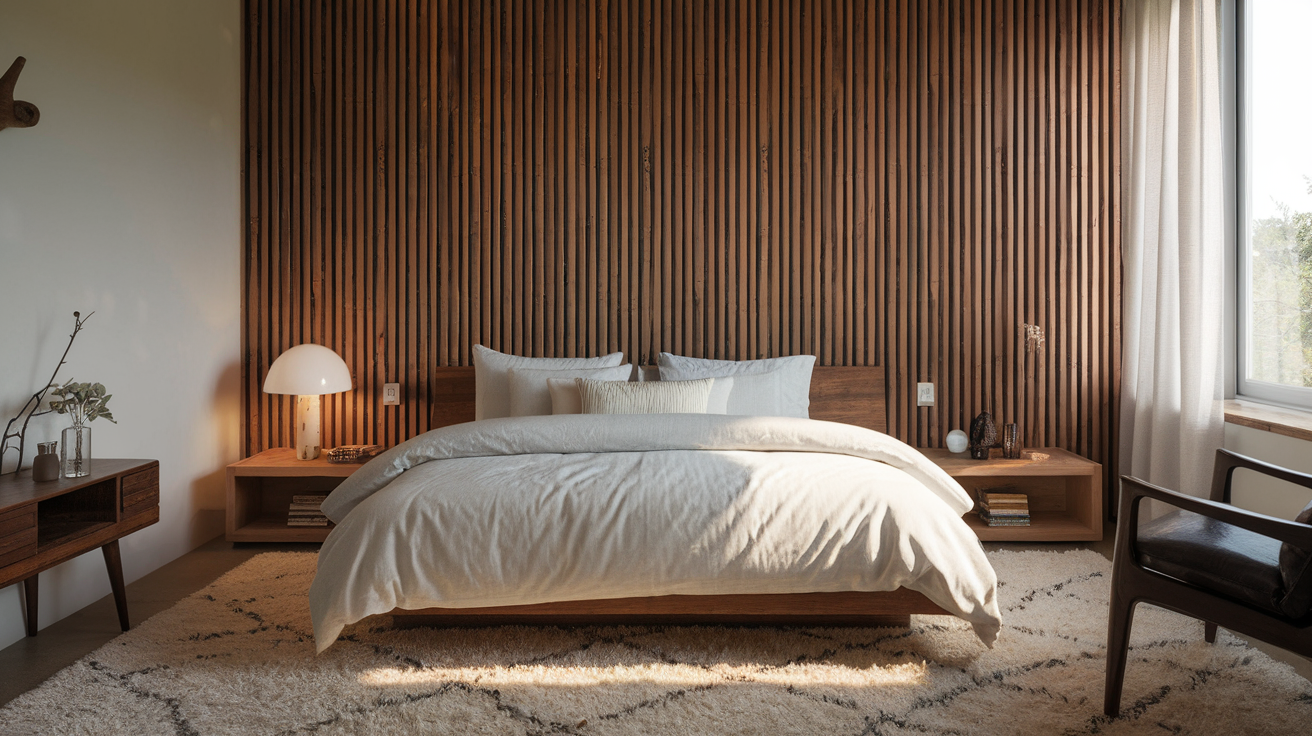
Modern rustic bedroom design brings together the best of two worlds – the sleek functionality of contemporary style and the warm, inviting character of natural materials. This design approach creates spaces that feel both sophisticated and grounded, perfect for those who want their bedroom to serve as a genuine retreat from daily life. The beauty lies in the careful balance between polished and raw, new and weathered, minimal and textured.
The appeal of this style goes beyond simple aesthetics. A modern rustic bedroom provides psychological comfort through its connection to nature while maintaining the clean lines and uncluttered spaces that promote restful sleep. Natural wood, stone elements, and organic textiles work together to create an atmosphere that feels authentic and timeless. This design philosophy recognizes that your bedroom should be more than just a place to sleep – it should be a sanctuary that reflects your appreciation for both craftsmanship and simplicity.
In the following sections, we’ll walk through eight powerful design ideas that can transform any bedroom into a modern rustic haven. From choosing the right materials and color palettes to mastering the art of texture layering and lighting, you’ll discover practical ways to achieve this sought-after style. Whether you’re starting from scratch or updating your current space, these ideas will help you create the cozy retreat you’ve been dreaming about. Let’s uncover how to bring this perfect blend of contemporary and rustic elements into your own bedroom.
Creating Warmth Through Natural Materials
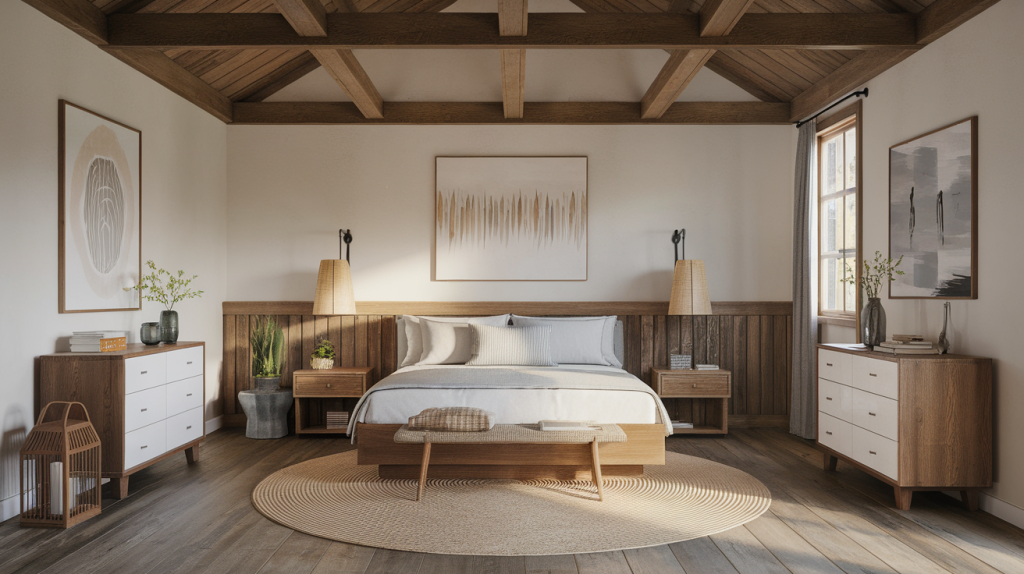
The foundation of any modern rustic bedroom starts with authentic materials that bring the outdoors inside. Natural elements create an immediate sense of warmth and connection that synthetic materials simply cannot replicate. The key lies in selecting materials that look beautiful in their raw state while still fitting into a contemporary framework.
Wood Elements and Exposed Beams
Wood serves as the cornerstone material in modern rustic design, but the approach differs from traditional rustic styles. Instead of heavy, dark timber everywhere, consider lighter wood tones or a mix of finishes. A reclaimed wood accent wall behind the bed creates a stunning focal point without overwhelming the space. If your ceiling allows, exposed beams painted white or left in their natural state add architectural interest while maintaining an airy feel.
The type of wood you choose matters significantly. Oak brings durability and pronounced grain patterns, while pine offers a softer, more budget-friendly option. Cedar adds aromatic qualities that naturally repel insects, making it ideal for closet areas. For a truly modern twist, combine different wood species in the same room – perhaps walnut nightstands paired with a pine bed frame.
Stone Accents and Textures
Stone elements ground the space and add visual weight that balances lighter contemporary touches. You don’t need a full stone wall to achieve this effect. A small section of stacked stone around a fireplace or as a partial accent wall can provide just enough rustic character. For smaller budgets, consider stone veneer panels that offer the same visual impact at a fraction of the cost and weight.
Natural Fiber Textiles
Textiles play a crucial role in softening the harder elements of modern rustic design. Linen bedding in natural, undyed colors provides both luxury and simplicity. Wool throws, jute rugs, and cotton curtains all contribute to the layered, comfortable feeling essential to this style. These materials age beautifully, developing character over time rather than looking worn out.
The beauty of natural fibers extends beyond their appearance. They regulate temperature better than synthetic alternatives, keeping you cool in summer and warm in winter. This practical benefit aligns perfectly with the rustic philosophy of choosing materials that work with nature rather than against it.
Organic Shapes and Patterns
Modern rustic design celebrates imperfection and organic forms. Look for furniture with live edges, where the natural curve of the tree remains visible. Incorporate accessories with irregular shapes – perhaps a mirror framed in driftwood or pottery with visible throwing marks. These elements add personality and prevent the space from feeling too polished or sterile.
What Color Palettes Define Modern Rustic Bedrooms?
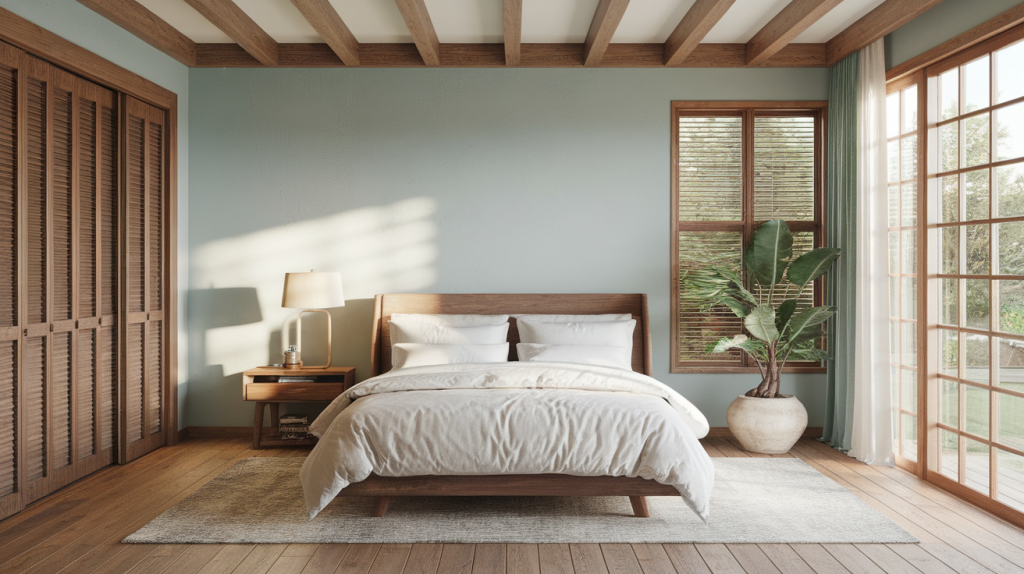
Color choices in modern rustic bedrooms stay rooted in nature while maintaining sophisticated appeal. The palette typically starts with a neutral base that allows natural materials to shine, then carefully adds colors that enhance rather than compete with these elements.
Neutral Earth Tones
Your base palette should draw from the earth itself. Think warm grays, soft taupes, creamy whites, and gentle browns. These colors create a calming backdrop that never feels dated. Variations in these neutrals prevent monotony – perhaps walls in warm gray, bedding in cream, and furniture in natural wood tones.
The trick with neutrals lies in understanding undertones. A gray with warm undertones pairs beautifully with wood, while cool grays can make a space feel disconnected from natural elements. Test paint colors at different times of day, as natural light dramatically affects how these subtle shades appear.
White plays a special role in modern rustic bedrooms. Rather than stark, bright white, opt for softer versions like ivory, cream, or linen white. These warmer whites bridge the gap between contemporary cleanliness and rustic warmth. They also help smaller bedrooms feel more spacious without losing coziness.
Accent Colors from Nature
While neutrals dominate, strategic use of color prevents the space from feeling bland. Draw inspiration from natural landscapes – the deep green of pine forests, the rust orange of canyon walls, or the soft blue of morning sky. These colors work as accents through pillows, artwork, or a single painted wall.
Creating Depth with Layered Shades
Successful modern rustic bedrooms use multiple shades of the same color family to create visual interest. Rather than matching everything perfectly, vary the tones:
Light Layer: Walls in pale gray or cream provide the lightest foundation
Medium Layer: Furniture in natural wood or medium gray adds substance
Dark Layer: Iron hardware, dark wood beams, or charcoal textiles provide contrast
Texture Layer: Varied materials in similar colors add dimension without chaos
This layering technique creates depth without relying on bold colors or busy patterns that might disrupt the peaceful atmosphere.
Paint Techniques for Rustic Walls
Beyond simple paint colors, consider techniques that add subtle texture and interest. Limewash paint creates a soft, chalky finish reminiscent of old European farmhouses while remaining thoroughly modern in application. Color washing involves applying diluted paint in layers, creating gentle variations in tone that mimic naturally weathered surfaces.
For those wanting more dramatic texture, consider a subtle plaster finish. Modern application techniques create sophisticated surfaces with just enough variation to catch light interestingly throughout the day. These finishes work particularly well on accent walls where you want to add visual interest without overwhelming pattern.
How to Layer Textures for Maximum Coziness
Texture transforms a bedroom from simply decorated to genuinely inviting. In modern rustic design, the interplay between different textures creates visual interest while maintaining the style’s characteristic simplicity. The goal involves building layers that invite touch and create depth without cluttering the space.
Mixing Rough and Smooth Surfaces
The contrast between textures defines modern rustic style. Smooth, painted walls might meet rough-hewn wood beams. A sleek metal bed frame could rest on a nubby jute rug. This juxtaposition keeps the space from feeling too refined or too rough, striking that perfect balance between contemporary and rustic.
Start with your largest surfaces and work down to details. If walls are smooth, add texture through furniture or textiles. If you have exposed brick or wood paneling, balance it with streamlined furniture and crisp bedding. The interplay should feel intentional rather than random.
Textile Combinations
Bedding offers the perfect opportunity to layer textures. Begin with crisp cotton or linen sheets as your foundation. Add a chunky knit throw at the foot of the bed, then layer in pillows of varying textures – perhaps smooth cotton, nubby linen, and soft wool. Each material brings its own character while contributing to overall comfort.
Window treatments provide another textural opportunity. Heavy linen curtains filter light beautifully while adding substantial texture. For a lighter approach, consider woven wood blinds paired with sheer curtains. The combination offers privacy and light control while maintaining textural interest.
Rugs anchor the space and provide essential softness underfoot. Layer smaller rugs over larger ones for added dimension – perhaps a sheepskin over a flat-weave rug. This technique adds luxury while maintaining the casual, collected-over-time feeling characteristic of rustic style.
Wall Treatments and Finishes
Walls offer numerous opportunities for texture beyond paint. Shiplap remains popular for good reason – its horizontal lines add subtle pattern while maintaining simplicity. Board and batten creates vertical interest perfect for rooms with lower ceilings. For a subtler approach, grasscloth wallpaper on a single wall adds organic texture without overwhelming pattern.
Consider unexpected materials for accent walls. Cork provides warmth, sound absorption, and unique texture. Reclaimed barn wood arranged in various patterns creates stunning focal points. Even simple wood planks installed horizontally can transform a plain wall into a textural feature.
Flooring Options
Flooring sets the textural foundation for your entire room. Wide-plank hardwood floors in natural finishes provide authentic rustic character while maintaining modern cleanliness. If replacing flooring isn’t possible, large area rugs in natural materials can achieve similar warmth.
For those seeking alternatives to wood, polished concrete offers industrial edge that pairs surprisingly well with rustic elements. Soften it with layers of rugs and textiles. Natural stone tiles provide durability and timeless appeal, though they may feel cold without radiant heating or adequate rug coverage.
The finishing touches often make the biggest impact. Consider these textural elements to complete your space: woven baskets for storage, ceramic or pottery accessories with visible craftsmanship, fur or faux fur pillows for luxury touches, and rough-cut wood shelving to display personal items.
Essential Furniture Pieces for the Modern Rustic Look
Furniture selection determines whether your modern rustic bedroom feels authentic or forced. The right pieces balance form and function while maintaining the style’s characteristic blend of refined and raw elements. Each furniture choice should serve a purpose while contributing to the overall aesthetic harmony of the space.
Bed Frames and Headboards
The bed commands attention as the room’s centerpiece, making its selection crucial. Platform beds with clean lines in natural wood exemplify modern rustic style perfectly. They provide contemporary simplicity while showcasing beautiful wood grain. For those preferring upholstered options, choose natural fabrics like linen or canvas in neutral tones.
Headboards offer creative opportunities to establish rustic character. A reclaimed wood headboard brings instant warmth and history to the space. Live-edge wood slabs mounted horizontally create striking focal points. For a softer approach, an upholstered headboard in natural linen provides comfort while maintaining the understated elegance essential to this style.
Metal bed frames deserve consideration too. Wrought iron or black metal frames add industrial touches that complement rustic elements beautifully. Their slim profiles prevent visual heaviness while providing structural interest. Pair them with soft bedding and warm wood furniture to maintain balance.
Storage Solutions
Modern living demands adequate storage, but bulky furniture can overwhelm a bedroom. Look for pieces that feel substantial without dominating the space. A low, wide dresser in natural wood provides ample storage while maintaining clean lines. Open shelving units offer display space for decorative items while keeping the room feeling airy.
Vintage trunks at the foot of the bed serve double duty as storage and seating. Wooden crates stacked and secured create customizable shelving with rustic appeal. Built-in storage maximizes space efficiency while maintaining the clean lines important to modern design.
Seating Arrangements
Every bedroom benefits from seating beyond the bed. A simple wooden bench provides a place to sit while dressing or to lay out tomorrow’s clothes. Upholster it in natural fabric for added comfort without sacrificing style. Position it at the foot of the bed or beneath a window to maximize functionality.
For larger bedrooms, consider a reading corner with a comfortable chair. Choose designs that feel timeless rather than trendy – perhaps a leather armchair with wooden arms or a mid-century piece in natural materials. Add a small side table in matching wood for holding books and morning coffee.
Nightstands and Dressers
Nightstands should complement your bed without matching exactly. Mixing materials adds interest – perhaps one wooden nightstand and one in metal and wood combination. Ensure they’re functional with adequate surface space and at least one drawer or shelf for bedside essentials.
When selecting dressers, prioritize quality construction and natural materials. Solid wood pieces might cost more initially but last generations and develop beautiful patina over time. Look for interesting hardware – perhaps leather pulls or hand-forged iron handles that add artisanal touches.
Floating nightstands offer modern solutions for small spaces while maintaining rustic appeal when crafted from reclaimed wood. They keep floors clear for easier cleaning while providing essential bedside storage. Mount them at the perfect height for your bed, eliminating the common problem of mismatched heights.
How Does Lighting Transform a Rustic Bedroom?
Lighting dramatically affects both the functionality and atmosphere of your modern rustic bedroom. The right lighting scheme enhances natural materials, creates ambiance, and ensures the space works for various activities from reading to relaxing.
Natural Light Maximization
Start by maximizing natural light, which brings out the best in wood grain and natural textures. Remove heavy window treatments that block light, replacing them with options that filter while allowing brightness. Sheer curtains layered with heavier drapes provide flexibility for different times of day.
Mirror placement amplifies natural light while adding decorative interest. A large mirror with a reclaimed wood frame serves as art while brightening dark corners. Position mirrors opposite windows to bounce light deeper into the room.
Consider skylights or larger windows if renovation is possible. These architectural changes permanently improve both lighting and the connection to nature that defines rustic style. Even small skylights make dramatic differences in rooms with limited wall windows.
Fixture Styles and Materials
Light fixtures should feel like natural extensions of your design rather than afterthoughts. Here are materials and styles that work beautifully in modern rustic bedrooms:
Wood and Metal Combinations: Chandeliers featuring wood beams with metal accents bridge rustic and modern styles
Edison Bulbs: Exposed filament bulbs add vintage industrial charm
Wrought Iron: Black iron fixtures provide strong visual elements without overwhelming
Natural Materials: Woven pendant lights or fixtures incorporating rope, burlap, or other natural fibers
Scale matters tremendously with lighting fixtures. A single oversized pendant can make a dramatic statement, while multiple smaller fixtures create rhythm and repetition. In bedrooms with high ceilings, don’t be afraid of larger fixtures that fill vertical space appropriately.
Ambient Versus Task Lighting
Successful bedroom lighting combines different types for complete functionality. Ambient lighting provides overall illumination – typically from ceiling fixtures or wall sconces. This layer should be dimmable to adjust for different moods and times of day.
Task lighting serves specific purposes. Bedside lamps must provide adequate reading light without disturbing a sleeping partner. Adjustable wall-mounted reading lights save nightstand space while offering targeted illumination. Closet lighting, often overlooked, makes morning routines easier.
Accent lighting highlights architectural features or artwork. LED strips hidden behind headboards create soft halos of light. Spotlights can emphasize textured walls or beautiful wood grain. These subtle additions add depth and sophistication to the overall lighting scheme.
Creating Mood with Dimmers
Installing dimmer switches transforms fixed lighting into flexible ambiance creators. The ability to adjust brightness throughout the day supports your body’s natural rhythms while allowing instant atmosphere changes. Warm-toned bulbs on dimmers create particularly cozy evening environments.
Smart bulbs offer even more control, allowing color temperature adjustments alongside brightness. Cooler tones energize morning routines while warmer tones signal bedtime. Some systems coordinate with sunrise and sunset, automatically adjusting to support healthy sleep patterns.
String lights, though often associated with dorm rooms, can add magical ambiance when used thoughtfully. Choose versions with larger bulbs and black cords for a more sophisticated look. Drape them along a headboard or around a mirror for soft, romantic lighting perfect for evening relaxation.
Finding Your Perfect Balance
Creating a modern rustic bedroom means finding your personal sweet spot between contemporary convenience and rustic charm. Some prefer leaning more heavily into modern elements with just touches of rustic warmth, while others want substantial rustic character softened by contemporary touches. Neither approach is wrong – what matters is creating a space that feels authentic to your lifestyle and promotes the rest and renewal you seek from your bedroom.
The beauty of this design style lies in its flexibility and timelessness. Unlike trend-driven decorating approaches that quickly feel dated, modern rustic bedrooms age gracefully. Natural materials develop richer character over time, while the clean lines and neutral palettes remain perpetually fresh. This combination creates spaces that feel both current and enduring, personal and universally appealing. Your bedroom becomes not just a place to sleep, but a genuine retreat that nurtures your well-being through thoughtful design and natural materials.
Frequently Asked Questions
Q: What’s the main difference between rustic and modern rustic bedroom design?
A: Traditional rustic style features heavy, ornate furniture and busy patterns, while modern rustic combines natural materials with clean lines, minimal ornamentation, and a more streamlined aesthetic. Modern rustic feels lighter and more spacious while maintaining warmth through material choices.
Q: Can I achieve a modern rustic look on a tight budget?
A: Yes, focus on paint colors in neutral earth tones, add texture through affordable textiles like cotton and burlap, and hunt for reclaimed wood pieces at salvage yards or online marketplaces. DIY projects like creating your own wood headboard can save significant money.
Q: How do I prevent my modern rustic bedroom from looking too dark?
A: Balance darker wood elements with plenty of white or light-colored walls, incorporate mirrors to reflect light, choose lighter wood stains over dark ones, and ensure adequate lighting through multiple sources including natural light.
Q: What flooring works best in a modern rustic bedroom?
A: Wide-plank hardwood floors in natural finishes are ideal, but luxury vinyl plank offers a budget-friendly alternative with similar appearance. Polished concrete works well for industrial-rustic fusion, while large natural fiber rugs can transform any existing flooring.
Q: Should all my bedroom furniture match in modern rustic style?
A: No, mixing materials and finishes actually enhances the collected-over-time feeling essential to rustic style. Combine different wood tones, mix metal and wood pieces, and vary textures for a more authentic and interesting look.
Q: What bedding colors work best in a modern rustic bedroom?
A: Stick with neutrals like white, cream, gray, and beige for base bedding. Add interest through texture rather than bold colors, and incorporate subtle earth tones like soft greens, warm browns, or muted blues through accent pillows or throws.
Q: How can I add rustic touches to a rental bedroom without permanent changes?
A: Use removable wallpaper with wood or shiplap patterns, add wooden furniture and natural fiber rugs, hang artwork featuring natural scenes or materials, and incorporate plenty of textiles in natural materials to soften existing features.
Q: What window treatments suit modern rustic bedrooms?
A: Natural materials work best – consider linen curtains, woven wood blinds, or bamboo shades. Layer treatments for flexibility, combining sheers for privacy with heavier curtains for light control and insulation.