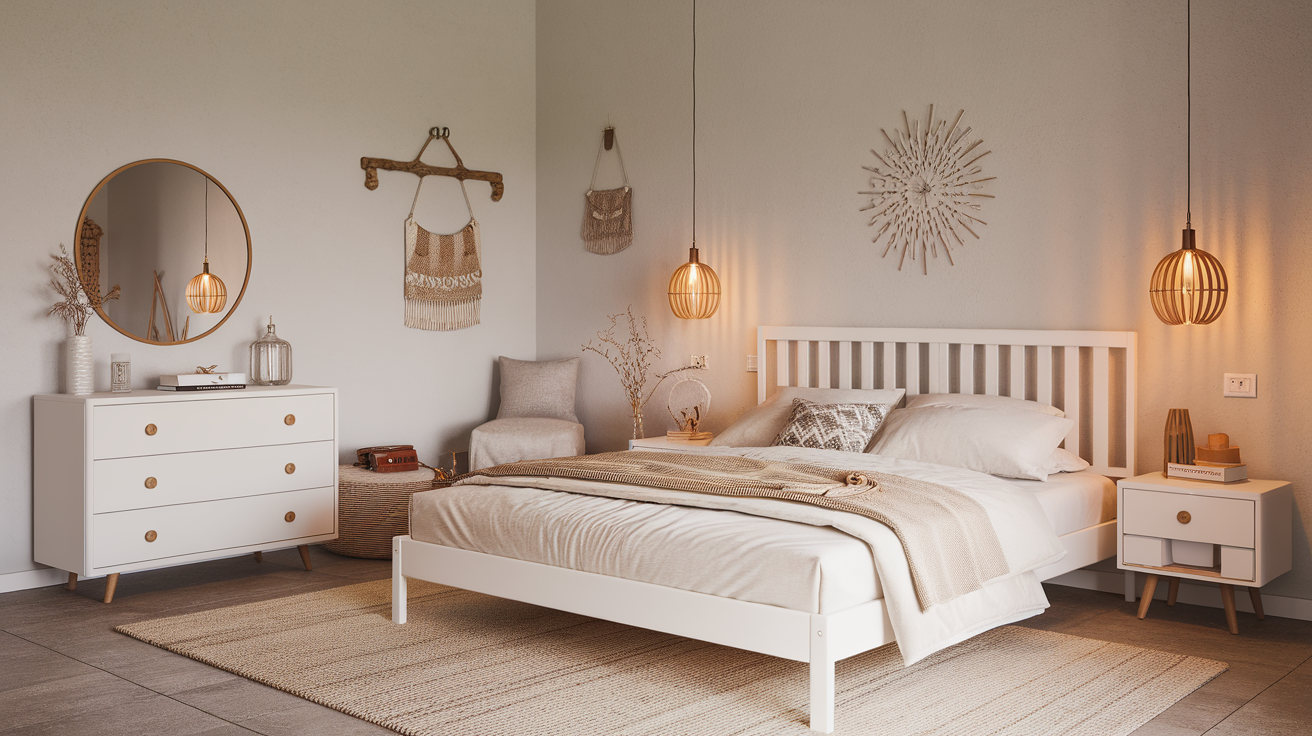
Scandinavian bedroom design has captured hearts worldwide with its peaceful simplicity and functional beauty. This design philosophy, born from Nordic countries where long winters demand cozy interiors, transforms bedrooms into havens of tranquility. The style strips away unnecessary clutter while maintaining warmth through thoughtful material choices and careful attention to comfort.
Creating a serene bedroom doesn’t require complicated renovations or expensive furniture replacements. Scandinavian design principles work with what you have, focusing on light, space, and natural materials to build restful environments. The beauty lies in its accessibility – you can apply these concepts whether you’re working with a tiny apartment bedroom or a spacious master suite.
In the following sections, we’ll share seven transformative ideas that bring authentic Scandinavian serenity to your bedroom. From color palettes that promote relaxation to furniture arrangements that maximize space, these design strategies will help you craft a bedroom that feels like a peaceful retreat every single night. Let’s discover how Nordic simplicity can revolutionize your sleep space.
- What Makes Scandinavian Bedroom Design Perfect for Relaxation
- How to Create the Perfect Scandinavian Color Palette
- Essential Furniture Pieces for Scandinavian Bedrooms
- Layering Textures and Materials the Scandinavian Way
- Lighting Strategies for Nordic-Inspired Bedrooms
- Creating a Serene Sanctuary with Scandinavian Simplicity
- Frequently Asked Questions
What Makes Scandinavian Bedroom Design Perfect for Relaxation
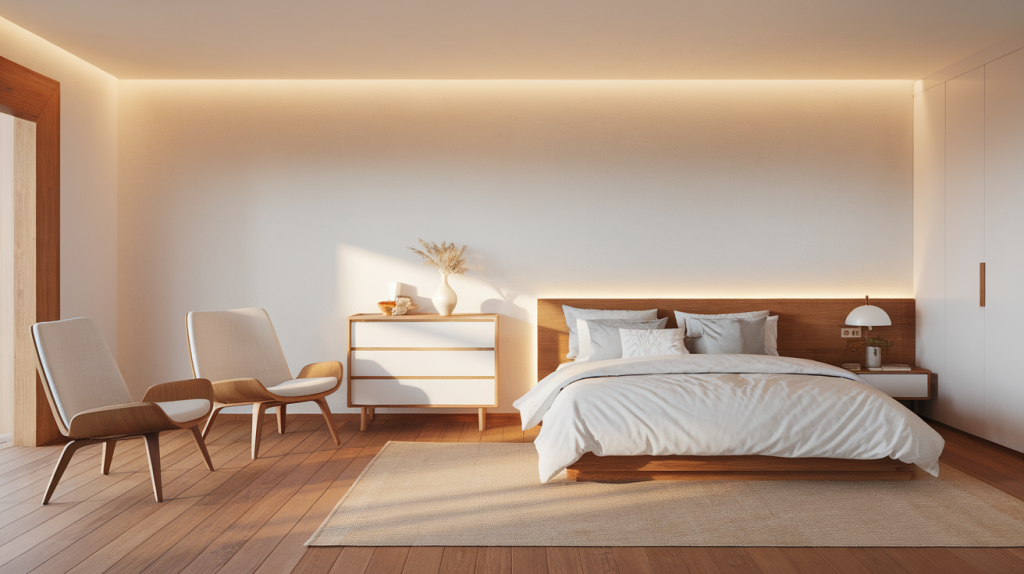
The magic of Scandinavian bedroom design starts with its fundamental philosophy: less truly becomes more when every element serves both function and beauty. This approach naturally eliminates visual noise that can disrupt sleep and create anxiety. Instead of filling spaces with decorative objects, Nordic-inspired bedrooms focus on quality pieces that contribute to overall tranquility.
Natural Light Maximization
Windows remain bare or dressed minimally in Scandinavian bedrooms, allowing daylight to flood the space. This connection to natural light cycles helps regulate your body’s circadian rhythm, promoting better sleep patterns. During darker months, this design principle becomes even more crucial for maintaining energy and mood.
Light-colored walls amplify whatever natural light enters the room. White or pale gray surfaces act like mirrors, bouncing light into corners that might otherwise feel dark. This brightness creates an airy feeling that makes even small bedrooms feel spacious and open.
Minimalist Approach to Furniture
Scandinavian bedrooms contain only essential furniture pieces, each chosen for specific purposes. A bed, perhaps one or two nightstands, and minimal storage create uncluttered floor space that promotes mental clarity. This selective approach prevents the overwhelming feeling that comes from rooms packed with unnecessary items.
The furniture that does make the cut features clean lines and simple forms. Ornate carvings, excessive decoration, or complicated patterns rarely appear in these spaces. Instead, the beauty comes from quality materials and excellent craftsmanship that stand the test of time.
Color Psychology of Neutral Palettes
Soft, muted colors dominate Scandinavian bedrooms for good reason. Research shows that neutral tones lower heart rate and blood pressure, preparing your body for rest. These calming hues create visual continuity that helps your mind transition from daily stress to nighttime relaxation.
Connection to Nature Elements
Wood appears throughout Scandinavian bedrooms, from flooring to furniture frames. These natural materials bring outdoor tranquility inside, creating organic connections that soothe the senses. Pine, birch, and ash woods particularly suit this style, offering light tones that maintain the room’s brightness.
Plants also play key roles in Nordic bedroom design. A single potted plant on a windowsill or dresser adds life without creating clutter. These green additions improve air quality while providing gentle visual interest that doesn’t overwhelm the space’s simplicity.
How to Create the Perfect Scandinavian Color Palette
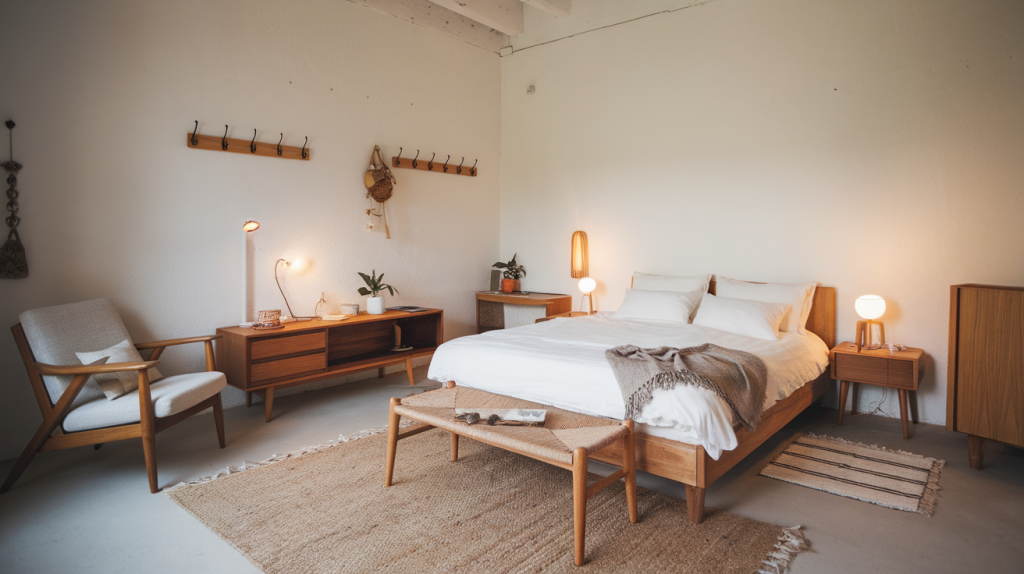
Color sets the foundation for any successful Scandinavian bedroom, with each shade carefully chosen to promote rest and relaxation. The palette might seem limited at first glance, but subtle variations create depth and interest without disrupting the room’s peaceful atmosphere.
Working with Whites and Creams
Pure white walls form the backbone of many Scandinavian bedrooms, but choosing the right white requires attention. Cool whites with blue undertones can feel stark in northern light, while warmer whites with hints of yellow or pink create cozier atmospheres. Test several shades on your walls before committing, observing how they change throughout the day.
Cream tones offer softer alternatives for those who find pure white too clinical. These warmer shades maintain brightness while adding subtle warmth that feels particularly welcoming during colder months. Layer different cream shades through bedding, curtains, and rugs to build visual interest.
Consider these popular Scandinavian white and cream shades:
- Chalk White: A soft, matte white that absorbs light gently rather than reflecting harshly
- Ivory Cream: Brings warmth without yellowing over time
- Snow White: Clean and crisp, perfect for maximizing light in north-facing rooms
- Linen White: Contains gray undertones that prevent stark contrasts
- Pearl Finish: Adds subtle shimmer that catches light beautifully
Adding Warm Gray Tones
Gray serves as the perfect companion to white in Scandinavian bedrooms. Light grays add sophistication without darkening the space, while medium grays can anchor specific areas like accent walls behind the bed. The key lies in selecting grays with warm undertones that complement rather than clash with your whites.
Incorporating Soft Pastels
While neutrals dominate, Scandinavian design welcomes gentle color touches through pale pastels. Dusty pink, sage green, or powder blue appear in throw pillows, blankets, or artwork. These whispers of color add personality without disrupting the calm atmosphere.
Balancing Light and Shadow
Successful Scandinavian color palettes consider how shades interact with both natural and artificial light. Darker elements like charcoal gray picture frames or black metal light fixtures create necessary contrast that prevents the room from feeling washed out. These deeper tones appear sparingly, acting as visual anchors rather than dominant features.
Choosing the Right Paint Finishes
Matte or eggshell finishes suit Scandinavian bedrooms better than high gloss options. These subtle finishes absorb light softly, creating the characteristic calm atmosphere. They also hide wall imperfections better, maintaining the clean aesthetic essential to this style.
Paint quality matters significantly in minimalist spaces where walls take center stage. Higher-quality paints with better coverage ensure even color distribution without requiring multiple coats that might create texture variations.
Essential Furniture Pieces for Scandinavian Bedrooms
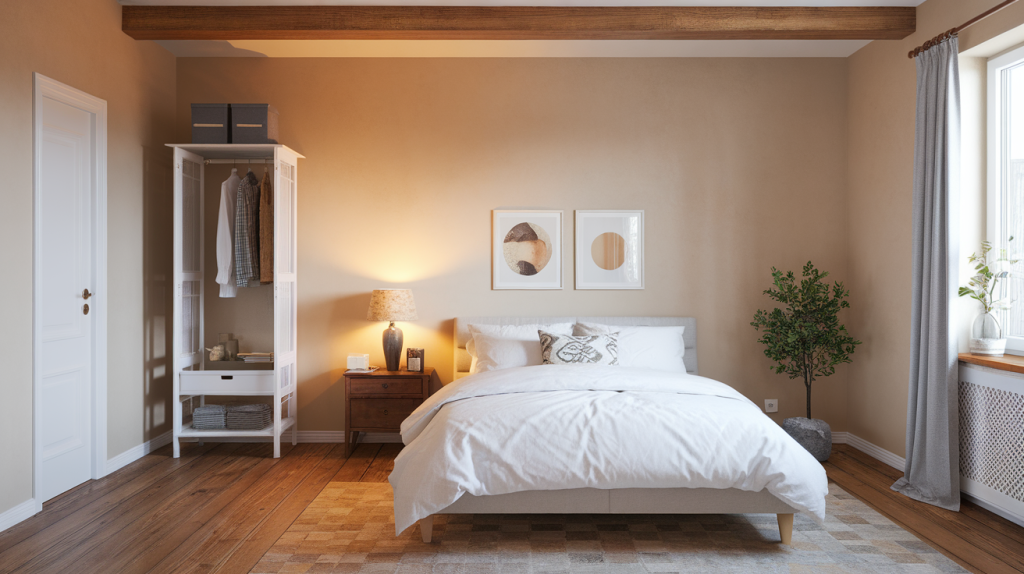
Selecting furniture for a Scandinavian bedroom requires thoughtful consideration of both form and function. Each piece should earn its place through practical necessity while contributing to the room’s serene aesthetic. Quality trumps quantity every time in this design philosophy.
Platform Beds and Their Benefits
The bed naturally commands attention as the room’s centerpiece, making its selection crucial for achieving authentic Scandinavian style. Platform beds with low profiles and simple wooden frames epitomize Nordic design principles. These streamlined designs eliminate the need for box springs while creating clean horizontal lines that make rooms feel larger.
Wood choices significantly impact the overall feeling. Light oak, ash, or pine maintain the bright atmosphere, while their natural grain patterns add subtle texture. Some designs incorporate upholstered headboards in neutral fabrics, providing comfort for reading without introducing excessive decoration.
Floating Nightstands
Wall-mounted nightstands free up floor space while maintaining bedside convenience. These floating surfaces hold essentials like reading glasses, water, and books without the visual weight of traditional nightstands. Single drawer designs offer hidden storage for items you’d rather keep out of sight.
The space beneath floating nightstands creates an airy feeling that makes rooms feel less cramped. This openness also simplifies cleaning, eliminating dust-collecting corners and tight spaces. Choose designs that match or complement your bed frame’s wood tone for visual cohesion.
Simple Wardrobes and Storage
Scandinavian bedrooms rarely feature walk-in closets or elaborate built-ins. Instead, simple wardrobes with clean lines provide clothing storage without dominating the space. White or light wood finishes maintain brightness, while minimal hardware prevents visual clutter.
Open clothing racks offer alternatives for smaller spaces or renters who can’t install permanent storage. These industrial-inspired pieces display carefully edited wardrobes while maintaining the room’s minimal aesthetic. Choose sturdy metal or wood constructions that won’t wobble under the weight of hanging clothes.
Storage benches at the foot of the bed serve double duty, offering seating and hidden storage for extra bedding or seasonal items. Upholstered versions in neutral fabrics add softness to predominantly wooden furniture arrangements.
Seating Options
A single chair creates a quiet reading corner without overcrowding the bedroom. Scandinavian designs favor simple wooden chairs with comfortable cushions or sleek upholstered options in neutral tones. Position your chair near a window to take advantage of natural light for reading.
Alternatively, a small bench against one wall provides seating for putting on shoes or laying out tomorrow’s clothes. These linear pieces maintain clean lines while adding functionality that makes morning routines smoother.
Multi-functional Pieces
Scandinavian design values furniture that serves multiple purposes, maximizing functionality in minimal space. Ottomans with hidden storage compartments, beds with built-in drawers, or desks that double as vanities exemplify this practical approach. Each multi-purpose piece eliminates the need for additional furniture, maintaining the uncluttered aesthetic.
Mirror placement deserves special attention in Scandinavian bedrooms. A single large mirror, either wall-mounted or leaning against a wall, reflects light while serving practical purposes. Avoid ornate frames that compete for attention; simple wood or thin metal frames integrate seamlessly with other furniture pieces.
Layering Textures and Materials the Scandinavian Way
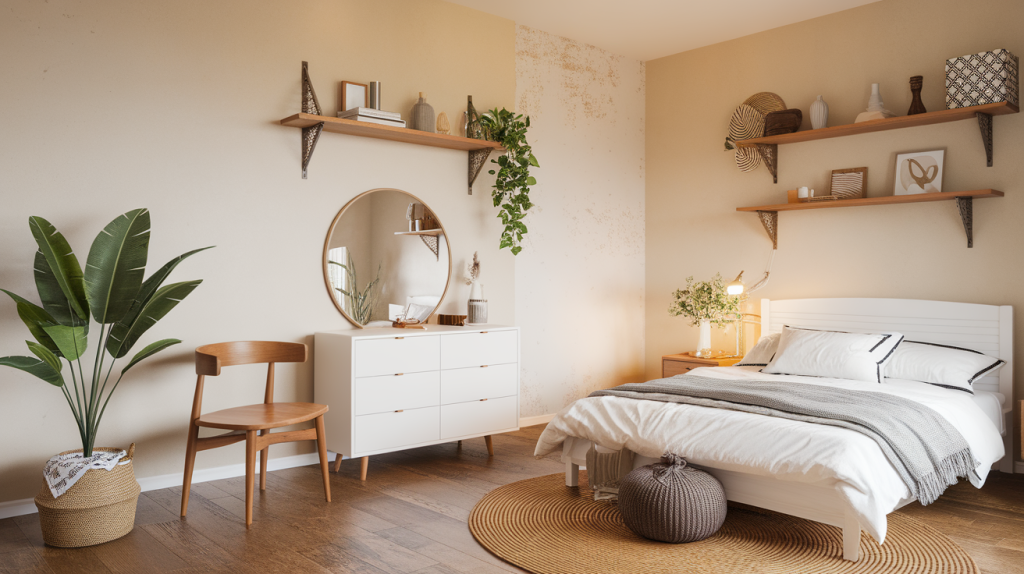
Texture brings life to Scandinavian bedrooms without relying on bold patterns or bright colors. The interplay between different materials creates visual and tactile interest that prevents minimalist spaces from feeling cold or impersonal. This layering technique adds depth while maintaining the style’s characteristic simplicity.
Natural Wood Elements
Wood grain provides the primary texture in most Scandinavian bedrooms. Different wood types and finishes throughout the room create subtle variations that catch the eye. A smooth birch bed frame might pair with rougher pine floorboards, while a polished oak dresser adds another textural dimension.
The treatment of wood surfaces matters as much as the wood itself. Some pieces benefit from natural oil finishes that highlight grain patterns, while others look best painted in soft whites or grays. Mixing finished and unfinished woods adds organic variety that prevents monotony.
Linen and Cotton Fabrics
Bedding choices significantly impact both comfort and visual texture. Pure linen sheets and duvet covers bring natural wrinkles that add character rather than appearing messy. This relaxed fabric perfectly captures Scandinavian design’s casual elegance. The material also improves with age, becoming softer with each wash.
Cotton alternatives offer smoother textures that contrast nicely with linen’s natural rumples. Waffle weave blankets, cable knit throws, or simple cotton quilts each contribute different surface textures. Layer these various fabrics on your bed, mixing smooth and textured pieces for visual depth.
Window treatments follow similar principles. Simple linen curtains filter light while adding vertical texture. Their natural drape creates gentle folds that soften the room’s angles without introducing fussy details.
Wool and Knit Accessories
Chunky knit blankets draped over the bed or chair instantly add coziness to Scandinavian bedrooms. These tactile elements invite touch while providing practical warmth during colder months. Choose neutral colors or soft pastels that complement your color palette.
Sheepskin rugs beside the bed offer luxurious texture underfoot. These natural elements bring both visual and physical warmth, their fluffy surfaces contrasting beautifully with smooth wooden floors. Genuine sheepskin in white or light gray maintains authenticity, though high-quality faux options work for those preferring animal-free alternatives.
Small wool cushions on chairs or benches add comfort while introducing another texture layer. Felted wool, bouclé, or simple knitted covers each bring unique surface qualities. Limit yourself to two or three cushions to avoid cluttering seating areas.
Incorporating Metals Sparingly
Metal accents appear minimally in Scandinavian bedrooms, usually through lighting fixtures or hardware. Matte black iron, brushed brass, or raw copper provide subtle contrast against light woods and white walls. These metallic touches should feel intentional rather than abundant.
A single pendant light with exposed bulb and simple metal cord exemplifies appropriate metal use. Door handles, drawer pulls, or curtain rods in matching metals create cohesion without overwhelming the space. Avoid mixing too many metal finishes, which can create visual chaos.
Mixing Smooth and Rough Surfaces
Successful texture layering balances smooth and rough surfaces throughout the room. Polished wooden furniture might pair with nubby linen bedding, while smooth painted walls contrast with textured throw blankets. This interplay keeps the eye moving without creating disorder.
Natural fiber rugs add substantial texture to bedroom floors. Jute, sisal, or flat-weave wool rugs in neutral tones ground the space while providing interesting surface variations. Their organic textures complement wooden floors without competing for attention. Choose simple patterns or solid colors that maintain the room’s calm atmosphere.
Lighting Strategies for Nordic-Inspired Bedrooms
Light transforms Scandinavian bedrooms from simple spaces into serene sanctuaries. The right lighting scheme works with natural daylight during waking hours while providing gentle illumination for evening routines. This careful balance between brightness and atmosphere defines successful Nordic bedroom design.
Maximizing Natural Light
Scandinavian bedrooms treat windows as architectural features rather than problems to cover. Position your bed to take advantage of morning light without direct glare. This orientation helps establish healthy wake cycles while preventing afternoon sun from overheating the space.
Mirrors strategically placed opposite windows double natural light without requiring additional windows. A full-length mirror leaning against the wall or a horizontal mirror above a dresser bounces daylight deeper into the room. Keep mirror frames simple to avoid distracting from their light-amplifying purpose.
Remove heavy window treatments that block precious daylight. If privacy concerns require window coverings, choose options that filter rather than block light. Top-down, bottom-up shades allow light through upper windows while maintaining privacy at eye level.
Choosing the Right Window Treatments
Sheer white curtains epitomize Scandinavian window dressing. These lightweight fabrics diffuse harsh sunlight while maintaining brightness. Hang curtains close to the ceiling and extend them beyond window frames to maximize the perception of window size.
For bedrooms requiring darkness for sleep, layer window treatments thoughtfully. Combine sheer curtains with simple roller blinds in white or light gray. This combination provides flexibility – full light during the day, gentle filtering when desired, and complete darkness for sleeping.
Natural materials like bamboo or light wood blinds offer alternatives that maintain the organic aesthetic. These options provide adjustable light control while adding subtle texture. Choose lighter stains that won’t darken the room when closed.
Pendant Lights and Their Placement
A single pendant light or pair of pendants can replace traditional table lamps, freeing nightstand surfaces for essentials. These hanging fixtures should provide adequate reading light while contributing to the room’s design. Simple glass globes, paper lanterns, or minimal metal shades work beautifully.
Height matters significantly for pendant functionality. Position pendants low enough to provide task lighting but high enough to avoid head bumps when sitting up in bed. Dimmers allow adjustment from bright reading light to gentle ambient glow.
Table Lamps and Ambient Lighting
When nightstand space permits, simple table lamps add warmth to Scandinavian bedrooms. Ceramic bases in soft whites or natural wood paired with plain linen shades maintain stylistic consistency. These fixtures should feel substantial without overwhelming small surfaces.
Consider these functional yet beautiful lighting options:
- Articulating Wall Sconces: Save surface space while providing adjustable task lighting
- Mushroom Lamps: Soft, diffused light perfect for creating ambient atmosphere
- Paper Floor Lamps: Sculptural yet simple additions to reading corners
- LED Strip Lighting: Hidden under floating shelves for subtle accent illumination
- Salt Lamps: Natural materials that provide gentle, warm light
Candles and Hygge Atmosphere
Candles hold special significance in Scandinavian design, representing ‘hygge’ – that uniquely Nordic concept of cozy contentment. Group pillar candles of varying heights on a dresser or windowsill for visual interest. Unscented white or cream candles maintain simplicity while providing flickering warmth.
Tea lights in simple glass holders scattered throughout the room create multiple points of gentle light. This distributed lighting approach feels more intimate than harsh overhead fixtures. Battery-operated LED candles offer safe alternatives that capture similar ambiance without fire risks.
Seasonal lighting adjustments acknowledge changing daylight hours. During long summer days, minimal artificial lighting suffices. Winter months demand more thoughtful illumination, with multiple light sources creating layers of warmth. String lights draped simply along a wall or window frame add festive touches without permanent installation.
Creating a Serene Sanctuary with Scandinavian Simplicity
Your bedroom should feel like a personal retreat where stress dissolves and rest comes naturally. Scandinavian design principles offer a roadmap to this tranquility through thoughtful reduction rather than constant addition. By focusing on quality over quantity, natural materials over synthetic alternatives, and function alongside beauty, you create spaces that nurture both body and mind.
The seven design ideas we’ve shared work together to build bedrooms that feel effortlessly serene. From maximizing natural light to carefully layering textures, each element contributes to an atmosphere of calm simplicity. Remember that achieving this aesthetic doesn’t require perfection or expensive renovations – small changes like switching to linen bedding, adding a single plant, or painting walls in soft whites can transform your sleeping space into a Nordic-inspired haven that promotes better rest and peaceful mornings.
Frequently Asked Questions
Q: Do Scandinavian bedrooms have to be completely white?
A: No, while white dominates many Scandinavian bedrooms, the style welcomes soft grays, warm creams, and gentle pastels. The key is maintaining a light, neutral base that promotes relaxation while adding subtle color through textiles and accessories.
Q: What’s the best flooring for a Scandinavian bedroom?
A: Light wood flooring in oak, ash, or pine works beautifully, but white-painted floorboards or light gray options also suit the style. If changing flooring isn’t possible, large neutral rugs can help achieve the right look over existing floors.
Q: How can I make my Scandinavian bedroom feel warm and cozy?
A: Layer different textures through chunky knit blankets, sheepskin rugs, and linen bedding. Add warm lighting through table lamps and candles, and incorporate natural wood elements that bring organic warmth to the space.
Q: Can I add color to a Scandinavian bedroom?
A: Yes, but keep colors muted and use them sparingly. Dusty pink, sage green, soft blue, or warm terracotta work well as accent colors in throw pillows, artwork, or small decorative elements.
Q: What size furniture works best in Scandinavian bedrooms?
A: Choose furniture scaled appropriately to your room size, favoring lower profile pieces that maintain open sight lines. Platform beds, floating nightstands, and simple wardrobes help maintain the airy feeling essential to this style.
Q: How do I prevent my minimalist Scandinavian bedroom from looking boring?
A: Focus on texture variety through different fabrics and materials. Add visual interest with a single piece of artwork, vary wood tones slightly, and include one or two carefully chosen decorative elements like a ceramic vase or sculptural lamp.
Q: Is Scandinavian design suitable for small bedrooms?
A: Absolutely. The style’s emphasis on minimalism and light colors makes small spaces feel larger. Use wall-mounted storage, choose furniture with legs to create visual flow, and keep surfaces clear to maximize the sense of space.
Q: What plants work well in Scandinavian bedrooms?
A: Simple, low-maintenance plants like snake plants, pothos, or rubber plants complement the style. Choose one or two larger plants rather than multiple small ones to maintain the uncluttered aesthetic.