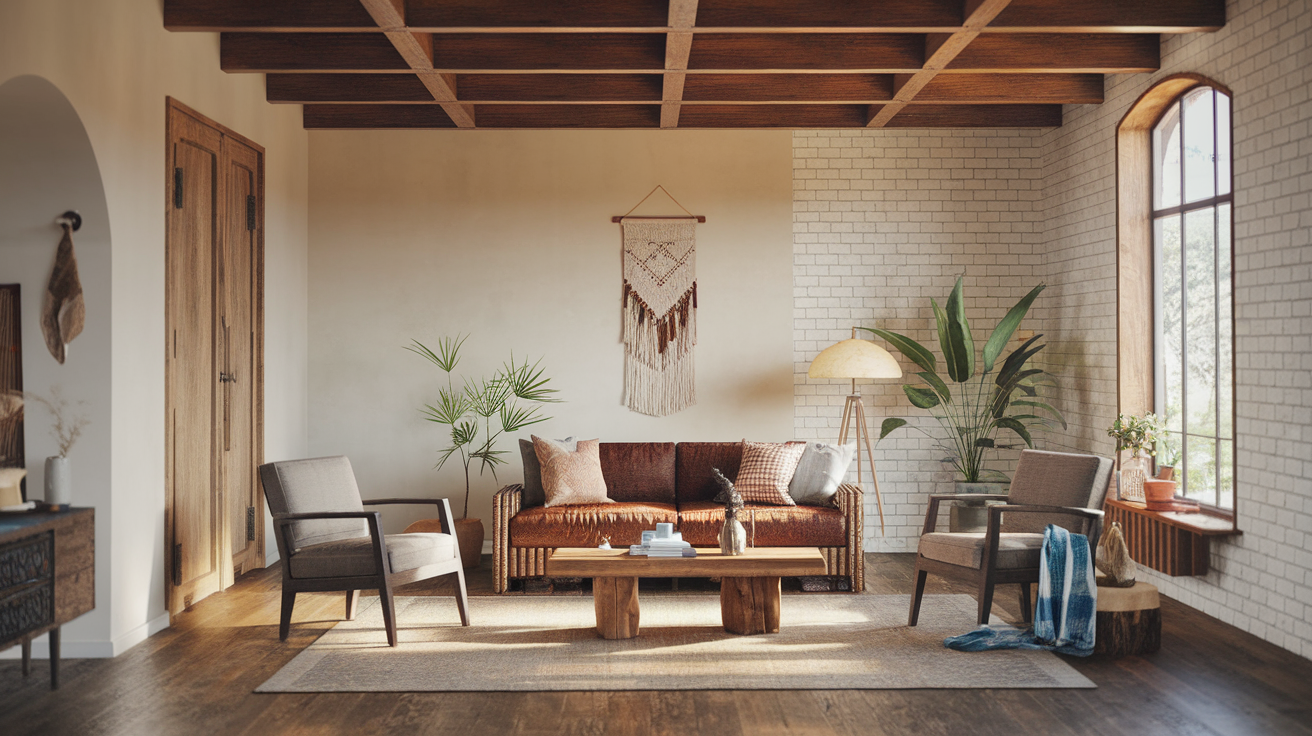
Modern rustic design in open concept homes creates a perfect marriage of contemporary functionality and timeless warmth. This design approach transforms vast, flowing spaces into inviting environments that feel both sophisticated and comfortable. The combination of raw natural materials with sleek modern lines offers homeowners a way to enjoy spacious living without sacrificing the cozy atmosphere that makes a house feel like home.
Open floor plans present unique challenges that this particular style handles beautifully. Traditional decorating approaches often leave large spaces feeling cold or disconnected, but modern rustic design brings together different living areas through shared materials, colors, and textures. The style’s inherent flexibility allows you to create distinct zones for cooking, dining, and relaxing while maintaining visual harmony throughout the entire space.
The following sections will guide you through seven powerful design strategies that professional designers use to create stunning modern rustic open concept homes. You’ll discover practical ways to define spaces without walls, select materials that add character without overwhelming, and achieve that perfect balance between refined and relaxed that makes this style so appealing to today’s homeowners.
- What Defines Modern Rustic Style in Open Living Spaces
- How to Create Cohesive Zones Without Walls
- Which Natural Elements Work Best in Modern Rustic Spaces
- How to Balance Comfort and Style in Large Open Areas
- What Color Schemes Unite Modern Rustic Open Concepts
- Your Modern Rustic Transformation Awaits
- Frequently Asked Questions
What Defines Modern Rustic Style in Open Living Spaces
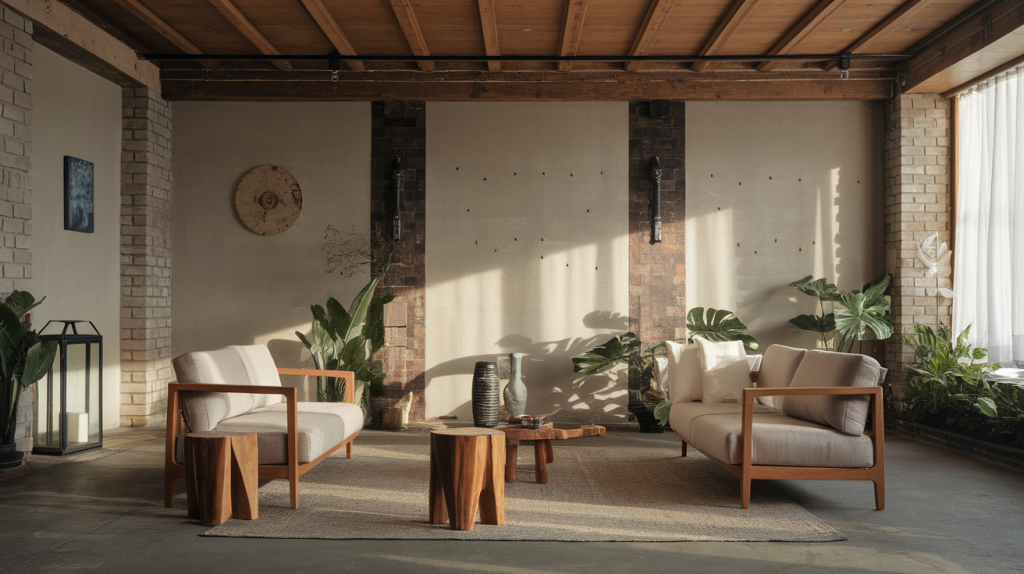
The magic of modern rustic design lies in its ability to blend seemingly opposite aesthetics into something entirely cohesive. In open concept homes, this style becomes particularly powerful because it provides visual anchors that help organize expansive spaces while maintaining an airy, uncluttered feel.
Natural Materials vs Contemporary Finishes
Raw wood beams paired with polished concrete floors exemplify the modern rustic approach perfectly. You’ll want to select materials that show their natural character – think reclaimed barn wood, live-edge furniture pieces, and rough-hewn mantels – then contrast them with smooth surfaces like quartz countertops or glass pendant lights. This juxtaposition creates visual tension that keeps large spaces interesting.
The key lies in proportion. Too much rustic material can make your space feel like a cabin, while excessive modern elements might create a sterile atmosphere. Aim for about 60% modern surfaces with 40% rustic accents, adjusting based on your personal preference and the architectural features of your home.
Color Palettes That Unify Large Spaces
Open concept homes need color schemes that flow seamlessly from one area to another. Modern rustic palettes typically start with warm neutrals – think soft grays, warm whites, and various shades of beige and taupe. These backgrounds allow natural wood tones to shine while providing flexibility for accent colors.
Texture Combinations That Create Visual Interest
Texture plays a crucial role in preventing large open spaces from feeling flat or monotonous. Layer smooth leather furniture with chunky knit throws, place sleek metal coffee tables on plush wool rugs, and combine rough stone surfaces with soft linen curtains. Each texture adds depth and invites touch, making your space feel more intimate despite its size.
Consider incorporating these textural elements throughout your open concept space:
Soft Elements: Linen drapes, wool rugs, and velvet cushions add comfort
Hard Surfaces: Concrete, metal, and glass provide modern structure
Natural Textures: Jute, sisal, and raw wood bring organic warmth
Mixed Materials: Leather and canvas furniture bridges rustic and refined
Lighting Choices That Highlight Rustic Elements
Strategic lighting transforms modern rustic spaces from day to night. Industrial-style fixtures with Edison bulbs cast warm light that enhances wood grains and creates inviting shadows. Track lighting or recessed fixtures provide necessary task lighting without disrupting the aesthetic, while statement chandeliers made from antlers, wrought iron, or reclaimed wood serve as sculptural focal points that tie the entire space together.
How to Create Cohesive Zones Without Walls
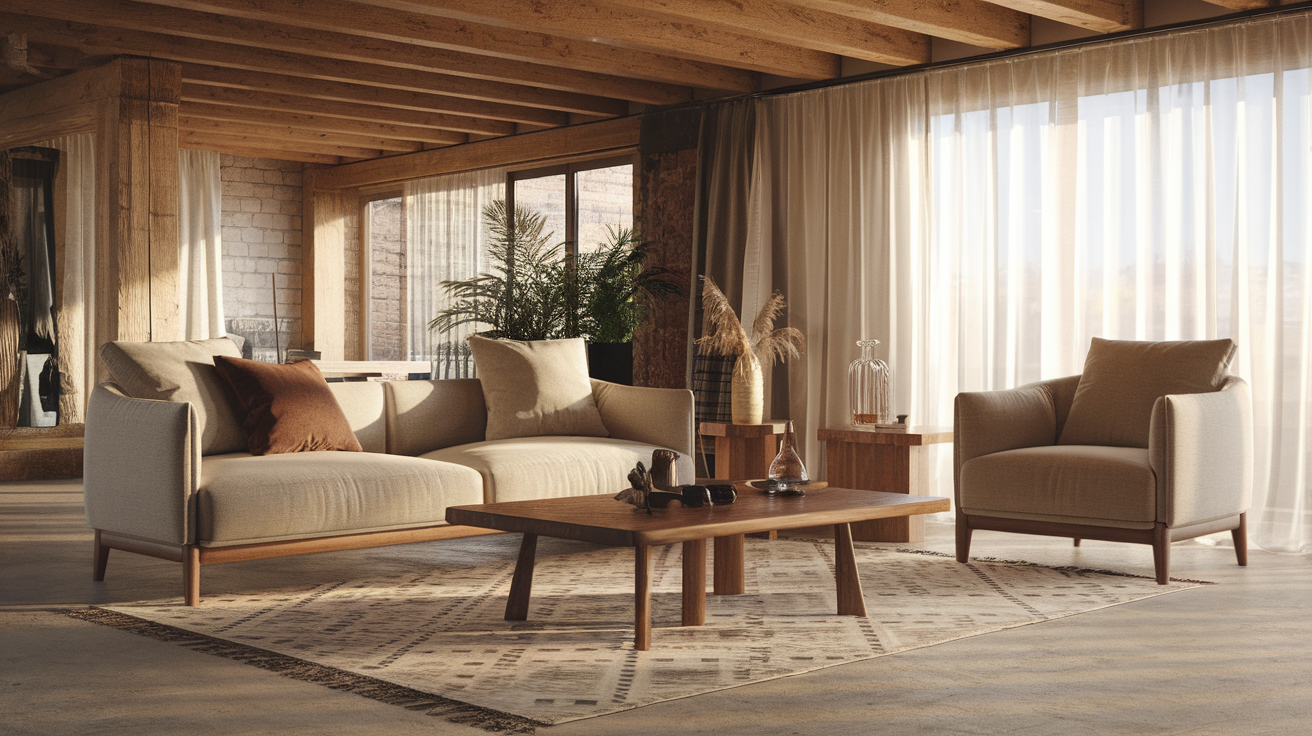
Open floor plans offer freedom and flexibility, but they also require thoughtful planning to prevent different living areas from bleeding together into one undefined space. Modern rustic design provides numerous tools for creating distinct zones while preserving the openness you love.
Using Furniture Placement to Define Areas
Your sofa becomes more than seating – it’s an architectural element that establishes boundaries. Position a substantial sectional with its back to the kitchen to create a clear living room zone. Float furniture away from walls to carve out conversation areas within larger spaces. A console table behind a sofa serves double duty, offering surface space while reinforcing the division between areas.
In modern rustic spaces, choose furniture with visual weight. A reclaimed wood dining table anchors the eating area, while a leather Chesterfield sofa grounds the living space. These substantial pieces act as landmarks that help orient visitors and family members within your open concept home.
Area Rugs as Space Anchors
Nothing defines a zone quite like a well-chosen area rug. In your living area, select a rug large enough that all furniture legs rest on it, creating a unified conversation space. The dining area needs a rug that extends at least 24 inches beyond the table on all sides, allowing chairs to remain on the rug even when pulled out.
Ceiling Treatments That Distinguish Spaces
Look up for zone definition opportunities. Exposed beams running perpendicular to the room’s length naturally divide spaces. Paint or stain treatments can further differentiate areas – perhaps white-washed beams over the kitchen with natural wood over the living room. Coffered ceilings, wood planking, or even strategic paint colors on different ceiling sections subtly signal transitions between zones.
Drop ceilings or raised sections also work wonderfully. A tray ceiling over the dining table creates an intimate feeling for dinner parties, while maintaining connection to the larger space. These architectural elements add character that feels intentional rather than arbitrary.
Strategic Color Blocking Techniques
While maintaining an overall cohesive palette, subtle color shifts help define different areas. Paint an accent wall behind the television in a deeper shade of your main color, or use wallpaper with a subtle pattern in the dining zone. These variations should feel like cousins rather than strangers – related but distinct.
Maintaining Flow Between Different Zones
Success in open concept design means creating zones that feel separate yet connected. Repeat elements throughout the space – perhaps the same wood tone appears in the coffee table, dining chairs, and kitchen island. Use throw pillows that pick up colors from artwork in adjacent areas. These visual threads weave different zones into one harmonious whole.
Which Natural Elements Work Best in Modern Rustic Spaces
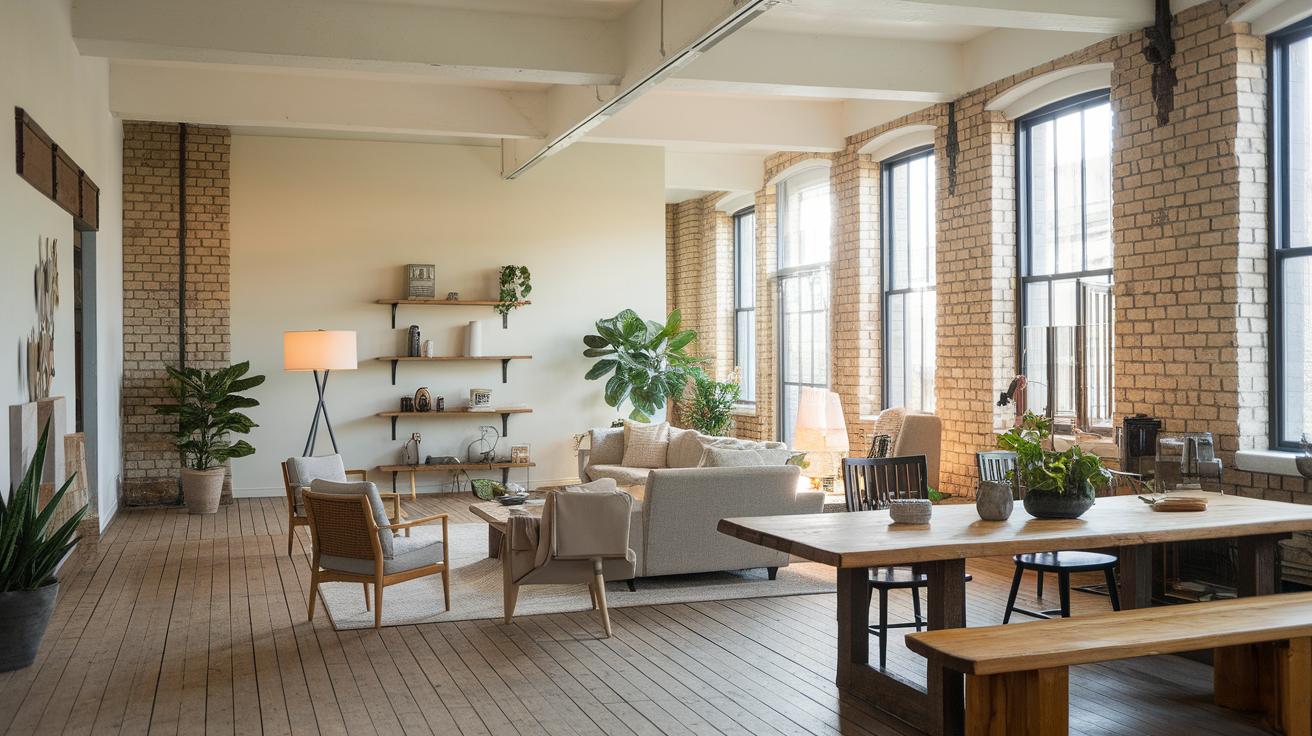
Natural materials form the foundation of modern rustic design, bringing authenticity and warmth that manufactured materials simply cannot replicate. Selecting and combining these elements requires understanding both their aesthetic impact and practical considerations in open concept living.
Wood Beam Installations and Exposed Structures
Ceiling beams transform ordinary spaces into architectural showpieces. Real wood beams offer authentic character, complete with natural grain patterns, knots, and imperfections that tell a story. Faux beams provide similar visual impact at lower cost and weight, making them practical for many homes. Install beams to follow the natural flow of your space, using them to guide the eye through different zones.
The finish you choose dramatically affects the overall feel. Dark-stained beams create drama and contrast against white ceilings. Natural or lightly sealed beams maintain an organic, casual atmosphere. Painted beams – particularly in white or gray – offer a more contemporary interpretation of this rustic element.
Stone Accent Walls and Fireplace Surrounds
Stone brings permanence and grounding energy to open spaces. A floor-to-ceiling stone fireplace becomes the natural focal point, drawing together seating arrangements and establishing the living room’s center. Consider stacked stone for linear, modern appeal, or river rock for softer, more organic shapes.
Beyond fireplaces, stone accent walls add texture and visual weight. Use them strategically – perhaps behind the television or as a kitchen backsplash that extends to the ceiling. The key is restraint; one or two stone features prevent the space from feeling cave-like while still providing substantial impact.
Metal Fixtures and Industrial Touches
Black iron, aged brass, and oil-rubbed bronze hardware connects modern functionality with rustic aesthetics. These metals appear in light fixtures, stair railings, cabinet pulls, and furniture legs, creating visual continuity throughout your open space. The slight variations in finish and patina add authenticity that perfectly manufactured pieces lack.
Industrial elements like exposed ductwork or steel beam supports can stay visible, celebrated as design features rather than hidden. These honest materials align perfectly with the modern rustic philosophy of showing rather than concealing structural elements.
Bringing Outdoor Elements Inside
Large windows and glass doors physically connect indoor and outdoor spaces, but modern rustic design goes further. Incorporate large potted trees, hanging gardens, or living walls to blur boundaries. Display collections of river rocks, driftwood, or antlers as sculptural elements. These natural artifacts remind us of the world beyond our walls.
Natural Fiber Textiles and Materials
Jute rugs, linen curtains, and cotton throws introduce softness while maintaining the natural material palette. These fibers age beautifully, developing character over time rather than simply wearing out. Layer different natural textiles to create depth – a jute rug topped with a sheepskin, linen pillows mixed with leather cushions, wool blankets draped over cotton upholstery.
How to Balance Comfort and Style in Large Open Areas
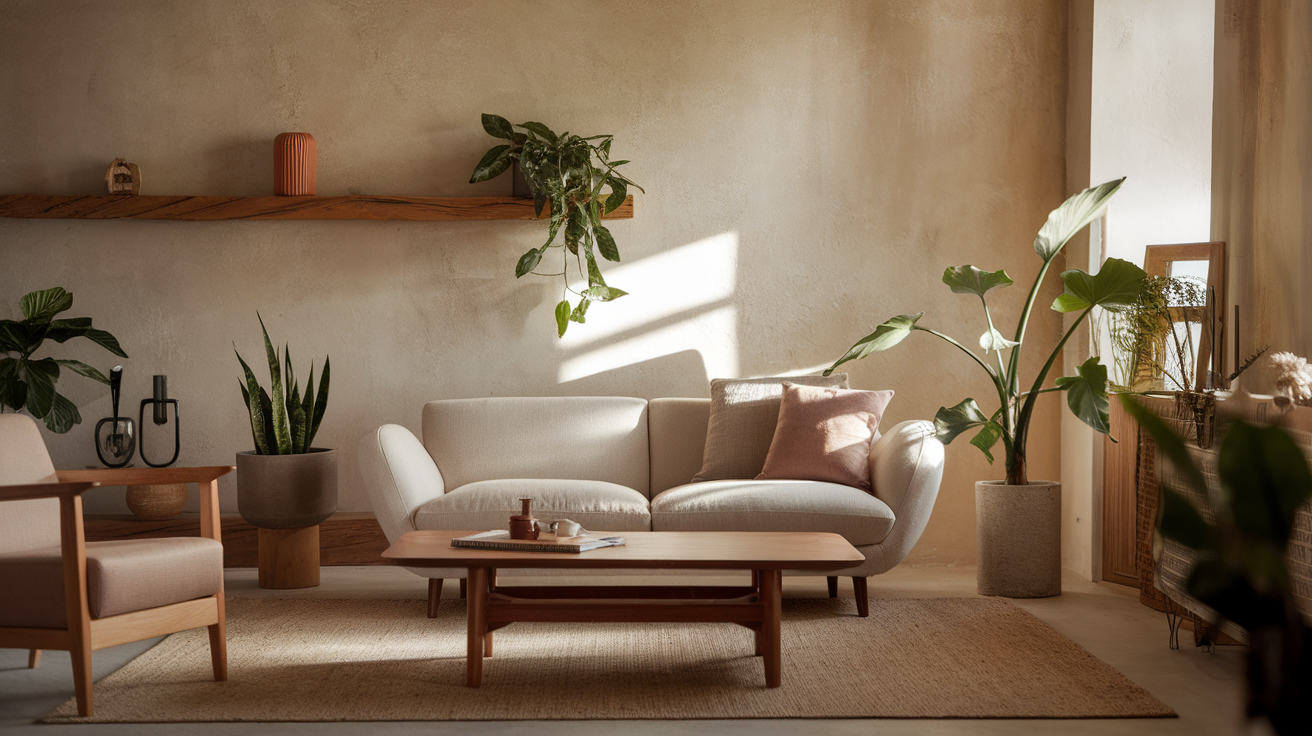
Creating a space that photographs beautifully yet lives comfortably challenges even experienced designers. Open concept homes amplify this challenge, as every element remains visible from multiple vantage points. Modern rustic design philosophy actually simplifies this balance by prioritizing both beauty and function equally.
Choosing the Right Scale Furniture
Furniture that looks perfect in a showroom can disappear in a vast open space. Your room’s proportions dictate furniture scale – high ceilings demand taller furniture pieces, while long sight lines require substantial visual anchors. A petite loveseat might work in a cozy den but will look lost in a 400-square-foot great room.
Test furniture scale before purchasing by mapping out dimensions with painter’s tape on your floor. Include walking paths and breathing room around each piece. Oversized furniture that might overwhelm a traditional room often feels just right in open concept spaces. That massive reclaimed wood coffee table or extra-deep sectional sofa provides the visual weight needed to ground expansive areas.
But scale involves more than size alone. Mix furniture heights to create visual rhythm – pair low-profile modern sofas with tall rustic bookcases, or place high-backed dining chairs around a thick slab table. This variation prevents the monotony that can plague large spaces while maintaining cohesion through shared materials or colors.
Mixing Old and New Pieces Effectively
The modern rustic aesthetic thrives on contrast, making it perfect for combining inherited antiques with contemporary purchases. That rough-hewn farm table passed down through generations pairs beautifully with sleek acrylic chairs. A vintage leather club chair looks stunning next to a minimalist floor lamp.
Success lies in finding common threads. Perhaps all wood pieces share warm undertones, or metal elements throughout the space feature similar patinas. These connections help disparate pieces feel intentional rather than random.
Creating Intimate Conversation Areas
Large open spaces can feel impersonal without careful planning. Break up the expanse by creating multiple seating arrangements. Position two chairs at angles near the fireplace for intimate conversations. Float a console table with bar stools between kitchen and living areas for casual gatherings. Add a reading nook with a comfortable chair and ottoman in a corner with good natural light.
Each conversation area should feel complete yet connected to the whole. Use area rugs to define each zone, ensure adequate lighting for evening use, and provide surfaces for drinks and books. These thoughtful touches transform vast spaces into collections of inviting moments.
Temperature Control Through Design Choices
Open concept homes can suffer from temperature regulation issues. Modern rustic design offers solutions beyond adjusting the thermostat. Incorporate these design strategies for year-round comfort:
Window Treatments: Heavy linen or canvas curtains insulate while maintaining the aesthetic
Textiles: Layer rugs and add throw blankets for warmth without permanent changes
Ceiling Fans: Choose models with rustic wood blades or industrial metal designs
Fireplace Placement: Position seating to maximize heat distribution in winter
Storage Solutions That Maintain Aesthetics
Clutter destroys the calm that modern rustic spaces aim to create. Build storage into your design from the beginning. Choose coffee tables with hidden compartments, ottomans that open for blanket storage, and entertainment centers that conceal electronics. Built-in shelving flanking the fireplace provides display space while maintaining clean lines.
Open shelving requires discipline but offers opportunities to display beautiful objects that enhance your design. Group items by color, material, or purpose. Mix books with decorative objects, keeping negative space to prevent overwhelming the eye. Baskets in natural materials like rattan or rope provide hidden storage while contributing to the rustic aesthetic.
What Color Schemes Unite Modern Rustic Open Concepts
Color serves as the invisible thread connecting different zones in open concept homes. The modern rustic palette draws from nature while incorporating contemporary sophistication, creating spaces that feel both fresh and timeless.
Neutral Foundations with Accent Possibilities
Start with a neutral base that runs throughout your open space. Warm whites, soft grays, and gentle beiges provide flexibility while allowing natural materials to take center stage. These backgrounds work hardest in open concepts, appearing on walls that might be visible from three or four different zones simultaneously.
Paint colors shift dramatically depending on lighting conditions and surrounding materials. That perfect greige might look pink next to your oak floors or green beside your stone fireplace. Test paint samples on multiple walls and observe them throughout the day before committing.
Your neutral palette extends beyond walls to major furniture pieces. A gray sectional, white dining chairs, or beige window treatments create a calm foundation that won’t compete with rustic elements or tire quickly. This restraint in large pieces allows freedom with smaller accents that you can change seasonally or as preferences shift.
Working with Natural Wood Tones
Wood appears throughout modern rustic spaces in floors, beams, furniture, and accents. Rather than matching everything perfectly, create harmony through temperature consistency. Cool-toned woods like ash and gray-washed pieces work together, while warm honey oaks and rich walnuts form another family.
Mixing wood tones adds sophistication when done thoughtfully. Limit yourself to three wood finishes maximum, ensuring they vary enough to look intentional. A dark walnut dining table, medium-toned oak floors, and light pine ceiling beams create layers without chaos.
Incorporating Black Metal Elements
Black metal acts as a neutral in modern rustic palettes while adding definition and structure. Use it consistently throughout your open space in light fixtures, cabinet hardware, stair railings, and furniture legs. This repetition creates rhythm and helps the eye move smoothly through different zones.
The amount of black you introduce affects the overall mood. Subtle touches maintain a lighter, more casual feel. Substantial black elements – like window frames or a large chandelier – create drama and contemporary edge.
Adding Warmth Through Earth Tones
Earth tones bridge the gap between modern minimalism and rustic warmth. Terracotta, ochre, sage, and dusty blue drawn from nature feel authentic in this style. Introduce these colors through artwork, throw pillows, ceramics, and textiles rather than wall paint, maintaining flexibility as seasons and preferences change.
Strategic Pops of Color Placement
While modern rustic spaces typically favor muted palettes, strategic color placement adds personality and visual interest. Choose one or two accent colors and repeat them throughout the open space in varying intensities. Navy might appear in deep velvet pillows, lighter blue ceramics, and abstract artwork. This repetition creates cohesion across zones while preventing any single area from feeling disconnected.
Consider sight lines when placing colorful elements. That vibrant orange throw visible from the kitchen should relate somehow to orange tones in the dining room artwork. These visual connections happen subconsciously but powerfully impact how unified your space feels.
Your Modern Rustic Transformation Awaits
Modern rustic design offers the perfect solution for open concept homes that need both sophistication and warmth. By thoughtfully combining natural materials with contemporary elements, creating distinct zones within flowing spaces, and maintaining consistent color threads throughout, you can achieve a home that feels both expansive and intimate. The strategies shared here provide a roadmap for transformation, but the real magic happens when you adapt these ideas to reflect your unique lifestyle and preferences.
The beauty of this design approach lies in its flexibility and authenticity. Whether you’re starting fresh or updating an existing space, modern rustic style grows with you, allowing for evolution while maintaining its essential character. Your open concept home can become a stunning showcase of how contemporary living and timeless comfort unite in perfect harmony.
Frequently Asked Questions
Q: What size rug do I need for an open concept living room?
A: Choose a rug large enough that all main furniture pieces can rest at least their front legs on it. For most open concept living areas, this means at least 8×10 feet, though 9×12 or larger often works better for spacious rooms.
Q: Can modern rustic style work in a small open concept space?
A: Yes, modern rustic adapts well to smaller spaces. Focus on lighter wood tones, limit the number of rustic elements to prevent overwhelming the space, and choose furniture with exposed legs to maintain visual flow.
Q: How do I prevent my open concept home from echoing?
A: Modern rustic design naturally reduces echo through textiles and varied surfaces. Add area rugs, upholstered furniture, window treatments, and wall hangings. Exposed wood beams and textured surfaces also help absorb sound.
Q: Should all the wood in my space match?
A: No, mixing wood tones adds sophistication and visual interest. Stick to woods with similar undertones (all warm or all cool) and limit yourself to three different finishes for cohesion.
Q: What’s the best lighting for modern rustic open concept homes?
A: Layer your lighting with ambient (general), task (focused), and accent (decorative) sources. Include dimmers for flexibility, and choose fixtures that combine materials like black metal with wood or glass for authentic modern rustic style.
Q: How do I incorporate technology without disrupting the rustic aesthetic?
A: Conceal electronics in closed storage when possible, choose devices in black or neutral finishes, and use furniture pieces designed to hide cords and components. Frame televisions with rustic materials like reclaimed wood to help them blend.
Q: Can I achieve modern rustic style without major renovations?
A: Absolutely. Focus on furniture, textiles, and accessories in natural materials. Add wood shelving, incorporate metal accents through lighting and hardware, and layer in natural fiber rugs and throws for immediate transformation.
Q: What’s the ideal ratio of modern to rustic elements?
A: While personal preference varies, a 60/40 split (either direction) typically works well. This prevents the space from feeling too heavily weighted toward either aesthetic while maintaining the essential contrast that defines the style.