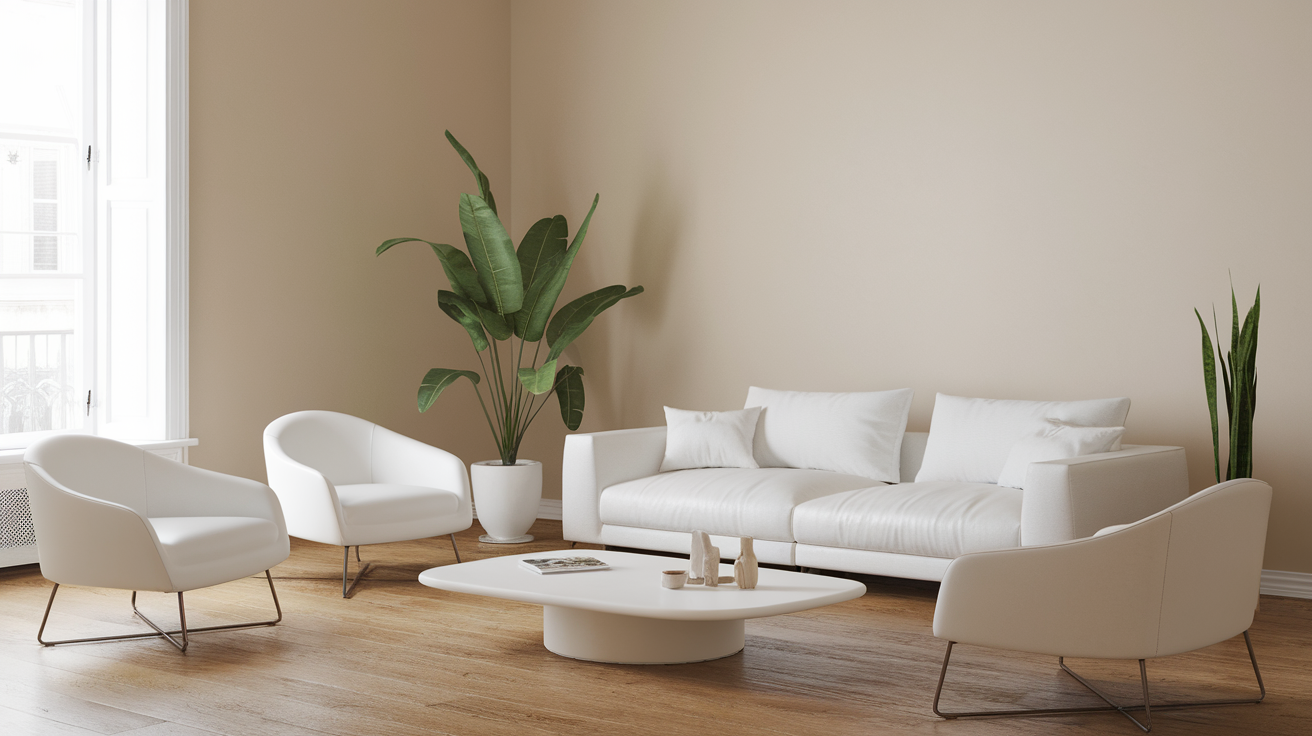
Minimalist living rooms offer something increasingly rare in modern homes – breathing space. These simplified spaces strip away excess decoration and unnecessary furniture, leaving only what truly serves a purpose. The result creates rooms that feel larger, calmer, and surprisingly more sophisticated than their cluttered counterparts.
The beauty of minimalist design lies in its accessibility. You don’t need expensive renovations or professional designers to achieve this aesthetic. Simple changes in how you arrange furniture, select colors, and organize belongings can transform any living room into a peaceful retreat. This approach works particularly well for smaller spaces, though larger rooms benefit equally from the clarity and focus that minimalism brings.
In the following sections, you’ll discover practical strategies for creating your own minimalist living room. From selecting the right furniture pieces to organizing everyday items invisibly, these ideas will help you craft a space that feels both functional and beautiful. Ready to clear the visual noise and create a living room that actually helps you relax?
What Makes a Living Room Truly Minimalist?
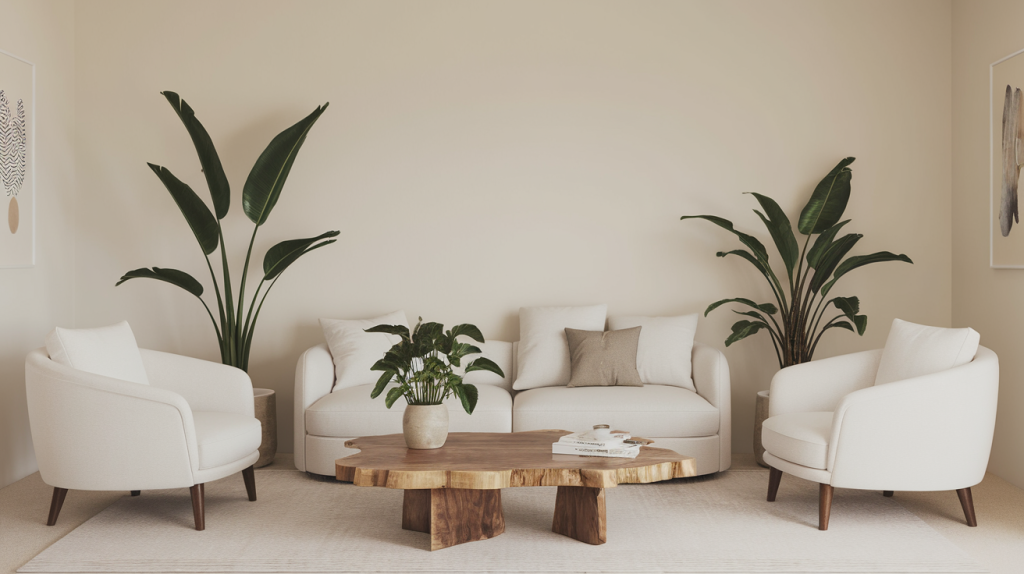
Creating a minimalist living room goes beyond simply removing furniture and calling it done. The philosophy centers on intentional choices about what stays and what goes, with every remaining piece earning its place through function or genuine beauty. This approach requires thoughtful consideration rather than arbitrary reduction.
Function Over Decoration
Your living room should work for your actual lifestyle, not an imagined one. Start by observing how you really use the space. Do you watch television nightly? Then the TV setup matters. Prefer reading? Focus on comfortable seating and good lighting. Remove items that serve hypothetical purposes – the formal chairs no one sits in, decorative bowls that collect dust, or coffee table books you never open.
The shift from decorative to functional thinking changes everything about room design. Instead of filling empty corners with random furniture, leave them open. Rather than covering every surface with accessories, keep them clear for actual use. This mindset creates rooms that support daily life rather than complicate it.
Essential Furniture Only
Determining essential furniture requires honest assessment of your needs. Most living rooms function beautifully with just a sofa, one or two additional seats, and a surface for placing drinks or books. Everything else becomes optional based on specific requirements.
Consider how many people typically gather in your living room. A couple might need only a loveseat and single chair, while families require more seating. But avoid the common mistake of preparing for rare occasions. If you host large groups twice yearly, don’t arrange your everyday space around those infrequent events.
Quality matters more than quantity in minimalist spaces. One well-made sofa that fits perfectly beats three mismatched pieces that crowd the room. This principle applies to every furniture choice – better to wait and save for the right piece than fill space with compromises.
Clear Surfaces and Open Space
Surfaces attract clutter like magnets attract metal. The coffee table becomes a landing zone for mail, remotes, cups, and random objects. Side tables collect similar debris. Minimalist design breaks this cycle by keeping surfaces intentionally clear.
This doesn’t mean surfaces stay completely empty. A single beautiful object or carefully chosen book can enhance a table. The key lies in making deliberate choices rather than allowing accumulation. When surfaces stay mostly clear, the few items you do display gain more visual impact.
Open floor space serves a purpose beyond aesthetics. It makes rooms feel larger and more peaceful. It simplifies cleaning. It allows furniture arrangements to change easily when needed. Children can play without navigating obstacle courses. Adults can walk without dodging furniture. This spaciousness becomes particularly valuable in smaller homes where every square foot counts.
Natural Light Emphasis
Windows deserve star treatment in minimalist rooms. Heavy drapes and elaborate window treatments block precious natural light while adding visual weight. Simple blinds or sheer curtains provide privacy when needed without overwhelming the space.
Maximizing natural light might mean removing furniture that blocks windows or repositioning mirrors to reflect daylight deeper into rooms. Some windows might not need any covering at all, depending on privacy concerns. The goal involves letting rooms breathe through connections to the outdoors.
Quality Over Quantity Approach
This principle extends beyond furniture to every aspect of room design. One stunning piece of art outweighs gallery walls of mediocre prints. A single healthy plant makes more impact than several struggling specimens. Two luxurious throw pillows beat six cheap ones.
Focusing on quality changes how you shop and decorate. Instead of impulse purchases to fill perceived gaps, you wait for pieces that genuinely improve the space. This patience results in rooms that feel curated rather than accumulated, where every element contributes to the overall harmony.
How to Choose the Perfect Color Palette
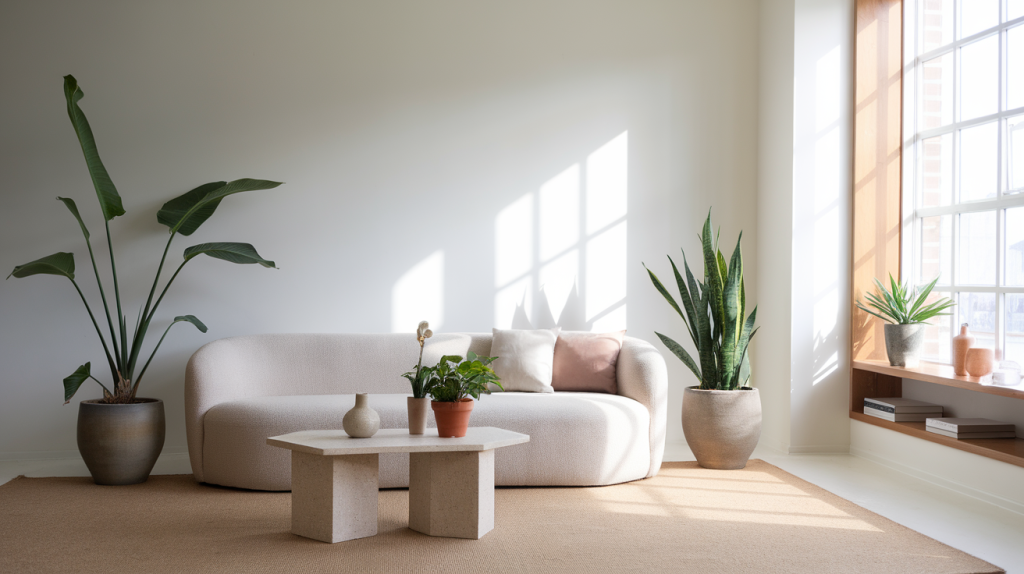
Color profoundly affects how spacious and serene a room feels. Minimalist palettes typically rely on restraint rather than variety, using subtle variations to create interest without chaos. The right color choices can make small rooms feel larger and busy minds feel calmer.
Neutral Foundations
White walls remain the classic minimalist choice for good reason. They reflect maximum light, make spaces feel larger, and provide a clean backdrop for furniture and art. But white isn’t your only option. Soft grays, warm beiges, and pale earth tones offer similar benefits while adding subtle personality.
The specific neutral you choose should consider your room’s natural light. North-facing rooms with cool light might benefit from warmer neutrals to counteract chilliness. South-facing spaces with abundant warm light can handle cooler grays without feeling cold. Test paint samples at different times of day before committing – colors shift dramatically with changing light.
Monochromatic Schemes
Working within a single color family creates sophisticated, cohesive spaces. This doesn’t mean everything matches exactly. Instead, you layer different shades and tones of the same hue. A gray room might include charcoal sofas, silver cushions, and pearl walls, all working together harmoniously.
Monochromatic schemes simplify decision-making while allowing subtle variety. They feel intentional without trying too hard. This approach works particularly well for people who find color selection overwhelming – choosing variations of one color feels less daunting than coordinating multiple hues.
The trick lies in incorporating enough variation to avoid monotony. Mix light, medium, and dark values. Combine warm and cool undertones within your chosen color family. Add metallic accents in complementary finishes. These subtle differences create depth without disrupting the overall calm.
Adding Subtle Contrast
While minimalist spaces often feature limited color, strategic contrast prevents them from feeling flat. This might mean painting one wall slightly darker than others, or choosing a sofa in a deeper tone than the walls. The contrast should whisper rather than shout.
Black accents provide powerful punctuation in pale rooms. A black picture frame, lamp base, or throw pillow adds definition without overwhelming. These dark elements ground the space and prevent it from feeling washed out. Use them sparingly – too many black accents can feel heavy.
Natural wood tones offer another form of gentle contrast. A walnut coffee table against white walls, or oak floors beneath gray furnishings, brings warmth without adding actual color. These organic elements connect indoor spaces to nature while maintaining minimalist principles.
Working with Textures Instead of Colors
When color remains limited, texture becomes crucial for visual interest. Rough linen contrasts smooth leather. Nubby wool plays against polished wood. These textural variations engage the eye without adding rainbow chaos.
Consider these texture combinations for your living room:
Smooth + Rough: Pair sleek furniture with textured throw blankets or pillows
Matte + Glossy: Combine flat-painted walls with metallic accents or glass surfaces
Soft + Hard: Balance upholstered seating with wooden or metal tables
Natural + Manufactured: Mix organic materials with modern synthetic pieces
Layering textures adds richness to neutral spaces. A cream sofa gains interest with a chunky knit throw, linen pillows, and perhaps a sheepskin accent. The colors stay consistent while textures provide variety.
Paint Techniques for Depth
Special paint techniques can add subtle dimension to minimalist walls without introducing multiple colors. Limewash creates organic variation within a single tone. Venetian plaster adds barely-there texture. Even quality flat paint versus eggshell finish on different walls creates gentle contrast.
These techniques work best when understated. The goal isn’t dramatic effect but subtle enrichment. Visitors might not consciously notice the technique, but they’ll sense the sophistication it brings. This restraint distinguishes minimalist spaces from both stark emptiness and overdone decoration.
Some women worry that neutral, minimalist palettes will feel boring or impersonal. But limitation breeds creativity. Working within constraints forces you to pay attention to subtleties – the way afternoon light warms beige walls, how shadows play across textured surfaces, the peaceful feeling of visual quiet. These rooms provide calm backdrops for life’s colorful moments rather than competing for attention.
Which Furniture Pieces Actually Matter
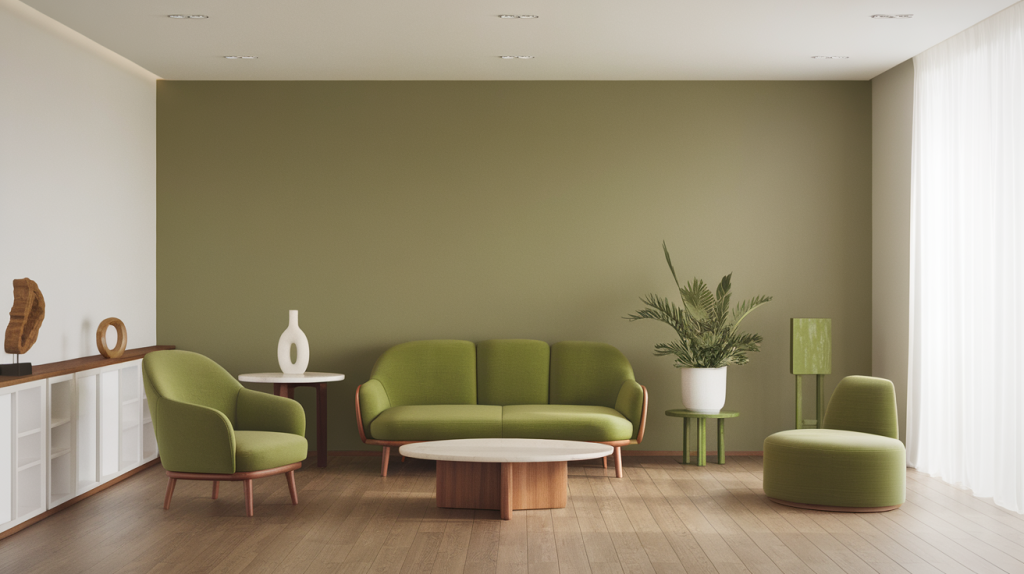
Selecting furniture for a minimalist living room means choosing pieces that work hard while looking effortless. Every item should serve a clear purpose, with bonus points for serving multiple purposes. This selective approach creates rooms that feel spacious yet fully functional.
The Statement Sofa Selection
Your sofa anchors the entire living room, making it worth serious consideration. In minimalist design, this piece often stands alone as the primary seating, so it must deliver both comfort and visual appeal. Skip the sectionals unless your room truly demands that much seating – they often overwhelm spaces and limit arrangement flexibility.
The ideal minimalist sofa features clean lines without fussy details. Avoid tufting, busy patterns, or ornate legs that add visual noise. Instead, look for simple profiles with quality construction. The silhouette should feel timeless rather than trendy, since you’ll keep this piece for years.
Color selection for sofas requires strategic thinking. Neutral tones offer maximum flexibility, allowing you to change accent pieces without replacing major furniture. But don’t automatically default to beige – charcoal, navy, or even deep green can work beautifully as long as they coordinate with your overall palette.
Size matters tremendously. Measure your room carefully, accounting for walking paths and other furniture placement. A properly scaled sofa looks intentional, while one too large or small throws off the entire room balance. When in doubt, slightly smaller usually works better than too large in minimalist spaces.
Coffee Table Alternatives
Traditional coffee tables often become clutter magnets, undermining minimalist goals. Consider alternatives that provide surface space without encouraging accumulation. A simple ottoman offers a place to rest feet while hiding storage inside. A pair of small side tables can be moved as needed, providing flexibility standard coffee tables lack.
Some rooms work beautifully without any coffee table at all. If you rarely eat or work in the living room, question whether you really need this piece. A small side table next to the sofa might suffice for placing drinks, leaving the center floor space gloriously open.
When you do choose a coffee table, seek designs with built-in organization. Options with lower shelves or hidden drawers help maintain clear surfaces. Glass tops feel less visually heavy than solid wood, though they require more frequent cleaning. Metal frames with minimal profiles practically disappear while providing necessary function.
Storage That Disappears
Minimalist living rooms still need storage – the trick lies in making it invisible. Built-in shelving along one wall provides substantial space without protruding into the room. Floating shelves offer display space without the visual weight of traditional bookcases.
Media consoles deserve careful selection since they often become focal points. Choose low profiles that don’t dominate sight lines. Closed storage hides equipment and accessories better than open shelving, maintaining the clean aesthetic. Some people mount televisions on walls and skip media furniture entirely, though this requires hiding cords effectively.
Consider furniture that doesn’t look like storage. A beautiful credenza might hold board games and extra blankets while appearing purely decorative. Window seats with hinged tops provide seating and hidden storage simultaneously. Even the space under sofas can accommodate shallow bins if chosen carefully.
Multi-functional Pieces
Furniture that serves double duty reduces the total pieces needed. A bench with storage compartments provides extra seating and organization. Nesting tables tuck away when not needed but expand for entertaining. Console tables behind sofas offer surface space without requiring additional floor footage.
The best multi-functional pieces don’t announce their utility. They simply look like attractive furniture until you need their secondary function. This understated versatility perfectly suits minimalist aesthetics while maximizing practicality.
What to Skip Entirely
Certain furniture pieces rarely justify their space in minimalist living rooms. Eliminate these common culprits to instantly create more breathing room.
Excessive accent chairs often go unused while cluttering floor space. One additional seat beyond your sofa usually suffices unless you regularly host groups. Those decorative chairs that no one sits in? They’re just expensive sculptures taking up valuable space.
Traditional entertainment centers feel outdated and bulky. Modern thin televisions don’t need massive furniture pieces to support them. Wall mounting or simple stands work better while using less floor space.
Display cabinets and curio cases conflict with minimalist principles unless you’re genuinely displaying museum-worthy collections. Most tchotchkes don’t deserve dedicated furniture. If items aren’t beautiful or useful enough to display openly, perhaps they don’t belong in your living room at all.
Excessive side tables create surface area that attracts clutter. One table within reach of seating usually suffices. Those decorative tables placed randomly around rooms serve no real purpose beyond filling space you’re afraid to leave empty.
How to Create Visual Interest Without Clutter

Minimalist rooms risk feeling sterile without careful attention to visual engagement. The challenge involves adding interest through strategic choices rather than accumulation. These techniques create dynamic spaces that captivate without overwhelming.
Strategic Use of Negative Space
Empty space isn’t wasted space – it’s a design element as important as furniture. These breathing areas give eyes places to rest and make occupied areas more impactful. The key lies in creating intentional negative space rather than random gaps.
Position furniture to create clear zones of activity and emptiness. A sofa floating in the room with open space behind it feels more sculptural than one pushed against walls. Leave corners empty rather than filling them reflexively. Allow walls to breathe between furniture pieces instead of lining everything up like soldiers.
The amount of negative space affects room feeling dramatically. Too little creates claustrophobia, while too much feels vacant. Aim for balance – enough openness to feel spacious but sufficient furnishing to feel inhabited. This proportion varies with room size and ceiling height, requiring experimentation to find your sweet spot.
Negative space works horizontally and vertically. Don’t hang art on every wall or fill all shelf space. These empty areas make displayed items more powerful. Think of negative space as a frame that highlights what you’ve chosen to include.
Architectural Features as Focal Points
Instead of adding decorative elements, highlight existing architectural interest. Beautiful windows, exposed beams, interesting moldings, or unique flooring can become focal points without adding any objects to the room.
A stunning window view needs no competition from interior decoration. Arrange furniture to take advantage of natural vistas rather than blocking them. If privacy isn’t a concern, leave windows completely uncovered to maximize this connection to outdoors.
Fireplaces naturally draw attention. In minimalist rooms, resist the urge to clutter mantels with knickknacks. A single piece of art or nothing at all keeps focus on the architectural element itself. The fireplace structure provides sufficient visual interest without embellishment.
Original architectural details like brick walls, wooden beams, or interesting ceiling treatments deserve spotlight treatment. Paint surrounding walls in neutral tones that don’t compete. Position lighting to highlight these features after dark. Let the building’s bones provide character instead of adding decorative band-aids.
One Artwork Rule
Many minimalist designers advocate displaying one significant piece of art rather than collections. This singular focus creates impact impossible to achieve with gallery walls or scattered decorations. The chosen piece becomes a statement about your taste and values.
Selecting this single artwork requires consideration. Size should relate to wall proportions – too small feels lost while oversized overwhelms. The piece should resonate personally rather than following trends. This isn’t about matching your sofa but choosing art that genuinely moves you.
Placement deserves equal attention. Center the piece at eye level on a prominent wall. Give it breathing room – don’t crowd it with furniture or compete with nearby elements. Proper lighting, whether natural or artificial, ensures the artwork receives deserved attention.
This approach doesn’t mean you can’t own multiple artworks. Rotate pieces seasonally or when you crave change. Store additional art properly and swap pieces intentionally rather than trying to display everything simultaneously.
Plant Placement Strategies
Living plants bring organic beauty to minimalist spaces without adding clutter. The trick lies in choosing specimens thoughtfully and placing them strategically. One healthy, substantial plant often makes more impact than several small ones scattered around.
Select plants with interesting structural forms that complement minimalist aesthetics. A fiddle leaf fig tree, snake plant, or rubber plant provides sculptural interest. Avoid fussy plants requiring constant attention or those that drop leaves continuously – they’ll undermine the clean aesthetic you’re creating.
Placement should feel intentional rather than random. A large plant in an empty corner creates a living sculpture. A single orchid on a console table adds elegance. Hanging plants draw eyes upward without using floor space. Each plant should occupy a purposeful position rather than filling perceived empty spots.
The containers matter as much as the plants themselves. Choose planters that complement your color palette and style. Simple ceramic pots in neutral tones disappear visually. Alternatively, make the planter part of the design statement with a striking modern design or interesting texture.
Lighting as Decoration
Thoughtful lighting transforms minimalist rooms from stark to stunning. Instead of adding decorative objects, use light itself as the decoration. This approach maintains clean aesthetics while adding warmth and visual interest.
Start with maximizing natural light as discussed earlier. Then layer artificial lighting for evening ambiance. Skip overhead fixtures that create harsh, uniform illumination. Instead, use multiple light sources at different heights to create depth and shadow.
Here’s how to build your lighting scheme:
Ambient Foundation: Provide general illumination through indirect sources like wall sconces or cove lighting
Task Lighting: Add focused light where needed for reading or working
Accent Highlights: Use spotlights or directional fixtures to highlight architectural features or artwork
Mood Creators: Include dimmable options to adjust atmosphere for different occasions
The fixtures themselves should align with minimalist principles. Choose simple designs that don’t demand attention unless that’s your intention. A striking modern pendant light can serve as sculpture and illumination simultaneously. Otherwise, let fixtures recede visually while their light takes center stage.
Consider how light interacts with your space throughout the day. Morning sun might highlight one wall beautifully, while evening artificial light creates different focal points. Use these shifting patterns as dynamic decoration that changes naturally without adding physical objects.
Where to Hide Everyday Items
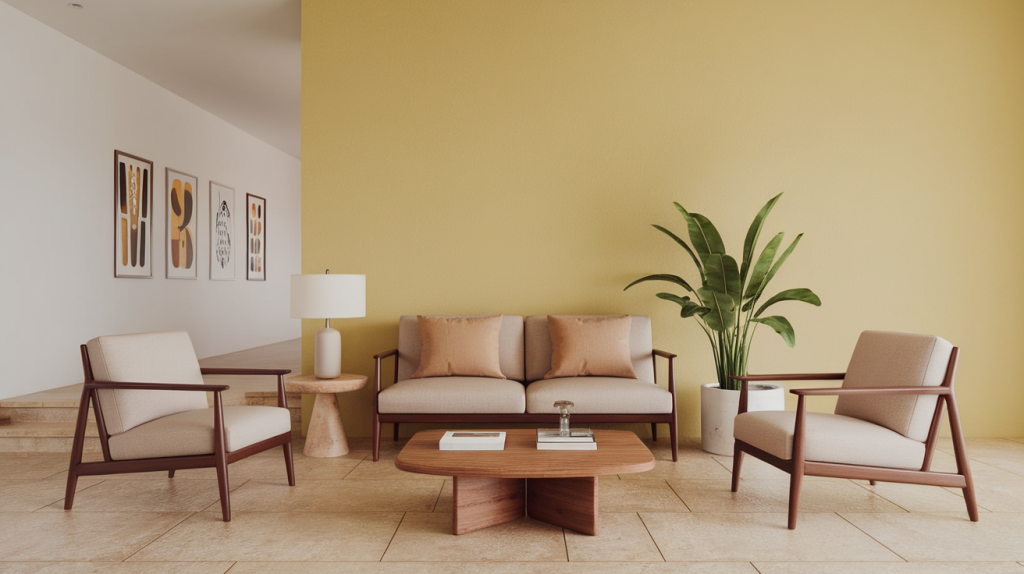
Real life involves stuff – remote controls, charging cables, books, blankets, and countless daily necessities. Minimalist living rooms must accommodate these items without sacrificing their clean aesthetic. Smart storage solutions make this possible.
Built-in Storage Solutions
Custom built-ins offer the ultimate invisible storage, appearing as architectural elements rather than furniture. Floor-to-ceiling cabinets along one wall can hold enormous amounts while maintaining clean lines. The investment pays off through both functionality and home value increase.
If full built-ins exceed your budget, consider partial solutions. Floating shelves with cabinets below provide display space and hidden storage. Recessed shelving between wall studs creates storage without protruding into the room. Even simple ledges running along walls at picture rail height offer display space without furniture footprint.
Planning built-ins requires thinking about what you’ll actually store. Measure your items before designing shelves. Include a mix of open and closed storage – open for attractive items, closed for everything else. Consider adding electrical outlets inside cabinets for charging stations that stay hidden when not in use.
Built-in window seats offer another storage opportunity. The bench provides seating while the interior holds seasonal items, extra pillows, or children’s toys. Add a cushion on top for comfort, choosing fabric that coordinates with your color scheme.
Furniture with Hidden Compartments
Modern furniture designers understand the minimalist need for concealed storage. Coffee tables lift to reveal interior compartments. Ottomans open for blanket storage. Even some sofas include built-in storage beneath seats.
When shopping for furniture, prioritize pieces with integrated storage over purely decorative options. That beautiful console might look perfect, but one with drawers provides form and function. The storage capacity doesn’t need to be obvious – in fact, it shouldn’t be. The best hidden storage furniture looks like regular furniture until you need the extra space.
Storage ottomans deserve special mention for their versatility. They provide seating, foot rest, and hidden storage in one piece. Choose styles that complement your sofa rather than matching exactly. Leather or fabric options work equally well depending on your aesthetic preferences.
Some creative furniture solutions include hollow bench legs that store magazines, side tables with lift-out trays for remotes, and bookcases with hidden drawers behind fake book spines. These clever designs maintain clean surfaces while keeping necessities close at hand.
Wall-mounted Options
Vertical storage maximizes space without cluttering floors. Wall-mounted solutions range from simple hooks to elaborate systems, all keeping items organized yet accessible.
Floating shelves provide display and storage without visual weight of traditional bookcases. Install them high to draw eyes upward and make ceilings feel taller. Group items carefully on these shelves – a few well-chosen objects look better than cramming every inch.
Wall-mounted desks or console tables offer surfaces that seem to float. When not in use, they take up minimal visual space. Some fold flat against walls when not needed, perfect for occasional laptop use without dedicating space to a permanent desk.
Consider unexpected wall storage like magnetic strips for small metal items, pegboard systems hidden behind artwork that swings open, or shallow picture ledges that hold more than just frames. These solutions add function without announcing themselves as storage.
Basket and Bin Systems
Sometimes the simplest solutions work best. Attractive baskets and bins provide flexible storage that can be easily reorganized as needs change. The key lies in choosing containers that enhance rather than detract from your aesthetic.
Select baskets in materials and colors that complement your space. Natural materials like rattan, jute, or canvas feel organic and warm. If you prefer modern aesthetics, sleek fabric bins or minimal wooden crates might suit better. Consistency matters – matching or coordinating containers look intentional while mismatched bins feel chaotic.
Label containers discretely if needed, but avoid obvious tags that announce contents. Small labels on bottom edges or inside lips keep you organized without advertising what’s stored. For frequently accessed items, you’ll quickly memorize what goes where without labels.
Size containers appropriately for their contents and storage location. Shallow bins slide under sofas for hidden storage. Larger baskets in corners hold throw blankets attractively. Small containers on shelves organize remote controls and small electronics. Each container should have a specific purpose rather than becoming a general catch-all.
Digital Alternatives to Physical Items
Technology offers powerful tools for reducing physical clutter. Many items traditionally kept in living rooms now have digital alternatives that take up no space at all.
Books represent a major storage challenge for many people. E-readers hold thousands of titles in a device smaller than a single paperback. While physical books offer unique pleasures, consider keeping only special editions or current reads physically present. The rest can live digitally, accessible but invisible.
Physical media like DVDs and CDs feel increasingly obsolete. Streaming services and digital music libraries eliminate entire entertainment centers worth of storage needs. If you own media not available digitally, consider converting it or storing it elsewhere than prime living room real estate.
Photo albums and frames multiply quickly. Digital frames rotate through thousands of images in the space of one traditional frame. Cloud storage keeps memories safe without physical bulk. Print only the most meaningful images for display, storing the rest digitally.
Even magazines and newspapers shift digital, eliminating piles of reading material. Tablets provide access to vast libraries of publications without paper accumulation. This transition feels especially liberating for those who struggle to discard old magazines “just in case” they want to reference something later.
Board games and puzzles, while fun, consume substantial storage space. Many now exist as apps, allowing family game night without physical boxes. Keep only true favorites that you play regularly, donating or storing others outside main living spaces.
The shift to digital shouldn’t feel like deprivation. Instead, it’s liberation from managing, organizing, and storing physical objects. Your living room gains space and serenity while you retain access to all your content – just in a different form.
Mastering the Art of Minimalist Living
Living with less doesn’t mean living without joy or comfort. The minimalist living room ideas explored here offer paths to spaces that feel both beautiful and functional. By focusing on quality over quantity, you create rooms that support your actual lifestyle rather than an imagined ideal. The careful selection of furniture, thoughtful use of color, and strategic storage solutions all work together to craft spaces that breathe.
The journey toward a minimalist living room happens gradually. Start with one area or principle that resonates most strongly. Perhaps you begin by clearing surfaces, or maybe selecting a calming color palette feels like the right first step. Small changes accumulate into transformation. As you experience the peace that comes from simplified spaces, motivation grows to continue the process. Your living room can become the serene sanctuary you deserve – a place where both your belongings and your mind find their proper place.
Frequently Asked Questions
Q: Do minimalist living rooms feel cold or unwelcoming?
A: Not when done thoughtfully. Minimalist spaces feel serene rather than cold when you incorporate soft textures, warm lighting, and comfortable seating. The key lies in choosing quality pieces that invite use rather than creating a showroom nobody wants to touch.
Q: How do I maintain a minimalist living room with kids?
A: Focus on easy-to-access storage systems that kids can use independently. Assign specific homes for toys, perhaps in baskets that slide under furniture or bins in a cabinet. Rotate toys regularly so fewer items stay out at once. Choose furniture with rounded corners and durable fabrics that handle real life.
Q: What if my partner doesn’t share my minimalist vision?
A: Start with compromises in shared spaces. Perhaps they keep collections or comfort items but in organized, designated areas. Focus on functionality benefits both of you enjoy – easier cleaning, more floor space, reduced visual stress. Lead by example in areas you control rather than forcing changes.
Q: Can I have a minimalist living room on a tight budget?
A: Absolutely. Minimalism saves money by reducing purchases. Start by removing excess rather than buying new items. When you do buy, choose quality second-hand pieces over cheap new furniture. Paint walls yourself for dramatic change at minimal cost. Focus on one improvement at a time rather than complete overhaul.
Q: How do I display collections in a minimalist space?
A: Edit ruthlessly to show only your best pieces. Rotate displays seasonally rather than showing everything at once. Group similar items together for impact. Use proper lighting to highlight collections. Consider dedicating one wall or shelf as your display area while keeping other surfaces clear.
Q: What about seasonal decorations in minimalist rooms?
A: Choose one or two meaningful pieces rather than covering every surface. Natural elements like branches or pinecones feel seasonal without cluttering. Swap throw pillow covers or blankets in seasonal colors for subtle changes. Store decorations properly so they stay beautiful year after year rather than accumulating more.
Q: How much seating do I really need?
A: Consider your typical use rather than occasional entertaining. Most couples need seating for 3-4 people daily. Families might need 4-6 seats. For rare larger gatherings, floor cushions stored elsewhere work wonderfully. Better to have comfortable daily living than year-round furniture for twice-yearly parties.
Q: Should everything match in a minimalist living room?
A: Coordination matters more than matching. Pieces should feel harmonious without being identical. Mix materials and subtle color variations within your palette. The goal involves cohesion rather than uniformity, creating spaces with personality while maintaining visual calm.