Key Takeaways
- Bathe sparingly: Newborns only need baths 2-3 times per week to avoid stripping natural oils that protect their delicate skin. Focus on keeping the diaper area clean with each change.
- Apply fragrance-free moisturizer: Use gentle, baby-specific products after baths while skin is still damp to lock in hydration and prevent dryness.
- Change diapers frequently: Check every 2-3 hours and change immediately after bowel movements to prevent diaper rash. Use barrier creams and allow air-time when possible.
- Avoid direct sun exposure: Keep babies under 6 months in the shade and use protective clothing instead of sunscreen. Their skin lacks melanin and burns easily.
- Choose gentle, fragrance-free products: Fragrances are common irritants. Read labels carefully and avoid parabens, phthalates, and sulfates in all baby care items.
- Maintain optimal environment: Keep room temperature between 68-72°F and humidity at 30-50% to prevent skin dryness and heat rash.
Bringing a newborn home fills parents with joy and questions. One area that often causes concern is caring for that delicate, soft skin. Baby skin is thinner and more sensitive than adult skin, making it prone to dryness, rashes, and irritation. First-time parents frequently worry about using the right products and techniques to keep their little one comfortable and healthy.
The good news is that newborn skin care doesn’t have to be complicated. You don’t need dozens of products or elaborate routines. What matters most is understanding a few basic principles and being gentle with your approach. Your baby’s skin has natural protective qualities, but it also needs support as it adjusts to life outside the womb.
Below 7 practical tips that address the most common skin care concerns new parents face. These guidelines cover everything from bathing frequency to product selection, helping you build confidence in caring for your newborn’s skin. Each tip provides straightforward information you can apply right away.
- Key Takeaways
- Keep Baby's Skin Clean but Not Over-Washed
- Moisturize Regularly with Safe Products
- Change Diapers Frequently to Prevent Rash
- Protect from Sun Exposure
- Use Gentle, Fragrance-Free Products
- Monitor for Skin Conditions and Reactions
- Maintain Proper Room Temperature and Humidity
- Final Thoughts on Caring for Your Newborn's Skin
- Frequently Asked Questions
Keep Baby’s Skin Clean but Not Over-Washed

Your newborn doesn’t need daily baths. In fact, bathing too often can strip away natural oils that protect their skin. Two to three times per week is plenty for most babies, as long as you clean the diaper area thoroughly with each change.
How Often Should You Bathe?
Newborns don’t get dirty the way older children do. They’re not crawling through mud or playing in sandboxes. Most of what needs cleaning happens in the diaper area, which you’re already handling multiple times daily.
Water Temperature Matters
Test bathwater with your elbow or wrist before placing your baby in the tub. The water should feel warm but not hot. A temperature around 100°F works well for most babies. Too hot, and you risk irritating their sensitive skin. Too cold, and bath time becomes uncomfortable.
During baths, focus on the folds. Neck creases, armpits, and the area behind the ears can trap moisture and milk. Gently clean these spots with plain water or a mild cleanser. Pat dry afterward rather than rubbing, which can cause irritation.
Signs You’re Over-Washing
Watch for these indicators:
- Dry patches: Rough, flaky areas that appear after bathing
- Redness: Skin that looks irritated or inflamed
- Increased fussiness: Your baby seems uncomfortable during or after baths
Some parents prefer quick sponge baths between full tub baths. This approach keeps your baby fresh without overdoing it. Use a soft washcloth dampened with warm water to wipe down the face, neck, and diaper area.
Moisturize Regularly with Safe Products

Newborn skin loses moisture faster than adult skin. This makes moisturizing an important part of your routine. Apply a gentle, fragrance-free moisturizer after baths while the skin is still slightly damp. This helps lock in hydration.
Look for products specifically formulated for babies. Adult lotions often contain ingredients that are too harsh for newborn skin. Read labels carefully and avoid anything with added fragrances, dyes, or alcohol.
Best Times to Moisturize
Right after a bath is ideal, but you can also apply moisturizer other times. If you notice dry patches developing, a small amount of lotion can help. Pay special attention to areas that get exposed to air frequently, like hands and face.
Some babies develop dry skin on their scalp, known as cradle cap. A bit of oil massaged gently into the scalp before bathing can help loosen flakes. Use a soft brush during the bath to remove them.
Choosing the Right Product
Not all baby moisturizers are created equal. Thick creams typically work better than thin lotions for very dry skin. Petroleum jelly can be useful for particularly dry patches or as a barrier in the diaper area. However, some babies react to certain ingredients, so introduce new products one at a time.
Check with your pediatrician if you’re unsure about a product. They can recommend specific brands that work well for sensitive skin. Keep moisturizer at room temperature, as cold lotion can startle your baby.
How Much to Use
A little goes a long way. Start with a small amount and add more if needed. Spread it evenly across the skin using gentle strokes. There’s no need to massage vigorously—light application is sufficient.
Change Diapers Frequently to Prevent Rash
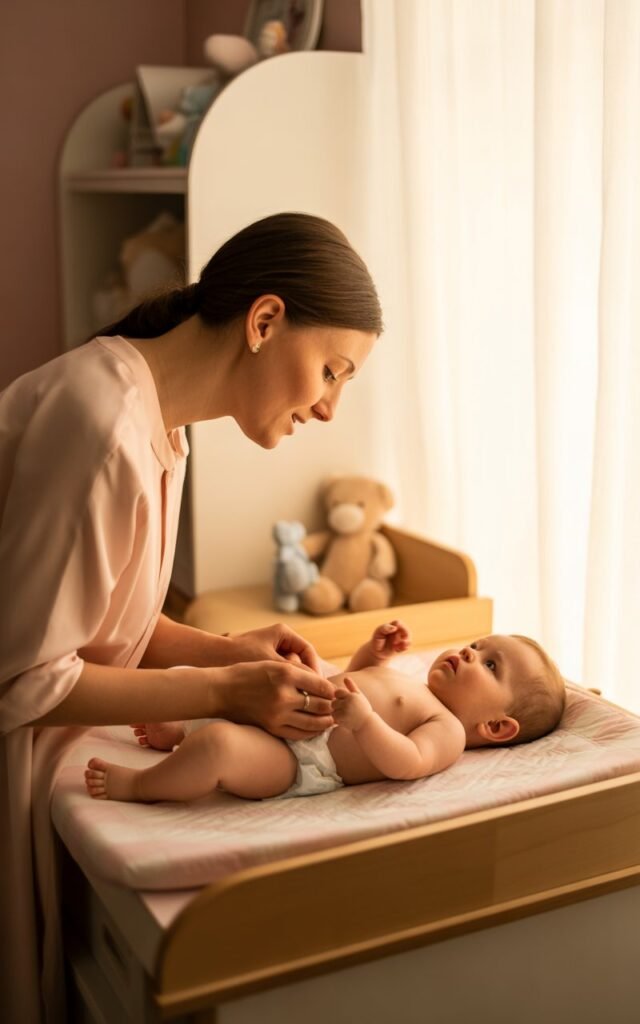
Diaper rash is one of the most common skin issues newborns face. The combination of moisture, friction, and exposure to urine and stool creates the perfect environment for irritation. Changing diapers promptly is your best defense.
Check your baby’s diaper every two to three hours, or immediately after bowel movements. Leaving a soiled diaper on too long allows bacteria to multiply and irritate the skin. Even wet diapers should be changed regularly to prevent moisture buildup.
Cleaning the Diaper Area
Use warm water and a soft cloth or fragrance-free baby wipes. Some wipes contain alcohol or fragrances that can sting irritated skin. If your baby already has a rash, plain warm water is gentler.
Wipe from front to back, especially for girls, to prevent infections. Make sure to clean all the creases and folds where moisture can hide. Pat the area dry completely before putting on a fresh diaper.
Preventing Rash Before It Starts
Here’s what helps:
- Barrier cream: Apply a thin layer of zinc oxide or petroleum jelly at each change
- Air time: Let your baby go diaper-free for short periods to air out the skin
- Proper fit: Make sure diapers aren’t too tight, which can cause friction
If a rash does develop, continue changing frequently and apply a thick barrier cream. Most diaper rashes clear up within a few days with consistent care. Contact your pediatrician if the rash spreads, looks infected, or doesn’t improve.
Some parents find that certain diaper brands irritate their baby’s skin more than others. If rashes are frequent, trying a different brand might help.
Protect from Sun Exposure

Newborn skin has very little melanin, the pigment that provides some protection from the sun. This makes babies extremely vulnerable to sunburn. Direct sun exposure should be avoided for babies under six months.
Keep your baby in the shade whenever possible. If you’re outside, position the stroller so a canopy blocks the sun. Lightweight, long-sleeved clothing provides additional protection. Light-colored fabrics reflect heat better than dark colors.
What About Sunscreen?
Most pediatricians recommend avoiding sunscreen on babies younger than six months. Their skin is too sensitive for most formulations. Instead, focus on protective clothing and shade.
If you absolutely cannot avoid sun exposure—say, during a necessary outing—a small amount of sunscreen on exposed areas like hands and face is acceptable. Choose a mineral-based sunscreen with zinc oxide or titanium dioxide. These sit on top of the skin rather than being absorbed.
Indoor Sun Protection
Sun can stream through windows, even indoors. If your baby sleeps near a window or spends time in a sunny room, consider light curtains or shades. Car windows also let in UV rays, so keep this in mind during drives.
Morning and late afternoon sun is less intense than midday rays. Plan outdoor activities during these times if possible. Even on cloudy days, UV rays penetrate the atmosphere, so continue taking precautions.
Watch for signs of overheating. Babies can’t regulate their body temperature as well as adults. If your little one seems flushed or sweaty, move to a cooler location and remove a layer of clothing.
Use Gentle, Fragrance-Free Products
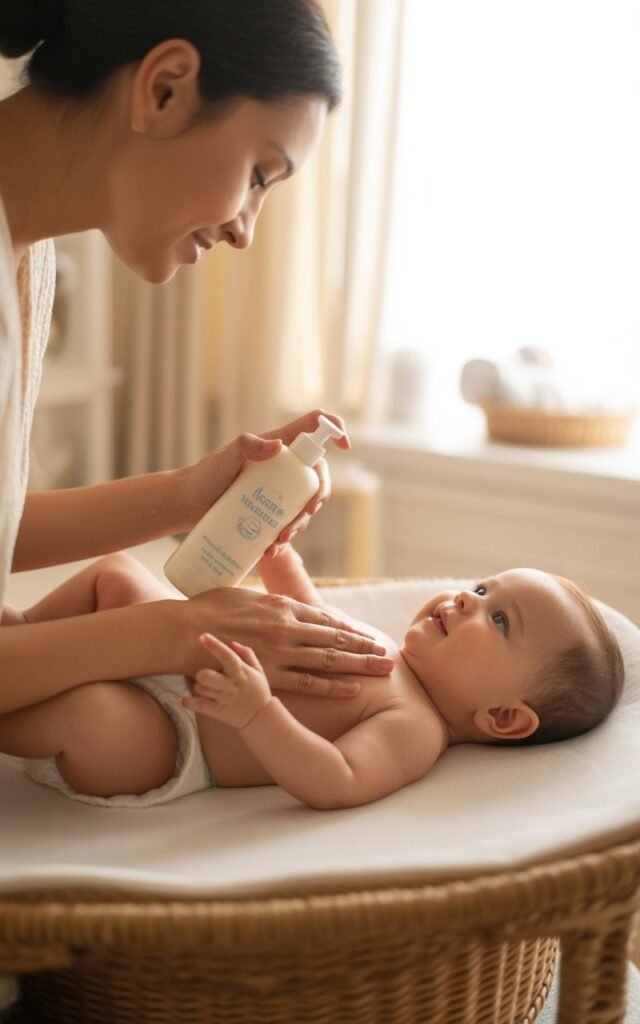
Fragrances might smell nice, but they’re one of the most common irritants in baby products. Many so-called “baby fresh” scents contain chemicals that can trigger reactions in sensitive skin. Stick with products labeled fragrance-free rather than unscented.
Reading Product Labels
Look for short ingredient lists with recognizable items. Avoid products containing parabens, phthalates, or sulfates. These additives serve various purposes but aren’t necessary for effective cleaning or moisturizing.
Natural doesn’t always mean safe. Some plant-based ingredients can still cause reactions. Essential oils, for example, are natural but can irritate newborn skin. Your safest bet is choosing products specifically tested for baby use.
Consider these guidelines:
- Soap: Use mild, soap-free cleansers designed for babies
- Laundry detergent: Choose gentle formulas without dyes or perfumes
- Wipes: Look for water-based options with minimal additives
Testing New Products
Before using a new product all over your baby’s body, test it on a small patch of skin first. Apply a little to the inside of their arm and wait 24 hours. If no redness or irritation appears, it’s likely safe to use more broadly.
Some babies react to products that work fine for others. What’s gentle for one infant might cause problems for another. Trust your observations and switch products if you notice any issues.
What About Homemade Solutions?
Some parents prefer making their own baby care products. While this can work, be cautious. Not all homemade recipes are safe or effective. If you choose this route, research thoroughly and consult your pediatrician.
Store-bought products undergo safety testing that homemade versions don’t. This testing helps identify potential hazards. If you do make your own, keep recipes simple and avoid ingredients you’re unsure about.
Monitor for Skin Conditions and Reactions
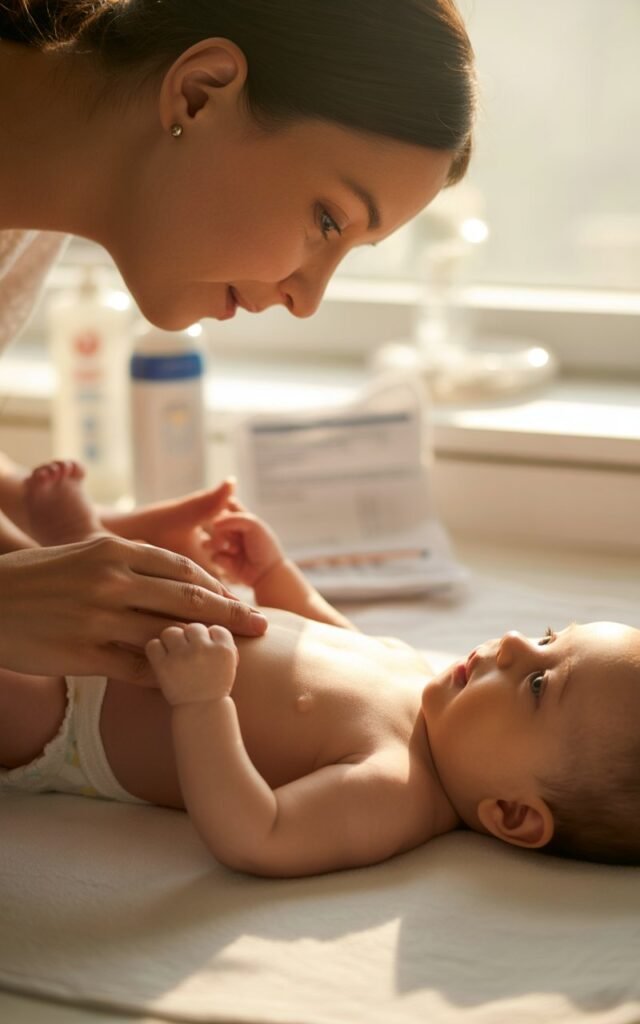
Newborns commonly develop various skin conditions that, while often harmless, can worry new parents. Learning to recognize normal newborn skin changes helps you respond appropriately.
Baby acne appears in about 20% of newborns. These small red bumps typically show up on the face and resolve on their own within a few weeks. Don’t squeeze or treat them with acne medication. Just keep the area clean.
Common Conditions to Know
Milia are tiny white bumps that look like whiteheads. They appear when dead skin cells get trapped beneath the surface. These also clear up without treatment, usually within a month.
Heat rash shows up as small red bumps, often in areas where clothing fits snugly. Moving your baby to a cooler environment and dressing them in lighter clothes usually helps. The rash typically fades quickly once the baby cools down.
What Requires Medical Attention
Contact your pediatrician if you notice:
- Oozing or crusting: Signs of possible infection
- Severe redness: Especially if spreading rapidly
- Fever: Along with any rash
- Unusual texture: Very rough or scaly patches
Eczema can develop in infants, appearing as dry, itchy patches. While manageable, it requires proper diagnosis and treatment. Your doctor might recommend specific moisturizers or, in severe cases, prescription creams.
Allergic Reactions
Food allergies can show up as skin rashes, even in exclusively breastfed babies. If you notice hives, significant redness, or swelling after introducing new foods to your diet (if breastfeeding) or formula, contact your pediatrician.
Some reactions happen immediately, while others develop over hours. Keep track of what your baby consumes and any skin changes you observe. This information helps your doctor identify potential triggers.
Maintain Proper Room Temperature and Humidity

The environment where your baby spends most of their time affects their skin health. Air that’s too dry pulls moisture from skin, leading to dryness and irritation. Conversely, excessive humidity can contribute to heat rash and discomfort.
Aim for a room temperature between 68-72°F. This range keeps most babies comfortable without overheating. Use a room thermometer to monitor conditions accurately, as our perception of temperature isn’t always reliable.
Humidity Levels Matter
Indoor air, especially during winter when heating systems run constantly, can become very dry. This dries out baby’s skin. A cool-mist humidifier adds moisture back into the air. Place it safely out of your baby’s reach and clean it regularly to prevent mold growth.
Check humidity levels with a hygrometer. The ideal range is 30-50%. Too much humidity creates a breeding ground for mold and dust mites. Too little dries out skin and respiratory passages.
During summer, air conditioning can also dry the air. While you need cooling for comfort, consider running a humidifier simultaneously if you notice your baby’s skin becoming dry.
Dressing for the Temperature
How you dress your baby affects their skin too. Overdressing causes sweating, which can lead to heat rash. As a general rule, dress your baby in one more layer than you’re wearing. If you’re comfortable in a t-shirt, your baby probably needs a light long-sleeved shirt.
Choose breathable fabrics like cotton. Synthetic materials trap heat and moisture against the skin. Loose-fitting clothes allow air circulation, which helps regulate temperature and prevents irritation from friction.
Check your baby’s neck or back to gauge if they’re too warm or cold. These areas give a more accurate reading than hands or feet, which often feel cool even when the baby is comfortable.
Final Thoughts on Caring for Your Newborn’s Skin
Taking care of your baby’s skin doesn’t require complicated routines or expensive products. Focus on the basics: gentle cleaning, adequate moisture, and protection from irritants. Trust your instincts and don’t hesitate to ask questions.
Every baby is different. What works perfectly for one might not suit another. Pay attention to how your baby’s skin responds to different products and practices. Adjust your approach based on what you observe. With time, you’ll develop a routine that keeps your little one’s skin healthy and comfortable while building your confidence as a parent.
Frequently Asked Questions
Q: How often should I bathe my newborn?
A: Two to three times per week is sufficient for most newborns. Daily baths can strip natural oils and dry out their skin. Clean the diaper area thoroughly at each change, and use a damp cloth for quick cleanups of the face and neck between baths.
Q: Is baby powder safe to use?
A: Most pediatricians recommend avoiding talcum powder due to inhalation risks. If you want to use powder in the diaper area, choose cornstarch-based options. However, keeping the skin clean and dry without powder is usually adequate.
Q: What should I do about cradle cap?
A: Gently massage a small amount of baby oil or petroleum jelly into the scalp before bathing. Use a soft brush during the bath to loosen flakes. Avoid picking at the scales, as this can irritate the skin. Cradle cap typically resolves within a few months.
Q: Can I use coconut oil on my baby’s skin?
A: While some parents use coconut oil successfully, it doesn’t work for every baby. Some infants develop reactions to it. If you want to try it, test on a small area first and choose virgin, unrefined coconut oil. Stop using it if you notice any redness or irritation.
Q: How can I tell if my baby has eczema?
A: Eczema appears as dry, rough, itchy patches, often on the face, scalp, or outer parts of arms and legs. The skin may look red and inflamed. If you suspect eczema, consult your pediatrician for proper diagnosis and treatment recommendations.
Q: Why does my baby’s skin peel?
A: Peeling skin is completely normal in newborns, especially during the first few weeks. It happens as your baby sheds the vernix and adjusts to being outside the womb. The peeling usually stops on its own. You can apply a gentle moisturizer, but don’t pull off the peeling skin.
Q: What’s the difference between baby acne and a rash?
A: Baby acne appears as small red or white bumps, mainly on the face. It doesn’t seem to bother the baby and clears up on its own. Rashes can appear anywhere on the body, may be flat or raised, and sometimes cause discomfort. If you’re unsure, show your pediatrician.
Q: Are hypoallergenic products always safe?
A: “Hypoallergenic” means a product is less likely to cause allergic reactions, but it’s not a guarantee. Babies can still react to hypoallergenic products. Always patch test new items and watch for any signs of irritation, regardless of product claims.
Q: Should I worry about dry skin on my baby’s hands?
A: Some dryness on hands is normal since they’re frequently exposed to air and saliva from hand-sucking. Apply a gentle moisturizer after baths and as needed throughout the day. If the dryness persists, becomes severe, or spreads, consult your pediatrician.