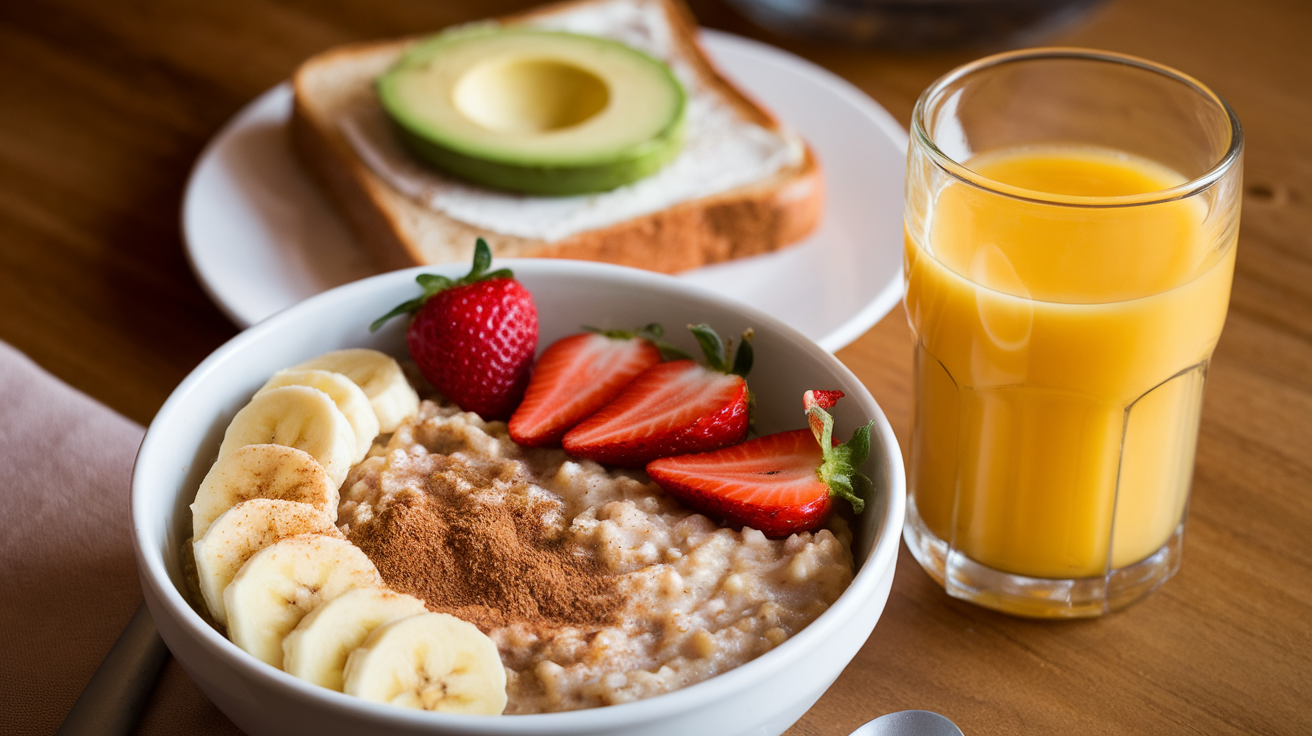
Morning meals set the tone for how your family feels throughout the day. Getting kids to eat something nutritious before school or play can be challenging, especially with busy schedules and picky eating habits. You want options that are both appealing to young taste buds and packed with the nutrients growing bodies need.
The good news is that healthy eating doesn’t have to mean spending hours in the kitchen or fighting battles at the breakfast table. Simple combinations of whole grains, protein, and fresh fruits can fuel both children and parents without requiring complicated recipes or hard-to-find ingredients. These meals work because they satisfy hunger while providing sustained energy for busy mornings.
Below you’ll find seven breakfast options that check all the boxes: quick to prepare, nutritious, and tasty enough that your kids will actually eat them. Each one offers room for customization based on what your family likes and what you already have in your pantry.
Overnight Oats
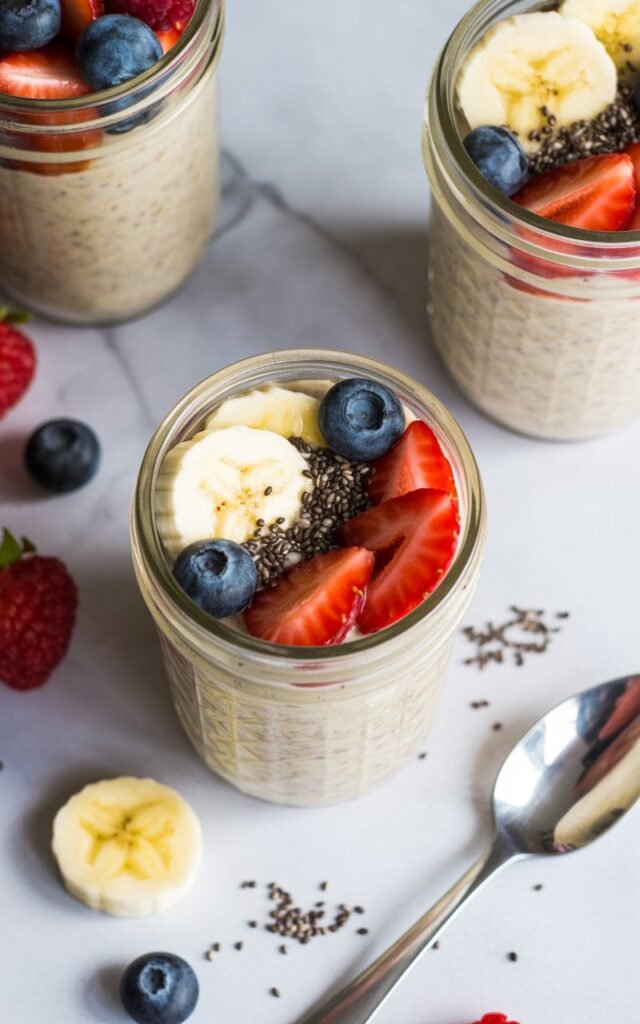
Preparation doesn’t get much simpler than this no-cook option. You combine oats with milk or yogurt the night before, let them soak in the refrigerator, and wake up to a ready-to-eat meal. The soaking process softens the oats naturally, creating a creamy texture that many children find appealing.
Why This Works for Busy Families
The beauty of this option lies in its flexibility. You can prepare multiple jars at once, giving you several days’ worth of breakfasts in one session. Each family member can customize their jar with different toppings and flavors.
Basic Preparation Method
Start with a ratio of one part oats to one part liquid in a mason jar or container. Add a pinch of cinnamon or vanilla for flavor. Seal and refrigerate for at least four hours or overnight. The oats absorb the liquid and become soft and creamy.
Mix-ins add nutrition and flavor:
Fresh Berries: Blueberries, strawberries, or raspberries add antioxidants and natural sweetness.
Nut Butter: A spoonful provides healthy fats and protein that keep hunger away longer.
Banana Slices: These add potassium and make the meal more filling.
Chia Seeds: These tiny seeds boost fiber and omega-3 content.
You can warm them in the microwave for 30 seconds if your kids prefer a warm breakfast. Some children like them cold straight from the fridge, especially during warmer months.
Storage Tips
These stay fresh in the refrigerator for up to five days. Make a batch on Sunday evening and you’ve solved breakfast for most of the school week. Just grab a jar each morning and add fresh fruit right before serving.
Smoothie Bowls
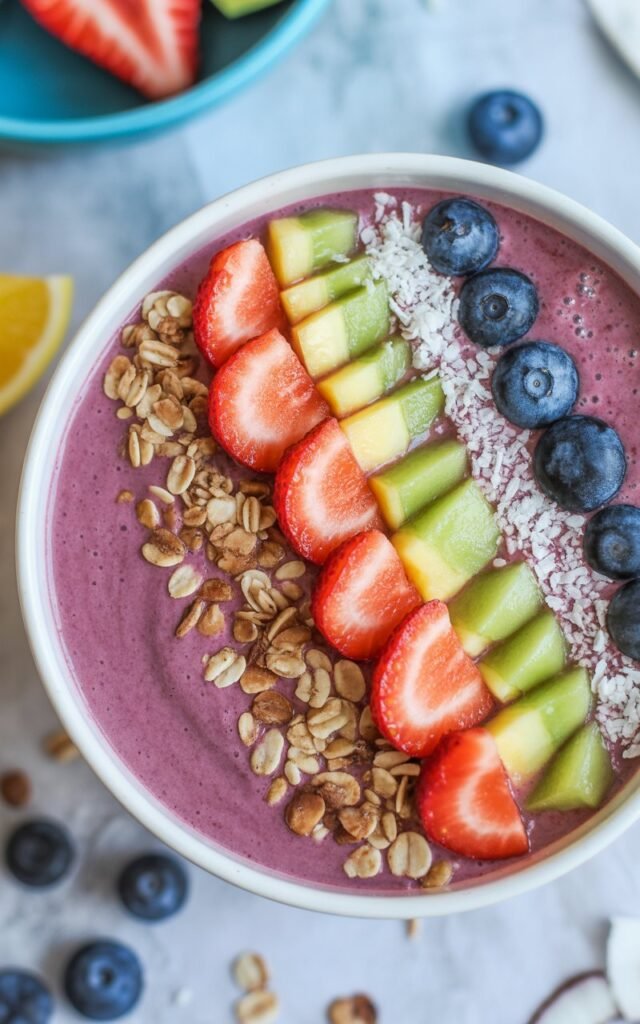
Think of these as thicker versions of regular smoothies that you eat with a spoon. The consistency is similar to soft-serve ice cream, which makes them fun for kids while still delivering serious nutrition. You blend frozen fruit with a small amount of liquid to create a thick base, then top it with crunchy additions.
Creating the Perfect Base
Frozen bananas form the foundation for most bowls. They create that creamy texture without needing ice cream or excessive sweetener. Add a handful of frozen berries for color and extra vitamins. Pour in just enough milk or juice to help the blender work, but not so much that it becomes thin.
The key is using less liquid than you would for a drinkable smoothie. Start with a quarter cup and add more only if needed. The mixture should be thick enough that a spoon stands up in it.
Topping Options
This is where kids can get creative and feel involved in making their breakfast. Set out small bowls with different toppings and let them design their own meal.
Fresh fruit slices add natural sweetness. Granola provides a satisfying crunch. A drizzle of honey or maple syrup can win over reluctant eaters. Coconut flakes offer texture variety.
Nutritional Boost
Sneak in some spinach or kale before blending. The frozen fruit masks the vegetable flavor completely. Your children get extra vitamins and minerals without even knowing. A scoop of protein powder also works well if you have picky eaters who don’t get enough protein.
Making It Easier
Prepare smoothie packs in advance by portioning frozen fruit and any add-ins into freezer bags. In the morning, dump one bag into the blender, add liquid, and blend. Top and serve. This cuts morning prep time to just minutes.
Some children eat better when their food looks appealing. Use different colored fruits to create patterns or designs on top. Purple berries, orange mango, and green kiwi make a rainbow effect that gets kids excited about eating.
Whole Grain Pancakes
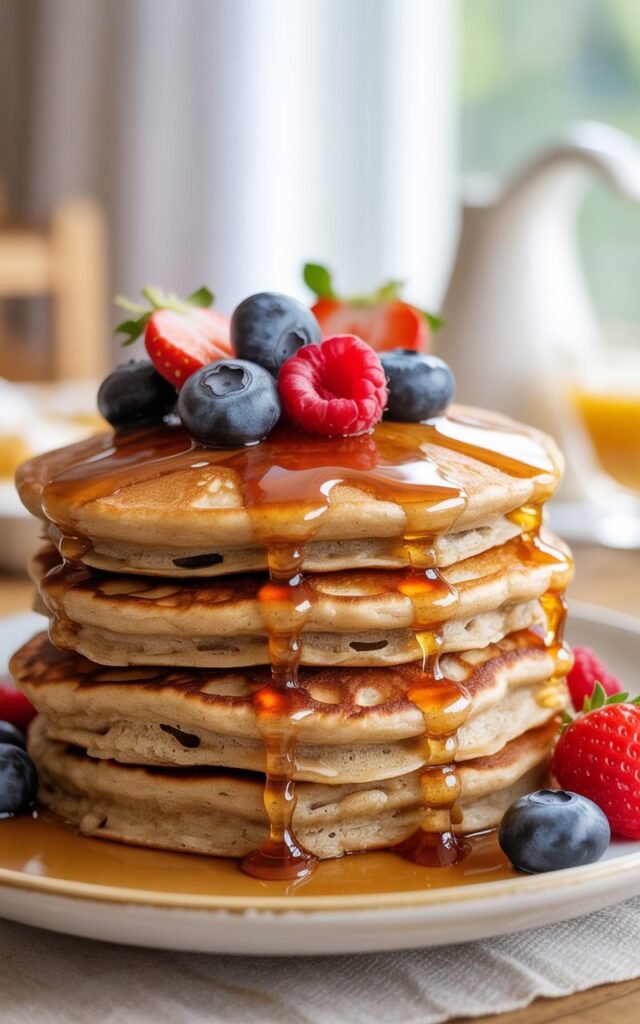
Pancakes don’t have to be a weekend-only treat. Making them with whole grain flour transforms this classic into a weekday option that offers more nutrition than white flour versions. The whole grains provide fiber and B vitamins that refined flour lacks.
Quick Weekday Version
Mix your dry ingredients in a large batch on the weekend. Combine whole wheat flour, baking powder, a pinch of salt, and a touch of cinnamon in a container. Store this mix in your pantry. On busy mornings, add milk, an egg, and a bit of oil to the dry mix, stir quickly, and cook.
Each pancake takes about two minutes per side on a griddle or pan. You can cook several at once if you have a large cooking surface.
Hiding Vegetables
Grate a small zucchini or carrot into the batter. The vegetables add moisture and nutrition without changing the taste significantly. Your kids will never know they’re eating veggies for breakfast.
Mashed sweet potato works wonderfully too. It adds natural sweetness and turns the pancakes a fun orange color. Mix half a cup of mashed sweet potato into your batter for a batch that serves four.
These breakfast favorites offer several benefits for growing children:
Sustained Energy: Whole grains release energy slowly, preventing mid-morning crashes.
Better Digestion: The fiber content supports healthy gut function.
More Nutrients: You get iron, magnesium, and zinc along with carbohydrates.
Make-Ahead Strategy
Cook a double batch on the weekend. Let them cool completely, then stack with parchment paper between each one. Store in a freezer bag. Your kids can reheat individual pancakes in the toaster or microwave throughout the week.
Serve with fresh fruit and a small amount of pure maple syrup. Skip the butter or use just a tiny bit. The pancakes themselves contain enough fat to taste good without adding more.
Egg Muffins
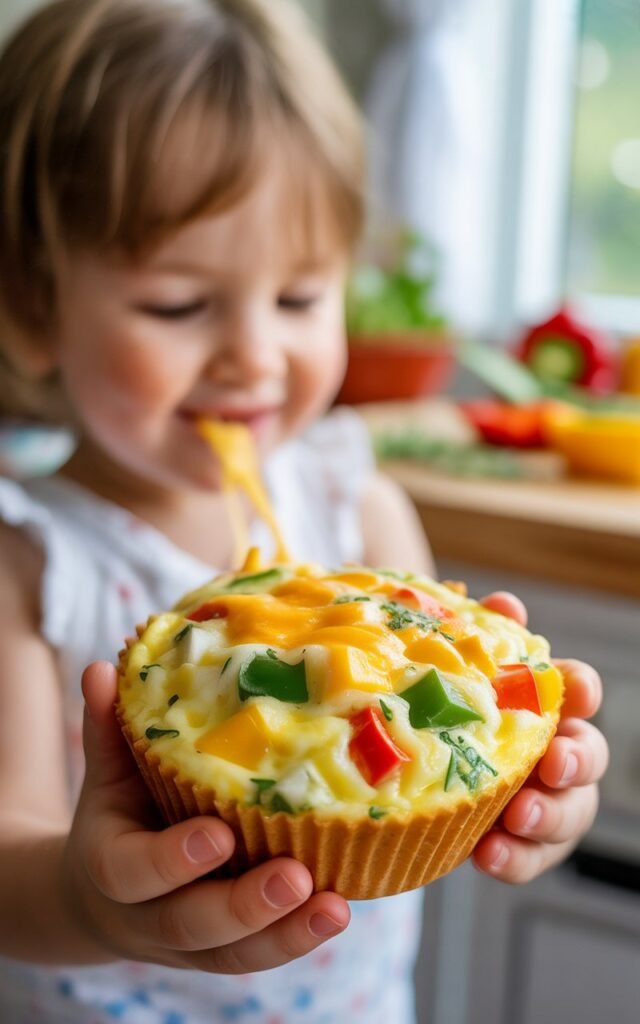
These portable protein packages solve the problem of getting kids to eat eggs. Baked in muffin tins, they’re easy to grab and eat on the way to school or during a busy morning. Each one is like a mini frittata that fits in small hands.
Simple Base Recipe
Whisk eggs with a splash of milk and a bit of salt and pepper. Pour into greased muffin cups, filling each about two-thirds full. Bake at 350°F for about 20 minutes until set. That’s the basic method, but the real magic happens with the add-ins.
Vegetable Additions
Dice bell peppers, tomatoes, spinach, or mushrooms very small. Mix them into the egg mixture before pouring into the muffin cups. The vegetables cook right along with the eggs, creating a complete meal in each muffin.
Grated cheese makes these more appealing to picky eaters. Cheddar, mozzarella, or Swiss all work well. A tablespoon per muffin adds flavor and calcium.
Protein Variations
Cooked and crumbled breakfast sausage adds heartiness. Diced ham works too. For vegetarian options, black beans or diced tofu provide protein without meat.
Keep a batch in the refrigerator for up to four days. They reheat beautifully in the microwave for about 15 seconds. You can also freeze them for longer storage.
Children appreciate foods they can hold and eat with their hands. These egg muffins deliver:
Complete Protein: Eggs contain all essential amino acids kids need for growth.
Vitamin D: This supports bone development and immune function.
Choline: Important for brain development and memory.
Customization Tips
Make different flavors in the same batch. Fill some muffin cups with cheese and broccoli, others with ham and peppers. This way, each child gets their preferred version without you making multiple recipes.
Use silicone muffin cups for easier removal and less cleanup. The egg muffins pop right out without sticking, and silicone cups are reusable.
Avocado Toast
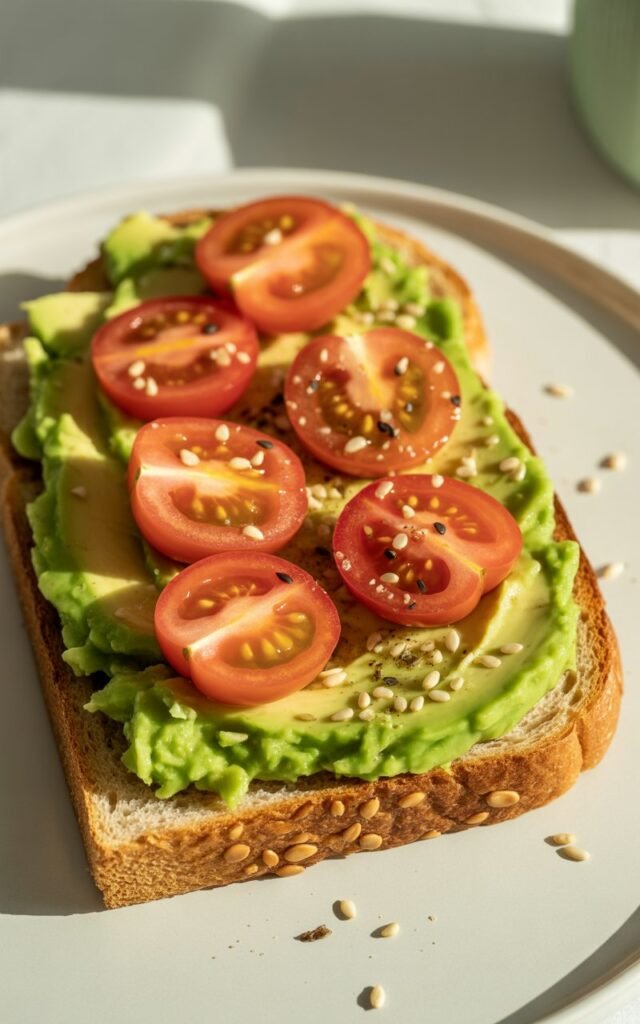
This trendy option has staying power for good reason. The healthy fats in avocados keep kids full and focused through their morning activities. Spread on whole grain bread, it becomes a satisfying meal that takes just minutes to prepare.
Getting the Right Texture
Mash ripe avocado with a fork until mostly smooth. Some small chunks are fine, especially if your children don’t mind texture. Add a tiny squeeze of lemon juice to prevent browning and enhance flavor.
Bread Selection
Choose whole grain or whole wheat bread for maximum nutrition. Toast it until golden but not too crispy, as very hard toast can be difficult for younger children to bite. The toast provides a sturdy base that holds the topping without getting soggy.
Spread a generous layer of the mashed avocado on each piece. The bright green color makes the food visually appealing.
Additional Toppings
A scrambled egg on top adds protein. Sliced cherry tomatoes bring color and vitamins. Everything bagel seasoning creates a flavor kids often enjoy without being too spicy. A light sprinkle of sea salt enhances the natural taste of the avocado.
For children who resist green foods, try calling it “green butter” or another fun name. Sometimes a simple reframe makes all the difference in their willingness to try something new.
This meal offers important nutrients that support overall health:
Healthy Fats: Support brain function and help absorb fat-soluble vitamins.
Fiber: Keeps digestion regular and promotes fullness.
Folate: Essential for cell growth and metabolism.
Quick Tips
Buy several avocados at different stages of ripeness. Keep firmer ones on the counter to ripen over the next few days. Store ripe ones in the refrigerator to slow the ripening process, giving you a constant supply.
If you only use half an avocado, leave the pit in the unused half and wrap tightly in plastic wrap. This helps it stay fresh in the refrigerator for a day or two.
Greek Yogurt Parfait
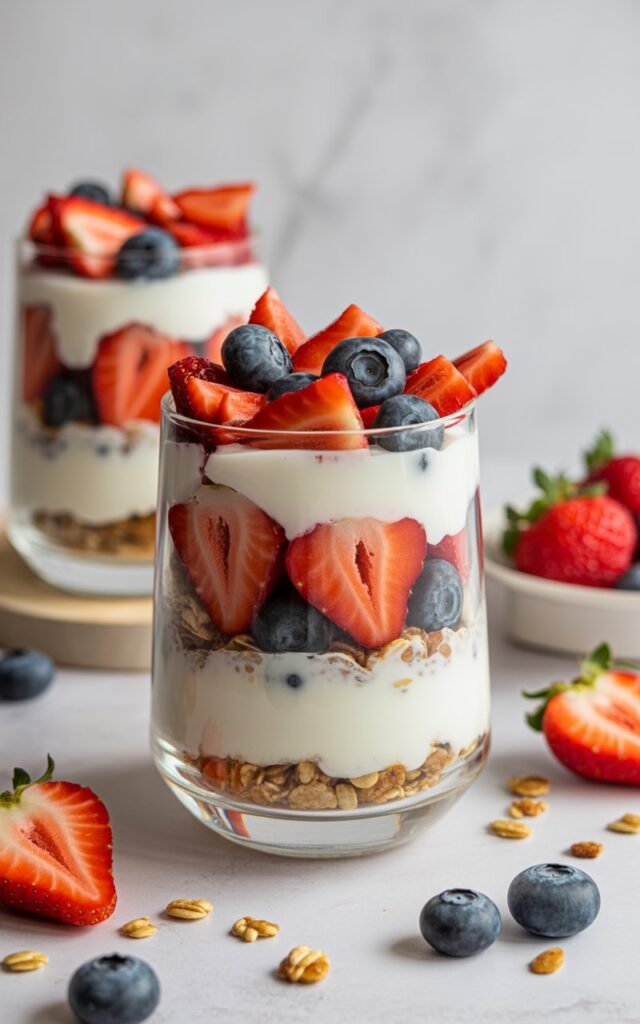
Layers of creamy yogurt, crunchy granola, and sweet fruit create a breakfast that feels like a treat but delivers solid nutrition. Greek yogurt contains more protein than regular yogurt, helping kids stay satisfied until lunch.
Building the Perfect Layers
Start with a clear glass or bowl so children can see the colorful layers. Spoon in Greek yogurt as the base layer. Choose plain yogurt and sweeten it yourself with a small amount of honey or maple syrup. This gives you control over sugar content.
Add a layer of fresh berries or sliced fruit. The natural sweetness balances the tangy yogurt. Sprinkle granola for crunch. Repeat the layers until you reach the top of the container.
Choosing Granola
Look for options with whole grains listed first in the ingredients. Many commercial granolas contain excessive sugar. Make your own by mixing oats with a small amount of honey and baking until golden. Add nuts and dried fruit after baking.
Fruit Combinations
Mix different fruits for varied nutrients and flavors. Blueberries and sliced strawberries create a classic combination. Diced peaches and raspberries offer something different. Banana slices and a few chocolate chips make it more dessert-like while still being reasonable.
Frozen fruit works when fresh isn’t available. Thaw it slightly before layering, or use it frozen if you’ll eat the parfait right away.
Kids benefit from the nutrients in this colorful breakfast:
Probiotics: Support gut health and immune function.
Calcium: Builds strong bones and teeth.
Antioxidants: Protect cells from damage and support overall health.
Make-Ahead Approach
Layer everything except the granola in mason jars the night before. Store in the refrigerator. Add granola right before serving so it stays crunchy. These stay fresh for two days.
Let children assemble their own parfaits on weekend mornings. Set out bowls of yogurt, fruit, and toppings. This gives them ownership of their meal and teaches basic kitchen skills.
Breakfast Wraps
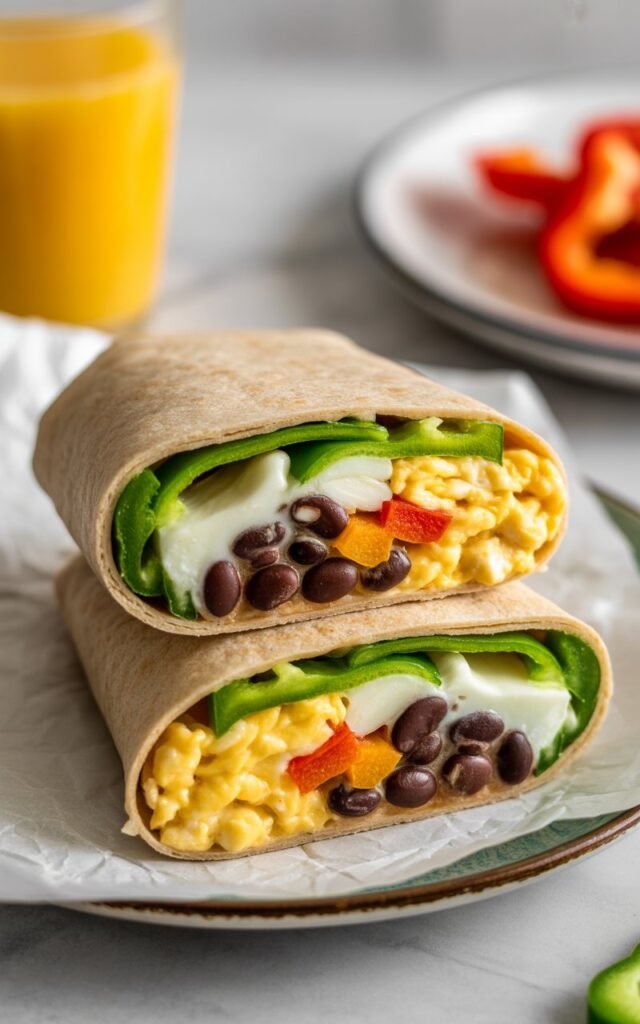
Wraps turn familiar ingredients into a handheld meal that’s perfect for eating on the go. Whole wheat tortillas hold scrambled eggs, beans, cheese, and vegetables in a package that’s easy to eat in the car or at the table.
Scrambled Egg Base
Cook scrambled eggs with a splash of milk to keep them fluffy. Season lightly with salt. Let them cool slightly before assembling the wraps, as hot eggs can make the tortilla soggy.
Adding More Nutrition
Black beans or refried beans add fiber and protein. Shredded cheese provides calcium. Diced bell peppers, tomatoes, or mild salsa give flavor without too much spice. Spread a thin layer of cream cheese or sour cream on the tortilla before adding fillings.
Rolling Technique
Warm the tortilla slightly to make it more pliable. Place fillings in the center, leaving about an inch on each side. Fold in the sides, then roll from bottom to top, tucking as you go. This creates a secure wrap that won’t fall apart.
Customization Options
Make different versions to suit various preferences in your family. Some children prefer just eggs and cheese. Others will eat more vegetables when they’re mixed with familiar ingredients.
A breakfast wrap provides balanced nutrition to start the day:
Complete Meal: Contains protein, carbohydrates, and vegetables in one package.
Portable: Easy to eat during morning commutes or busy mornings.
Customizable: Each person can have their preferred ingredients.
Freeze assembled wraps individually in foil or plastic wrap. Reheat in the microwave for about a minute, turning halfway through. Remove any foil before microwaving.
Time-Saving Method
Prep ingredients the night before. Chop vegetables, grate cheese, and cook any meat you’ll use. Store everything in separate containers. In the morning, scramble eggs and assemble wraps quickly using your prepped ingredients.
Some families prefer making a week’s worth of wraps on Sunday. They freeze well and make weekday mornings much simpler.
Starting Your Day Right
These seven options give you a solid rotation for weekday mornings. Each one balances nutrition with practicality, giving your family the fuel needed for busy days ahead. The best breakfast is one that gets eaten, so don’t worry about perfection.
Focus on including protein, whole grains, and fruit or vegetables in most meals. Let your children help with age-appropriate tasks like washing berries or stirring ingredients. Getting them involved often increases their willingness to eat what you’ve prepared together.
Frequently Asked Questions
Q: How can I get my picky eater to try these breakfast options?
A: Start with one new option at a time and serve it alongside something familiar they already enjoy. Let them help prepare the meal, which often increases their willingness to taste it. Don’t force them to eat everything, but encourage at least one bite. It can take multiple exposures before a child accepts a new food.
Q: Can I prepare these breakfasts ahead of time for the whole week?
A: Yes, most of these options work well for meal prep. Overnight oats, egg muffins, pancakes, and breakfast wraps all freeze or refrigerate nicely. Make a large batch on the weekend and store in individual portions. This saves significant time during busy weekday mornings.
Q: What if my child has food allergies or dietary restrictions?
A: Each recipe can be modified for common allergies. Use non-dairy milk in overnight oats and smoothie bowls. Replace eggs with chickpea flour or egg replacer in muffins. Choose gluten-free bread for avocado toast or gluten-free tortillas for wraps. Greek yogurt parfaits can use coconut or soy yogurt alternatives.
Q: How much protein should kids get at breakfast?
A: School-age children generally need 10-15 grams of protein at breakfast to stay full and focused. Eggs provide about 6 grams each. Greek yogurt contains 15-20 grams per cup. Combining protein sources, like eggs with cheese or yogurt with nuts, helps meet this goal.
Q: Are smoothie bowls as nutritious as they seem?
A: They can be very nutritious when made properly. Use whole fruits rather than juice, include protein sources like Greek yogurt or protein powder, and limit added sweeteners. The toppings add extra nutrients and fiber. They’re definitely healthier than sugary cereals or pastries.
Q: What’s the best way to store leftover pancakes?
A: Let pancakes cool completely on a wire rack. Stack them with parchment or wax paper between each one to prevent sticking. Store in a freezer bag for up to three months. Reheat individual pancakes in the toaster or microwave for quick weekday breakfasts.
Q: Can these breakfasts work for adults too?
A: Absolutely. These options provide balanced nutrition for people of all ages. Adults might want to increase portion sizes and add extra vegetables or protein to meet higher calorie needs. The convenience factor benefits everyone in the family.
Q: How do I know if my child is getting enough to eat at breakfast?
A: Watch their energy levels and hunger cues throughout the morning. If they’re asking for snacks within an hour of breakfast, they may need more protein or fat to stay satisfied. Most children ages 4-8 need 300-400 calories at breakfast, while older kids may need 400-500 calories.
Q: What if we don’t have time for breakfast on really hectic mornings?
A: Keep grab-and-go options ready. Make breakfast wraps or egg muffins in advance and freeze them. Keep ingredients for smoothies prepped in the freezer. Even peanut butter on whole grain toast with a banana provides decent nutrition when time is very tight.